Search results
Search for "characterization" in Full Text gives 1432 result(s) in Beilstein Journal of Nanotechnology. Showing first 200.
Interconnection morphology effects on the radio frequency response of carbon nanotube sponges
Beilstein J. Nanotechnol. 2026, 17, 343–351, doi:10.3762/bjnano.17.23
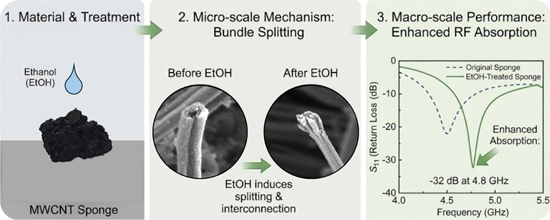
- Information File 40: Additional details on CNS preparation, XPS analysis, and antenna characterization. Funding MS would like to acknowledge the INFN (Istituto Nazionale di Fisica Nucleare) MANIFOLD (Multidimensional nANodevice archItectures For lOw-perturbation singLe-ion Detection) grant.



Fast vortex dynamics and relaxation times in NbRe-based heterostructures
Beilstein J. Nanotechnol. 2026, 17, 292–302, doi:10.3762/bjnano.17.20
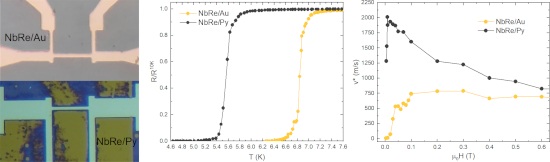
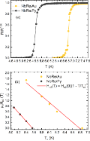
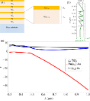
- characterization The normalized resistive transitions, R/R10K, of the two microbridges are reported in Figure 1a. The critical temperatures are = 6.8 K and = 5.6 K. The obtained values are smaller than those reported for NbRe thin films of similar thickness [19][22], with a stronger reduction observed in the


Advancing nanolithography: a comprehensive review of materials for local anodic oxidation with AFM
Beilstein J. Nanotechnol. 2026, 17, 275–291, doi:10.3762/bjnano.17.19
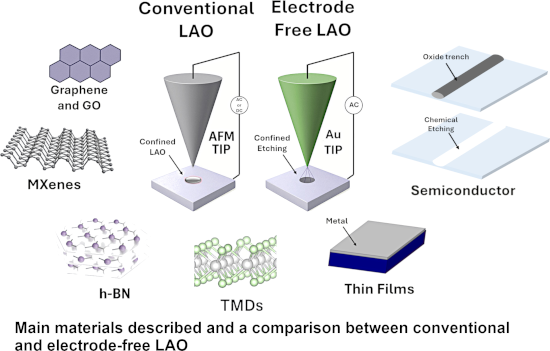
- Matteo Lorenzoni Materials Characterization Facility, Istituto Italiano di Tecnologia, via Morego 30, 16163 Genoa, Italy 10.3762/bjnano.17.19 Abstract Local anodic oxidation (LAO), also known as local oxidation nanolithography or oxidation scanning probe lithography has emerged as a versatile


Durable antimicrobial activity of fabrics functionalized with zeolite ion-exchanged nanomaterials against Staphylococcus aureus and Escherichia coli
Beilstein J. Nanotechnol. 2026, 17, 262–274, doi:10.3762/bjnano.17.18
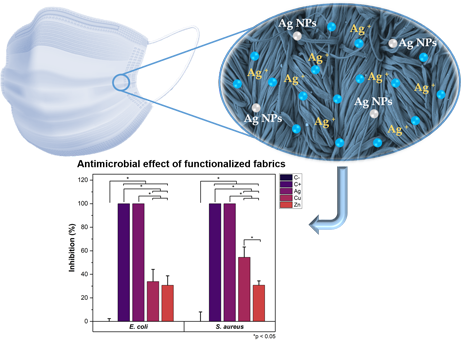
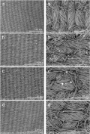
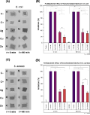
- physicochemical characterization of these materials, including metal content, morphology, and structural properties was reported in [4]. Materials characterization The morphology of the fabrics with and without NPs was analyzed by SEM. Images were acquired in a Hitachi SU3500 microscope operating at an




Multilayered hyperbolic Au/TiO2 nanostructures for enhancing the nonlinear response around the epsilon-near-zero point
Beilstein J. Nanotechnol. 2026, 17, 251–261, doi:10.3762/bjnano.17.17
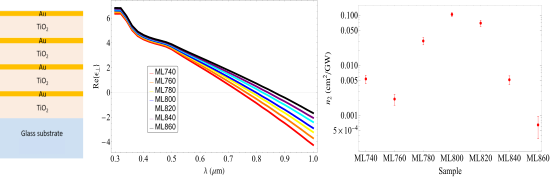
- function of the resonance conditions around the ENZ point. The characterization of the linear properties of the samples was done using spectrophotometry and spectral ellipsometry. We studied the nonlinear response with the z-scan technique at different incident irradiances using a Ti:sapphire femtosecond
- the nonlinear response of a Ru/TiO2 multilayered structure as reported in [22]. This sample was designed to have an ENZ point at 800 nm and was fabricated using atomic layer deposition. During the linear characterization of the optical properties, spectral ellipsometry showed that the ENZ point
- tune the material to the laser wavelength rather than the other way around. We make a characterization of the linear optical properties of the samples and present a study of the nonlinear optical properties. For the linear characterization of the samples, we study the absorption using spectrophotometry


Gold nanoparticle-decorated reduced graphene oxide as a highly effective catalyst for the selective α,β-dehydrogenation of N-alkyl-4-piperidones
Beilstein J. Nanotechnol. 2026, 17, 218–238, doi:10.3762/bjnano.17.15
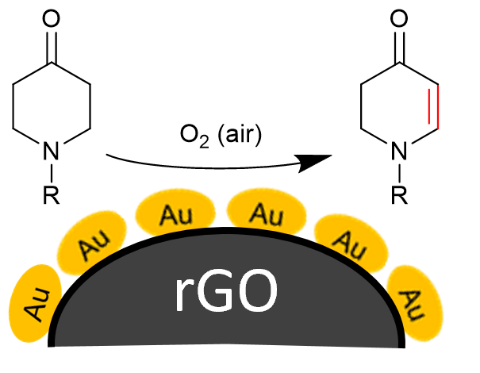
- and selectivity with an exceptionally low gold loading. Results and Discussion Description and characterization of the carbon supports The morphological and textural properties of the carbon supports are critical for their performance as catalysts in AuNP-supporting systems. To assess these properties
- supports follows the order rGO > AC > CB, making rGO probably the most active and efficient support for NPs. Synthesis and characterization of carbon-supported gold nanoparticles The synthesis of the Au-Cit/carbon and of the Au-SiW9/carbon composites was carried out by the RD method as schematically
- ketones. The corresponding catalytic data and product characterization have been included in Supporting Information File 1. As shown in Table 1, catalysts with CB as support demonstrated lower conversion and yields, while AuNPs supported on AC and rGO achieved nearly complete or complete conversion of the


Micro- and nanoscale effects in biological and bioinspired materials and surfaces
Beilstein J. Nanotechnol. 2026, 17, 214–217, doi:10.3762/bjnano.17.14

- interdisciplinary forum for exploring emerging trends related to biological and bioinspired surfaces. The topics covered ranged across various aspects of biomimetic research from characterization of biological functions to bioinspired technical applications, with central themes including micro- and nanostructured
- ” consists of 15 articles representing all facets of research on biological and bioinspired surfaces, ranging from experimental and microscopy studies on biological objects, translational approaches with characterization of artificial replicas, bioinspired prototypes to theoretical studies including modeling
- characterization of functional plant tissues [19] integrating experiments and finite element models, and animal tissues [20] incorporating molecular dynamics and finite element methods. Investigating the anisotropic hygroscopic behavior of the involved materials in bending in pine cone scales, Ulrich et al. [19
Safe and sustainable by design with ML/AI: A transformative approach to advancing nanotechnology
Beilstein J. Nanotechnol. 2026, 17, 176–185, doi:10.3762/bjnano.17.11
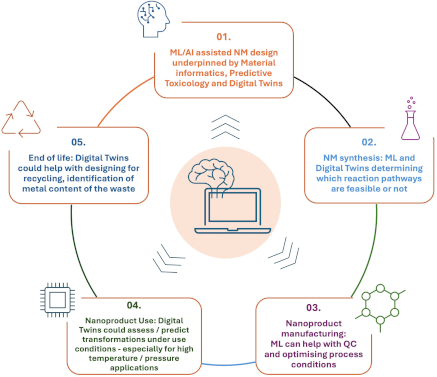
- ecotoxicological endpoints, standardized test methods, and physicochemical characterization protocols, and the development of nano-specific life cycle inventory data suitable for reliable LCAs. Without these foundational elements, even the most sophisticated ML models may yield biased or non-transferable results


Influence of surface characteristics on the in vitro stability and cell uptake of nanoliposomes for brain delivery
Beilstein J. Nanotechnol. 2026, 17, 139–158, doi:10.3762/bjnano.17.9
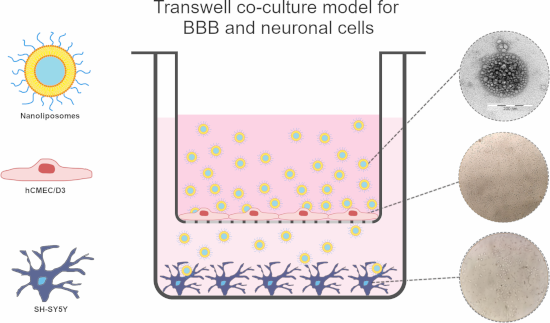
- ratios for NLb0, NLb1, and NLb2, respectively) were prepared by modified lipid film hydration technique as described in our previous work [18]. The chosen formulations used for these studies were previously optimized and underwent complete characterization, where it was shown that the used amounts of PEG
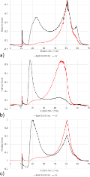


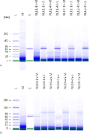
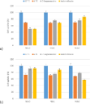


Development and in vitro evaluation of liposomes and immunoliposomes containing 5-fluorouracil and R-phycoerythrin as a potential phototheranostic system for colorectal cancer
Beilstein J. Nanotechnol. 2026, 17, 97–121, doi:10.3762/bjnano.17.7
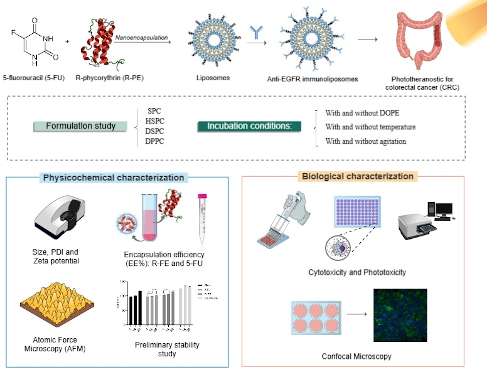
- Sepharose CL-4B column eluted with PBS (pH 7.4) [19]. 2.3 Sample characterization 2.3.1 Particle size, polydispersity and zeta potential The hydrodynamic vesicle size and polydispersity index (PDI) were performed by dynamic light scattering (DLS), and the zeta potential by electrophoretic light scattering
- force microscopy The topographical characterization of liposomal formulations was performed by using atomic force microscopy (AFM) with a Nanosurf® FlexAFM system. The samples analyzed included liposomes and immunoliposomes containing R-PE. Briefly, to avoid vesicle deformation or disruption, liposomes
- characterization, the selected formulations were 30 days. The samples were kept at 4 °C in plastic containers wrapped in aluminum protected from light, and characterized for vesicle size, PDI, and zeta potential. 2.5.1 Stability of nanoparticles in serum The stability of the nanoparticles in bovine serum was



Functional surface engineering for cultural heritage protection: the role of superhydrophobic and superoleophobic coatings – a comprehensive review
Beilstein J. Nanotechnol. 2026, 17, 63–96, doi:10.3762/bjnano.17.6
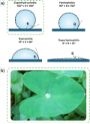
- characterization, particularly micro-FTIR coupled with principal component analysis (PCAn), confirmed the efficiency of the gel and spatially controlled cleaning action. The authors believed that this approach reduces the need for separate treatments and harsh chemicals traditionally used in metal conservation




Reduced graphene oxide paper electrode for lithium-ion cells – towards optimized thermal reduction
Beilstein J. Nanotechnol. 2026, 17, 24–37, doi:10.3762/bjnano.17.3
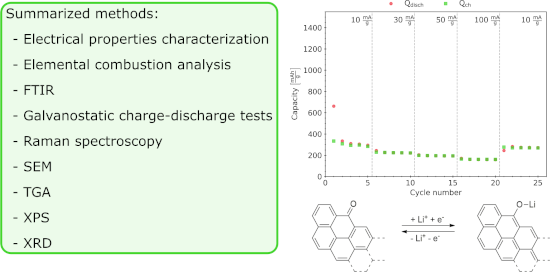
- PANalytical Empyrean diffractometer with a Cu Kα (1.540598 Å) X-ray source. Applied parameters were 45 kV and 40 A. Graphene paper samples were cut to fit the holders. The applied step angle was 0.026261°. Electrical properties characterization The electrical properties (sheet resistance and conductivity) of
- that the interlayer spacing remains relatively stable, while higher temperatures, particularly 800 °C, may lead to partial degradation and increased structural disorder. The obtained rGO paper sheets underwent electrochemical properties characterization; galvanostatic charge–discharge tests were
- the same time, we want to underline that the production of flake graphene materials, their characterization, and the search for further applications are within the scope of the Institute’s activities. The study was partially funded by the Łukasiewicz Research Network – Institute of Microelectronics



Quantitative estimation of nanoparticle/substrate adhesion by atomic force microscopy
Beilstein J. Nanotechnol. 2026, 17, 1–14, doi:10.3762/bjnano.17.1

- oxidation of Cu NPs in ambient air, every sample was kept in a separate vacuum chamber until the AFM measurements. AFM characterization After calibrating the cantilever by either the wedge or the D-LFC method, each sample was immediately measured at the same day. It should be noted that using a sufficiently
- as humidity and temperature, may also have contributed, particularly through enhanced capillary forces between tip and sample during AFM characterization. In general, as the NPs size increases, the lateral force required to push NPs is expected to increase. This expectation is attributed to the



Internal 3D temperature mapping in biological systems using ratiometric light-sheet imaging and lipid-coated upconversion nanothermometers
Beilstein J. Nanotechnol. 2025, 16, 2306–2316, doi:10.3762/bjnano.16.159
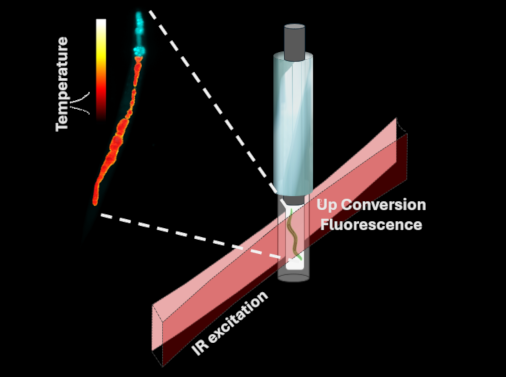
- -dispersible UCNPs@lipids solution had a UCNP concentration of 1 mg·mL−1 and was stored at room temperature for subsequent use and characterization. Evidence of obtaining such a water-dispersible solution was previously reported in [40]. Figure 2 compares the as-purchased nanoparticles dispersed in toluene


Improving magnetic properties of Mn- and Zn-doped core–shell iron oxide nanoparticles by tuning their size
Beilstein J. Nanotechnol. 2025, 16, 2285–2295, doi:10.3762/bjnano.16.157
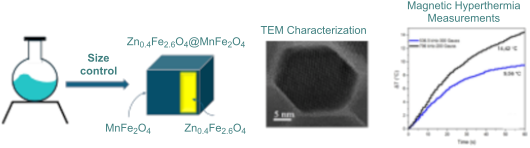
- the synthesis and characterization of polyhedral Zn0.4Fe2.6O4 nanoparticles and their subsequent transformation into Zn0.4Fe2.6O4@MnFe2O4 core–shell nanoparticles with tunable sizes. Previous studies have explored core–shell systems with Co-based shells, but our approach employs MnFe2O4 as the shell
- while expecting good biocompatibility. The use of size-controlled synthesis enables the exploration of size-dependent magnetic properties, while the direct characterization of the core–shell structure using Fourier-transform infrared spectroscopy (FTIR) and high-resolution transmission electron
- collected by centrifugation (10,000 rpm, 10 min), washed twice with ethanol, and redispersed in toluene (10 mL) [7]. Characterization methods Structural characterization of the NPs was performed by X-ray diffractometry (XRD) measurements. X-ray diffraction patterns of NPs (Figure S1, Supporting Information



Visualizing nanostructures in supramolecular hydrogels: a correlative study using confocal and cryogenic scanning electron microscopy
Beilstein J. Nanotechnol. 2025, 16, 2274–2284, doi:10.3762/bjnano.16.156
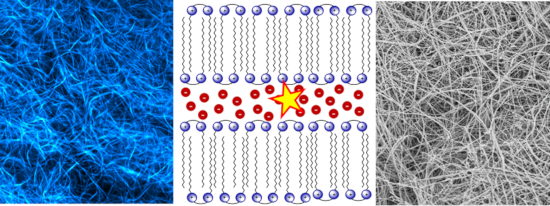
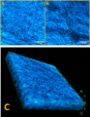
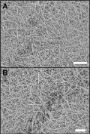
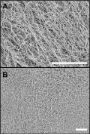
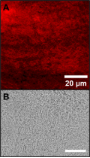
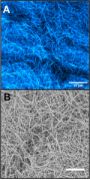
- supramolecular hydrogels present unique challenges in nanoscale morphological characterization because of their fragile fibrous nature and low concentration of the solid component. In this study, imidazolium-based hydrogels containing either diketopyrrolopyrrole (DPP) or zinc(II) phthalocyanine (ZnPc
- ideal for mimicking biological environments, yet these same properties pose major challenges for morphological characterization [6][7]. In particular, conventional electron microscopy often requires dehydration, which risks collapsing the delicate network, while optical methods are typically diffraction
- forms of microscopy have naturally been undertaken, as comprehensive characterization of such systems requires the application of multiple imaging methods. Within the realm of hydrogels, it is typical to see comparative fluorescence and electron microscopy imaging being used to characterize a given



Chiral plasmonic nanostructures fabricated with circularly polarized light
Beilstein J. Nanotechnol. 2025, 16, 2245–2264, doi:10.3762/bjnano.16.154
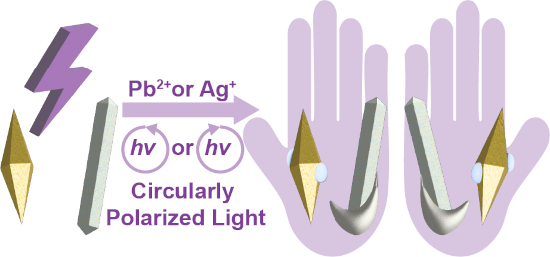
- -induced growth of cPNSs in the same year [20]. CPL offers several advantages over the chiral chemical precursors used in the seeded growth approach. First, CPL is traceless. Turning off the CPL removes its influence on the material system, which can simplify the characterization of the material’s
- -beam lithography in the proximity of PNSs. 3. Theoretical and experimental characterization of chiral plasmonic nanostructures Characterizing cPNSs is crucial for informing the synthesis and uses of cPNSs. This section on different characterization techniques will not be restricted to cPNSs created
- ) measures the interaction between electrons and cPNSs upon laser excitation by mapping the EELS within an electron microscope [135] (Figure 8e). In summary, we have reviewed the nanoscale characterization tools correlating structure to chiroptical activity of PNSs in this section. CD and ORD are handy tools





Electromagnetic study of a split-ring resonator metamaterial with cold-electron bolometers
Beilstein J. Nanotechnol. 2025, 16, 2199–2206, doi:10.3762/bjnano.16.152
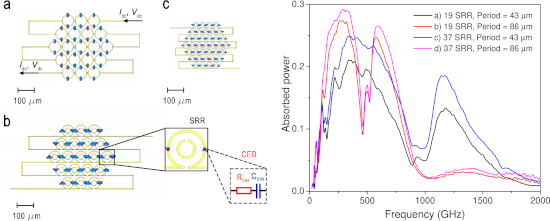
- experiments with broadband coaxial dish antennas [31][32]. Future work will focus on the experimental fabrication and characterization of the proposed miniaturized 37-element SRR array to validate these simulation results. Schematic layout of the investigated metamaterial arrays. (a) 19-element array of


Ultrathin water layers on mannosylated gold nanoparticles
Beilstein J. Nanotechnol. 2025, 16, 2183–2198, doi:10.3762/bjnano.16.151
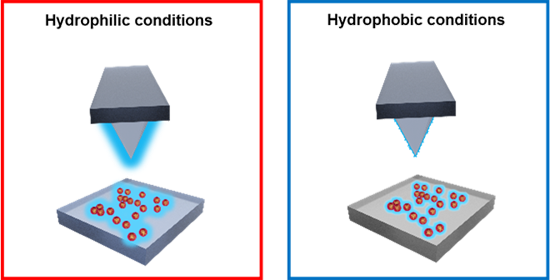
- either case the NPs will expand. We will, however, demonstrate the role of the ligand conformation. We obtained detailed spatial characterization by SEM, to measure size and shape, and to detect aggregation upon adsorption on surfaces of different hydrophilicity (see Supporting Information File 1



Missing links in nanomaterials research impacting productivity and perceptions
Beilstein J. Nanotechnol. 2025, 16, 2168–2176, doi:10.3762/bjnano.16.149
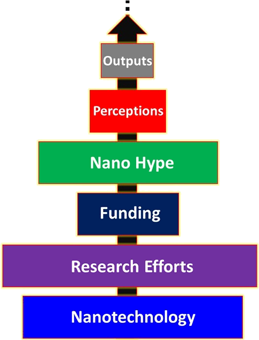
- examination of unique nanostructures, nanoscale characterization, metrology to nanoelectronics, nanophotonics, nanobiotechnology, nanomedicine, nanofabrication, and nanomanufacturing [4][5]. These new developments catalyzed the initiation of numerous new experimental and theoretical areas in different
- equipment, especially characterization tools used for nanosystems, are unavoidable challenges. Another critical challenge is the precision required to produce nanomaterials. The unique properties of nanomaterials arise from controlled particle size, but achieving the desired size and uniformity is extremely
- difficult, even with advanced techniques. Although there are various innovative methods for producing nanomaterials, very few can consistently deliver particles with the desired properties, even under controlled experimental conditions. Therefore, after production, comprehensive characterization of
Microplastic pollution in Himalayan lakes: assessment, risks, and sustainable remediation strategies
Beilstein J. Nanotechnol. 2025, 16, 2144–2167, doi:10.3762/bjnano.16.148
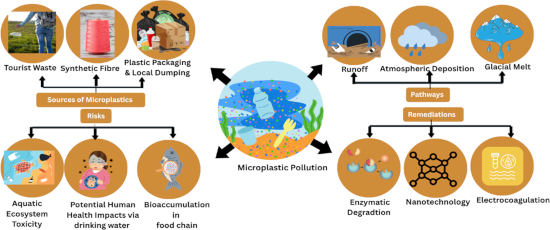
- understanding the full contamination profile in remote ecosystems [33]. An overview of MP sampling and analysis methods is given in Figure 3. 4.2 Analytical techniques for microplastic characterization 4.2.1 Spectroscopy. One of the key methods of analyzing MPs is spectroscopy. Fourier-transform infrared (FTIR
- ]. The combined analytical flow and instrumentation for MP characterization, such as digestion, preparation, and analytical processes like microscopy, spectroscopy, and thermal analysis, is presented in Figure 4. 4.3 Challenges in quantification and identification under alpine conditions MPs assessment


Quality by design optimization of microemulsions for topical delivery of Passiflora setacea seed oil
Beilstein J. Nanotechnol. 2025, 16, 2116–2131, doi:10.3762/bjnano.16.146
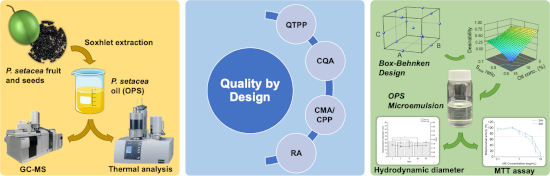
- Discussion Oil extraction and characterization OPS was extracted using the Soxhlet method with n-hexane as the solvent, yielding 30.5 ± 0.8% (w/w) relative to the initial seed mass. After extraction, the oil was dried using a rotary evaporator to remove residual solvent, filtered through a PTFE membrane
- healing [17][18][19]. In addition to its chemical characterization, the thermal stability in inert atmosphere (N2) of OPS was assessed. Thermogravimetric analysis (TGA) revealed an initial mass loss of less than 1% (Tonset = 60 °C), likely associated with the evaporation of residual solvent entrapped in
- preservative for the aqueous phase, with regulatory approval for topical applications. Characterization of microemulsions and physicochemical stability Physicochemical stability As prove of the model prediction capabilities, the optimized formulation identified through numerical optimization, the base


Rapid synthesis of highly monodisperse AgSbS2 nanocrystals: unveiling multifaceted activities in cancer therapy, antibacterial strategies, and antioxidant defense
Beilstein J. Nanotechnol. 2025, 16, 2105–2115, doi:10.3762/bjnano.16.145
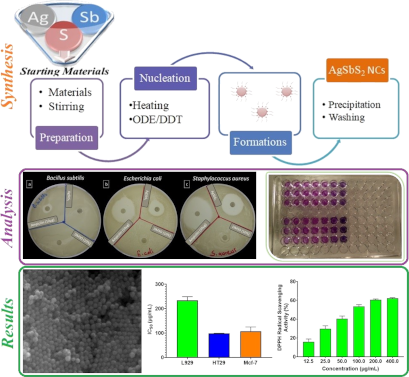
- Structural and morphological characterization of AgSbS2 NCs The crystal structure and phase of AgSbS2 NCs were investigated by XRD analysis. The obtained diffraction pattern and a schematic representation of the crystal structure are given in Figure 1. As can be seen from the XRD pattern, five dominant peaks
- bonds [34][35]. The characterization of AgSbS2 NCs involved a comprehensive analysis using TEM and SEM techniques, as depicted in Figure 2. Within the SEM and TEM images presented in Figure 2a,b, predominantly spherical NCs are observed, measuring approximately 32 ± 10 nm in diameter. Notably, these


Multifrequency AFM integrating PeakForce tapping and higher eigenmodes for heterogeneous surface characterization
Beilstein J. Nanotechnol. 2025, 16, 2077–2085, doi:10.3762/bjnano.16.142
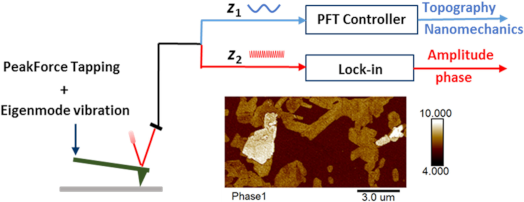
- . Keywords: atomic force microscopy (AFM); high eigenmodes; multifrequency AFM; nanoscale material analysis; surface characterization; Introduction Atomic force microscopy (AFM) has become an indispensable tool for characterizing the morphology and surface properties of materials at the micro- and the
- variations exceeding two orders of magnitude, this necessitates iterative probe selection, complicating high-throughput characterization [21]. In this study, we introduce a hybrid multifrequency AFM technique that synergistically integrates non-resonant PeakForce modulation with eigenmode vibrations to
- montmorillonite (MMT) nanosheets, demonstrating its potential to improve material property contrast and characterization. Experimental Experimental setup Our experiments were conducted using a commercial AFM system (Bruker Dimension Icon) equipped with a cantilever holder that incorporates a piezoelectric


Stereodiscrimination of guests in chiral organosilica aerogels studied by ESR spectroscopy
Beilstein J. Nanotechnol. 2025, 16, 2034–2054, doi:10.3762/bjnano.16.140
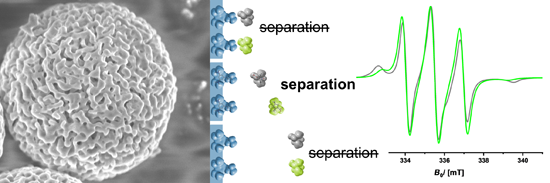
- aerogel. Characterization data for the prepared SIL is shown in Supporting Information File 1, Figure S1. A monolithic material with a large porosity and a polydisperse pore system in the size range Dpore = 50–300 nm was obtained. The specific surface area is ABET = 946 m2·g−1 according to nitrogen
- transport, and macro-to-mesoporous materials are more frequently used for chromatography [57], we concentrate on aerogels in our current study. An aerogel prepared from 1,3-bis(triisopropoxysilyl)thiophenol is presented here for the first time. The relevant characterization data are shown in Supporting
- -AlaNH10oSil and, thus, a material containing a hydrophobic environment around the stereocenter. Characterization data are shown in Supporting Information File 1, Figure S9. Chiral spin probes in achiral hosts The enantiomerically pure nitroxides are not commercially available. Therefore, 3CP was prepared