


Search results
Search for "composition" in Full Text gives 1133 result(s) in Beilstein Journal of Nanotechnology. Showing first 200.
Nanocarrier-integrated multilayer films produced by 3D printing for improved skin adhesion and curcumin photostability
Beilstein J. Nanotechnol. 2026, 17, 440–453, doi:10.3762/bjnano.17.30
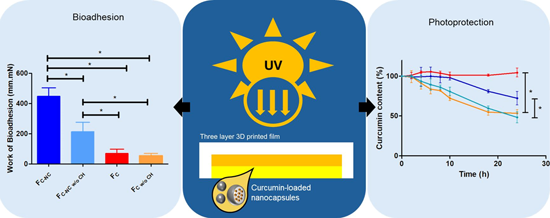
- content and the non-encapsulated curcumin content. Production of the printing Inks Three different polymeric hydrogels or hydrogel blends were produced, corresponding to the three distinct layers of the film. Table 1 presents the composition of the different hydrogels prepared and used as printing inks
- the nanocarriers, which allows for increased contact with the skin, while the polymeric composition of the nanocarriers may also contribute to enhanced adhesion. Taken together, these findings reinforce the interpretation presented above regarding the bioadhesive contribution of the nanocarriers used
- , and degradation behaviour was considered beyond the scope of this initial study and will be addressed in future formulation optimisation work. These attributes can be readily tuned in SSE 3D printing through adjustments in polymer composition, plasticizer content, layer thickness, and post-printing


First-principles study on elastic properties of Cu, (Cu1−x,Nix)3Sn and interfacial mechanical properties of (Cu1−x,Nix)3Sn/Cu in the lead-free solder joint
Beilstein J. Nanotechnol. 2026, 17, 428–439, doi:10.3762/bjnano.17.29
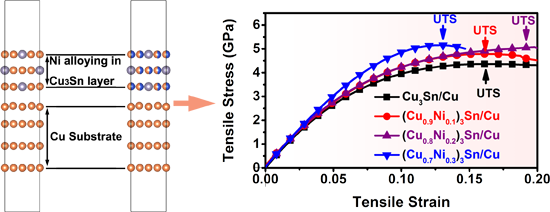
- /Cu increases with increasing Ni content, as the composition changes from Cu3Sn/Cu to (Cu0.8Ni0.2)3Sn/Cu. After further increase of Ni content, the interfacial toughness will decrease to 0.306 MPa·m0.5 for (Cu0.7Ni0.3)3Sn/Cu. In the following, the mechanisms responsible for the effects of Ni alloying
- on the interfacial mechanical properties of (CuxNi1−x)3Sn/Cu are discussed. The interfacial toughness increases with the Ni content when the composition changes from Cu3Sn/Cu to (Cu0.8Ni0.2)3Sn/Cu. Such improvement can be related to the enhanced oriented Young’s modulus and ductility of (CuxNi1−x)3Sn
- Young’s modulus and ductility, both UTS and tensile strain at UTS increase as the composition changes from Cu3Sn/Cu to (Cu0.8Ni0.2)3Sn/Cu. The enhanced UTS and tensile strain at UTS will lead to an improvement of the work of adhesion and, in turn, result in a reinforced interfacial toughness. The


Nanoinformatics: spanning scales, systems and solutions
Beilstein J. Nanotechnol. 2026, 17, 423–427, doi:10.3762/bjnano.17.28

- reactivity [3]. Amini et al. combined atomistic molecular dynamics, a coarse-grained model of protein adsorption, and kinetic Monte Carlo simulations to predict the protein corona composition formed on aluminium surfaces with different crystal faces, (i.e., (100), (110), and (111)) from a simplified model of

Biomimetic nanoparticles in cancer photodynamic therapy: a review of targeted delivery systems and therapeutic outcomes
Beilstein J. Nanotechnol. 2026, 17, 396–422, doi:10.3762/bjnano.17.27
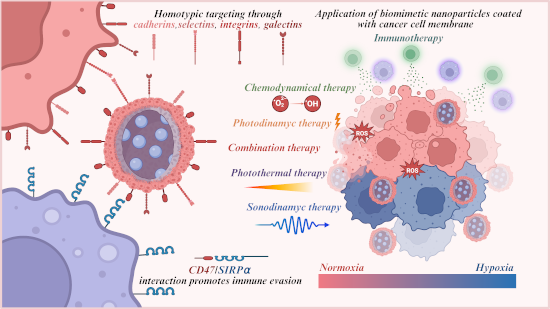
- lysis is essential for the extraction of biomimetic membranes; the membrane composition is directly influenced by the severity of the lysis method. Common techniques include (i) ultrasound, that is, membrane rupture via pressure waves (20–50 kHz), requiring precise control to prevent heat damage [54
- % cell composition). Various methods exist for coating synthetic nanoparticle cores with biomimetic shells, each with unique advantages and limitations. A crucial factor is ensuring the correct “right-side-out” orientation of membrane proteins, which preserves system stability and enables proper


Eco-efficient materials for agricultural crops based on a mineral rich in MOR- and HEU-type zeolites
Beilstein J. Nanotechnol. 2026, 17, 381–395, doi:10.3762/bjnano.17.26
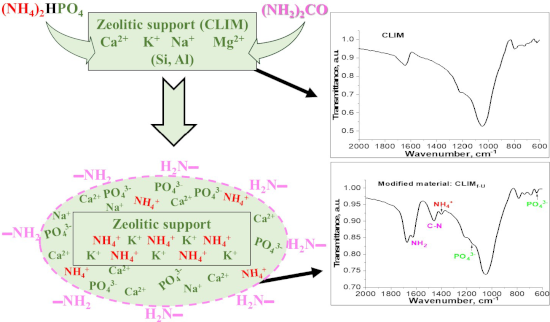
- of zeolitic materials developed by our working group. These properties enabled the development of a technological procedure described in [13][14], which can enrich natural minerals with essential additional nutrients without significantly affecting their original cationic composition and without
- regions with significant natural reserves of zeolite-containing rocks. In addition, the involvement of such deposits in economic turnover contributes to the development of local industrial infrastructure and increases added value at the regional level. Even with a heterogeneous mineral composition, it is
- 6b) [43][46]. According to [15][47][48], the laminar habit is associated with K+ cations, while the coffin-shaped habit is associated with the predominance of both Ca2+ and K+ cations. This corresponds to the elemental composition (Table 1) of this natural zeolite (CLIM). The images obtained from




Polycatecholamine nanocoatings on stainless steel: the effect on attachment of human fibroblasts and platelets
Beilstein J. Nanotechnol. 2026, 17, 365–380, doi:10.3762/bjnano.17.25
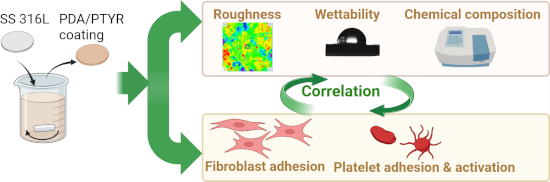
- on the comparison of PTYR and PDA coating properties, demonstrating that, although chemical composition of both might be assumed to be very similar, we were able to distinguish significant differences. For PDA and PTYR coatings, we applied a chemical oxidation process much faster than the typically
- d to evaluate the coating detachment or any morphological changes. Primary amine content evaluation Evaluation of primary amine (–NH2) content in the coatings was performed using methyl orange assay (adapted from [53]) to link the platelets response to the materials with the chemical composition of




Beam shaping techniques for pulsed laser ablation in liquids: Unlocking tunable control of nanoparticle synthesis in liquids
Beilstein J. Nanotechnol. 2026, 17, 309–342, doi:10.3762/bjnano.17.22
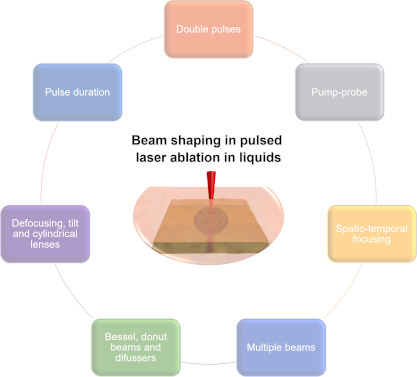
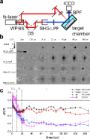
- 10.3762/bjnano.17.22 Abstract Nanoparticle synthesis via pulsed laser ablation in liquids has gained prominence as a versatile and environmentally friendly approach for producing ligand-free colloids with controlled composition, size, and morphology. While pulsed laser ablation in liquids offers
- size distribution is also affected by the fluence, obtaining smaller NPs for low fluences of 0.5–4.0 J·cm−2 [130][131][132]. The NP composition is also affected by the fluence. An increase of the laser energy leads to a higher concentration of gas, for example oxygen atoms, that increase O content in
- . have demonstrated that the optical properties of Si/Au NPs, their structure, as well as their chemical composition can be modified by defocusing [143]. Defocusing 0.5 mm inside the target led to enhanced chemical stability of the colloids and increased concentration. Moreover, NP size control could be







Advancing nanolithography: a comprehensive review of materials for local anodic oxidation with AFM
Beilstein J. Nanotechnol. 2026, 17, 275–291, doi:10.3762/bjnano.17.19
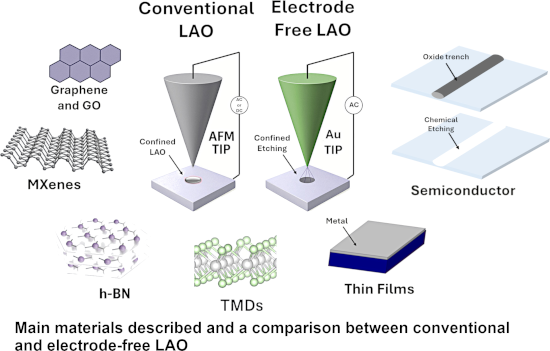
- due to reduced electronic interactions between layers. Raman spectroscopy and micro-XPS studies confirm these effects, revealing oxygen incorporation patterns and changes in chemical composition. In summary, the versatility in achieving selective oxidation or ablation expands the potential for device


Durable antimicrobial activity of fabrics functionalized with zeolite ion-exchanged nanomaterials against Staphylococcus aureus and Escherichia coli
Beilstein J. Nanotechnol. 2026, 17, 262–274, doi:10.3762/bjnano.17.18
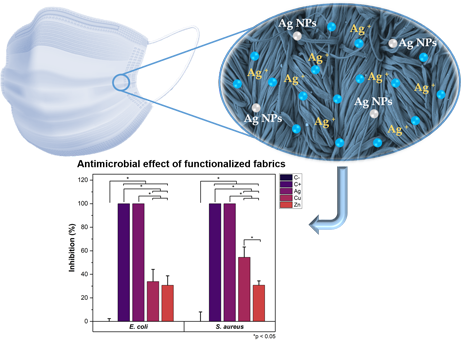
- cycles, representing a direct and practical extension of the prior findings. Results and Discussion Chemical composition Prior to the fabric functionalization, the silver, copper, and zinc loadings in, respectively, Ag/CBV-600, Cu/CBV-600, and Zn/CBV-600 nanomaterials were analyzed by inductively coupled
- coincided well with data provided by the supplier and measurements obtained through EDS and ICP-OES analysis. As discussed in our previous work [4], the ion exchange treatment did not induce any changes in the chemical composition of the zeolite structure, such as dealumination or disilation. No additional
- fabrics were dried at room temperature for one day. A 10% (w/w) acrylic resin (Acrylic binder 005, Royal Talens Company, Apeldoorn, Netherlands, chemical composition: 5-chloro-2-methyl-2H-isothiazol-3-one; 2-methyl-2H-isothiazol-3-one; 1,2-benzisothiazol-3(2H)-one) was used as a binding agent to




Multilayered hyperbolic Au/TiO2 nanostructures for enhancing the nonlinear response around the epsilon-near-zero point
Beilstein J. Nanotechnol. 2026, 17, 251–261, doi:10.3762/bjnano.17.17
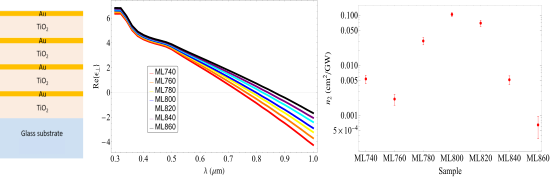
- actually was not at 800 nm, but rather at 600 nm. We tried to find the reason of this shift with our available resources. Transmission electron microscopy showed that there was no significant change in the geometry, which could have resulted in the ENZ shift. We could not study the composition of the


Comparative study on 3D morphologies of delignified, single tracheids and fibers of five wood species
Beilstein J. Nanotechnol. 2026, 17, 239–250, doi:10.3762/bjnano.17.16
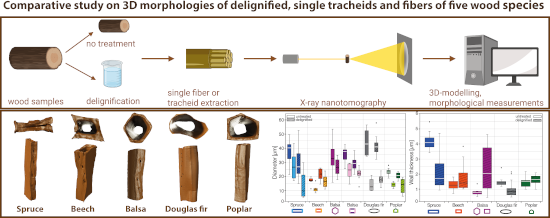
- , Technical University of Munich, Straubing, Germany Helmholtz-Zentrum Hereon, Geesthacht, Germany 10.3762/bjnano.17.16 Abstract Wood tracheids and fibers exhibit diverse structures and shapes across plant species. The hierarchical structure and composition of cellulose, hemicelluloses, and lignin enables


Gold nanoparticle-decorated reduced graphene oxide as a highly effective catalyst for the selective α,β-dehydrogenation of N-alkyl-4-piperidones
Beilstein J. Nanotechnol. 2026, 17, 218–238, doi:10.3762/bjnano.17.15


Micro- and nanoscale effects in biological and bioinspired materials and surfaces
Beilstein J. Nanotechnol. 2026, 17, 214–217, doi:10.3762/bjnano.17.14
- coloration [13]. Piersanti et al. [12] described the functional morphology and material composition of the cleaning devices of a damselfly species and experimentally investigated their performance. This species bears specialized grooming structures on the tibiae of its forelegs with dedicated micro- and
- composition of the secreting cells and its cement product, providing a strong basis for further research on the assembly of biological and bioinspired adhesives. Sawant et al. [15] focused on the cement of a barnacle and experimentally investigated a specific key cement protein and its self-assembly under
Time of flight secondary ion mass spectrometry imaging of contaminant species in chemical vapour deposited graphene on copper
Beilstein J. Nanotechnol. 2026, 17, 200–213, doi:10.3762/bjnano.17.13
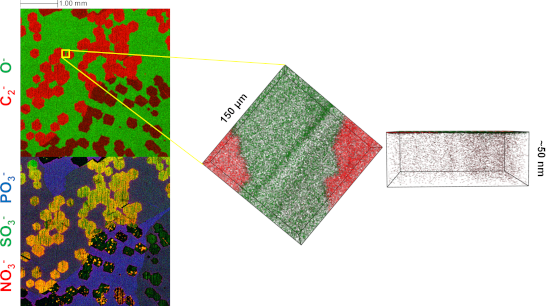
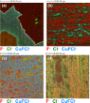
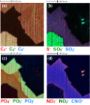
- resolving power, and imaging capability of ToF-SIMS allow us to explore variations in the chemical species present on the graphene surface, as well as in three dimensions under the graphene. In this way, we can observe the impact that variations in the chemical composition of the copper foil have on the
- CasaXPS (version 2.3.26PR1.0) with Shirley-type backgrounds for the high-resolution spectra, and elemental composition was calculated from the wide scans using the NPL transmission functions and average matrix relative sensitivity factors after removal of a Tougaard or linear background [45]. Results and
- present within the graphene films, which facilitate oxygen diffusion, depending on the growth process. The variation in the colour distribution also reflects potential variations in the composition of the oxide layer that forms on the surface. To further explore the extent of the substrate oxidation in





Structure-dependent thermochromism of PAZO thin films: theory and experiment
Beilstein J. Nanotechnol. 2026, 17, 186–199, doi:10.3762/bjnano.17.12
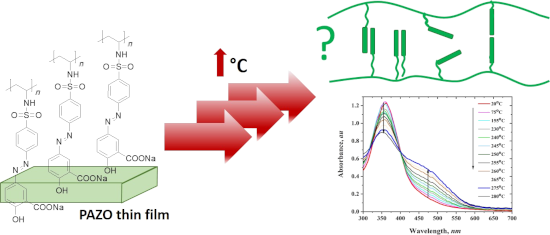
- alterations in molecular structure and chemical composition. Thermal treatment can alter the types and amounts of functional groups present in a polymer. This is a consequence of the chemical reactions occurring at elevated temperatures and leading to changes in the structure and properties of polymers. These


Safe and sustainable by design with ML/AI: A transformative approach to advancing nanotechnology
Beilstein J. Nanotechnol. 2026, 17, 176–185, doi:10.3762/bjnano.17.11

- early in the design cycle, enabling prompt adjustments to chemical composition or synthesis protocols that mitigate toxicity without compromising performance. Through such feedback loops, materials informatics cultivates a forward-looking approach to nanomaterial innovation, where safety considerations


From shield to spear: Charge-reversible nanocarriers in overcoming cancer therapy barriers
Beilstein J. Nanotechnol. 2026, 17, 159–175, doi:10.3762/bjnano.17.10
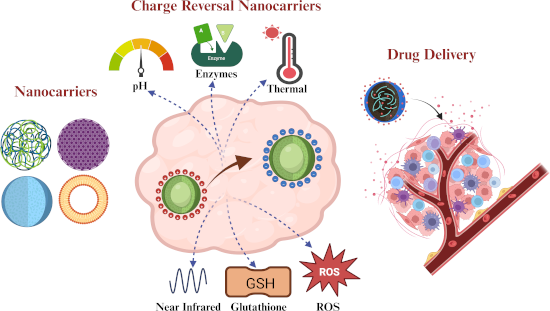
- pharmacokinetics, biodistribution, and therapeutic efficacy [100]. These factors collectively influence the biological behaviour and therapeutic efficacy of CRNs, complicating their predictability and consistency in patients. In addition, the intricate composition of these systems often extends regulatory approval


Influence of surface characteristics on the in vitro stability and cell uptake of nanoliposomes for brain delivery
Beilstein J. Nanotechnol. 2026, 17, 139–158, doi:10.3762/bjnano.17.9
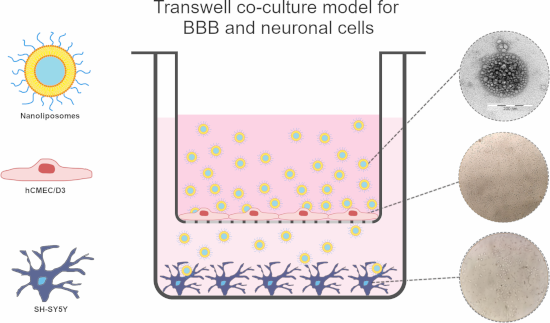
- well known that incorporating AC into NLs improves their biological distribution, reduces macrophage uptake, and lowers free AC concentrations, thus decreasing systemic toxicity. Additionally, modifying the composition and surface properties of NLs can enhance their passage through the blood–brain
- highlight the dominant independent variables that have a significant effect in the model, the VIP score was used. Results and Discussion Particle size, particle size distribution and z-potential of the nanoliposomes Several studies have reported that despite the composition and the other surface properties
- , focusing rate and duration, sample loading, and carrier conditions. The composition of the carrier buffer, as well as its ionic strength and pH are crucial considerations for stabilizing the structures, preventing agglomeration or sedimentation, and avoiding interference with analytes and the membrane [23





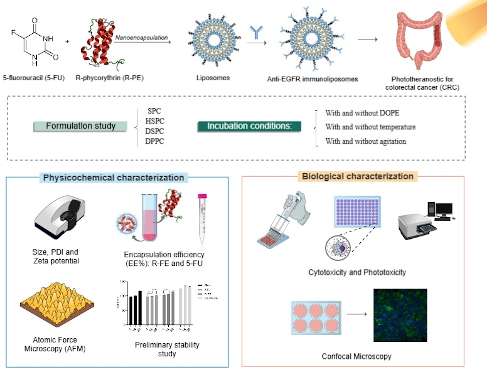
Development and in vitro evaluation of liposomes and immunoliposomes containing 5-fluorouracil and R-phycoerythrin as a potential phototheranostic system for colorectal cancer
Beilstein J. Nanotechnol. 2026, 17, 97–121, doi:10.3762/bjnano.17.7
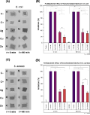
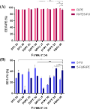
- 50% [31]. The EE% results for both 5-FU and R-FE are shown in Figure 1. The EE% significantly varied depending on the lipid composition and the nature of the encapsulated compound. Formulations containing HSPC exhibited statistically different EE% values for 5-FU and R-PE. However, no significant
- findings highlight the importance of optimizing lipid composition not only according to the general hydrophilicity or lipophilicity of the drug, but also considering the molecular size, structure, and specific interactions with lipid components. The stability of formulations containing HSPC 50 was
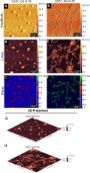
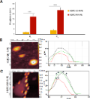
- encapsulating 5-FU did not exhibit a significant change in particle diameter when compared to blank formulations. This behavior may be attributed to the structural instability inherent to liposomes, as their size can vary depending on the lipid composition. Notably, formulations containing HSPC, DPPC, and DSPC



Functional surface engineering for cultural heritage protection: the role of superhydrophobic and superoleophobic coatings – a comprehensive review
Beilstein J. Nanotechnol. 2026, 17, 63–96, doi:10.3762/bjnano.17.6
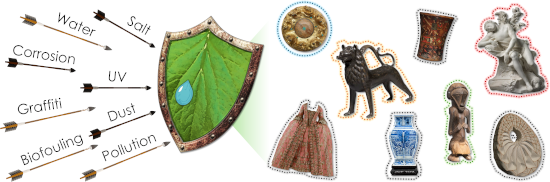
- vulnerability of the material through porosity and microstructure; and (iv) the chemical composition of the material itself, that is, stone, wood, metal, or ceramic. For this reason, it is necessary to fix a single factor and evaluate the variation of the others. Herein, we have chosen the substrate material to
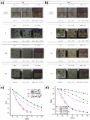
- application of the coating on the examined tiles (Figure 5a), the aesthetics, in terms of surface colors, was altered, as well as the mineralogical composition, since the TiO2 layer chemically interacted with the glazed substrate (Figure 5b). This posed risks to the physical integrity of the artwork and also
- of wood, the attachment by fungal organisms must be effectively impeded, as demonstrated by Il’ina and colleagues [80]. A UV-curable, photo-reactive acrylic alkyd composition, enhanced with a biocide additive for protecting wooden surfaces against several fungi, was explored. The innovative




Reduced graphene oxide paper electrode for lithium-ion cells – towards optimized thermal reduction
Beilstein J. Nanotechnol. 2026, 17, 24–37, doi:10.3762/bjnano.17.3
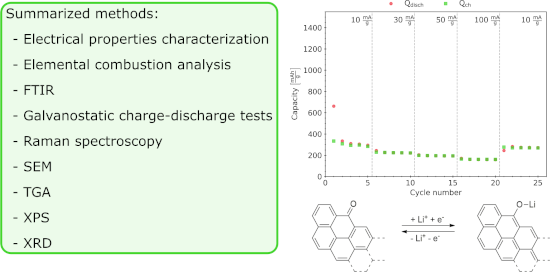
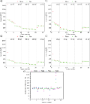
- analysis: (b) differential capacity and (c) differential voltage. Summarized electrical and chemical properties. Intensities of the Raman peaks (fit procedure results). Surface composition (atom %) determined by fitting XPS spectra: samples M300 and T400. Surface composition (atom %) determined by fitting



Improving magnetic properties of Mn- and Zn-doped core–shell iron oxide nanoparticles by tuning their size
Beilstein J. Nanotechnol. 2025, 16, 2285–2295, doi:10.3762/bjnano.16.157
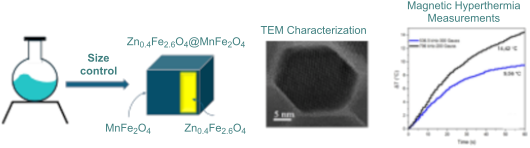
- least tenfold). The designed core NPs are composed of a Zn0.4Fe2.6O4 core and a MnFe2O4 shell. Their size and morphology were determined by transmission electron microscopy, Fourier-transform infrared spectroscopy was used to investigate their chemical composition. The iron oxide phase was confirmed by
- chemical composition of magnetic nanoparticles is critical, the morphology of the particles also plays a significant role in determining their magnetic properties. Although spherical nanoparticles have been extensively studied, recent research suggests that polyhedral nanoparticles exhibit superior
- microscopy (HRTEM) provides a comprehensive understanding of the material’s composition and properties. This work paves the way for the development of next-generation biocompatible magnetic nanoparticles for cancer therapy and other biomedical applications. Materials and Methods Materials Iron



Chiral plasmonic nanostructures fabricated with circularly polarized light
Beilstein J. Nanotechnol. 2025, 16, 2245–2264, doi:10.3762/bjnano.16.154


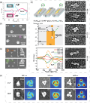
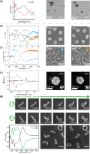


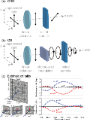
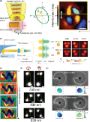

Ultrathin water layers on mannosylated gold nanoparticles
Beilstein J. Nanotechnol. 2025, 16, 2183–2198, doi:10.3762/bjnano.16.151
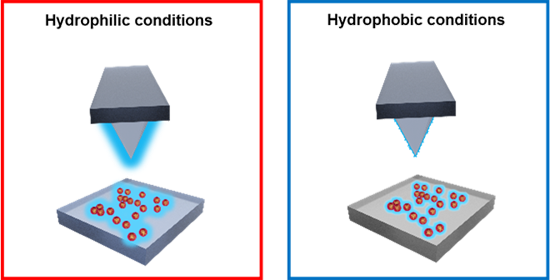
- carbohydrate display, which defines their biological function [10], a small globular core, and chemically well-defined composition. Proof-of-concept studies have demonstrated the vast potential of glyconanoparticles for glyconanotechnology in solution. However, potential changes of “glycoclusters” [2] in dry
- and stability in solution, in terms of hydrodynamic diameter and NP surface charge, respectively. Spectroscopy techniques were used to analyze the chemical composition of the organic ligands locally. We used FTIR for the molecular fingerprint infrared region to find the characteristic peaks of the
- results. FTIR and VSFG confirm the chemical composition of the organic layers (Figure 1 and Figure 5). The VSFG results additionally give sensitive information on the local ordering of the molecular chains in the ligands. We conclude that the dimannose residues are coupled to the PEG chains and provide



Quality by design optimization of microemulsions for topical delivery of Passiflora setacea seed oil
Beilstein J. Nanotechnol. 2025, 16, 2116–2131, doi:10.3762/bjnano.16.146
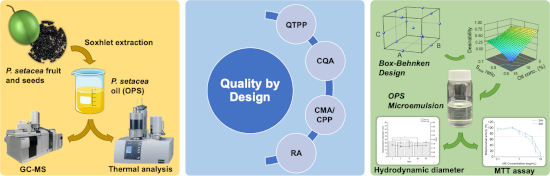
- principles to ensure formulation performance, stability, and skin cell compatibility. Keywords: design of experiments (DoE); microemulsions; nanotechnology; natural products; passion fruit; quality by design; skin delivery; Introduction Species of the Passiflora genus are known for their rich composition
- . De Santana et al. (2015) [3] reported that this enhanced activity, reflected in both radical scavenging and oxygen radical absorption capacities, is associated with the elevated levels of tocopherol isomers and total phenolic compounds in P. setacea samples. Overall, the composition of OPS has been
- ), followed by gas chromatography coupled with mass spectroscopy (GC–MS) analysis. The relative composition of fatty acids is presented in Table 1, and the corresponding chromatogram is provided in Figure S1 (Supporting Information File 1). The major constituents identified in OPS were linoleic acid (64.69





