


Search results
Search for "copper" in Full Text gives 577 result(s) in Beilstein Journal of Nanotechnology. Showing first 200.
Transient electronics for sustainability: Emerging technologies and future directions
Beilstein J. Nanotechnol. 2025, 16, 1545–1556, doi:10.3762/bjnano.16.109

- challenges for applications requiring complete resorption within a short timeframe. In terms of electrical conductivity, bioresorbable metals still lag conventional interconnect materials such as copper, gold, and silver, showing reductions of up to 1.96- to 3.65-fold [60]. Despite these limitations


Influence of laser beam profile on morphology and optical properties of silicon nanoparticles formed by laser ablation in liquid
Beilstein J. Nanotechnol. 2025, 16, 1533–1544, doi:10.3762/bjnano.16.108
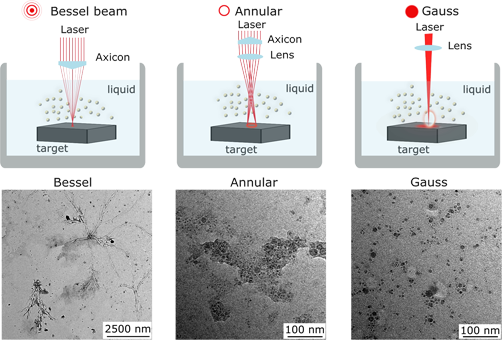
- were investigated by transmission electron microscopy (TEM) using a JEOL JEM-2100F (JEOL, USA) operating with an accelerating voltage of 200 kV. For TEM and SAED measurements, the NPs were drop-casted onto copper grids covered by carbon film and dried under ambient conditions. Crystalline structure


Cross-reactivities in conjugation reactions involving iron oxide nanoparticles
Beilstein J. Nanotechnol. 2025, 16, 1504–1521, doi:10.3762/bjnano.16.106
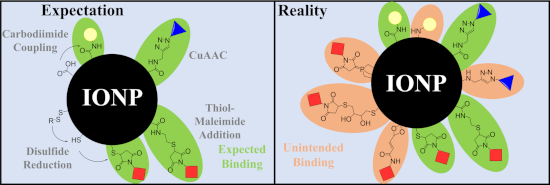
- IONPs (IONP-3,4-DHBA) as a platform upon which carbodiimide coupling can be used to conjugate clickable small molecules for further functionalization using two common click reactions, namely, the copper-catalyzed azide–alkyne cycloaddition (CuAAC), and the thiol–maleimide Michael addition reactions
- erroneous conclusions about the efficacy of conjugation reactions, which can have detrimental impacts on the functionality and safety of IONPs in biomedical applications. Keywords: click chemistry; copper-catalyzed azide–alkyne cycloaddition; disulfide reduction; iron oxide nanoparticles; thiol–maleimide
- thermodynamic driving force, use simple reaction conditions, produce no interfering byproducts, produce products that are stable under physiological conditions, and can be purified easily using non-chromatographic means. The copper-catalyzed azide–alkyne cycloaddition (CuAAC) reaction is one of the most





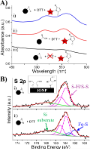


Laser processing in liquids: insights into nanocolloid generation and thin film integration for energy, photonic, and sensing applications
Beilstein J. Nanotechnol. 2025, 16, 1428–1498, doi:10.3762/bjnano.16.104
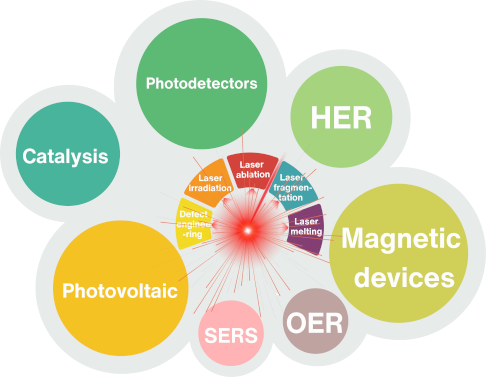
- engineering, and energy storage. LFL can be applied to a wide range of materials, including metals such as gold, silver, or copper, semiconductors, and perovskites materials. The method is versatile enough to cater to the synthesis of NPs across different compositions, making it a valuable tool for
- films of copper phthalocyanine (CuPc) doped with laser generated Au and Ag NPs were prepared using spin coating on glass substrates. Transmission electron microscopy analysis indicated spherical NPs having sizes in the range of 7–43 nm for Au NPs, and 12–50 nm for Ag NPs. The deposited films had good
- volume [113]. A pellet of copper metal was utilized as a target for the production of CuO NPs in deionized water and the CuO NPs were then dropped on 3–5 Ω·cm p-type silicon substrate employing drop casting at low temperature to study its photodiode properties with a layer thickness of 400 nm. Packed


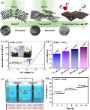




Photochemical synthesis of silver nanoprisms via green LED irradiation and evaluation of SERS activity
Beilstein J. Nanotechnol. 2025, 16, 1417–1427, doi:10.3762/bjnano.16.103
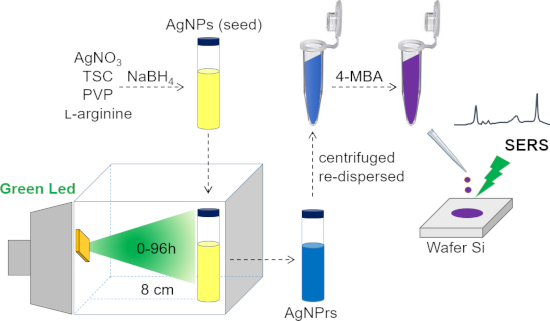
- (TEM, JEM-1400, Japan). For TEM analysis, a droplet of the nanoparticle dispersion was deposited onto a 3 mm copper grid and allowed to dry at room temperature. For FESEM analysis, the dried sample was mounted on conductive carbon tape and imaged at an accelerating voltage of 10 kV. TEM imaging was


Parylene-coated platinum nanowire electrodes for biomolecular sensing applications
Beilstein J. Nanotechnol. 2025, 16, 1392–1400, doi:10.3762/bjnano.16.101
- . developed a glucose sensor using copper nanowires and CNTs, achieving a limit of detection as low as 0.3 nM, highlighting the remarkable sensitivity of CNT-based electrodes [9]. Nevertheless, several studies reported the toxicity of CNTs for tissues and cells including loss of cellular integrity, DNA damage
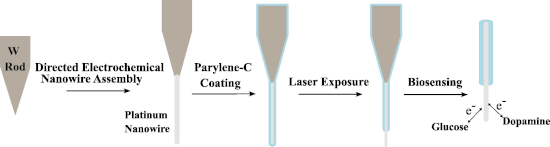
- , which can be coated with parylene-C polymer and the tip can be exposed by a focused laser beam. An electrochemical copper deposition test was performed to verify that the platinum electrode was fully exposed after evaporation of the parylene-C polymer at the tip. The test also demonstrated that the
- remaining parylene-C polymer on the rest of the electrode acted as an insulator. As shown in Figure 2a, a copper nodule was observed on the tip of the nanowire. Copper deposition on the tungsten metal part after parylene deposition and laser evaporation indicated that the parylene insulation was not


Synthesis and antibacterial properties of nanosilver-modified cellulose triacetate membranes for seawater desalination
Beilstein J. Nanotechnol. 2025, 16, 1380–1391, doi:10.3762/bjnano.16.100
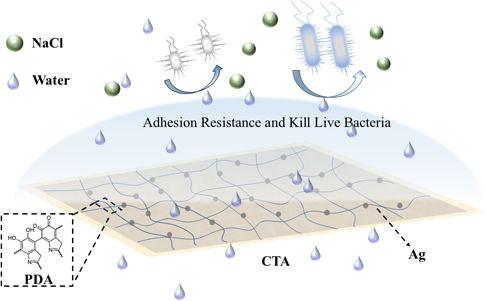
- PAN nanofibers, enhancing the hydrophilicity and antibacterial properties of the membrane [20]. Elimelech’s group introduced copper nanoparticles (Cu NPs) onto the surface of thin-film composite (TFC) polyamide RO membranes through a method involving electrostatic functionalization. The functionalized


Enhancing the therapeutical potential of metalloantibiotics using nano-based delivery systems
Beilstein J. Nanotechnol. 2025, 16, 1350–1366, doi:10.3762/bjnano.16.98
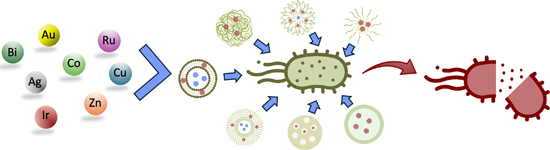
- drugs. Copper complexes Copper complexes have garnered attention due to their diverse applications, owing to their antioxidant, antiviral, antibacterial and anticancer properties [114]. Many studies attribute the antibacterial activity of copper to its capacity to release ions that can disrupt bacterial
- cell membranes. Following membrane degradation, copper-released ions penetrate into the bacterial cell causing oxidative stress by production of ROS and subsequent degradation of the DNA [114][115]. Recent research has focused on the antibacterial properties of copper complexes derived from quinolones
- [116]. These complexes are recognized for their interaction with DNA gyrase enzymes like topoisomerases I and II, inhibiting their normal function and converting them into DNA-damaging agents. Ternary complexes of fluoroquinolones, copper(II), and phenanthroline have been developed to address bacterial


Wavelength-dependent correlation of LIPSS periodicity and laser penetration depth in stainless steel
Beilstein J. Nanotechnol. 2025, 16, 1302–1315, doi:10.3762/bjnano.16.95
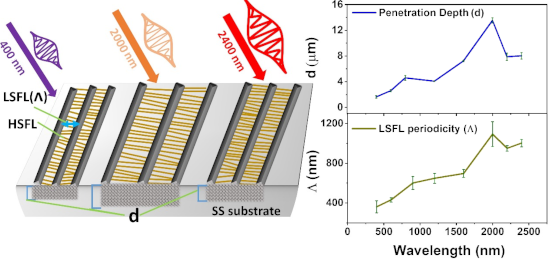
- on the laser intensity. In the linear regime, pure metals such as copper, aluminum, and silver, which have low electrical resistivity, exhibit a low penetration depth for EM waves. In contrast, composite alloys such as stainless steel have higher resistivity and show a higher penetration depth than





Chitosan nanocomposite containing rotenoids: an alternative bioinsecticidal approach for the management of Aedes aegypti
Beilstein J. Nanotechnol. 2025, 16, 1197–1208, doi:10.3762/bjnano.16.88
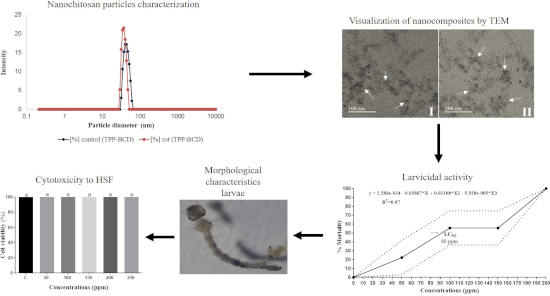
- the nanocomposite to reduce potential environmental damage, such as those reported in the literature for some metal-decorated nanomaterials and their derivatives (silver, gold, copper, zinc, titanium, and silicon) that can be highly toxic to non-target organisms in the environment [18]. The



Mechanical stability of individual bacterial cells under different osmotic pressure conditions: a nanoindentation study of Pseudomonas aeruginosa
Beilstein J. Nanotechnol. 2025, 16, 1171–1183, doi:10.3762/bjnano.16.86
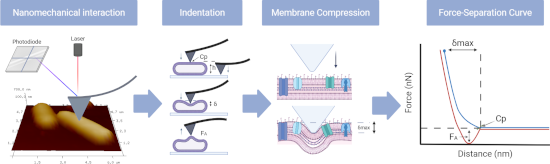
- proposed [25][26][27][28][29][30][31][32]. Likewise, the application of silver and copper nanoparticles to block these molecular pores has been reported for PA and other bacteria as well [33][34][35][36][37]. In the latter cases, a direct consequence of this highly controlled membrane permeability is that


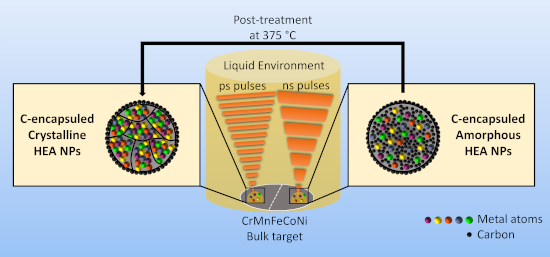
Crystalline and amorphous structure selectivity of ignoble high-entropy alloy nanoparticles during laser ablation in organic liquids is set by pulse duration
Beilstein J. Nanotechnol. 2025, 16, 1141–1159, doi:10.3762/bjnano.16.84





Time-resolved probing of laser-induced nanostructuring processes in liquids
Beilstein J. Nanotechnol. 2025, 16, 968–1002, doi:10.3762/bjnano.16.74



Heat-induced transformation of nickel-coated polycrystalline diamond film studied in situ by XPS and NEXAFS
Beilstein J. Nanotechnol. 2025, 16, 887–898, doi:10.3762/bjnano.16.67
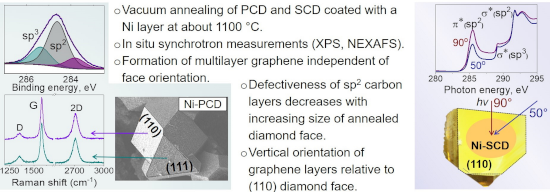
- coating of diamond surface with a metal catalyst has been explored to reduce the temperatures required for the initiation of the graphitization process. Nickel [17][18][19][20][21][22][23][24], iron [25][26][27][28], copper [29][30], gallium [31], and molybdenum [32] allow the fabrication of graphene-on


Synchrotron X-ray photoelectron spectroscopy study of sodium adsorption on vertically arranged MoS2 layers coated with pyrolytic carbon
Beilstein J. Nanotechnol. 2025, 16, 847–859, doi:10.3762/bjnano.16.64
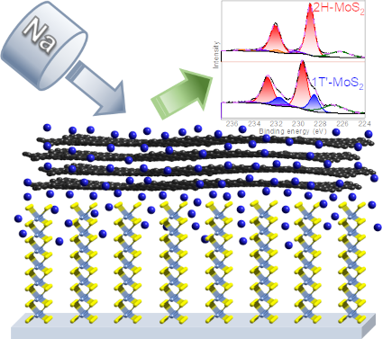
- more crystallized structure, the MoS2 film was annealed in H2 atmosphere at 1073 K for 10 min. PyC films were grown on copper foil at 1273 K for 20 min using low-pressure CVD of methane mixed with hydrogen. The CH4 pressure was 800 Pa, and the H2 pressure was 2000 Pa. The resulting sample was placed in
- an aqueous solution of iron chloride (30 wt %) for 2 h to dissolve the copper foil. The remaining free PyC film was washed twice in dilute HCl (10 wt %) and then in deionized water until neutral pH was reached. The floating PyC film was trapped either on bare or MoS2-covered SiO2/Si substrates and


Synthesis and magnetic transitions of rare-earth-free Fe–Mn–Ni–Si-based compositionally complex alloys at bulk and nanoscale
Beilstein J. Nanotechnol. 2025, 16, 823–836, doi:10.3762/bjnano.16.62
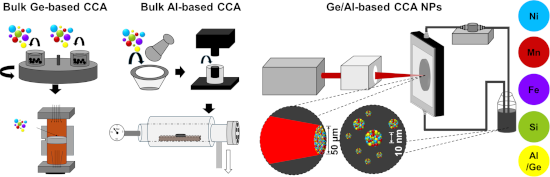
- carbon-supported TEM copper grid and dried under ambient conditions. The particle size distribution was determined by measuring the Feret diameter of individual particles from TEM images using ImageJ software [52]. The NP crystal structure was evaluated using CrysTBox software [53] using digital


Morphology and properties of pyrite nanoparticles obtained by pulsed laser ablation in liquid and thin films for photodetection
Beilstein J. Nanotechnol. 2025, 16, 785–805, doi:10.3762/bjnano.16.60
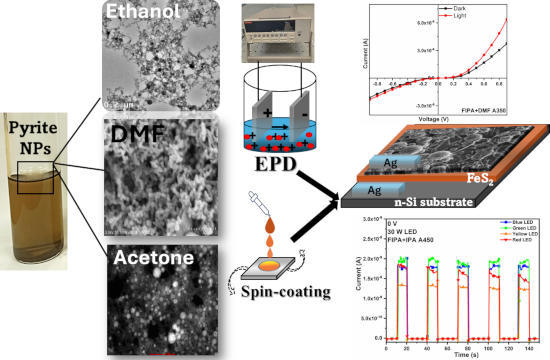
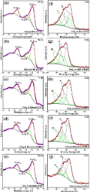
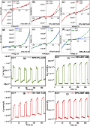
- SEM analysis of pyrite thin films was performed using a Hitachi Model SU 8020. The NPs were deposited on carbon-coated copper grids for TEM analysis and on silicon substrates for SEM analysis. Using monochromatic Al Kα radiation with an energy of 1486.68 eV, X-ray photoelectron spectroscopy (XPS






Efficiency of single-pulse laser fragmentation of organic nutraceutical dispersions in a circular jet flow-through reactor
Beilstein J. Nanotechnol. 2025, 16, 711–727, doi:10.3762/bjnano.16.55
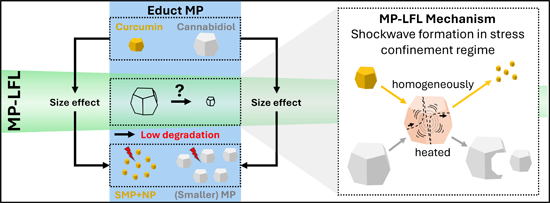
- often are hydrophobic, is their increased solubilization or aqueous dispersion, relevant for pharmacological, photochemical, and photomedical applications. For example, metal complex phthalocyanines (Pc) [18] such as vanadium (VOPc) [19][20][21][22], copper (CuPc) [23][24], aluminum (AlPc) [24], and


Colloidal few layered graphene–tannic acid preserves the biocompatibility of periodontal ligament cells
Beilstein J. Nanotechnol. 2025, 16, 664–677, doi:10.3762/bjnano.16.51
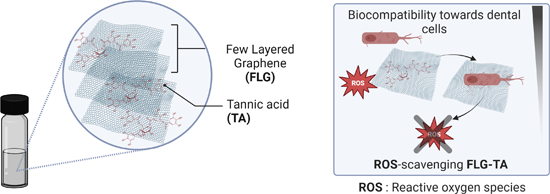
- metal ion chelation. Chromatin contains copper ions, which readily participate in redox reactions and bind strongly to DNA. These ions can form complexes with TA. Within cancer cells, for instance, this interaction can trigger ROS production and DNA damage [17]. However, when TA is complexed with





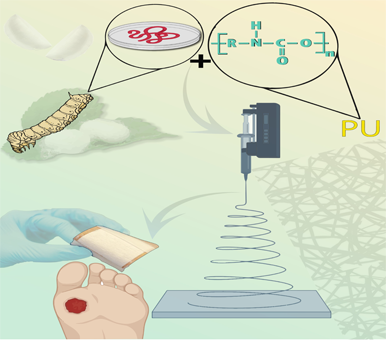
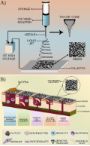
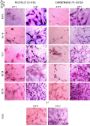
Polyurethane/silk fibroin-based electrospun membranes for wound healing and skin substitute applications
Beilstein J. Nanotechnol. 2025, 16, 591–612, doi:10.3762/bjnano.16.46



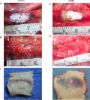
Nanomaterials in targeting amyloid-β oligomers: current advances and future directions for Alzheimer's disease diagnosis and therapy
Beilstein J. Nanotechnol. 2025, 16, 561–580, doi:10.3762/bjnano.16.44
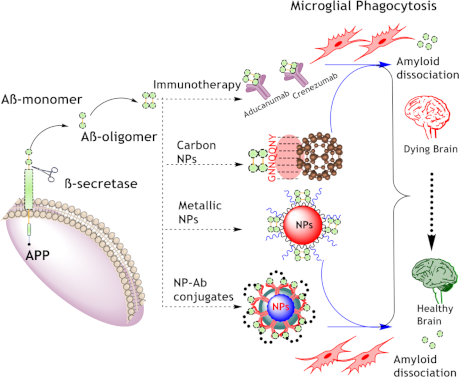
- developed a robust and straightforward method for creating multichamber paper devices using wax printing techniques, which they applied to detect AβOs. This approach leverages copper-enhanced gold nanoprobe colorimetric immunoblotting, achieving detection limits as low as 23.7 pg/mL, visible through a


Synthetic-polymer-assisted antisense oligonucleotide delivery: targeted approaches for precision disease treatment
Beilstein J. Nanotechnol. 2025, 16, 435–463, doi:10.3762/bjnano.16.34


Quantification of lead through rod-shaped silver-doped zinc oxide nanoparticles using an electrochemical approach
Beilstein J. Nanotechnol. 2025, 16, 422–434, doi:10.3762/bjnano.16.33
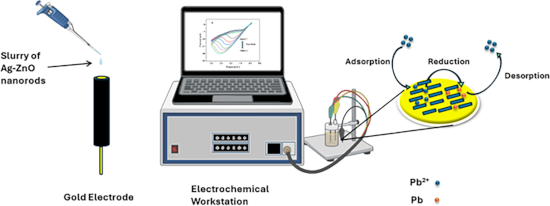
- the effects of transition metal ions, such as silver, copper, nickel, and manganese on the chemical and physical properties of ZnO nanoparticles. These metal dopants utilize their partially occupied d-electron shells, leading to the presence of unpaired electrons. Out of these metals, silver is


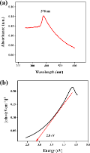


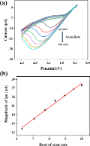
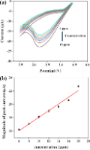

Engineered PEG–PCL nanoparticles enable sensitive and selective detection of sodium dodecyl sulfate: a qualitative and quantitative analysis
Beilstein J. Nanotechnol. 2025, 16, 385–396, doi:10.3762/bjnano.16.29
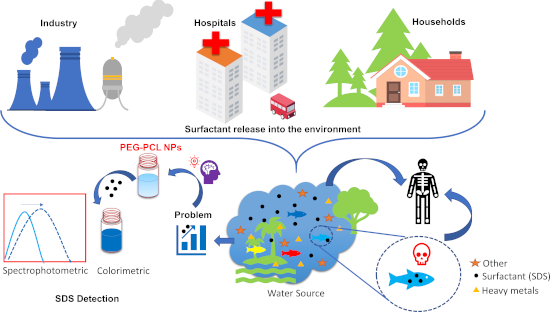
- ) and Bradford reagent (Cat. No. 19219) were purchased from SRL Chemicals (India). NIST-grade standards of arsenic (As3+), aluminium (Al3+), cadmium (Cd2+), zinc (Zn2+), mercury (Hg2+), nickel (Ni2+), copper (Cu2+), chromium (Cr3+), lead (Pb2+), iron (Fe3+), and cobalt (Co2+) (Cat. No. 041865), as well
- performed using SEM (FEI Quanta 250, Netherlands). Transmission electron microscopy (TEM) was also performed to measure nanoparticle mean size and their distribution. The sample was diluted 1000-fold from the stock solution, and 5 µL of the sample was placed onto a carbon-coated copper grid with 200 mesh


Development of a mucoadhesive drug delivery system and its interaction with gastric cells
Beilstein J. Nanotechnol. 2025, 16, 371–384, doi:10.3762/bjnano.16.28

- with gold (4 nm). STEM micrographs were obtained from one drop of nanoparticle suspension dripped on an ultrathin carbon-coated copper grid. Surface composition of nanoparticles For the analysis of various functional groups on the surface of nanoparticles before and after coating, attenuated total





