


Search results
Search for "dosage" in Full Text gives 96 result(s) in Beilstein Journal of Nanotechnology.
Nanocarrier systems loaded with IR780, iron oxide nanoparticles and chlorambucil for cancer theragnostics
Beilstein J. Nanotechnol. 2024, 15, 180–189, doi:10.3762/bjnano.15.17
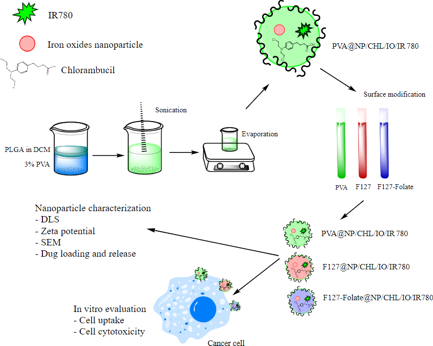
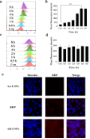
- between F127@NP and F127-folate@NP. The IC50 of CHL for MCF-7 was 0.4 μg/mL. After 72 h of incubation, the NPs had some impact on the MCF-7 cells. At a dosage of 1.5 mg/mL, the cell viability of both F127@NP and F127-folate@NP decreased to approximately 50%. These results were below PVA@NP (75%). Similar


Nanotechnological approaches in the treatment of schistosomiasis: an overview
Beilstein J. Nanotechnol. 2024, 15, 13–25, doi:10.3762/bjnano.15.2
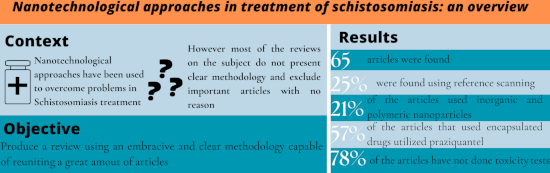
- usually more susceptible to drug action than males. However, in this work, the death of females was only possible in a high concentration of the nanoformulation (100 µg/mL). Every dosage tested was also effective against young forms (esquistosomules) [60]. El-Menyawy et al. [61] used thymoquinone, a
- with chitosan nanoparticles may be a pharmacological strategy to replace PZQ or to help lower its dosage. However, the author admits in this work that no data proves the biological safety of using chitosan in a nanoformulation [63]. While on the subject, other extracts of vegetal sources were also
- (intraperitoneal and subcutaneous). Therefore, drug dosage forms with these characteristics may present compliance issues and problems with commercialization. Thus, an interesting pathway could be testing the same nanoformulations but using the oral route. After antimonials such as tartar emetic, oxamniquine was


Industrial perspectives for personalized microneedles
Beilstein J. Nanotechnol. 2023, 14, 857–864, doi:10.3762/bjnano.14.70
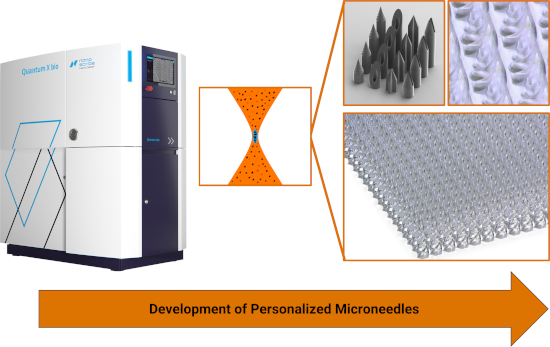
- Quantum X platform that commercialized maskless grayscale lithography for microoptics made via 2PP, a process called “Two-Photon Grayscale Lithography” (2GL®) [59][60]. 2GL® differs from traditional 2PP and 1PP lithography because the laser or exposure dosage in individual voxels is controlled in three
- produce tens of millions of Nanopatches per week for COVID-19 vaccination [64][65]. If companies were to personalize and optimize microneedles (including design, dosage, and vaccine composition) for COVID-19 or influenza vaccination based on ethnicities [66], those manufacturers would have to produce


ZnO-decorated SiC@C hybrids with strong electromagnetic absorption
Beilstein J. Nanotechnol. 2023, 14, 565–573, doi:10.3762/bjnano.14.47
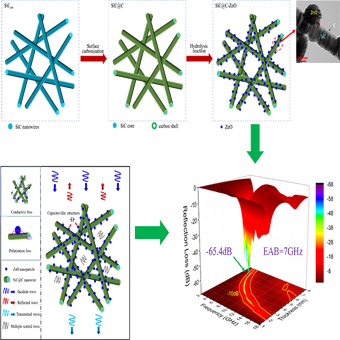
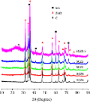
- that crystalline ZnO particles adhere to the surface of amorphous carbon, and the ZnO content increases as a function of a dosage of ZnNO3·6H2O. The as-prepared SiC@C-ZnO hybrids exhibit effective electromagnetic absorption, which is related to a synergy effect of different dielectric loss processes
- , which has been rarely investigated before. Herein, we describe a new strategy for preparing ternary hybrids (SiC@C-ZnO, SCZ) by growing ZnO particles on carbon surfaces derived from SiC nanowires. The influence of ZnO precursor (ZnNO3·6H2O) dosage on composition, microstructure and electromagnetic
- after filtering, washed with distilled water, and dried at 50 °C under vacuum. The final samples were obtained by calcination at 600 °C for 4 h in a tube furnace (Ar, 99.999% purity). We labeled the samples as SCZx, where x indicates x mmol dosage of ZnNO3·6H2O. Results and Discussion All SCZ samples


The steep road to nonviral nanomedicines: Frequent challenges and culprits in designing nanoparticles for gene therapy
Beilstein J. Nanotechnol. 2023, 14, 351–361, doi:10.3762/bjnano.14.30
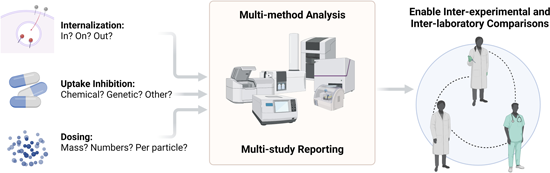
- field of nonviral gene delivery. Keywords: characterization; dosage; gene delivery; uptake; transfection; Introduction Recent efforts to develop and translate therapeutically loaded nanoparticles (NPs) have resulted in several advances in the treatment and prevention of disease. Key areas where NP
- methods, de facto makes a direct comparison between studies impossible. In addition, the area of nanomedicine is plagued by the tendency of researchers to use various (often arbitrarily defined) reference materials, different techniques for dosage selection and determination, and assess outcomes and
- imaging data to provide a full understanding of the mode of action in NP uptake studies. Determination of In-Particle Plasmid Dosage There are a variety of approaches for the evaluation of dose in the context of small-molecule therapeutics encapsulated in NP delivery systems [52][53][54]. However, many of

Bismuth-based nanostructured photocatalysts for the remediation of antibiotics and organic dyes
Beilstein J. Nanotechnol. 2023, 14, 291–321, doi:10.3762/bjnano.14.26
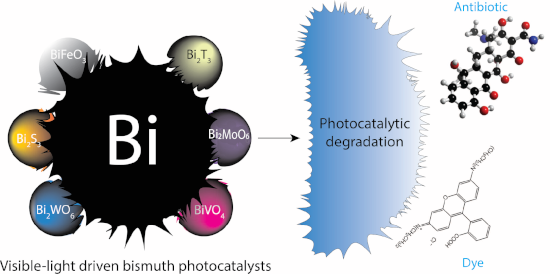
- pH value of the effluent, the dosage of the photocatalyst, the initial concentration of the target pollutant, the dosage of oxidants, and the type of light source. To lower the overall cost of water treatment, the photocatalyst must be effective under all types of light, including direct sunlight, UV
- degradation processes are significantly influenced by the amount of photocatalyst added to the effluent solution before treatment. In general, as the dosage of the photocatalyst is increased, the photocatalytic degradation efficiency rises as well, until an optimum point is reached where adding more
- dispersion into the solution. An increase in the concentration of pollutant molecules adsorbed on the catalyst surface while the catalyst dosage is unchanged and the generation of reactive species is constant could be another factor causing the decrease in photocatalytic degradation rate with increasing


Recent progress in cancer cell membrane-based nanoparticles for biomedical applications
Beilstein J. Nanotechnol. 2023, 14, 262–279, doi:10.3762/bjnano.14.24
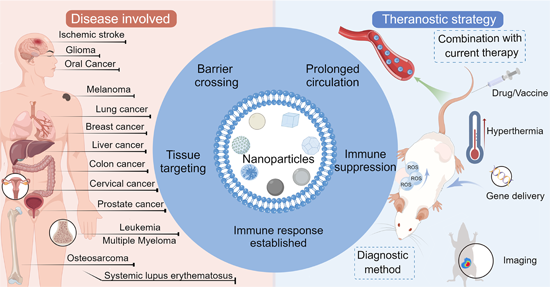
- of biomimetic nanomedicine for diagnosis and treatment, various modalities based on cancer cell membranes are emerging. Using immune evasion and homotypic targeting of cancer cell membranes, the drug dosage can be effectively reduced by avoiding elimination by the immune system while achieving higher


Nanotechnology – a robust tool for fighting the challenges of drug resistance in non-small cell lung cancer
Beilstein J. Nanotechnol. 2023, 14, 240–261, doi:10.3762/bjnano.14.23
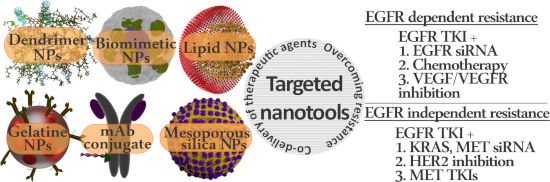
- therapeutic concentrations at the tumor site, preferentially in the tumor cell, is essential for the efficacy of the therapy. Adequate concentrations might not be achieved with conventional dosage forms mainly due to the poor localization of the free drug molecules at the site of action and the differences in


Cyclodextrins as eminent constituents in nanoarchitectonics for drug delivery systems
Beilstein J. Nanotechnol. 2023, 14, 218–232, doi:10.3762/bjnano.14.21
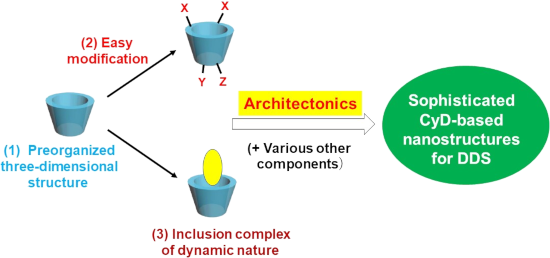
- ][4][5][6][7][8][9][10][11][12]. By delivering drugs selectively to disease sites, the drug dosage can be reduced, and undesired side-effects are minimized. Undoubtedly, these methodologies are essential for further progresses in medicine. In order to accomplish eminent DDS, drugs should be combined




In search of cytotoxic selectivity on cancer cells with biogenically synthesized Ag/AgCl nanoparticles
Beilstein J. Nanotechnol. 2022, 13, 1505–1519, doi:10.3762/bjnano.13.124
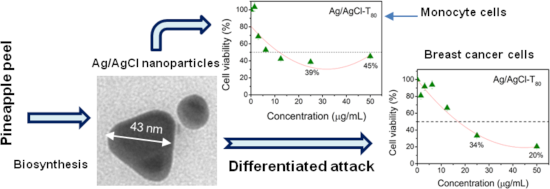
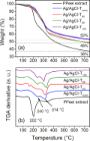
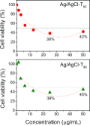
- (Figure 9) clearly shows that the morphological changes depend on the synthesis temperature and dosage of Ag/AgCl nanoparticles. The data show that the formation of apoptotic bodies (arrows) and the growth of cellular regions (black circles) are integral and characteristic of apoptosis. At high





Facile preparation of Au- and BODIPY-grafted lipid nanoparticles for synergized photothermal therapy
Beilstein J. Nanotechnol. 2022, 13, 1432–1444, doi:10.3762/bjnano.13.118
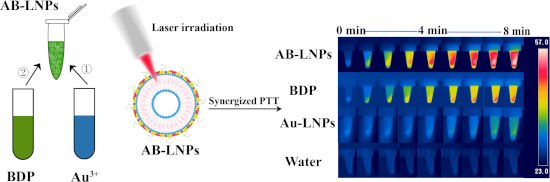
- irradiation, AB-LNPs exhibited synergistic photothermal effects with significantly reduced dosage compared to monotherapy (treatments with Au-LNPs or free BODIPY alone). This study thus provides a facile and adaptive strategy for the development of a scalable and safe high-performance nanoplatform for
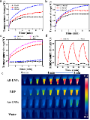
- . In this work, AB-LNPs showed excellent photothermal therapeutic effects compared to monotherapy using only free BDP or Au-LNPs (Figure 5), demonstrating good synergistic PTT by combining Au-LNPs and BDP. The synergized PTT could reduce the dosage of AB-LNPs and decrease the toxicity of carrier




Microneedle-based ocular drug delivery systems – recent advances and challenges
Beilstein J. Nanotechnol. 2022, 13, 1167–1184, doi:10.3762/bjnano.13.98
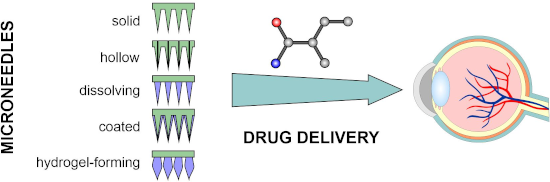
- vascular endothelium with tight junctions hampering the permeation of active ingredients to the intraocular area. When designing non-invasive ophthalmic drug dosage forms, the main aim is to improve the bioavailability by increasing the diffusion across sclera, cornea, and conjunctiva [42]. In the case of
- microneedle patches, their manufacturing techniques, and the obtained therapeutic efficacy. In addition to a number of advantages, the questionable aspects related to this dosage form are also discussed. 2 Types of microneedle: materials, fabrication and properties for drug delivery 2.1 Microneedle system
- left to dry afterwards. The drying procedure can be accelerated with the aid of gas-jet drying. Another technique involves spray coating, which is technologically similar to the coating of oral solid dosage forms. Electrohydrodynamic atomisation (EHDA), in which electrically charged droplets are


Rapid fabrication of MgO@g-C3N4 heterojunctions for photocatalytic nitric oxide removal
Beilstein J. Nanotechnol. 2022, 13, 1141–1154, doi:10.3762/bjnano.13.96
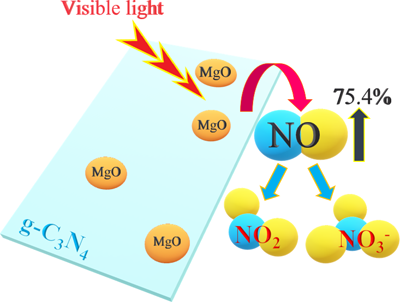
- the dosage of catalysts was 0.2 g for all experiments. Before each catalytic experiment, 0.2 g of the sample was dispersed in 10 mL of DI water, evaporated at 80 °C, and placed in the dark to achieve adsorption–desorption equilibrium. Finally, the sample was illuminated by a Xenon lamp (300 W) for 30





Solar-light-driven LaFexNi1−xO3 perovskite oxides for photocatalytic Fenton-like reaction to degrade organic pollutants
Beilstein J. Nanotechnol. 2022, 13, 882–895, doi:10.3762/bjnano.13.79
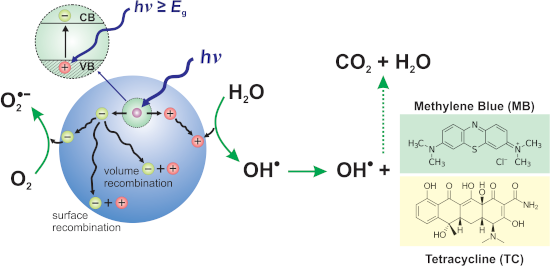
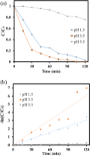
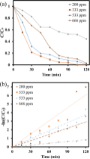
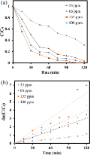
- , such as pH value, catalyst dosage, and the additional amount of H2O2. LaFe0.7Ni0.3O3 perovskite oxides could operate efficiently under pH 3.5, catalyst dosage of 50 mg/150 mL, and H2O2 concentration of 133 ppm to decompose the MB dye in the 1st order kinetic rate constant of 0.0506 s−1. Keywords
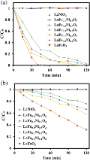
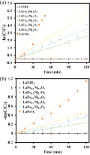
- availability of light energy was reduced, resulting in a reduction of the photocatalytic degradation capability [30]. Accordingly, the degradation performance was calculated by the 1st order kinetics, as shown in Figure 11b. It could be known that when the catalyst dosage was 30 mg (200 ppm), 50 mg (333 ppm
- ), 80 mg (533 ppm), and 100 mg (666 ppm), their reaction rate constants k were 0.007, 0.0242, 0.0314, and 0.0506, respectively. Therefore, the pH of the solution was 3.5, and the catalyst dosage was 50 mg for the following examination. Moreover, the amount of hydrogen peroxide added was manipulated in



Hierarchical Bi2WO6/TiO2-nanotube composites derived from natural cellulose for visible-light photocatalytic treatment of pollutants
Beilstein J. Nanotechnol. 2022, 13, 745–762, doi:10.3762/bjnano.13.66
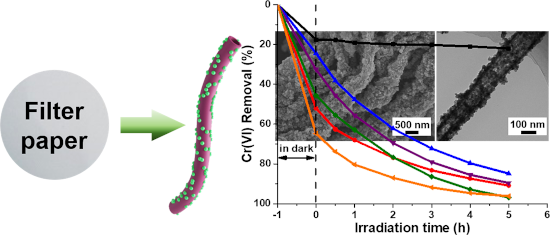
- nanocomposites deliver higher Kapp values and larger increments as compared to pure TiO2 under more rigorous conditions of visible-light (λ > 420 nm) irradiation and lower dosage of photocatalyst toward the reduction of Cr(VI) or degradation of RhB. The excellent photocatalytic activities of hierarchical Bi2WO6


Photothermal ablation of murine melanomas by Fe3O4 nanoparticle clusters
Beilstein J. Nanotechnol. 2022, 13, 255–264, doi:10.3762/bjnano.13.20
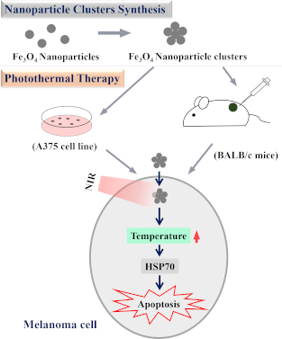
- effects of alumina-coated Fe3O4 nanoparticles against bacteria upon exposure to NIR light [13]. Further studies with esophageal cancer demonstrate that Fe3O4 nanoparticles induce hyperthermia post absorption to suppress tumor growth in a dosage-dependent manner [14]. However, due to very high dosage
- needed to elicit sufficient hyperthermia by NIR irradiation, lingering magnetite may impose potential systemic toxicity. Thus, Fe3O4 single nanoparticles must be modified to reduce the dosage while keeping their therapeutic efficacy. In our earlier report, we synthesized Fe3O4 nanoparticle-containing
- photothermal effect was dosage-dependent, because NPCs at higher concentrations performed markedly better than at lower ones (Figure 2a). Importantly, at concentrations as low as 0.0615 mg/mL, Fe3O4 NPCs rapidly and significantly raised the solution temperature after NIR irradiation in only 1 min at a power


Engineered titania nanomaterials in advanced clinical applications
Beilstein J. Nanotechnol. 2022, 13, 201–218, doi:10.3762/bjnano.13.15
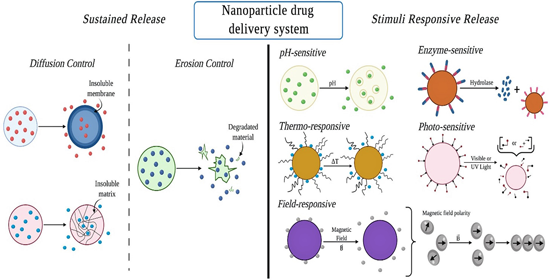
- therapeutic index. The use of nanomaterials has increased nowadays for more specific drug targeting and delivery, slowing down the dissolution rate of drugs, increasing therapeutic efficacy with the minimum dosage, and also by ceasing the premature loss of drugs through rapid clearance. Additionally, the
- are the cell key energy centers and are extremely sensitive to heat shock, they contribute to apoptotic cell death by generating ROS. As a result, by lowering the intensity of laser power and dosage, mitochondria-targeted PDT and PTT would provide better results. In the study of Mou and co-workers, a
- NIR laser irradiation at a far lower power density and low intravenous dosage. Phototoxicity essays of G-TiO2−x on HeLa cells using 3-(4,5-dimethylthiazol-2-yl)-2,5-diphenyltetrazolium bromide (MTT) showed 85% cell viability, confirming that G-TiO2−x itself is non-toxic even at higher concentrations


A comprehensive review on electrospun nanohybrid membranes for wastewater treatment
Beilstein J. Nanotechnol. 2022, 13, 137–159, doi:10.3762/bjnano.13.10
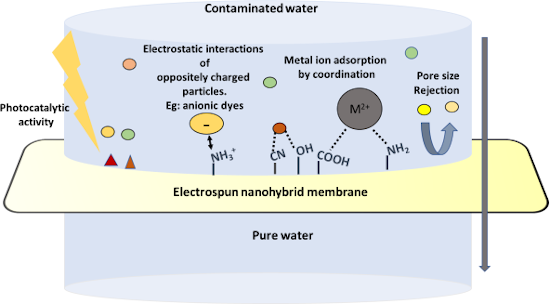
- mixture of PVA, sodium alginate, and PEO with incorporated nano-sized ZSM5 zeolite, which contains hydroxy functional groups (HZSM5). The maximum adsorption values of Th4+ and U6+ ions were found to be 274.6 and 144.7 mg/g, respectively, at a HZSM5 content of 10 wt %, an adsorbent dosage of 1 g/L, and pH




Identifying diverse metal oxide nanomaterials with lethal effects on embryonic zebrafish using machine learning
Beilstein J. Nanotechnol. 2021, 12, 1297–1325, doi:10.3762/bjnano.12.97
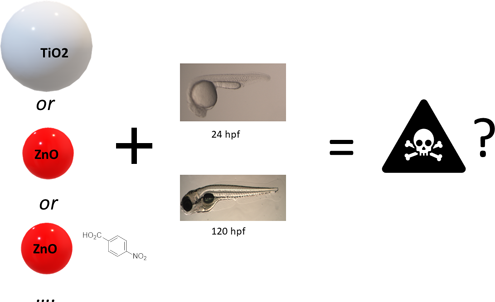
- . This entailed (i) allowing for the inclusion of minimally doped ENMs, (ii) allowing for the selection of ENMs with missing numerical characterisation data used as input variables to the original, multi-descriptor models, and (iii) allowing for the selection of materials tested at maximum dosage


Self-assembly of amino acids toward functional biomaterials
Beilstein J. Nanotechnol. 2021, 12, 1140–1150, doi:10.3762/bjnano.12.85
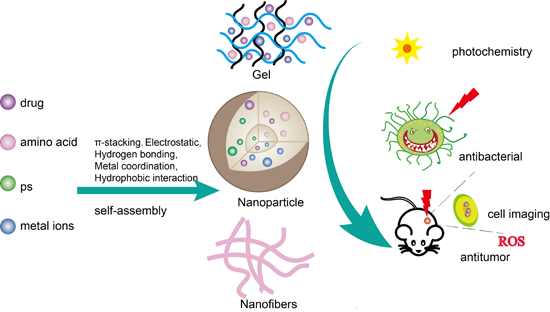
- metallohydrogels showed fewer toxicological side effects and were highly biocompatible than Ag+ in the administered dosage range. Furthermore, Fmoc-amino acid metallohydrogels tested under the same conditions showed significantly better wound healing than silver sulfadiazine cream and the control group. It has

pH-driven enhancement of anti-tubercular drug loading on iron oxide nanoparticles for drug delivery in macrophages
Beilstein J. Nanotechnol. 2021, 12, 1127–1139, doi:10.3762/bjnano.12.84
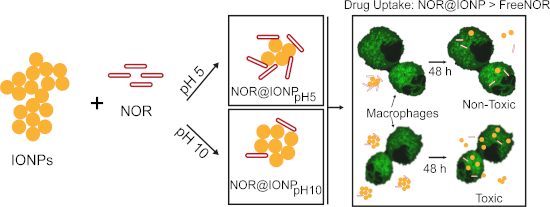
- the intracellular drug concentration in macrophages (having engulfed pathogens, like Mycobacterium) results in high drug dosage requirement for the pathogen clearance. This is a major hurdle in tuberculosis treatment. In turn, a high dosage causes toxic side effects from either the drug or the carrier



Use of nanosystems to improve the anticancer effects of curcumin
Beilstein J. Nanotechnol. 2021, 12, 1047–1062, doi:10.3762/bjnano.12.78
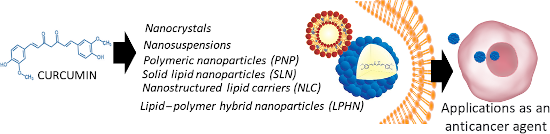
- only a particular tissue or organ may not be entirely feasible, thereby causing dosage uncertainties when administering the treatment, which should be taken into account. Thus, there is still room to improve these types of nanosystems, and/or to develop additional ones [42]. Conventional nanosystems
- , instability at a physiological pH, and rapid metabolization [52]. Although nanocrystals make it possible to improve the solubility of CUR, it has been reported that this type of nanosystem can have certain stability problems, which may compromise the ability to ensure a consistent dosage [53]. Nanococrystals


An overview of microneedle applications, materials, and fabrication methods
Beilstein J. Nanotechnol. 2021, 12, 1034–1046, doi:10.3762/bjnano.12.77
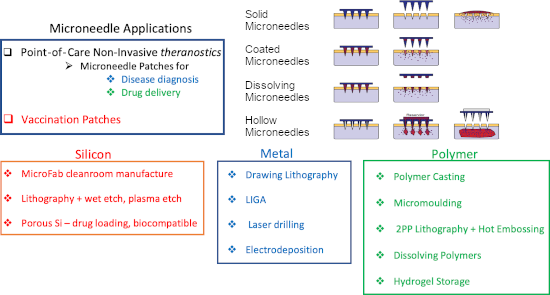
- their high cost and fabrication difficulties, simpler solid microneedles coated with drugs are currently attracting more attention for drug delivery. However, this design will not be suitable for extracting biological fluids. In addition, controlling the dosage of drugs for delivery will be limited by


Comprehensive review on ultrasound-responsive theranostic nanomaterials: mechanisms, structures and medical applications
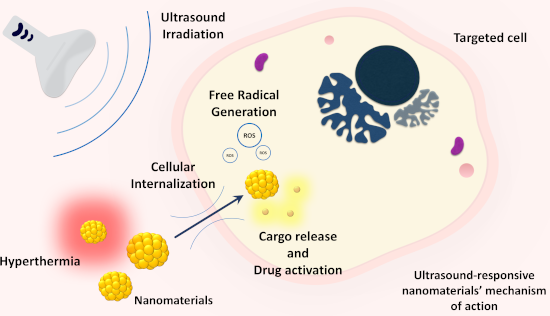
Beilstein J. Nanotechnol. 2021, 12, 808–862, doi:10.3762/bjnano.12.64


Rapid controlled synthesis of gold–platinum nanorods with excellent photothermal properties under 808 nm excitation
Beilstein J. Nanotechnol. 2021, 12, 462–472, doi:10.3762/bjnano.12.37
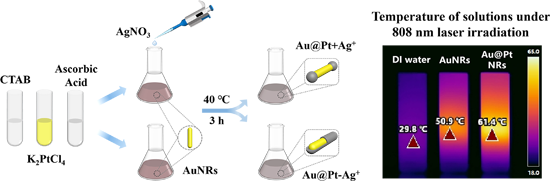
- of the Au@Pt NRs close to 808 nm is desirable. The optimized final dosage of each reagent and the experimental procedure are described in detail in part Experimental. What we want to emphasize here is that the synthesis only takes 3 h at 40 °C without the need for elaborate instrumentation. The





