


Search results
Search for "doxorubicin" in Full Text gives 66 result(s) in Beilstein Journal of Nanotechnology.
Recent progress in cancer cell membrane-based nanoparticles for biomedical applications
Beilstein J. Nanotechnol. 2023, 14, 262–279, doi:10.3762/bjnano.14.24
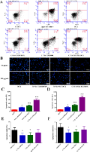
- ]. A biomimetic particle model using PLGA NPs as a carrier for the anticancer drug doxorubicin (Dox) encapsulated by the HepG2 liver cancer cell membrane was designed for the treatment of HCC [31]. The HepG2 cell membrane-encapsulated NPs exhibited superior antitumor effects compared to bare NPs and
- -encapsulated PLGA nanospheres loaded with doxorubicin (Dox-HepM-PLGA) yielded smaller tumor volumes than the bare nanoparticles and the PBS control group. (a) Fluorescence imaging eleven days after intravenous injection of biomimetic nanoformulations. (b) Tumor volume. (c) Tumor weight. (d) Relative tumor


Nanotechnology – a robust tool for fighting the challenges of drug resistance in non-small cell lung cancer
Beilstein J. Nanotechnol. 2023, 14, 240–261, doi:10.3762/bjnano.14.23
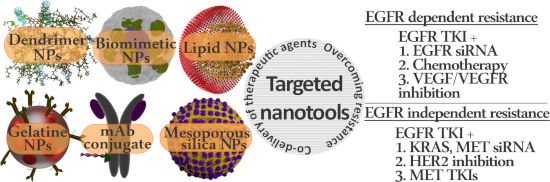
- )-functionalized nanoporous silica particles loaded with a poly(ʟ-glutamic acid) pH-cleavable linker–doxorubicin conjugate, which self-assembles into NPs after its release from the iNPG [114]. Li et al. designed a multistage nanocarrier for NSCLC targeting, composed of icotinib-loaded amphiphilic chitosan micelles
- with hyaluronic acid–doxorubicin NPs layered by electrostatic adsorption upon the micelle surface. Hyaluronic acid was used for CD44 targeting (a receptor that is often overexpressed on the surface of lung tumor cells), as well as for the optimization of biodistribution, improved tumor homing potential


Recent advances in nanoarchitectures of monocrystalline coordination polymers through confined assembly
Beilstein J. Nanotechnol. 2022, 13, 763–777, doi:10.3762/bjnano.13.67
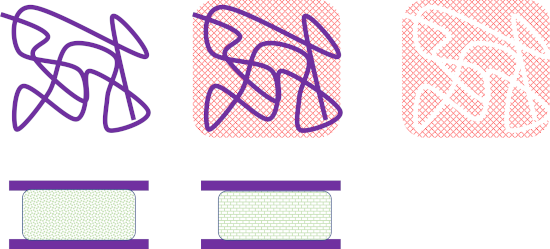
- ]. This is applicable to monocrystalline coordination polymers as well. For instance, poly(ethyleneglycol) (PEG) molecular chains show an affinity to Zn2+ ions, and can, thus, trigger mineralization of ZIF-8 crystals around. Doxorubicin, a kind of antitumor drug, could be dissolved in the parent solution
- of ZIF-8 in the presence of PEG chains [113]. When ZIF-8 started to crystallize around the PEG chains, the doxorubicin could be co-encapsulated into the ZIF-8 crystals. The encapsulated doxorubicin could be delivered intracellularly by taking advantage of the controlled decomposition of ZIF-8 under
- acidic environment. Enhanced cell toxicity was found by encapsulating the doxorubicin drug into ZIF-8 crystals because intracellular uptake was facilitated. When multiple cargos were required, this strategy showed good feasibility. Multiple molecules could be simultaneously encapsulated during formation




Detection and imaging of Hg(II) in vivo using glutathione-functionalized gold nanoparticles
Beilstein J. Nanotechnol. 2022, 13, 549–559, doi:10.3762/bjnano.13.46
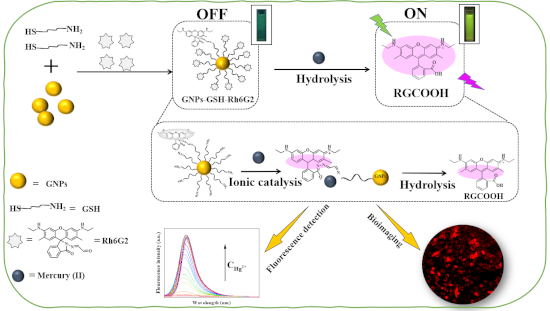
- tuned by specific molecules, has been reported. For example, Coelho et al. reported that pegylated gold nanoparticles were combined with doxorubicin and varlitinib [19]. The modified pegylated gold nanoparticles could not only reduce the toxicity to normal cells but also improve the inhibitory effect on


Engineered titania nanomaterials in advanced clinical applications
Beilstein J. Nanotechnol. 2022, 13, 201–218, doi:10.3762/bjnano.13.15
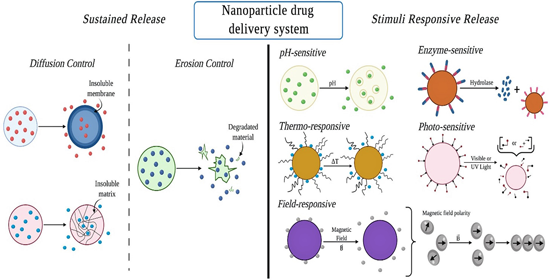
- , nanoporous TiO2 is able to load water-soluble and insoluble drugs and could be useful as an effective drug delivery system [107]. Previously, a drug delivery system based on TiO2 nps conjugated with doxorubicin (DOX) was found have an enhanced anti-cancerous effect on human hepatocarcinoma SMMC-7721 cells


Bacterial safety study of the production process of hemoglobin-based oxygen carriers
Beilstein J. Nanotechnol. 2022, 13, 114–126, doi:10.3762/bjnano.13.8
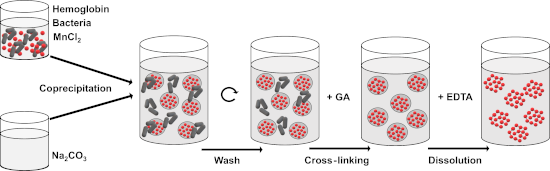
- with doxorubicin, a cytostatic drug used in chemotherapy for cancer treatment. These particles showed higher efficacy in inhibiting metabolic activity in cell culture in comparison to free doxorubicin [8]. To be used as an artificial oxygen carrier, hemoglobin is isolated from bovine blood. Compared to


Alteration of nanomechanical properties of pancreatic cancer cells through anticancer drug treatment revealed by atomic force microscopy
Beilstein J. Nanotechnol. 2021, 12, 1372–1379, doi:10.3762/bjnano.12.101
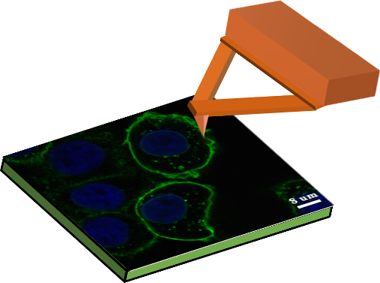
- after treatment with different concentrations of doxorubicin hydrochloride (DOX) were also investigated. The results show the Young's modulus of normal cells is greater than that of three kinds of cancer cells. The Young's modulus of more aggressive cancer cell AsPC-1 is smaller than that of less
- (HDPE6-C7) is greater than that of three lines of cancer cells (AsPC-1, MIA PaCa-2, and BxPC-3). In addition, the mechanical properties of MIA PaCa-2 cells treated with different concentrations of doxorubicin hydrochloride (DOX) were also investigated. An increased Young's modulus after treatment with


Biocompatibility and cytotoxicity in vitro of surface-functionalized drug-loaded spinel ferrite nanoparticles
Beilstein J. Nanotechnol. 2021, 12, 1339–1364, doi:10.3762/bjnano.12.99
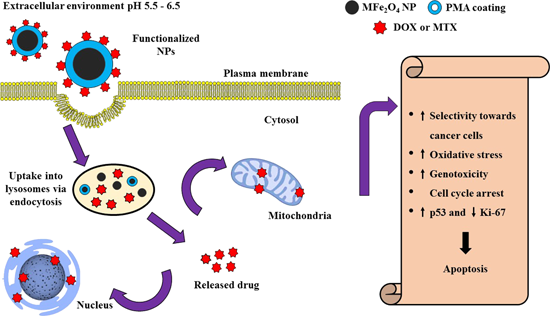
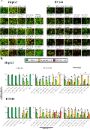
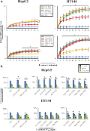
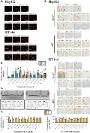
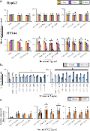
- (MFe2O4, where M = Fe, Co, Ni, or Zn) nanoparticles (NPs) were developed as carriers of the anticancer drugs doxorubicin (DOX) and methotrexate (MTX). Physical characterizations confirmed the formation of pure cubic structures (14–22 nm) with magnetic properties. Drug-loaded NPs exhibited tumor
- excellent magnetic, colloidal, cytotoxic, and biocompatible aspects. However, detailed mechanistic, in vivo cytotoxicity, and magnetic-field-assisted studies are required to fully exploit these nanocarriers in therapeutic applications. Keywords: anticancer drugs; doxorubicin; drug carriers; in vitro
- functionalized with anticancer drugs, such as doxorubicin (DOX) and methotrexate (MTX) via 1-ethyl-3-(3-dimethylaminopropyl)carbodiimide (EDC) chemistry. The samples were stored at room temperature for further experiments. Our aim was to compare the biocompatibility, colloidal stability, and in vitro





Use of nanosystems to improve the anticancer effects of curcumin
Beilstein J. Nanotechnol. 2021, 12, 1047–1062, doi:10.3762/bjnano.12.78
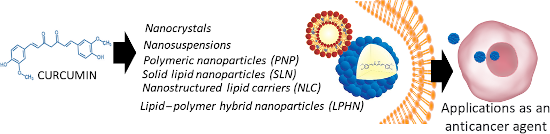
- %) [2]. The most commonly used treatments involve chemotherapy, surgery, or a combination of both. Chemotherapy is based on the use of molecules such as doxorubicin, paclitaxel, cisplatin, and some proteins and peptides that induce cell death [3]. Conventional or low molecular weight chemotherapeutics
- advantages include high biocompatibility, safety, and flexibility (the latter can be modulated by the concentration of cholesterol in the lipid membrane) [40][73][74]. PEGylated long-circulating liposomes with co-encapsulated CUR–doxorubicin inhibited C26 (murine colon carcinoma) cell proliferation, in
- exerted an antiangiogenic effect when assayed against human umbilical vein endothelial cells; particles co-delivered doxorubicin–CUR in an amphiphilic poly-β-amino ester copolymer. Their mechanism was apparently related to the VEGF pathway, according to the results of inhibited proliferation, migration


Comprehensive review on ultrasound-responsive theranostic nanomaterials: mechanisms, structures and medical applications
Beilstein J. Nanotechnol. 2021, 12, 808–862, doi:10.3762/bjnano.12.64
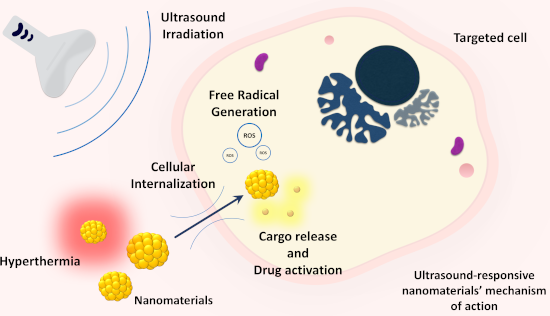
- another study, the authors assessed the effect of Pluronic P105 micelle-encapsulated doxorubicin (DOX) in the presence of US for the treatment of breast adenocarcinoma tumors in adult female BALB/c mice. The results showed significantly increased accumulation of DOX in the tumor and lower concentrations


The impact of molecular tumor profiling on the design strategies for targeting myeloid leukemia and EGFR/CD44-positive solid tumors
Beilstein J. Nanotechnol. 2021, 12, 375–401, doi:10.3762/bjnano.12.31
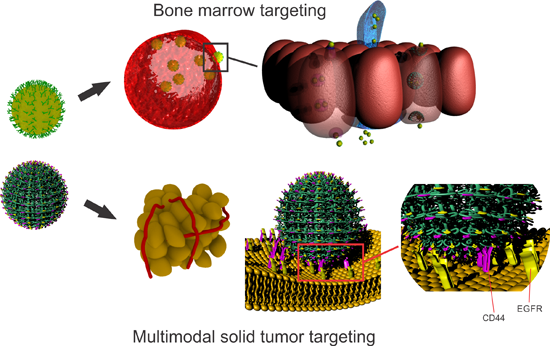
- acid (ATRA) or other agonists of nuclear receptors for retinoids [50]. Such approach was demonstrated by Pan and co-workers, who formulated doxorubicin (Dox)-loaded DSPE/cholesterol/PEG liposomes decorated with folic acid and evaluated their effects upon leukemia cells both in vitro and in vivo. The
- differentiation. Therefore, it could be employed as a specific cell surface-expressed moiety for active targeting [54]. Jang and co-workers developed a polyrotaxane-based nanoconstruct with pliable structure, bearing surface-oriented sliding PTK7 aptamers for the targeting of doxorubicin to a PTK7+ cell line
- carrier structure. I-motifs are four-stranded quadruplex structures formed by cytosine-rich DNA that posses unique pH-sensitive characteristics. The double-stranded complementary DNA responds to a drop of the pH value in the environment by forming i-motifs and releasing the intercalated doxorubicin. The


Doxorubicin-loaded gold nanorods: a multifunctional chemo-photothermal nanoplatform for cancer management
Beilstein J. Nanotechnol. 2021, 12, 295–303, doi:10.3762/bjnano.12.24
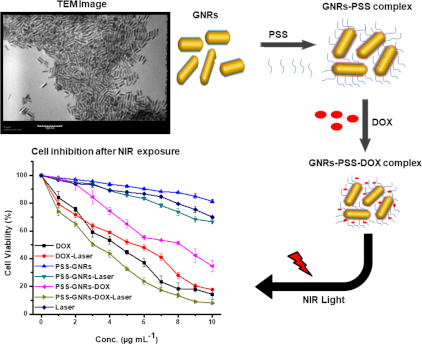
- study was to fabricate biocompatible multifunctional drug-loaded nanoscale moieties for co-therapy (chemo-photothermal therapy) with maximum efficacy and minimum side effects. Herein, we report in vitro anticancerous effects of doxorubicin (DOX) loaded on gold nanorods coated with the polyelectrolyte
- nanocomplexes with NIR laser irradiation appear more efficient in cell inhibition (93%) than those without laser exposure (65%) and doxorubicin alone (84%). The IC50 values of PSS-GNRs-DOX and PSS-GNRs-DOX were measured as 7.99 and 3.12 µg/mL, respectively, with laser irradiation. Thus, a combinatorial approach
- based on chemotherapy and photothermal strategies appears to be a promising platform in cancer management. Keywords: chemotherapy; doxorubicin; gold nanorods; NIR laser; photothermal therapy; Introduction Despite the enormous advances in medical research, cancer is still the second most common cause


PEG/PEI-functionalized single-walled carbon nanotubes as delivery carriers for doxorubicin: synthesis, characterization, and in vitro evaluation
Beilstein J. Nanotechnol. 2020, 11, 1728–1741, doi:10.3762/bjnano.11.155
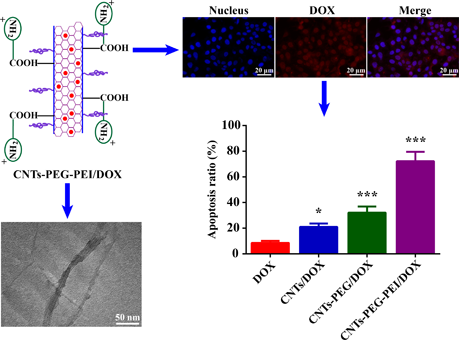
- functionalization was supposed to attenuate the premature removal and loss of nanocarriers, and also to improve the targeting to the tumor site. The physical and chemical properties of CNTs-PEG-PEI were systematically characterized and doxorubicin (DOX), one of the most potent anticancer drugs applied in
- . Polyethyleneimine (PEI, Mw = 600 Da) was purchased from Aladdin Chemistry Co., Ltd. Doxorubicin hydrochloride (DOX) was purchased from Dalian Meilun Biological Technology Co., Ltd (Dalian, China). Cell culture medium RPMI 1640, fetal bovine serum (FBS), penicillin/streptomycin solution and fluorescent Hoechst 33342




Applications of superparamagnetic iron oxide nanoparticles in drug and therapeutic delivery, and biotechnological advancements
Beilstein J. Nanotechnol. 2020, 11, 1092–1109, doi:10.3762/bjnano.11.94


Key for crossing the BBB with nanoparticles: the rational design
Beilstein J. Nanotechnol. 2020, 11, 866–883, doi:10.3762/bjnano.11.72
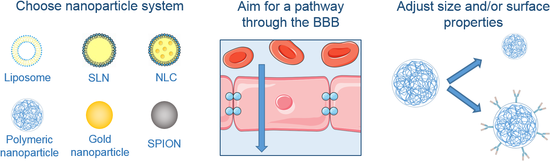
- selectively in the blood and cross the BBB through RMT by interacting with LDL receptors present on the luminal side of brain endothelial cells. In another study by Kreuter’s team, PBCA nanoparticles loaded with doxorubicin and coated with either PS80 or poloxamer 188 (P188) could increase the survival of
- dalargin [49]. Thus, it was proposed that the binding of doxorubicin led to an alteration of the nanoparticle surface properties that allowed ApoE and B to be bound. It was then concluded that the BBB permeation ability of nanoparticles was not only dependent of the surfactant coating but also of the
- nature of the nanoparticle core composition, not only of the polymer, but also of the API [54]. The ability of surfactants to interact with apolipoproteins was confirmed in another study by Petri et al., where the efficacy of PBCA nanoparticles loaded with doxorubicin and coated with either PS80 or P188


Luminescent gold nanoclusters for bioimaging applications
Beilstein J. Nanotechnol. 2020, 11, 533–546, doi:10.3762/bjnano.11.42
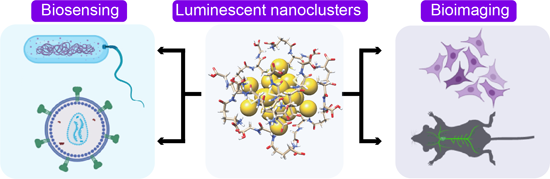
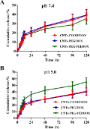
- endocytosis. The superparamagnetic nature of the PML-MF allowed for the magnetic targeting of the nanocarriers. Further, the ability of BSA to encapsulate drug molecules was explored to load doxorubicin (DPML-MF) in the nanocarriers. The release kinetics of doxorubicin studied at pH 7.4 and 4.4 were found to
- compared to that of free doxorubicin, presumably due to slow release from the nanocarriers. Alternatively, a significant killing efficiency of HeLa cells was achieved using just 0.46 μg/mL of free doxorubicin in combination with 200 μg/mL of PML-MF and laser irradiation for 10 min, further showing the


Multilayer capsules made of weak polyelectrolytes: a review on the preparation, functionalization and applications in drug delivery
Beilstein J. Nanotechnol. 2020, 11, 508–532, doi:10.3762/bjnano.11.41
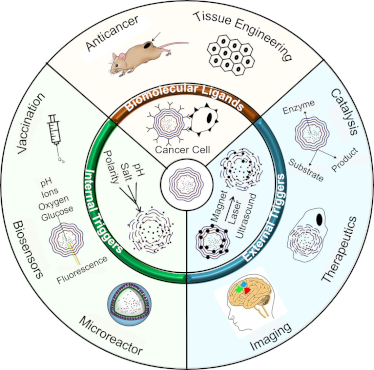
- excessive charges. The loading of ciprofloxacin hydrochloride with an EE of 32% [29], doxorubicin (Dox) with an EE of 89% [67], enzyme-like catalase [68], horseradish peroxidase with 2.2 × 10⁸ molecules/capsule [69], and proteins like BSA with an EE of up to 65% [70] have been successfully reported in weak



Poly(1-vinylimidazole) polyplexes as novel therapeutic gene carriers for lung cancer therapy
Beilstein J. Nanotechnol. 2020, 11, 354–369, doi:10.3762/bjnano.11.26
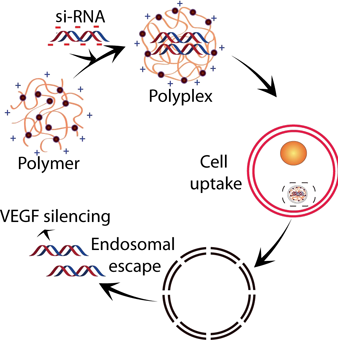
- PVI-based polyplexes with VEGF siRNA have not been investigated for their chemosensitizing properties. However, similar observations have been made in hepatoma cells that were sensitized to doxorubicin following VEGF silencing [33]. VEGF is a key factor that initiates angiogenesis and hence its


Rational design of block copolymer self-assemblies in photodynamic therapy
Beilstein J. Nanotechnol. 2020, 11, 180–212, doi:10.3762/bjnano.11.15
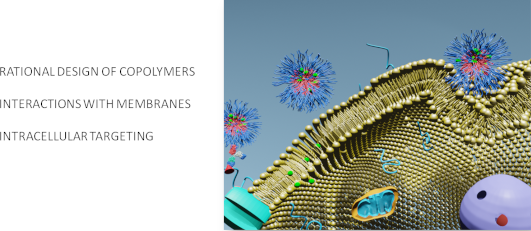
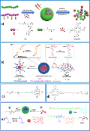
- (ethylene oxide) [89], or to the aspartate backbone of a poly(ethylene oxide)-block-poly(β-benzyl-ʟ-aspartate) [90]. The latter example is proposed for chemotherapy as doxorubicin is also chemically linked through an acid-labile hydrazone linker to the aspartate backbone. In another recent example the
- is an example of “all in one“ nanomedicine used for chemotherapy combining loading with doxorubicin, PDT and PTT. This is possible thanks to the activation of the photosensitizer and multimodal imaging using the fluorescence of the photosensitizer (near-infrared fluorescence imaging, NIRFI) and the
- chlorin-e6, an azobenzene group that can be cleaved at very low oxygen concentrations links the hydrophobic and the hydrophilic block. Upon irradiation and depletion of oxygen due to the PDT activity of chlorin-e6, the block copolymer nanovector disassembled and the anticancer drug, doxorubicin, was






Molecular architectonics of DNA for functional nanoarchitectures
Beilstein J. Nanotechnol. 2020, 11, 124–140, doi:10.3762/bjnano.11.11
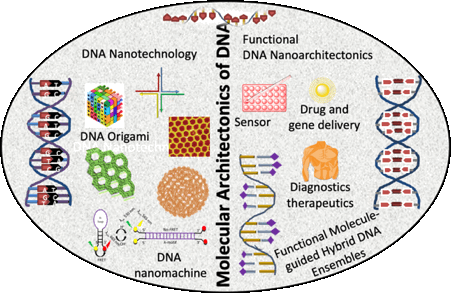
- the ECL quenching via formation of hydrogen peroxide. Kim and co-workers developed an innovative approach of intercalation of the anticancer drug doxorubicin within the DNA tetrahedron that showed improved therapeutic efficacy in drug-resistant breast cancer cells [70]. The doxorubicin-encapsulated


Bombesin receptor-targeted liposomes for enhanced delivery to lung cancer cells
Beilstein J. Nanotechnol. 2019, 10, 2553–2562, doi:10.3762/bjnano.10.246
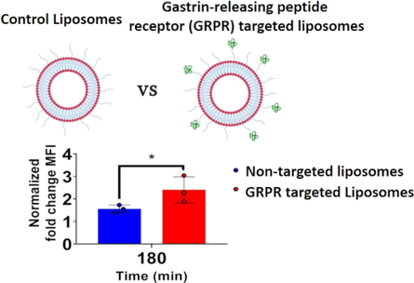
- delivery of doxorubicin into PC-3 prostate cells using a modified bombesin targeting peptide [30]. The authors showed a reduction in mouse PC-3 xenograft size compared to non-targeted doxorubicin liposomes and saline control, consistent with tumour accumulation of the delivery system. In summary, an

Frontiers in pharmaceutical nanotechnology
Beilstein J. Nanotechnol. 2019, 10, 2538–2540, doi:10.3762/bjnano.10.244

- active transport of nanoparticles into the central nervous system using the low-density lipoprotein receptor family [3][4][5][6], provided an entry route for the cytostatic drug doxorubicin into the brain. The drug delivery system has been tested in a phase II clinical trial and hopefully will make its
Incorporation of doxorubicin in different polymer nanoparticles and their anticancer activity
Beilstein J. Nanotechnol. 2019, 10, 2062–2072, doi:10.3762/bjnano.10.201
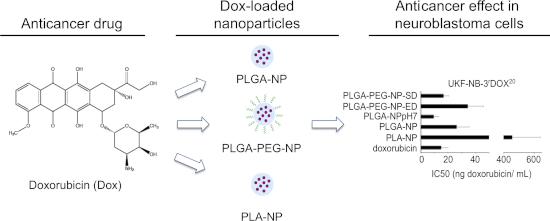
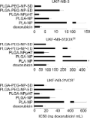
- . To investigate whether easy-to-prepare nanoparticles made of well-tolerated polymers may circumvent transporter-mediated drug efflux, we prepared poly(lactic-co-glycolic acid) (PLGA), polylactic acid (PLA), and PEGylated PLGA (PLGA-PEG) nanoparticles loaded with the ABCB1 substrate doxorubicin by
- solvent displacement and emulsion diffusion approaches and assessed their anticancer efficiency in neuroblastoma cells, including ABCB1-expressing cell lines, in comparison to doxorubicin solution. Results: The resulting nanoparticles covered a size range between 73 and 246 nm. PLGA-PEG nanoparticle
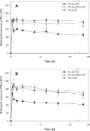
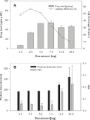
- preparation by solvent displacement led to the smallest nanoparticles. In PLGA nanoparticles, the drug load could be optimised using solvent displacement at pH 7 reaching 53 µg doxorubicin/mg nanoparticle. These PLGA nanoparticles displayed sustained doxorubicin release kinetics compared to the more burst





Doxorubicin-loaded human serum albumin nanoparticles overcome transporter-mediated drug resistance in drug-adapted cancer cells
Beilstein J. Nanotechnol. 2019, 10, 1707–1715, doi:10.3762/bjnano.10.166
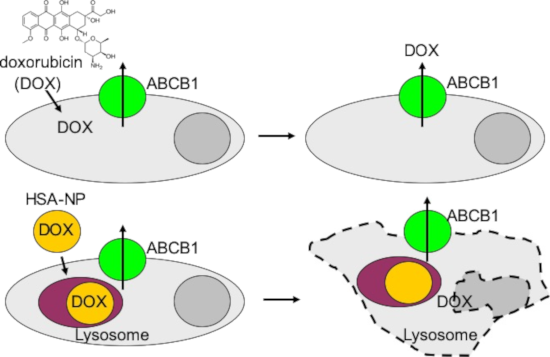
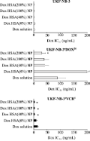
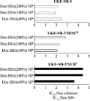
- . Here, we tested doxorubicin-loaded human serum albumin (HSA) nanoparticles in the neuroblastoma cell line UKF-NB-3 and its ABCB1-expressing sublines adapted to vincristine (UKF-NB-3rVCR1) and doxorubicin (UKF-NB-3rDOX20). Doxorubicin-loaded nanoparticles displayed increased anticancer activity in UKF
- -NB-3rVCR1 and UKF-NB-3rDOX20 cells relative to doxorubicin solution, but not in UKF-NB-3 cells. UKF-NB-3rVCR1 cells were re-sensitised by nanoparticle-encapsulated doxorubicin to the level of UKF-NB-3 cells. UKF-NB-3rDOX20 cells displayed a more pronounced resistance phenotype than UKF-NB-3rVCR1
- cells and were not re-sensitised by doxorubicin-loaded nanoparticles to the level of parental cells. ABCB1 inhibition using zosuquidar resulted in similar effects like nanoparticle incorporation, indicating that doxorubicin-loaded nanoparticles successfully circumvent ABCB1-mediated drug efflux. The


The systemic effect of PEG-nGO-induced oxidative stress in vivo in a rodent model
Beilstein J. Nanotechnol. 2019, 10, 901–911, doi:10.3762/bjnano.10.91
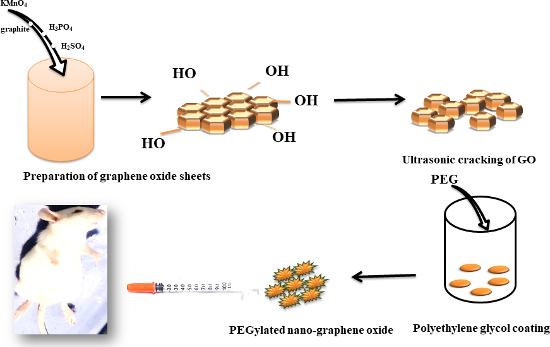
- has been utilized as a potent radiotracer and drug-delivery agent in vivo using positron emission tomography (PET) imaging by Jang and co-workers [31]. Liu et al. [32][33] used PEG for the first time to functionalize GO, which can then be use as a vehicle for anticancer drugs such as doxorubicin. The





