Search results
Search for "drug" in Full Text gives 469 result(s) in Beilstein Journal of Nanotechnology. Showing first 200.
Toward clinical translation of carbon nanomaterials in anticancer drug delivery: the need for standardisation
Beilstein J. Nanotechnol. 2025, 16, 2092–2104, doi:10.3762/bjnano.16.144

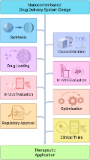
- nanotubes, and carbon dots, have attracted considerable interest as nanocarriers for drug delivery due to their unique physicochemical properties. Their high surface area, biocompatibility, and modifiable surface chemistry make them highly attractive for a range of biomedical applications. However, concerns
- enhancing therapeutic delivery, particularly in areas such as cancer treatment. This perspective highlights critical considerations in the development of CNM-based nanocarriers, spanning from initial design to clinical implementation. Keywords: carbon nanomaterials (CNMs); carbon nanoparticles (CNPs); drug
- nanomaterials (CNMs) have been largely developed as nanocarriers for drug delivery due to their biocompatibility, high surface area, tuneable physicochemical properties, and targeting capabilities [13][14]. However, CNMs also present a subset of challenges, including toxicity concerns, expensive and time



Beyond the shell: exploring polymer–lipid interfaces in core–shell nanofibers to carry hyaluronic acid and β-caryophyllene
Beilstein J. Nanotechnol. 2025, 16, 2015–2033, doi:10.3762/bjnano.16.139
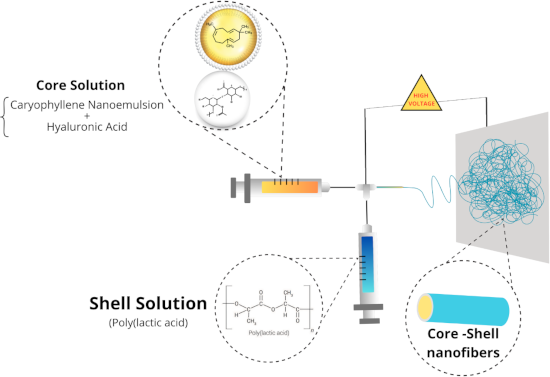
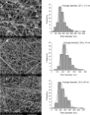
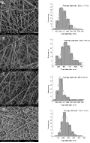
- conventional fibrous materials. Their flexibility in fabrication allows for integration into a broad range of applications, from drug delivery scaffolds to composite biomaterials, contributing to their increasing relevance in both scientific research and industrial development [11][12][13][14]. To leverage the
- thermoplastic known for its biodegradability, biocompatibility, and bioabsorbability [20][21]. Highly attractive due to its versatile physical, chemical, and biological properties, PLA is a suitable option for manufacturing tissue engineering scaffolds, implantable devices, and drug delivery systems, holding
- recognition as safe and approved for human use by the U.S. Food and Drug Administration (FDA). While PLA exhibits relatively high modulus and strength, it possesses limitations such as low toughness, a slow degradation rate, and high hydrophobicity [18][22][23]. Nevertheless, PLA fibers effectively provide




PEGylated lipids in lipid nanoparticle delivery dynamics and therapeutic innovation
Beilstein J. Nanotechnol. 2025, 16, 1914–1930, doi:10.3762/bjnano.16.133
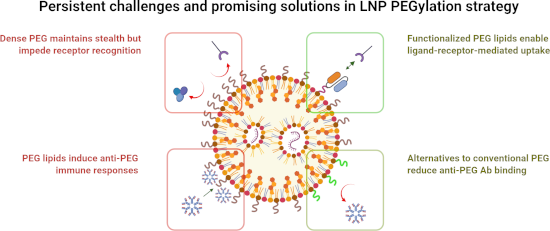
- encapsulate and protect a variety of drug substances, thereby enhancing their stability and therapeutic efficacy within biological systems [1]. LNPs are currently composed of ionizable lipids, helper lipids, sterols, and polyethylene glycol-modified (i.e., PEGylated) lipids (PEG lipids); each of these
- strategies in LNP-based drug delivery systems, approaches are being explored. These include integrating functional groups into PEG lipids for ligand conjugation and improved cell-specific targeting, as well as developing PEG alternatives to mitigate anti-PEG antibody associated immunogenicity [7][8]. This


Targeting the vector of arboviruses Aedes aegypti with nanoemulsions based on essential oils: a review with focus on larvicidal and repellent properties
Beilstein J. Nanotechnol. 2025, 16, 1894–1913, doi:10.3762/bjnano.16.132
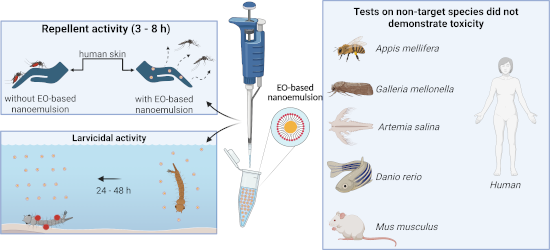
- solubility, high volatility, and intrinsic oxidation sensitivity. Thus, the development of novel formulations to efficiently deliver bioactives represents an innovative approach for Aedes aegypti control. In this context, nanothecnology provides smart formulations with improved drug solubility, controlled
- Food and Drug Administration (FDA) agency approved the first nanomedicine, Doxil® (doxorubicin-loaded liposomes) for chemotherapy. Over the past 30 years, research and development in nanotechnology have expanded significantly, with more than 70 nanomedicines approved by FDA or EMA [83][84][85][86


Phytol-loaded soybean oil nanoemulsion as a promising alternative against Leishmania amazonensis
Beilstein J. Nanotechnol. 2025, 16, 1826–1836, doi:10.3762/bjnano.16.126

- pharmaceutical application by reducing bioavailability [18]. To overcome these limitations, the incorporation of phytol into nanostructured delivery systems, has been proposed to improve its solubility, stability, and intracellular delivery efficiency [19]. Nanotechnology-based drug delivery systems that
- agents such as surfactants and co-surfactants, forming a kinetically stable system. With droplet sizes ranging from 20 to 500 nm, NEs can significantly enhance drug permeability and bioavailability [24][25][26][27]. Therefore, the present study aimed to develop a nanoemulsion containing phytol, produced
- thermal degradation of sensitive compounds, as well as excessive loss of volatile substances such as PHYT [30]. The small droplet size results in a large surface area, which enables effective interaction with biological membranes and consequently enhances drug penetration and retention [31]. Key


Exploring the potential of polymers: advancements in oral nanocarrier technology
Beilstein J. Nanotechnol. 2025, 16, 1751–1793, doi:10.3762/bjnano.16.122
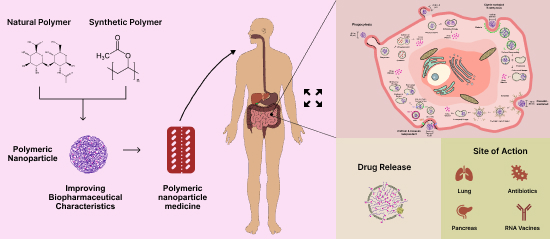
- , Brazil 10.3762/bjnano.16.122 Abstract Polymers play a pivotal role in various drug delivery systems due to their versatility, with polymeric nanoparticles showing significant potential to overcome physiological barriers associated with oral administration. This review examines the current advancements
- permeability, critical factors for effective oral drug delivery, are discussed in detail. Furthermore, nanoparticle synthesis methods that enable controlled release profiles, optimized biodistribution, and improved therapeutic efficacy are also explored. Thus, polymers represent a dynamic platform for
- developing diverse nanocarriers for oral applications, and this review provides a valuable theoretical foundation for understanding the strategies currently employed in this field. Keywords: drug delivery; nanoparticle; oral administration; polymer; polymeric nanoparticle; Review 1 Introduction The oral


Advances of aptamers in esophageal cancer diagnosis, treatment and drug delivery
Beilstein J. Nanotechnol. 2025, 16, 1734–1750, doi:10.3762/bjnano.16.121
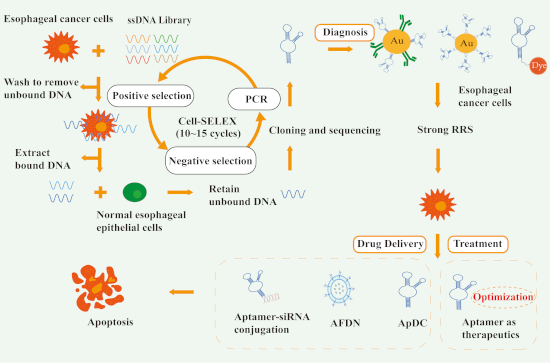
- lifestyle-related risk factors. However, the discovery of aptamers and the development of nanocarriers bring great benefits to the diagnosis, treatment, and targeted drug delivery of EC. Aptamers or peptide aptamers as biosensors or therapeutic agents for the diagnosis or treatment of EC, aptamer–drug
- conjugates and aptamer-functionalized drug nanocarriers for targeted drug delivery in esophageal cancer are reviewed in this paper. In addition, we expect investigators to pay special attention to improving aptamer permeability and stability to accelerate aptamer clinical transformation. In conclusion
- , leveraging the high target specificity of well-selected aptamers may bring new breakthroughs in the diagnosis, treatment and drug delivery of EC. Keywords: aptamers; detection; drug delivery; esophageal cancer; esophageal squamous cell carcinoma; therapy; Review 1 Introduction Esophageal cancer (EC) is


Multifunctional anionic nanoemulsion with linseed oil and lecithin: a preliminary approach for dry eye disease
Beilstein J. Nanotechnol. 2025, 16, 1711–1733, doi:10.3762/bjnano.16.120
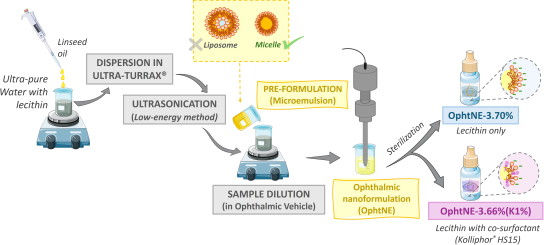
- for therapeutic effectiveness. In contrast to traditional drug delivery systems (DDS), a functional ophthalmic nanoemulsion was specifically designed to alleviate symptoms of DED by leveraging its antioxidant and osmoprotective properties. The study evaluated the optimal concentration of lecithin
- disease cases [13]. Advances in nanomedicine have provided effective solutions, particularly for treating DED [1]. To address challenges in topical ocular drug delivery and to develop products that mimic tear film composition, ocular nanosystems (ONSs) with diameters ranging from 50 to 300 nm are being
- investigated as potential drug delivery technologies [14][15]. However, our formulation is not a drug delivery system (DDS) since it lacks pharmacological agents. Instead, it is a functional nanoemulsion designed to mimic the tear film’s properties and provide antioxidant and osmoprotective benefits, aiming to



Prospects of nanotechnology and natural products for cancer and immunotherapy
Beilstein J. Nanotechnol. 2025, 16, 1644–1667, doi:10.3762/bjnano.16.116
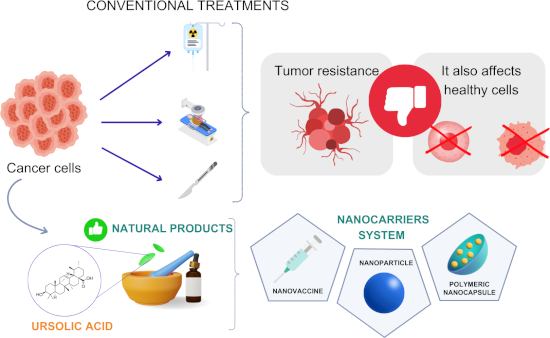
- Sergipe, São Cristóvão, Brazil Postgraduate Program in Health Sciences, Federal University of Sergipe, Aracaju, Sergipe, Brazil 10.3762/bjnano.16.116 Abstract Nanotechnology is revolutionizing pharmaceutical industry and drug development by providing significant advantages in controlling drug release
- traditional therapies. Advances in cancer nanotechnology include the development of smart nanocarriers capable of responding to internal stimuli (such as pH, redox potential, and enzymes) and external stimuli (such as magnetic fields, heat, or ultrasound), enabling precise and controlled drug release [16][17
- , cellular absorption, and slow release of drugs [38]. Polymeric nanoparticles are colloidal polymer systems used as drug carriers for targeted therapies and diagnostics [39]. Gold nanoparticles have properties such as chemical reactivity, anti-inflammatory effects, and protein-binding abilities, while


Venom-loaded cationic-functionalized poly(lactic acid) nanoparticles for serum production against Tityus serrulatus scorpion
Beilstein J. Nanotechnol. 2025, 16, 1633–1643, doi:10.3762/bjnano.16.115
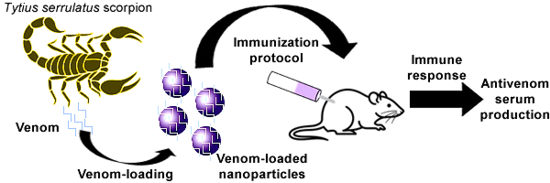
- vitro, creates a challenge for drug delivery systems aiming to effectively target affected tissues or cells [14][15]. Nanocarriers have been widely studied for enabling prolonged circulation and sustained drug release over time, depending on their structural properties [16][17]. Therefore, protein
- delivery through nanoparticles is an effective way to control drug release as well as to design an efficient protein delivery system [16]. Among different materials used for nanocarriers, several polymers have been investigated for producing cationic nanocarriers due to their ability to cross biological


Photocatalytic degradation of ofloxacin in water assisted by TiO2 nanowires on carbon cloth: contributions of H2O2 addition and substrate absorbability
Beilstein J. Nanotechnol. 2025, 16, 1567–1579, doi:10.3762/bjnano.16.111
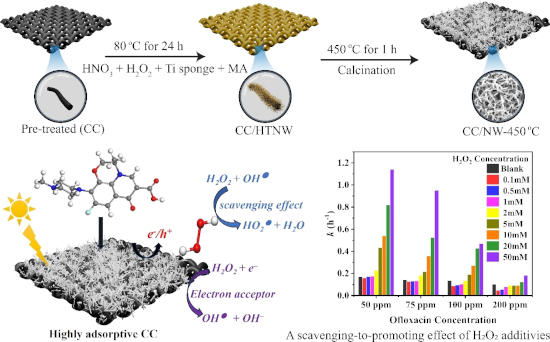
- ; ofloxacin; photocatalytic degradation; TiO2 nanowires; wastewater treatment; Introduction Drug pollution in natural environments has become an increasingly serious issue as a result of the wide applications of drugs in the diagnosis and treatment of human diseases, anti-epidemic disinfection, aquaculture
- investigation, we extend the application to drug pollution treatments with OFL as a model molecule. Since H2O2 produces reactive oxygen species (ROS), which promote the oxidation and degradation of OFL, H2O2 was introduced into the system to increase the photocatalytic efficiency, and the impacts of its


Transient electronics for sustainability: Emerging technologies and future directions
Beilstein J. Nanotechnol. 2025, 16, 1545–1556, doi:10.3762/bjnano.16.109
- stimulators, and drug delivery vehicles, as well as environmentally benign electronics for soil or aquatic disposal. Despite their potential, key challenges remain in expanding the material set for diverse functionalities, achieving high-density integration for advanced operations, and enabling precise
- postoperative recovery period [10] (Figure 1c), and drug delivery vehicles developed to enable remotely triggered, programmable release of therapeutic agents, followed by complete degradation without the need for extraction [8][25]. Recent advances in minimally invasive delivery techniques have further expanded


Cross-reactivities in conjugation reactions involving iron oxide nanoparticles
Beilstein J. Nanotechnol. 2025, 16, 1504–1521, doi:10.3762/bjnano.16.106
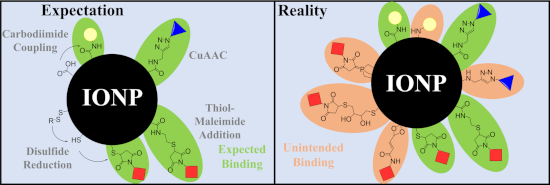
- Michael addition; Introduction Iron oxide nanoparticles (IONPs) have been the subject of an immense body of research in the field of biomedicine, where their magnetic properties are appealing for such applications as MRI contrast agents [1], tumor hyperthermia [2], and magnetic drug delivery [3
- targeting and drug payload delivery. The ability to chemically modify the ligand layer of IONPs, while maintaining their morphology and magnetic properties, is thus paramount to the preparation of functional IONPs. The use of highly selective conjugation reactions such as 1-ethyl-3-(3-dimethylaminopropyl







Nanomaterials for biomedical applications
Beilstein J. Nanotechnol. 2025, 16, 1499–1503, doi:10.3762/bjnano.16.105
- , Istanbul, Turkey 10.3762/bjnano.16.105 Keywords: biomedical applications; drug delivery; nanocarriers; nanomaterials; nanomedicine; nanoparticles; polymeric nanoparticles; tissue regeneration; Medicine has rapidly advanced over the last few decades, and nanotechnology has played a significant role in
- adverse effects and increasing the success rate of the delivery. Since nanomaterials can be tunable, the vast majority of health sectors are investigating their potential in a wide range of applications, such as targeted drug delivery, gene therapy, tissue regeneration, imaging, and diagnostic tools [2
- strength, more effective functioning, and biological compatibility [7]. Nanomaterials play a leading role in drug delivery and gene transportation. Older methods for drug delivery usually do work well, miss their intended targets, and cause unwanted side effects. Nanotechnology helps with this challenge by
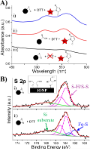
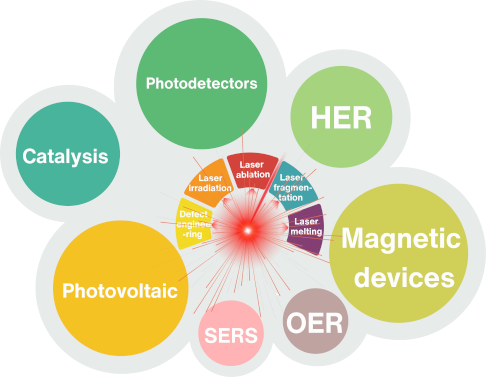
Laser processing in liquids: insights into nanocolloid generation and thin film integration for energy, photonic, and sensing applications
Beilstein J. Nanotechnol. 2025, 16, 1428–1498, doi:10.3762/bjnano.16.104






Enhancing the therapeutical potential of metalloantibiotics using nano-based delivery systems
Beilstein J. Nanotechnol. 2025, 16, 1350–1366, doi:10.3762/bjnano.16.98
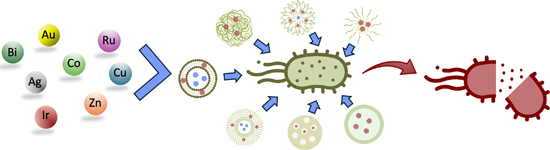
- application of metalloantibiotics is limited by their potential toxicity, instability, and lack of target specificity. Encapsulating metalloantibiotics in drug delivery systems, such as liposomes, nanoparticles, and polymeric carriers, could mitigate these challenges, enhancing their therapeutic index and
- .; Liu, G. Nanoscale 2025, 17, 5605–5628. doi:10.1039/D4NR04774E ]. This review explores the potential of encapsulated metalloantibiotics as a new frontier in antimicrobial therapy. We address the mechanisms by which drug delivery systems can stabilize and direct metalloantibiotics to their biological
- as a strategy to discover new antibiotic drugs [13]. In this context, the gold(I) antirheumatic drug Auranofin (RidauraTM) [14] was evaluated for its antibacterial activity, exerting potent antimicrobial effect against multiresistant strains [15]. The promising antibacterial profile of auranofin


Ferroptosis induction by engineered liposomes for enhanced tumor therapy
Beilstein J. Nanotechnol. 2025, 16, 1325–1349, doi:10.3762/bjnano.16.97
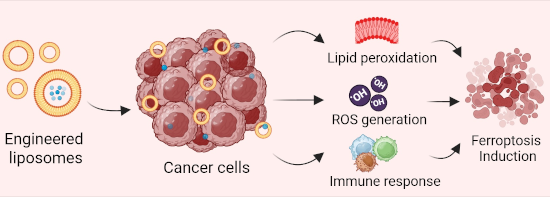
- to high disability and mortality, and the exact mechanisms are still unclear. Current chemotherapy faces challenges, including non-specificity, toxicity to healthy cells, the development of stem-like cells, and the progression of multidrug resistance [1]. Drug resistance is a major obstacle in cancer
- therapy and is closely linked to alterations in cancer metabolism [2][3][4]. Changed metabolic pathways allow cancer cells to grow faster than usual, adapt to restricted nutrient conditions, and develop drug resistance [3]. There is still a gap in the efficacy of various cancer therapies despite numerous
- accumulation of lipid ROS. Ferroptosis clearly differs from necrosis, apoptosis, and autophagy in terms of cellular morphology and function [7]. Recently, studies have indicated that ferroptosis can be utilized for cancer therapy since it effectively eliminates cancer cells and reverses drug resistance [8][9


Better together: biomimetic nanomedicines for high performance tumor therapy
Beilstein J. Nanotechnol. 2025, 16, 1246–1276, doi:10.3762/bjnano.16.92
- Imran Shair Mohammad Gizem Kursunluoglu Anup Kumar Patel Hafiz Muhammad Ishaq Cansu Umran Tunc Dilek Kanarya Mubashar Rehman Omer Aydin Yin Lifang Department of Radiology, City of Hope National Medical Center, 1500 East Duarte Rd., Duarte, California 91010, USA Nanothera Lab, Drug Application and
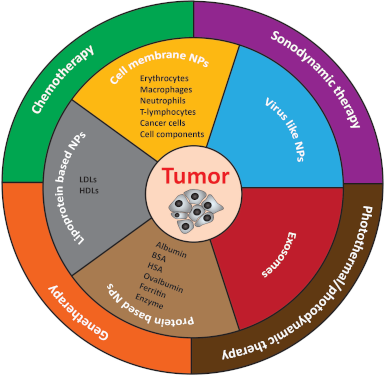
- utility, biomimetic nanoparticles hold great promise for advancing the field of cancer treatment. Keywords: biomimetic nanoparticles; homotypic binding; nanomaterials; targeted drug delivery; tumor therapy; Introduction Cancer is a complex disease, which involves numerous cells and their crosstalk with
- surrounding environment, including immunosuppression in T cells via PD-1/PD-L1 axis, recruitment of stem cells via CXCR4/CXCL2 chemokine axis, maturation of immune cells via membrane interactions, and various other physical/chemical interactions, uncover the emergence of cell membrane-based drug delivery






Hydrogels and nanogels: effectiveness in dermal applications
Beilstein J. Nanotechnol. 2025, 16, 1216–1233, doi:10.3762/bjnano.16.90
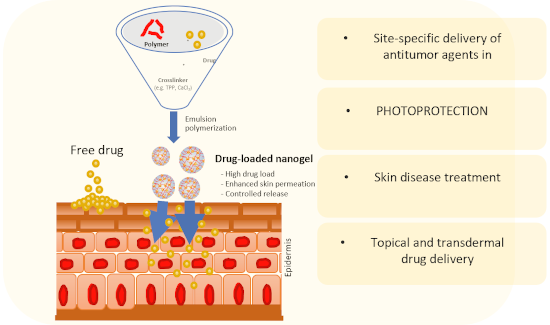
- - Vila Carli, Guarapuava – PR, Brazil Helmholtz-Zentrum für Infektionsforschung, Inhoffenstrasse 7, 38124 Braunschweig, Germany 10.3762/bjnano.16.90 Abstract Drug delivery systems (DDSs) are an important tool for obtaining medicines with improved physicochemical properties, especially for drugs with
- stability, absorption, and biodistribution impairments. Among the DDSs, we can highlight hydrogels and nanogels, which are easy to obtain, show good biocompatibility, and have several applications in the design of drug carriers for dermal and ocular administration. In this review, we introduce a brief
- concept on hydrogels, underlining compounds such as chitosan and alginate, and methods used for their preparation. Nanogels, with their attractive features, such as high drug encapsulation and penetration enhancer embedding, are also addressed. Finally, the application of these systems in dermal


Investigation of the solubility of protoporphyrin IX in aqueous and hydroalcoholic solvent systems
Beilstein J. Nanotechnol. 2025, 16, 1209–1215, doi:10.3762/bjnano.16.89
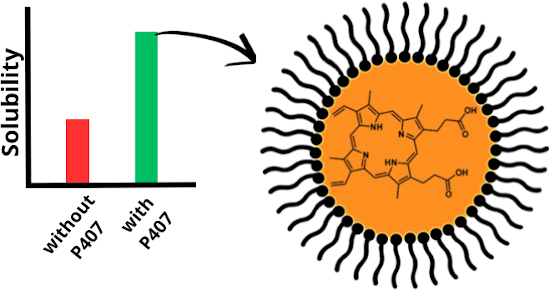
- its bioavailability and light absorption capacity will be increased [5]. To overcome this problem, the development of drug delivery systems, such as poloxamer-based ones, has played an important role on the delivery of dyes for PDT [8][9][10]. Poloxamers are triblock copolymers with thermosensitive
- self-assembly of monomers into micelles with a hydrophobic core of polypropylene oxide (PPO) and a hydrophilic corona of polyethylene oxide (PEO), creating an environment suitable for the encapsulation of hydrophobic drugs such as PpIX [15]. These micelles enhance drug solubility, protect against
- aggregation, and improve bioavailability in aqueous media [5][16]. Additionally, at high concentrations, P407 can transition into more complex nanostructured systems, such as hydrogels and lyotropic liquid crystals, providing additional control over drug release and stability. The thermosensitive and self


Piezoelectricity of hexagonal boron nitrides improves bone tissue generation as tested on osteoblasts
Beilstein J. Nanotechnol. 2025, 16, 1068–1081, doi:10.3762/bjnano.16.78
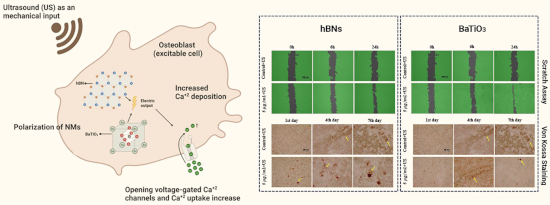
- [30][31]. The piezoelectric property of 2D hBN arises from its noncentrosymmetric structure, supported by these van der Waals interactions [32]. The excellent biocompatibility of hBN makes it attractive for diverse applications, including cosmetics, drug delivery, cancer treatment, orthopedic implants


Soft materials nanoarchitectonics: liquid crystals, polymers, gels, biomaterials, and others
Beilstein J. Nanotechnol. 2025, 16, 1025–1067, doi:10.3762/bjnano.16.77
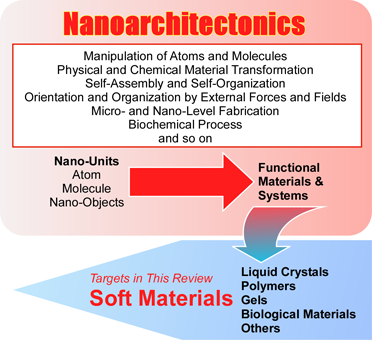
- ][182][183], fuel cells [184][185][186][187][188], batteries [189][190][191][192][193], supercapacitors [194][195][196][197][198], and other energy applications [199][200][201][202][203]. Furthermore, it is employed in environmental remediation [204][205][206][207][208], drug delivery [209][210][211






A calix[4]arene-based supramolecular nanoassembly targeting cancer cells and triggering the release of nitric oxide with green light
Beilstein J. Nanotechnol. 2025, 16, 1003–1013, doi:10.3762/bjnano.16.75
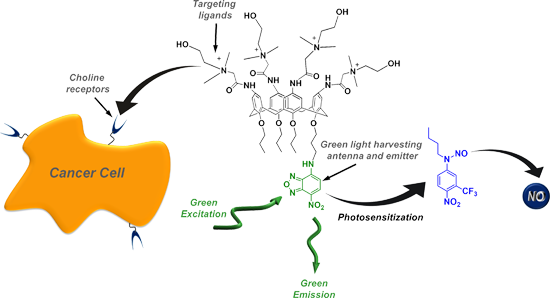
- Cristina Parisi Loredana Ferreri Tassia J. Martins Francesca Laneri Samantha Sollima Antonina Azzolina Antonella Cusimano Nicola D'Antona Grazia M. L. Consoli Salvatore Sortino Department of Drug and Health Sciences, University of Catania, I-95125 Catania, Italy Istituto di Chimica Biomolecolare
- poorly active unconventional photoactivatable drug molecules [12][13][14] as well as efficient cages to inhibit undesired photodegradation of photosensitive conventional drugs [15]. Nitric oxide (NO) is one of the most extensively studied molecules in the fascinating realm of biomedical sciences. This
- in diameter with a polydispersity index (PI) of ca. 0.4 (inset Figure 1A). This means the sample has a moderate range of particle sizes, however suitable for drug delivery applications. Figure 1B shows the fluorescence emission spectra of a water solution of 1. Similar to the absorption, the spectrum


Supramolecular hydration structure of graphene-based hydrogels: density functional theory, green chemistry and interface application
Beilstein J. Nanotechnol. 2025, 16, 806–822, doi:10.3762/bjnano.16.61
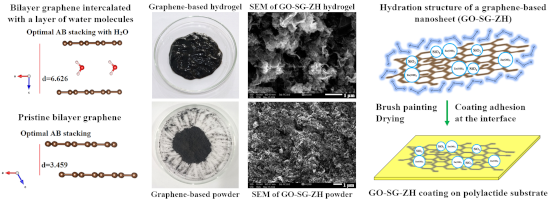
- structures especially under external sonication and mechanical stimuli. Reversible self-assembly of graphene-based nanosheets in water is essential to many applications, such as adsorption, photocatalysis, biosensing, drug delivery, aqueous paints, and multifunctional coatings [48][49][50]. Figure 6c


Changes of structural, magnetic and spectroscopic properties of microencapsulated iron sucrose nanoparticles in saline
Beilstein J. Nanotechnol. 2025, 16, 762–784, doi:10.3762/bjnano.16.59
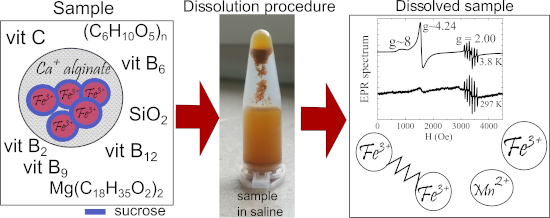
- size of the drug for easier swallowing. Simultaneously, all these compounds due to the iron content should exhibit magnetic properties that may potentially turn out to be interesting. Moreover, since all iron deficiency agents are commercial products and are mass produced, their properties can be
- deficiency drugs based on iron sucrose that differ from Venofer® in their manufacturing process, which translates into different final forms of the drug [17][18]. One of them is the diet supplement called Ferisan (Solinea Company, Poland), which is distinguished from Venofer®, in the pill form. Ferisan is a
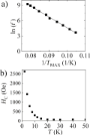
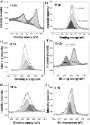
- ], while peaks I with lower binding energies are most probably related to different numbers of oxygen atoms bound to Si atoms (most likely only two) [96][98]. The correlation of peaks I to SiO should be excluded as the binding energy of the bulk Si line is lower than 100 eV [95]. According to the drug