Search results
Search for "drug carriers" in Full Text gives 58 result(s) in Beilstein Journal of Nanotechnology.
Comprehensive review on ultrasound-responsive theranostic nanomaterials: mechanisms, structures and medical applications
Beilstein J. Nanotechnol. 2021, 12, 808–862, doi:10.3762/bjnano.12.64
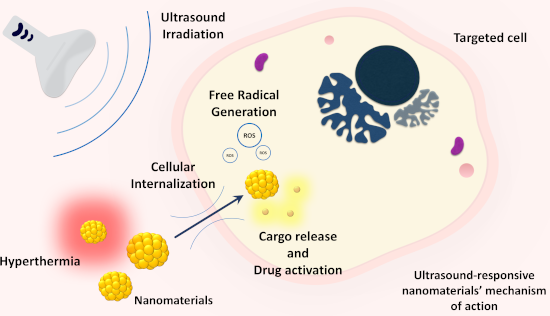
- despite the complexity and a large number of parameters to be optimized [2]. However, despite a large amount of innovations and laboratory researches, the efficacy and safety of nanomaterials used as drug carriers should be evaluated through clinical trials in order to be available in the clinical setting
- considered [30][36]. Many different smart or stimulus-responsive drug carriers have been used in combination with US. These include exosomes, liposomes, polymeric, organic or inorganic hybrid NPs, as well as other nanomaterials to control drug release behavior as well as to investigate their potential


Recent progress in magnetic applications for micro- and nanorobots
Beilstein J. Nanotechnol. 2021, 12, 744–755, doi:10.3762/bjnano.12.58
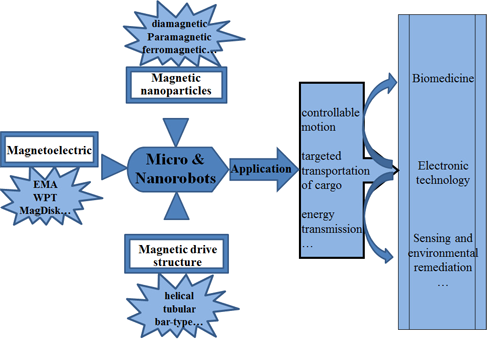
- magnetic helices have been shown to be used as drug carriers delivering liposomes loaded with drugs or DNA to single cells [80]. This reflects the prominent role of tubular and helical spermbots and microrobotic for research on medical treatment. Different from the magnetic tubular and helical structures


Interactions at the cell membrane and pathways of internalization of nano-sized materials for nanomedicine
Beilstein J. Nanotechnol. 2020, 11, 338–353, doi:10.3762/bjnano.11.25
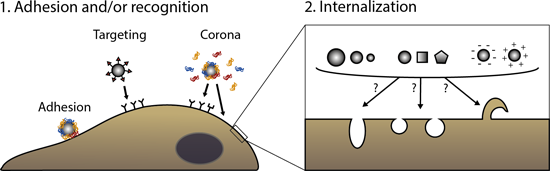
- Valentina Francia Daphne Montizaan Anna Salvati Groningen Research Institute of Pharmacy, University of Groningen, 9713AV Groningen, Netherlands 10.3762/bjnano.11.25 Abstract Nano-sized materials have great potential as drug carriers for nanomedicine applications. Thanks to their size, they can
- exploit the cellular machinery to enter cells and be trafficked intracellularly, thus they can be used to overcome some of the cellular barriers to drug delivery. Nano-sized drug carriers of very different properties can be prepared, and their surface can be modified by the addition of targeting moieties
- . Keywords: cell receptors; drug targeting; endocytosis; nanoparticle corona; nanoparticle uptake; Introduction Nano-sized materials are widely studied in nanomedicine for their potential use as drug carriers, in imaging, and for diagnostic purposes [1][2][3]. Because of their size, they can interact with
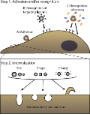


Fully amino acid-based hydrogel as potential scaffold for cell culturing and drug delivery
Beilstein J. Nanotechnol. 2019, 10, 2579–2593, doi:10.3762/bjnano.10.249
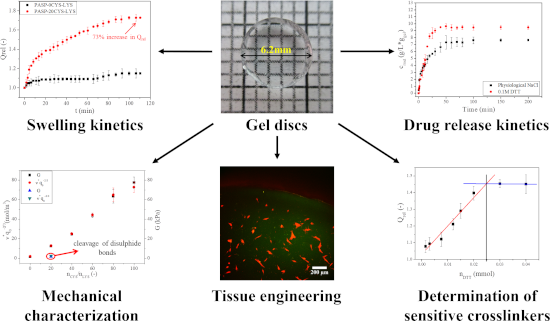
- , the applicability of the amino acid-based hydrogels in drug delivery is very important. Therefore, the second aim of our work was to investigate the potential of the scaffolds as drug carriers. To get a better understanding of the fate of the drug in the living system, the release kinetics were


Microfluidics as tool to prepare size-tunable PLGA nanoparticles with high curcumin encapsulation for efficient mucus penetration
Beilstein J. Nanotechnol. 2019, 10, 2280–2293, doi:10.3762/bjnano.10.220
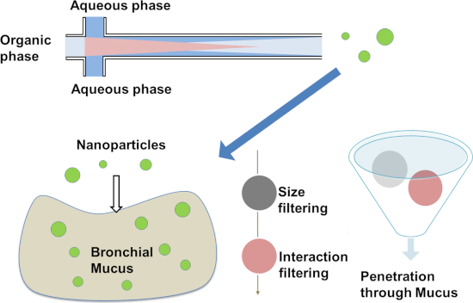
- , 66119 Saarbrücken, Germany KIST Europe, 66123 Saarbrücken, Germany 10.3762/bjnano.10.220 Abstract Great challenges still remain to develop drug carriers able to penetrate biological barriers (such as the dense mucus in cystic fibrosis) and for the treatment of bacteria residing in biofilms, embedded in
- applied to protect drug carriers from being inactivated by avoiding interaction with mucus [9][10][11]. Nanoparticles (NPs) have shown a tremendous effect in terms of facilitating the diffusion of drugs through biological barriers, for example, through thick mucus in cystic fibrosis [10][12][13][14][15


Mannosylated brush copolymers based on poly(ethylene glycol) and poly(ε-caprolactone) as multivalent lectin-binding nanomaterials
Beilstein J. Nanotechnol. 2019, 10, 2192–2206, doi:10.3762/bjnano.10.212
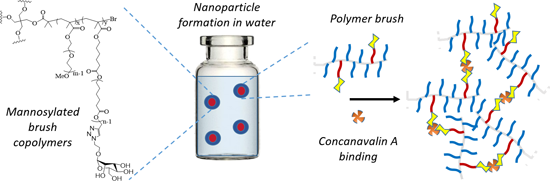
- aggregates (e.g., micelles and vesicles) above their critical aggregation concentration (CAC). The resulting self-assembled nanoparticles can act as drug carriers and delivery systems, being able to accommodate a hydrophobic drug within their hydrophobic core [22], or chemically bind bioactive agents [23][24



Incorporation of doxorubicin in different polymer nanoparticles and their anticancer activity
Beilstein J. Nanotechnol. 2019, 10, 2062–2072, doi:10.3762/bjnano.10.201
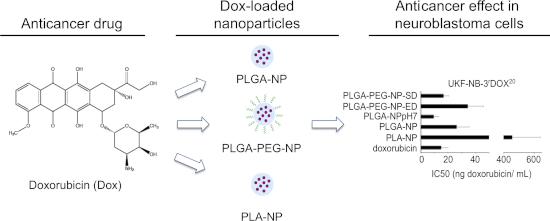
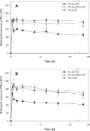
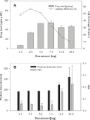
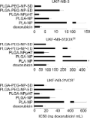
- , opsonisation, and phagocytosis [12]. In previous studies PLA-, PLGA-, PLA-PEG-, and PLGA-PEG-based nanometre-sized drug carriers loaded with or covalently linked to doxorubicin have been prepared by methods including emulsion diffusion, solvent displacement, micelle formation, and film rehydration followed by
- of nanoparticles decreases with an increase of size [53]. PLGA nanoparticles prepared by solvent displacement at pH 7 displayed the highest drug load. Hence, their superior effects may be explained by an increased drug transport per nanoparticle into cancer cells. Nano-sized drug carriers have been





Synthesis and potent cytotoxic activity of a novel diosgenin derivative and its phytosomes against lung cancer cells
Beilstein J. Nanotechnol. 2019, 10, 1933–1942, doi:10.3762/bjnano.10.189
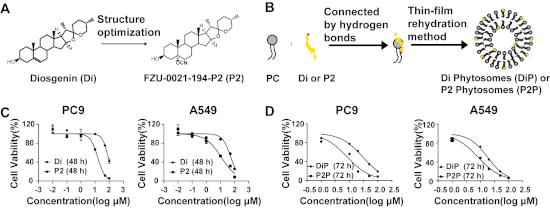
- by cholesterol have been substantially investigated as drug carriers for targeting, modulating drug pharmacokinetics, and decreasing drug toxicity [15][16]. Liposomes also can be used as solubilizing media to enhance solubility and bioavailability of insoluble drugs [17]. Di and our prepared



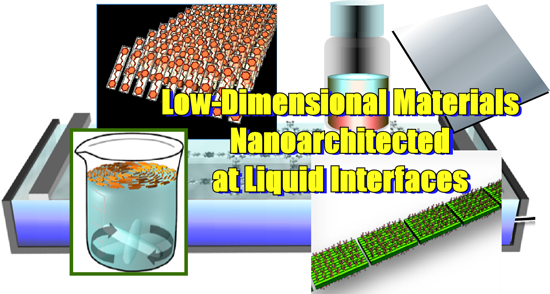
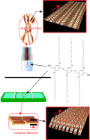
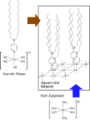
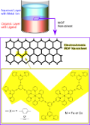
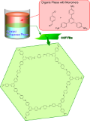
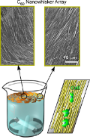
Materials nanoarchitectonics at two-dimensional liquid interfaces
Beilstein J. Nanotechnol. 2019, 10, 1559–1587, doi:10.3762/bjnano.10.153







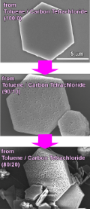

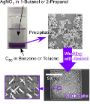
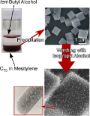


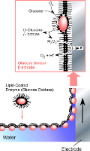



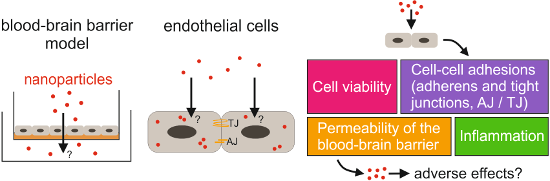
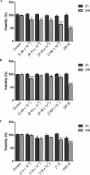
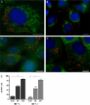
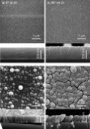
Effects of gold and PCL- or PLLA-coated silica nanoparticles on brain endothelial cells and the blood–brain barrier
Beilstein J. Nanotechnol. 2019, 10, 941–954, doi:10.3762/bjnano.10.95
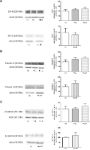
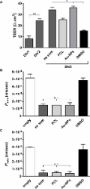
- , and has gained further importance over the past few decades [1]. This technology also offers promising possibilities for medical applications such as tumor diagnostics and therapy, as drug carriers or in biodegradable implants, e.g., in laser tissue soldering (LTS) [2]. LTS provides a promising



Polydopamine-coated Au nanorods for targeted fluorescent cell imaging and photothermal therapy
Beilstein J. Nanotechnol. 2019, 10, 794–803, doi:10.3762/bjnano.10.79
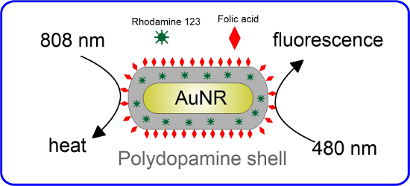
- ]. Since that discovery, PDA has received extensive attention owing to its extremely attractive properties. Owing to its simplicity, PDA-assisted coating has been intensively applied for various nanoparticles including nanodiamonds [26], polymeric drug carriers [27], AuNRs [28][29][30][31][32][33][34


Targeting strategies for improving the efficacy of nanomedicine in oncology
Beilstein J. Nanotechnol. 2019, 10, 168–181, doi:10.3762/bjnano.10.16
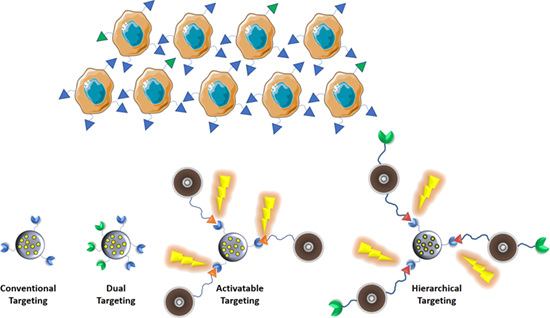
- , Spain Dpto. Materiales y Producción Aeroespacial, ETSI Aeronáutica y del Espacio, Universidad Politécnica de Madrid, 28040-Madrid, Spain 10.3762/bjnano.10.16 Abstract The use of nanoparticles as drug carriers has provided a powerful weapon in the fight against cancer. These nanocarriers are able to
- affecting healthy tissue. These nanoparticles are able to load great amounts of drugs, to transport them in the blood stream and finally, to recognize the tumoral tissue and release their cargo inside the tumoral cells. The idea to use nanoparticles as drug carriers in oncology arose in 1986, when two


A visible-light-controlled platform for prolonged drug release based on Ag-doped TiO2 nanotubes with a hydrophobic layer
Beilstein J. Nanotechnol. 2018, 9, 1793–1801, doi:10.3762/bjnano.9.170
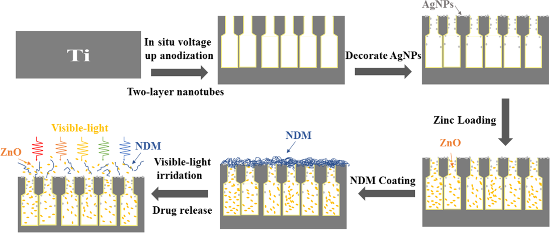
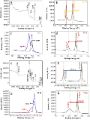
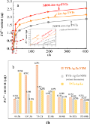
- exhibit promising application as a localized, prolonged drug delivery platform. Keywords: Ag doping; drug delivery; hydrophobic layer; prolonged drug release; TiO2 nanotubes; visible-light-controlled release; Introduction Titanium dioxide nanotubes (TNTs) are often employed as drug carriers, owing to





Advances and challenges in the field of plasma polymer nanoparticles
Beilstein J. Nanotechnol. 2017, 8, 2002–2014, doi:10.3762/bjnano.8.200
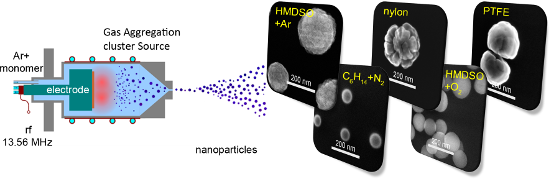
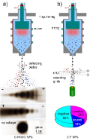
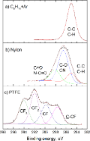
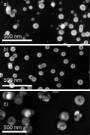
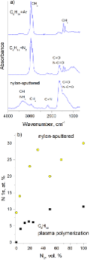
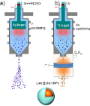
- can be used as biomolecule and drug carriers [38][39][40]. Gas aggregation cluster sources (GAS) were considered feasible for the synthesis of plasma polymer NPs with a tuneable size distribution, retention of functional groups and cross-link density. The concept of GAS was originally developed for






Carbon nanomaterials sensitize prostate cancer cells to docetaxel and mitomycin C via induction of apoptosis and inhibition of proliferation
Beilstein J. Nanotechnol. 2017, 8, 1307–1317, doi:10.3762/bjnano.8.132
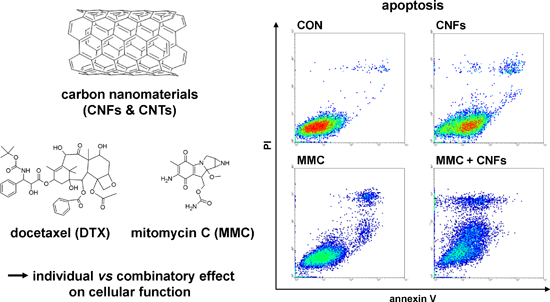
- last decades, various nanoparticles such as carbon nanotubes (CNTs) and carbon nanofibers (CNFs) have been extensively investigated for their utilization as drug carriers and delivery vehicles. They possess great potential for such biomedical applications based on their ability to be loaded with


Bright fluorescent silica-nanoparticle probes for high-resolution STED and confocal microscopy
Beilstein J. Nanotechnol. 2017, 8, 1283–1296, doi:10.3762/bjnano.8.130
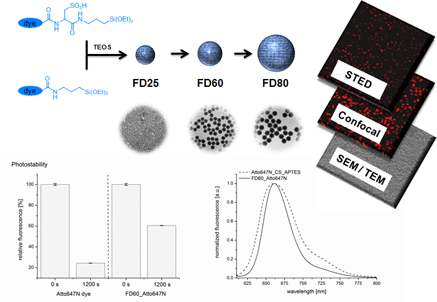
- drug carriers [3][4][5], as transfection agents [6][7], for cancer treatment by local hyperthermia [8][9], for labelling [10][11] and for bioimaging [12][13][14]. The detection of cell-associated and internalised nanoparticles and the analysis of their interactions with extracellular or subcellular


Nano-engineered skin mesenchymal stem cells: potential vehicles for tumour-targeted quantum-dot delivery
Beilstein J. Nanotechnol. 2017, 8, 1218–1230, doi:10.3762/bjnano.8.123
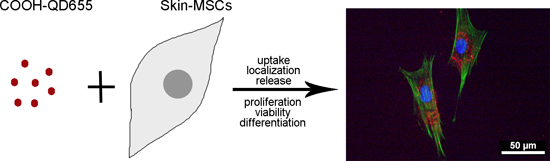
- drug carriers [3]. Recent studies have shown that nano-engineered mesenchymal stem cells (MSCs) could be used as tumour-targeted therapeutic carriers, reflecting their tumour-homing capabilities [4][5][6]. MSCs are present in many tissues of the human body, including bone marrow, adipose tissues, skin





Dispersion of single-wall carbon nanotubes with supramolecular Congo red – properties of the complexes and mechanism of the interaction
Beilstein J. Nanotechnol. 2017, 8, 636–648, doi:10.3762/bjnano.8.68
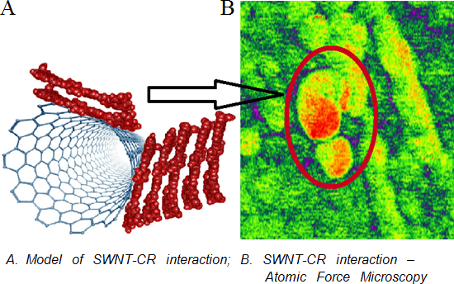
- advantage of carbon nanotubes, as compared to other potential drug carriers, is based on their high drug-binding surface (both inner and outer) and the possibility of chemical modification (functionalization) of the nanotube surface and adjustment of their length [8]. Both functionalization and shortening
- to the diseased tissue. Lipophilic SWNTs can easily penetrate through cellular membranes. CNTs are characterized by high mechanical strength and heat conductibility and their magnetic and optical properties may be the basis of their simultaneous use as drug carriers and sensitizers in photodynamic
- (intercalate) many different compounds, provided that at least a part of a molecule is a planar aromatic ring (e.g., Rhodamin B, Titan yellow) [36][37][38]. Since many drugs show such a structural feature, CR-nanotube complexes can be considered as possible drug-carriers. The ability of nanotubes to bind high


Nanoscale isoindigo-carriers: self-assembly and tunable properties
Beilstein J. Nanotechnol. 2017, 8, 313–324, doi:10.3762/bjnano.8.34
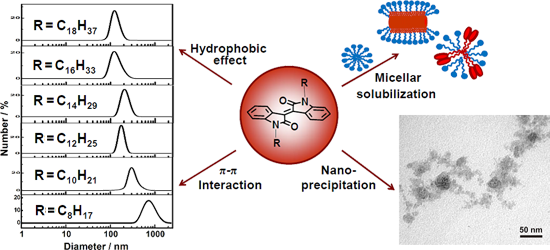
- . Drug nanostructures thus obtained are single-component systems unlike traditional colloidal drug carriers. The design of building blocks allows for the control of physical and chemical properties of self-assembled systems. Self-assembly [41] and nanoprecipitation [42] are the most common approaches to



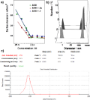

Hierarchical coassembly of DNA–triptycene hybrid molecular building blocks and zinc protoporphyrin IX
Beilstein J. Nanotechnol. 2016, 7, 697–707, doi:10.3762/bjnano.7.62
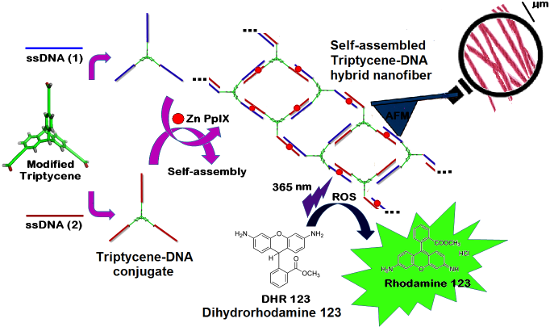
- building smart drug carriers, sensors or materials with significant property combinations. Experimental General HPLC-purified single strand 12-mer 5′-(CH2)12-amine-modified DNA, 1,3-dicyclohexylcarbodiimide (DCC), N-hydroxysuccinimide (NHS), hydroxybenzotriazole (HOBt), dimethylformamide (DMF


Comparison of the interactions of daunorubicin in a free form and attached to single-walled carbon nanotubes with model lipid membranes
Beilstein J. Nanotechnol. 2016, 7, 524–532, doi:10.3762/bjnano.7.46
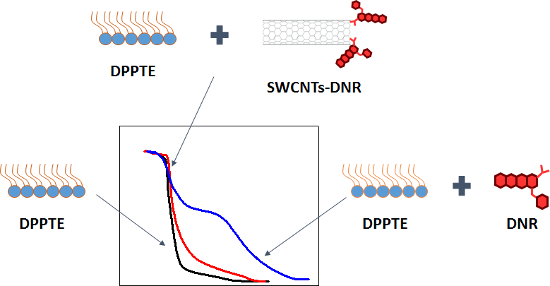
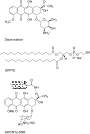
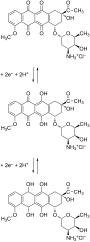
- aspect in terms of side effects of the drug. Keywords: daunorubicin (DNR); 1,2-dipalmitoyl-sn-glycero-3-phosphothioethanol (DPPTE); drug carriers; model lipid membranes; single-walled carbon nanotubes (SWCNTs); Introduction Daunorubicin (DNR) is an anthracycline antitumor drug, which finds application
- employed in case of other DDS such as biodegradable polymers, which co-assemble into composite micelles [10]. Another type of common drug carriers includes nanoparticles. Magnetic Fe3O4 nanoparticles are often employed because they give possibility to control the transport by applying external magnetic
- : free and attached to drug carriers. However, due to different solubilities, the experimental procedures are different: free drug is more soluble and, therefore, can be dissolved in the subphase from which it penetrates the lipid monolayer, while drug–carbon nanotube adduct is added to the thiolipid and




Fabrication and characterization of novel multilayered structures by stereocomplexion of poly(D-lactic acid)/poly(L-lactic acid) and self-assembly of polyelectrolytes
Beilstein J. Nanotechnol. 2016, 7, 81–90, doi:10.3762/bjnano.7.10
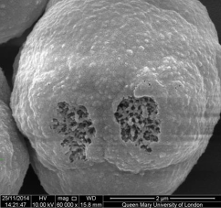
- medical materials made from PLA, such as surgical suture, implants, as well as drug carriers, are in high demand. Recently PLA-based polymers have been used for the fabrication of drug carriers by a LBL self-assembly technique [15][17][34]. As an example, the stepwise assembly of poly(L-lactic acid) (PLLA


pH-Triggered release from surface-modified poly(lactic-co-glycolic acid) nanoparticles
Beilstein J. Nanotechnol. 2015, 6, 2504–2512, doi:10.3762/bjnano.6.260
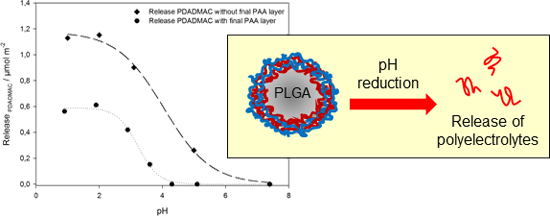
- taken up by endocytosis. During the process of endocytosis, nanoparticular drug carriers most often end up in endolysosomes with a reduced internal pH value. In order to provide improved accessibility of the drug to the whole cell, membrane destruction of the endolysosomal bilayer would be beneficial


Nanofibers for drug delivery – incorporation and release of model molecules, influence of molecular weight and polymer structure
Beilstein J. Nanotechnol. 2015, 6, 1939–1945, doi:10.3762/bjnano.6.198
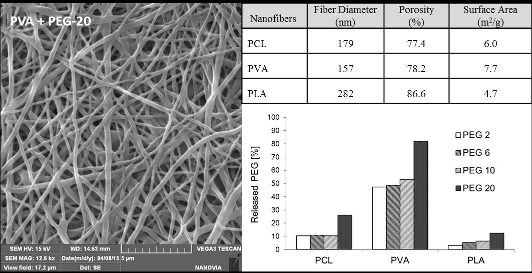
- findings can be applied to develop nanofibrous drug carriers for the local delivery of hydrophobic pharmacologically active compounds, because the release of auxiliary hydrophilic molecules can effectively control the drug release kinetics. Experimental Reagents PCL (Mw ≈ 80 kDa) and trifluoroacetic acid



Synthesis, characterization and in vitro biocompatibility study of Au/TMC/Fe3O4 nanocomposites as a promising, nontoxic system for biomedical applications
Beilstein J. Nanotechnol. 2015, 6, 1677–1689, doi:10.3762/bjnano.6.170
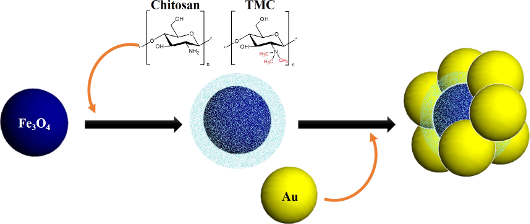
- paramagnetism, super saturation, and having free electrons, magnetic nanoparticles have emerged as promising candidates for various medical and biological applications including magnetic resonance imaging (MRI) (as a contrast agent), smart drug delivery (as drug carriers), gene therapy, hyperthermia and tissue