Search results
Search for "heterogeneity" in Full Text gives 79 result(s) in Beilstein Journal of Nanotechnology.
Realizing active targeting in cancer nanomedicine with ultrasmall nanoparticles
Beilstein J. Nanotechnol. 2024, 15, 1208–1226, doi:10.3762/bjnano.15.98
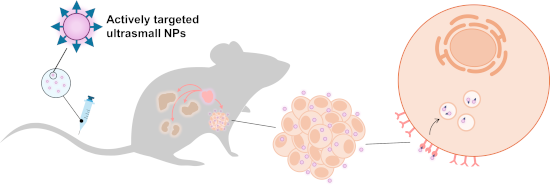
- [10][11][12]. Reasons for the poor clinical performance of passive tumor targeting are the considerable heterogeneity of the EPR effect in humans, alongside the restricted diffusion of NPs across the dense tumor stroma [4][5][13][14]. Reasons for the limited performance of active targeting include its


A review on the structural characterization of nanomaterials for nano-QSAR models
Beilstein J. Nanotechnol. 2024, 15, 854–866, doi:10.3762/bjnano.15.71

- experimental features that could potentially be used as descriptors in a nano-QSAR model. For the literature analysis below, all descriptors with a potential use in nano-QSAR are discussed. Descriptors for NMs One of the conclusions of the analysis of available models is the heterogeneity of the criteria used


Antibody-conjugated nanoparticles for target-specific drug delivery of chemotherapeutics
Beilstein J. Nanotechnol. 2023, 14, 912–926, doi:10.3762/bjnano.14.75
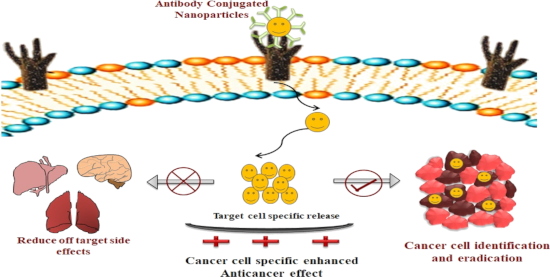
- lack of tumor specificity and selectivity, antibody selection issues, immune reactions against ACNPs, stability of ACNPs, heterogeneity of tumors, regulatory approvals, scale-up and production, and cost considerations. Advantages of antibody-conjugated NPs. Schematic representation of (a) an antibody

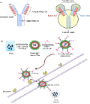


Overview of mechanism and consequences of endothelial leakiness caused by metal and polymeric nanoparticles
Beilstein J. Nanotechnol. 2023, 14, 329–338, doi:10.3762/bjnano.14.28
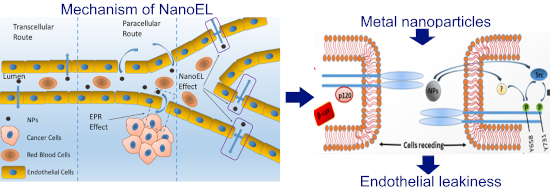
- a key role in the maintenance of the organism’s systemic homeostasis through the many functions they serve. Moreover, these cells are characterized by a unique structural and functional heterogeneity. Morphologically, endothelial cells are mostly flat, spindle-shaped cells in arteries and arterioles


Recent progress in cancer cell membrane-based nanoparticles for biomedical applications
Beilstein J. Nanotechnol. 2023, 14, 262–279, doi:10.3762/bjnano.14.24

- , and chemotherapy remain dominant in clinical treatment [86]. However, traditional approaches suffer from tumor cell insensitivity and resistance to treatment due to genetic instability and heterogeneity [87]. The limited therapeutic efficacy and toxic side effects on normal tissues hinder the


Nanotechnology – a robust tool for fighting the challenges of drug resistance in non-small cell lung cancer
Beilstein J. Nanotechnol. 2023, 14, 240–261, doi:10.3762/bjnano.14.23
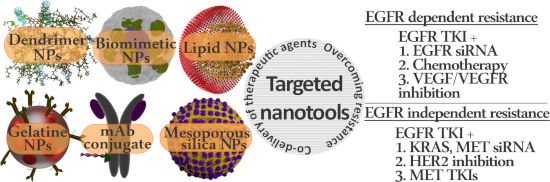
- agents. Precision oncology research to identify targetable biomarkers and optimize tumor homing agents, hand in hand with designing multifunctional and multistage nanocarriers that respond to the inherent heterogeneity of the tumors, may resolve the challenges of inadequate tumor localization, improve
- heterogeneity, key signaling pathway alteration, and activation of alternate signaling, which effectively rescue the main inhibited pathway. The oncogenic significance of EGFR and the weak response to TKIs have been the focus of clinical interest for more than a decade, motivating the research community to look
- clinical therapy. In addition, some novel therapeutic approaches against resistant tumors have failed due to the heterogeneity of the progression of genetic alteration and the resulting complexity of resistance mechanisms [23]. Enormous efforts have been made in finding a way forward from this standstill


Relationship between corrosion and nanoscale friction on a metallic glass
Beilstein J. Nanotechnol. 2022, 13, 236–244, doi:10.3762/bjnano.13.18
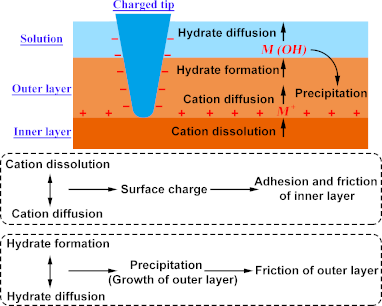
- in phosphate buffer. Pitting has been reported for many MG surfaces after polarization in chloride solutions [22][23][24][25]. Pitting corrosion is induced by heterogeneity or discontinuity of the amorphous matrix, for example, by crystalline inclusions [24]. On the surface shown in Figure 1b


A photonic crystal material for the online detection of nonpolar hydrocarbon vapors
Beilstein J. Nanotechnol. 2022, 13, 127–136, doi:10.3762/bjnano.13.9
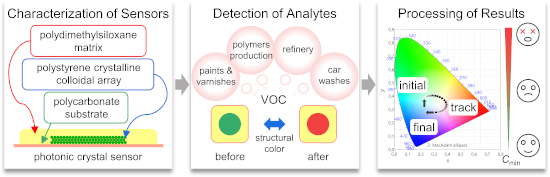
- filling of the structure, the structural heterogeneity within a volume, the presence of foreign chemical substances and the size variation of the matrix and particles during the chemical analysis process. However, one cannot ignore sensors based on molecularly imprinted polymers for the selective
- was reached already after 2 min, and the experiment was repeated. From the results presented in Figure 7a, we can conclude that there is a wide spread in both the initial position of the PBG and the final one, but this is explained by the heterogeneity of the sensor degradation over the surface area


Two dynamic modes to streamline challenging atomic force microscopy measurements
Beilstein J. Nanotechnol. 2021, 12, 1226–1236, doi:10.3762/bjnano.12.90
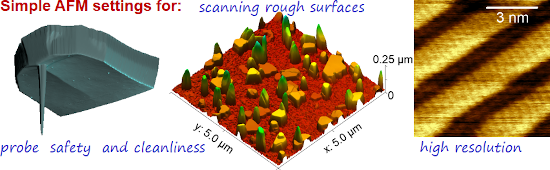
- contrast obtained in this case, as in the case of AM-AFM, allows one to probe the heterogeneity of the mechanical properties of the surface [28], but it is free from artifacts associated with the influence of the surface profile on the feedback error (phase change at the step boundaries). Thus, in


A review on nanostructured silver as a basic ingredient in medicine: physicochemical parameters and characterization
Beilstein J. Nanotechnol. 2021, 12, 440–461, doi:10.3762/bjnano.12.36
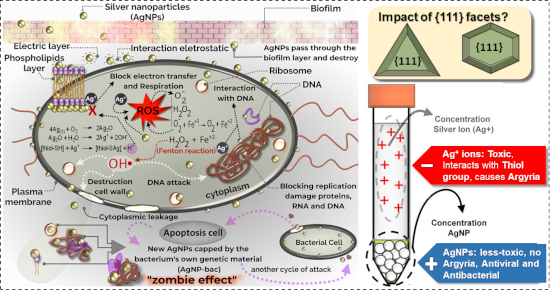
- complementary way, the size, distribution, shape heterogeneity, morphology, dispersion, and aggregation can be directly evaluated via TEM in which the high spatial resolution facilitates the investigation of the electronic structure and chemical composition [156]. However, the disadvantages other than the


The impact of molecular tumor profiling on the design strategies for targeting myeloid leukemia and EGFR/CD44-positive solid tumors
Beilstein J. Nanotechnol. 2021, 12, 375–401, doi:10.3762/bjnano.12.31
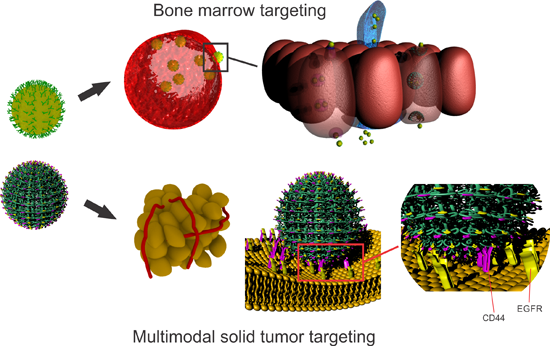
- -exposed molecules. Considering that leukemia has shown a vast genomic heterogeneity, the integration of the molecular profile of the tumor into the design of the multimodal nanoscale carriers will have a tremendous impact for the future development of personalized nanomedicine for a safe and efficacious


Characterization, bio-uptake and toxicity of polymer-coated silver nanoparticles and their interaction with human peripheral blood mononuclear cells
Beilstein J. Nanotechnol. 2021, 12, 282–294, doi:10.3762/bjnano.12.23
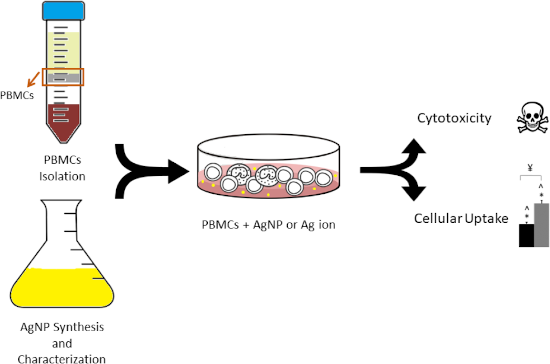
- of the random effects in order to determine if there is a significant variation across individuals. The range of all p values is between 0.0608 and 0.1496, indicating that there is no significant heterogeneity among the individuals, but that it was borderline significant in the former case



The role of gold atom concentration in the formation of Cu–Au nanoparticles from the gas phase
Beilstein J. Nanotechnol. 2021, 12, 72–81, doi:10.3762/bjnano.12.6
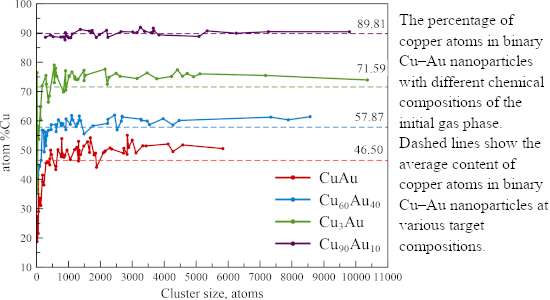
- heterogeneity in the composition of the resulting nanoparticles. Thus, the experimental results in [3] showed that in nanoparticles with a nominal composition of Au3Cu, a random change in the content of copper atoms was found, without any explicit size dependence. The Cu content ranged from 6 to 23 atom % in


Bulk chemical composition contrast from attractive forces in AFM force spectroscopy
Beilstein J. Nanotechnol. 2021, 12, 58–71, doi:10.3762/bjnano.12.5
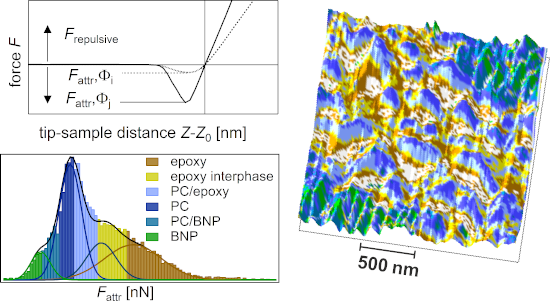
- analysis (mPCA) from a kr/Fattr diagram. A third sample comprised of (3) epoxy/polycarbonate/boehmite is measured by ImAFM. The measurement of a 2 × 2 µm cross section yields 128 × 128 force curves which are successfully evaluated by a kr/Fattr diagram and the nanoscopic heterogeneity of the sample is


Helium ion microscope – secondary ion mass spectrometry for geological materials
Beilstein J. Nanotechnol. 2020, 11, 1504–1515, doi:10.3762/bjnano.11.133
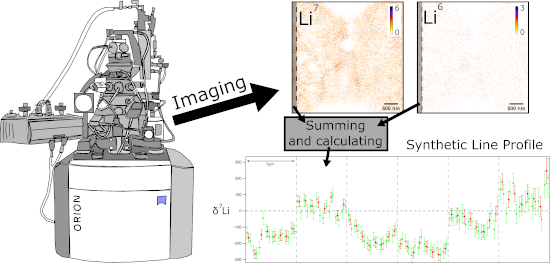
- of different stellar processes [10][12], resulting in extreme heterogeneity of data across nanometre-scale distances. Ion imaging in cosmochemistry is typically performed with the NanoSIMS instrument, which can reach spatial resolutions of 50–100 nm for Cs+ with a beam current below 1 pA and 200–400



Analysis of catalyst surface wetting: the early stage of epitaxial germanium nanowire growth
Beilstein J. Nanotechnol. 2020, 11, 1371–1380, doi:10.3762/bjnano.11.121
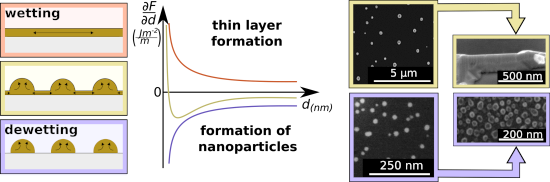
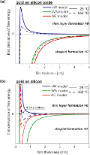
- and no defined surface chemistry, since different oxide types can occur. The vW model fails to provide a complete theoretical description of gold deposition onto silicon oxide. This happens since there is not enough information about the morphology and chemical heterogeneity of silicon oxide surfaces


Soybean-derived blue photoluminescent carbon dots
Beilstein J. Nanotechnol. 2020, 11, 606–619, doi:10.3762/bjnano.11.48
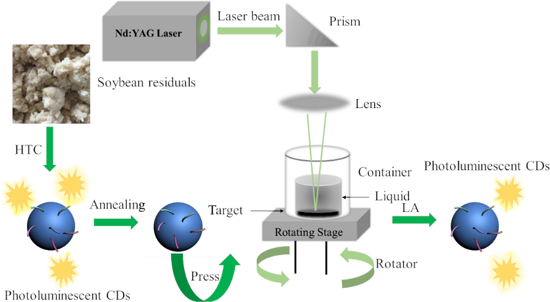
- ), indicating the broad PL characteristics of the HTC-CDs. The broad multicolor emission can be attributed to the heterogeneity of CDs due to structural variety [1], including surface-functional groups and domain structures, and to the broad absorption ranging from UV to visible light [34]. There are three


Using gold nanoparticles to detect single-nucleotide polymorphisms: toward liquid biopsy
Beilstein J. Nanotechnol. 2020, 11, 263–284, doi:10.3762/bjnano.11.20
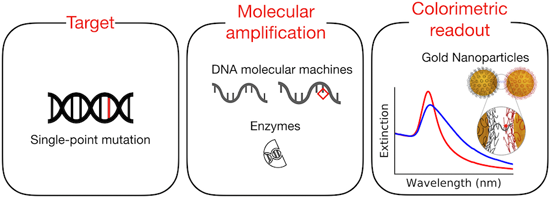
- . Review Liquid biopsy Tissue biopsy is the state-of-the-art protocol in clinics for the evaluation of tumor progression. This procedure, however, constitutes a significant barrier for monitoring oncogenic mutations since it can introduce clinical risks for the patient [4], heterogeneity of tumor cells [5




Use of data processing for rapid detection of the prostate-specific antigen biomarker using immunomagnetic sandwich-type sensors
Beilstein J. Nanotechnol. 2019, 10, 2171–2181, doi:10.3762/bjnano.10.210

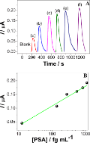
- a Langmuir–Freundlich equation (Equation 2) was used to fit the data: where Qm is the adsorption capacity in nA, Ka is the adsorption affinity constant in milliliter per femtogram, Ceq is the concentration of the analyte in solution and n is a dimensionless index of heterogeneity, which varies


Optimization and performance of nitrogen-doped carbon dots as a color conversion layer for white-LED applications
Beilstein J. Nanotechnol. 2019, 10, 2004–2013, doi:10.3762/bjnano.10.197
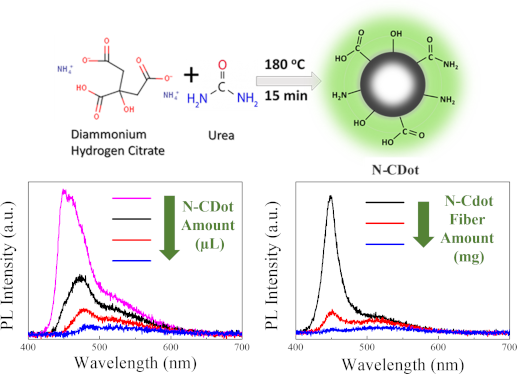
- exfoliation of graphite [47]. The obtained CDots showed a broad band emission due to their heterogeneity in particle size and surface-functional groups. The authors explored the potential of CDots as UV-to-visible color converters using a 365 nm UV chip and could generate white light with CIE color


Features and advantages of flexible silicon nanowires for SERS applications
Beilstein J. Nanotechnol. 2019, 10, 725–734, doi:10.3762/bjnano.10.72

- can behave as a resonant cave where the incident laser light is scattered numerous times further contributing to SERS amplification. Those voids can be described by lacunarity, which is considered a measure of heterogeneity (inhomogeneity) or translational or rotational invariance in an image [25


Outstanding chain-extension effect and high UV resistance of polybutylene succinate containing amino-acid-modified layered double hydroxides
Beilstein J. Nanotechnol. 2019, 10, 684–695, doi:10.3762/bjnano.10.68
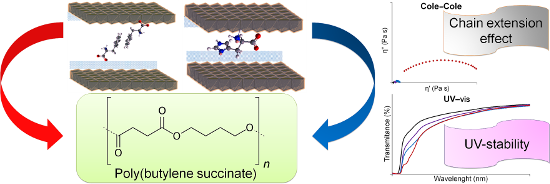
- and LDH/HIS can result from the heterogeneity of the measured samples. In the case of the PBS nanocomposite with LDH/PHE, which shows the highest extending effect, a further increase in the Newtonian viscosity is observed, probably due to crosslinking reactions. The crosslinking phenomenon in the


Quantification and coupling of the electromagnetic and chemical contributions in surface-enhanced Raman scattering
Beilstein J. Nanotechnol. 2019, 10, 549–556, doi:10.3762/bjnano.10.56
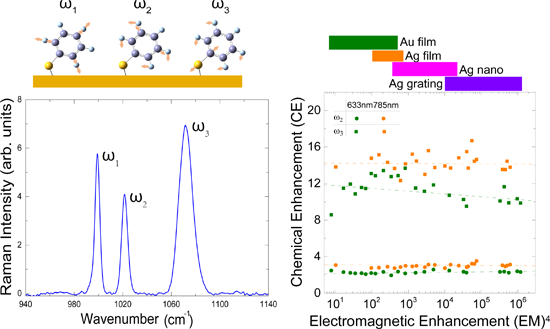
- nanosubstrate. Due to the spatial heterogeneity of the substrates, the enhancement factors are found to vary by about one order of magnitude within the same sample. Measurements were repeatable for individual sample locations within statistical errors. For each kind of substrate, three or more samples were


Ternary nanocomposites of reduced graphene oxide, polyaniline and hexaniobate: hierarchical architecture and high polaron formation
Beilstein J. Nanotechnol. 2018, 9, 2936–2946, doi:10.3762/bjnano.9.272
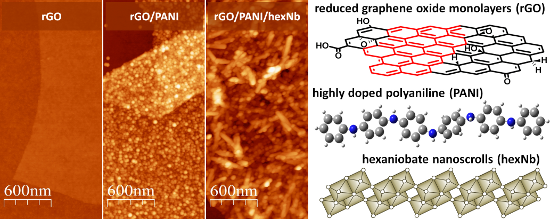
- (typically above 90 °C) results in the aggregation of the material due to restacking of the hydrophobic rGO layers [34][35]. This is a drawback in the preparation of rGO nanocomposites because phase segregation and/or composition heterogeneity will occur in the final materials. Although it is well known that
- that the nanocomposites may exhibit low compositional heterogeneity and possibly strong interactions (such as electrostatic and π–π interactions) between their components. The morphological characterisation of rGO-25, rGO/PANI and rGO/PANI/hexNb samples was carried out by atomic force microscopy, as
- hand, this nanocomposite presents several creases and folds and, more interestingly, shows higher flake thickness and higher surface roughness (ca. 10 and ca. 4.0 nm, respectively). These results clearly indicate that the deposition of PANI on rGO flakes induces an increase of the surface heterogeneity


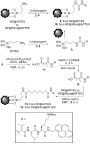
Enzymatically promoted release of organic molecules linked to magnetic nanoparticles
Beilstein J. Nanotechnol. 2018, 9, 986–999, doi:10.3762/bjnano.9.92
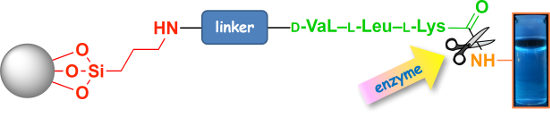
- sampling could lead to errors due to the heterogeneity of the mixture. Thus, after 72 h at 37 °C, the mixtures were washed several times with MeOH and the washings were diluted to a precise volume. By comparison with a calibration curve, the sample injected into the HPLC-VWD allowed the liberated μmols of