Search results
Search for "hybrid" in Full Text gives 574 result(s) in Beilstein Journal of Nanotechnology. Showing first 200.
Geometry-controlled engineering of the low-temperature proximity effect in normal metal–superconductor junctions
Beilstein J. Nanotechnol. 2025, 16, 2265–2273, doi:10.3762/bjnano.16.155
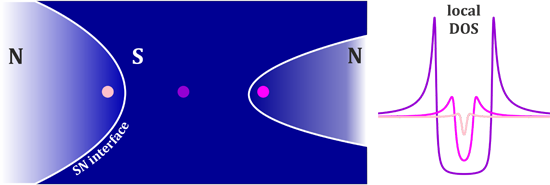
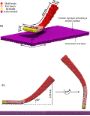
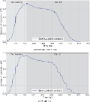
- interface governs the transparency of the clean NS junction and thus influences the proximity effect. These results deepen our understanding of how geometry and the proximity effect interact, which is important for the design and optimization of superconducting hybrid devices. Keywords: Bogoliubov–de
- hybrid devices by enhancing normal quasiparticle scattering at the expense of Cooper pair transport [42]. Although interface transparency can be tuned by chemical surface treatments or in situ growth [43], an alternative and less explored approach is to control the proximity effect via the geometry of
- control the proximity effect. This geometric degree of freedom provides a novel route for engineering and optimizing the performance of superconducting hybrid devices. Results and Discussion Model We perform the calculations on a system described by the two-dimensional Hubbard model, defined through the


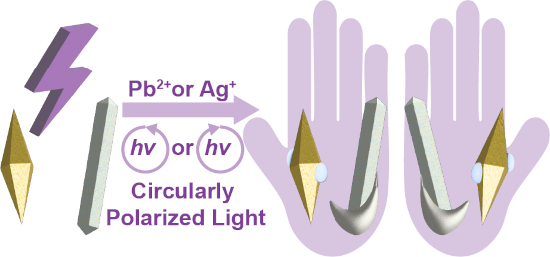
Chiral plasmonic nanostructures fabricated with circularly polarized light
Beilstein J. Nanotechnol. 2025, 16, 2245–2264, doi:10.3762/bjnano.16.154





Optical bio/chemical sensors for vitamin B12 analysis in food and pharmaceuticals: state of the art, challenges, and future outlooks
Beilstein J. Nanotechnol. 2025, 16, 2207–2244, doi:10.3762/bjnano.16.153


Microplastic pollution in Himalayan lakes: assessment, risks, and sustainable remediation strategies
Beilstein J. Nanotechnol. 2025, 16, 2144–2167, doi:10.3762/bjnano.16.148
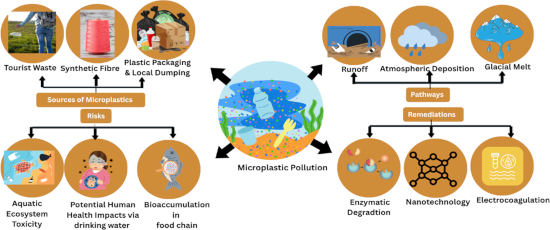
- synthetic polymers into smaller, biodegradable particles [72]. Ojha et al. found that adding nutritional supplements sped up biofilm production in lab trials, suggesting that this strategy might be useful in nutrient-deficient lakes in the Himalayas [47]. The synergistic effects of hybrid biofilms that
- nanoparticles have been shown to break down PS in both UV and natural light, which suggests they could be used in a range of environmental conditions [44]. Another prospective application is the integration of nanomaterials into filtration membranes, which results in the development of hybrid systems that are
- mechanisms, efficiency, and experimental conditions. To improve clarity and compare functional mechanisms, the nanomaterials are grouped based on their primary MP removal strategy, that is, adsorption, photocatalysis, and magnetic/hybrid systems. Tables 4–6 highlight that adsorption and photocatalysis are


Electron transport through nanoscale multilayer graphene and hexagonal boron nitride junctions
Beilstein J. Nanotechnol. 2025, 16, 2132–2143, doi:10.3762/bjnano.16.147
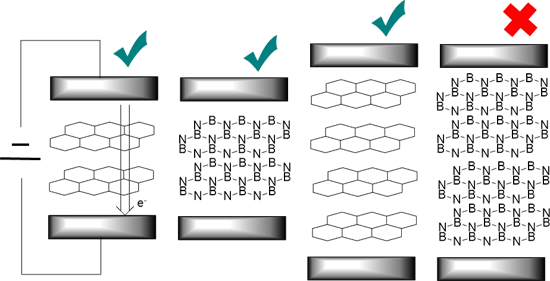
- the c-direction was selected to be 150 k-points per angstrom. Benchmark tests were performed using the NEGF method with Au electrodes instead of Pt, and the Heyd–Scuseria–Ernzerhof 2006 screened hybrid functional (HSE06) instead of PBE. The results obtained from those benchmark simulations showed


Multifrequency AFM integrating PeakForce tapping and higher eigenmodes for heterogeneous surface characterization
Beilstein J. Nanotechnol. 2025, 16, 2077–2085, doi:10.3762/bjnano.16.142
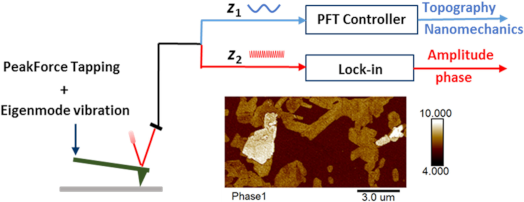
- variations exceeding two orders of magnitude, this necessitates iterative probe selection, complicating high-throughput characterization [21]. In this study, we introduce a hybrid multifrequency AFM technique that synergistically integrates non-resonant PeakForce modulation with eigenmode vibrations to


Molecular and mechanical insights into gecko seta adhesion: multiscale simulations combining molecular dynamics and the finite element method
Beilstein J. Nanotechnol. 2025, 16, 2055–2076, doi:10.3762/bjnano.16.141
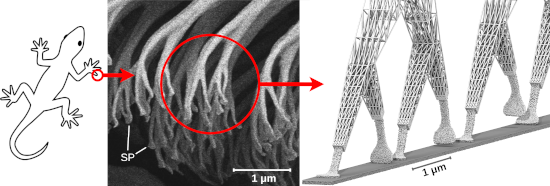
- dynamics to capture molecular interactions at the spatula–substrate interface and finite element method to simulate the mechanical behavior of the larger setal shaft. This hybrid approach enables synchronized simulations that resolve both fine-scale interfacial dynamics and overall structural deformation
- limitations inherent in single-scale models. Keywords: finite element method; gecko adhesion; hybrid modeling; molecular dynamics; multiscale simulations; seta; spatula; Introduction Geckos possess the ability to adhere to a variety of substrates, a trait attributed to specialized micro- and nanoscale
- –substrate interface. In contrast, our hybrid MD–FE model enables us to compute forces at multiple locations throughout the system and to track the dynamics of individual spatulae during preloading and pull-off. To analyze adhesion behavior, we plotted force, contact, and displacement profiles, which provide







Beyond the shell: exploring polymer–lipid interfaces in core–shell nanofibers to carry hyaluronic acid and β-caryophyllene
Beilstein J. Nanotechnol. 2025, 16, 2015–2033, doi:10.3762/bjnano.16.139
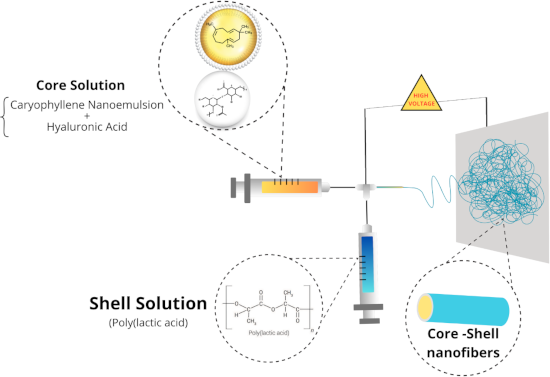
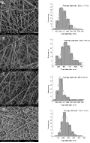
- innovative strategies to ensure their compatibility and sustained activity. This study addresses this critical challenge through the rational design and fabrication of hybrid core–shell nanofibers manufactured via coaxial electrospinning. Poly(lactic acid) (PLA) was used as an outer shell providing
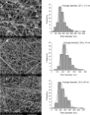
- membrane applications. Thermal and crystalline analyses demonstrated improved thermal stability upon NE-βCp incorporation. Collectively, these results provide robust evidence for the feasibility of producing multifunctional nanofiber membranes that successfully integrate a polymer–lipid hybrid core
- encapsulated within a PLA shell, highlighting substantial potential for biomedical applications by overcoming key material integration hurdles. Keywords: co-axial nanofibers; electrospinning; hybrid nanosystem; nanofibers; nanoemulsion; poly(lactic acid); Introduction Driven by the significant potential of




Quantum circuits with SINIS structures
Beilstein J. Nanotechnol. 2025, 16, 1931–1941, doi:10.3762/bjnano.16.134
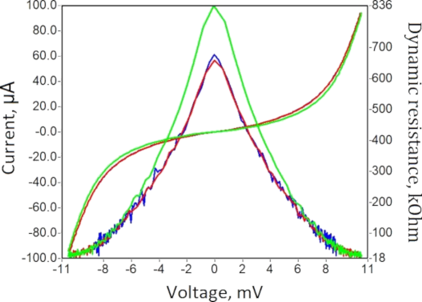
- , technology with wet etching) that are promising for detectors and electron coolers. More details on various technologies and specific features of the fabrication of tunnel structures are provided in a review publication [29]. Aharonov–Bohm interferometer The Aharonov–Bohm interferometer is a hybrid


Programmable soliton dynamics in all-Josephson-junction logic cells and networks
Beilstein J. Nanotechnol. 2025, 16, 1883–1893, doi:10.3762/bjnano.16.131

- ], voltage [20], or magnetic fields [21][22]. At the same time, the use of hybrid superconductor–normal metal structures makes it possible to increase the effect of frequency tuning [23][24], while the addition of ferromagnetic layers permits the non-volatile control [25][26]. Another feature of tunable


Current status of using adsorbent nanomaterials for removing microplastics from water supply systems: a mini review
Beilstein J. Nanotechnol. 2025, 16, 1837–1850, doi:10.3762/bjnano.16.127
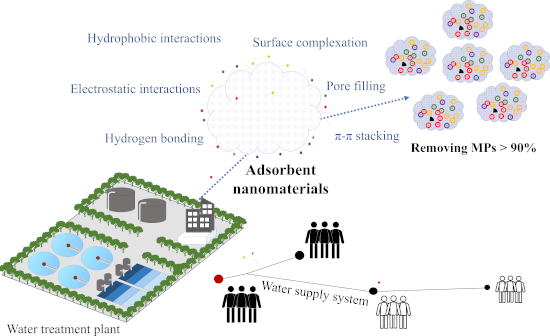
- ppm [64]. Based on the characteristics of MOFs, a MOF-covalent organic framework (COF) hybrid membrane (FS-50/COF(MATPA)-MOF(Zr)/PDA@PVDF) was constructed and achieved an MP removal rate of approximately 100%. This hybrid membrane was evaluated as a robust and environmentally friendly material [65
- ]. Such hybrid materials show significant ability to remove MPs and should be further investigated to improve their properties and optimize operational parameters for practical application [66]. Aerogels and sponge-based adsorbents. Porous materials, such as sponges and aerogels, can increase the number
- of hybrid materials and eco-friendly options will provide more effective solutions for the elimination of MPs and other pollutants. Magnetic nanomaterials. To optimize the efficiency of removing MPs, magnetic nanomaterials are often integrated with physical and chemical methods during the treatment


Electrical, photocatalytic, and sensory properties of graphene oxide and polyimide implanted with low- and medium-energy silver ions
Beilstein J. Nanotechnol. 2025, 16, 1794–1811, doi:10.3762/bjnano.16.123
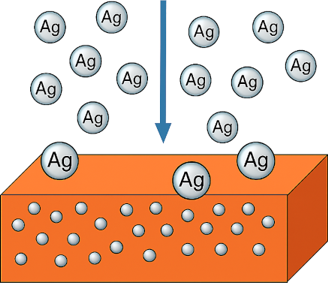
- can further enhance the electrical conductivity of the non-conductive material [11]. These islands can act as conductive bridges between graphitic regions, and, at sufficient density, form a percolating network that significantly reduces resistance. The resulting hybrid system consisting of a


Exploring the potential of polymers: advancements in oral nanocarrier technology
Beilstein J. Nanotechnol. 2025, 16, 1751–1793, doi:10.3762/bjnano.16.122


Advances of aptamers in esophageal cancer diagnosis, treatment and drug delivery
Beilstein J. Nanotechnol. 2025, 16, 1734–1750, doi:10.3762/bjnano.16.121
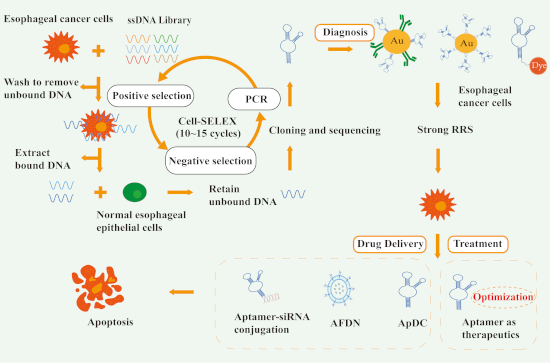
- , directly addressing the clinical targeting needs highlighted in the aforementioned signaling pathways. RRS analysis showed that the hybrid probe (probe I–cell–probe II) was more sensitive to marker determination than a single probe, while improving detection of cells expressing both markers. The authors
- targeting Mycoplasma hyorhinis and aptamers targeting SPP1 (Table 2). 4.1 Peptide aptamers targeting SOX2 protein or its binding partners Peptide aptamers consist of amino acid sequences and can be screened by yeast two-hybrid [65], phage display [66], or molecular docking prediction techniques [67]. The
- , and requires expensive equipment for detection. Aptamer-based hybrid sandwich biosensors reduce the probability of false negative diagnoses caused by only detecting a single biomarker, enable minimally invasive or non-invasive sample collection, and can use readily available clinical samples such as


Ambient pressure XPS at MAX IV
Beilstein J. Nanotechnol. 2025, 16, 1677–1694, doi:10.3762/bjnano.16.118
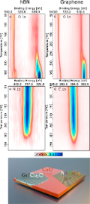
- intercalate beneath graphene at around 220 °C, initiating a slower, undercover oxidation of copper to Cu2O. This process is a galvanic reaction facilitated by graphene’s high conductivity, enabling electron transfer from copper to oxygen atoms. However, the graphene/Cu2O hybrid structure slows further





Nanotechnology-based approaches for the removal of microplastics from wastewater: a comprehensive review
Beilstein J. Nanotechnol. 2025, 16, 1607–1632, doi:10.3762/bjnano.16.114
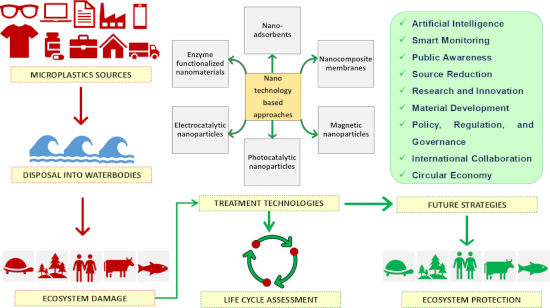
- synthesis, hybrid system integration, and machine learning optimization. Together, these approaches aim to establish a comprehensive, scalable, and environmentally safe solution for the remediation of MPs in wastewater systems. Keywords: artificial intelligence; membrane technology; microplastic
- discharge [54]. Advanced strategies for MP mitigation demonstrate diverse mechanisms and operational advantages. Hybrid systems combining ceramic ultrafiltration membranes with photocatalytic reactors offer high removal efficiency (up to 99.9%) and reduced membrane fouling, but are limited by high costs and
- material classification or pattern recognition [138]. Hybrid and optimization based techniques including response surface methodology (RSM), particle swarm optimization (PSO), recurrent neural networks (RNN), and adaptive neuro-fuzzy inference systems (ANFIS) are useful in handling complex data types and


Few-photon microwave fields for superconducting transmon-based qudit control
Beilstein J. Nanotechnol. 2025, 16, 1580–1591, doi:10.3762/bjnano.16.112
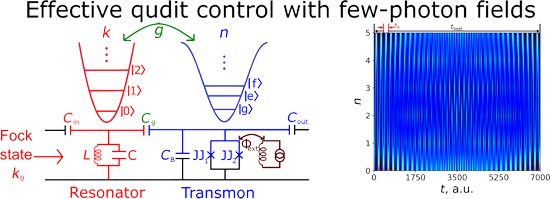
- makes it possible to design complex fully quantum hybrid “field + solid state” systems for quantum computing and developing a fully quantum interface between superconducting and photon platforms. Also, the developed transmon-based qudit can be used as an electromagnetic field detector, which allows one


Modeling magnetic properties of cobalt nanofilms used as a component of spin hybrid superconductor–ferromagnetic structures
Beilstein J. Nanotechnol. 2025, 16, 1557–1566, doi:10.3762/bjnano.16.110
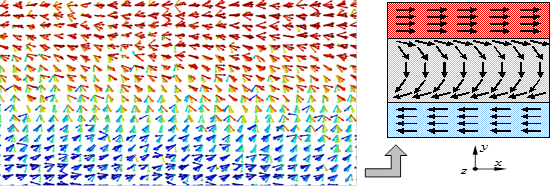
- possible to optimize them for specific applications and tasks. The present work is a development of earlier publications by the authors [14][15][16]. The cobalt thin films studied in this work can be a component of superconductor–ferromagnetic hybrid nanostructures, which are the basis for the formation of


Transient electronics for sustainability: Emerging technologies and future directions
Beilstein J. Nanotechnol. 2025, 16, 1545–1556, doi:10.3762/bjnano.16.109

- environment, thus serving as a foundational element in the realization of high-performance bioresorbable electronic systems. Fabrication strategies and scalability of bioresorbable electronics Hybrid architectures that combine the high-performance characteristics of inorganic electronic components with the
- , limiting their mechanical compatibility with soft, flexible bioelectronic systems. Additionally, challenges in fully sealing encapsulation interfaces remain unresolved. To address these issues, hybrid organic–inorganic materials have been proposed to enhance barrier performance by artificially increasing


Influence of laser beam profile on morphology and optical properties of silicon nanoparticles formed by laser ablation in liquid
Beilstein J. Nanotechnol. 2025, 16, 1533–1544, doi:10.3762/bjnano.16.108
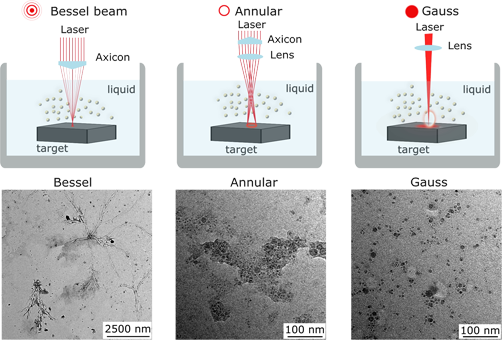
- number of approaches have been adopted to the formation of semiconducting nanowires and hybrid nanostructures by PLAL, including one-dimensional nanowires, nanotubes, and nanoribbons, as well as two-dimensional nanosheets and nanobelts [13][20][21]. Exemplary applications of laser ablation techniques for
- the preparation of non-spherical NPs are the fabrication of semiconductor nanowires such as hybrid CdS [20] and ZnS nanowires [21]. Si nanowires can also be prepared by laser ablation [4][5]. However, the synthesis is typically performed in gaseous atmosphere, and the developed approaches require high


Dendrimer-modified carbon nanotubes for the removal and recovery of heavy metal ions from water
Beilstein J. Nanotechnol. 2025, 16, 1522–1532, doi:10.3762/bjnano.16.107

- . Moreover, the applicability of Langmuir model confirms that the adsorption occurs on specific, identical sites of the CNTs-G5 surface (Figure 4c,d and Supporting Information File 1, Table S2). A recent study has observed multilayer adsorption in graphene/CNT-PAMAM hybrid materials [48], supported by


Nanomaterials for biomedical applications
Beilstein J. Nanotechnol. 2025, 16, 1499–1503, doi:10.3762/bjnano.16.105
- . Drugs or genetic material can be carried by these cylindrical nanoparticles and directed towards specific cells through external stimuli such as a magnetic field or light [12]. A new nanoscale drug delivery system has been developed by using carbon nanotubes and a carbon nanotube–graphene hybrid to more
Laser processing in liquids: insights into nanocolloid generation and thin film integration for energy, photonic, and sensing applications
Beilstein J. Nanotechnol. 2025, 16, 1428–1498, doi:10.3762/bjnano.16.104
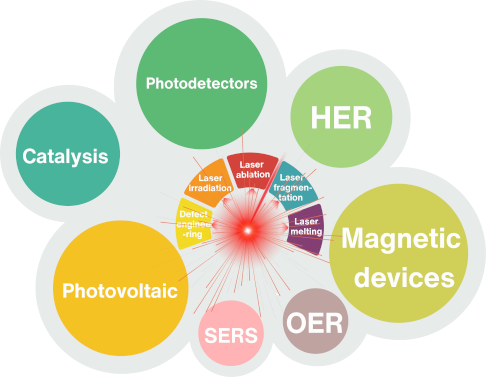
- , including the ability to produce nanomaterials with precise control over size, shape, and composition, all under environmentally friendly conditions. The ability to generate complex nanostructures, from NPs to hybrid nanomaterials, is particularly valuable for advancing fields like optics, bioelectronics
- empirical relationship based on the gap distance between the blade and the substrate, g, and c, the concentration of solid material in the ink in grams per cubic centimeter, and the density of the material, ρ in grams per cubic centimeter [112]: Thin films of ZnO and Ag/Au–ZnO hybrid nanomaterials were
- approximately 15 to 40 nanoparticles per μm2. The hybrid materials exhibited plasmon resonance absorption of the Au NPs. Shorter EPD times maintained the properties of graphene, while longer deposition times resulted in the conversion of graphene to graphene oxide due to its electrochemical oxidation [132






Ferroptosis induction by engineered liposomes for enhanced tumor therapy
Beilstein J. Nanotechnol. 2025, 16, 1325–1349, doi:10.3762/bjnano.16.97
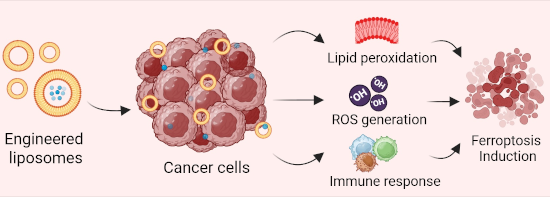
- , hybrid systems can overcome the disadvantages of each component of the hybrid system. Hydrogel systems included with liposomes demonstrate exceptional chemical tunability, biocompatibility, and biodegradability. These hybrid platforms offer enormous potential for facilitating tissue regeneration or for
- of the metal polyphenol network hybrid liposome was 198 nm with a spheroidal shape and a zeta potential of approximately −15 mV. Nebulization resulted in approximately 8.2 times higher lung accumulation than intravenous injection. Co-delivery of a gallic acid-Fe metal polyphenol network and


Better together: biomimetic nanomedicines for high performance tumor therapy
Beilstein J. Nanotechnol. 2025, 16, 1246–1276, doi:10.3762/bjnano.16.92
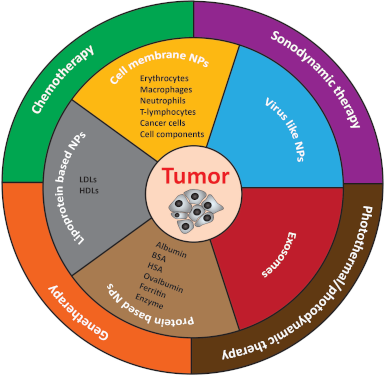
- release behavior, targeting ability, and surface modifications [12][13][14][15]. A variety of nanoparticles have been researched including liposomes, polymer NPs, solid lipid NPs, and hybrid NPs [16]. Nanoscale drug carriers with the advantage of high penetration, long circulation, and significant
- , proteins, and lipids, in addition to being biocompatible [47]. For this reason, cancer membranes are also preferred for vaccine delivery [48]. Some researchers incorporated RBC membrane components into cancer cell membranes to form a hybrid membrane, which facilitates simultaneously circulation in blood
- after intravenous administration and fusion with cancer cells to deliver payload intracellularly (hybrid cell membrane). However, the cell membrane-coated nanoparticles targeting efficiency is not universal as it does not always result in successful targeting, may be due to host–donor mismatch or intra