Search results
Search for "hydrogel" in Full Text gives 80 result(s) in Beilstein Journal of Nanotechnology.
Conjugated photothermal materials and structure design for solar steam generation
Beilstein J. Nanotechnol. 2023, 14, 454–466, doi:10.3762/bjnano.14.36
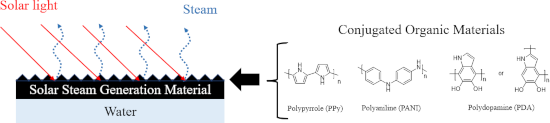
- animal dermis and ensures its long-term applicability for actual solar steam generation [42]. In 2018, Yin et al. reported a poly(ethylene glycol) diacrylate (PEGDA) and PANI-based photothermal double-network hydrogel called p-PEGDA-PANI [35]. Porous PEGDA (p-PEGDA) hydrogels were obtained by a facile
- spectrum (Figure 7b). The average absorbance (weighted by the AM1.5G solar spectrum) of the p-PEGDA hydrogel from 200–2500 nm was about 75.5%, whereas that of solid PEGDA is only 32.6%. The higher absorption capacity of p-PEGDA is due to its rough and porous surface structure, which promotes multiple
- scattering. After crosslinking PANI, the porous hydrogel sample exhibited a broader and stronger absorption (98.5%) than the pure PEGDA sample, especially in the visible and near-infrared regions. Polydopamine: Polydopamine (PDA) has shown great potential in the field of solar-driven desalination due to its


Molecular nanoarchitectonics: unification of nanotechnology and molecular/materials science
Beilstein J. Nanotechnol. 2023, 14, 434–453, doi:10.3762/bjnano.14.35
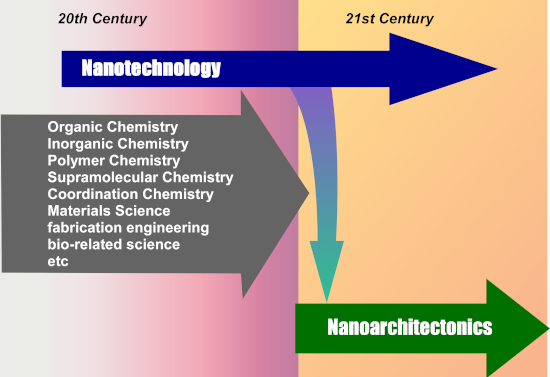
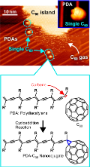
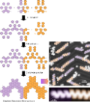
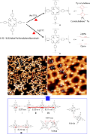
- and Gong discuss the organization of gels [103]. Specifically, they outline a unique anisotropic hydrogel consisting of uniaxially aligned lamellar bilayers in an amorphous gel matrix. This gel organization exhibits a beautiful structural color that is sensitive to mechanical and chemical stimuli. The





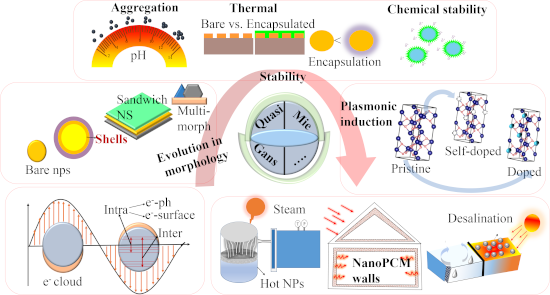
Plasmonic nanotechnology for photothermal applications – an evaluation
Beilstein J. Nanotechnol. 2023, 14, 380–419, doi:10.3762/bjnano.14.33


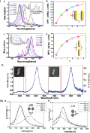


Cyclodextrins as eminent constituents in nanoarchitectonics for drug delivery systems
Beilstein J. Nanotechnol. 2023, 14, 218–232, doi:10.3762/bjnano.14.21
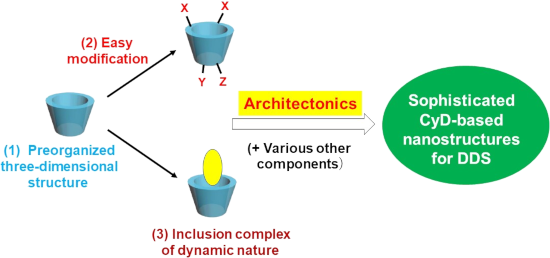
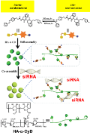
- , this method is less affected by drug resistance and side-effects. A hydrogel was prepared by using both the electrostatic self-assembly between graphene oxide and a quaternized polymer and the formation of a pseudopolyrotaxane between α-CyD and poly(ethylene glycol) monomethyl ether (many α-CyD
- molecules were threaded into the polymer chains) [87]. NIR light (808 nm) was absorbed by graphene oxide and converted into heat for photothermal therapy. At the same time, the heat induces the gel–sol transition of the hydrogel to release the encapsulated drug which add to the photothermal effect for
- therapy. Even NIR-II light (1000–1400 nm) is usable. In Figure 8, poly(ethylene glycol) chains (green) were tethered through hydrogen bondings to poly(N-phenylglycine) (yellow), which serves as the NIR-II absorber [88]. Upon the addition of α-CyDs, a hydrogel was formed through polyrotaxane formation of




Microneedle-based ocular drug delivery systems – recent advances and challenges
Beilstein J. Nanotechnol. 2022, 13, 1167–1184, doi:10.3762/bjnano.13.98
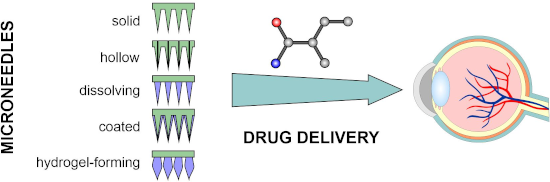
- ) [130], and poly(lactic-co-glycolic)acid (PLGA) [131] are widely investigated as microneedle materials. Among them, there are hydrogel-forming agents swelling upon the contact with interstitial fluid in the skin during microneedle application. These polymers include poly(ethylene glycol) diacrylate
- piercing the tissues is mentioned. Some of the polymers employed in the manufacturing process are hygroscopic, which can also decrease the physical stability of the final product [143]. Other polymer-based microneedles are hydrogel-forming systems, which are obtained with the use of hydrophilic substance
- utilized not only as drug delivery systems but also as minimally invasive diagnostic tools [145][146]. The advantages of hydrogel-forming systems include relatively high drug-loading capacity and the possibility to modify the drug release rate with respect to the individual needs, which is usually achieved


Biomimetic chitosan with biocomposite nanomaterials for bone tissue repair and regeneration
Beilstein J. Nanotechnol. 2022, 13, 1051–1067, doi:10.3762/bjnano.13.92
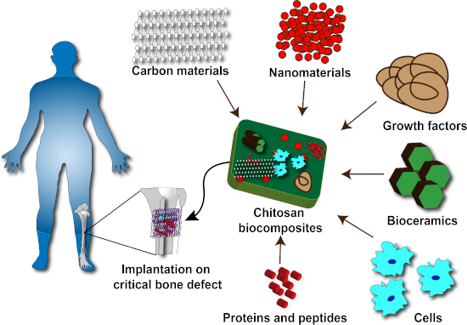
- /chitosan/glycerophosphate/silk fibroin were fabricated for bone regeneration applications. Further, in vitro biological assays performed with MC3T3-E1 cells prove the osteogenic properties of the fabricated hydrogel. In addition, in situ experiments were conducted on rat calvarial bone defects for eight
- min [68] (Figure 4). Cancian et al. (2016) developed a novel bioactive scaffold based on a thermosensitive chitosan hydrogel. In this work, carbon nanotubes were used to stabilise the chitosan hydrogel, which offers mechanical strength and controlled release of protein therapeutics. The bioactivity of
- incubation with artificial blood plasma, hydroxyapatite bone minerals were formed. The cell survival and cell adhesion of composite-containing MG-63 cells exhibit improved biocompatibility [62]. Also, reduced graphene oxide combined with chitosan was fabricated into a hydrogel by using a tannic acid cross
Gelatin nanoparticles with tunable mechanical properties: effect of crosslinking time and loading
Beilstein J. Nanotechnol. 2022, 13, 778–787, doi:10.3762/bjnano.13.68
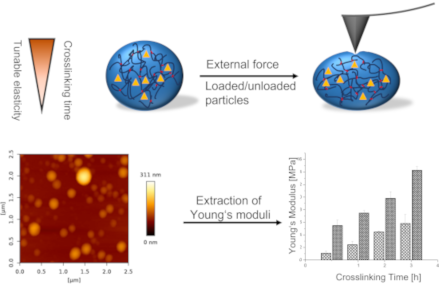
- relevant temperatures. Performing the measurements at body temperature or 37 °C can have a drastic effect on the resulting Young's modulus [4]. For hydrogel NPs, the influence of the experimental conditions might be even more pronounced due to the high water content [5]. The suitability of a drug carrier
- evaluated during the formulation development and tuned according to the requirements of the target. Gelatin nanoparticles (GNPs) were introduced as potential biocompatible and biodegradable drug carrier system [10][11]. This hydrogel nanoparticulate carrier system shows great potential for the delivery of


Recent advances in nanoarchitectures of monocrystalline coordination polymers through confined assembly
Beilstein J. Nanotechnol. 2022, 13, 763–777, doi:10.3762/bjnano.13.67
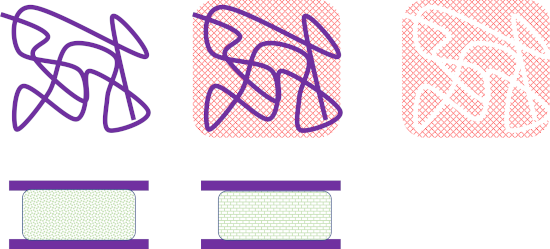
- increased by using these materials as positive electrodes. The networks can also help to accelerate ion transfer in coordination polymers. When the Prussian blue nanocrystals contain a double-network PAAm/PAMPS hydrogel, the uptake of Cs+ ions from solution could be as high as 397 mg·g−1, which is very




Fabrication and testing of polymer microneedles for transdermal drug delivery
Beilstein J. Nanotechnol. 2022, 13, 629–640, doi:10.3762/bjnano.13.55
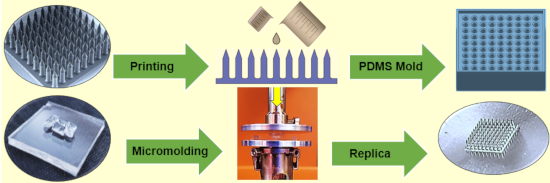
- classified into solid, hollow, coated, hydrogel-forming, and dissolvable types, which depending on the specific medical applications [12][13], are fabricated using silicon, metal, ceramic, silica glass, carbohydrate, and polymers [7][14]. In recent years, polymeric MNs have gained a lot of interest due to



Effects of substrate stiffness on the viscoelasticity and migration of prostate cancer cells examined by atomic force microscopy
Beilstein J. Nanotechnol. 2022, 13, 560–569, doi:10.3762/bjnano.13.47
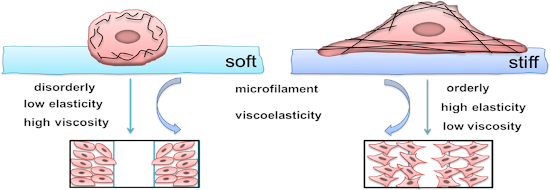
- properties of the cells themselves has not been discussed in detail. In this study, polyacrylamide hydrogel substrates with different stiffness values (3–35 kPa) were prepared to simulate the stiffness of normal and prostate cancer tissues [21][22][23]. Combined with confocal microscopic imaging techniques
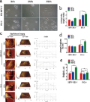
- cells in different external environments, polyacrylamide hydrogel substrates with adjustable stiffness were prepared by controlling the concentration of acrylamide and bisacrylamide on these gels (Figure 1). The stiffness values were 3 kPa (soft group) and 35 kPa (stiff group), representing normal
- prostate tissue and tumour tissue, respectively, and 19 kPa, an intermediate transition group. We first tested the toxicity of the hydrogel substrates to the cells and found that all three types of substrates were nontoxic to the cells and the cells were mostly active after 48 h of incubation (Supporting



Stimuli-responsive polypeptide nanogels for trypsin inhibition
Beilstein J. Nanotechnol. 2022, 13, 538–548, doi:10.3762/bjnano.13.45
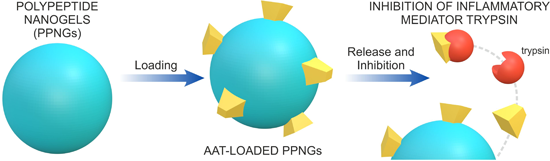
- , soft hydrogel nanoparticles, have been proven efficient carriers of proteins or peptides preserving the biological activity of their payload [12][13][14]. For instance, Ozawa et al. introduced a nanogel from highly branched cyclic dextrin derivatives that trapped fluorescein isothiocyanate-labeled
- insulin, which was continuously released over 12 h [15]. Hirakura et al. fabricated a cholesteryl group-bearing pullulan nanogel serving as a reservoir of three different proteins, glucagon-like peptide 1, insulin, and erythropoietin incorporated in hyaluronan hydrogel [16]. Morimoto et al. prepared an
- presence of SPAN 80 [24]. TEM microscopy analysis has revealed a slight narrowing of the particle size distribution with Đ = 1.43. PHEG-Tyr nanogel is composed of two families of compact hydrogel spheres with Dn = 111 and 19 nm, and Dw = 159 and 24 nm, respectively. Biocompatible zwitterionic Nα-Lys-NG was


Ciprofloxacin-loaded dissolving polymeric microneedles as a potential therapeutic for the treatment of S. aureus skin infections
Beilstein J. Nanotechnol. 2022, 13, 517–527, doi:10.3762/bjnano.13.43
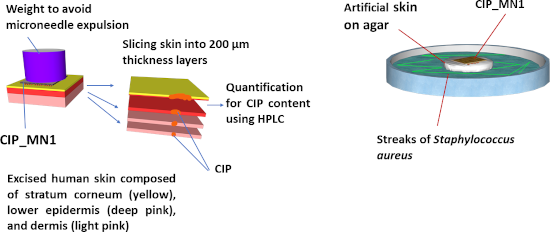
- layer of Parafilm, which means that the microneedles can reach 130 µm, as shown in Figure 5 and Table 1. However, CIP_MN2 showed significantly fewer perforations compared to the CIP_MN1; the first layer of Parafilm was perforated only by 85 needles. Although PVA hydrogel has shown satisfactory
- mechanical properties, many studies have shown better mechanical properties of PVA/PVP hydrogels [39][40][41]. In one study, the tensile strength of PVA hydrogel was increased by 133% after blending with less than 2% w/w PVP [42]. This is due to the formation of relatively strong hydrogen bonds between the
- hydroxy groups of PVA and the carbonyl groups of PVP in an intertwined network [43]. Therefore, we assumed that CIP_MN1 composed of PVA/PVP hydrogel had greater mechanical strength than CIP_MN2 composed of PVA and penetrated the Parafilm more efficiently. Overall, the results we obtained signify the


Micro- and nanotechnology in biomedical engineering for cartilage tissue regeneration in osteoarthritis
Beilstein J. Nanotechnol. 2022, 13, 363–389, doi:10.3762/bjnano.13.31
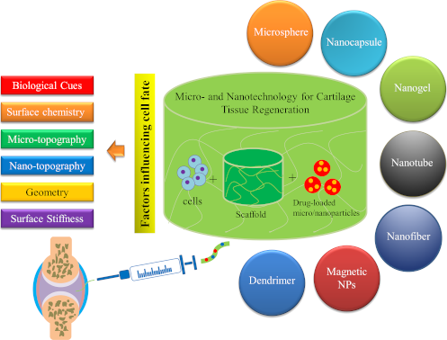
- matrices for cell transplantation in the late 1980s [18], there have been numerous developments in the design and fabrication of bioinspired and smart biomaterials with improved potential of TE as a regenerative medicine approach. The development of hydrogel-based scaffolds for regenerative medicine
- . Micro- and nanostructures including microspheres, NPs, nanofibers, nanotubes, and nanofilms have been designed to construct new scaffolds and or incorporated into the hydrogel network to provide a controlled release or enhanced mechanical characteristics. Many of these substructures are widely used for
- incorporated them into an HA hydrogel. The structures showed superior mechanical properties and longer release of growth factor for more than six days compared to both a hydrogel scaffold loaded directly with TGF-β3 and one with non-coated microspheres. Incorporation of the TGF-β3 loaded microsphere into an


Self-assembly of amino acids toward functional biomaterials
Beilstein J. Nanotechnol. 2021, 12, 1140–1150, doi:10.3762/bjnano.12.85
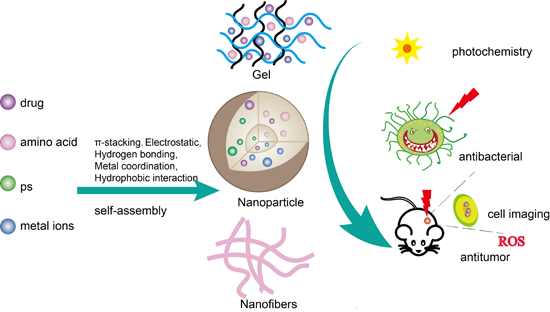
- strategy can provide different functions for amino acid assembly. Fmoc-phenylalanine and Fmoc-leucine were co-assembled, with Fmoc-phenylalanine as the hydrocoagulant and Fmoc-leucine as the antimicrobial unit. The resulting hydrogel selectively killed Staphylococcus aureus by breaking the cell wall and
- membrane and had good biocompatibility. After 20 h of incubation, approximately 95% of Staphylococcus aureus bacterial proliferation was effectively inhibited [46]. A novel supramolecular self-assembled hydrogel was prepared by mixing Fmoc-ʟ-phenylalanine (Fmoc-ʟ-Phe) with oligo(thiophene ethynylene)-ᴅ
- with drugs to play different therapeutic effects as drug delivery carriers. The encapsulation of the antibiotic aztreonam (ATZ) in the Fmoc-phenylalanine (Fmoc-F) hydrogel expands the antibacterial range of Fmoc-F, which can continuously release ATZ and Fmoc-F in the wound [48]. The AZT encapsulated

An overview of microneedle applications, materials, and fabrication methods
Beilstein J. Nanotechnol. 2021, 12, 1034–1046, doi:10.3762/bjnano.12.77
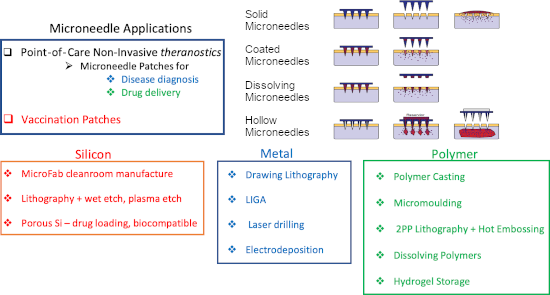
- ) [15]. Doses sustained over time could be achieved using slowly dissolving structures or through stepwise bolus using multiple patches. Incorporation of hydrogel reservoirs in microneedle patches is a plausible alternative to conventional drug pump delivery systems and there has been some relevant work
- on hydrogel-forming polymer microneedles [16][17][18]. Microneedle patch technology has the potential to overcome the challenges involved in mass vaccination against COVID-19 across the world and has already shown promising achievements in delivering lyophilised or liquid formulation-based vaccines
- example using porous silicon, is one possible solution [39][40][41]. However, a hydrogel reservoir which could be much larger than the microneedle array seems a better option, since it can swell to achieve greater load which can be released under finger pressure in combination with microfluidic


Comprehensive review on ultrasound-responsive theranostic nanomaterials: mechanisms, structures and medical applications
Beilstein J. Nanotechnol. 2021, 12, 808–862, doi:10.3762/bjnano.12.64


Recent progress in magnetic applications for micro- and nanorobots
Beilstein J. Nanotechnol. 2021, 12, 744–755, doi:10.3762/bjnano.12.58
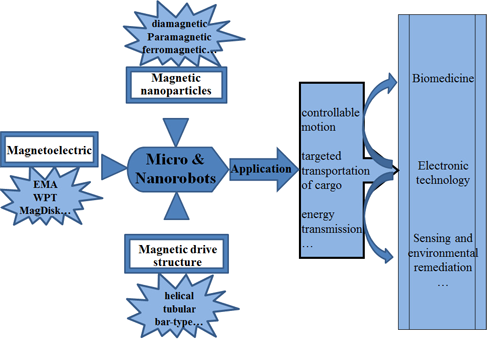
- the design of various magnetic MNRs. Kim et al. [64] proposed a hydrogel microrobot based on the combination of an electroactive hydrogel and MNPs. Electroactive hydrogels are usually made of a single hydrogel [65]. They respond to electric fields and produce mechanical motion in an electrolyte [66


Photothermally active nanoparticles as a promising tool for eliminating bacteria and biofilms
Beilstein J. Nanotechnol. 2020, 11, 1134–1146, doi:10.3762/bjnano.11.98
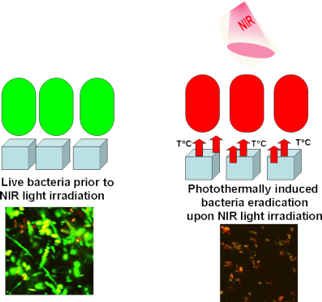
- examples in which the photothermal effect was applied on gold nanomaterials (nanorods, nanoshells, silk hydrogel containing spherical gold nanoparticles) to induce antibacterial activity were summarized in a review [51]. Later on, in 2017, another review highlighted the advances in the gold nanoparticle
- heating of gold nanoparticles embedded in an injectable silk protein hydrogel was one of the first examples that used this approach [65]. The NIR laser irradiation at 528 nm for 15 min (450 mW) elevated the maximum gel temperature to 59 °C. The in vivo studies demonstrated a sufficient bacterial reduction
- . The local photothermal effect triggered by the NIR irradiation of PVA-GNS films was highly efficient in eliminating E. coli bacteria, as shown in Figure 4. In a very recent study, the antimicrobial activity of a chitosan-based hydrogel with embedded gold nanorods under low-power (200 mW) diode laser


Silver-decorated gel-shell nanobeads: physicochemical characterization and evaluation of antibacterial properties
Beilstein J. Nanotechnol. 2020, 11, 620–630, doi:10.3762/bjnano.11.49
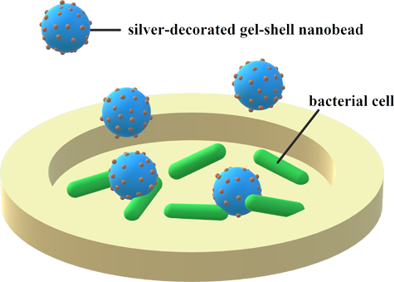
- sulfonic groups followed by accumulation of silver ions in the generated hydrogel layer. Then, the silver ions were reduced using sodium borohydride, which resulted in the formation of silver nanoparticles. It has been demonstrated that during the reduction process also the sulfonic groups in the polymer
- modified with sulfonic groups followed by accumulation of silver ions in the formed hydrogel layer. Then, the silver ions are reduced using sodium borohydride. The reaction proceeds concurrently within the gel layers of the particles and in the bulk of the solution. However, after completion of the
- beads were incubated with silver ions with the intention that, through Coulomb interactions between anionic sulfonic groups and silver ions, the cations will accumulate in the hydrogel shell. Then, the reducing agent (sodium borohydride) was added to the reaction mixture to reduce the incorporated metal


Multilayer capsules made of weak polyelectrolytes: a review on the preparation, functionalization and applications in drug delivery
Beilstein J. Nanotechnol. 2020, 11, 508–532, doi:10.3762/bjnano.11.41
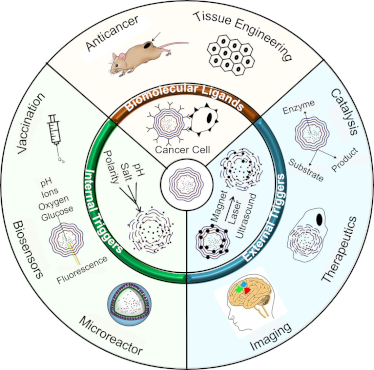
- , concentration, intensity of mixing and agitation. These templates are biocompatible, easy to produce, and dissolvable by EDTA. Although crystallization processes cannot be controlled to provide uniform and homogenous cores, this matrix provides an efficient way for encapsulation. Additionally, hydrogel-based
- microparticles (10–200 µm) fabricated via stop flow lithography have emerged as useful templates to form custom-shaped and flexible microcapsules of poly-ʟ-lysine (PLL) [36]. The shell was formed by diffusion of PLL into an oppositely charged hydrogel matrix, enabling an easy surface modification that can be
- ]. First stimuli responsive supramolecular hydrogel films based on β-cyclodextrin and adamantyl-modified chitosan derivatives have demonstrated a reversible swelling and shrinking upon changing the ionic strength [62]. At high ionic strength, the decrease in the electrostatic repulsive effect between the



Poly(1-vinylimidazole) polyplexes as novel therapeutic gene carriers for lung cancer therapy
Beilstein J. Nanotechnol. 2020, 11, 354–369, doi:10.3762/bjnano.11.26
- to the proton-donating nature of the imidazole moiety have been demonstrated in [9]. Imidazole-based hydrogel films demonstrated excellent anti-microbial effects [10]. A copolymer of poly(acrylamide) and poly(vinylimidazole) was used as a hydrophilic matrix to disperse multiwalled carbon nanotubes
- and the enzyme glucose oxidase for glucose-sensing applications [11]. A hydrogel of xanthan gum and poly(1-vinylimidazole) was recently explored for protein encapsulation and delivery. The system exerted no toxic effects on cells and maintained the functionality of the protein [12]. A pyrrole


Understanding nanoparticle flow with a new in vitro experimental and computational approach using hydrogel channels
Beilstein J. Nanotechnol. 2020, 11, 296–309, doi:10.3762/bjnano.11.22
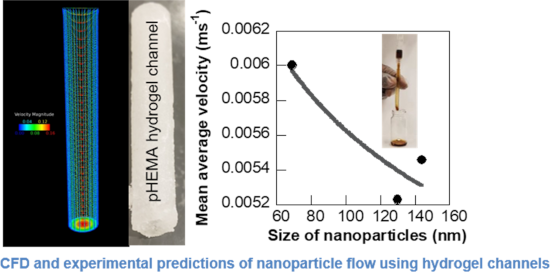
- scaffold materials for the 3D bioprinting of biomimetic structures [38][39]. Therefore, we chose pHEMA hydrogels to build straight cylindrical channels mimicking sections of human vasculature for our experimental investigation of NP flow. In addition, we aimed to synthesize the hydrogel flow channels via a
- new, facile, and cost-effective approach. Here, we report a combined experimental and computational technique to serve as an in vitro assessment of the flow of NPs using novel pHEMA hydrogel channels as the biomimetic flow path. The flow of NPs was experimentally investigated with different iron oxide
- NP formulations synthesized via a facile method for monitoring the velocity and mass loss of NPs through the hydrogel channels. The experimental flow of NPs was compared with computational predictions for a reliable assessment of NP flow through soft vascular mimics. An in silico CFD method using the


High-performance asymmetric supercapacitor made of NiMoO4 nanorods@Co3O4 on a cellulose-based carbon aerogel
Beilstein J. Nanotechnol. 2020, 11, 240–251, doi:10.3762/bjnano.11.18
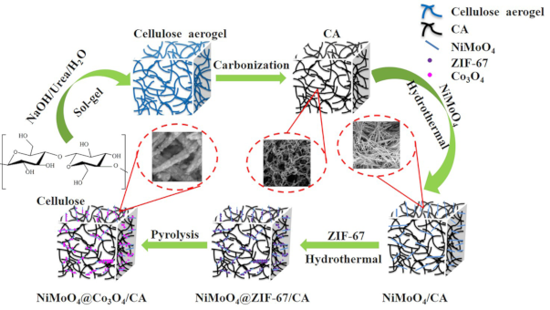
- of CA is drastically reduced compared to that of the precursor cellulose hydrogel and aerogel. The network of intertwined nanofibers of CA shown in Figure 2a was maintained from the cellulose aerogel (Figure S2, Supporting Information File 1). The diameter of the nanofibers was about 20–50 nm. The




Molecular architectonics of DNA for functional nanoarchitectures
Beilstein J. Nanotechnol. 2020, 11, 124–140, doi:10.3762/bjnano.11.11
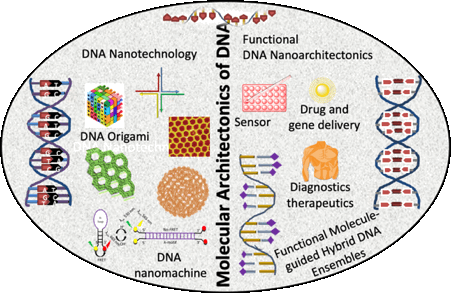
- incubation for several days. However, an increase in oligoadenylic acid chain length resulted in changes in hydrogel color and rigidity. Metal–base pair interactions-guided design of DNA nanoarchitectures Metal–base pair interaction-driven molecular architectonics are one of the major alternatives to


Fully amino acid-based hydrogel as potential scaffold for cell culturing and drug delivery
Beilstein J. Nanotechnol. 2019, 10, 2579–2593, doi:10.3762/bjnano.10.249
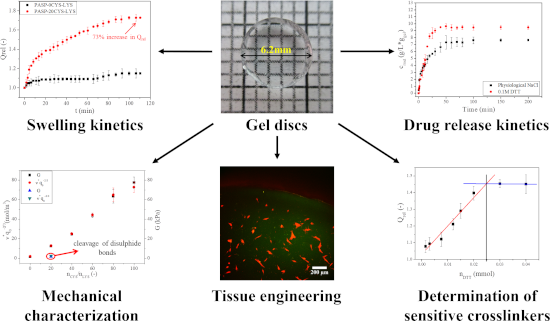
- and the biodegradability of the hydrogel. In this paper, PASP cross-linked with cystamine (CYS) and lysine-methylester (LYS) was introduced as fully amino acid-based polymer hydrogel. Gels were synthesized employing six different ratios of CYS and LYS. The pH dependent swelling degree and the
- reductive conditions resulted in an increased drug release due to the cleavage of disulfide bridges in the hydrogels. Consequently, these hydrogels provide new possibilities in the fields of both tissue engineering and controlled drug delivery. Keywords: biocompatibility; cystamine; hydrogel; lysine; poly
- (amino acid)s [28][29]. The effect of poly-ʟ-lysine, which has a cationic character, on the cell behavior has been widely studied in the field of tissue engineering [30][31], while among the anionic poly(amino acid)s, poly(glutamic acid) is typically used for the development of hydrogel scaffolds [32