


Search results
Search for "iron" in Full Text gives 424 result(s) in Beilstein Journal of Nanotechnology. Showing first 200.
The role of biochar in combating microplastic pollution: a bibliometric analysis in environmental contexts
Beilstein J. Nanotechnol. 2025, 16, 1401–1416, doi:10.3762/bjnano.16.102
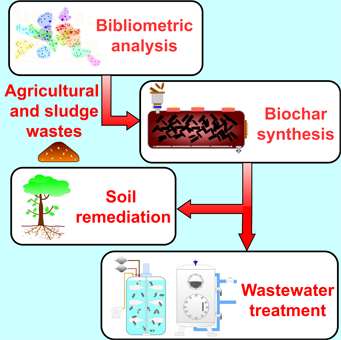
- efficiency of BC in MP removal. Specifically, MBC derived from sludge and red mud has demonstrated improved adsorption capacity for nanoplastics [43]. Furthermore, modifying feedstock with urea, ascorbic acid, and iron salts before pyrolysis enhances iron and nitrogen content, improving microbial community
- structure, facilitates enhanced physical and chemical adsorption, as well as electrostatic interactions, thereby improving the removal of small MP particles [34]. Additionally, PS adsorption mechanisms suggest that MP self-polymerization and the strengthened metal–O bonding in nano-iron-modified biochar
- relatively high removal efficiency of 94.12%, its low adsorption capacity (4.5 mg·g−1) necessitates the use of a large quantity of adsorbent to ensure effective removal [78]. Notably, aluminum anodes have shown superior performance compared to iron anodes, with removal efficiencies, varying according to MP



Enhancing the therapeutical potential of metalloantibiotics using nano-based delivery systems
Beilstein J. Nanotechnol. 2025, 16, 1350–1366, doi:10.3762/bjnano.16.98
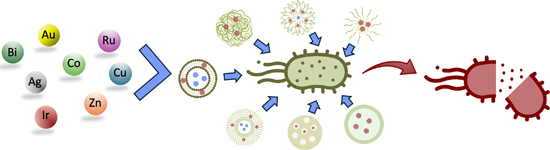
- proteins, ligand exchange kinetics comparable to those of platinum complexes, their two predominant oxidation states (II and III), and their ability to mimic iron when interacting with biological molecules [124]. However, their therapeutic application is hindered, as in most of the metallodrugs, by poor


Ferroptosis induction by engineered liposomes for enhanced tumor therapy
Beilstein J. Nanotechnol. 2025, 16, 1325–1349, doi:10.3762/bjnano.16.97
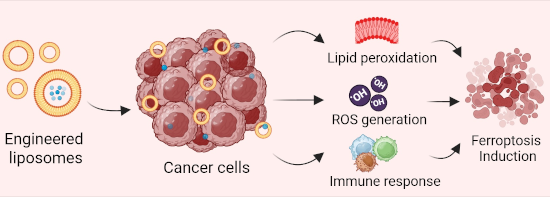
- Ferroptosis has shown potential therapeutic effects in tumor therapy as an iron-dependent programmed cell death. The induction of ferroptosis is based on lipid peroxidation, the accumulation of iron and reactive oxygen species, and the depletion of glutathione. Nowadays, various nanoparticles are reported for
- methods that have been developed to reduce mortality, alleviate chronic pain, and improve quality of life [5]. In 2021, Dixon initially introduced the concept of a new form of cell death called ferroptosis [6]. This form of cell death relies on iron and is not related to apoptosis, distinguished by the
- inducing ferroptosis through various pathways to enhance cancer therapy. We also discuss stimuli-responsive liposomes and evaluate their effects on the immune system. 2 Ferroptosis A recently recognized regulated condition of iron-dependent cell death is called ferroptosis [7][22]. The Latin term “ferrum


Deep-learning recognition and tracking of individual nanotubes in low-contrast microscopy videos
Beilstein J. Nanotechnol. 2025, 16, 1316–1324, doi:10.3762/bjnano.16.96
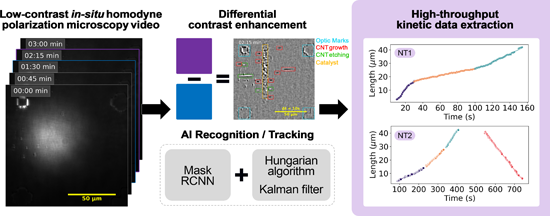
- , horizontally aligned carbon nanotubes (HA-CNTs) were synthesized inside a miniature chemical vapor deposition (CVD) cell with an optical window (Linkam TS1500). ST-cut quartz and iron nanoparticles served as substrate and catalyst, respectively. Ethanol and argon were, respectively, used as carbon precursor


Wavelength-dependent correlation of LIPSS periodicity and laser penetration depth in stainless steel
Beilstein J. Nanotechnol. 2025, 16, 1302–1315, doi:10.3762/bjnano.16.95
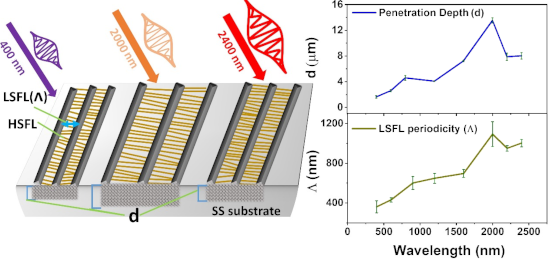
- is the effective mass of the electron. Stainless steel has a more complex electron density than pure metals because it is composed of a mix of iron, chromium, nickel, and other elements. Stainless steel’s electron density varies depending on the composition and microstructure of the alloy, typically





Better together: biomimetic nanomedicines for high performance tumor therapy
Beilstein J. Nanotechnol. 2025, 16, 1246–1276, doi:10.3762/bjnano.16.92
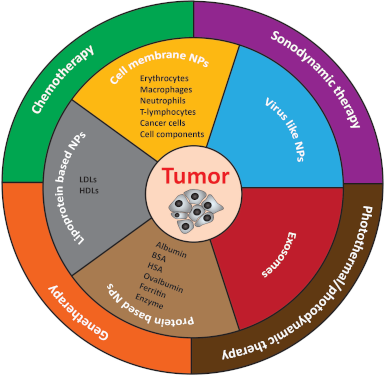
- iron transport protein and possesses a hollow cage-like structure, which offers high drug loading. Initially, ferritin was only used as a template to develop diagnostic agents [96]. Later, it was used to encapsulate a wide range of therapeutic agents. Importantly, ferritin receptors are overexpressed
- phage for targeted drug delivery. In a recent study, the DNA of the M13 phage was modified to encode for SPARC binding peptide and cathepsin B cleavage peptide. Then, superparamagnetic iron oxide nanoparticles were covalently bonded to cathepsin B expressed on M13 phages to track their intracellular


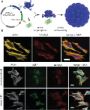



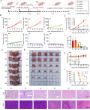

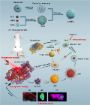

Fabrication of metal complex phthalocyanine and porphyrin nanoparticle aqueous colloids by pulsed laser fragmentation in liquid and their potential application to a photosensitizer for photodynamic therapy
Beilstein J. Nanotechnol. 2025, 16, 1088–1096, doi:10.3762/bjnano.16.80
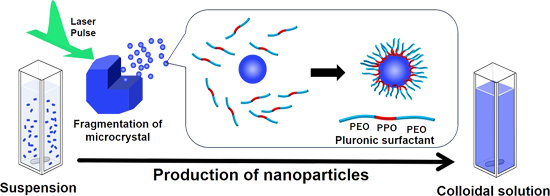
- phthalocyanine (AlClPc, 98%), iron(II) phthalocyanine (FePc, 95%), zinc phthalocyanine (ZnPc, >95%), and 1,3-diphenylisobenzofuran (DBPF) were purchased from TCI Chemicals. All materials were used without further purification. Aqueous solution samples were prepared with deionized water. Fabrication and


Soft materials nanoarchitectonics: liquid crystals, polymers, gels, biomaterials, and others
Beilstein J. Nanotechnol. 2025, 16, 1025–1067, doi:10.3762/bjnano.16.77
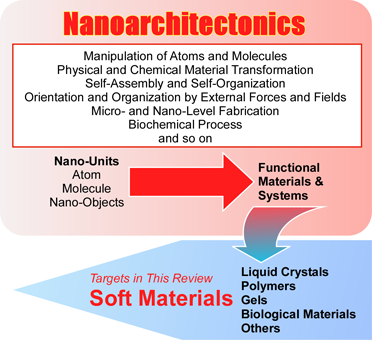
- (Figure 6) [241]. The presence of two salts and two surfactants ensures the stability of the lyotropic liquid crystal mesophase even at elevated salt concentrations. The calcium and iron salts act as eutectic solvents, facilitating the assembly of surfactants into the lyotropic liquid crystal phase






Structural and magnetic properties of microwave-synthesized reduced graphene oxide/VO2/Fe2O3 nanocomposite
Beilstein J. Nanotechnol. 2025, 16, 921–932, doi:10.3762/bjnano.16.70
- 710 F/g. The MW-assisted approaches have been further explored for the synthesis of binary NCs based on rGO and iron oxides. In one of our earlier reports, such an MW irradiation-based approach was adopted to synthesize Fe2O3/rGO NC, using hemin as the precursor. Owing to its 3D network structure, the
- NCs of iron oxide and graphene through the MW route. For example, Kumar et al. demonstrated the MW-assisted rapid synthesis of a ternary NC based on rGO, carbon nanotubes, and Fe3O4 NPs, using ferrocene as the Fe-containing precursor [15]. The NC exhibited its potential to be used for EMI shielding
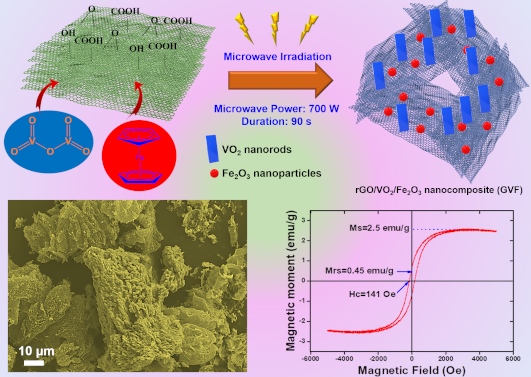
- irradiation process. It is important to note that ferrocene was used as the precursor for the iron oxide. In a typical process, graphite oxide (100 mg), V2O5 powder (50 mg), and ferrocene (50 mg) were thoroughly mixed in a mortar pestle. Finally, the mixed powder was MW irradiated at a power of 700 W for 90 s


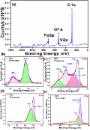
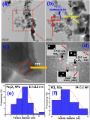

Heat-induced transformation of nickel-coated polycrystalline diamond film studied in situ by XPS and NEXAFS
Beilstein J. Nanotechnol. 2025, 16, 887–898, doi:10.3762/bjnano.16.67
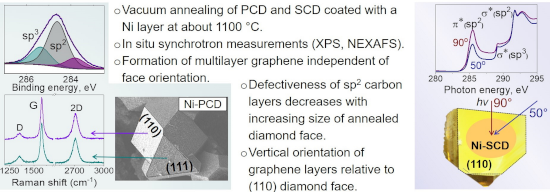
- coating of diamond surface with a metal catalyst has been explored to reduce the temperatures required for the initiation of the graphitization process. Nickel [17][18][19][20][21][22][23][24], iron [25][26][27][28], copper [29][30], gallium [31], and molybdenum [32] allow the fabrication of graphene-on
- indicates that the majority of graphite layers is predominantly located on the outermost surface of Ni-free diamond at a large angle, close to a right angle. A similar angular behavior of the NEXAFS spectrum was previously observed for the iron-coated (100) face of a polished SCD after vacuum annealing at


Synchrotron X-ray photoelectron spectroscopy study of sodium adsorption on vertically arranged MoS2 layers coated with pyrolytic carbon
Beilstein J. Nanotechnol. 2025, 16, 847–859, doi:10.3762/bjnano.16.64
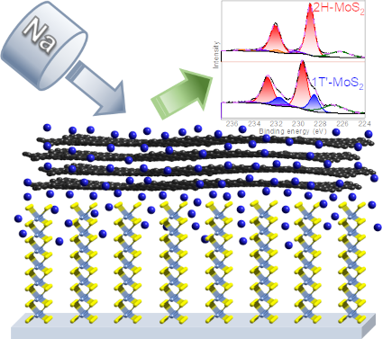
- an aqueous solution of iron chloride (30 wt %) for 2 h to dissolve the copper foil. The remaining free PyC film was washed twice in dilute HCl (10 wt %) and then in deionized water until neutral pH was reached. The floating PyC film was trapped either on bare or MoS2-covered SiO2/Si substrates and


Facile one-step radio frequency magnetron sputtering of Ni/NiO on stainless steel for an efficient electrode for hydrogen evolution reaction
Beilstein J. Nanotechnol. 2025, 16, 837–846, doi:10.3762/bjnano.16.63
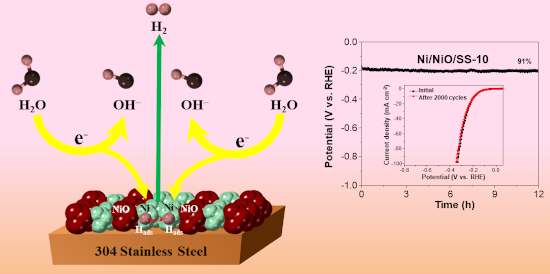
- electrocatalytic applications [30]. For instance, Wang et al. deposited nickel–iron on SS, which was used as a high-performance electrode for water oxidation [31]. Hence, in this study, we utilized commercial 304 SS and coated it with the Ni/NiO catalyst through a one-step radio frequency (RF) magnetron sputtering


Morphology and properties of pyrite nanoparticles obtained by pulsed laser ablation in liquid and thin films for photodetection
Beilstein J. Nanotechnol. 2025, 16, 785–805, doi:10.3762/bjnano.16.60
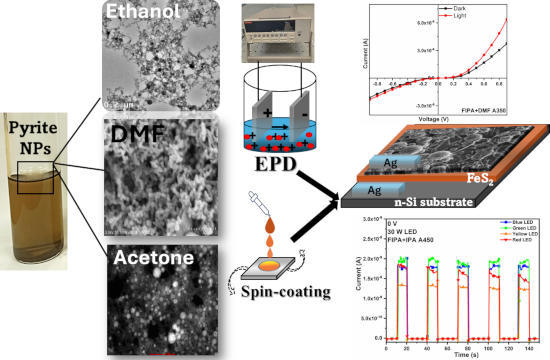
- Monterrey, Apodaca, Nuevo León, 66629, México Centro de Investigación en Innovación en Ingeniería Aeronáutica, Universidad Autónoma de Nuevo León, Carretera a Salinas Victoria K.M. 24.5, Apodaca, Nuevo León 66600, México 10.3762/bjnano.16.60 Abstract This work reports the synthesis of pyrite (iron
- synthesized by PLAL. FeS2 NPs were successfully synthesized in five different solvents, along with a minor phase of iron sulfide (FeS). Additionally, by combining electrophoretic deposition and spin-coating techniques, thin film photodiodes of FeS2 were fabricated on an n-type Si substrate utilizing the
- oxidizable sulfide ion coexist in iron sulfides, making their synthesis more difficult than that of iron oxide [17]. Unlike FeS2, there are reports on the synthesis of other iron-based oxides via PLAL. These studies have demonstrated the successful production of Fe3O4 nanoparticles by ablating iron plates in




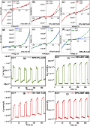


Changes of structural, magnetic and spectroscopic properties of microencapsulated iron sucrose nanoparticles in saline
Beilstein J. Nanotechnol. 2025, 16, 762–784, doi:10.3762/bjnano.16.59
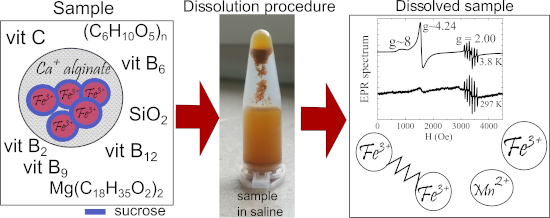
- Research, 75 Pułku Piechoty 1A, 41-500 Chorzów, Poland International Research Centre MagTop, Institute of Physics, Polish Academy of Sciences, Aleja Lotników 32/46, 02-668 Warsaw, Poland 10.3762/bjnano.16.59 Abstract The structural and physical properties of microencapsulated iron sucrose and their
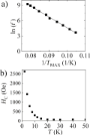
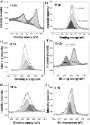
- compounds and SiO2 are the major phases, while the iron phase was recognized as iron oxyhydroxide (FeOOH) (most probably the α polymorph). The dissolution procedure had significant influence on structural and physical properties of the investigated compound, such as lowering of the blocking temperature with
- completely dissolved sample. Keywords: calcium alginate; dissolution; iron oxyhydroxide nanoparticles; magnetic properties; saline; spectroscopy; Introduction Hematinic are substances such as iron, vitamin B12, and folic acid that are essential in the production of blood [1]. Iron deficiency drugs, which





Efficiency of single-pulse laser fragmentation of organic nutraceutical dispersions in a circular jet flow-through reactor
Beilstein J. Nanotechnol. 2025, 16, 711–727, doi:10.3762/bjnano.16.55
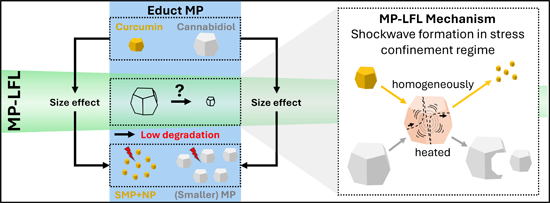
- iron phthalocyanines (FePc), but also some purely organic dyes such as naphthalocyanides [25], perylenes [26], perylene diimides [27][28], fullerenes [29][30], and quinacridones [2][31] have been successfully downsized to the nanoscale using nanosecond- and femtosecond-LFL with wavelengths in the UV


Focused ion and electron beams for synthesis and characterization of nanomaterials
Beilstein J. Nanotechnol. 2025, 16, 613–616, doi:10.3762/bjnano.16.47

- -phase investigations of molecular fragmentation by electron beams may not fully predict the behavior of molecules when adsorbed on a surface. This highlights the importance of comparing gas-phase fragmentation results with FEBIP processes. In this issue, the novel iron precursor (i.e., iron

Feasibility analysis of carbon nanofiber synthesis and morphology control using a LPG premixed flame
Beilstein J. Nanotechnol. 2025, 16, 581–590, doi:10.3762/bjnano.16.45
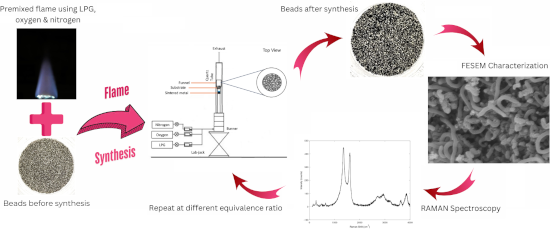
- optimization of CNT/CNF synthesis in flame environments. An ethylene/air co-flow, non-premixed flame was used with a catalyst substrate of iron, nickel, and platinum wires of 0.1–0.25 mm diameter. The study found that carbon monoxide is a major contributor to CNT formation in flames, and the model also showed
- temperatures of 550–650 °C [13]. Also, CNFs were produced by loading a stainless-steel autoclave with 7.50 mL of diethyl ether and a solution containing 1.00 g of zinc powder and 0.50 g of iron powder. The sealed autoclave was heated to 650 °C and kept overnight for the hydrothermal reaction. After cooling to



Nanomaterials in targeting amyloid-β oligomers: current advances and future directions for Alzheimer's disease diagnosis and therapy
Beilstein J. Nanotechnol. 2025, 16, 561–580, doi:10.3762/bjnano.16.44
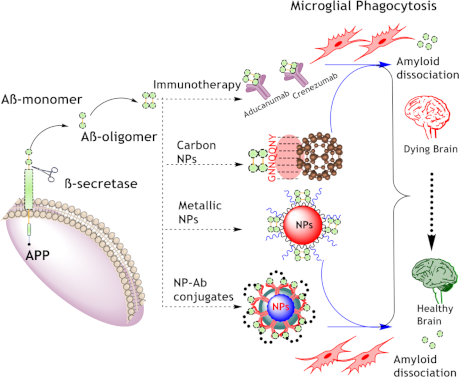
- , these technologies also pave the way for developing therapeutic strategies aimed at inhibiting the formation of toxic AβOs. Liu et al. synthesized multifunctional superparamagnetic iron oxide nanoparticles (SPIONs) conjugated with a specific scFv antibody (W20) targeting AβOs and a class-A scavenger


Zeolite materials with Ni and Co: synthesis and catalytic potential in the selective hydrogenation of citral
Beilstein J. Nanotechnol. 2025, 16, 520–529, doi:10.3762/bjnano.16.40
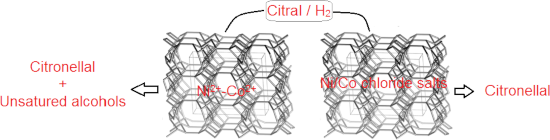
- obtained by impregnation, the equivalent mole ratios are much higher mainly because of the large amount of chloride remaining on the surface. However, this does not mean that there are no Ni2+ and Co2+ cations occupying exchange positions. Note that chloride can also form salts with iron, sodium, and


Engineered PEG–PCL nanoparticles enable sensitive and selective detection of sodium dodecyl sulfate: a qualitative and quantitative analysis
Beilstein J. Nanotechnol. 2025, 16, 385–396, doi:10.3762/bjnano.16.29
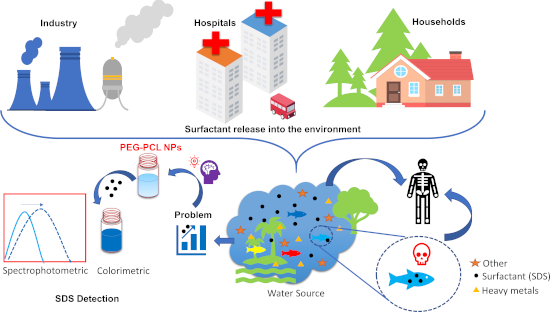
- ) and Bradford reagent (Cat. No. 19219) were purchased from SRL Chemicals (India). NIST-grade standards of arsenic (As3+), aluminium (Al3+), cadmium (Cd2+), zinc (Zn2+), mercury (Hg2+), nickel (Ni2+), copper (Cu2+), chromium (Cr3+), lead (Pb2+), iron (Fe3+), and cobalt (Co2+) (Cat. No. 041865), as well


Emerging strategies in the sustainable removal of antibiotics using semiconductor-based photocatalysts
Beilstein J. Nanotechnol. 2025, 16, 264–285, doi:10.3762/bjnano.16.21
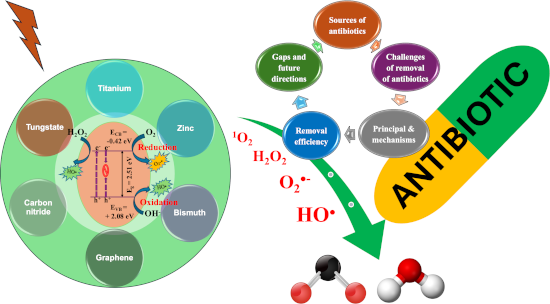
- endeavors have been undertaken, including the creation of heterojunctions or the introduction of metal doping. Wang et al. [84] synthesized BiOCl/Mt photocatalysts in which montmorillonite (Mt), which is naturally rich in iron, was combined with bismuth nitrate. According to the authors, the composite



Preferential enrichment and extraction of laser-synthesized nanoparticles in organic phases
Beilstein J. Nanotechnol. 2025, 16, 254–263, doi:10.3762/bjnano.16.20
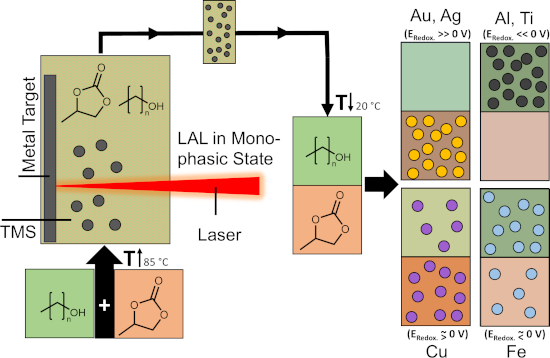
- , changing the polarity of the non-polar solvent phase for the laser ablation of copper. Iron and copper stand in the middle of the investigated standard electrochemical reduction potential metal series and show quite interesting phase selectivity behavior. Moreover, cupreous nanoparticles are relevant for
- be in the less polar alcohol phase. In contrast to this behavior, copper and iron were not exclusively in one of the phases, but rather in both. With this, copper and iron represent the turning point in which the phase preference swaps from the more polar to the less polar liquid. Copper showed a
- higher mass concentration of nanoparticles in the more polar propylene carbonate phase, while iron preferred the less polar alcohol phase. If correlated to the standard electrochemical reduction potential E° (Figure 1b), a change in phase preference is visible after E° = 0 V is reached, resulting in




Radiosensitizing properties of dual-functionalized carbon nanostructures loaded with temozolomide
Beilstein J. Nanotechnol. 2025, 16, 229–251, doi:10.3762/bjnano.16.18
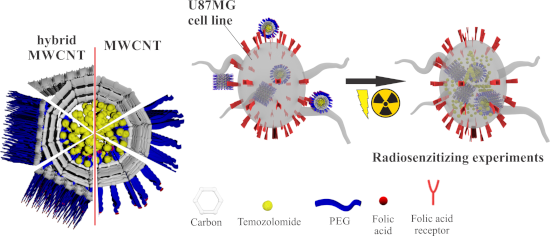
- , aggregation behavior, oxidation status, and metal impurities (e.g., iron) in correlation with the cell type and concentration of CNs to which the cells are exposed. The results of the actual study in which the cytotoxicity of blank and TMZ-loaded dual-functionalized CNs was evaluated by the MTT test are




Recent advances in photothermal nanomaterials for ophthalmic applications
Beilstein J. Nanotechnol. 2025, 16, 195–215, doi:10.3762/bjnano.16.16
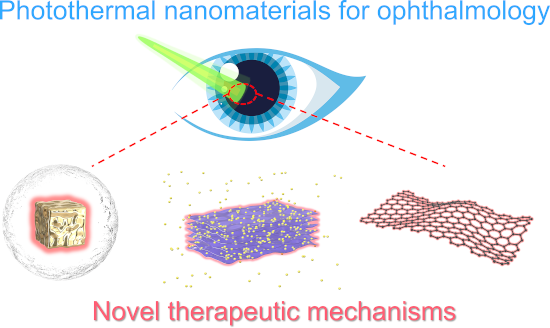
- damage to surrounding tissues due to inadequate control over the heat distribution [100][101][102][103][104][105]. Innovations in this field have led to the development of transparent polylactic acid (PLA) thin films with embedded iron oxide nanoclusters prepared via spin coating [51]. The efficient
- photothermal conversion of iron oxide minimizes the necessary laser energy. The mechanical force generated by laser-induced VNBs enables the selective destruction of single corneal cells. The PLA films aid in precisely positioning the photothermal therapy, restrain the dispersion of iron oxide nanoclusters
- , and can be easily removed post-laser treatment. The spatially selective single-cell killing capability of iron oxide PLA bubble films has great potential for ocular tumor therapy. However, clinical treatment of tumors requires the application of films on surfaces with “odd” tissues. Using a


Nanocarriers and macrophage interaction: from a potential hurdle to an alternative therapeutic strategy
Beilstein J. Nanotechnol. 2025, 16, 97–118, doi:10.3762/bjnano.16.10
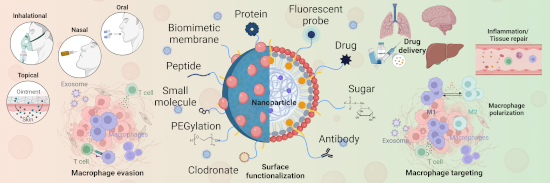
- such as iron and gold [4][5]. Each material is chosen for its unique properties, such as size, hydrophilicity, and charge, that make it suitable for acting as a drug carrier. NCs can be functionalized on their surface to improve the stability and solubility of high-payload encapsulated cargos, promote
- production, effectively reducing collagen type I deposition and mitigating fibrosis. Additional nanomaterials such as superparamagnetic iron oxide nanoparticles (SPIONs) and chitosan-based NPs are engineered with liver-cell-specific ligands like lactose or galactose, enhancing their specificity for treating





