Search results
Search for "manipulation" in Full Text gives 230 result(s) in Beilstein Journal of Nanotechnology. Showing first 200.
Integrating high-performance computing, machine learning, data management workflows, and infrastructures for multiscale simulations and nanomaterials technologies
Beilstein J. Nanotechnol. 2024, 15, 1498–1521, doi:10.3762/bjnano.15.119
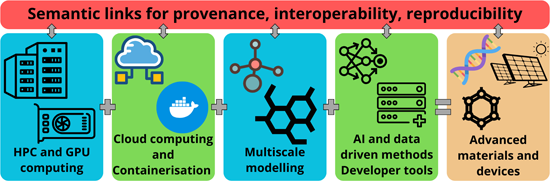
- specific computational methods, operating on structured input files and producing output files as results. Other operations may require the manipulation of files and data structures. In the case of the considered workflow, we need, for example, input files containing information about the structure of the
- molecule under study. This information is further processed by specialized software, implementing computational methods, which provide an output in terms of molecular properties. These methods can include, for example, structure manipulation tools (such as simulation box builders) and MD-specific
- structured in terms of instances of the Atom class, which contains information about individual atoms of the molecule. In turn, the position of individual atoms corresponds to instances of the CartesianCoordinates class. (iii) Information on the tools for the manipulation of data structure and on MD


Strain-induced bandgap engineering in 2D ψ-graphene materials: a first-principles study
Beilstein J. Nanotechnol. 2024, 15, 1440–1452, doi:10.3762/bjnano.15.116
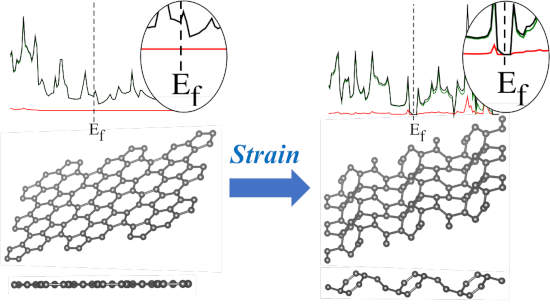
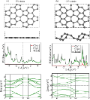
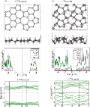
- are zero-bandgap, like goldene [15] and ψ-graphene [16]. The absence of bandgaps in 2D materials makes them unsuitable for conventional semiconductor applications and limits their use in photonics and optical devices [17]. Therefore, bandgap engineering (manipulation of electronic band structures


Lithium niobate on insulator: an emerging nanophotonic crystal for optimized light control
Beilstein J. Nanotechnol. 2024, 15, 1415–1426, doi:10.3762/bjnano.15.114
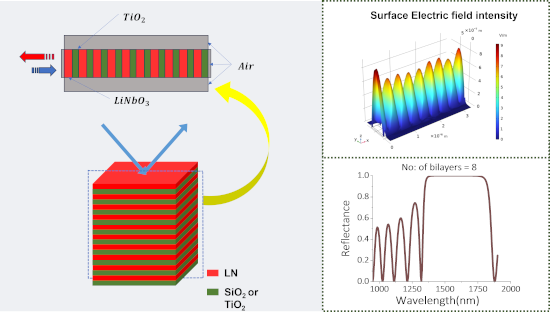
- electromagnetic simulation. The forbidden-frequency region indifferent from the bulk material has been observed around 1.55 µm. A high refractive index and non-linear optical and electro-optical properties enable LN to be used for more efficient manipulation of light. The highly reflective quarternary stack can
- play an important role in diverse fields such as photonics, optomechanics, optoelectronics, signal processing, and quantum technologies, spanning the spectrum from photon generation (including single-photon sources and lasers) to their manipulation (encompassing waveguiding, beam splitting, filters
- interface engineering are crucial for success [25][26][27]. The primary motivation for choosing lithium niobate is to utilize materials whose optical properties are sensitive to one or more externally controllable factors, such as electric or magnetic fields, enabling the manipulation of the structure


Hymenoptera and biomimetic surfaces: insights and innovations
Beilstein J. Nanotechnol. 2024, 15, 1333–1352, doi:10.3762/bjnano.15.107
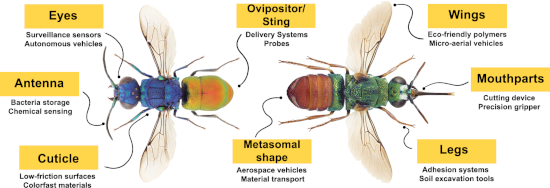
- pheomelanin) [21][22][23] (but see [24][25] for other pigments). Especially structural coloration provides a wealth of inspiration for creating vivid, durable colors without the use of dyes. This natural phenomenon involves the manipulation of light by micro- and nanostructures on the cuticle (e.g
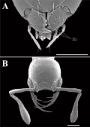
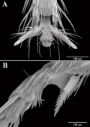
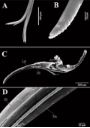
- observed in big-headed ants (Pheidole) offer insights into creating robust and efficient cutting tools that can perform specialized tasks with precision [71]. Other species awaiting study may possess even greater potential for fine object manipulation. For example, Probolomyrmex and Thaumatomyrmex (Figure





Interface properties of nanostructured carbon-coated biological implants: an overview
Beilstein J. Nanotechnol. 2024, 15, 1041–1053, doi:10.3762/bjnano.15.85
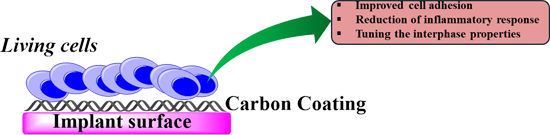
- within the field. Keywords: biocompatibility; carbon nanotubes; coatings; graphene; nanodiamonds; surfaces; Introduction For centuries, the simple manipulation of natural resources has represented the only available strategy for the realization of artifacts, buildings, and innovations, until the
- lecture entitled “There’s Plenty of Room at the Bottom”, in which he discussed the possibility of the manipulation of individual atoms and molecules [1]. Traditionally, this first lecture was recognized as the birth of nanotechnology, although the term was first used only later by Norio Taniguchi in 1974
- graphene-containing materials [44]. Furthermore, the manipulation of pristine graphene is a hard task, and several derivatives (i.e., GO and rGO) have been developed to partially preserve the properties of pristine graphene while enabling better handling. GO is an oxidized graphene derivative rich in



Beyond biomimicry – next generation applications of bioinspired adhesives from microfluidics to composites
Beilstein J. Nanotechnol. 2024, 15, 965–976, doi:10.3762/bjnano.15.79
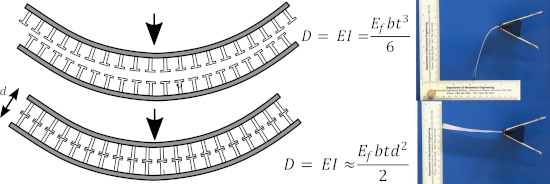
- the use of biomimetic adhesives. These subtopics are microfluidics, soft robotics, and reconfigurable composites. Microfluidics involves the manipulation and flow of fluids on a very small scale, typically with nanoliters or less of fluid and with feature sizes ranging from a few hundred microns down


Functional fibrillar interfaces: Biological hair as inspiration across scales
Beilstein J. Nanotechnol. 2024, 15, 664–677, doi:10.3762/bjnano.15.55
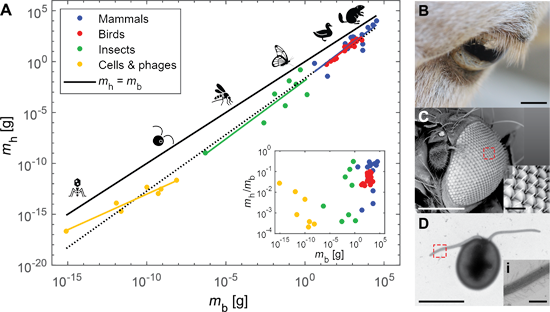
- steady-state lift-based flight, as observed in larger organisms, is not possible. Thus, miniature insects use unsteady aerodynamics through a combination of wing flapping, wing clap-and-fling, and recapture of vortices to generate lift and thrust through the manipulation of air resistance (drag) [99]. In


Determining by Raman spectroscopy the average thickness and N-layer-specific surface coverages of MoS2 thin films with domains much smaller than the laser spot size
Beilstein J. Nanotechnol. 2024, 15, 279–296, doi:10.3762/bjnano.15.26
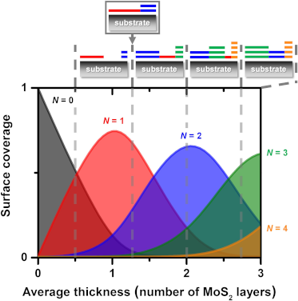
- when using precise transfer or AFM tip manipulation techniques [20], twisted MoS2 can be formed with two adjacent layers stacked with a relative twist angle (θ) varying from 0 to 60°. Such twisted-layered MoS2 structures can exhibit a variety of interesting physical properties including unconventional


Design, fabrication, and characterization of kinetic-inductive force sensors for scanning probe applications
Beilstein J. Nanotechnol. 2024, 15, 242–255, doi:10.3762/bjnano.15.23
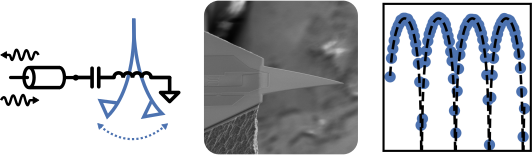
- ; kinetic inductance; optomechanics; superconductivity; Introduction Cavity optomechanics [1] deals with the detection and manipulation of massive “test objects” at the fundamental limits imposed by quantum physics [2]. By detecting the motion of the test object, we can sense an external force, for example

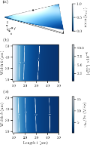


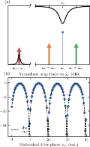
Spatial mapping of photovoltage and light-induced displacement of on-chip coupled piezo/photodiodes by Kelvin probe force microscopy under modulated illumination
Beilstein J. Nanotechnol. 2023, 14, 1059–1067, doi:10.3762/bjnano.14.87
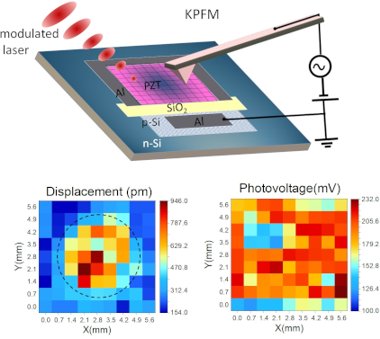
- ]. However, the working principle of these techniques is based on optical interferometry mapping which can be challenging for light-sensitive devices. Furthermore, it can be advantageous to employ a method that also allows for mechanical contact and manipulation. Atomic force microscopy (AFM) [11][12][13][14


Metal-organic framework-based nanomaterials for CO2 storage: A review
Beilstein J. Nanotechnol. 2023, 14, 964–970, doi:10.3762/bjnano.14.79
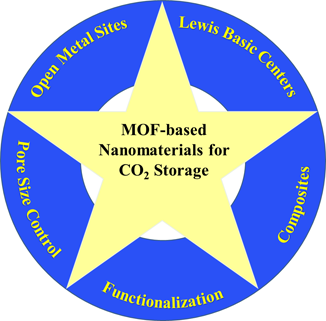
- , including pore size manipulation, post-synthetic modifications, and composite formation. Finally, the extant challenges and anticipated prospects pertaining to the development of MOF-based nanomaterials for CO2 storage are described. Keywords: CO2 storage; metal-organic frameworks; nanomaterials; open
- manipulation of pore size by modifying the size of the ligands is an effective approach for accelerating CO2 adsorption. For instance, Yao et al. used different ligands to fabricate various Zn-based MOF nanomaterials with distinct pore volumes for CO2 adsorption applications [31]. Notably, SUMOF-2




Green SPIONs as a novel highly selective treatment for leishmaniasis: an in vitro study against Leishmania amazonensis intracellular amastigotes
Beilstein J. Nanotechnol. 2023, 14, 893–903, doi:10.3762/bjnano.14.73
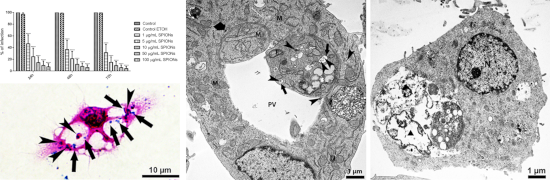
- , the ability for magnetic manipulation, the possibility of being used in magnetic resonance imaging, and the ability to generate controlled heat non-invasively when exposed to an alternating magnetic field [7][8]. In 2019, our group published an article describing a low-cost green synthesis of SPIONs


Silver-based SERS substrates fabricated using a 3D printed microfluidic device
Beilstein J. Nanotechnol. 2023, 14, 793–803, doi:10.3762/bjnano.14.65
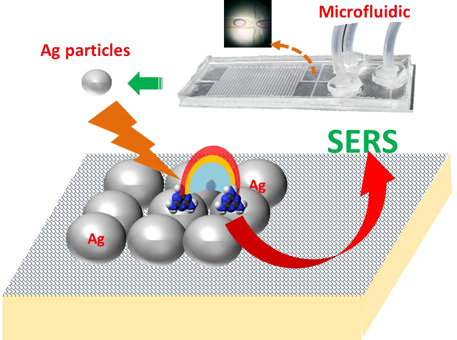
- NPs are necessary for Ag-based SERS substrates to function well. The microfluidic approach is a technique for the fine control and manipulation of fluids, in which capillary penetration is limited to the micrometer scale and mass transport dominates [9][10]. Microfluidic devices are used in various



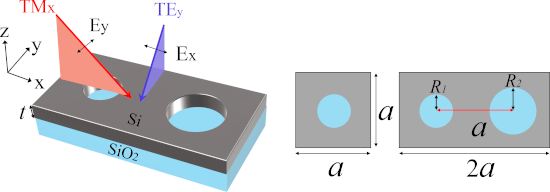
Investigations on the optical forces from three mainstream optical resonances in all-dielectric nanostructure arrays
Beilstein J. Nanotechnol. 2023, 14, 674–682, doi:10.3762/bjnano.14.53
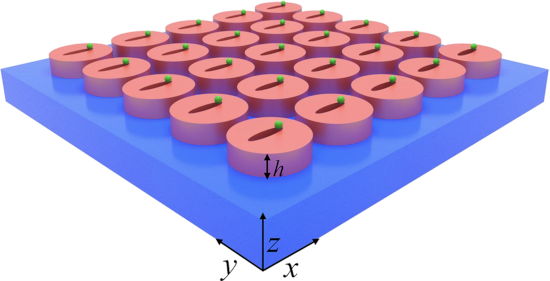
- Guangdong Wang Zhanghua Han Shandong Provincial Key Laboratory of Optics and Photonic Devices, Center of Light Manipulation and Applications, School of Physics and Electronics, Shandong Normal University, Jinan 250358, China 10.3762/bjnano.14.53 Abstract Light can exert radiation pressure on any
- manipulation of nanoparticles by optical forces. It is important to use low-power lasers to achieve efficient trapping and avoid any harmful heating effects. Keywords: all-dielectric nanostructures; anapole; optical force; quasi-bound states in the continuum; toroidal dipole; Introduction Optical forces have
- strong laser beam generates a piconewton level of force, which can be used to manipulate small dielectric particles, including biological entities such as DNA, enzymes, and cells. The underlying physics of nanoparticle manipulation by optical tweezers can be interpreted as the trend of the particle to


Nanoarchitectonics to entrap living cells in silica-based systems: encapsulations with yolk–shell and sepiolite nanomaterials
Beilstein J. Nanotechnol. 2023, 14, 522–534, doi:10.3762/bjnano.14.43
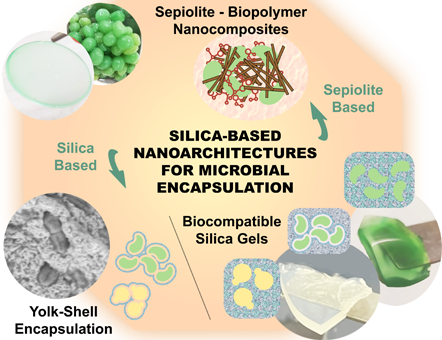
- nanoarchitectonics approach involves the manipulation at the nanometre or molecular level, using chemical reactions, processes of self-assembly and self-organization, as well as modulation under external stimuli. This strategy represents a path of great interest to develop new biohybrid materials harbouring


Molecular nanoarchitectonics: unification of nanotechnology and molecular/materials science
Beilstein J. Nanotechnol. 2023, 14, 434–453, doi:10.3762/bjnano.14.35
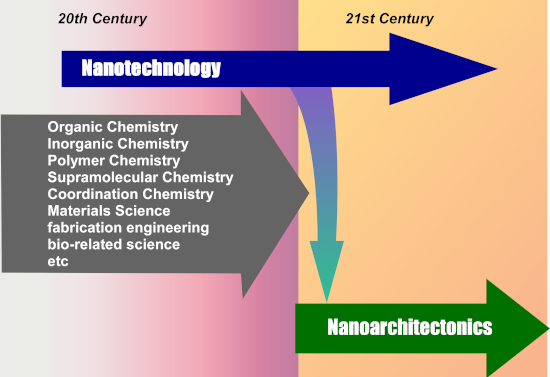
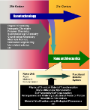
- , fabrication engineering, and bio-related science (Figure 1) [51][52]. Materials synthesis by nanoarchitectonics is envisioned to integrate and use various processes [53]. For example, physical/chemical material transformation, atomic/molecular manipulation, self-assembly/self-organization, arrangement and
- . Functional exploration through material accumulation and organization has also been widely conducted. The manipulation of precise molecular alignments and photochemical properties through multiple electrostatic interactions with two-dimensional clay mineral nanosheets has been summarized by Ishida [102]. Yue
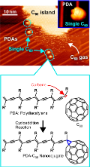
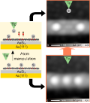
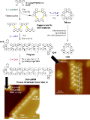
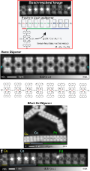
- molecules was also realized. Kawai et al. synthesized three-dimensional graphene nanoribbons by surface chemistry and showed that local probe chemistry can be used to add different molecules by tip manipulation [115]. Specifically, they demonstrated that radicals created by tip-induced debromination can be





Plasmonic nanotechnology for photothermal applications – an evaluation
Beilstein J. Nanotechnol. 2023, 14, 380–419, doi:10.3762/bjnano.14.33
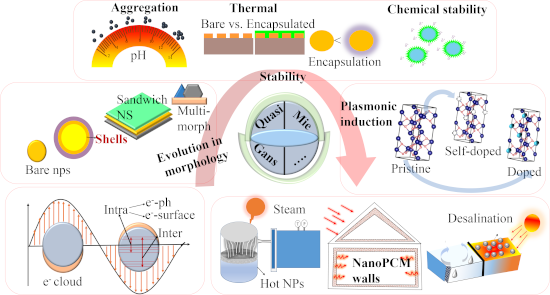
- absorbed light to heat by these particles, has led to thriving research regarding the utilization of plasmonic nanoparticles for a myriad of applications. The design of conventional nanomaterials for PT conversion has focussed predominantly on the manipulation of photon absorption through bandgap
- characteristics such as the wavelength in plasmon resonance can be tuned and controlled by the properties of the nanoparticle such as size, shape, proximity to other particles, as well as the surrounding medium [6]. Indeed, advancements in such manipulation at the nanoscale has aided the use of plasmonic


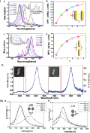


Quasi-guided modes resulting from the band folding effect in a photonic crystal slab for enhanced interactions of matters with free-space radiations
Beilstein J. Nanotechnol. 2023, 14, 322–328, doi:10.3762/bjnano.14.27
- Kaili Sun Yangjian Cai Uriel Levy Zhanghua Han Shandong Provincial Key Laboratory of Optics and Photonic Devices, Center of Light Manipulation and Applications, School of Physics and Electronics, Shandong Normal University, Jinan 250358, China Department of Applied Physics, The Hebrew University
- enhancement are central for the manipulation of light–matter interactions. Optical resonators of various forms have been exploited for this purpose. What follows are a few representative examples investigated in the last several decades: Photonic crystal cavities are realized when small disorders or defects


Recent progress in cancer cell membrane-based nanoparticles for biomedical applications
Beilstein J. Nanotechnol. 2023, 14, 262–279, doi:10.3762/bjnano.14.24
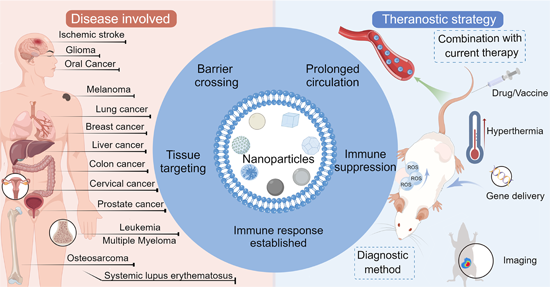
- ., magnetic resonance imaging, heat production, magnetic manipulation, and enzyme mimics) [99]. Tumor ablation based on magnetothermy is safe for humans as the energy of the magnetic field is only absorbed by magnetic NPs and not by normal tissue [79]. However, magnetic NPs are prone to aggregation and


Spin dynamics in superconductor/ferromagnetic insulator hybrid structures with precessing magnetization
Beilstein J. Nanotechnol. 2023, 14, 233–239, doi:10.3762/bjnano.14.22
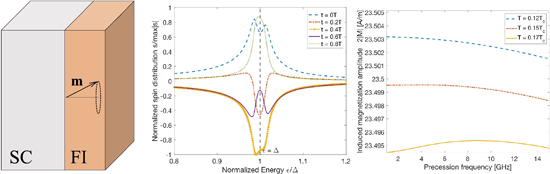
- ; Introduction Creation and manipulation of spin flows in superconducting hybrid systems have become a very active research area during the last decade because of the possibility to create spin supercurrents with much larger relaxation lengths and spin lifetimes [1]. The creation of persistent spin currents in


Characterisation of a micrometer-scale active plasmonic element by means of complementary computational and experimental methods
Beilstein J. Nanotechnol. 2023, 14, 110–122, doi:10.3762/bjnano.14.12
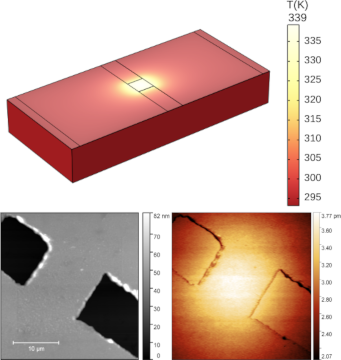
- controlling electromagnetic fields at the nanoscale through external manipulation of the materials’ properties. Here, we present the characterisation of a recently developed active plasmonic element [5] through two complementary experimental methods. Active plasmonic elements have applications in future
- external manipulation changes the properties of the device. Characterisation of both localised temperature distribution and optical constants plays a key role for further applications and is required to optimise the operation parameters for the active plasmonic element. Previous studies [23][24




Gap-directed chemical lift-off lithographic nanoarchitectonics for arbitrary sub-micrometer patterning
Beilstein J. Nanotechnol. 2023, 14, 34–44, doi:10.3762/bjnano.14.4
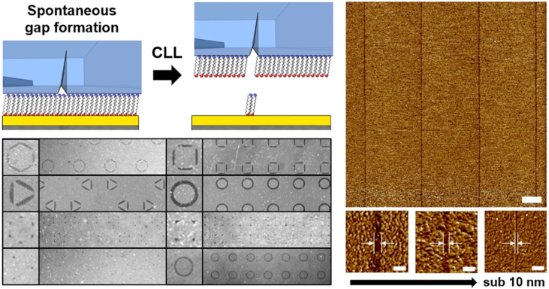
- is fixed. Comparably, stamp structure collapsing is enhanced when the pillar side-to-side distance is increased under a maintained feature height. Manipulation of these two stamp structural parameters allows the control of generated surface pattern geometries (Figure 2B–D). As revealed in Figure 2C
- concept on advancing current CLL process resolution through straightforward experimental designs, i.e., interfacial gap creation. To demonstrate the gap manipulation on CLL process capability improvements, a lowered stamp feature height is employed while other structural parameters are fixed. PDMS stamps


Studies of probe tip materials by atomic force microscopy: a review
Beilstein J. Nanotechnol. 2022, 13, 1256–1267, doi:10.3762/bjnano.13.104
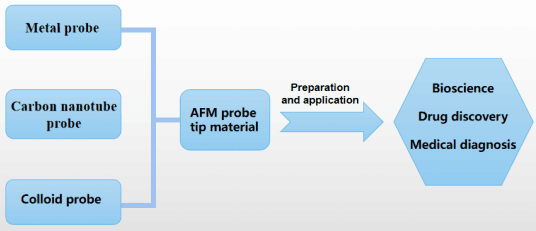
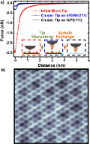
- fusion method to make the tip diameter about one μm with a micro-manipulation syringe. The gold and silver nanowires are sucked into the tube at one end, and then the fiber tube is fused with the gold and silver nanowires. When the laser is introduced from one end of the fiber, the light propagates from
Electrocatalytic oxygen reduction activity of AgCoCu oxides on reduced graphene oxide in alkaline media
Beilstein J. Nanotechnol. 2022, 13, 1020–1029, doi:10.3762/bjnano.13.89
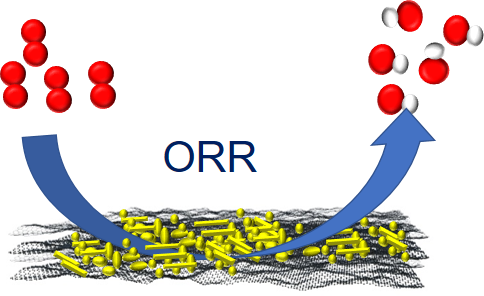
- atomic-level manipulation using established materials chemistry concepts towards the assembly of functional nanoarchitectonics [25][26][27]. The assembly of nanoscale objects through combination and in situ growth routes, leading to high-performance nanoarchitectonics, is an interesting strategy. An


Recent advances in nanoarchitectures of monocrystalline coordination polymers through confined assembly
Beilstein J. Nanotechnol. 2022, 13, 763–777, doi:10.3762/bjnano.13.67
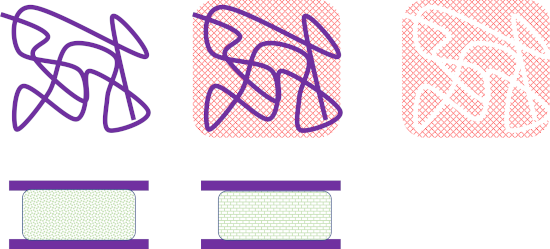
- harsher conditions, such as higher temperatures, and can be released as needed. This finding shows great potential in applications such as nanomedicine, biospecimen preservation, biosensing, and cell and virus manipulation. The related reports have been nicely summarized in a recent review (Figure 3) [105
- . This content is not subject to CC BY 4.0. Monocrystalline coordination polymers encapsulated with bioentities and their applications in nanomedicine, biospecimen preservation, biosensing, and cell and virus manipulation. Figure 3 was reproduced from [105] (© 2021 M. D. Velásquez-Hernández et al