


Search results
Search for "mobility" in Full Text gives 473 result(s) in Beilstein Journal of Nanotechnology. Showing first 200.
Multifunctional anionic nanoemulsion with linseed oil and lecithin: a preliminary approach for dry eye disease
Beilstein J. Nanotechnol. 2025, 16, 1711–1733, doi:10.3762/bjnano.16.120
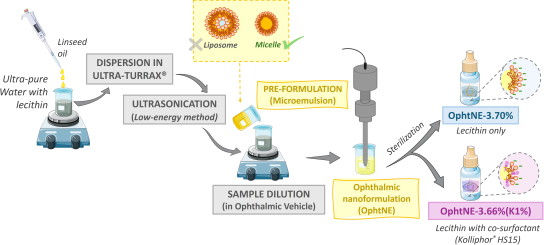
- determined by electrophoretic mobility using the same instrument at 25 °C. Calculations were based on the Smoluchowski model. All measurements were performed in triplicate and expressed as mean ± standard deviation. pH Value The pH value of the pre-formulation and nanoformulations was measured using a
- droplets, increasing surfactant mobility on their surfaces [98]. This mobility may create gaps at the interface, ultimately promoting coalescence and causing destabilization over time. To avoid this effect, Kolliphor® HS15, a non-ionic hydrophilic surfactant, was added as a second surfactant. The addition



Modeling magnetic properties of cobalt nanofilms used as a component of spin hybrid superconductor–ferromagnetic structures
Beilstein J. Nanotechnol. 2025, 16, 1557–1566, doi:10.3762/bjnano.16.110
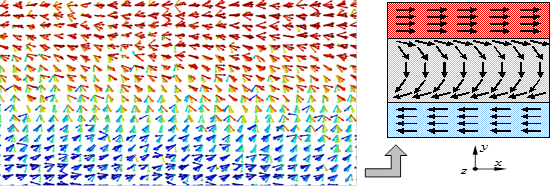
- properties, are used: where t and t´ are different time points; α and β are components of the random force vector, for the three-dimensional case {α,β} = {x,y,z}; δ(t − t´) is the Dirac delta measure; kB is the Boltzmann constant; is the reduced Planck constant; B is the mobility value of the Brownian


Laser processing in liquids: insights into nanocolloid generation and thin film integration for energy, photonic, and sensing applications
Beilstein J. Nanotechnol. 2025, 16, 1428–1498, doi:10.3762/bjnano.16.104
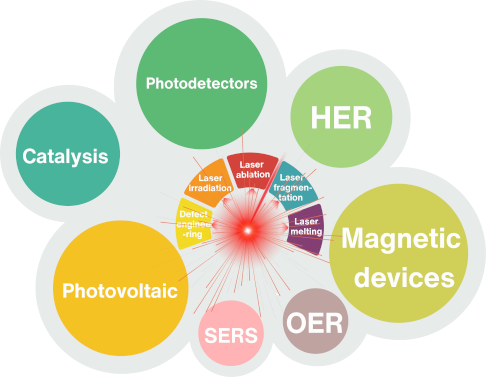
- mobility of charged particles in a suspension under an electric field to deposit them onto a substrate (Figure 14e). The key advantages of EPD include precise control over film thickness, uniform deposition, scalability for large-area coatings, and compatibility with a variety of materials achieved through






The role of biochar in combating microplastic pollution: a bibliometric analysis in environmental contexts
Beilstein J. Nanotechnol. 2025, 16, 1401–1416, doi:10.3762/bjnano.16.102
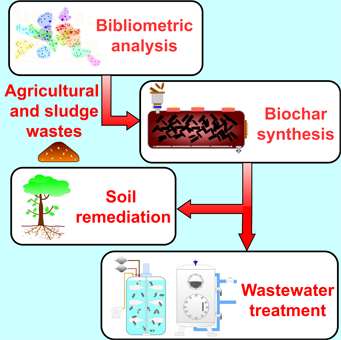
- increase the abundance of antibiotic resistance genes (ARGs) in soil through adsorption, mobility, and propagation mechanisms [62]. MPs facilitate the movement and spread of ARGs by serving as carriers. For example, PS contamination at 1% increased ARG abundance to 0.26 copies per cell compared to 0.21



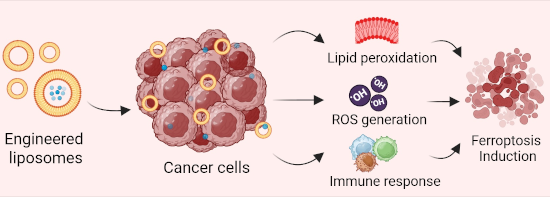
Ferroptosis induction by engineered liposomes for enhanced tumor therapy
Beilstein J. Nanotechnol. 2025, 16, 1325–1349, doi:10.3762/bjnano.16.97


Enhancing the photoelectrochemical performance of BiOI-derived BiVO4 films by controlled-intensity current electrodeposition
Beilstein J. Nanotechnol. 2025, 16, 1289–1301, doi:10.3762/bjnano.16.94
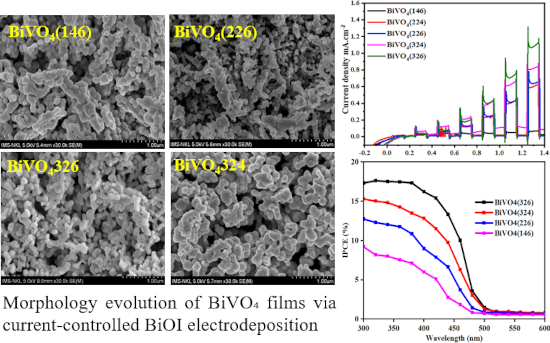
- absorption, moderate bandgap (≈2.4 eV), high theoretical photocurrent density (≈7.5 mA·cm−2), and chemical stability in aqueous environments [7][8][9]. Nevertheless, BiVO4 suffers from intrinsic drawbacks such as low charge carrier mobility, limited conductivity, and rapid recombination of photogenerated
- . This distinction suggests that while the crystallite size governs the internal crystalline quality and carrier mobility, the particle size affects the surface area and interface kinetics. Ideally, a material such as BiVO4(326) with both large crystallites and small, porous particles offers superior PEC
- interconnected morphology (Figure 2), likely promotes better carrier mobility and PEC efficiency. The ABPE curves (Figure 5b) demonstrate that BiVO4(326) achieved the highest efficiency of 0.4% at 0.8 V vs RHE, compared to the lower efficiencies of the other samples. This improvement is attributed to the



Acrocomia aculeata oil-loaded nanoemulsion: development, anti-inflammatory properties, and cytotoxicity evaluation
Beilstein J. Nanotechnol. 2025, 16, 1277–1288, doi:10.3762/bjnano.16.93
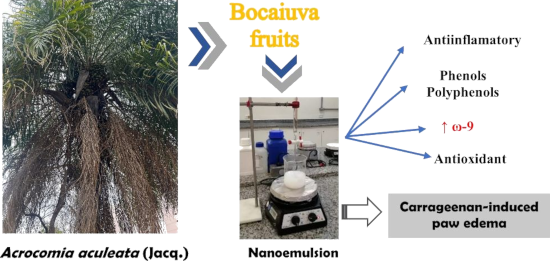
- phenomenon that becomes increasingly efficient at elevated temperatures, promoting the formation of smaller droplets. Additionally, elevated temperatures enhance molecular mobility and solubility, facilitating droplet disruption and dispersion effects observed in bocaiúva oil nanoemulsions above 60 °C [48


Functional bio-packaging enhanced with nanocellulose from rice straw and cinnamon essential oil Pickering emulsion for fruit preservation
Beilstein J. Nanotechnol. 2025, 16, 1234–1245, doi:10.3762/bjnano.16.91
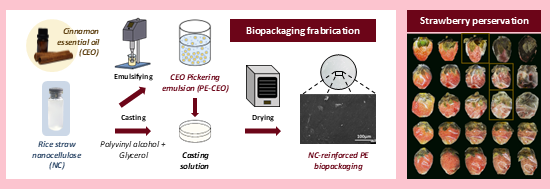
- mobility [43]. When CEO content exceeds 8%, WVP slightly increases to 5.27 × 10⁻¹² g·m−1·s−1·Pa−1, likely due to structural heterogeneity and phase separation within the polymer matrix [45]. These findings suggest that an optimal PE-CEO concentration exists to balance water resistance and mechanical



Influence of ion beam current on the structural, optical, and mechanical properties of TiO2 coatings: ion beam-assisted vs conventional electron beam evaporation
Beilstein J. Nanotechnol. 2025, 16, 1097–1112, doi:10.3762/bjnano.16.81
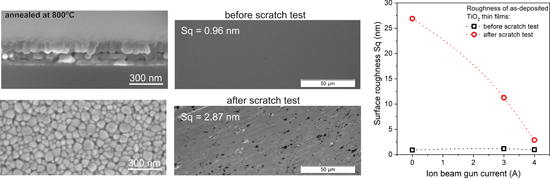
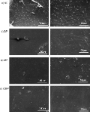
- ] can be referred to. For the EBE-deposited thin films, the coatings were assigned into the less dense Zone 1 or Zone T (transition), where low adatom mobility resulted in a coarse-grained columnar structure with voids between the grains, clearly observable in the annealed films (Figure 3a). This




Piezoelectricity of hexagonal boron nitrides improves bone tissue generation as tested on osteoblasts
Beilstein J. Nanotechnol. 2025, 16, 1068–1081, doi:10.3762/bjnano.16.78
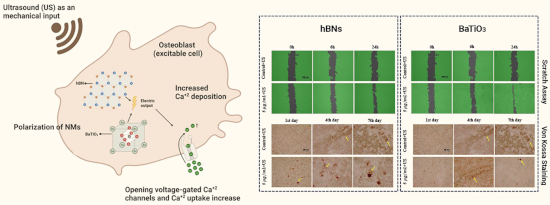
- ; piezoelectricity; Introduction The skeletal system is a vital component of the human body, serving both structural and reservoir functions. It provides support, protection, and mobility while also storing essential minerals and lipids, regulating endocrine functions, and producing blood cells. Bone tissue


Soft materials nanoarchitectonics: liquid crystals, polymers, gels, biomaterials, and others
Beilstein J. Nanotechnol. 2025, 16, 1025–1067, doi:10.3762/bjnano.16.77
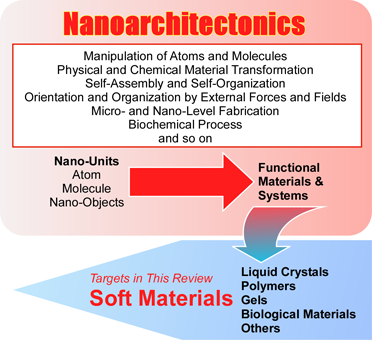
- represented examples, these materials possess flexible structures while exhibiting physical properties based on an ordered structure. Additionally, they are advantageous for expressing diverse dynamic physical properties, including stimuli responsiveness and carrier mobility. Liquid crystals and plastic






Synthesis of biowaste-derived carbon-dot-mediated silver nanoparticles and the evaluation of electrochemical properties for supercapacitor electrodes
Beilstein J. Nanotechnol. 2025, 16, 933–943, doi:10.3762/bjnano.16.71
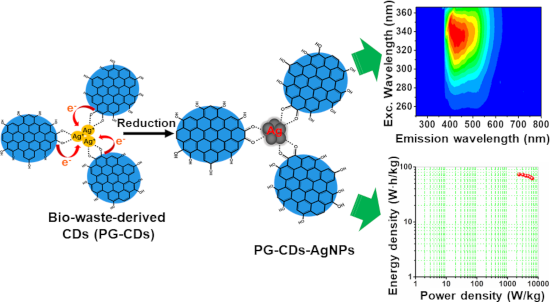
- electrolyte ions on the surface of electrode, the efficient dispersion of electrolyte ions within the pores of PG-CDs-AgNPs and on their surface, and the high mobility of cations and anions within the electrolyte are the three mechanisms that allow PG-CDs-AgNPs to store charge during electrochemical reactions
- decent ionic mobility, TEABF4/DMSO may be helpful in maximizing the electrochemical activity. Comprehensive electrochemical experiments, such as cyclic stability, EIS, GCD, and CV evaluations, were conducted on the ASC device. A CV test (Figure 6b) of the ASC device was first performed at a fixed scan


Morphology and properties of pyrite nanoparticles obtained by pulsed laser ablation in liquid and thin films for photodetection
Beilstein J. Nanotechnol. 2025, 16, 785–805, doi:10.3762/bjnano.16.60
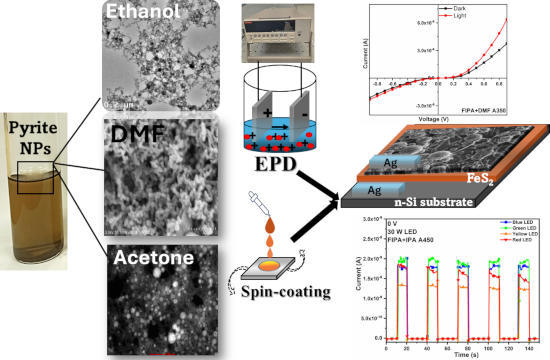
- its ability to absorb UV wavelengths [32]. This concept was used to fabricate photodetectors (PDs) using pyrite NPs on Si substrate as it inherently has the advantages of exceptional photo-absorption, high mobility, and high absorption coefficient as initially mentioned. Self-powering PDs have a
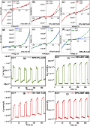
- the cause for comparatively reduced photocurrent. Additionally, it has been reported in CZTS thin films that the electron mobility of spherical and rice-shaped nanoparticles exhibits comparable values (≈430 cm2·V−1·s−1) and is greater than that of rod-shaped particles (≈260 cm2·V−1·s−1). The
- NPs obtained in acetone is comparable to the reported work on Ag, we observed precipitation within a few minutes. The precipitation of FeS2 NPs in acetone can be attributed either to the relatively low viscosity (0.306 mPa·s) of acetone, which means that NPs have higher mobility, increasing the






Nanostructured materials characterized by scanning photoelectron spectromicroscopy
Beilstein J. Nanotechnol. 2025, 16, 700–710, doi:10.3762/bjnano.16.54
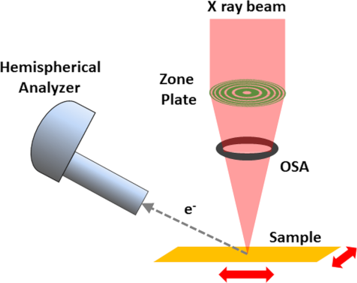
- , optoelectronic, or photovoltaic devices, as they combine a direct bandgap of tunable size with high charge carrier mobility [20]. Furthermore, they can be grown on Si substrates [21][22], which enables integration with a well-established technology platform and constrains the use of high performance, but
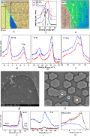


High-temperature epitaxial growth of tantalum nitride thin films on MgO: structural evolution and potential for SQUID applications
Beilstein J. Nanotechnol. 2025, 16, 690–699, doi:10.3762/bjnano.16.53
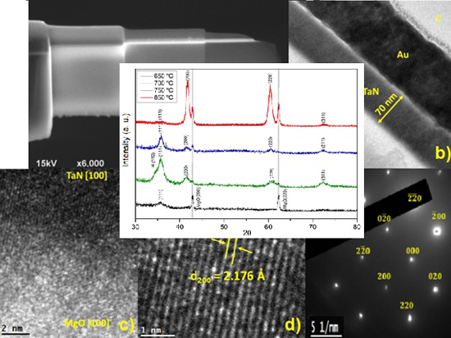
- increased, tantalum allows for a greater incorporation of oxygen, forming lattice interstitials. The increased incorporation of oxygen into tantalum at higher temperatures is a complex phenomenon driven by a combination of factors, including increased atomic mobility, enhanced thermodynamic driving forces
- compounds. Figure 4 shows how the lattice parameter and interplanar spacing decreased as the temperature deposition increased. The lattice parameter decreased from 4.36 to 4.32 Å, as the temperature deposition increased. This is attributed to increased atomic mobility and improved crystallinity during
- growth. In fact, at 850 °C, the adatom surface mobility and surface diffusion of the deposited atoms are further increased, which has also been shown by Elangovan et al. [20], Adamik et al. [22], and Cheng and collaborators [23]. The variation of resistance of TaN films, measured from room temperature


Colloidal few layered graphene–tannic acid preserves the biocompatibility of periodontal ligament cells
Beilstein J. Nanotechnol. 2025, 16, 664–677, doi:10.3762/bjnano.16.51
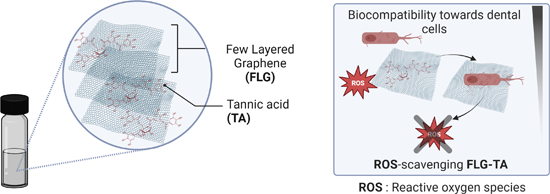
- of FLG–TA with respect to the same amount of soluble TA is due to reduced mobility in the immobilized state. As shown in Figure S7, Supporting Information File 1, the LIVE/DEAD cell viability assay demonstrated that FLG–TA-treated cells maintained viability levels comparable to untreated controls




Polyurethane/silk fibroin-based electrospun membranes for wound healing and skin substitute applications
Beilstein J. Nanotechnol. 2025, 16, 591–612, doi:10.3762/bjnano.16.46
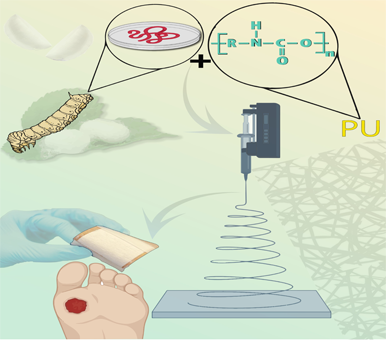
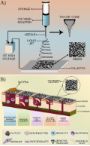
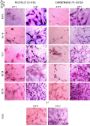
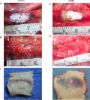
- new class of PUs known as “biostable” [134]. Wheatley et al. reported that sheep with a non-biostable PU mitral heart valve prosthesis survived for up to six months. However, issues such as surface degradation and accumulation of calcified fibrin/thrombus compromised leaflet mobility and hydrodynamic



Feasibility analysis of carbon nanofiber synthesis and morphology control using a LPG premixed flame
Beilstein J. Nanotechnol. 2025, 16, 581–590, doi:10.3762/bjnano.16.45
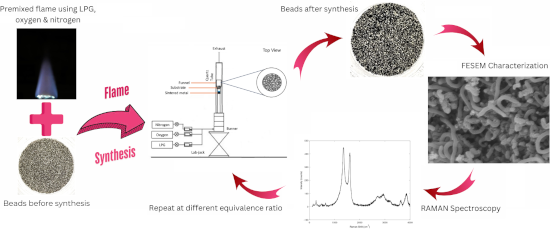
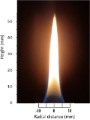
- and the larger diameters compared to CNTs. As the equivalence ratio decreases from rich condition towards stoichiometry conditions, the flame temperature starts to decrease as the flame is leaner than the stoichiometry condition. The increase in particle size is a result of the increased mobility and
- increases the mobility of the particle and the chances to collide and accumulate, results larger diameter of CNF. An equivalence ratio of 1.60 favors the formation of amorphous carbon, which can be attributed also to the reaction conditions. The thermal conditions at an equivalence ratio of 1.60 lead to a



Retrieval of B1 phase from high-pressure B2 phase for CdO nanoparticles by electronic excitations in CdxZn1−xO composite thin films
Beilstein J. Nanotechnol. 2025, 16, 551–560, doi:10.3762/bjnano.16.43

- electron mobility (>100 cm2/V/s) and high electrical conductivity (>1014 S/cm), demonstrating its potential for optoelectronic applications [2][3][4]. The incorporation of cadmium into ZnO effectively reduces the bandgap, rendering the thin films suitable for applications in the visible region of the
- electromagnetic spectrum [5]. Composite semiconducting thin films have garnered significant attention as their bandgap can be lowered without compromising mobility and conductivity. Beyond optoelectronic applications, CdO–ZnO-based alloys are also employed in gas-sensing technologies [6]. In prior investigations
- the melting temperature derived from multiple impact processes. Given that CdO has significantly high electrical conductivity (>1014 S/cm) and high mobility (>100 cm2/V/s), the simulation was conducted under the assumption that CdO behaves as a metallic system [2][3][4]. Furthermore, due to the


Water in nanoporous hexagonal boron nitride nanosheets: a first-principles study
Beilstein J. Nanotechnol. 2025, 16, 510–519, doi:10.3762/bjnano.16.39
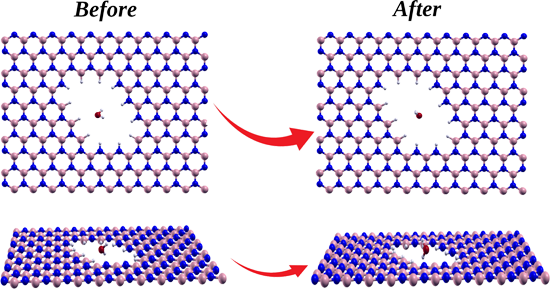
- influences the mobility of water/ions through the membrane. Consequently, the transport rates of both ions and water decrease when passing through the highly polarized membrane. Additionally, the salt rejection in the polarized channel increases in proportion to the channel length, accompanied by a reduction




N2+-implantation-induced tailoring of structural, morphological, optical, and electrical characteristics of sputtered molybdenum thin films
Beilstein J. Nanotechnol. 2025, 16, 495–509, doi:10.3762/bjnano.16.38
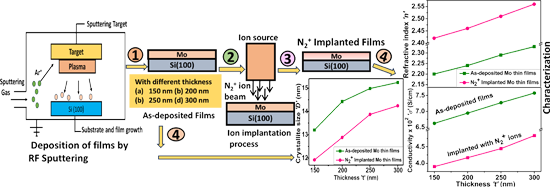
- ][20][21]. Ahmed et al. [13] investigated the effect of helium ion irradiation on the structural and electrical properties of Mo thin films. They noted that α-particles create defects that reduce charge carrier mobility, and the hardness increased from low to high ion fluence. Hoffman et al. [14
- boundaries disrupt the crystal structure. These boundaries act as obstacles for charge carriers, hindering their movement and thus increasing resistivity. Further, scattering at these boundaries reduces the mobility of charge carriers, leading to a decrease in conductivity. Essentially, the more boundaries
- compromising the crystalline structure. These barriers act as obstacles for charge carriers, obstructing their mobility and increasing resistivity. This results in a reduction in conductivity. Despite this reduction, the conductivity also increased in implanted films. Conclusion This study gives comprehensive


Quantification of lead through rod-shaped silver-doped zinc oxide nanoparticles using an electrochemical approach
Beilstein J. Nanotechnol. 2025, 16, 422–434, doi:10.3762/bjnano.16.33
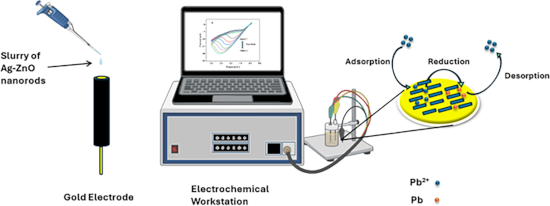
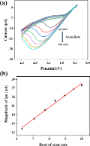
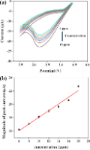
- particularly well-suited for ZnO doping because of its notable characteristics, including strong conductivity, solubility, favorable ionic size, and low orbital energy. These features contribute to the improvement of optical and electrical characteristics of ZnO. The incorporation of silver boosts the mobility





Tailoring of physical properties of RF-sputtered ZnTe films: role of substrate temperature
Beilstein J. Nanotechnol. 2025, 16, 333–348, doi:10.3762/bjnano.16.25
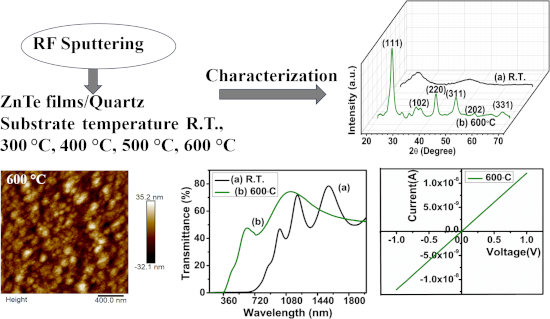
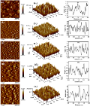
- intensity for the most preferred orientation along the [111] direction is observed with rising substrate temperature up to 400 °C. This may be because atoms have more thermal energy with increasing substrate temperature; therefore, the surface mobility of atoms increases, which leads to rearrangement and
- steps, namely, condensation, nucleation, and crystallization on the substrate surface. The mobility of atoms on the substrate surface is very much affected by the substrate temperature. At low substrate temperatures, because of the low diffusion rate and low mobility of atoms, columnar microstructures
- form on the substrate surface. With the increase in substrate temperature, mobility and diffusion rate of atoms increase, which results in the evolution of grains that further recrystallize at higher substrate temperatures [28]. The observed variation in the crystallite size is due to changes in




Graphene oxide–chloroquine conjugate induces DNA damage in A549 lung cancer cells through autophagy modulation
Beilstein J. Nanotechnol. 2025, 16, 316–332, doi:10.3762/bjnano.16.24
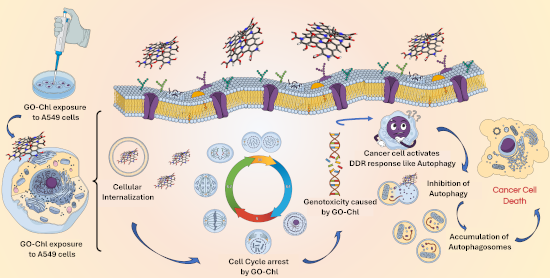
- exposure to higher concentrations of GO could induce DNA damage through the base excision repair (BER) pathway in HEK 293T cells [58]. The presence of high mobility and sharp edges of GO could potentially contribute to the genotoxic behavior [58]. On the other hand, Chl have shown its capacity for inducing



Enhancing mechanical properties of chitosan/PVA electrospun nanofibers: a comprehensive review
Beilstein J. Nanotechnol. 2025, 16, 286–307, doi:10.3762/bjnano.16.22

- high solubility [53]. This phenomenon makes it difficult to electrospin chitosan because of its high viscosity [54]. Moreover, the formation of strong hydrogen bonds in a 3D network contributes to difficulties in the mobility of polymeric chains when an electric field is applied [55]. Because of these





