


Search results
Search for "nanocomposite" in Full Text gives 204 result(s) in Beilstein Journal of Nanotechnology. Showing first 200.
Intermixing of MoS2 and WS2 photocatalysts toward methylene blue photodegradation
Beilstein J. Nanotechnol. 2024, 15, 817–829, doi:10.3762/bjnano.15.68
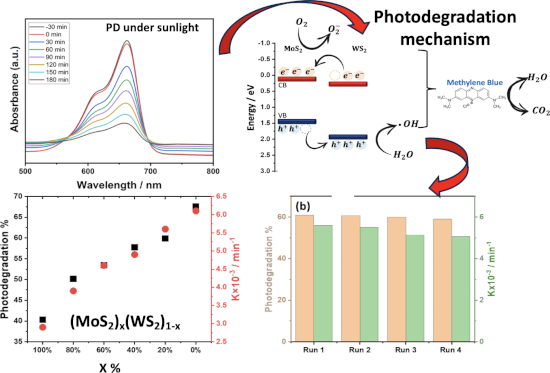
- , making it a promising avenue for future developments in catalytic materials for pollutant degradation. Overall, these advancements underscore the superior efficacy of the presented synthesis methods, positioning them at the forefront of MoS2 and WS2 nanocomposite fabrication and paving the way for


Aero-ZnS prepared by physical vapor transport on three-dimensional networks of sacrificial ZnO microtetrapods
Beilstein J. Nanotechnol. 2024, 15, 490–499, doi:10.3762/bjnano.15.44
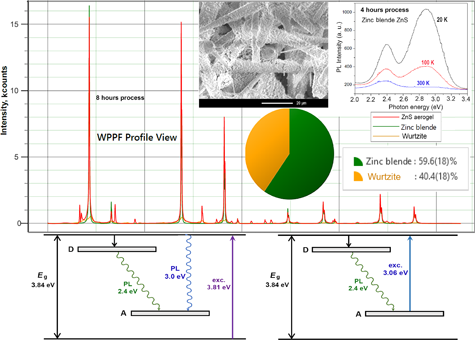
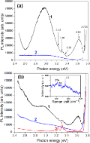
- in vacuum, as shown in Figure 5b. As it has been shown previously, the oxygen vacancy defects in nanocomposite materials can act as active centers during photocatalytic oxidation processes by capturing photoinduced electrons, thus contributing to a substantial improvement of photocatalytic activity
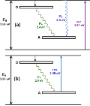
- nanocomposite components with respect to the HOMO and LUMO molecular orbitals of organic compounds subjected to photocatalytic degradation [18][44]. Specific photocatalytic properties of the aero-ZnS materials prepared by physical vapor transport have not been investigated in this paper. However, preliminary



Photocatalytic degradation of methylene blue under visible light by cobalt ferrite nanoparticles/graphene quantum dots
Beilstein J. Nanotechnol. 2024, 15, 475–489, doi:10.3762/bjnano.15.43
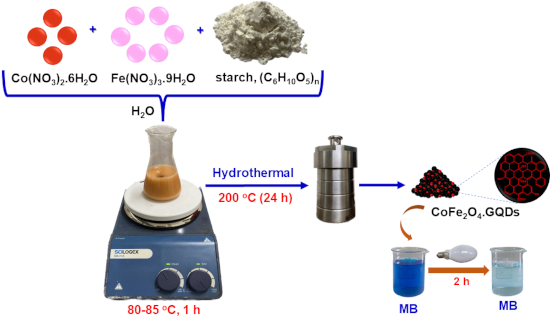
- graphene quantum dots formed directly at 200 °C. Stacking GQDs sheets onto the CF nanoparticles resulted in CF/GQDs nanoparticles. The nanocomposite exhibits satisfactory fluorescent and superparamagnetic properties, which are vital for catalytic applications. The CF/GQDs catalyse significantly the
- pairs in photocatalytic processes. Ramachandran et al. reported the synthesis of a CF/GQDs nanocomposite by co-precipitating cobalt ferrite nanoparticles on graphene quantum dots prepared from citric acid [10]. Naghshbandi et al. synthesized CF/GQDs from a mixture of GQDs, prepared by carbonising citric
- . The magnetic characteristics of the CF/GQDs nanocomposite were identified by using VSM. The magnetic parameters, including the saturation magnetization (Ms), coercivity (Hc), and remanence (Mr), are presented in Table 2. As can be seen in Figure 6c, the hysteresis characteristics of CoFe2O4 show hard




Classification and application of metal-based nanoantioxidants in medicine and healthcare
Beilstein J. Nanotechnol. 2024, 15, 396–415, doi:10.3762/bjnano.15.36
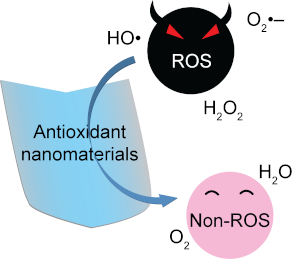
- . Subsequently, V−OH recovers to V=O by reacting with another H2O2 in the presence of GSH [43][44][45]. Recently, Liu et at. constructed a trimetallic alloy nanozyme of gold, copper, and platinum, which exhibits multiple enzyme activities including that of GPx [46]. In this nanocomposite, platinum and copper
- possessing outstanding ROS scavenging and BBB crossing ability almost without negative effects in vitro and in vivo [117]. Nanoceria loaded with edaravone and coated with angiopep-2 and poly(ethylene glycol) on their surface have been used for stroke treatment [118]. This nanocomposite system consisted of
- typical example, nanofibers composed of polygalacturonic acid, hyaluronic acid, and embedded silver nanoparticles were applied to recover wounded areas of albino rats in vivo [149]. In this nanocomposite, silver nanoparticles acted as an antioxidant, polygalacturonic acid acted as a reducing agent for


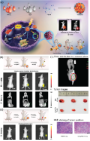
Vinorelbine-loaded multifunctional magnetic nanoparticles as anticancer drug delivery systems: synthesis, characterization, and in vitro release study
Beilstein J. Nanotechnol. 2024, 15, 256–269, doi:10.3762/bjnano.15.24
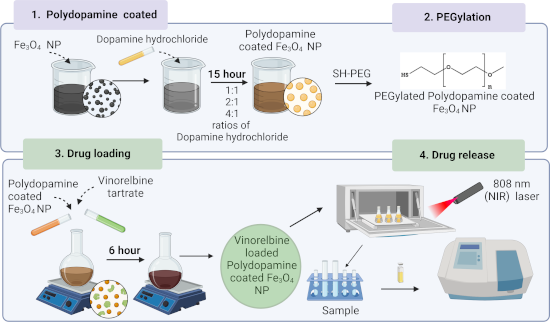
- cancer therapy agent, is included in the nanocomposite structure, and in vitro drug release studies under different pH conditions (pH 5.5 and 7.4) and photothermal activity at 808 nm NIR laser irradiation are investigated. The comprehensive integration of precise multifunctional nanoparticles design


Modification of graphene oxide and its effect on properties of natural rubber/graphene oxide nanocomposites
Beilstein J. Nanotechnol. 2024, 15, 168–179, doi:10.3762/bjnano.15.16
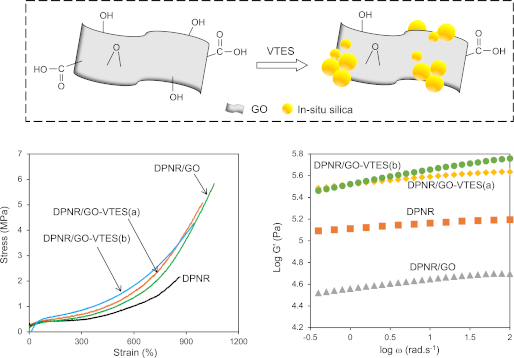
- remains unexplored. Therefore, applying this potential hybrid filler to enhance the green strength of NR through grafting techniques, forming a fine nanocomposite between NR and GO/silica hybrid filler, could be necessary. This approach may play a pivotal role in furthering the development of eco-friendly






Sulfur nanocomposites with insecticidal effect for the control of Bactericera cockerelli
Beilstein J. Nanotechnol. 2023, 14, 1106–1115, doi:10.3762/bjnano.14.91
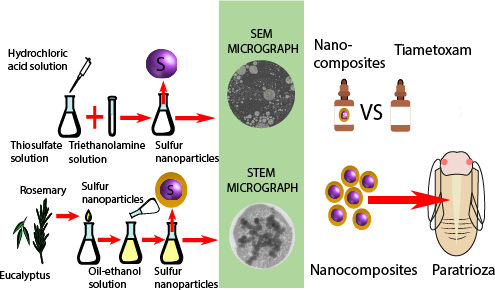
- exhibited 100% efficacy. Treatment with thiamethoxam (T7) had a significantly lower insecticidal efficacy than nanocomposite treatments in the evaluated period of time. The control group (T8) showed the lowest values of insecticidal efficacy among all evaluated treatments. Also, nanoencapsulation is known


Properties of tin oxide films grown by atomic layer deposition from tin tetraiodide and ozone
Beilstein J. Nanotechnol. 2023, 14, 1085–1092, doi:10.3762/bjnano.14.89
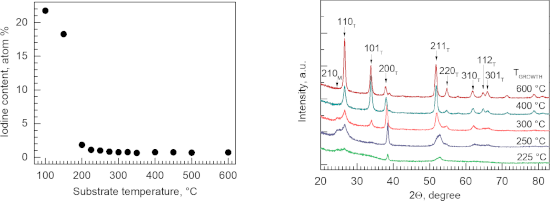
- nanocomposite layer. ZrO2–SnO2 stacked layers have been shown to perform as mechanically elastic and magnetizable films [6]. SnO2-coated carbon nanotubes have been studied as catalysts [7] and ZnO–SnO2 as functional composite in Li-ion batteries [8]. A recent review article from 2022 lists 27 different


Nanoarchitectonics of photothermal materials to enhance the sensitivity of lateral flow assays
Beilstein J. Nanotechnol. 2023, 14, 988–1003, doi:10.3762/bjnano.14.82
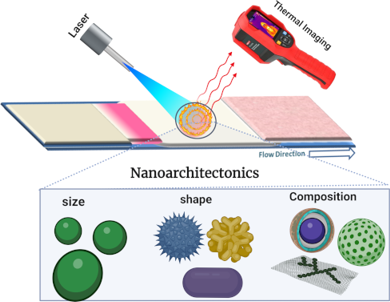
- nanoparticles in the composite can increase the light absorption through surface plasmon resonance. Hence, graphene-based multifunctional nanocomposite materials could be employed as promising photothermal agents [44]. Polymer-based nanomaterials: Because of high biocompatibility, high PCE, and facile synthesis
- such as photothermal therapy, imaging, and LFAs [73]. Composition-dependent photothermal properties Recently, nanocomposite materials have been employed for the development of photothermal biosensors for the detection of cancer biomarkers or whole cancerous cells, antibiotic residues, and toxins [74
- ]. The photothermal properties can also be enhanced by optimizing the elemental composition of the nanomaterials [44]. Generally, nanocomposite materials are developed by incorporating two or more compounds in a single particle, resulting in enhanced physicochemical properties of the final composite


Silver nanoparticles loaded on lactose/alginate: in situ synthesis, catalytic degradation, and pH-dependent antibacterial activity
Beilstein J. Nanotechnol. 2023, 14, 781–792, doi:10.3762/bjnano.14.64
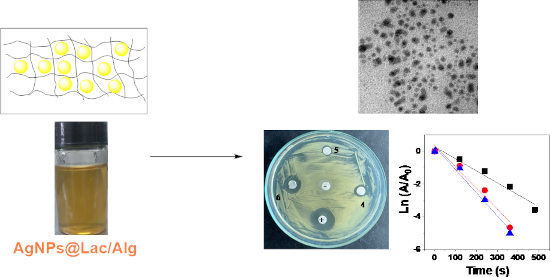
- ionotropic gelation utilizing the biodegradable saccharides lactose (Lac) and alginate (Alg). The lactose reduced silver ions to form AgNPs. The crystallite structure of the nanocomposite AgNPs@Lac/Alg, with a mean size of 4–6 nm, was confirmed by analytical techniques. The nanocomposite exhibited high
- catalytic performance in degrading the pollutants methyl orange and rhodamine B. The antibacterial activity of the nanocomposite is pH-dependent, related to the alterations in surface properties of the nanocomposite at different pH values. At pH 6, the nanocomposite demonstrated the highest antibacterial
- activity. These findings suggest that this nanocomposite has the potential to be tailored for specific applications in environmental and medicinal treatments, making it a highly promising material. Keywords: alginate; bacterial activity; catalysis; lactose; silver nanoparticles; synthesis; Introduction


Carboxylic acids and light interact to affect nanoceria stability and dissolution in acidic aqueous environments
Beilstein J. Nanotechnol. 2023, 14, 762–780, doi:10.3762/bjnano.14.63
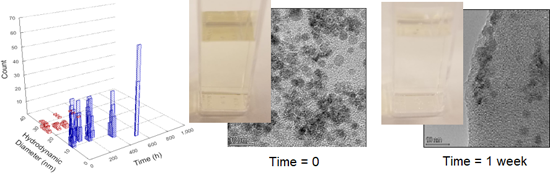
- structures. The authors thank Marsha Ensor for her contribution. This report is based on the following: Hancock, M. L. The Fabrication and Characterization of Metal Oxide Nanoparticles Employed in Environmental Toxicity and Polymeric Nanocomposite Applications. Doctoral Dissertation, University of Kentucky
Control of morphology and crystallinity of CNTs in flame synthesis with one-dimensional reaction zone
Beilstein J. Nanotechnol. 2023, 14, 741–750, doi:10.3762/bjnano.14.61
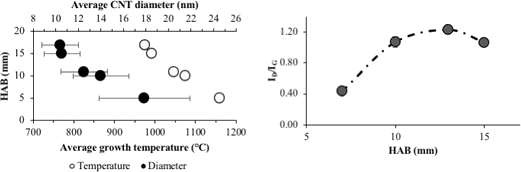
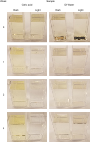
- CNT functionalization for energy storage, nanosensor, and nanocomposite applications, where diameter and crystallinity are influential properties that govern the overall performance of the components. Keywords: carbon nanotubes; crystallinity; flame synthesis; morphology; one-dimensional flame
- multi-walled CNTs (MWCNTs) with carboxyl functionalization [3]. The aerospace industry utilizes CNTs with high thermal, chemical, mechanical, and electrical performance as a nanocomposite additive to overcome problems in aircraft coatings, such as corrosion, ice accretion, lightning strike, and erosion


Metal-organic framework-based nanomaterials as opto-electrochemical sensors for the detection of antibiotics and hormones: A review
Beilstein J. Nanotechnol. 2023, 14, 631–673, doi:10.3762/bjnano.14.52


ZnO-decorated SiC@C hybrids with strong electromagnetic absorption
Beilstein J. Nanotechnol. 2023, 14, 565–573, doi:10.3762/bjnano.14.47
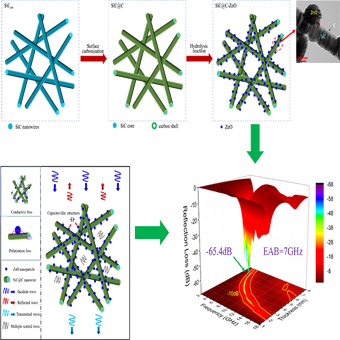
- particles possibly results in surface charge redistribution and generates interfacial polarization effects (Figure 7c). Liao et al. [39] reported a kind of multiphase nanocomposite (Co/ZnO/C) with porous structure for EM absorption. The best RLmin value of this material was −52.6 dB at a thickness of 3 mm


Nanoarchitectonics to entrap living cells in silica-based systems: encapsulations with yolk–shell and sepiolite nanomaterials
Beilstein J. Nanotechnol. 2023, 14, 522–534, doi:10.3762/bjnano.14.43
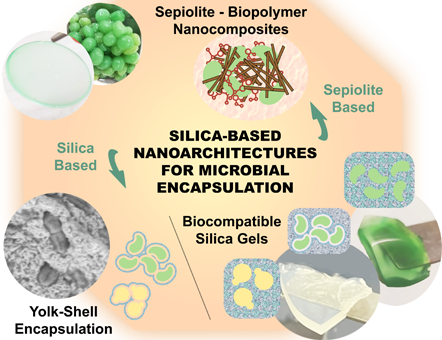
- . Colloidal synthesis of materials using silica gels with low sodium content as an alternative to sepiolite–biopolymer nanocomposite materials for microorganism encapsulation increased the biocompatibility of the matrix, sustaining the biological activity of the encapsulated microorganisms. Furthermore, a


Bismuth-based nanostructured photocatalysts for the remediation of antibiotics and organic dyes
Beilstein J. Nanotechnol. 2023, 14, 291–321, doi:10.3762/bjnano.14.26
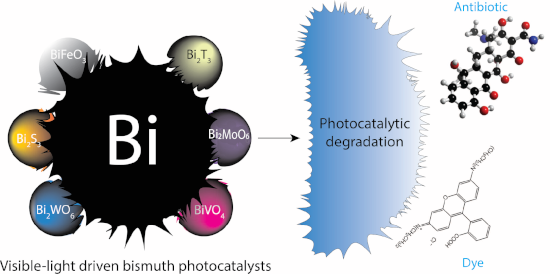
- a core–shell heterojunction nanocomposite made of BiFeO3 and TiO2 for the degradation of textile dye. The authors reported a 70% degradation of Congo red dye after 70 min of visible-light irradiation, which they attributed to an improvement in quantum efficiency caused by the efficient separating of
- , the Schottky potential barrier, and efficiently separated photoinduced charge carriers. Table 8 provides a summary of the research on heterojunction photocatalysts for the degradation of antibiotics. Bismuth nanocomposites: A nanocomposite is a multiphase material (typically a solid) with one to three
- dimensions of less than 100 nm, where one of the phases has different properties due to differences in chemistry and structure. Following the formation of the nanocomposite, its properties are often enhanced and significantly different from those of the components. Fascinatingly, nanocomposite photocatalysts


Cyclodextrins as eminent constituents in nanoarchitectonics for drug delivery systems
Beilstein J. Nanotechnol. 2023, 14, 218–232, doi:10.3762/bjnano.14.21
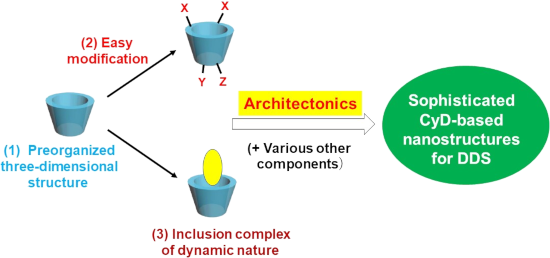
- positively charged spermine moiety to form stable nanomedicine particles (blue balls in Figure 5a). Upon irradiation of the nanocomposite with NIR light, this light was converted to UV light (around 360 nm) by the upconversion particles and absorbed by arylazopyrazole. The resultant cis isomer could not form


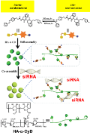


Antimicrobial and mechanical properties of functionalized textile by nanoarchitectured photoinduced Ag@polymer coating
Beilstein J. Nanotechnol. 2023, 14, 95–109, doi:10.3762/bjnano.14.11
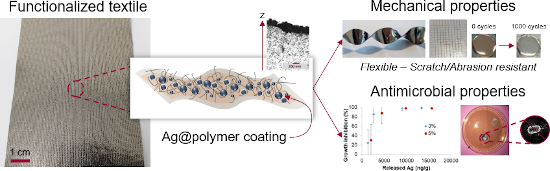
- photoinduced approach was investigated for textile functionalization with a silver@polymer self-assembled nanocomposite. By exposing the photosensitive formulation containing a silver precursor, a photoinitiator, and acrylic monomers to a UV source, highly reflective metallic coatings were obtained directly on
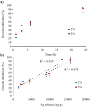
- (complete inhibition for approximately 2.5 and 15 µg/g released silver, respectively). The nanocomposite structure can thus be tuned in order to provide the best compromise between antimicrobial activity and mechanical longevity depending on the field of application. Experimental Materials Silver nitrate



The influence of structure and local structural defects on the magnetic properties of cobalt nanofilms
Beilstein J. Nanotechnol. 2023, 14, 23–33, doi:10.3762/bjnano.14.3
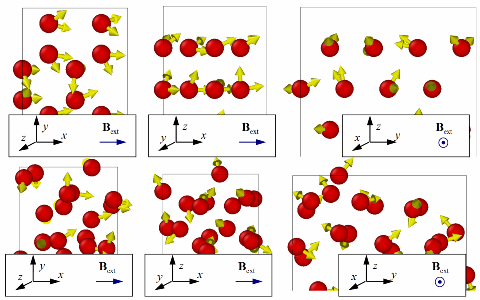
- structure close to the hexagonal close-packed crystal lattice was considered. In the second case, a cobalt nanofilm formed in the previously obtained numerical experiment of multilayer niobium–cobalt nanocomposite deposition was investigated. The sizes of the systems were the same in both cases. For both
- properties of the nanomaterial were investigated in this work using a promising nanocomposite formed by alternating layers of cobalt and niobium. The proposed composite has potentially promising functional properties and can be used in magnetic systems with controlled effective energy exchange in Josephson
- nanocomposite manufacturing were simulated and systematized. This was done to establish the dependence of the structure and characteristics of the nanocomposites on the production parameters, to check the presence of target functional aspects, and to determine controllable properties (i.e., those properties


A TiO2@MWCNTs nanocomposite photoanode for solar-driven water splitting
Beilstein J. Nanotechnol. 2022, 13, 1520–1530, doi:10.3762/bjnano.13.125
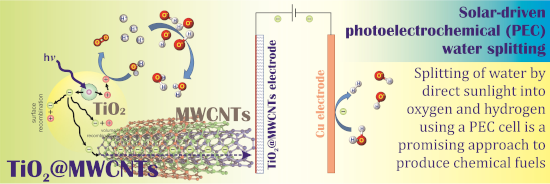
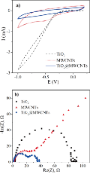
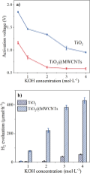
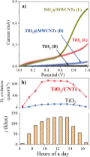
- -603103, Tamil Nadu, India 10.3762/bjnano.13.125 Abstract A TiO2@MWCNTs (multi-wall carbon nanotubes) nanocomposite photoanode is prepared for photoelectrochemical water splitting in this study. The physical and photoelectrochemical properties of the photoanode are characterized using field emission
- -scanning electron microscopy, transmission electron microscopy, X-ray diffraction, and linear sweep voltammetry. The results show that the TiO2@MWCNTs nanocomposite has an optical bandgap of 2.5 eV, which is a significant improvement in visible-light absorption capability compared to TiO2 (3.14 eV). The
- ) nanocomposite by sol–gel method for visible-light-induced photocatalytic hydrogen evolution [8]. The photocatalyst consisted of dense TiO2 particles covering functionalized MWNTs and exhibited good photoactivity under visible light (λ > 420 nm), but the photoelectrochemical water splitting showed a low hydrogen



Rapid and sensitive detection of box turtles using an electrochemical DNA biosensor based on a gold/graphene nanocomposite
Beilstein J. Nanotechnol. 2022, 13, 1458–1472, doi:10.3762/bjnano.13.120
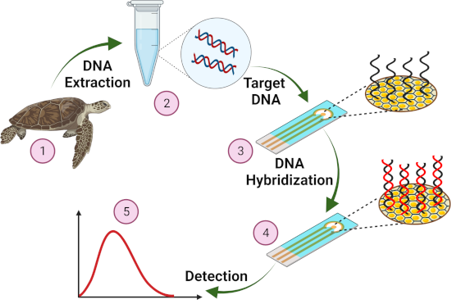
- probe using bioinformatics tools, and it was also validated in wet-lab experiments. As a detection platform, a screen-printed carbon electrode (SPCE) enhanced with a nanocomposite containing gold nanoparticles and graphene was used. The morphology of the nanoparticles was analysed by field-emission
- in the range of 1 × 10⁻¹¹–5 × 10⁻⁶ M with a limit of detection of 0.85 × 10⁻¹² M. This indicates that the proposed biosensor has the potential to be applied for the detection of real turtle species. Keywords: box turtle; DNA detection; electrochemical DNA biosensor; nanocomposite; screen-printed
- comparing mitochondrial cytochrome b (cytb) gene sequences from a group of 30 species using bioinformatics tools to design a unique DNA probe. The screen-printed carbon electrode (SPCE) was modified with a nanocomposite containing Gr and AuNPs to improve detection ability and to anchor the capture probe



Recent trends in Bi-based nanomaterials: challenges, fabrication, enhancement techniques, and environmental applications
Beilstein J. Nanotechnol. 2022, 13, 1316–1336, doi:10.3762/bjnano.13.109
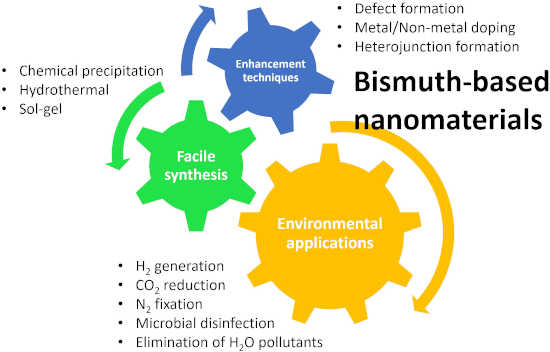
- nanoparticles was fabricated using high-energy ball milling [86]. Ag clusters (5–10 nm) were homogeneously distributed on the flocculated BiVO4 particles (50–100 nm). The structure of the Ag-doped BiVO4 nanocomposite would promote the efficiency of the photodegradation of acid blue dyes. Huang and co-workers
- photocatalysts in such a way as to change the processes involved in photocatalytic reaction kinetics. For example, Cao et al. reported the fabrication of a bismuth-based Bi/Bi2MoO6/TiO2 nanocomposite photocatalytic material using a facile one-step solvothermal technique [114]. To reduce metal Bi on the surface




Studies of probe tip materials by atomic force microscopy: a review
Beilstein J. Nanotechnol. 2022, 13, 1256–1267, doi:10.3762/bjnano.13.104
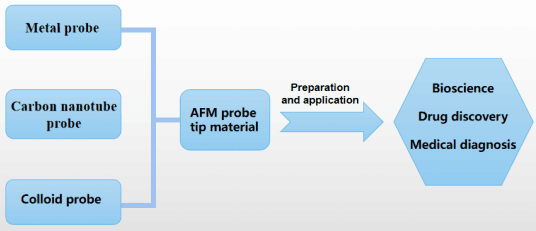
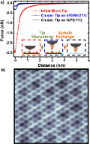
- surface of nano-, micron, and micro- and nanocomposite structures. In this study, ten μm diameter silica spheres were selected as the particles for the colloidal probe and dispersed into an aqueous solution and sonicated for five minutes. A small amount of the dispersed liquid was removed and added
Recent advances in green carbon dots (2015–2022): synthesis, metal ion sensing, and biological applications
Beilstein J. Nanotechnol. 2022, 13, 1068–1107, doi:10.3762/bjnano.13.93
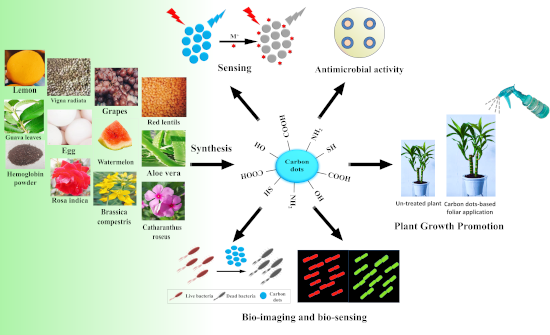
- to have excellent biocompatibility with cells [70]. Ramanarayanan and Swaminathan utilized guava leaves to prepare CDs, which were then utilized for the synthesis of a CD-TiO2 nanocomposite. The CD-TiO2 nanocomposite possesses good photocatalytic ability to degrade methylene blue dye [71]. White
- solvent casting process after the ACMCDs were supported by silver nanoparticles, employing them as both a reducing agent and a template. The nanocomposite antibacterial film is anticipated to have a lot of potential applications such as food packaging, water purification, and disinfecting sanitary




Biomimetic chitosan with biocomposite nanomaterials for bone tissue repair and regeneration
Beilstein J. Nanotechnol. 2022, 13, 1051–1067, doi:10.3762/bjnano.13.92
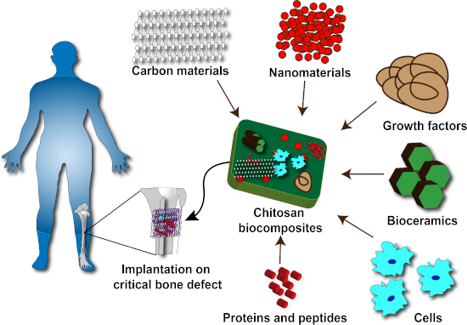
- growth at 25 µg/mL. The bioactivity of the composites was evaluated by simulation studies of body fluids. The results show that the composites can form hydroxyapatite bone minerals crystals in a ratio of Ca/P 1.67 [70]. Huang et al. (2017) have created a zinc-incorporated chitosan/gelatin nanocomposite
- tensile strength of ≈7.05 MPa. According to the findings in vitro, the combination of scaffolds promotes fast cell-to-cell contact, which boosts the regeneration impact on pre-osteoblast (MC3T3-E1) cell proliferation, growth, and differentiation [94]. The impact of a hybrid nanocomposite of poly(3
- were identified by fluorescence imaging. Cells adhered on nanofibers show a better cell phenotype, and this was corroborated by morphological characterisation via SEM [72] (Figure 6). Misra and colleagues developed chitosan–graphene nanocomposite scaffolds that modify cell–scaffold interactions



