


Search results
Search for "pH" in Full Text gives 715 result(s) in Beilstein Journal of Nanotechnology. Showing first 200.
Internal 3D temperature mapping in biological systems using ratiometric light-sheet imaging and lipid-coated upconversion nanothermometers
Beilstein J. Nanotechnol. 2025, 16, 2306–2316, doi:10.3762/bjnano.16.159
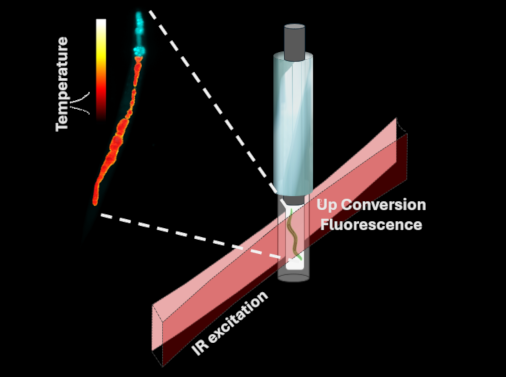
- biocompatibility, low cytotoxicity, and stable optical and chemical properties. Additionally, given the conditions commonly presented in biological samples, these materials should also remain unaffected by changes in pH, concentration, ionic strength, and viscosity [1]. Traditional thermometers are macroscopic
- electrostatic interactions between the cationic PEI coating and negatively charged cell surfaces. The positive charge of PEI can be enhanced at lower pH levels, such as those found in parts of the C. elegans digestive tract [60], potentially promoting further endocytosis. In contrast, the UCNPs@lipids


Optical bio/chemical sensors for vitamin B12 analysis in food and pharmaceuticals: state of the art, challenges, and future outlooks
Beilstein J. Nanotechnol. 2025, 16, 2207–2244, doi:10.3762/bjnano.16.153
- –citrate buffer at pH 4.5. This buffer was then added to an infant formula sample, which was subsequently autoclaved at 121 °C for 25 min. The purpose of this step was to denature the VB12 binding protein present in the sample and liberate the vitamin for the subsequent analysis. Low repeatability based on
- luminol–percarbonate reaction was conducted using a CCD photodetector connected to a straightforward continuous flow system. The optimal operating conditions to attain peak CL emission included 8.0 mM luminol in a 0.075 M carbonate buffer (pH 10.0), 0.15 M sodium percarbonate, a flow rate of 0.33 mL/s


Ultrathin water layers on mannosylated gold nanoparticles
Beilstein J. Nanotechnol. 2025, 16, 2183–2198, doi:10.3762/bjnano.16.151
- -AuNPs. In both cases, the NP surface charge in water at pH ~7 was approx. −20 mV. The isoelectric point of carboxylate PEG-capped particles is ~2.5; hence, around pH 7, they should exhibit a negative ZP. This is also compatible with a low carboxylate content, as citrate-capped AuNPs (with a higher
- concentration of carboxylate) exhibit a lower ZP (approx. −45 mV) at the same pH [1]. To obtain a clearer view of the size distribution, we used SEM to evaluate particle sizes and morphologies in high vacuum (i.e., for completely dried samples). By adjusting a Gaussian fit to the histograms (Figure 3), the
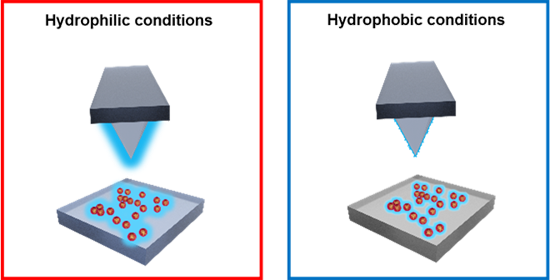
- assembly by AFM and SEM complement the results discussed above. The use of hydrophilic and hydrophobic surfaces and also AFM tips allows one to distinguish ubiquitous water layers, present on all surfaces, from specific water adsorption on the AuNPs. For the APDMES surface at neutral pH, we expect



Microplastic pollution in Himalayan lakes: assessment, risks, and sustainable remediation strategies
Beilstein J. Nanotechnol. 2025, 16, 2144–2167, doi:10.3762/bjnano.16.148
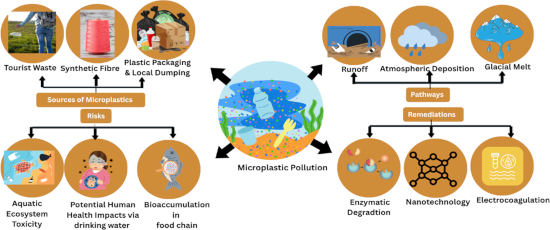
- environmental factors like pH, temperature, and the availability of nutrients [50]. There has been promising development within the field of genetic engineering in relation to the creation of microbial consortiums optimized for high-efficiency degradation [46]. As reported by Rizvi et al., some fungi, such as
- -altitude pH variability. 6 Nanomaterial applications in microplastic remediation 6.1 Role of photocatalysis in degradation Photocatalysis uses nanomaterials to break down MPs by converting light energy, often UV or visible light, into ROS. These ROS, which include superoxide anions and hydroxyl radicals


Quality by design optimization of microemulsions for topical delivery of Passiflora setacea seed oil
Beilstein J. Nanotechnol. 2025, 16, 2116–2131, doi:10.3762/bjnano.16.146
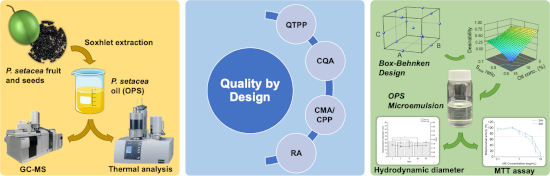
- cytotoxicity and skin irritation [8]. Furthermore, the optimization of microemulsion formulations may be time-consuming and costly, and their stability is often sensitive to environmental factors (e.g., pH, salinity, and temperature). These challenges highlight the importance of a comprehensive understanding
- issue in emulsified systems is microbial contamination, which can result in physical and chemical instability, such as pH shifts, turbidity, degradation of active components (e.g., fatty acids), and phase separation [35]. To address these challenges and improve topical suitability, additional excipients
- distributions for both systems is provided in Figure S2 (Supporting Information File 1). The stability profile of the MEgel formulation is presented in Figure 7B. Furthermore, as shown in Figure 8, both ME and MEgel formulations maintained stable pH values throughout the storage period, with mean values of 6.3


Rapid synthesis of highly monodisperse AgSbS2 nanocrystals: unveiling multifaceted activities in cancer therapy, antibacterial strategies, and antioxidant defense
Beilstein J. Nanotechnol. 2025, 16, 2105–2115, doi:10.3762/bjnano.16.145
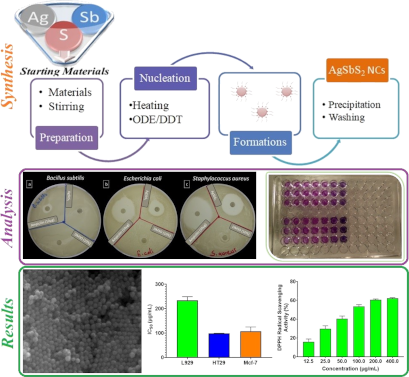
- ferric reducing antioxidant power (FRAP) of the synthesized NCs and their functionalized microcapsules was determined following the method described in [31]. The FRAP reagent was prepared by mixing 10 mM 2,4,6-tri(2-pyridyl)-s-triazine in 40 mM HCl, 20 mM FeCl3·6H2O, and 300 mM acetate buffer (pH 3.6) in


Toward clinical translation of carbon nanomaterials in anticancer drug delivery: the need for standardisation
Beilstein J. Nanotechnol. 2025, 16, 2092–2104, doi:10.3762/bjnano.16.144

- . CNMs must retain their structural and functional integrity under physiological conditions, including varying pH, ionic strength, and temperature. Instability can result in aggregation, degradation, or loss of therapeutic payload. Strategies such as lyophilisation, drug encapsulation, and the use of




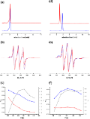
Stereodiscrimination of guests in chiral organosilica aerogels studied by ESR spectroscopy
Beilstein J. Nanotechnol. 2025, 16, 2034–2054, doi:10.3762/bjnano.16.140
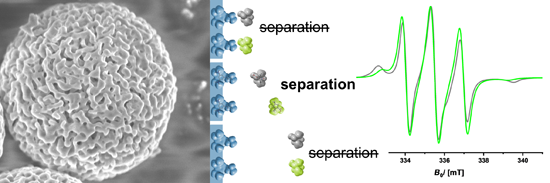
- material possessing 10% amine groups will be denoted NHx=0.1SIL (see the Experimental section and Supporting Information File 1, Figure S2). Silsesquioxane compounds of the type R-Ph(Si(OiPr)3)2 with R = –COOH, –NH2, –N3, etc. have been used in our group for a long time to prepare various porous
- organosilica materials [51][52], also including aerogels [53][54]. The thiol precursor HS-Ph(Si(OiPr)3)2 was established in 2014 for making periodically ordered mesoporous organosilica [55][56], which are characterized by pore sizes in the sub-10 nm range. Because large pore sizes are beneficial for mass
- , followed by crystallization. The precipitate is filtered off and washed with acetone. (The acetone phase can be used to obtain (−)-3CP). The filtrate is dissolved in water, acidified with hydrochloric acid to pH 3 and extracted three times with diethyl ether. The ether phase is dried with MgSO4, and the




Beyond the shell: exploring polymer–lipid interfaces in core–shell nanofibers to carry hyaluronic acid and β-caryophyllene
Beilstein J. Nanotechnol. 2025, 16, 2015–2033, doi:10.3762/bjnano.16.139
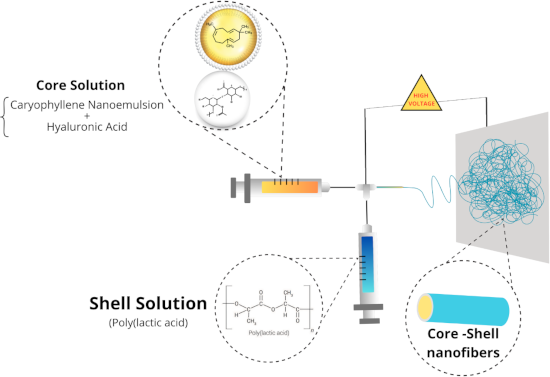
- arrangement of these two phases directly influences its degradation behavior. Studies have shown that PLA with higher crystallinity, in both film [73][74] and fiber forms [65], exhibits a higher rate of hydrolytic degradation in phosphate-buffered saline (PBS) at pH 7.4. This is attributed to the higher
- -caryophyllene (purity ≥80%), fluorescein, poly(lactic acid) (Mw ≈ 93,156 Da), anhydrous chloroform (PA), and PBS tablets (pH 7.2–7.6) were obtained from Sigma-Aldrich (USA). Captex® 300 was kindly provided by ABITEC Corporation (USA). Pharmaceutical-grade hyaluronic acid (95% purity) was purchased from Shandong




The cement of the tube-dwelling polychaete Sabellaria alveolata: a complex composite adhesive material
Beilstein J. Nanotechnol. 2025, 16, 1998–2014, doi:10.3762/bjnano.16.138
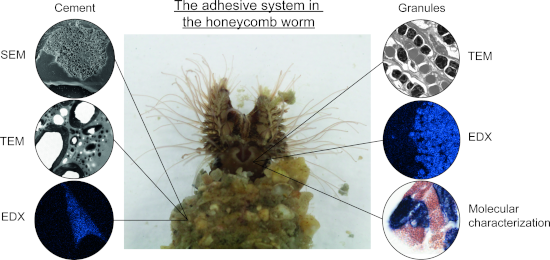
- The anterior part of S. alveolata individuals and single glass beads bearing cement spots were fixed for 3 h at 4 °C in a solution of 3% glutaraldehyde in cacodylate buffer (0.1 M, pH 7.8; osmolarity adjusted to 1030 mOsm·L−1 with NaCl). They were then rinsed three times for 10 min in a solution of
- cacodylate buffer (0.2 M, pH 7.8, adjusted to 1030 mOsm·L−1), and post-fixed for 1 h in 1% osmium tetroxide in cacodylate buffer (0.1 M, pH 7.8, adjusted to 1030 mOsm·L−1) in the dark. After a final rinse in cacodylate buffer, the cement spots were decalcified for 24 h in a 10% EDTA solution (pH ≈8). All the
- % paraformaldehyde solution in phosphate-buffered saline (pH 7.4). The samples were then dehydrated through graded ethanol series and embedded in paraffin wax. Sections of 14 µm in thickness were cut with a Microm HM 340 E microtome and mounted on Superfrost Ultra Plus (Thermo Scientific) microscope slides using a



Laser ablation in liquids for shape-tailored synthesis of nanomaterials: status and challenges
Beilstein J. Nanotechnol. 2025, 16, 1963–1997, doi:10.3762/bjnano.16.137
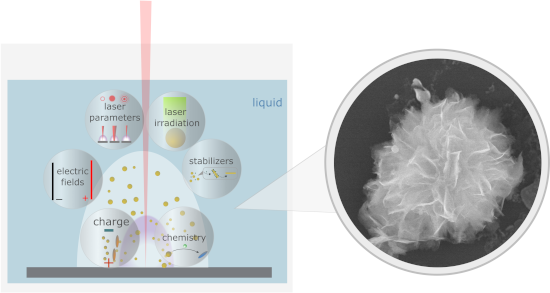
- hydrogen and peroxide radicals, as well as hydroxide and hydrogen ions that are changing the liquid parameters (such as pH) and can participate in the processes occurring with NPs during the later stages of growth, self-organization, and ageing. The produced reactive species might result in NP surface
- manipulation in PLAL synthesis 3.1 Control of the liquid composition and parameters One of the versatile routes towards shape-controlled laser-assisted synthesis is the variation of the liquid parameters, including solution composition, pH values, and temperature. The most commonly used strategies are based
- -temperature plasma plume, liquid molecules undergo decomposition with the production of reactive species or gaseous products, which can be considered as another strategy for the shape control of growing NPs. The exact composition of the produced species is dependent on the composition and pH of the solution





Quantum circuits with SINIS structures
Beilstein J. Nanotechnol. 2025, 16, 1931–1941, doi:10.3762/bjnano.16.134
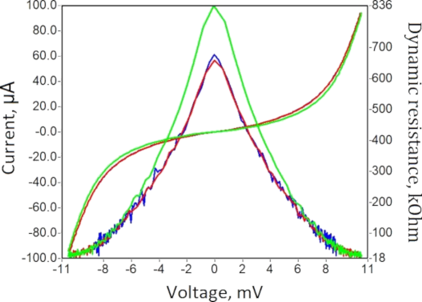
- device receiving the signal. Approximately, in the simplest case, the NEP of the SINIS detector can be calculated using the following formula: NEPe−ph is the noise equivalent power of electron–phonon interaction, caused by the discreteness of energy exchange between electrons and phonons: where kB is the


Targeting the vector of arboviruses Aedes aegypti with nanoemulsions based on essential oils: a review with focus on larvicidal and repellent properties
Beilstein J. Nanotechnol. 2025, 16, 1894–1913, doi:10.3762/bjnano.16.132
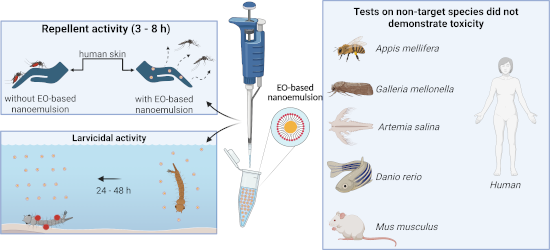
- stood out [34]. These are not affected by moderate changes in pH or temperature, making them ideal for the protection of solubilized bioactives [35]. They also promote the protection of essential oils against oxidation caused by external factors, maintaining or increasing their functional properties [28
- ) increased cutaneous permeability of various molecules; (d) reduced emulsifier concentrations compared to that of macro- and microemulsions; (e) protection of molecules from adverse environmental conditions such as pH-induced hydrolysis and oxidation; and (f) versatile applications allowing administration in
- at 25 °C for 30 days. The nanoemulsion showed physicochemical stability with an initial average size of 64.1 nm (±6.3), polydispersity index of 0.21 (±0.04), and initial pH of 5.8. After 30 days, the average size increased to 71.8 ± 8.3 nm, with a polydispersity index of 0.18 ± 0.03 and pH of 4.9


Self-assembly and adhesive properties of Pollicipes pollicipes barnacle cement protein cp19k: influence of pH and ionic strength
Beilstein J. Nanotechnol. 2025, 16, 1863–1872, doi:10.3762/bjnano.16.129
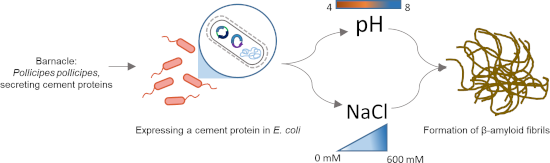
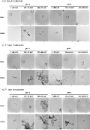
- study, we investigated the influence of environmental parameters on the self-assembly of recombinant cp19k, a key adhesive protein in Pollicipes pollicipes. Using TEM imaging, a low pH (4.0) and high salt concentration (600 mM NaCl) environment, mimicking P. pollicipes gland conditions, was identified
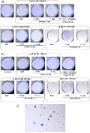
- to promote the formation of extended, needle-like fibrils by the cp19k protein. The β-amyloid nature of fibrils formed under these conditions and at high pH/low salt concentration was confirmed by Thioflavin T assay. Non-fibrillar cp19k adhered most effectively to hydrophilic and hydrophobic surfaces
- under low pH/low salt concentration conditions, while pre-formed fibrils retained their adhesion ability upon switching to a high pH/high salt concentration environment, which was designed to mimic the change in the protein environment upon secretion in vivo. These findings support the hypothesis that


Current status of using adsorbent nanomaterials for removing microplastics from water supply systems: a mini review
Beilstein J. Nanotechnol. 2025, 16, 1837–1850, doi:10.3762/bjnano.16.127
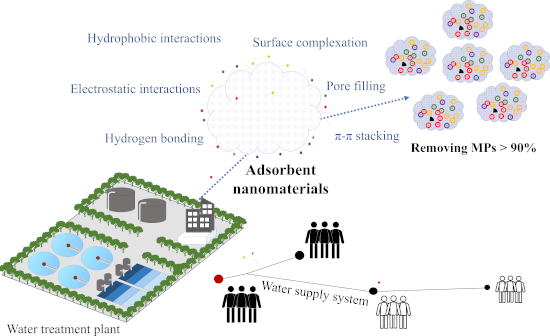
- reduced the volume of synthetic flocculant sludge [76]. By applying magnetic Fe3O4 nanoparticles, 83.1–92.9% of MPs with particle sizes ranging from 100 to 1000 nm were removed thanks to adsorption with magnetic separation [77]. These mechanisms are influenced significantly by factors like pH, ionic
- treatment processes [70][72][118]. A comprehensive understanding of the adsorption mechanisms, including surface interactions and environmental factors like pH and ionic strength, is essential to optimize these nanomaterials. Additionally, scaling laboratory findings to real-world applications remains a


Phytol-loaded soybean oil nanoemulsion as a promising alternative against Leishmania amazonensis
Beilstein J. Nanotechnol. 2025, 16, 1826–1836, doi:10.3762/bjnano.16.126

- phase inversion composition (PIC) method, and then characterized and evaluated. The PHYT-NE had a mean droplet diameter close to 200 nm, a polydispersity index of less than 0.2, spherical shape, and a pH value compatible with cutaneous application. The formulation showed high colloidal stability for at
- was evaluated over a period of 30 days by monitoring droplet size, PdI, zeta potential, and pH values. In parallel, the samples were subjected to centrifugation at two different speeds (960 and 8600g) to simulate stress conditions. After centrifugation, droplet size, PdI, and ZP were assessed over a
- by nanoemulsions with a mean diameter between 84.3 and 241.6 nm [37]. In this context, PHYT-NE exhibits suitable droplet size, low PdI, spherical shape, and a pH value within the physiological range of human skin, which suggests that it is a promising formulation for transdermal administration route


Further insights into the thermodynamics of linear carbon chains for temperatures ranging from 13 to 300 K
Beilstein J. Nanotechnol. 2025, 16, 1818–1825, doi:10.3762/bjnano.16.125
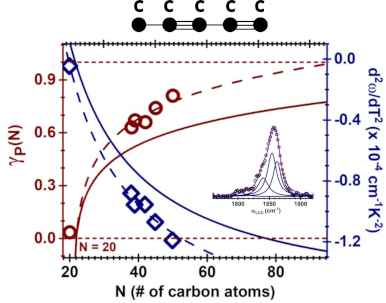
- parameter; linear carbon chains; Raman spectroscopy; Introduction Phonons, their mutual interactions (ph–ph interactions), and their interactions with electrons (e–ph interactions) play fundamental roles in how materials respond to electric (e.g., difference of potentials), thermal (e.g., temperature
- phonons, and gain and loss of energy of carriers [1][2][10][17][24][25][26][27][28]. The phonon lifetime as well as the selection rules behind ph–ph and e–ph interactions determine the efficiency of such phonon emission and absorption [1][2][10][17][24][25][26][27][28]. Phonons need to be in an excited
- temperature (T)-dependent phenomena are ruled by anharmonic ph–ph interactions, which are also driven by three- and four-phonon processes, and by e–ph interactions [1][2][3][4][5][6][7][8][9][10][11][12][13][14][15][16][17][18][19][20][21][22][23][24][25][26][27][28][29]. Therefore, phonon assignments in


![[Graphic 23]](/bjnano/content/inline/2190-4286-16-125-i25.svg?max-width=637&scale=1.18182)
Exploring the potential of polymers: advancements in oral nanocarrier technology
Beilstein J. Nanotechnol. 2025, 16, 1751–1793, doi:10.3762/bjnano.16.122
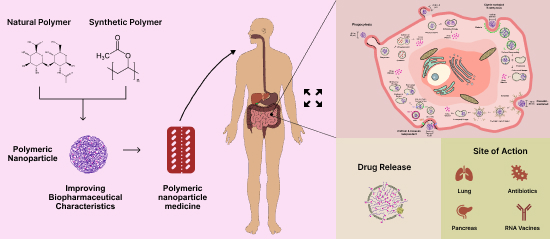
- (GIT), such as mucus and the intestinal epithelium [2][3]. The complex biochemical environment includes pH variations (ranging from 1 to 2.5 in the stomach to 7 to 8 in the colon), metabolizing enzymes (such as pepsin, lipase, peptidase, and amylases), and surfactants like bile salts and those produced
- . Consequently, these properties affect interactions with mucin, pH, ionic strength, and physiological variables such as mucus thickness, clearance, and nanoparticle size, which collectively shape the mucoadhesive profile of polymers, enhancing cellular absorption [72][73]. Thus, the physicochemical
- achieve this by destabilizing the membrane (Figure 3B). This process involves nanoparticle disassembly triggered by a pH decrease, leading to membrane disruption through interactions between the hydrophobic regions of the free polymer and the lipid membrane. Consequently, lipophilic polymeric moieties and


Advances of aptamers in esophageal cancer diagnosis, treatment and drug delivery
Beilstein J. Nanotechnol. 2025, 16, 1734–1750, doi:10.3762/bjnano.16.121
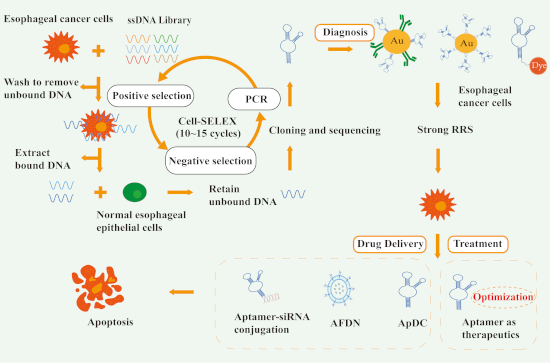
- advantages of high thermal, pH, and enzyme stability of RNA nanocarriers [106]. Li et al. first confirmed abnormal expression of miR-375 and EGFR in ESCC tissues, and modified EGFR aptamers on the surface of RNA nanovectors to achieve high loading and active targeting of miR-375 and PTX. MiR-375
- nanostructure has also been verified by other researchers in the treatment of triple negative breast cancer [128]. Scientists are also interested in intelligent drug delivery systems that control drug release by using pH [129], enzymes [130], hypoxia [131], or ATP as triggers to achieve on-demand therapy. Wang


Multifunctional anionic nanoemulsion with linseed oil and lecithin: a preliminary approach for dry eye disease
Beilstein J. Nanotechnol. 2025, 16, 1711–1733, doi:10.3762/bjnano.16.120
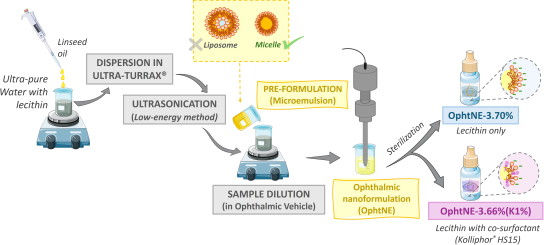
- 560 mg of monosodium phosphate, 284 mg of disodium phosphate, 500 mg of sodium chloride, 100 mg of disodium EDTA, and 0.1 mg of benzalkonium chloride in 100 mL of Milli-Q water (pH 7.3). To formulate 10 mL of ophthalmic nanoemulsion (OphtNE), 3.75 mL of the optimized pre-formulation (after 24 h at
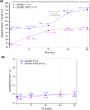
- determined by electrophoretic mobility using the same instrument at 25 °C. Calculations were based on the Smoluchowski model. All measurements were performed in triplicate and expressed as mean ± standard deviation. pH Value The pH value of the pre-formulation and nanoformulations was measured using a
- digital pH meter (HI2221, Hanna Instruments, BR) equipped with a calibrated glass electrode and a temperature sensor. The electrode and sensor were immersed in the samples, and pH readings were recorded once the measurements stabilized. Transmission electron microscopy The morphology of the nanoemulsions



Ambient pressure XPS at MAX IV
Beilstein J. Nanotechnol. 2025, 16, 1677–1694, doi:10.3762/bjnano.16.118
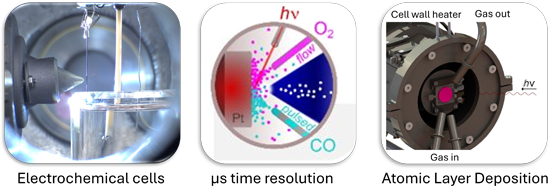
- understanding of corrosion mechanisms. Lundgren’s and Pan’s groups studied in situ, in 17 mbar of water vapor, the electrochemical oxide growth and breakdown on Ni-Cr-Mo industrial alloys in a NaCl solution at different pH values, by following the anodic growth of the oxide film at potentials up to 700 mV vs Ag





Prospects of nanotechnology and natural products for cancer and immunotherapy
Beilstein J. Nanotechnol. 2025, 16, 1644–1667, doi:10.3762/bjnano.16.116
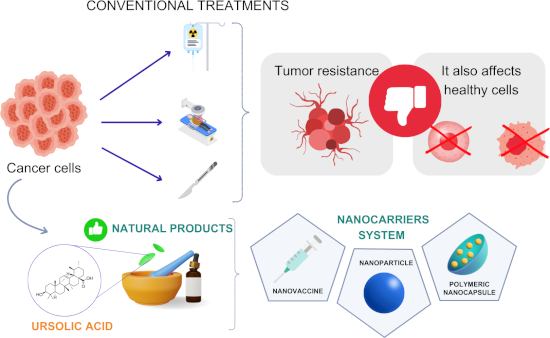
- traditional therapies. Advances in cancer nanotechnology include the development of smart nanocarriers capable of responding to internal stimuli (such as pH, redox potential, and enzymes) and external stimuli (such as magnetic fields, heat, or ultrasound), enabling precise and controlled drug release [16][17
- mechanisms involve inhibiting cell proliferation by disrupting the lysosomal system, increasing pH, and altering the lipid profile of cancer cells [113]. Additionally, ursolic acid can inhibit the differentiation of Th17 cells from the STAT3/RORβt pathway and the migration of these cells by down-regulating


Venom-loaded cationic-functionalized poly(lactic acid) nanoparticles for serum production against Tityus serrulatus scorpion
Beilstein J. Nanotechnol. 2025, 16, 1633–1643, doi:10.3762/bjnano.16.115
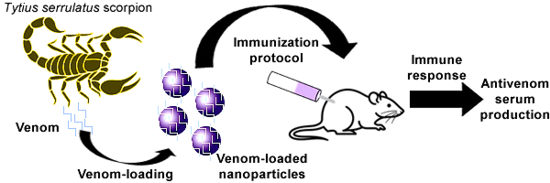
- ). The gel was stained with Coomassie Brilliant Blue R-250 solution and scanned [48]. In vitro protein release To monitor the protein release profile, 1.5 mL of venom-loaded nanoparticles (0.1% PLA w/v, 1% venom w/w) were suspended in 1 mL of phosphate buffer solution (pH 7.4, KH2PO4 0.05 mol⋅L−1), in a


Nanotechnology-based approaches for the removal of microplastics from wastewater: a comprehensive review
Beilstein J. Nanotechnol. 2025, 16, 1607–1632, doi:10.3762/bjnano.16.114
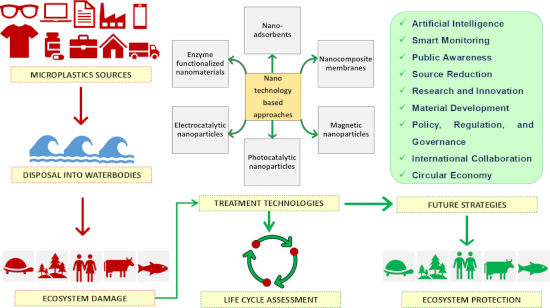
- environmental conditions and across a wide pH range, making them reliable materials for pollutant removal [83]. Sun et al. [84] studied the removal of MPs from water using a sustainable adsorbent composed of graphene oxide and chitin. The elastic nature of the sponge retains its high porosity, enabling
- impact their large-scale application. Additionally, their adsorption performance can decline under extreme pH conditions, necessitating pH adjustment to achieve optimal efficiency [114]. The mechanism involved in the removal of MPs using zeolite is shown in Figure 12. Membranes enhanced with carbon-based


Photocatalytic degradation of ofloxacin in water assisted by TiO2 nanowires on carbon cloth: contributions of H2O2 addition and substrate absorbability
Beilstein J. Nanotechnol. 2025, 16, 1567–1579, doi:10.3762/bjnano.16.111
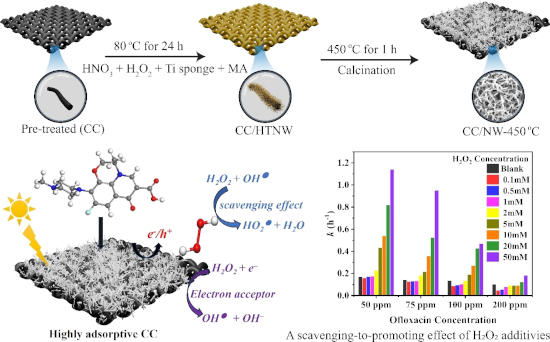
- photocatalytic degradation mechanism. Supporting Information File 1, Figure S7 explores the effect of the pH value on the OFL degradation efficiency. The highest degradation occurs at a slightly alkaline pH (pH 8), where ROS generation and pollutant adsorption onto TiO2 are the most favorable. Both strong acidic
- (pH 2) and highly basic (pH 12) conditions reduce the degradation efficiency, likely due to reduced ROS stability or altered surface interactions. It demonstrates that the carbon cloth-supported TiO2 nanowires are capable of functioning in wastewater with a wide pH range. The active radical species





