Search results
Search for "plant" in Full Text gives 159 result(s) in Beilstein Journal of Nanotechnology.
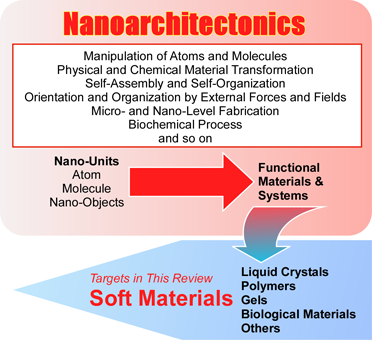
Soft materials nanoarchitectonics: liquid crystals, polymers, gels, biomaterials, and others
Beilstein J. Nanotechnol. 2025, 16, 1025–1067, doi:10.3762/bjnano.16.77






Synthesis of biowaste-derived carbon-dot-mediated silver nanoparticles and the evaluation of electrochemical properties for supercapacitor electrodes
Beilstein J. Nanotechnol. 2025, 16, 933–943, doi:10.3762/bjnano.16.71
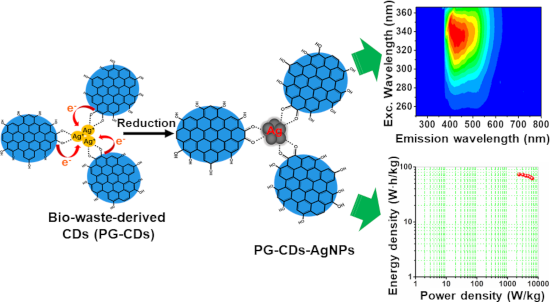
- approaches, researchers have synthesized AgNPs utilizing green synthetic strategies which incorporate the utilization of plant extracts as reducing agents and stabilizing agents instead of traditional synthetic reducing agents such as NaBH4 [16]. Eclipta alba, aloe vera, mint, and Corchorous olitorious are
- some of the plant extracts that have been selected as environmentally friendly reducing agents so far. However, the majority of these methods produce less stable and bigger particles, limiting their practical applicability and requiring more raw materials. CDs have a carbon core and surface functional
- . Instead of chemical precursors, plant materials such as mint, coriander, aloe, banana peel, and lemon were used to prepare carbon nanodots [20][21][22][23][24]. CDs have been recognized as green, effective agents for reducing metal ions to metal nanoparticles [25]. In this work, we focused on a green and


Efficiency of single-pulse laser fragmentation of organic nutraceutical dispersions in a circular jet flow-through reactor
Beilstein J. Nanotechnol. 2025, 16, 711–727, doi:10.3762/bjnano.16.55
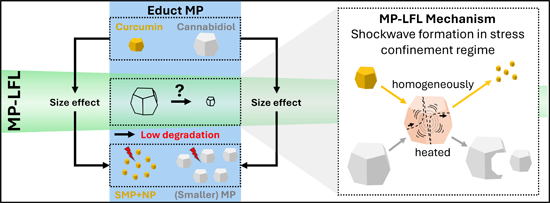
- properties being transiently affected by multiple laser pulses. Here, nutraceuticals, defined as plant-based foods with scientifically approved health-related effects [44][45], are a good model material as they, on the one hand, require sensitive processing methods and, on the other hand, are highly


A formulation containing Cymbopogon flexuosus essential oil: improvement of biochemical parameters and oxidative stress in diabetic rats
Beilstein J. Nanotechnol. 2025, 16, 617–636, doi:10.3762/bjnano.16.48
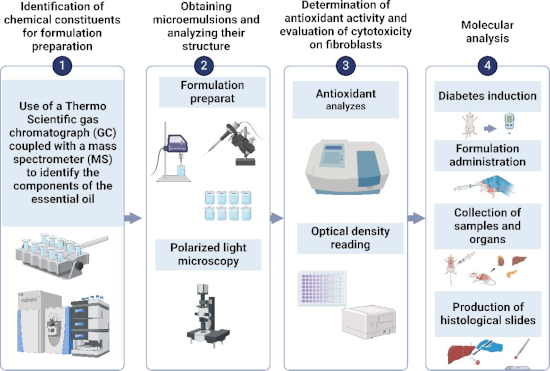
- levels of the kidney markers urea and creatinine, but there was a decrease in these markers after administration of Cymbopogon proximus suspension, made from ground seeds of the plant and suspended in double-distilled water. Sena-Junior et al. [12] found a reduction in uric acid levels in diabetic rats




Biomimetics and bioinspired surfaces: from nature to theory and applications
Beilstein J. Nanotechnol. 2025, 16, 418–421, doi:10.3762/bjnano.16.32

- ageing [3]. Gorb and Gorb [2] experimentally investigated how different plant waxes affect the attachment performance of leaf beetles and how the adhesive system of these beetles are vulnerable to the shape and dimensions of wax contaminations. A study on larger insects (stick insects) with a

Development of a mucoadhesive drug delivery system and its interaction with gastric cells
Beilstein J. Nanotechnol. 2025, 16, 371–384, doi:10.3762/bjnano.16.28

- alginate was blended with a plant-based polysaccharide [12] or used together with carboxymethylcellulose [25] to improve the mucoadhesion of the designs. To our knowledge, there are not many studies that use the properties of alginate and Eudragit RS100 polymer in a mucoadhesive gastroretentive delivery


Fabrication and evaluation of BerNPs regarding the growth and development of Streptococcus mutans
Beilstein J. Nanotechnol. 2025, 16, 308–315, doi:10.3762/bjnano.16.23
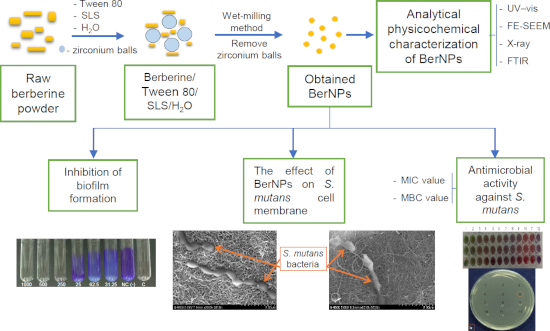
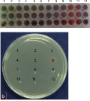
- -resistant bacteria and the associated adverse effects, such as allergies, have increased the prevalence of using natural compounds to treat bacterial diseases. Among these, berberine, a plant-based alkaloid traditionally used in medicine, has been recognized for its antibacterial, antiviral, and anti




Synthesis and the impact of hydroxyapatite nanoparticles on the viability and activity of rhizobacteria
Beilstein J. Nanotechnol. 2025, 16, 216–228, doi:10.3762/bjnano.16.17
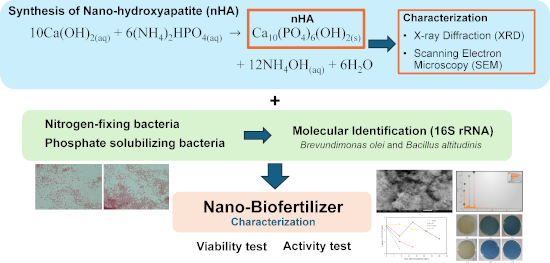
- rhizobacteria during plant application poses a significant challenge when utilizing rhizobacteria as biofertilizers, especially under adverse environmental conditions. Therefore, the selection of a suitable carrier material for rhizobacteria plays a crucial role in ensuring the sustained viability of these
- of both soil and water, and disruption of the natural ecosystem balance [1]. To tackle these pressing environmental challenges, a promising solution lies in adopting biofertilizers in agriculture, which involve harnessing microorganisms like plant growth promoting rhizobacteria. These microorganisms
- possess the potential to profoundly benefit plant growth, yield, and overall productivity. Moreover, they play a crucial role in bolstering plant resistance to pathogens, thereby enhancing plant resilience [2][3]. Preserving the viability of rhizobacteria during plant application presents a significant


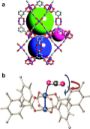
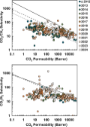
A review of metal-organic frameworks and polymers in mixed matrix membranes for CO2 capture
Beilstein J. Nanotechnol. 2025, 16, 155–186, doi:10.3762/bjnano.16.14




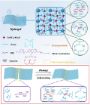
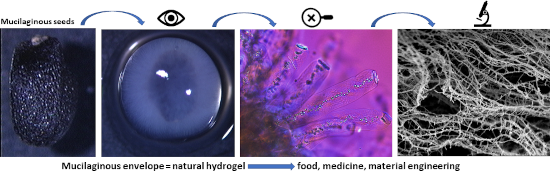
Natural nanofibers embedded in the seed mucilage envelope: composite hydrogels with specific adhesive and frictional properties
Beilstein J. Nanotechnol. 2024, 15, 1603–1618, doi:10.3762/bjnano.15.126
- Agnieszka Kreitschitz Stanislav N. Gorb University of Wrocław, Department of Plant Developmental Biology, ul. Kanonia 6/8, 50-328 Wrocław, Poland Kiel University, Department of Functional Morphology and Biomechanics, Am Botanischen Garten 9, D-24098 Kiel, Germany 10.3762/bjnano.15.126 Abstract
- hydrophilic, three-dimensional (3D), polymeric networks able to absorb huge amounts of water [1][2][3]. This term refers perfectly to the mucilage envelope produced by many fruits and seeds (diaspores) of diverse plant taxa [4][5][6][7][8][9]. Mucilage is considered as a natural hydrogel and shares specific
- features with synthetic hydrogels [2][9][10][11]. Hydrogels are 3D networks of polymers (i.e., polysaccharides in plant seeds) interacting via chemical bonds (ionic and covalent), physical interactions (hydrogen bonds), or van der Waals forces [3][11][12]. The ability to produce the mucilage envelope is a


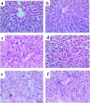
Liver-targeting iron oxide nanoparticles and their complexes with plant extracts for biocompatibility
Beilstein J. Nanotechnol. 2024, 15, 1593–1602, doi:10.3762/bjnano.15.125
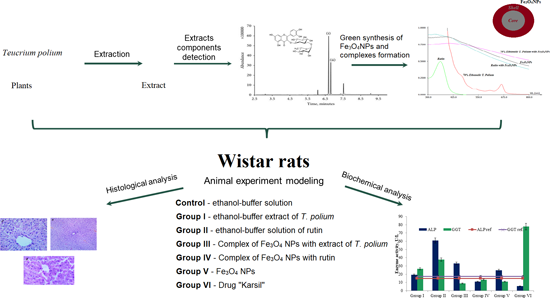
- the overall therapeutic and/or prophylactic effect. Therefore, the combined use of biocompatible NPs and medicinal plant extracts makes it potentially possible to achieve breakthroughs regarding new approaches to the treatment and prevention of diseases. The development of such complexes is a relevant
- issue in biomedicine with significant potential for practical application. In this work, we studied the biocompatibility and hepatotoxicity of Fe3O4 NPs both individually and in combination with plant extract from Teucrium polium (T. polium) and its active component rutin on the liver of healthy white
- (0.21 µg/mL) were detected via HPLC [50]. In this study, we synthesized by a chemical method monocrystalline, round Fe3O4 NPs with a diameter of 15 ± 4 nm [50][51]. Interaction of NPs with the plant extract and rutin leads to the formation of complexes, as demonstrated by spectral analysis [50]. The


Polymer lipid hybrid nanoparticles for phytochemical delivery: challenges, progress, and future prospects
Beilstein J. Nanotechnol. 2024, 15, 1473–1497, doi:10.3762/bjnano.15.118
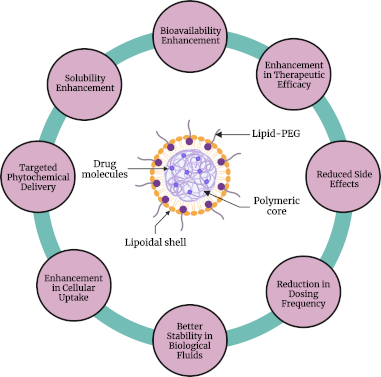
- diseases. Keywords: bioavailability; phytochemical; polymer lipid hybrid nanoparticles; solubility; stability; surface modification; Introduction Phytochemicals are naturally occurring compounds found in plants (from the Greek word “phyton” meaning plant) [1]. These bioactive compounds are responsible
- for the color, flavor, and aroma of plants, but more importantly, they contribute to the plant’s defense mechanisms against pathogens, pests, and environmental stresses. Beyond their role in plant biology, phytochemicals have gained significant attention for their potential health benefits in humans
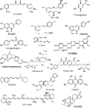
- below. Pharmaceutical attributes with major outcomes are summarized in Table 1 at the end of this section. Curcumin Curcumin (CUR) is a yellow, bioactive compound derived from the rhizome of the plant Curcuma longa, commonly known as turmeric [76]. This polyphenolic substance has been traditionally used


A biomimetic approach towards a universal slippery liquid infused surface coating
Beilstein J. Nanotechnol. 2024, 15, 1376–1389, doi:10.3762/bjnano.15.111
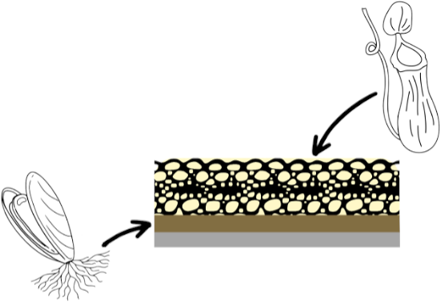
- biomimetic approach to surface passivation involves a series of surface coatings based on the slick surfaces of carnivorous pitcher plants (Nepenthes), termed slippery liquid-infused porous surfaces (SLIPS) [4]. When wetted, the slippery surfaces on the plant cause prey to slide into the bottom of the
- pitcher-like feature, where they are digested by the plant. Like the pitcher plant surfaces, SLIPS can repel adhesion through the formation of a liquid–liquid interface, unlike more standard surface passivation techniques that consist of a solid–liquid interface [16]. Within a SLIPS coating, a lubricant
- discoid platelets have a smaller area than active spread platelets, at approximately 2–10 μm2 and 20–50 μm2, respectively. Results and Discussion The overall goal was to, first, demonstrate that we can produce a universal coating that mimics the pitcher plant SLIPS by using the sticky chemistry provide by


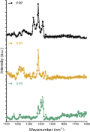


Green synthesis of carbon dot structures from Rheum Ribes and Schottky diode fabrication
Beilstein J. Nanotechnol. 2024, 15, 1369–1375, doi:10.3762/bjnano.15.110
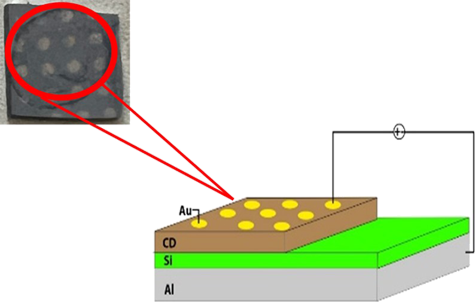
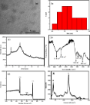
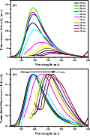
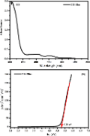
- , Turkey 10.3762/bjnano.15.110 Abstract In this study, we aimed to synthesize new carbon dot structures (CDs) in a single step by using the plant Rheum Ribes for the first time and to contribute to the studies in the field of diode fabrication by using the new CDs. The CDs were obtained by hydrothermal
- behavior. The results obtained from this study showed that CDs can be applied in the field of electronics, apart from sensor studies, which are common application areas. Keywords: carbon dot (CD) structures; green synthesis; Rheum Ribes plant; Schottky diode; Introduction One of the most current types of
- superior to other methods [8][9][10][11]. Rheum ribes, a member of the sorrel family, is a plant species that grows among stones, rocks, and slopes at an altitude of 1000–4000 m, especially in the regions of eastern Turkey, Iran, Iraq, Lebanon, Afghanistan, and Pakistan. This 40–150 cm long perennial




Hymenoptera and biomimetic surfaces: insights and innovations
Beilstein J. Nanotechnol. 2024, 15, 1333–1352, doi:10.3762/bjnano.15.107
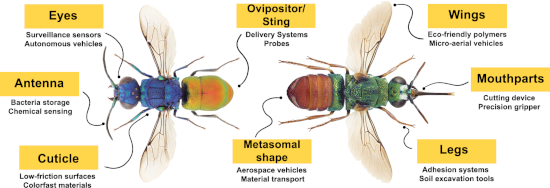
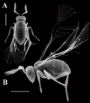
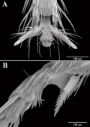
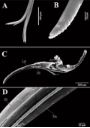
- morphological and functional innovations predominantly involve the slender waist of Apocrita wasps, the stinging mechanism observed in Aculeata, parasitoidism (a specialized form of carnivorous behavior), and secondary phytophagy (a reversion to plant-based feeding) [7]. Hymenoptera are also well known as the
- insect’s body surface such as the propodeum, mesosoma, just below the apex of the first metasomal tergum, and in some cases, within the genital chamber of species such as Ancistrocerus antilope (Vespidae) [200]. These structures could be integrated into drones, plant leaves, or stems, providing secure



Enhanced catalytic reduction through in situ synthesized gold nanoparticles embedded in glucosamine/alginate nanocomposites
Beilstein J. Nanotechnol. 2024, 15, 1227–1237, doi:10.3762/bjnano.15.99
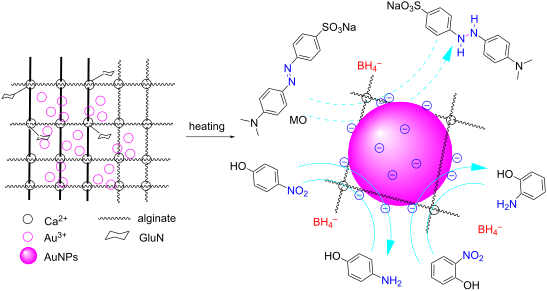
- ) and the cross-linker [17]. These materials find wide applications in drug delivery [18] and the encapsulation of nanometals [19][20]. Reduction of metallic ions can be achieved using various agents, including plant extracts [21]. This reduction typically involves two steps, namely, the loading of



Recent updates in applications of nanomedicine for the treatment of hepatic fibrosis
Beilstein J. Nanotechnol. 2024, 15, 1105–1116, doi:10.3762/bjnano.15.89
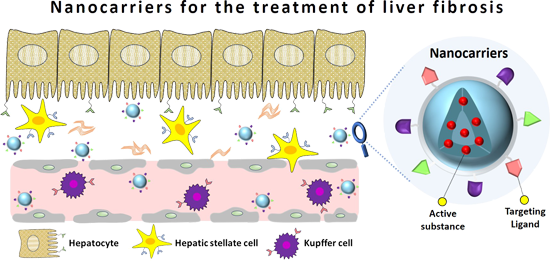
- plant-derived compounds, curcumin is an ideal representative of phytocompounds with antifibrosis activity. Despite a large volume of published reports on curcumin, curcumin’s major constraints in clinical trials include short biological half-life in plasma and low bioavailability. To solve these


The effect of age on the attachment ability of stick insects (Phasmatodea)
Beilstein J. Nanotechnol. 2024, 15, 867–883, doi:10.3762/bjnano.15.72

- attachment pads is assumed to result from adaptations towards these plant surfaces [23][29]. Phasmids possess smooth adhesive pads on their tarsomeres, the euplantulae, and one larger pad at the pretarsus, the arolium [30]. Investigations of the specific functionality of both euplantulae and the arolium by
- depend on plants for camouflage and nutrition, attachment to the plant surface is crucial for survival [11][14][21]. Their life history makes phasmids interesting study subjects for ageing research, as this lineage represents some of the largest insects known and species that have a prolonged life


When nanomedicines meet tropical diseases
Beilstein J. Nanotechnol. 2024, 15, 830–832, doi:10.3762/bjnano.15.69
- important contribution to this thematic issue focused on development of nanoemulsions containing plant-based insecticides for vector control. In this work, Duarte and colleagues developed and characterized nanoemulsions encapsulating monoterpenes, which exhibited significant lethality against third-instar
Functional fibrillar interfaces: Biological hair as inspiration across scales
Beilstein J. Nanotechnol. 2024, 15, 664–677, doi:10.3762/bjnano.15.55
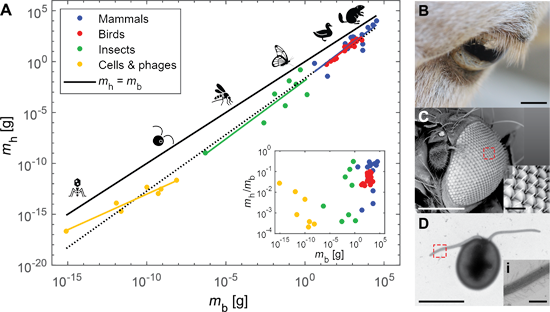
- , hair-like trichomes on plant surfaces [27]. Overall, to promote homeostasis in plants, animals, bacteria, and bacteriophages, fibrillar structures contribute to the following functions: protection (e.g., thermal insulation and defense), locomotion and feeding, and sensing. This review will present how


Radiofrequency enhances drug release from responsive nanoflowers for hepatocellular carcinoma therapy
Beilstein J. Nanotechnol. 2024, 15, 569–579, doi:10.3762/bjnano.15.49
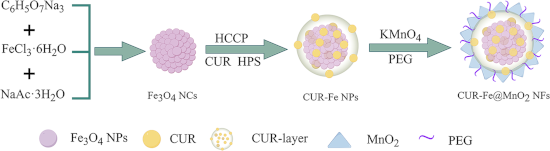
- pursuit of enhanced therapeutic effects and reduced side effects [9]. Among these, curcumin (CUR), a natural plant-derived polyphenolic drug, has garnered considerable attention due to its potential in treating HCC [10][11][12][13]. Curcumin can promote HCC cell apoptosis by activating p38, a cancer
- through the enhanced permeability and retention (EPR) effect, thereby extending the drug circulation time and improving its accumulation and effective release within tumors [9][22][23]. The newly developed class of nanoparticles with a structure similar to that of plant flowers is called nanoflowers (NFs


Potential of a deep eutectic solvent in silver nanoparticle fabrication for antibiotic residue detection
Beilstein J. Nanotechnol. 2024, 15, 426–434, doi:10.3762/bjnano.15.38
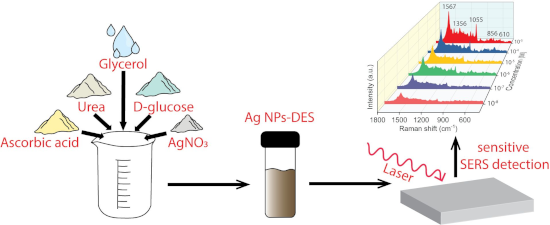
- by different kinds of surfactants such as cetyltrimethylammonium bromide [20][21], polyvinylpyrrolidone [18], and sodium dodecyl sulfate [21][22]. However, these chemicals have many negative effects on the environment including microbial, plant, soil, and marine ecosystems as reported by Rebello and


Classification and application of metal-based nanoantioxidants in medicine and healthcare
Beilstein J. Nanotechnol. 2024, 15, 396–415, doi:10.3762/bjnano.15.36
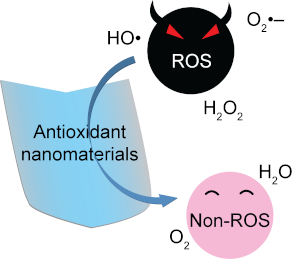
- completely stop the aging process [7][123]. In this context, antioxidant supplementation is regarded as an efficient strategy to defend humans against aging. Natural compounds from plant-derived extracts such as polyphenols, tocopherols, carotenoids, and ascorbic acid are the most important and common


Insect attachment on waxy plant surfaces: the effect of pad contamination by different waxes
Beilstein J. Nanotechnol. 2024, 15, 385–395, doi:10.3762/bjnano.15.35
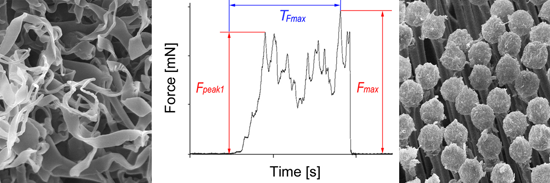
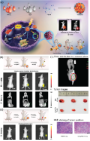
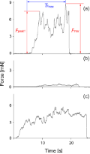
- contamination of insect adhesive pads with three-dimensional epicuticular waxes of different plant species contributes to the reduction of insect attachment. We measured traction forces of tethered Chrysolina fastuosa male beetles having hairy adhesive pads on nine wax-bearing plant surfaces differing in both
- shape and dimensions of the wax structures and examined insect adhesive organs after they have contacted waxy substrates. For comparison, we performed the experiments with the same beetle individuals on a clean glass sample just before (gl1) and immediately after (gl2) the test on a plant surface. The
- tested insects showed a strong reduction of the maximum traction force on all waxy plant surfaces compared to the reference experiment on glass (gl1). After beetles have walked on waxy plant substrates, their adhesive pads were contaminated with wax material, however, to different extents depending on




Assessing phytotoxicity and tolerance levels of ZnO nanoparticles on Raphanus sativus: implications for widespread adoptions
Beilstein J. Nanotechnol. 2024, 15, 115–125, doi:10.3762/bjnano.15.11
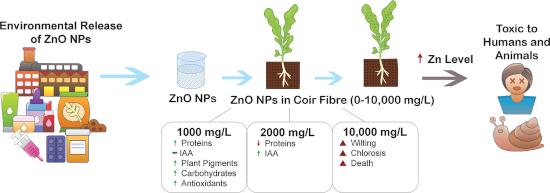
- . sativus at concentrations above 1000 mg/L, caution is advised in the application and release of ZnO NPs, highlighting the importance of responsible practices to mitigate harm to plant life and consumer health. The study demonstrated the tolerance of R. sativus to high Zn levels, classifying it as a Zn
- /g [2]. This suggests the use of organic and inorganic Zn fertilizers to address and alleviate the Zn deficiency and enhance crop yields in Zn-deficient soils [2]. However, when Zn fertilizers are added to soils, Zn gradually changes from the more reactive, readily absorbable, plant-available forms
- nanoparticle uptake, transport, and bioaccumulation in the food chain when ZnO NPs reach the soil, which positively or negatively affects plant growth and productivity [16]. For instance, ZnO NPs at an optimum concentration of 0.13 g/L promoted seed germination and root growth of groundnut (Arachis hypogaea L