


Search results
Search for "room temperature" in Full Text gives 1452 result(s) in Beilstein Journal of Nanotechnology. Showing first 200.
Durable antimicrobial activity of fabrics functionalized with zeolite ion-exchanged nanomaterials against Staphylococcus aureus and Escherichia coli
Beilstein J. Nanotechnol. 2026, 17, 262–274, doi:10.3762/bjnano.17.18
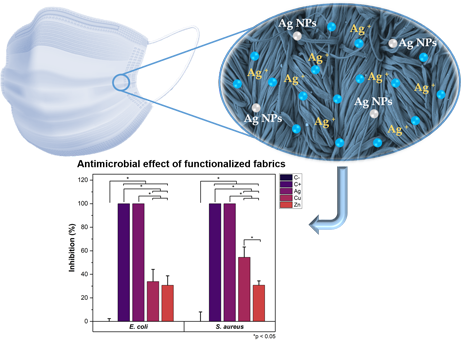
- fabrics were dried at room temperature for one day. A 10% (w/w) acrylic resin (Acrylic binder 005, Royal Talens Company, Apeldoorn, Netherlands, chemical composition: 5-chloro-2-methyl-2H-isothiazol-3-one; 2-methyl-2H-isothiazol-3-one; 1,2-benzisothiazol-3(2H)-one) was used as a binding agent to
- constant stirring at 5 rpm at 40 °C for 15 min per wash cycle, followed by drying at room temperature for 24 h between cycles. The antimicrobial properties of washed fabrics were evaluated after fourth washing cycle. Antibacterial activity of functionalized fabrics Antimicrobial activity experiments




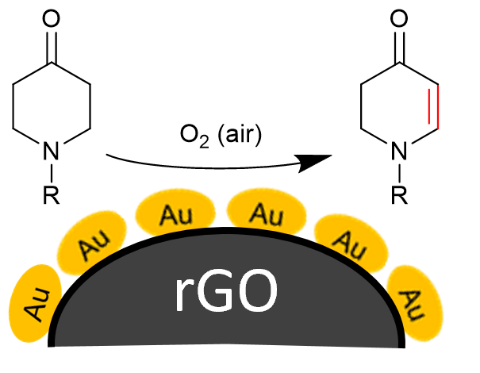
Gold nanoparticle-decorated reduced graphene oxide as a highly effective catalyst for the selective α,β-dehydrogenation of N-alkyl-4-piperidones
Beilstein J. Nanotechnol. 2026, 17, 218–238, doi:10.3762/bjnano.17.15


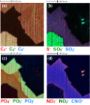
Time of flight secondary ion mass spectrometry imaging of contaminant species in chemical vapour deposited graphene on copper
Beilstein J. Nanotechnol. 2026, 17, 200–213, doi:10.3762/bjnano.17.13
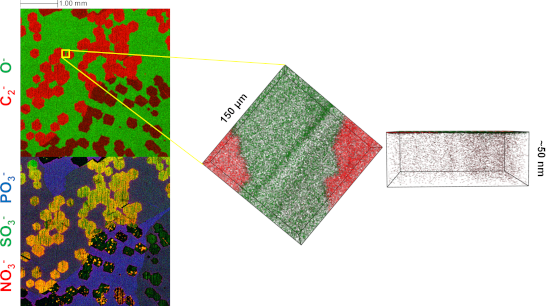
- reactor cooled to room temperature in an Ar only atmosphere. During all stages of the process, a pressure of 50 mbar was regulated via a PID controlled outlet valve. Ex situ ToF-SIMS measurements were performed using a TOF SIMS IV instrument (ION-TOF Gmbh, Germany) at a vacuum pressure of <5 × 10⁻⁹ mbar
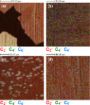
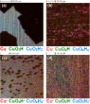


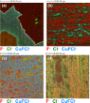



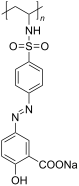
Structure-dependent thermochromism of PAZO thin films: theory and experiment
Beilstein J. Nanotechnol. 2026, 17, 186–199, doi:10.3762/bjnano.17.12
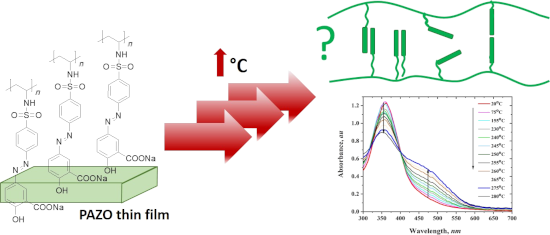
- spectra for PAZO thin films at different temperatures were recorded upon heating as the temperature of the sample heater was gradually increased from room temperature (r.t.) to 300 °C (Figure 2A) at a rate of 5 °C/min and (Figure 2B) at a rate of 1 °C/min. The absorbance in the 450–550 nm region gradually
- , there is still no significant change in the spectrum compared to that at room temperature. After heating above 84 °C the spectrum starts to change with the band around 450–550 nm increasing until a critical temperature (≈230 °C) is reached, after which further heating no longer increases the absorption


Influence of surface characteristics on the in vitro stability and cell uptake of nanoliposomes for brain delivery
Beilstein J. Nanotechnol. 2026, 17, 139–158, doi:10.3762/bjnano.17.9
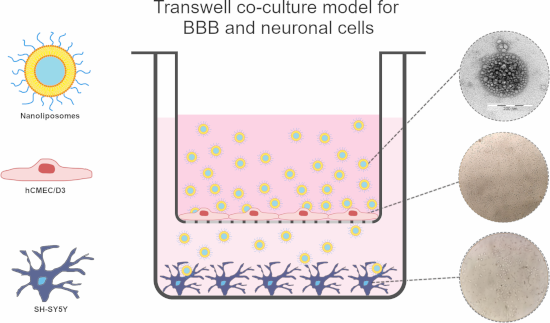
- ; ULTRASONS-H, J.P. Selecta), vortexing (Tehtnika, EV-102, Slovenia), and manual mixing at room temperature. The prepared liposomes underwent high shear homogenization (24,000 rpm for 5 min; Ultra-Turrax T25, IkaWerke, Germany) and were then incubated at 4–8 °C for 24 h. Finally, the liposomal dispersion was
- vortexed for 5 s and centrifuged in an Eppendorf centrifuge (Eppendorf 5810R (Hamburg, Germany)) at 13.000 rpm at room temperature for 30 min. All pellets were then washed three times with 1 mL of PBS (Gibco, Cat AM9624), and after each wash the supernatant was collected. Next, samples with pellets were
- % CO2). After incubation (4 h, 37 °C and 5% CO2) with the previously labeled NLs with the Dil fluorescent dye, the cells were washed twice with PBS and fixed with 3.7% paraformaldehyde for 20 min at room temperature. After washing the cells with PBS, the cytoskeleton was stained with Alexa FluorTM




Development and in vitro evaluation of liposomes and immunoliposomes containing 5-fluorouracil and R-phycoerythrin as a potential phototheranostic system for colorectal cancer
Beilstein J. Nanotechnol. 2026, 17, 97–121, doi:10.3762/bjnano.17.7
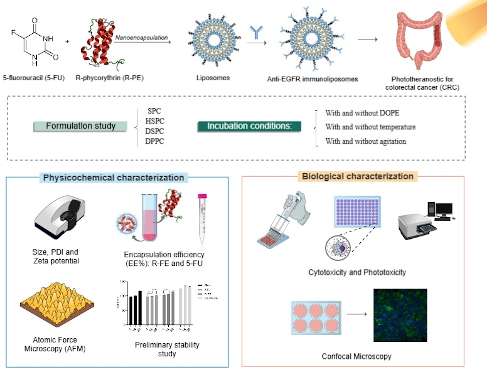
- film evaporation method, as previously described. The fractions containing thiolated cetuximab (fractions 4–6) were then combined with the liposomes and the mixture was incubated overnight for 20 h, at room temperature, stirred at 200 rpm. Unconjugated antibodies were removed by chromatography on a
- drying for 15 min at room temperature. The analyses were conducted in air, using the tapping mode to prevent damage to the sample surface, by using a PPP-NCSTAu probe (Nanosensors®, Switzerland), with frequency resonance of 125 kHz and spring constant of 5.0 N/m. The scan rate was 1.5 s per line. The
- exhibited larger vesicle sizes than those composed of SPC. A plausible explanation is that these phospholipids possess a higher bending modulus of the lipid bilayer at room temperature, rendering the membrane less flexible and more rigid compared to SPC, which is known for forming more fluid and deformable



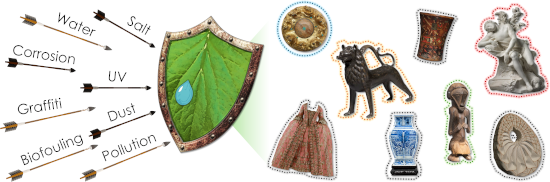
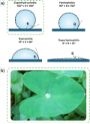
Functional surface engineering for cultural heritage protection: the role of superhydrophobic and superoleophobic coatings – a comprehensive review
Beilstein J. Nanotechnol. 2026, 17, 63–96, doi:10.3762/bjnano.17.6




Reduced graphene oxide paper electrode for lithium-ion cells – towards optimized thermal reduction
Beilstein J. Nanotechnol. 2026, 17, 24–37, doi:10.3762/bjnano.17.3
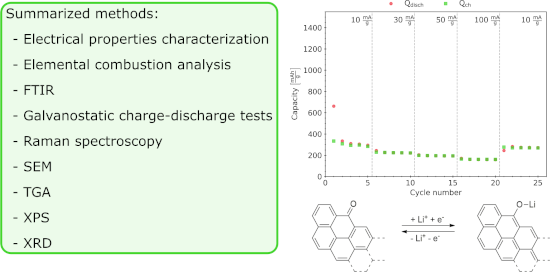
- the G-Flake® reduced graphene oxide paper samples were determined using HMS Ecopia 5500 equipment in Van der Pauw configuration. For this method, samples were cut to a size of 1 cm × 1 cm. The measurements were conducted at room temperature. Values reported in this work are the average of ten
- the reduced graphene oxide paper sheets were free-standing, no additional current collector was applied for these tests. The assembled prototype cells underwent galvanostatic charge–discharge tests (using Atlas 0961 Multichannel Battery tester) at room temperature. Starting after 20 h of rest after



Quantitative estimation of nanoparticle/substrate adhesion by atomic force microscopy
Beilstein J. Nanotechnol. 2026, 17, 1–14, doi:10.3762/bjnano.17.1

- sharp tip, the AFM investigation can proceed with the next sample without the need for recalibrating the cantilever. All AFM measurements were performed using an Asylum Research MFP 3D microscope at room temperature and under ambient conditions. AFM probes of type qp-CONT-10 provided by Nanosensors were
- bias V. The density ρ was assumed to be the room-temperature bulk density of Cu with 8935 kg·m−3 [52]. The parameters A and b, taken from the literature, are 188 m1.35·s−1 and 0.35, respectively [45], and d represents the NP diameter. NP charge states may vary as neutral, single, or multiple, while



Internal 3D temperature mapping in biological systems using ratiometric light-sheet imaging and lipid-coated upconversion nanothermometers
Beilstein J. Nanotechnol. 2025, 16, 2306–2316, doi:10.3762/bjnano.16.159
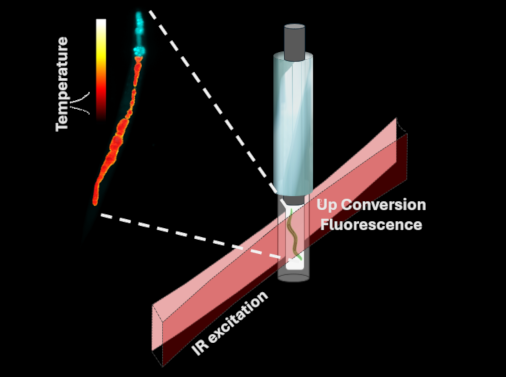
- -dispersible UCNPs@lipids solution had a UCNP concentration of 1 mg·mL−1 and was stored at room temperature for subsequent use and characterization. Evidence of obtaining such a water-dispersible solution was previously reported in [40]. Figure 2 compares the as-purchased nanoparticles dispersed in toluene
- OP50. Nematode transfer was performed every two days, moving a chunk of agar from a three-to-five-day-old plate to a new NGM plate seeded with E. coli. The nematodes were cultivated at room temperature (≈23 °C). C. elegans feeding with UCNPs To feed the nematodes with UCNPs, ten to twelve nematodes


Improving magnetic properties of Mn- and Zn-doped core–shell iron oxide nanoparticles by tuning their size
Beilstein J. Nanotechnol. 2025, 16, 2285–2295, doi:10.3762/bjnano.16.157
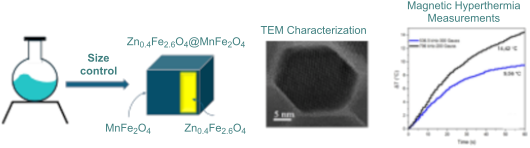
- NPs (see Table 1) and 52.61 mL of benzyl ether (276.77 mol) [14][15]. The mixture was heated under an argon atmosphere (flow rate of ≈100 mL·min−1) at a rate of 5 °C·min−1 to 290 °C and maintained at this temperature for 30 min. After cooling to room temperature under ambient conditions, ethanol (100
- was heated in an argon atmosphere (flow rate of ca. 100 mL·min−1) at a rate of 5 °C·min−1 to 290 °C and maintained at this temperature for 30 min. After cooling to room temperature under ambient conditions, ethanol (100 mL) was added to precipitate the nanoparticles. The resulting black solid was
- -background sample holder. The latter was installed on a rotating spinner to allow the highest number of grains to be in diffraction position, and the XRD patterns were recorded at room temperature. The nanoparticles were annealed at 300 °C to remove all the traces of the solvent. in an Anton Paar 1200N oven



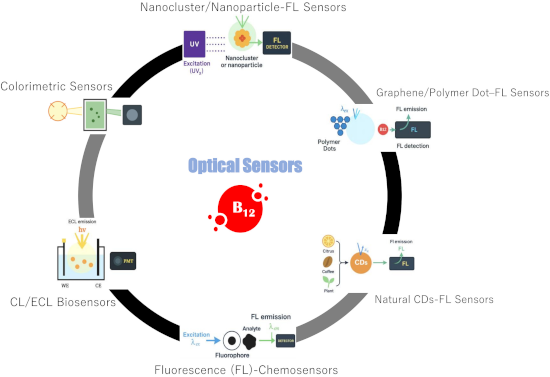
Optical bio/chemical sensors for vitamin B12 analysis in food and pharmaceuticals: state of the art, challenges, and future outlooks
Beilstein J. Nanotechnol. 2025, 16, 2207–2244, doi:10.3762/bjnano.16.153


Ultrathin water layers on mannosylated gold nanoparticles
Beilstein J. Nanotechnol. 2025, 16, 2183–2198, doi:10.3762/bjnano.16.151
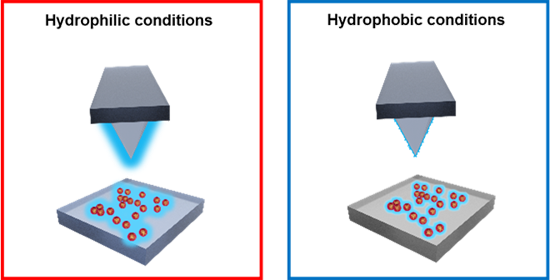
- evaporated under nitrogen flow. The VSFG experiments were achieved under dry air flushing at room temperature (24 °C) at four different center frequencies to measure the complete CH and OH stretching region in the broadband infrared. The tunable infrared laser produced femtosecond pulses of ca. 5.5 mW (at



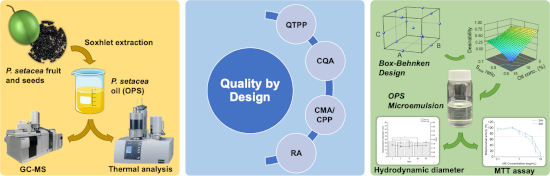
Quality by design optimization of microemulsions for topical delivery of Passiflora setacea seed oil
Beilstein J. Nanotechnol. 2025, 16, 2116–2131, doi:10.3762/bjnano.16.146
- . Accordingly, the microemulsions were evaluated for their shear stress and viscosity at both room temperature (25 ± 2 °C) and skin temperature (32.5 ± 2 °C). Microemulsions can exhibit diverse rheological behaviors depending on their type, structure, droplet density, and interdroplet interactions [49]. As
- , the organic (n-hexane) layer was collected and washed three times with saturated NaCl solution to remove residual reagents. A 200 µL aliquot of the organic phase was then dried at room temperature in pre-weighted vials. FAME quantification was performed using a gas chromatograph (GC Agilent 8860
- temperature (25 °C) and skin temperature (32.5 °C) [13]. All measurements were carried out in triplicate. Microemulsion stability tests The physicochemical stability of the optimized microemulsion and its gelled form was monitored over 60 days at room temperature (25 ± 2 °C). Stability parameters included


Rapid synthesis of highly monodisperse AgSbS2 nanocrystals: unveiling multifaceted activities in cancer therapy, antibacterial strategies, and antioxidant defense
Beilstein J. Nanotechnol. 2025, 16, 2105–2115, doi:10.3762/bjnano.16.145
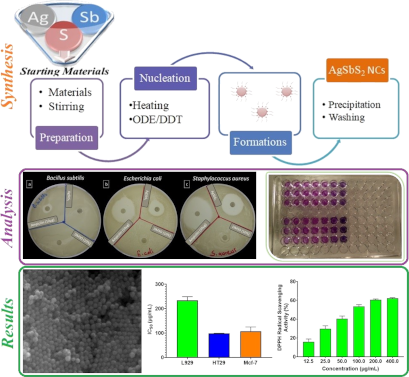
- at room temperature (25 °C) for 30 min under Ar flow. Then the reaction medium was started to be heated and when the reaction medium reached 160 °C, freshly prepared 1-DDT (0.52 mL) and t-DDT (3.52 mL) mixture was rapidly injected into the hot reaction medium under vigorous stirring. The synthesis
- was maintained at this temperature for 5 min, after which the reaction mixture was allowed to cool to room temperature. The obtained products were then precipitated using an ethanol/toluene mixture and subsequently collected by centrifugation (6500 rpm for 1 min). Antibacterial activities of AgSbS2
- ). DPPH and nanoparticle mixed solutions were used as sample, while only DPPH solution was used as negative control and ascorbic acid was used as a positive control. The samples were kept in the dark at room temperature for 30 min of incubation, and the change in color was monitored, using a microplate


Stereodiscrimination of guests in chiral organosilica aerogels studied by ESR spectroscopy
Beilstein J. Nanotechnol. 2025, 16, 2034–2054, doi:10.3762/bjnano.16.140
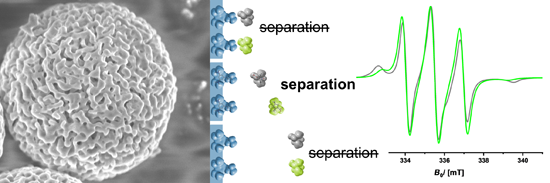
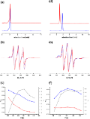
- low temperatures, there is a notable fraction of surface-adsorbed species, which indicates that there is weak confinement and weak interaction between the pore walls and 3CP. The data recorded at room temperature shows no indication of surface-adsorbed compounds, and only quickly rotating 3CP is seen
- temperature until almost all spin probes are mobile at room temperature (Figure 4b). The interaction enthalpy of the spin probe with the pore walls of the aerogel is relatively low, and, together with the relatively large size of the pores, a higher temperature easily induces detachment from the surfaces. If
- (+)- and (−)-3CP dissolved in ethanol/pentane and inside Chiralpak IG-3, that is, for the situation for which we know that there is successful stereoselection even at room temperature. One sees how the position of the signal shifts to higher fields with increasing temperature because the spin probes can




Beyond the shell: exploring polymer–lipid interfaces in core–shell nanofibers to carry hyaluronic acid and β-caryophyllene
Beilstein J. Nanotechnol. 2025, 16, 2015–2033, doi:10.3762/bjnano.16.139
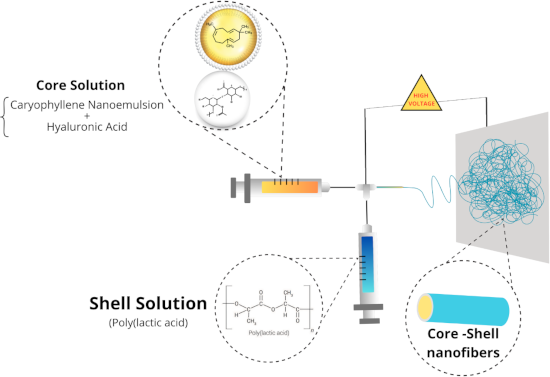
- solution was prepared by dissolving PLA in a 2:8 (v/v) mixture of DMF and chloroform. The core solution was composed of HA at varying concentrations, solubilized in 0.9% (w/v) sodium chloride solution (physiological saline) under constant stirring at room temperature until fully dissolved. To incorporate
- SEM imaging of the cross-section of the HA+NE2/PLA sample was performed before and after core removal to observe the core–shell structure. For core removal, a portion of the sample was washed multiple times with distilled water, followed by ethanol, and then dried at room temperature. Samples, both




Laser ablation in liquids for shape-tailored synthesis of nanomaterials: status and challenges
Beilstein J. Nanotechnol. 2025, 16, 1963–1997, doi:10.3762/bjnano.16.137
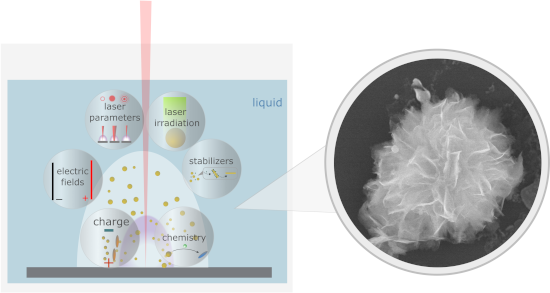
- room temperature. At an intermediate stage, the particles are organized in a network structure. The self-assembly processes can result in one-dimensional nanomaterials as well. Yang et al. [31] fabricated ZnSe nanowires through the self-assembly of ≈ 50 nm seed NPs, which were first generated by
- modification and oxidation, and influencing the processes of ageing, oxidation, aggregation, and agglomeration. As a result, in [36], the increase of the ambient temperature was demonstrated to induce oriented growth of the NPs with the formation of nanospindles, whereas at room temperature only isotropic




Quantum circuits with SINIS structures
Beilstein J. Nanotechnol. 2025, 16, 1931–1941, doi:10.3762/bjnano.16.134
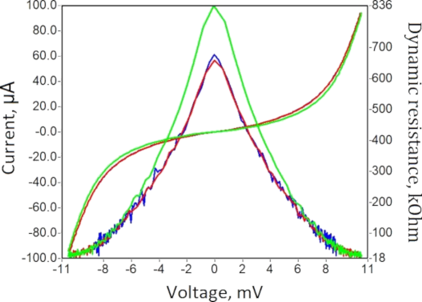
- measurements with a room-temperature JFET readout system and can be improved by upgrading the readout electronics). As an example, some measured characteristics of the SINIS detectors are given in Figure 7. The amplifier voltage noise is 20 nV·Hz−1/2, the optimal input impedance for this amplifier is 500 kΩ


Low-temperature AFM with a microwave cavity optomechanical transducer
Beilstein J. Nanotechnol. 2025, 16, 1873–1882, doi:10.3762/bjnano.16.130
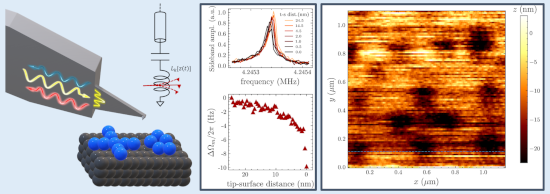
- fine positioning (Attocube anpz 102/LT/HV, ansxyz 100/LT/HV). Twisted pairs and coaxial cables are coiled to make springy electrical connections to the AFM. Thermal anchoring of the various parts is achieved by copper braids with multiple zig-zag folds. At room temperature, the resonance frequency of


Self-assembly and adhesive properties of Pollicipes pollicipes barnacle cement protein cp19k: influence of pH and ionic strength
Beilstein J. Nanotechnol. 2025, 16, 1863–1872, doi:10.3762/bjnano.16.129
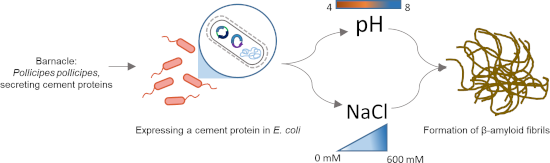
- (100 µL) were mixed with 100 µL of 40 µM ThT prepared in the sample buffer at the same pH and incubated at room temperature for 5 min. Fluorescence emission was recorded at 482 nm using a Varioskan Flash spectrofluorometer in a black polystyrene 96-well plate, with excitation at 440 nm and a bandwidth


Phytol-loaded soybean oil nanoemulsion as a promising alternative against Leishmania amazonensis
Beilstein J. Nanotechnol. 2025, 16, 1826–1836, doi:10.3762/bjnano.16.126

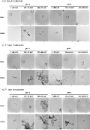
- -solvent, Tween® 80, and ʟ-α-phosphatidylcholine (PC), as surfactants. For nanoemulsions containing phytol, 10 mg/g of the drug was added to OP. Subsequent to the nanoemulsification step, the nanoemulsions were transferred into hermetically sealed glass vials and stored at room temperature for further
- , USA), following a protocol adapted from Saberi et al. (2013) [41]. After centrifugation, samples were analyzed regarding droplet size, PdI, and ZP. All measurements were performed in triplicates at room temperature (25 ± 2 °C). In addition, colloidal stability of non-centrifuged nanoemulsions was
- Company, Hillsboro, OR, USA). The samples were diluted in purified water at a 1:20 (v/v) ratio, and a drop of the diluted suspension was deposited onto square-mesh copper grids and allowed to adsorb for 2 min. The grids were then air-dried at room temperature prior to imaging. Cytocompatibility Mammalian


Electrical, photocatalytic, and sensory properties of graphene oxide and polyimide implanted with low- and medium-energy silver ions
Beilstein J. Nanotechnol. 2025, 16, 1794–1811, doi:10.3762/bjnano.16.123
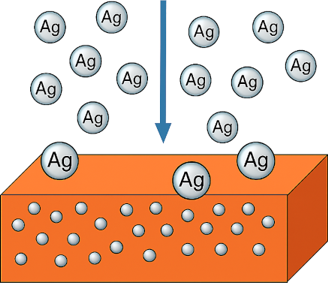
- ion accelerator (Tandetron 4130 MC) at Nuclear Physics Institute of the CAS, Rez, Czechia. The ion implantation was performed at room temperature. GO and PI were implanted with Ag+ ions at fluences of 3.75 × 1012 cm−2, 3.75 × 1014 cm−2, and 1.0 × 1016 cm−2. The ion current during the implantation was


Multifunctional anionic nanoemulsion with linseed oil and lecithin: a preliminary approach for dry eye disease
Beilstein J. Nanotechnol. 2025, 16, 1711–1733, doi:10.3762/bjnano.16.120
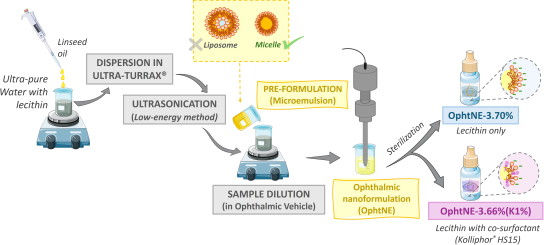
- pore size) and stored at room temperature. The hydrophilic nature of PES facilitates filtration of lipid-based nanoemulsions, while potential retention of larger or deformable droplets may occur without compromising overall stability. Surfactant concentration in the pre-formulations Pre-nanoemulsions
- room temperature (25 °C) and elevated temperature (75 °C) are summarized in Table 2. Visually, heating LO to 75 °C did not result in any noticeable changes in color or turbidity; the oil maintained its original yellowish hue and translucent appearance, as shown in Figure 1a. The observed density of LO



Beyond the bilayer: multilayered hygroscopic actuation in pine cone scales
Beilstein J. Nanotechnol. 2025, 16, 1695–1710, doi:10.3762/bjnano.16.119
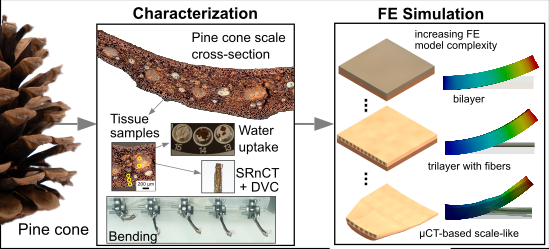
- Pinus jeffreyi tree growing in the Botanical Garden in Freiburg im Breisgau, Germany, and were collected from the ground in February 2022, after they had already opened and dispersed most of their seeds. Following collection, the cones were stored in a climate-controlled environment at room temperature





