Search results
Search for "selectivity" in Full Text gives 318 result(s) in Beilstein Journal of Nanotechnology. Showing first 200.
Prospects of nanotechnology and natural products for cancer and immunotherapy
Beilstein J. Nanotechnol. 2025, 16, 1644–1667, doi:10.3762/bjnano.16.116
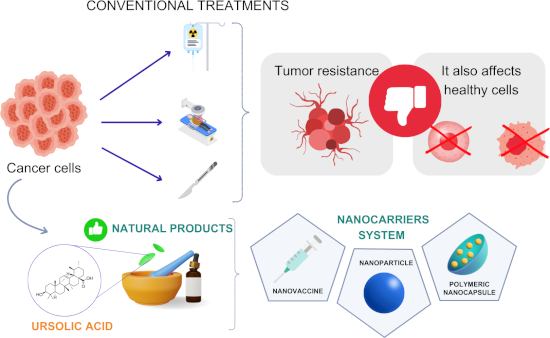
- Figure 5, it is possible to identify their relationships with cancer control and immunotherapy. For instance, terpenoids such as ursolic acid, oleanollonidamine, exhibit variations in selectivity and potency against cancer cells, depending on the presence of methoxylations at positions 3 and 20 [80][81
- activate the immune system [86][87][88]. Finally, alkaloids and their derivatives, such as lonidamine, exhibit variations in selectivity and potency against cancer cells, depending on the presence and position of hydroxy, methoxy, or alkyl groups, as well as modifications to the nitrogen atom [89][90][91
- inflammatory and oxidative effects, posing a risk to the lungs, liver, and kidneys [27]. Regarding the use of natural products, nanoparticles can increase the bioavailability, pharmacokinetics, and selectivity of compounds toward cancer cells, thereby improving their solubility and delivery [103]. Moreover


Nanotechnology-based approaches for the removal of microplastics from wastewater: a comprehensive review
Beilstein J. Nanotechnol. 2025, 16, 1607–1632, doi:10.3762/bjnano.16.114
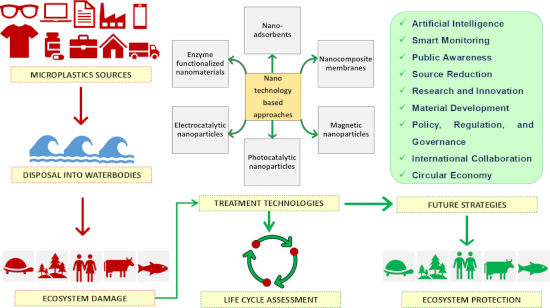
- water and wastewater [77][78][79][80][81]. However, traditional adsorbents often exhibit limitations such as poor selectivity, low specific surface area, a limited number of active sites, and slow adsorption rate. In addition, regeneration cycles and short adsorption can affect the cost-effectiveness of
- offer a promising approach [55]. Nanoadsorbents possess a higher specific surface area and a large number of active sites, contributing to their rapid processing, enhanced selectivity, and extended adsorption–regeneration cycles [80]. In addition, nanomaterials also exhibit excellent reactivity
- seawater and brackish water [111]. The physical mechanisms involved in the removal of pollutants are schematically represented in Figure 9 and explained in Table 5 [112]. Membrane technology faces a key limitation in balancing selectivity with permeability, often resulting in a compromise between the two


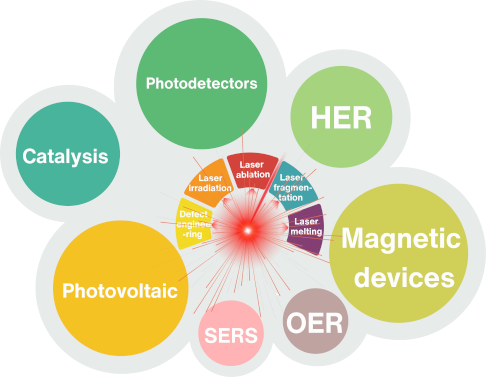
Laser processing in liquids: insights into nanocolloid generation and thin film integration for energy, photonic, and sensing applications
Beilstein J. Nanotechnol. 2025, 16, 1428–1498, doi:10.3762/bjnano.16.104






Synthesis and antibacterial properties of nanosilver-modified cellulose triacetate membranes for seawater desalination
Beilstein J. Nanotechnol. 2025, 16, 1380–1391, doi:10.3762/bjnano.16.100
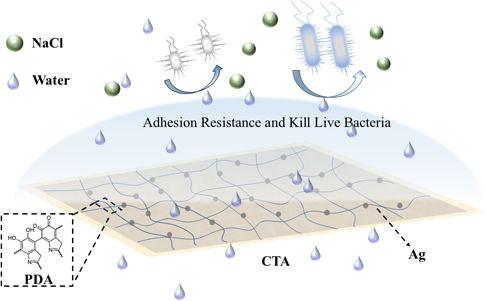
- water supply methods [13]. Additionally, traditional membranes face challenges such as the trade-off between permeability and selectivity, as well as susceptibility to biological pollution [14][15]. Biofouling, which involves attachment, growth, reproduction, and proliferation of microorganisms on the
- membrane surface, significantly reduces the efficiency of water production [16]. Therefore, there is an urgent need to enhance membrane properties to achieve both high permeability and high selectivity while improving resistance to biological contamination. Antibacterial nanomaterials have garnered


Enhancing the therapeutical potential of metalloantibiotics using nano-based delivery systems
Beilstein J. Nanotechnol. 2025, 16, 1350–1366, doi:10.3762/bjnano.16.98
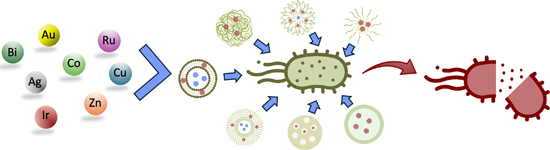
- selectivity, poor biodistribution and pharmacokinetics, poor water solubility, dose-limiting toxicity, and fast degradation in vivo. We will discuss next the major discoveries in the field of the application of nano-based systems for the targeted delivery of metal complex-based antibiotic compounds, focusing
- activities, recent studies also highlight their increasing potential as antibacterial agents [17]. Regarding the mechanisms of action, gold complexes inhibit thioredoxin reductase, explaining the selectivity of several gold complexes to Gram-positive strains [109]. Furthermore, some gold complexes can
- , improving the therapeutic potential of the Ru metalloantibiotic. Yet another promising nano-based strategy to improve the selectivity index of Ru complexes is microencapsulation. For example, Khelissa et al. reported the microencapsulation of the water-soluble ruthenium(II) complex 20 comprising bioactive


Ferroptosis induction by engineered liposomes for enhanced tumor therapy
Beilstein J. Nanotechnol. 2025, 16, 1325–1349, doi:10.3762/bjnano.16.97
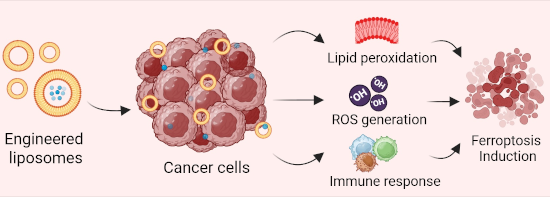
- trigger controlled drug release, improving selectivity and minimizing off-target effects. Moreover, combining ferroptosis with other therapeutic modalities, such as chemotherapy or immunotherapy, may amplify its antitumor effects. The following section explores these advanced strategies to further


Deep-learning recognition and tracking of individual nanotubes in low-contrast microscopy videos
Beilstein J. Nanotechnol. 2025, 16, 1316–1324, doi:10.3762/bjnano.16.96
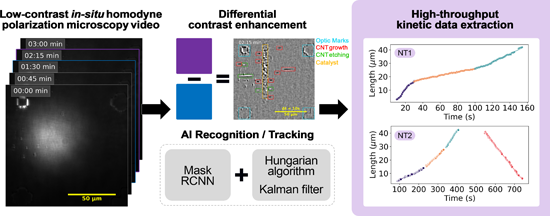
- selectivity, particularly kinetic selectivity. To address this, we developed a method based on in situ homodyne polarization microscopy (HPM), which is highly sensitive and can detect changes in optical absorption caused by a single carbon nanotube. The technique allows for imaging tens to hundreds of


Hydrogels and nanogels: effectiveness in dermal applications
Beilstein J. Nanotechnol. 2025, 16, 1216–1233, doi:10.3762/bjnano.16.90
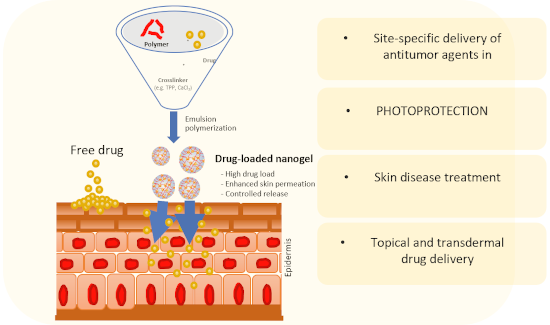
- structural organization of the intercellular lipid matrix of the SC [171][172][173]. The poor cutaneous permeability leads to low efficacy [170] and low selectivity [174] of drugs on the skin. Nonetheless, the development of topical delivery systems, such as nanostructured systems, has been qualified as the


Electronic and optical properties of chloropicrin adsorbed ZnS nanotubes: first principle analysis
Beilstein J. Nanotechnol. 2025, 16, 1184–1196, doi:10.3762/bjnano.16.87
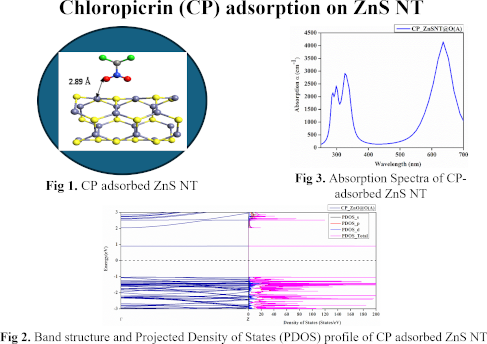
- . Semiconductor nanomaterials such as graphene, B12N12, fullerene C60, carbon nanotubes, WO₃, ZnO, ZnS, ZnSe, ZnTe, SnO₂, TiO₂, MoS₂, and NiO have been widely employed in gas sensor applications due to their superior selectivity, sensitivity, and response characteristics [20][21][22][23][24][25][26][27][28][29
- and selectivity for specific gases [36]. These attributes make ZnS NTs highly attractive for diverse applications, including detecting volatile organic compounds, choking and pulmonary toxicants, medical diagnostics, and developing portable and wearable gas sensing devices [18][37][38][39][40][41][42
- could form a surface dipole, enhancing the interaction of the NT with external molecules. Such structural features are particularly relevant for potential applications in gas sensing, where surface interactions play a critical role in sensitivity and selectivity. The adsorption energy Eads for CP with


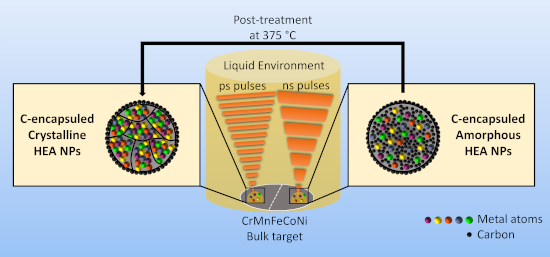
Crystalline and amorphous structure selectivity of ignoble high-entropy alloy nanoparticles during laser ablation in organic liquids is set by pulse duration
Beilstein J. Nanotechnol. 2025, 16, 1141–1159, doi:10.3762/bjnano.16.84




Characterization of ion track-etched conical nanopores in thermal and PECVD SiO2 using small angle X-ray scattering
Beilstein J. Nanotechnol. 2025, 16, 899–909, doi:10.3762/bjnano.16.68
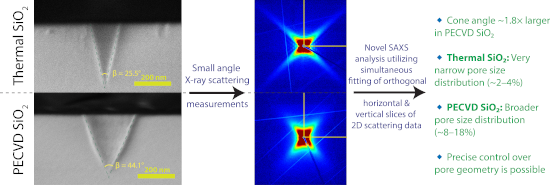
- , including selectivity, throughput, and molecular capture. Small-angle X-ray scattering (SAXS) has proven to be an invaluable tool for characterizing nanopore membranes, offering nondestructive analytical capabilities that yield statistical information of more than 106 pores [6][13][29][40]. With a beam size


Insights into the electronic and atomic structures of cerium oxide-based ultrathin films and nanostructures using high-brilliance light sources
Beilstein J. Nanotechnol. 2025, 16, 860–871, doi:10.3762/bjnano.16.65

- sensitivity, atomic selectivity, spatial and energy resolution, synchrotron radiation-based techniques, which utilize high-brilliance photon beams, have enabled refined characterization of the electronic, structural, and morphological properties of these materials, as well as the modifications they undergo
- rationalized the observed high activity of the material in direct methanol fuel cells [37]. Regarding the Ni-CeO2−x(111) system, a study of the methanol reaction revealed that the strong metal–support interactions between Ni and CeO2 determines the high selectivity for CO2 production, instead of the formation
- active sites in catalysts is a crucial problem in view of the optimization of catalyst efficiency and selectivity. The possibility of carrying out spectroscopic studies under conditions as close as possible to ambient pressure has largely contributed to this goal. The application of these methods to


Synthesis of a multicomponent cellulose-based adsorbent for tetracycline removal from aquaculture water
Beilstein J. Nanotechnol. 2025, 16, 728–739, doi:10.3762/bjnano.16.56
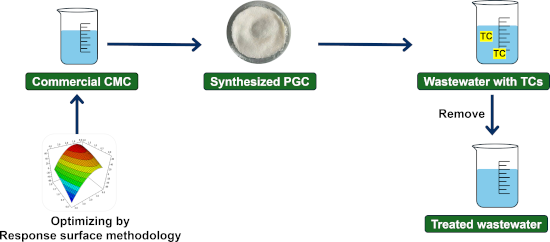
- , electrostatic forces, and van der Waals forces, adsorbed antibiotics may desorb and reenter aquatic environments [12]. Moreover, activated carbon exhibits low selectivity and adsorption capacity. Among novel adsorbents, metal-organic frameworks [13] and molecularly imprinted polymers (MIPs) [14] are
- porosity, enhanced selectivity, more hydrophobicity, and a simple synthesis process, along with cost-efficiency and high adsorption capacity, holds promise as an effective adsorbent for the treatment of aquaculture wastewater. Overall, this study lays the groundwork for future research on synthesizing
- monoaldehydes (e.g., formaldehyde) and other dialdehydes (C2 to C6) [37]. GA and PVA have been used as cross-linking agents in CMC-based materials to enhance selectivity, stability, and mechanical properties [38]. This method is both cost-effective and highly efficient in strengthening materials while improving


Efficiency of single-pulse laser fragmentation of organic nutraceutical dispersions in a circular jet flow-through reactor
Beilstein J. Nanotechnol. 2025, 16, 711–727, doi:10.3762/bjnano.16.55
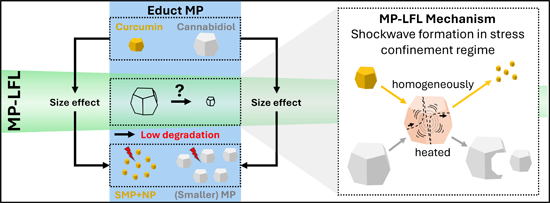
- concentrations. In all experiments, chemical degradation was minimal (<2%), and increased mass concentration of curcumin enabled ultralow by-product formation of 0.01%. The process selectivity against degradation was defined by the application-relevant descriptor of mole degradation per produced submicrometer
- efficiency (higher yield of small particles) but also with a lower chemical degradation in comparison to CBD. This means curcumin LFL has a higher selectivity (produced SMPs versus degradation by-products). Overall, there is a material-dependent difference in the fragmentation process of the two model
- materials, with curcumin not only reaching higher yields but also higher product selectivity. Nevertheless, it is noticeable as a common trend for both model substances that low concentrations (0.01 wt % curcumin or 0.1 wt % CBD) lead to the best increase in fragmentation efficiency, but also result in an


Nanomaterials in targeting amyloid-β oligomers: current advances and future directions for Alzheimer's disease diagnosis and therapy
Beilstein J. Nanotechnol. 2025, 16, 561–580, doi:10.3762/bjnano.16.44
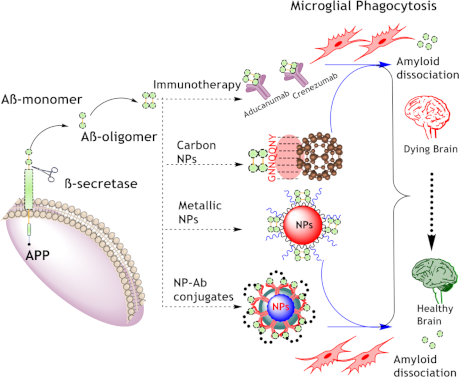
- polyclonal antibody M94 has demonstrated high selectivity towards pathogenic AβOs, while not recognizing physiological Aβ monomers. This selectivity is vital, as it helps to minimize potential off-target effects and enhances the therapeutic profile of the antibodies [25]. Additionally, the monoclonal
- characteristics enable specific interactions with amyloid fibrils, effectively inhibiting oligomerization and reducing neuronal cell death. Moreover, these NPs can be functionalized with targeted ligands, enhancing their selectivity and efficacy in therapeutic applications aimed at Aβ-induced neurotoxicity
- therapeutic interventions and early diagnostic tools in the fight against AD. Antibody-functionalized nanomaterials for detection and inhibition of AβOs Unmodified NMs often demonstrate limited selectivity and functionality for AβO detection and inhibition, potentially leading to false positives or inadequate


Zeolite materials with Ni and Co: synthesis and catalytic potential in the selective hydrogenation of citral
Beilstein J. Nanotechnol. 2025, 16, 520–529, doi:10.3762/bjnano.16.40
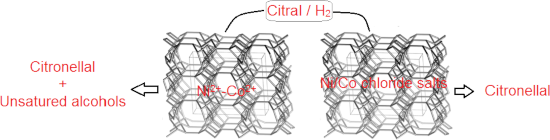
- and cinnamaldehyde [3][14][15]. Zeolites modified with nickel and cobalt have shown promising results in selective hydrogenation reactions, owing to their high dispersion of active sites and tunable acidity. For instance, a zeolite-supported Ni catalyst has demonstrated selectivity in furfural
- zero was considered at this point. During the catalytic test, the reaction was carried out under constant pressure using a pressure control system. After various reaction times, liquid samples were manually collected and analyzed by gas chromatography to determine conversion and selectivity values. It


Water in nanoporous hexagonal boron nitride nanosheets: a first-principles study
Beilstein J. Nanotechnol. 2025, 16, 510–519, doi:10.3762/bjnano.16.39
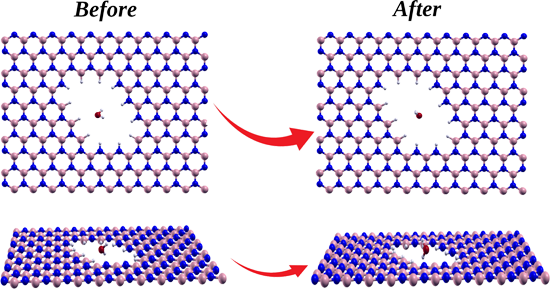
- recent decades, technological advances such as membrane technology and energy recovery equipment have led to a considerable reduction in the energy required to desalinate seawater [2][3]. The proposal to use membranes that exhibit superior selectivity and high water flux has been a major focus for




ReactorAFM/STM – dynamic reactions on surfaces at elevated temperature and atmospheric pressure
Beilstein J. Nanotechnol. 2025, 16, 397–406, doi:10.3762/bjnano.16.30
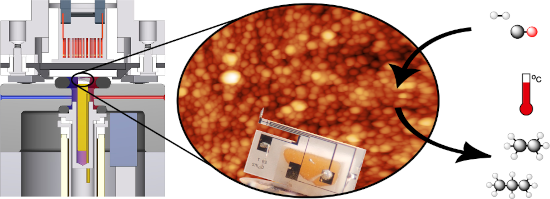
- AFM; model catalysts; nc-AFM; operando catalysis; qPlus tuning fork sensor; Introduction Operando catalysis is the field of research that monitors the structure, composition, and morphology of a catalyst while simultaneously investigating its activity, reactivity, and selectivity under industrially


Engineered PEG–PCL nanoparticles enable sensitive and selective detection of sodium dodecyl sulfate: a qualitative and quantitative analysis
Beilstein J. Nanotechnol. 2025, 16, 385–396, doi:10.3762/bjnano.16.29
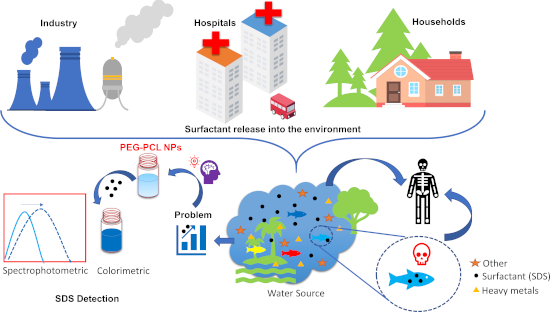
- synthesized nanoparticles exhibited a distinct colorimetric response to SDS when combined with the Bradford reagent, which acted as a linker molecule. Interference studies demonstrated the high selectivity of the method, even in the presence of various heavy metals and other surfactants. The method showed
- selectivity and sensitivity for SDS detection, making it a promising analytical tool for rapid and onsite estimation. Keywords: Bradford reagent; environmental monitoring; PEG–PCL nanoparticles; SDS; SDS detection; Introduction Sodium dodecyl sulfate (SDS), or sodium lauryl sulfate, is an anionic surfactant
- technique for quantifying surfactants employs ionic electrodes to measure the unknown concentration of the target substance within 30 minutes. However, this method exhibits reduced sensitivity (280–600 µg/mL) and selectivity, rendering it less than optimal for analyzing surfactants in relatively complex


Emerging strategies in the sustainable removal of antibiotics using semiconductor-based photocatalysts
Beilstein J. Nanotechnol. 2025, 16, 264–285, doi:10.3762/bjnano.16.21
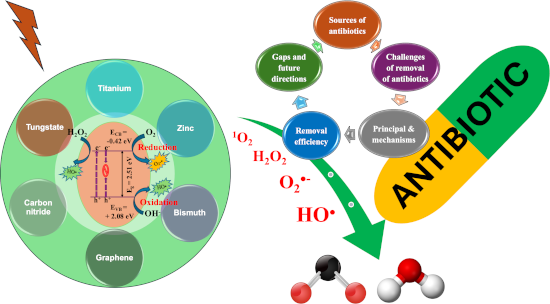
- effectively and precisely break down and neutralize antibiotic compounds with high efficiency and selectivity by utilizing a complex interaction between radical reactive oxygen species and non-radical equivalents under light irradiation. Although photocatalysts have certain drawbacks, such as a limited
- AOPs facilitate antibiotic degradation without extra chemical oxidants and with minimal harmful byproducts, promoting environmental sustainability [27]. Moreover, they exhibit high selectivity towards antibiotics while preserving water quality. Compared to other photocatalysts material, semiconductor



Preferential enrichment and extraction of laser-synthesized nanoparticles in organic phases
Beilstein J. Nanotechnol. 2025, 16, 254–263, doi:10.3762/bjnano.16.20
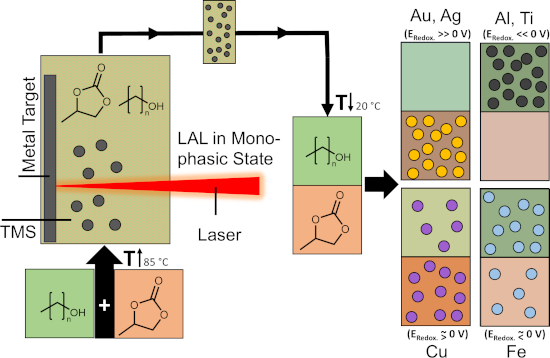
- ) was found to direct both the nanoparticles’ phase selectivity and recovery after cycling. The observed correlations provide potential guidelines for nanoparticle extraction and size separation, relevant for phase transfer and cycling during homogeneous catalysis. Keywords: catalysis; laser ablation
- , changing the polarity of the non-polar solvent phase for the laser ablation of copper. Iron and copper stand in the middle of the investigated standard electrochemical reduction potential metal series and show quite interesting phase selectivity behavior. Moreover, cupreous nanoparticles are relevant for
- both heterogeneous and homogeneous catalysis [49][50][51]; hence, we investigated their phase selectivity in more detail. The accumulated Cu or Fe concentration in both phases was quantified and the TMSs were cycled through mono- and biphasic states repetitively to investigate the stability of the




Probing the potential of rare earth elements in the development of new anticancer drugs: single molecule studies
Beilstein J. Nanotechnol. 2025, 16, 187–194, doi:10.3762/bjnano.16.15
- side effects related to these therapies. Actually, both aspects depend on the development of new drugs and/or drug carriers that can improve the selectivity of these anticancer agents to reach their specific targets inside tumor cells [3][4][5]. Although commonly used in a number of technological


A review of metal-organic frameworks and polymers in mixed matrix membranes for CO2 capture
Beilstein J. Nanotechnol. 2025, 16, 155–186, doi:10.3762/bjnano.16.14
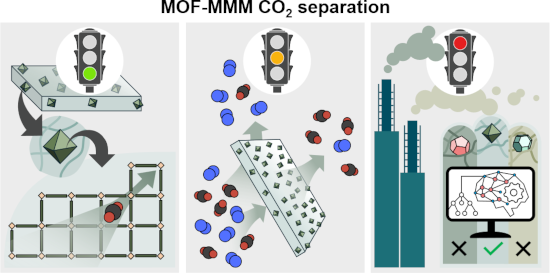
- , Aarhus University, Aabogade 40, 8200 Aarhus N, Denmark 10.3762/bjnano.16.14 Abstract Polymeric membranes offer an appealing solution for sustainable CO2 capture, with potential for large-scale deployment. However, balancing high permeability and selectivity is an inherent challenge for pristine
- membranes. To address this challenge, the development of mixed matrix membranes (MMMs) is a promising strategy. MMMs are obtained by carefully integrating porous nano-fillers into polymeric matrices, enabling the simultaneous enhancement of selectivity and permeability. In particular, metal-organic
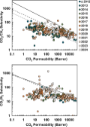
- operation [5]. However, a significant drawback of membrane separation is the inherent trade-off between permeability (pressure-normalized flux) and selectivity (αA/B) for gases A and B, as described by the relationship in Equation 1 [5][12][13][14]. where PA is the steady-state permeability of the more




Clays enhanced with niobium: potential in wastewater treatment and reuse as pigment with antibacterial activity
Beilstein J. Nanotechnol. 2025, 16, 141–154, doi:10.3762/bjnano.16.13
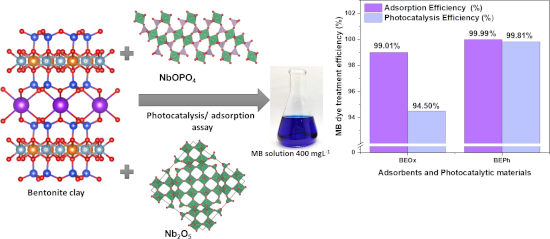
- cereus (ATCC 10876) and Proteus mirabilis (ATCC 35649). The analysis revealed remarkable antibacterial activity against Proteus mirabilis, suggesting a preferential selectivity for Gram-negative bacteria. Keywords: adsorption; bentonite; hybrid pigment; niobium; photocatalysis; water remediation
- mechanism of action remains unclear. The BEPh, BEOx, A-BEPh, A-BEOx, A-BEPhP, and A-BEOxP samples did not exhibit minimum inhibitory activity against the other studied bacterial strain Bacillus cereus. These results highlight the selectivity of the studied samples (A-BEPh, A-BEPhP, A-BEOx, and A-BEOxP) in



Theoretical study of the electronic and optical properties of a composite formed by the zeolite NaA and a magnetite cluster
Beilstein J. Nanotechnol. 2025, 16, 44–53, doi:10.3762/bjnano.16.5
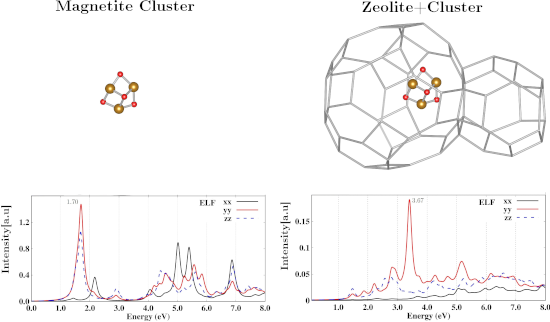
- nanoparticles, sodium Linde A Type (LTA) zeolite, also known as NaA zeolite, stands out for its remarkable capacity and selectivity to capture various types of metals commonly found as contaminants in drinking water. These metals include Ca, K, Mg, Mn, Co, Zn, Cu, Pb, Cd, Cs, and Sr [42][43][44][45][46