Search results
Search for "separation" in Full Text gives 802 result(s) in Beilstein Journal of Nanotechnology. Showing first 200.
Microscopic study of the intermediate mixed state in intertype superconductors
Beilstein J. Nanotechnol. 2026, 17, 57–62, doi:10.3762/bjnano.17.5
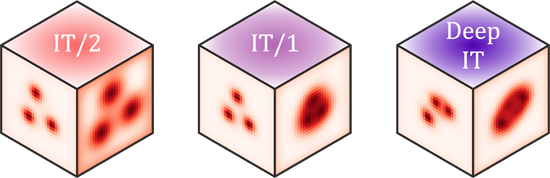
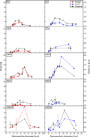
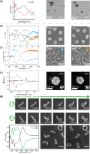
- (T = 0.9Tc), vortices form an equilateral triangle with maximal inter-vortex separation, which is typical for type-II superconductivity. As the temperature decreases to T = 0.1Tc, the triangular arrangement persists, but the inter-vortex distance shrinks, indicating the appearance of a minimum in the
- = 3.6, shown in the middle row of Figure 1, corresponds to the boundary between the two different IT regimes. In this case, vortices form an equilateral triangle, revealing the IT character of the vortex state at all the temperatures considered. However, the inter-vortex separation is smaller than that


Quantitative estimation of nanoparticle/substrate adhesion by atomic force microscopy
Beilstein J. Nanotechnol. 2026, 17, 1–14, doi:10.3762/bjnano.17.1

- manipulation. It should be noted that the derived values for the total work of manipulation include both the actual work of separation Wsep and the dissipated work Wdiss, which does not contribute to the separation. The relationship can be expressed as: NP motion on a surface may not necessarily proceed as an
- manipulation as a first approximation for the work of adhesion as the details in the process of manipulation are rather complex including adhesion, static and dynamic friction, and humidity [49]. Due to the challenges in direct calculation of the dissipated work, the work of separation is approximated using
- the following equation: where Fstatic is the maximum static lateral force, Fcap represents the capillary force, and Fn is the normal force applied by the cantilever. μ is the coefficient of friction and ls the separation distance given by the distance between the first tip/NP contact and the position



Improving magnetic properties of Mn- and Zn-doped core–shell iron oxide nanoparticles by tuning their size
Beilstein J. Nanotechnol. 2025, 16, 2285–2295, doi:10.3762/bjnano.16.157
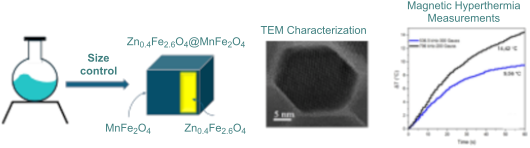
- unique magnetic properties, small size, and biocompatibility, which enable them to be used in a wide range of biomedical applications. These applications include magnetic resonance imaging, magnetic separation, targeted drug delivery, and hyperthermia [1][2]. Magnetic hyperthermia has been extensively



Visualizing nanostructures in supramolecular hydrogels: a correlative study using confocal and cryogenic scanning electron microscopy
Beilstein J. Nanotechnol. 2025, 16, 2274–2284, doi:10.3762/bjnano.16.156
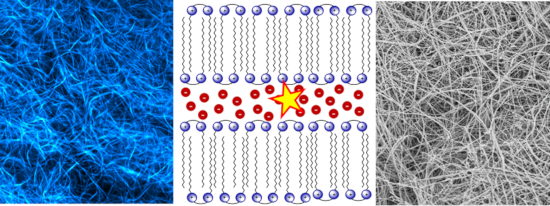
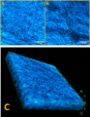
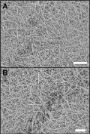
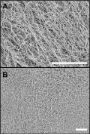
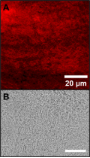
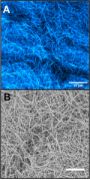
- result in phase separation whereby the water freezes, first expelling the ethanol into concentrated domains, which alters microscale material morphology. Such a phenomenon has been exploited for the fractional freezing of water–ethanol mixtures and in liposomal formulations containing water and DMSO [36



Chiral plasmonic nanostructures fabricated with circularly polarized light
Beilstein J. Nanotechnol. 2025, 16, 2245–2264, doi:10.3762/bjnano.16.154
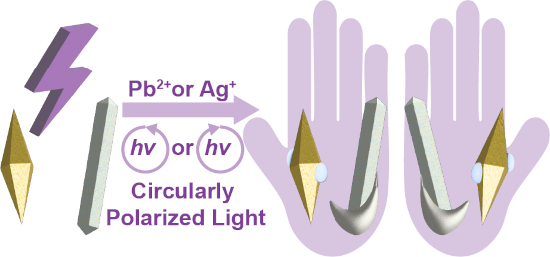
- to treat morning sickness in pregnant women. One of its enantiomers was found to have sedative effects, while the other was identified as teratogenic, leading to tragic consequences, including over 10,000 severe birth defects in children [4][5][6][7][8]. Promoting the separation and detection of
- [13]. In 1848, Pasteur achieved the physical separation of enantiomers for the first time. In his experiments, he crystallized the racemic sodium ammonium salt of tartaric acid, forming two distinct crystals that each rotated the polarization of light in opposite manner [14]. The interaction between
- immobilized should be carefully explored to enhance charge separation and achieve better distribution dissymmetry of hot carriers. These insights will also be valuable for integrating CPL with chiral molecular templates for growing cPNSs. (ii) Periodic arrays of cPNSs can be fabricated using CPL on a





Microplastic pollution in Himalayan lakes: assessment, risks, and sustainable remediation strategies
Beilstein J. Nanotechnol. 2025, 16, 2144–2167, doi:10.3762/bjnano.16.148
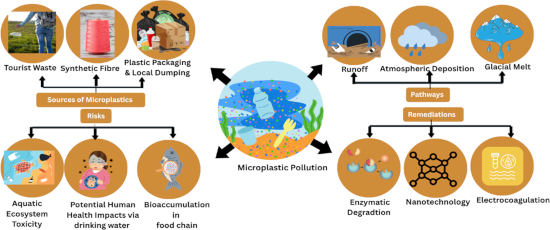
- using pretreatment techniques such as enzymatic decomposition of organic matter and density separation using saline solutions. These processes, however, might take a lot of time and could cause tiny particles to be lost [32]. The distinct combination of nanoscale dimensions and very low concentration in
- them are new electrochemical technologies, membrane separation technologies, microbial technologies, and AOPs. The efficiency, mechanism, strengths, weaknesses, and applications of each technology are utilized to assess each technology. These technologies are indicative of the multidimensional


Quality by design optimization of microemulsions for topical delivery of Passiflora setacea seed oil
Beilstein J. Nanotechnol. 2025, 16, 2116–2131, doi:10.3762/bjnano.16.146
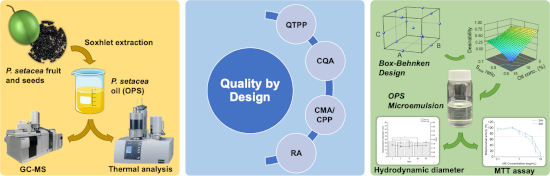
- issue in emulsified systems is microbial contamination, which can result in physical and chemical instability, such as pH shifts, turbidity, degradation of active components (e.g., fatty acids), and phase separation [35]. To address these challenges and improve topical suitability, additional excipients
- methanolic potassium hydroxide. The base-catalyzed transesterification reaction was carried out at 60 °C for 15 min. After cooling, the reaction was quenched with 20 µL of acetic acid. To extract the FAMEs, 1 mL of n-hexane and water were added, followed by vigorous agitation. Once phase separation occurred
- visual appearance (e.g. signs of haze, creaming, or phase separation), hydrodynamic diameter distribution, and pH. The pH was measured using a pre-calibrated PG 2000 pH meter (Gehaka, São Paulo, Brazil). Due to its high viscosity, MEgel samples were diluted with purified water (1:40 w/w) prior to


Multifrequency AFM integrating PeakForce tapping and higher eigenmodes for heterogeneous surface characterization
Beilstein J. Nanotechnol. 2025, 16, 2077–2085, doi:10.3762/bjnano.16.142
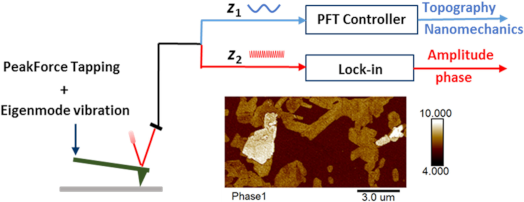
- and electronic signal separation enables simultaneous, effective acquisition of quasi-static force maps and eigenmode-derived material contrast. Dual-probe comparative analysis of MMT nanosheets The effectiveness of the method was evaluated using the soft (ScanAsyst-Air, 0.48 N·m−1) and stiff (NSC15
- thicker nanosheet regions used for the reported histograms, and Ashman’s D values were computed for both Young’s modulus and phase signals using the method described in [25] (Table 3). D > 2 indicates clear separation of distributions. Modulus maps reveal probe-dependence; the soft probe fails to provide
- reliable separation, while the stiff probe successfully discriminates (D ≈ 2.7). However, phase imaging with both probes enables effective differentiation between these regions, demonstrating that the eigenmode contrast is less dependent on probe stiffness compared to quantitative mechanics maps. To assess


Molecular and mechanical insights into gecko seta adhesion: multiscale simulations combining molecular dynamics and the finite element method
Beilstein J. Nanotechnol. 2025, 16, 2055–2076, doi:10.3762/bjnano.16.141
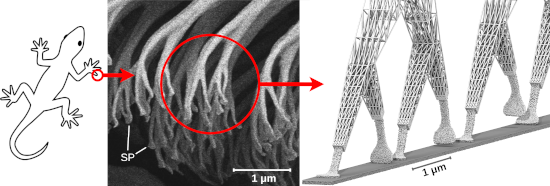
- detachment occurred. Just before detachment, the tip’s and pad’s X-coordinates decreased slightly, suggesting a minor slide towards −X before the spatula completely detached. At detachment, there was a sudden increase in the tip’s Y-coordinate, marking separation from the substrate. After detachment, the






Stereodiscrimination of guests in chiral organosilica aerogels studied by ESR spectroscopy
Beilstein J. Nanotechnol. 2025, 16, 2034–2054, doi:10.3762/bjnano.16.140
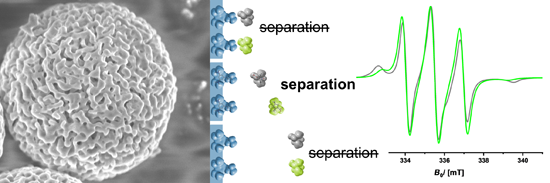
- the chromatographic separation of enantiomers. Despite these materials being highly engineered and commercially available, optimization was often done empirically. A rational design of future and improved solid phases for chiral chromatography requires that one understands how the chemical structure
- necessary to reach separation is an important point. We have employed the two enantiomers of a chiral, nitroxide-based spin probe as guests in organo-modified macroporous host materials and applied ESR spectroscopy as a tool to investigate their rotational mobility. Using a well-established and commercially
- adapted for chiral separations, providing robust, reproducible methods for enantiomeric resolution. Chiral chromatography is a pivotal technique in the separation and analysis of chiral compounds, particularly in the pharmaceutical industry, where the distinction between different enantiomers of a




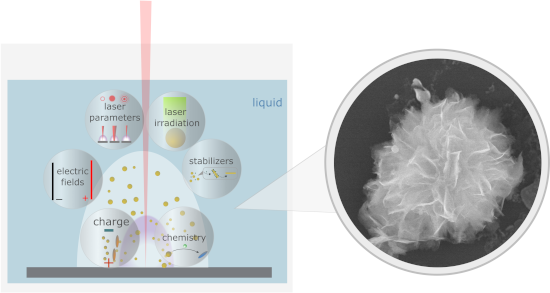
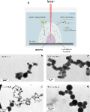
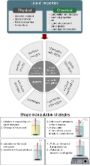
Laser ablation in liquids for shape-tailored synthesis of nanomaterials: status and challenges
Beilstein J. Nanotechnol. 2025, 16, 1963–1997, doi:10.3762/bjnano.16.137




Targeting the vector of arboviruses Aedes aegypti with nanoemulsions based on essential oils: a review with focus on larvicidal and repellent properties
Beilstein J. Nanotechnol. 2025, 16, 1894–1913, doi:10.3762/bjnano.16.132
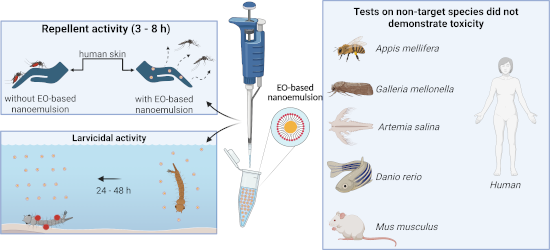
- ultrasonication (40 kHz). This formulation demonstrated physicochemical stability, with good optical transparency and absence of phase separation. Characterization by TEM revealed spherical droplets with sizes between 20 and 40 nm. In the larvicidal bioassay, fourth-instar larvae of Ae. aegypti were exposed to


Low-temperature AFM with a microwave cavity optomechanical transducer
Beilstein J. Nanotechnol. 2025, 16, 1873–1882, doi:10.3762/bjnano.16.130
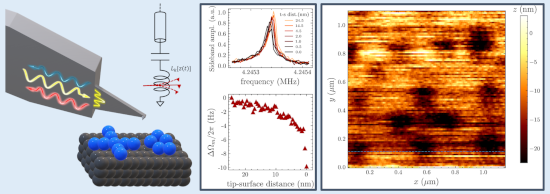
- resonant circuit. While slightly degrading the performance of the displacement detector, this effect has the advantage of providing an easily measurable indication of probe–surface separation during coarse approach. For the final stage of the approach, we drive the z-scanner with a DC voltage (100 nm/V


Current status of using adsorbent nanomaterials for removing microplastics from water supply systems: a mini review
Beilstein J. Nanotechnol. 2025, 16, 1837–1850, doi:10.3762/bjnano.16.127
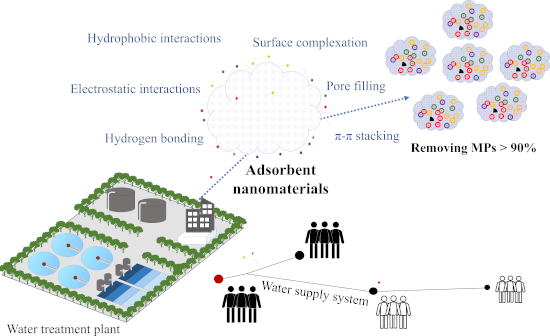
- process. According to Goel et al., the physical methods primarily rely on magnetic separation, while chemical approaches focus on nanoparticle functionalization to improve their effectiveness in microplastic removal [74]. Accordingly, numerous magnetic nanomaterials have been investigated and modified to
- a magnetic nanoseed concentration of just 0.002 g·L−1, these composites enabled 98% PET extraction, with the separation efficiency largely influenced by the morphology of the magnetic seeds. In addition to ensuring highly efficient magnetic separation of MP particles, this approach significantly
- reduced the volume of synthetic flocculant sludge [76]. By applying magnetic Fe3O4 nanoparticles, 83.1–92.9% of MPs with particle sizes ranging from 100 to 1000 nm were removed thanks to adsorption with magnetic separation [77]. These mechanisms are influenced significantly by factors like pH, ionic


Phytol-loaded soybean oil nanoemulsion as a promising alternative against Leishmania amazonensis
Beilstein J. Nanotechnol. 2025, 16, 1826–1836, doi:10.3762/bjnano.16.126

- incorporation of poloxamer 407 increased the viscosity of the external aqueous phase, thereby reducing Brownian motion and droplet collision frequency – mechanisms that are often associated with delayed creaming and phase separation [42][43]. Taken together, these compositional strategies demonstrate the


Piezoelectricity of layered double hydroxides: perspectives regarding piezocatalysis and nanogenerators
Beilstein J. Nanotechnol. 2025, 16, 1812–1817, doi:10.3762/bjnano.16.124

- and external stress, leading to increased current generation and reactive oxygen species production. The authors proposed that the piezoelectric field of LDHs facilitates the separation of photo-induced electron–hole pairs and modulates band alignment, thereby synergistically enhancing the piezo
- parameters, reduced thickness, cationic flexibility, and heterostructure formation, emerge as recurring factors that enhance charge separation and local polarization. Thus, the idea that LDHs can act not only as passive hosts but also as active piezoelectric components is supported by all mentioned works. At

Electrical, photocatalytic, and sensory properties of graphene oxide and polyimide implanted with low- and medium-energy silver ions
Beilstein J. Nanotechnol. 2025, 16, 1794–1811, doi:10.3762/bjnano.16.123
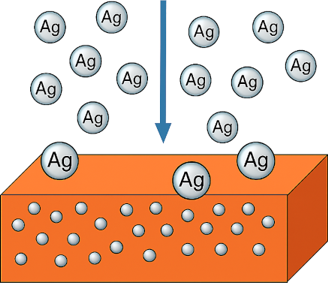
- maximize roughness, but to achieve a balanced nanoscale surface structure that complements the plasmonic and electronic effects of silver, enabling a high density of accessible active sites while maintaining efficient charge separation. Electric and sensory properties The results of electrical property


Advances of aptamers in esophageal cancer diagnosis, treatment and drug delivery
Beilstein J. Nanotechnol. 2025, 16, 1734–1750, doi:10.3762/bjnano.16.121
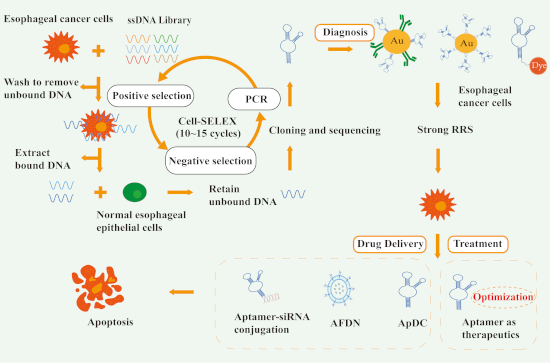
- domains, including RGD [94], and participates in cell adhesion, migration, proliferation, and signal transduction [95]. Five subtypes of OPN are co-upregulated in primary EAC, among which OPNc expression was relatively low, inducing cell separation via an integrin-independent binding mode, probably due to


Multifunctional anionic nanoemulsion with linseed oil and lecithin: a preliminary approach for dry eye disease
Beilstein J. Nanotechnol. 2025, 16, 1711–1733, doi:10.3762/bjnano.16.120
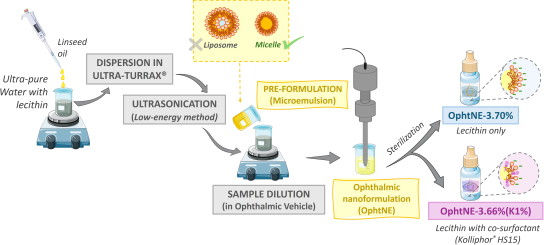
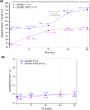
- 60 days, the formulation remained physically quite stable without phase separation. Both nanoformulations contained 2.6% (w/v) linseed oil, providing a bioactive concentration compatible with ocular administration volumes (~50 µL). At a final concentration of 1.30 mg·mL−1, OphtNE-3.66%(K1%) showed
- g of LO was mixed with 100 mL methanolic KOH (2.5% w/v) and heated at 70 °C under magnetic stirring (3,000 rpm) for 1 h. Afterward, 100 mL of ethyl acetate was added, and the mixture was stirred at 3,000 rpm for 5 min. The resulting mixture was transferred to a separation funnel to remove the denser
- , water, and surfactant/co-surfactant are ideal for the formation of nanometer-sized droplets, minimizing the risk of coalescence or phase separation. A viable strategy to streamline the extensive series of formulations and to locate the optimized region in the ternary diagram involves diluting an



Beyond the bilayer: multilayered hygroscopic actuation in pine cone scales
Beilstein J. Nanotechnol. 2025, 16, 1695–1710, doi:10.3762/bjnano.16.119
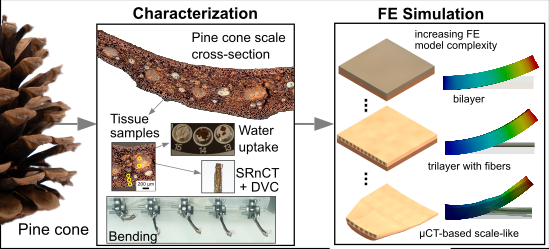
- the abaxial epidermis, (2) the brown tissue, and (3) the sclerenchyma fibers (Figure 1). Each scale was first saturated with water to facilitate subsequent separation with a razor blade. Saturating the scales with water prior to the sorption experiments prevents measuring a biased scanning isotherm


Nanotechnology-based approaches for the removal of microplastics from wastewater: a comprehensive review
Beilstein J. Nanotechnol. 2025, 16, 1607–1632, doi:10.3762/bjnano.16.114
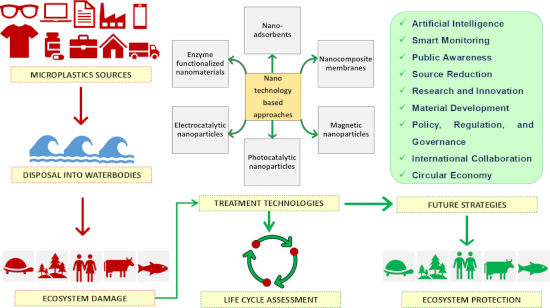
- . Conventional approaches for removing MPs from water rely on a combination of physical, chemical and biological process [51]. Physical methods primarily facilitate the separation of larger plastic particles based on size and density [18]. Chemical processes are employed to destabilize and aggregate plastic
- results in a large specific surface area, which in turn offers the potential to control membrane pore size and enhance the removal efficiency of nanoparticles and MPs. Membranes developed using MOF-based nanomaterials offer scalable control over surface charge and pore size, enabling high separation
- . The resulting h-Ti3C2Tx nanosheets possess a porous, flat structure with 25 nm diameter holes ideal for MP separation. When tested with fluorescent polystyrene (FP) microspheres of varying sizes as MPs models, the membranes demonstrated exceptional removal efficiency of up to 99.3%. Additionally, a


Bioinspired polypropylene-based functionally graded materials and metamaterials modeling the mistletoe–host interface
Beilstein J. Nanotechnol. 2025, 16, 1592–1606, doi:10.3762/bjnano.16.113
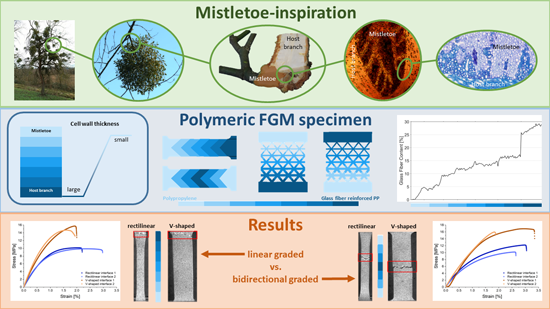
- behavior via the selected fiber density. This is not limited to a seven-step grading with a linear or bidirectional gradient; more complex geometries or gradients can be generated as desired. It should be noted, however, that the spatial separation of the individual compartments is not as high as in
- separation and recycling of individual components after their service life. Multihierarchical representation of the connection between the parasitic mistletoe and its host tree, from the entire organism to sectioned specimen and stained histological sections. A cellular gradient extends along the V-shaped


Photocatalytic degradation of ofloxacin in water assisted by TiO2 nanowires on carbon cloth: contributions of H2O2 addition and substrate absorbability
Beilstein J. Nanotechnol. 2025, 16, 1567–1579, doi:10.3762/bjnano.16.111
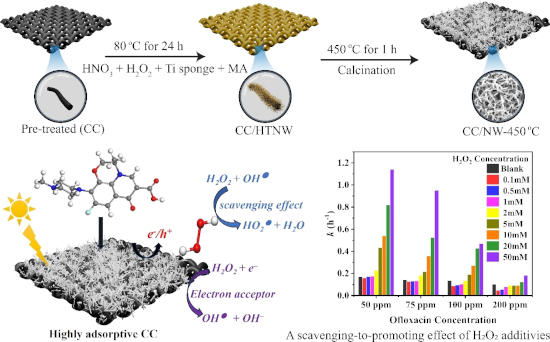
- Environmental and Optoelectronic Applications, Institute of Wenzhou, Zhejiang University, Wenzhou 325006, P. R. China 10.3762/bjnano.16.111 Abstract Vertically aligned TiO2 nanowires demonstrate exceptional photoactivity owing to their high specific surface area and improved charge separation; however, their
- and engineering. Conventional treatment approaches, including adsorption, membrane separation, and biological methods, are largely inadequate for antibiotics such as OFL [6][7]. This limitation highlights the need for advanced oxidation processes, with a particular emphasis on TiO2-based
- improved active sites and facilitated interfacial charge separation [12]. Activated carbon effectively supports TiO2, enhancing adsorption capacity and loading, which directly impacts photocatalytic efficiency [13]. In contrast to rGO or activated carbon granules, employing carbon cloth as substrates


Transient electronics for sustainability: Emerging technologies and future directions
Beilstein J. Nanotechnol. 2025, 16, 1545–1556, doi:10.3762/bjnano.16.109

- but also of electrical and mechanical performance. For instance, Mg-3Zn, which suffers from phase separation in bulk form, can be synthesized as a uniform alloy in thin films, offering improved corrosion resistance [61]. Moreover, bioresorbable amorphous metal (metallic glass) films have demonstrated


Laser processing in liquids: insights into nanocolloid generation and thin film integration for energy, photonic, and sensing applications
Beilstein J. Nanotechnol. 2025, 16, 1428–1498, doi:10.3762/bjnano.16.104