


Search results
Search for "surface properties" in Full Text gives 226 result(s) in Beilstein Journal of Nanotechnology. Showing first 200.
Exploring the potential of polymers: advancements in oral nanocarrier technology
Beilstein J. Nanotechnol. 2025, 16, 1751–1793, doi:10.3762/bjnano.16.122
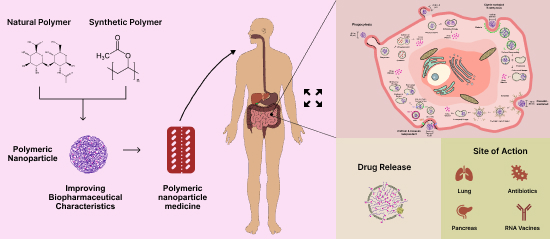
- -mucoadhesive particles can penetrate the mucus of the small and large intestine, spreading across nearly the entire tissue surface and facilitating drug delivery for systemic applications. This behavior occurs because surface properties influence polymer–mucus interactions, altering the entanglement density of


Venom-loaded cationic-functionalized poly(lactic acid) nanoparticles for serum production against Tityus serrulatus scorpion
Beilstein J. Nanotechnol. 2025, 16, 1633–1643, doi:10.3762/bjnano.16.115
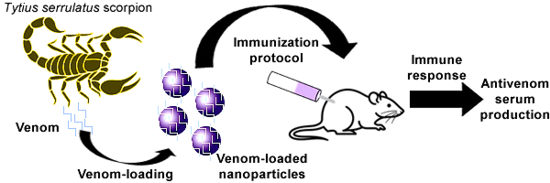
- barriers, their biocompatibility, and low toxicity [18]. Their manipulation at the nanoscale changes specific surface properties, possibly improving the ability to cross biological barriers targeting the affected tissues [18][19]. In this context, nanoparticle controlled release based on biodegradable


Photocatalytic degradation of ofloxacin in water assisted by TiO2 nanowires on carbon cloth: contributions of H2O2 addition and substrate absorbability
Beilstein J. Nanotechnol. 2025, 16, 1567–1579, doi:10.3762/bjnano.16.111
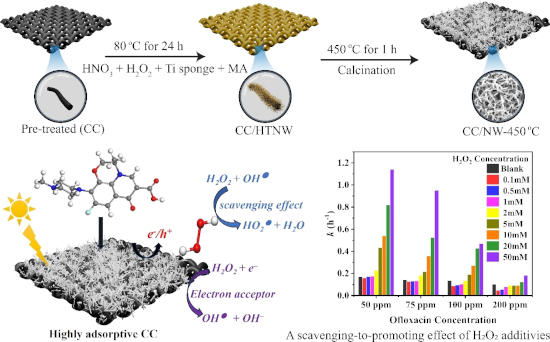
- area. After calcination at 450 °C, the BET surface area increased remarkably to 289.9 m2·g−1, reflecting a significant enhancement in surface properties because of the activation of the carbon cloth via simple air calcination [17]. The pore volume is 0.047 cm3·g−1, with an average pore diameter of 3.82


Laser processing in liquids: insights into nanocolloid generation and thin film integration for energy, photonic, and sensing applications
Beilstein J. Nanotechnol. 2025, 16, 1428–1498, doi:10.3762/bjnano.16.104
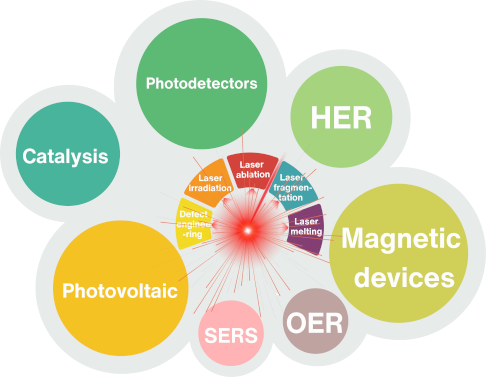
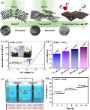
- medium characteristics (e.g., chemical composition and viscosity) influence the size, morphology, and surface properties of the Au NPs, which, in turn, determine their performance. The effect of solvents on morphology of generated NPs in laser ablation is shown in Figure 2. While PLAL offers a rich
- water successfully alters the surface properties of Si-ncs, making them hydrophilic and improving their dispersion in aqueous solutions, while also leading to the formation of self-organized networks. However, laser fragmentation of BaTaOxNy particles resulted not only in increased surface area but also
- , suggesting that careful control of size reduction and surface properties is critical for optimizing photocatalyst performance, especially in water splitting applications. Further investigation is necessary to refine the process and mitigate the negative effects of fragmentation. LFL is a highly versatile






The role of biochar in combating microplastic pollution: a bibliometric analysis in environmental contexts
Beilstein J. Nanotechnol. 2025, 16, 1401–1416, doi:10.3762/bjnano.16.102

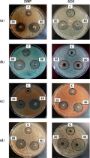
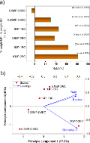
- magnetic biochar, further demonstrating its adaptability as a remediation tool. Despite significant progress, several critical challenges must be addressed before biochar can be widely applied for MP remediation. Optimization of surface properties remains essential to enhance removal efficiency



Synthesis and antibacterial properties of nanosilver-modified cellulose triacetate membranes for seawater desalination
Beilstein J. Nanotechnol. 2025, 16, 1380–1391, doi:10.3762/bjnano.16.100
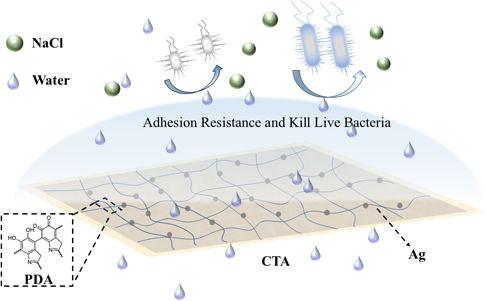
- surface properties, and quantum effects, collectively enhance their antimicrobial efficacy [17]. The high surface area-to-volume ratio of nanomaterials facilitates efficient interactions with microorganisms, thereby enhancing their antimicrobial efficacy [18]. Additionally, the surface properties of


Wavelength-dependent correlation of LIPSS periodicity and laser penetration depth in stainless steel
Beilstein J. Nanotechnol. 2025, 16, 1302–1315, doi:10.3762/bjnano.16.95
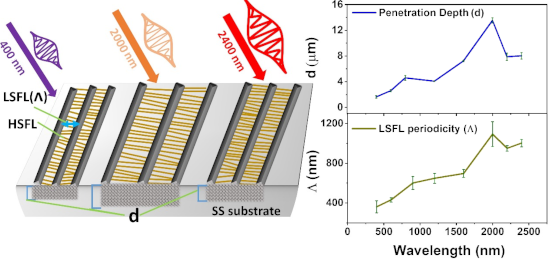
- ); maximum LIPSS; penetration depth; Introduction Nanostructuring on surfaces plays a pivotal role in governing surface properties, and laser-induced periodic surface structures (LIPSS) have emerged as a potent method for achieving nanoscale surface modifications. Over the past decade, LIPSS and laser
- significant implications for developing new theories of light–matter interaction and various applications such as surface functionalization, microfabrication, and developing advanced materials with tailored surface properties. Depicts the experimental setup utilized in the fabrication process of laser-induced




Enhancing the photoelectrochemical performance of BiOI-derived BiVO4 films by controlled-intensity current electrodeposition
Beilstein J. Nanotechnol. 2025, 16, 1289–1301, doi:10.3762/bjnano.16.94
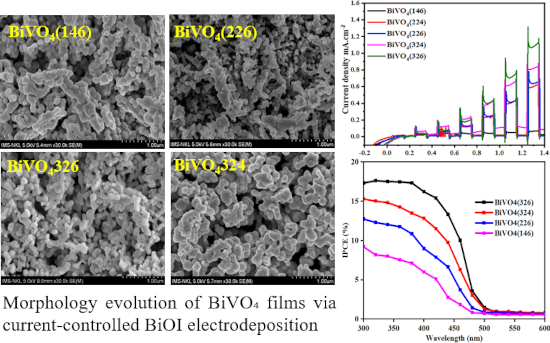
- charge carriers, which severely restrict its PEC performance [10][11][12]. Various strategies have been explored to overcome these challenges and optimize the structural, electronic, and surface properties of BiVO4 [13][14]. Hydrothermal synthesis has been used to produce highly crystalline BiVO4 films
- the robustness of its structural and surface properties under prolonged operational conditions. The stability is attributed to the optimized crystallinity, reduced recombination, and uniform morphology achieved through controlled-intensity current electrodeposition. The PEC performance of BiVO4(326



Electronic and optical properties of chloropicrin adsorbed ZnS nanotubes: first principle analysis
Beilstein J. Nanotechnol. 2025, 16, 1184–1196, doi:10.3762/bjnano.16.87
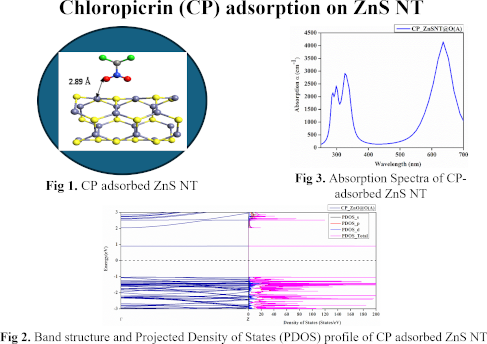
- reconstructed ZnS NTs [38][54][55][56]. This minor buckling is attributed to the inherent curvature induced during the transition from a planar sheet to a tubular form. The presence of buckling in the NT structure is of significant interest due to its potential implications for surface properties. The buckling


Crystalline and amorphous structure selectivity of ignoble high-entropy alloy nanoparticles during laser ablation in organic liquids is set by pulse duration
Beilstein J. Nanotechnol. 2025, 16, 1141–1159, doi:10.3762/bjnano.16.84




Synthesis of a multicomponent cellulose-based adsorbent for tetracycline removal from aquaculture water
Beilstein J. Nanotechnol. 2025, 16, 728–739, doi:10.3762/bjnano.16.56
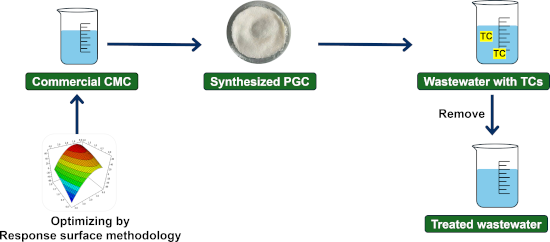
- (–CH2COOH) groups. The introduction of carboxymethyl groups greatly enhances the water solubility of CMC relative to that of cellulose. CMC, recognized as one of the most promising cellulose derivatives, was first synthesized in 1918 [18]. Owing to its unique surface properties, high mechanical strength


Nanostructured materials characterized by scanning photoelectron spectromicroscopy
Beilstein J. Nanotechnol. 2025, 16, 700–710, doi:10.3762/bjnano.16.54
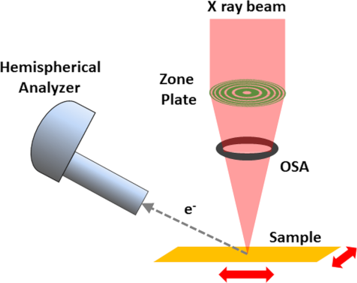
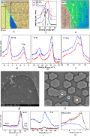
- promising, their performance is often limited by surface properties of the III–V semiconductor material, which furthermore can vary for individual nanowires. This includes native oxides on semiconductor surfaces and their possible removal, surface passivation, and interface defects [27]. Therefore, in-depth
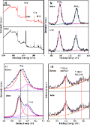
- high spatial resolution. We correlate that to the chemical surface composition, distinguishing between surface and bulk effects on the path towards improved surface properties of nanowire solar cells with further enhanced efficiency. Furthermore, they demonstrate the large suitability of SPEM for
- transitions. In that work, XPS measurements carried out in the ESCA microscopy beamline at Elettra Synchrotron facilities contributed with significant knowledge to the study of the surface properties of the NiO samples. Particularly, advantage was taken from the SPEM which can work both in spectroscopy and


Colloidal few layered graphene–tannic acid preserves the biocompatibility of periodontal ligament cells
Beilstein J. Nanotechnol. 2025, 16, 664–677, doi:10.3762/bjnano.16.51
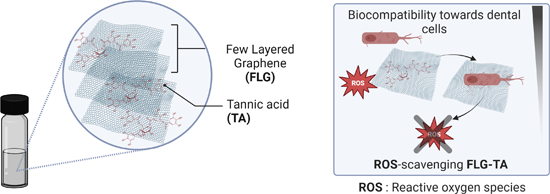
- modifications under ROS-relevant conditions. These results support our hypothesis that FLG–TA plays a crucial role in preventing ROS production and preserving biocompatibility. This research extends the findings of a prior study [36], which demonstrated the capacity of TA to alter the surface properties of




Nanoscale capacitance spectroscopy based on multifrequency electrostatic force microscopy
Beilstein J. Nanotechnol. 2025, 16, 637–651, doi:10.3762/bjnano.16.49

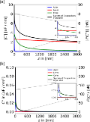
- ][56][57][58][59][60][61][62][63][64][65][66][67][68][69][70][71][72][73]. Compared to optical ellipsometry or reflectance spectroscopy, SCM and SCFM can map surface properties such as film thickness [35][39] and dielectric constants [35][74], with superior spatial resolution. However, in particular




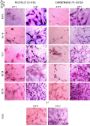
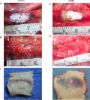
Polyurethane/silk fibroin-based electrospun membranes for wound healing and skin substitute applications
Beilstein J. Nanotechnol. 2025, 16, 591–612, doi:10.3762/bjnano.16.46
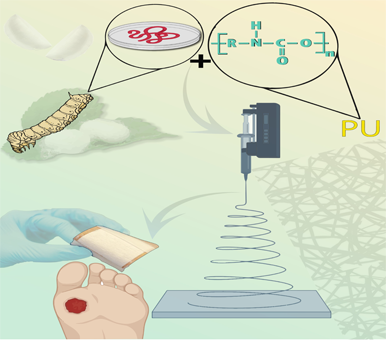
- electrospun membranes is rapidly increasing in the medical sector, attributed to their unique surface properties and high porosity [63][64]. Additionally, electrospun membranes can be designed to enhance critical attributes such as biocompatibility, cell attachment, nontoxicity, biomechanical strength, and



Nanomaterials in targeting amyloid-β oligomers: current advances and future directions for Alzheimer's disease diagnosis and therapy
Beilstein J. Nanotechnol. 2025, 16, 561–580, doi:10.3762/bjnano.16.44
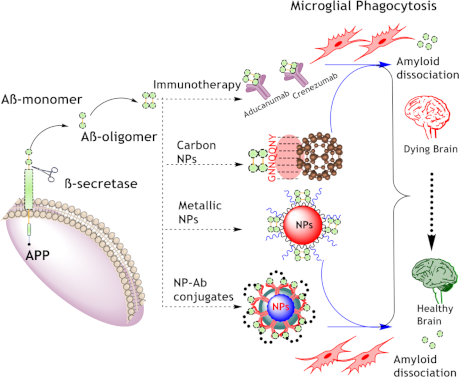
- size, shape, and surface properties, as these factors collectively influence how they interact with amyloidogenic proteins. Smaller NPs can infiltrate and break early-stage oligomers, whereas differences in shape influence binding efficiency and selectivity. Surface functionalization, such as
- from the brain is predominantly mediated by the paravascular glymphatic pathway, with studies suggesting that up to 80% of NPs are cleared through this route. Biodistribution and clearance of NPs have been shown to depend on their size and surface properties. Smaller graphene oxide (GO) sheets (20–70
- also influence clearance; uncoated NPs have been rapidly cleared via the RES, whereas PEG-coated NPs exhibited extended circulation time and reduced RES clearance [99]. These findings highlight the importance of engineering nanoparticle size and surface properties to optimize therapeutic efficacy and


Quantification of lead through rod-shaped silver-doped zinc oxide nanoparticles using an electrochemical approach
Beilstein J. Nanotechnol. 2025, 16, 422–434, doi:10.3762/bjnano.16.33
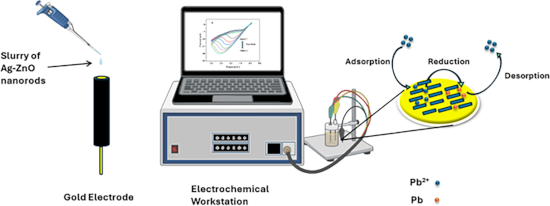
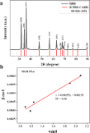
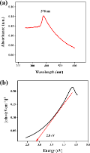
- ZnO frequently causes a reduction in the bandgap, leading to a shift toward longer wavelengths in the absorption spectra. The smaller bandgaps of the samples in optoelectronic devices provide a significant advantage [21]. Zeta potential of Ag@ZnO nanorods Surface properties of the synthesized Ag@ZnO





Enhancing mechanical properties of chitosan/PVA electrospun nanofibers: a comprehensive review
Beilstein J. Nanotechnol. 2025, 16, 286–307, doi:10.3762/bjnano.16.22

- release time of substances by exploiting the surface properties and interactions between hydrophobic and hydrophilic layers [86]. This sequential method of producing composite fibers is generally easier than the other methods as the different materials are electrospun separately, eliminating concerns
- “Characterization of mechanical properties”, “Tensile properties”). For core–shell nanofiber structures, the mechanical properties can be enhanced by selecting a stronger material as the core layer [112]. Several methods were also employed to modify the surface properties of electrospun nanofibers, which include
- number of adsorption sites on the surface, improve mechanical properties, enhance hydrophilicity and wettability, and stabilize nanofibers in aqueous solutions [156]. Numerous techniques have been developed to modify the surface properties of electrospun nanofibers, including surface graft polymerization


Radiosensitizing properties of dual-functionalized carbon nanostructures loaded with temozolomide
Beilstein J. Nanotechnol. 2025, 16, 229–251, doi:10.3762/bjnano.16.18
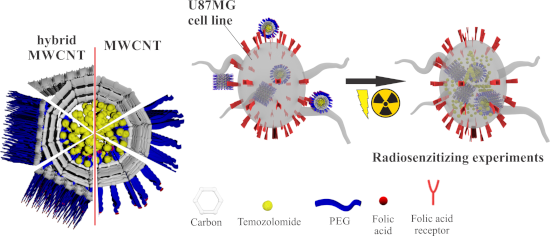
- incorporation of TMZ in organic and inorganic nanomaterials and their hybrids, designed in a wide variety of shapes such as nanoparticles (NPs), conjugates, dendrimers, and liposomes [35]. With various bioengineering techniques, the nanomaterials’ size, shape, and surface properties were modified to improve





Mechanistic insights into endosomal escape by sodium oleate-modified liposomes
Beilstein J. Nanotechnol. 2024, 15, 1667–1685, doi:10.3762/bjnano.15.131
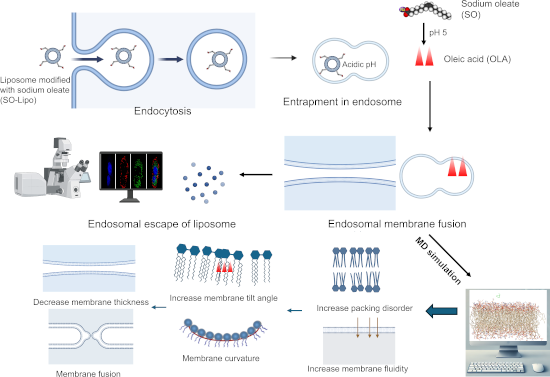
- within the membrane interface. AUR’s strong interaction with the membrane surface, coupled with its shallow insertion depth, suggests that it may play a role in modulating membrane surface properties without causing extensive disruption to the bilayer’s hydrophobic core. The differential interaction





Attempts to preserve and visualize protein corona on the surface of biological nanoparticles in blood serum using photomodification
Beilstein J. Nanotechnol. 2024, 15, 1654–1666, doi:10.3762/bjnano.15.130

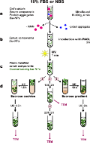
- photomodified samples. Apparently, a number of bio-NPs have surface properties that prevent PACL from binding to them. Given the huge variety of bio-NPs with different surface structures, this fact is not surprising, but it deserves attention. In further development of the photomodification method, it will



Nanotechnological approaches for efficient N2B delivery: from small-molecule drugs to biopharmaceuticals
Beilstein J. Nanotechnol. 2024, 15, 1400–1414, doi:10.3762/bjnano.15.113

- therapeutic applications. For example, polymeric NPs exhibit easily tunable surface properties [117], lipid NPs offer high bioavailability and -compatibility [118], and inorganic NPs provide unique magnetic or optical properties [119]. Moreover, DDSs can be conjugated with ligands and coated with mucoadhesive


Nanoarchitectonics with cetrimonium bromide on metal nanoparticles for linker-free detection of toxic metal ions and catalytic degradation of 4-nitrophenol
Beilstein J. Nanotechnol. 2024, 15, 1312–1332, doi:10.3762/bjnano.15.106
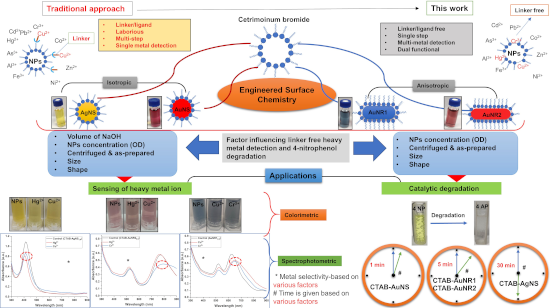
- agents on the metal surface and further dominates functionalization. Various capping agents such as citrate, PVP, and surfactants have been the choice for metal nanoparticles. Controlled size, shape, and surface properties have been achieved using strong capping and reducing agents. Capping agents
- maintain size, shape, and stability of the nanoparticles, and suitable capping agents can modulate the nanoarchitectonics of the nanoparticles from atomic to molecular levels [2]. The surface capping can also influence the surface properties of the nanoparticles, making them compatible with specific




The role of a tantalum interlayer in enhancing the properties of Fe3O4 thin films
Beilstein J. Nanotechnol. 2024, 15, 1253–1259, doi:10.3762/bjnano.15.101

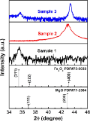
- [24][25]. Besides, there was nearly no oxygen diffusion from the Fe3O4 film into the MgO layer, resulting in higher crystallinity and improved grain size as seen in the XRD patterns. Surface properties obtained from Figure 1 are summarized in Table 1. The crystal structures of the Fe3O4 samples on
- SiO2, MgO(100) and MgO/Ta/SiO2, respectively. Magnetization of Fe3O4 samples in an external magnetic field in a range of (a) −10 kOe to 10 kOe and (b) −2 kOe to 2 kOe. Surface properties obtained from the AFM scans of Fe3O4 samples. Structural parameters of Fe3O4 thin films on various substrates


Realizing active targeting in cancer nanomedicine with ultrasmall nanoparticles
Beilstein J. Nanotechnol. 2024, 15, 1208–1226, doi:10.3762/bjnano.15.98
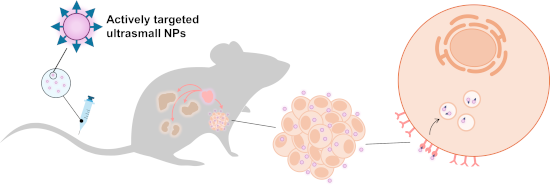
- detailed experimental characterization of the surface properties and interactions of targeted usNPs is indispensable for elucidating their biological behavior and optimizing their performance. 4 The significance of binding affinity and kinetics It is imperative to assess the apparent binding affinity (KD





