Search results
Search for "synthesis" in Full Text gives 1244 result(s) in Beilstein Journal of Nanotechnology. Showing first 200.
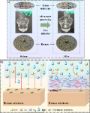
Cellulose as a photocatalyst support material: extraction, structural features, and environmental applications
Beilstein J. Nanotechnol. 2026, 17, 635–652, doi:10.3762/bjnano.17.44
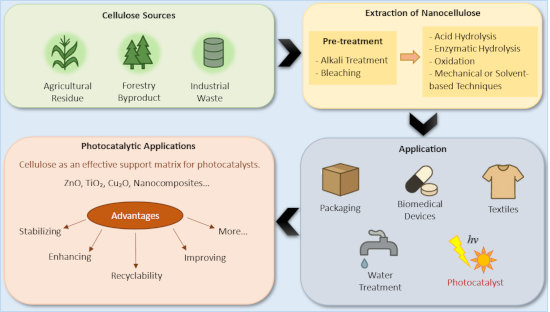
- more than 10 µm long and 2–20 µm wide [22]. At the nanoscale, cellulose is transformed into nanocellulose, which includes CNCs produced by acid hydrolysis and typically measuring 50–500 nm in length and 2–20 nm in width, as well as BC, which forms through bacterial synthesis and shows high
- extraction methods, we must transition from a small-scale synthesis to commercial manufacturing that requires balancing yield and particle quality against environmental impact, reagent costs, and energy consumption. Despite its significant environmental drawbacks, sulfuric acid hydrolysis remains the major
- enhancing charge-transfer dynamics [89]. Recently, nanocellulose has emerged as a promising support material for the synthesis of metal, metal oxide, and non-metallic nanoparticles, and when these components are combined, they often act synergistically to enhance photodegradation processes. Noble and


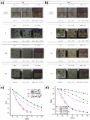
Two-step laser synthesis of Ag@TiO2 nanomaterials for the photocatalytic degradation of rhodamine B
Beilstein J. Nanotechnol. 2026, 17, 622–634, doi:10.3762/bjnano.17.43
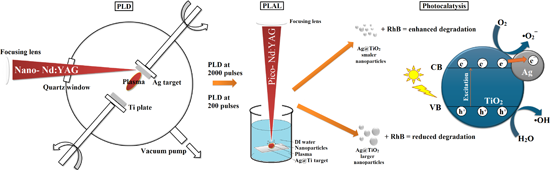
- Techniques, Institute of Physics, Bijenička Cesta 46, 10000 Zagreb, Croatia 10.3762/bjnano.17.43 Abstract This study presents a novel, chemical-free approach for the synthesis of Ag-modified TiO2 (Ag@TiO2) nanoparticles by combining the two laser-based ablation techniques pulsed laser deposition (PLD) and
- suppression of electron–hole recombination, allowing for more effective utilization of the solar spectrum. Accordingly, Ag@TiO2 nanostructures, especially those obtained through controlled synthesis, represent highly promising candidates for photocatalytic environmental remediation processes induced by
- visible light, such as water treatment and degradation of organic contaminants [10][11][12]. Among various synthesis techniques, laser-based methods, such as pulsed laser ablation in liquids (PLAL) and laser pyrolysis, stand out as clean, efficient, and surfactant-free routes for fabricating Ag@TiO2


Towards targeted drugs and next generation of nanomedicines
Beilstein J. Nanotechnol. 2026, 17, 598–601, doi:10.3762/bjnano.17.41

- , synthesis and functionalization of nanobiomaterials, nanotechnology applied to therapy and medical diagnostics, and pharmaceutical nanotechnology. The collected articles and contributions provide a broad overview on recent advances in the field within the aforementioned topics. Additionally, it includes
Laser–material interactions in liquids for the synthesis of nanomaterials: current status and perspectives
Beilstein J. Nanotechnol. 2026, 17, 571–575, doi:10.3762/bjnano.17.38
- of Wuppertal, 42119 Wuppertal, Germany Department of Materials Science and Engineering, University of Virginia, 395 McCormick Road, Charlottesville, Virginia 22904-4745, USA 10.3762/bjnano.17.38 Keywords: colloidal nanoparticles; green synthesis of nanoparticles; laser ablation in liquids; laser
- –matter interactions; laser processing in liquids; In the ever-evolving landscape of materials science and nanotechnology, laser synthesis and processing of colloids (LSPC) has emerged [1] as a powerful and versatile technique for producing high-purity, surfactant-free nanoparticles from a wide range of
- materials, including metals [2][3], oxides [4][5], semiconductors [6][7], and organics [8][9]. In addition, LSPC enables the synthesis of multicomponent nanomaterials, such as binary [10][11], ternary [12][13], and compositionally complex alloys [14][15], with a high degree of control over their composition
Synthesis of Cu–Mo/TiO2 and Co–Mo/TiO2 photocatalysts for the efficient degradation of organic pollutants in water
Beilstein J. Nanotechnol. 2026, 17, 559–570, doi:10.3762/bjnano.17.37
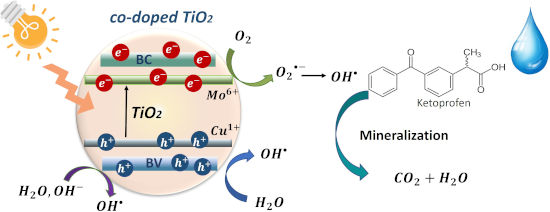
- lattice and the effects on photocatalytic performance have been reported in several studies [7][8][9][10]. Crucial factors for successfully co-doping a material are the selection of compatible co-dopants and the synthesis method to introduce the dopants [11]. The main objective of working with metal/metal
- , there is no report in the literature about the specific photocatalysts Cu–Mo/TiO2 and Co–Mo/TiO2. However, due to the promising effects reported and previously described, the use of the metals Cu, Co, and Mo was considered for the synthesis of two photocatalytic systems. The synergetic strategy of co
- the doping of TiO2 can be done during its synthesis or through an impregnation technique, which is a very simple method that does not require high energy consumption. In addition, the transition metal precursors are relatively inexpensive, which makes these materials more attractive to be used in

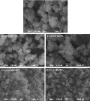
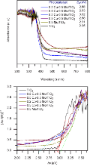
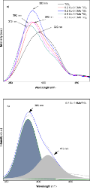


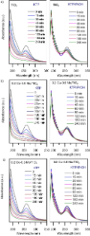
Advances in nanotechnology applied to natural products
Beilstein J. Nanotechnol. 2026, 17, 555–558, doi:10.3762/bjnano.17.36
- , hybrid, and inorganic platforms, reflecting the interdisciplinarity of the field, from nanosystem synthesis and physicochemical characterization to biomedical, pharmaceutical, cosmetic, and environmental applications. Among the nanostructures, lipid-based carriers, including nanoemulsions, microemulsions
- nanomaterials, particularly metallic nanoparticles. Metallic nanoparticles, typically defined as structures with diameters between 1 and 100 nm, exhibit distinctive electrical, optical, and magnetic properties that support a broad range of applications [26]. They can be obtained via green synthesis using
Electrochemical determination of ciprofloxacin using a MIL-101/reduced graphene oxide-modified electrode
Beilstein J. Nanotechnol. 2026, 17, 541–554, doi:10.3762/bjnano.17.35
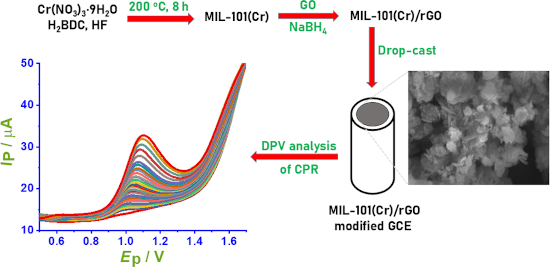
- levels were prepared using a mixture of acetic acid, phosphoric acid, and boric acid, with pH adjusted using 0.2 M NaOH solution. Synthesis of reduced graphene oxide (rGO), MIL-101, and MIL-101/rGO Graphene oxide (GO) was synthesized from natural graphite using a modified Hummers’ method, as described in


Probing internal continua and atomic ultrafast charge transfer within size-controlled nanoparticles by post-collision interaction in core-hole clock spectroscopy
Beilstein J. Nanotechnol. 2026, 17, 505–514, doi:10.3762/bjnano.17.33
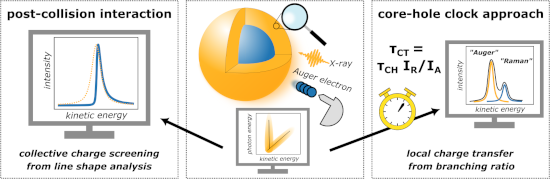
- properties of QDs such as absorption wavelength are collective properties of the entire system and are primarily determined by the particle size [8]. Advances in synthesis techniques have allowed for precise control over QD size, making these properties reliably tunable [9]. Other properties, such as



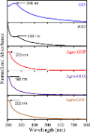
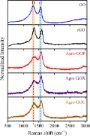
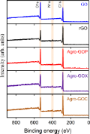
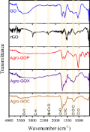
Upcycling agroindustrial waste into graphene oxide supports for gold nanoparticles: toward sustainable nanomaterials
Beilstein J. Nanotechnol. 2026, 17, 489–504, doi:10.3762/bjnano.17.32
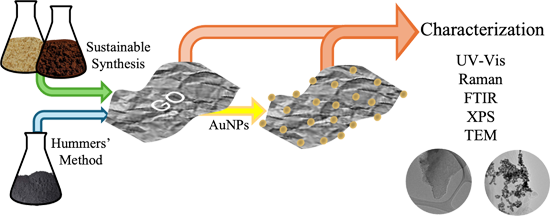
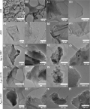
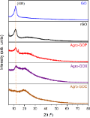
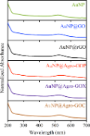
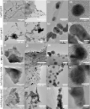
- of transforming agroindustrial waste into high-value graphene-based nanomaterials and highlight the potential of sustainable synthesis routes for advancing environmentally responsible carbon-based technologies. Keywords: agroindustrial waste; gold nanoparticles; graphene oxide; green synthesis
- -friendly feedstocks for the synthesis of carbon-based materials. Also, the coffee industry, a major global agro-industry, generates over 23 million tons of waste annually from its production and consumption chains [26]. Coffee by-products include husks, pulp, mucilage, parchment, silverskin, and spent
- technologies. Materials and Methods Materials For the synthesis of GO and rGO, all solvents and chemicals were purchased from Sigma-Aldrich and used without further purification. Graphite was purchased from Bay Carbon, Inc. Biomass collection and pre-treatment Peanut shells were obtained from peanuts collected



Defects and defect-mediated engineering of two-dimensional materials: challenges and open questions
Beilstein J. Nanotechnol. 2026, 17, 454–488, doi:10.3762/bjnano.17.31
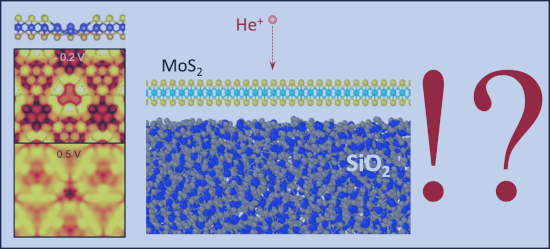
- graphene or h-BN) defect formation energies prevent low defect concentrations in monolayer sheets? How can synthesis methods for monolayer materials be modified to control defect species and concentration? We note that, in TMDs, not only chalcogen vacancies, but also transition metal vacancies and
- a comparison to the theory difficult. A possible solution is to use a different strategy: For systematic studies of the thermodynamic conditions (background pressure and temperature), synthesis systems need to be developed that allow to vary these conditions (partial pressures of the constituents
- structures compared to those for isolated vacancies [41]. The complexity of defects and the large number of systems means that the discovery of such new materials relied mostly on “accidental” experimental observations. Under most synthesis conditions, the phases with the lowest formation enthalpy are formed





Nanoinformatics: spanning scales, systems and solutions
Beilstein J. Nanotechnol. 2026, 17, 423–427, doi:10.3762/bjnano.17.28
- standards to facilitate interoperability [13]. Punz et al. presented a practical approach to capturing both nanomaterials and data provenance, via the InstanceMaps tool, which allows users to document research workflows of increasing complexity, including documentation of: (i) synthesis, functionalisation

Biomimetic nanoparticles in cancer photodynamic therapy: a review of targeted delivery systems and therapeutic outcomes
Beilstein J. Nanotechnol. 2026, 17, 396–422, doi:10.3762/bjnano.17.27
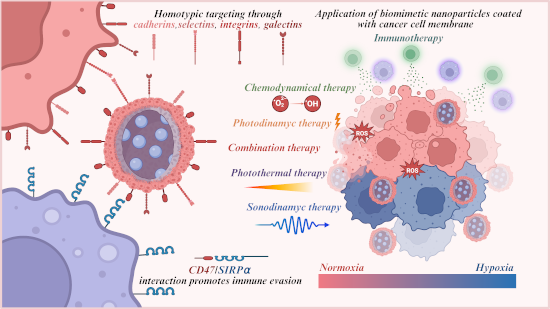
- capabilities. For instance, membranes from CAR-T cells or stem cells engineered to overexpress homing receptors can be used to create BNPs that efficiently recognize and bind to tumor cells or inflamed tissues, minimizing off-target effects and systemic toxicity [71][72]. Post-synthesis surface modification is


Eco-efficient materials for agricultural crops based on a mineral rich in MOR- and HEU-type zeolites
Beilstein J. Nanotechnol. 2026, 17, 381–395, doi:10.3762/bjnano.17.26
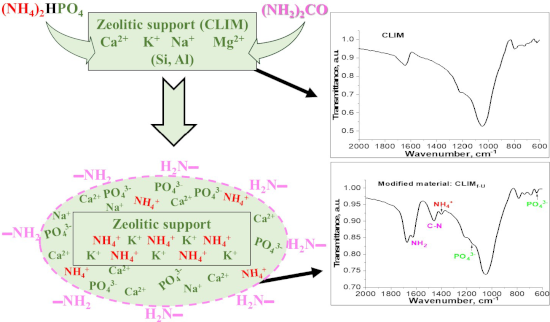
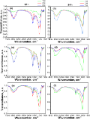
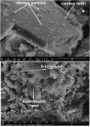
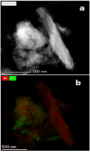
- zeolites, unlike synthetic analogues, do not require expensive chemical raw materials and energy-intensive stages of hydrothermal synthesis. The main costs of their exploitation are associated with extraction and mechanical processing, which significantly reduces the cost of the final product. At the same




Polycatecholamine nanocoatings on stainless steel: the effect on attachment of human fibroblasts and platelets
Beilstein J. Nanotechnol. 2026, 17, 365–380, doi:10.3762/bjnano.17.25
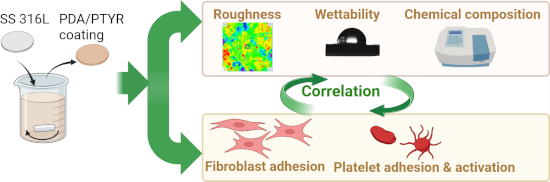
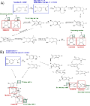
- Fenton-type reaction for PTYR synthesis and previously optimized conditions for PDA deposition [12][27]. We compared the physicochemical properties of these coatings and evaluated their effects on L929 fibroblasts, human dermal fibroblasts, and human platelets. By directly comparing PDA with the much
- used atmospheric oxidation (because the amount of oxidant in the solution is not limited by its dissolution) and allows for precise control over coating uniformity and thickness at the nanoscale. Also, for the synthesis of PTYR coatings, there is a limitation in the substrate availability for the




Interconnection morphology effects on the radio frequency response of carbon nanotube sponges
Beilstein J. Nanotechnol. 2026, 17, 343–351, doi:10.3762/bjnano.17.23
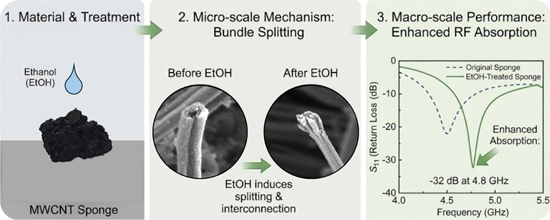
- sponge (CNS) [23], was applied as active medium for the fabrication of antennas [24]. The material consists of highly interconnected MWCNTs that are assembled during the synthesis process and confer the material its 3D shape. In addition, the assembly has interesting macroscopical properties like high
- comparable to similar measurements reported in the literature, but located at a different frequency [17][18][19]. This observed discrepancy can be ascribed to differences in the synthesis parameters (e.g., temperature, precursors, solvents, and use of a substrate) and the choice of the substrate [16]. In our
- interference due to the absence of a substrate. The 3D CNT structures can be produced through a facile low-cost synthesis process; due to the high flexibility, light weight, and good conductivity, they represent a novel material that can be exploited for integration into small devices and other applications




Beam shaping techniques for pulsed laser ablation in liquids: Unlocking tunable control of nanoparticle synthesis in liquids
Beilstein J. Nanotechnol. 2026, 17, 309–342, doi:10.3762/bjnano.17.22
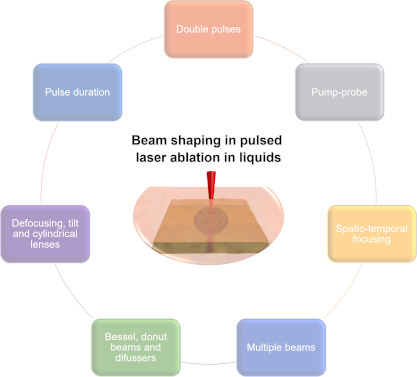
- 10.3762/bjnano.17.22 Abstract Nanoparticle synthesis via pulsed laser ablation in liquids has gained prominence as a versatile and environmentally friendly approach for producing ligand-free colloids with controlled composition, size, and morphology. While pulsed laser ablation in liquids offers
- highlighted, offering a comprehensive perspective on the future of this dynamic field. Keywords: green nanoparticles synthesis; PLAL; production upscale; pulsed laser ablation in liquids; size control; spatial beam shaping; temporal beam shaping; Review Introduction Pulsed laser ablation in liquids (PLAL
- ) [1][2][3][4][5] is an increasingly employed nanoparticle synthesis technique, first established in the 1990s [6][7]. This method involves focusing high-energy laser pulses onto a solid target submerged in a liquid medium [8]. As the laser interacts with the target, it triggers rapid ionisation







Durable antimicrobial activity of fabrics functionalized with zeolite ion-exchanged nanomaterials against Staphylococcus aureus and Escherichia coli
Beilstein J. Nanotechnol. 2026, 17, 262–274, doi:10.3762/bjnano.17.18
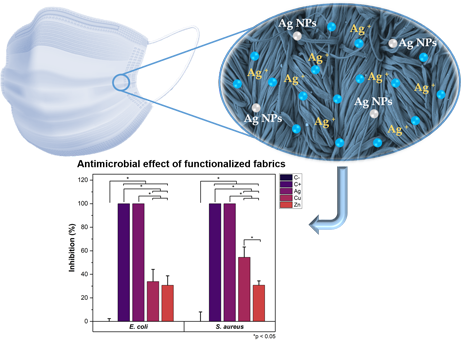
- synthesis methods, and relatively low cost [4][10][11]. One of the most extensively studied nanomaterials in terms of antimicrobial properties is colloidal silver as its antimicrobial action affects various parts of microorganisms. In addition to silver, copper has attracted significant attention for its
- bacteria. The synthesis conditions, including concentration (1% and 2%), temperature (25 and 80 °C), and order of the ZnO NP application during the pad–dry–cure method were studied by Eskani and coworkers. Antibacterial activity of the treated fabrics was evaluated against S. aureus and E. coli [34




Gold nanoparticle-decorated reduced graphene oxide as a highly effective catalyst for the selective α,β-dehydrogenation of N-alkyl-4-piperidones
Beilstein J. Nanotechnol. 2026, 17, 218–238, doi:10.3762/bjnano.17.15
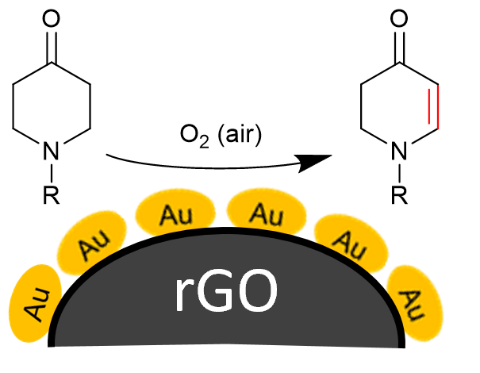
- its reaction product N-methyl-2,3-dihydropyridin-4(1H)-one is highly valuable (>1000 €·g−1) in contrast to the inexpensive starting material (0.15 €·g−1). Various synthesis methods were employed to prepare AuNPs supported on different carbon materials, including reduced graphene oxide (rGO), activated
- tunability, making AuNPs highly versatile in catalytic applications [5][6]. Traditional ligands such as thiols and citrates are commonly used in the synthesis of AuNPs due to their ability to control particle size, prevent aggregation, and enhance stability in solution [7]. Also, polyoxometalates (POMs) have
- supports follows the order rGO > AC > CB, making rGO probably the most active and efficient support for NPs. Synthesis and characterization of carbon-supported gold nanoparticles The synthesis of the Au-Cit/carbon and of the Au-SiW9/carbon composites was carried out by the RD method as schematically


Safe and sustainable by design with ML/AI: A transformative approach to advancing nanotechnology
Beilstein J. Nanotechnol. 2026, 17, 176–185, doi:10.3762/bjnano.17.11
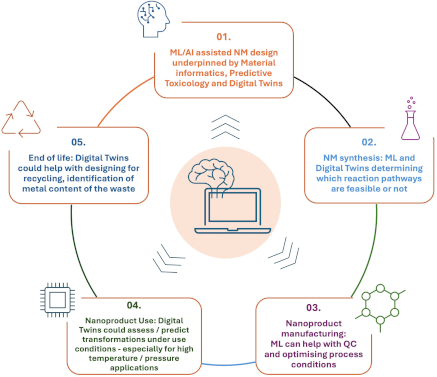
- information. QSAR models, for instance, rely on known correlations between specific nanomaterial properties – such as size, shape, and surface chemistry – and various toxicity endpoints. By identifying hazardous materials well before synthesis, QSAR-based screening saves resources, decreases late-stage
- early in the design cycle, enabling prompt adjustments to chemical composition or synthesis protocols that mitigate toxicity without compromising performance. Through such feedback loops, materials informatics cultivates a forward-looking approach to nanomaterial innovation, where safety considerations
- , beginning with raw material synthesis and continuing through usage, recycling, and eventual disposal. ENMs may undergo transformations such as agglomeration, chemical reactions, or changes in surface properties. These transformations may happen in different environmental and biological contexts, including


From shield to spear: Charge-reversible nanocarriers in overcoming cancer therapy barriers
Beilstein J. Nanotechnol. 2026, 17, 159–175, doi:10.3762/bjnano.17.10
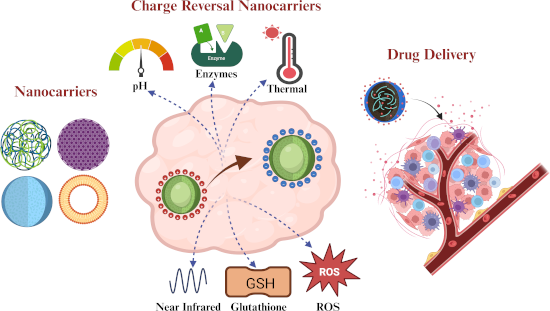
- reproducibility among various formulations [97]. In addition, the synthesis of CRNs often involves elaborate multistep processes to achieve accurate charge-switching properties, which can lead to inconsistencies between production batches and create scalability challenges [98]. The inclusion of diverse functional


Influence of surface characteristics on the in vitro stability and cell uptake of nanoliposomes for brain delivery
Beilstein J. Nanotechnol. 2026, 17, 139–158, doi:10.3762/bjnano.17.9
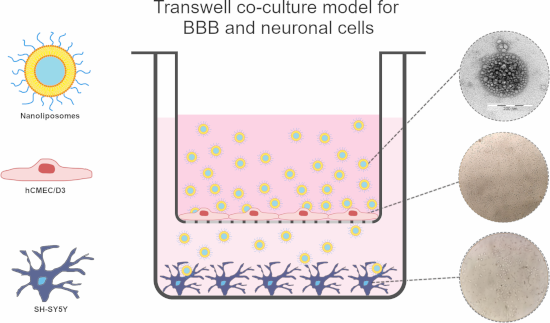
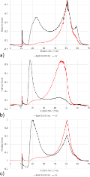
- proteins, viruses, and cells. These applications have facilitated the analysis of liposomes, enabling the separation of populations obtained from the same method synthesis and determination of their size. Optimizing separation variables in AF4–MALS involves several parameters such as cross-flow conditions





Development and in vitro evaluation of liposomes and immunoliposomes containing 5-fluorouracil and R-phycoerythrin as a potential phototheranostic system for colorectal cancer
Beilstein J. Nanotechnol. 2026, 17, 97–121, doi:10.3762/bjnano.17.7
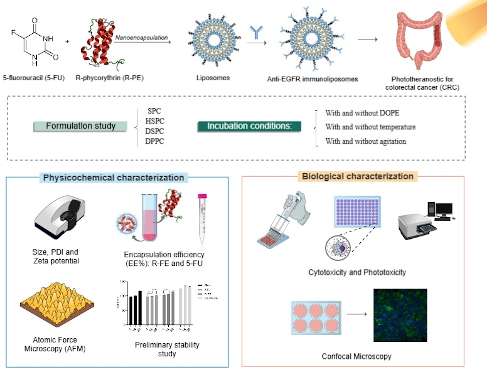
- cancer) cells [15]. Furthermore, as previously mentioned, 5-FU is a drug used to treat colorectal cancer, an analogue of the uracil nucleotide, capable of inhibiting the synthesis of DNA and RNA, in addition to inhibiting thymidylate synthase. This drug is the first line of the treatment of colorectal



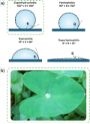
Functional surface engineering for cultural heritage protection: the role of superhydrophobic and superoleophobic coatings – a comprehensive review
Beilstein J. Nanotechnol. 2026, 17, 63–96, doi:10.3762/bjnano.17.6
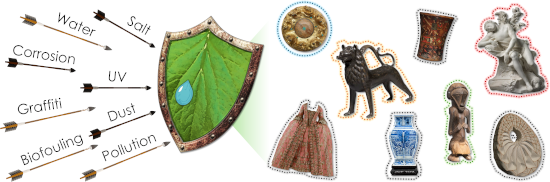
- surface treatment, where sol–gel coatings were applied post-synthesis to the dry geopolymer monoliths. In the other, a bulk modification, alkoxysilanes were directly added to the geopolymeric mixture before curing. The two routes differed in how the alkoxysilanes were made, especially regarding
- . Sustainability is usually invoked through eco-friendly synthesis or functional performance, yet none of the works provide full life-cycle or disposal assessments, leaving this criterion only partially addressed. Less attention is devoted to the protection of glass-based substrates. The efforts devoted to the





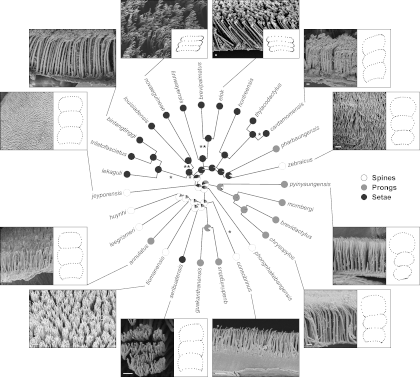
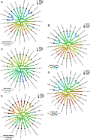
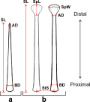
Subdigital integumentary microstructure in Cyrtodactylus (Squamata: Gekkota): do those lineages with incipiently expressed toepads exclusively exhibit adhesive setae?
Beilstein J. Nanotechnol. 2026, 17, 38–56, doi:10.3762/bjnano.17.4



Reduced graphene oxide paper electrode for lithium-ion cells – towards optimized thermal reduction
Beilstein J. Nanotechnol. 2026, 17, 24–37, doi:10.3762/bjnano.17.3
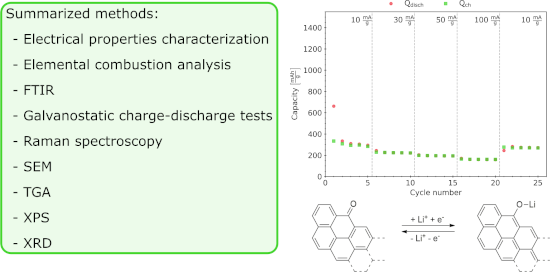
- charge storage mechanism in rGO materials cannot be described as a typical “staging mechanism”. Conclusion In this paper, the authors presented preliminary data on variants of the thermal reduction of reduced graphene oxide paper for an optimized synthesis as an electrode material. The applied methods