


Search results
Search for "titanium" in Full Text gives 304 result(s) in Beilstein Journal of Nanotechnology. Showing first 200.
TiO2 immobilized on 2D mordenite: effect of hydrolysis conditions on structural, textural, and optical characteristics of the nanocomposites
Beilstein J. Nanotechnol. 2025, 16, 128–140, doi:10.3762/bjnano.16.12
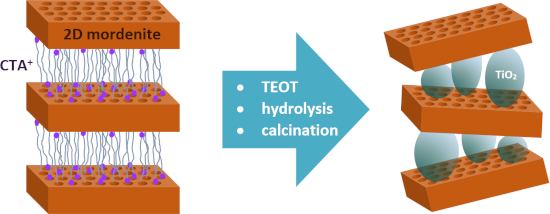
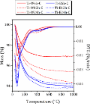
- nanocomposites were synthetized by the introduction of titanium tetraethoxide (TEOT) into the interlamellar space of 2D mordenite, its subsequent hydrolysis in water or a solution of 70% ethanol in water for 6, 12, and 24 h, and calcination. The resulting TiO2/2D mordenite materials were studied by a set of
- hydrolysis medium. Keywords: 2D zeolite; hierarchical porosity; mordenite; TEOT; TiO2; titanium tetraethoxide; Introduction Zeolites are important heterogeneous catalysts in various industrial processes. More and more functional materials based on zeolites are being searched for, including zeolites with
- derivatives compared to Si(OR)4 leads to a high propensity for oligomerization and polymerization of metal alkoxides after the first stages of hydrolysis. In the case of tetraethoxysilane, the overall reaction can be written as [29]: The situation in the case of titanium alkoxides is more ambiguous. In a



Bioinspired nanofilament coatings for scale reduction on steel
Beilstein J. Nanotechnol. 2025, 16, 25–34, doi:10.3762/bjnano.16.3

- SNFs. These filaments have been developed for coatings on polymers [10][11][12], textiles [12][13][14][15][16][17], aluminium and titanium [11][12], and glass [11][12][13][18][19], to replicate the water-repelling effects observed in nature [13][18][20][21]. Coatings with nano- or micrometer-sized


Orientation-dependent photonic bandgaps in gold-dust weevil scales and their titania bioreplicates
Beilstein J. Nanotechnol. 2025, 16, 1–10, doi:10.3762/bjnano.16.1
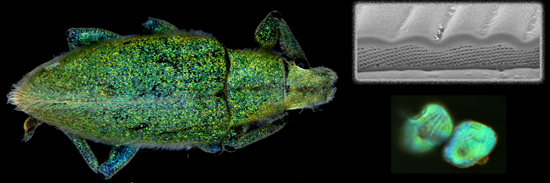
- settings were: etching time 36 min, power 50 W, argon pressure 0.9 mbar. Negative titania replicas were fabricated from the etched scales using a sol–gel chemistry protocol modified from ([24]). Briefly, titania sol was synthesized by adding 2 mL of hydrolyzed titanium ethoxide to a pre-mixed solution
- . The scale template was removed by acid etching, using drops of a 3:1 mixture of concentrated nitric and hydrochloric acids, followed by heating at 130 °C for 15 min. The replicas were then cleaned using deionized water. Titanium(IV) ethanolate (33–35% TiO2), tetraethyl orthosilicate (TEOS 98%), and


Fabrication of hafnium-based nanoparticles and nanostructures using picosecond laser ablation
Beilstein J. Nanotechnol. 2024, 15, 1639–1653, doi:10.3762/bjnano.15.129
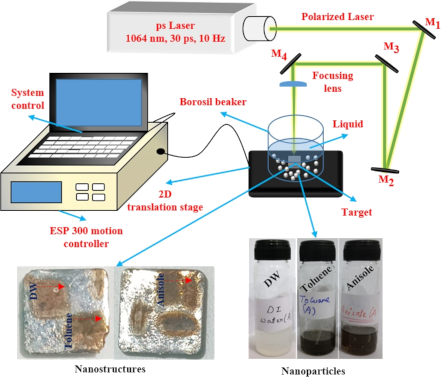
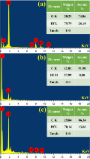
- independent on λL [63], instead the HSFL size depends on laser parameters such as fluence, energy dose, and pulse duration [64]. Re-deposition and re-solidification of the ablated NPs on NSs were also observed, which matches with observation in an earlier reported work [65] for titanium ablation. These




Integrating high-performance computing, machine learning, data management workflows, and infrastructures for multiscale simulations and nanomaterials technologies
Beilstein J. Nanotechnol. 2024, 15, 1498–1521, doi:10.3762/bjnano.15.119

- predictive analysis [71]. Moreover, it is tailored to the safe-by-design paradigm, making it an essential tool for future researches [72]. ASCOT (an acronym derived from Ag-Silver, Copper Oxide, Titanium Oxide) is a tool for the automated construction and optimization of molecular structures for, as the name
- suggests, silver, copper oxide, and titanium oxide [73]. ASCOT assists in the generation of high-quality digital twins of materials and the computation of relevant molecular descriptors. Nanotube Modeler is a software tool designed to create three-dimensional coordinates for various nanoscale carbon


Strain-induced bandgap engineering in 2D ψ-graphene materials: a first-principles study
Beilstein J. Nanotechnol. 2024, 15, 1440–1452, doi:10.3762/bjnano.15.116
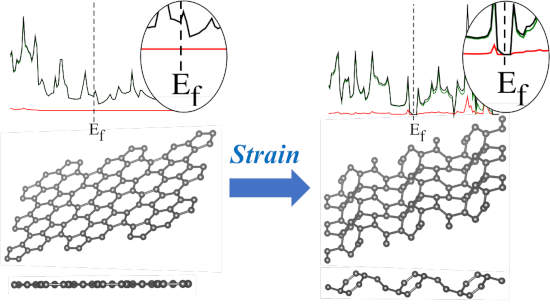
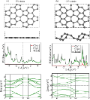
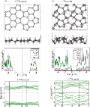
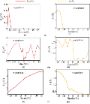
- an anode material in Li-ion batteries [16]. Theoretical investigations also suggest that when ψ-graphene is decorated with transition metals like zirconium, yttrium, and titanium, it can serve as an excellent adsorbent for hydrogen storage [42][44][45]. DFT calculations have shown that the adsorption


Lithium niobate on insulator: an emerging nanophotonic crystal for optimized light control
Beilstein J. Nanotechnol. 2024, 15, 1415–1426, doi:10.3762/bjnano.15.114
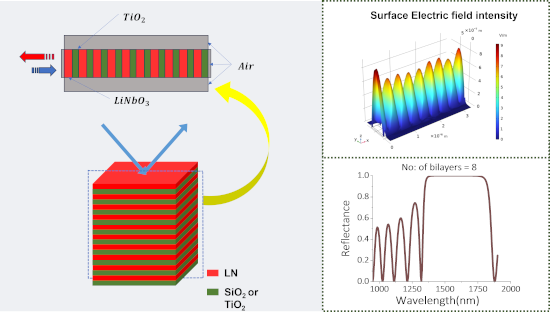
- , and spin–photon entanglement), and detection (involving single-photon detectors). Keywords: integrated photonics; lithium niobate; photonic bandgap; photonic crystal; titanium dioxide; Introduction One-dimensional photonic crystals (PhCs) are electromagnetic media in which materials are periodically
- modulation capabilities of lithium niobate coupled with transparency and high refractive index of titanium dioxide, offer a versatile platform for designing devices with controlled polarization, tunable modulation, and well-defined photonic bandgaps [9][13][24]. The complementary nonlinear optical properties
- of these materials further enhance the potential for applications such as frequency conversion and signal processing. However, successful implementation requires addressing fabrication challenges to ensure precise layer deposition and interface quality. Overall, combining lithium niobate and titanium


Investigation of Hf/Ti bilayers for the development of transition-edge sensor microcalorimeters
Beilstein J. Nanotechnol. 2024, 15, 1353–1361, doi:10.3762/bjnano.15.108

- Academy of Sciences, Akademicheskaya Street, 7, Nizhny Novgorod, Russia, 603950, Russia 10.3762/bjnano.15.108 Abstract The superconducting properties of 85 nm thick hafnium thin films with a 5 nm thick titanium layer on top have been investigated for three different geometries, that is, a film covering
- temperature to the required values because of the proximity effect. One of the most common pairs is titanium with gold [1][8]. Moreover, there are at least two materials that in pure form already possess TC close to the required value, iridium with a critical temperature of 112 mK [9] and hafnium with one of
- of Hf is lower than that of Ti, another widely used TES material. This means that the same amount of energy will give a higher temperature change in hafnium than in titanium-based TES. The listed points make hafnium a promising material for TES development. In this work, Hf/Ti bilayer bridges of


Quantum-to-classical modeling of monolayer Ge2Se2 and its application in photovoltaic devices
Beilstein J. Nanotechnol. 2024, 15, 1153–1169, doi:10.3762/bjnano.15.94
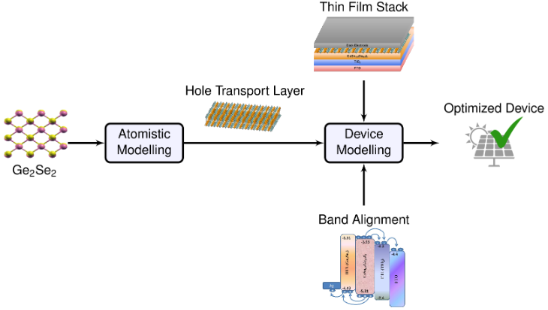
- a HTL. The schematic of the proposed solar cell is shown in Figure 6a. The proposed structure consists of a lead-free Perovskite layer as an absorber, titanium dioxide (TiO2) as ETL, and Ge2Se2 as HTL. A 100 nm thick layer of FTO is used to encapsulate the transport and absorber layers and treated




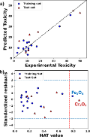
Introducing third-generation periodic table descriptors for nano-qRASTR modeling of zebrafish toxicity of metal oxide nanoparticles
Beilstein J. Nanotechnol. 2024, 15, 1142–1152, doi:10.3762/bjnano.15.93
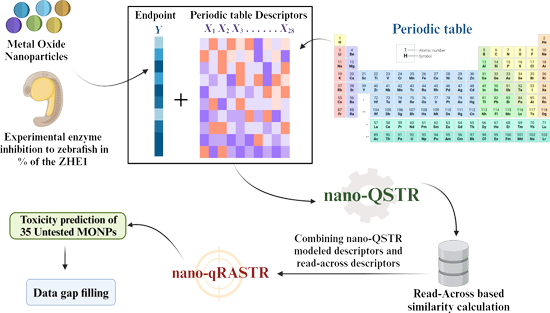
- development of nanotechnology, more and more MONPs including zinc, iron, titanium, and copper are being explored in therapeutic applications such as drug delivery, bioimaging, biosensing, bioelectronics, and tissue engineering applications [4][5][6]. Simultaneously, many of these particles also presented


Photocatalytic methane oxidation over a TiO2/SiNWs p–n junction catalyst at room temperature
Beilstein J. Nanotechnol. 2024, 15, 1132–1141, doi:10.3762/bjnano.15.92
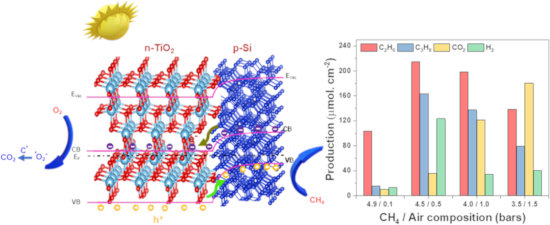
- valuable products such as formaldehyde (HCHO), methanol (CH3OH), and other value-added oxygenates, which serve as essential precursors in various manufacturing and production processes [18][19]. The n-type semiconductor titanium dioxide (TiO2) has been discovered as a potential photocatalyst material


Interface properties of nanostructured carbon-coated biological implants: an overview
Beilstein J. Nanotechnol. 2024, 15, 1041–1053, doi:10.3762/bjnano.15.85
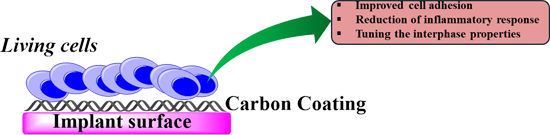
- Mansoorianfar and co-workers [91]. Booth et al. [92] dealt with foreign-body giant cell formation, disproving that significant changes in wettability and surface energy affect the in vivo effects of NDs on titanium surfaces. The authors surprisingly reported a negligible effect of ND coating on fibrous
- electrons at the Schottky-like interface between graphene and titanium. The enhancement of electron transfer rate promoted a relevant bactericidal action. Furthermore, the authors proved the relationship between activity and electron transfer rate by adding an insulating layer of zirconia and observing no
- bactericidal effects. The authors also proved the cytocompatibility of the bactericidal coatings. GO showed similar results on titanium surfaces as reported by Yang et al. [115], reporting antibacterial activity of over 99% against both E. coli or S. aureus when a small doping with copper was applied. The



Therapeutic effect of F127-folate@PLGA/CHL/IR780 nanoparticles on folate receptor-expressing cancer cells
Beilstein J. Nanotechnol. 2024, 15, 954–964, doi:10.3762/bjnano.15.78
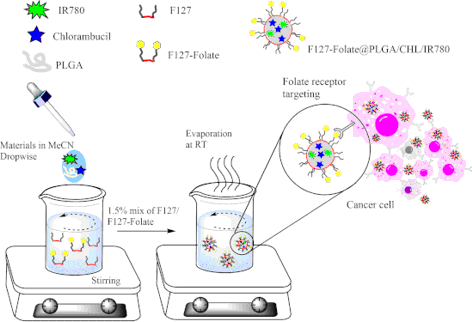
- /IR780 (10 μL) suspension was loaded on a silica film for 1 min, and water was allowed to evaporate. Then, the nanoparticles were coated with titanium, and the SEM images were acquired using a FE-SEM S4800 HITACHI, Japan. Drug loading efficiency The F127-folate@PLGA/CHL/IR780 suspension was freeze-dried




Simultaneous electrochemical determination of uric acid and hypoxanthine at a TiO2/graphene quantum dot-modified electrode
Beilstein J. Nanotechnol. 2024, 15, 719–732, doi:10.3762/bjnano.15.60
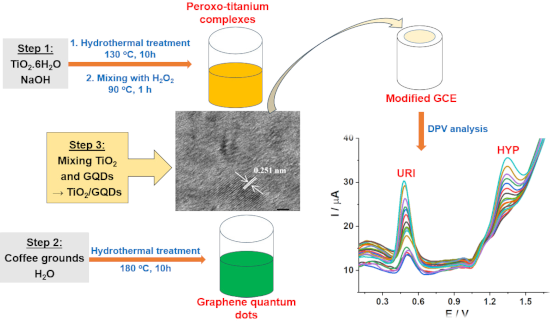
- composite (TiO2/GQDs) obtained by in situ synthesis of GQDs, derived from coffee grounds, and peroxo titanium complexes was used as electrode modifier in the simultaneous electrochemical determination of uric acid and hypoxanthine. The TiO2/GQDs material was characterized by photoluminescence, X-ray
- urine samples with acceptable recovery rates. Keywords: graphene quantum dots; hypoxanthine; peroxo titanium complexes; uric acid; Introduction Uric acid (7,9-dihydro-1H-purine-2,6,8(3H)-trione, URI) is the primary final product of the purine metabolism in humans. High concentrations of URI in serum
- , titanium alkoxides and halides are extensively used as precursors [20][21]. Because of their high reactivity, a complicate control over the reaction conditions is critical to achieve the desired crystalline structures and morphology [22]. Recently, a synthesis using stable water-soluble titanium complexes


Exfoliation of titanium nitride using a non-thermal plasma process
Beilstein J. Nanotechnol. 2024, 15, 631–637, doi:10.3762/bjnano.15.53
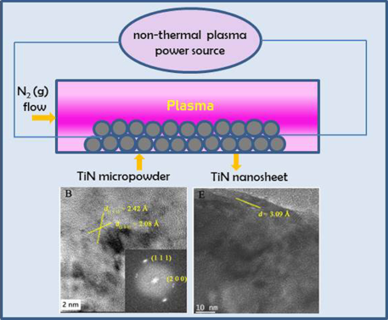
- , Brazil 10.3762/bjnano.15.53 Abstract In this study, we present a novel approach for the exfoliation of titanium nitride (TiN) powders utilizing a rapid, facile, and environmentally friendly non-thermal plasma method. This method involves the use of an electric arc and nitrogen as the ambient gas at room
- successful exfoliation of TiN structures using our innovative non-thermal plasma method, opening up exciting possibilities for advanced material applications. Keywords: exfoliation; nanosheets; non-plasma method; titanium nitride; Introduction Since the groundbreaking discovery of graphene by Andre Geim
- ferromagnetic properties and demonstrated high visible-light photocatalytic activity when loaded onto titania nanotube arrays. Titanium nitride (TiN) has gained recognition as an advanced engineering material because of its outstanding chemical and thermal stability, extreme hardness, and electrical



Aero-ZnS prepared by physical vapor transport on three-dimensional networks of sacrificial ZnO microtetrapods
Beilstein J. Nanotechnol. 2024, 15, 490–499, doi:10.3762/bjnano.15.44
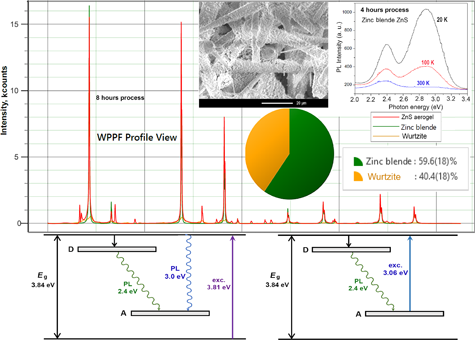
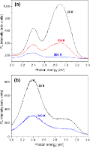
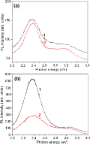
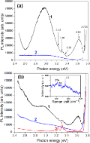
- ], and hybrid composite [26][27] materials. Aeromaterials have been prepared on the basis of sacrificial nano/microstructured templates. Nanofibrillated cellulose has been used as a sacrificial template for the preparation of inorganic nanotube networks, such as titanium dioxide, zinc oxide, and aluminum



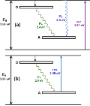
Sidewall angle tuning in focused electron beam-induced processing
Beilstein J. Nanotechnol. 2024, 15, 447–456, doi:10.3762/bjnano.15.40
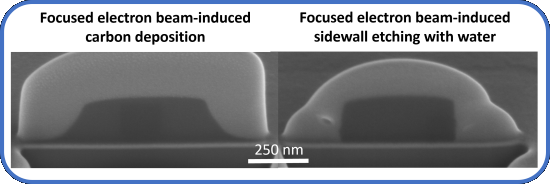
- , section S1 for more details on the simulation). Sidewall slope evolution under FEBIE To experimentally study the modification of the sidewalls of a FEBID structure, carbon structures were first deposited on a silicon substrate with a 20 nm gold–palladium layer and a 5 nm titanium adhesion layer. The
- substrate with a 20 nm gold–palladium layer and a 5 nm titanium adhesion layer. The line was patterned in 500 passes with a dwell time of 500 µs, using a 5 keV beam and 100 pA current with a defocus of 100 nm. Prior to the FIB milling the line was covered with a protective layer of FEBID Pt/C from the


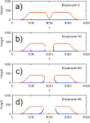


Classification and application of metal-based nanoantioxidants in medicine and healthcare
Beilstein J. Nanotechnol. 2024, 15, 396–415, doi:10.3762/bjnano.15.36
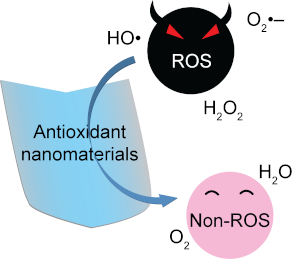
- of superoxide anions (•O2−) [178]. Titanium dioxide NPs have also gained attention for their ability to reduce oxidative stress and inflammation in atherosclerosis [179][180]. The incorporation of these metal-based nanomaterials into therapeutic strategies signifies a paradigm shift towards
- the conjugation of gold nanoparticles (AuNPs) with an anti-epithelial sodium channel (ENaC), known as a marker for arterial hypertension found in membrane platelets [186]. Beyond nanotechnology, the field has witnessed developments in metallic biomaterials for vascular tissue engineering. Titanium


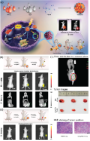
On the mechanism of piezoresistance in nanocrystalline graphite
Beilstein J. Nanotechnol. 2024, 15, 376–384, doi:10.3762/bjnano.15.34
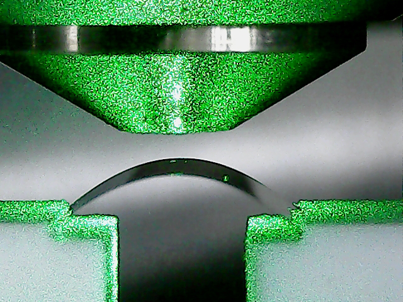
- electronics. This is because the relative change in resistance of graphene for similar values of applied strain (4%) is just 50%, which is two orders of magnitude lower than that of the flat-screen material indium titanium oxide (ITO). Indeed, from a theoretical point of view, change in resistance due to


Comparative electron microscopy particle sizing of TiO2 pigments: sample preparation and measurement
Beilstein J. Nanotechnol. 2024, 15, 317–332, doi:10.3762/bjnano.15.29
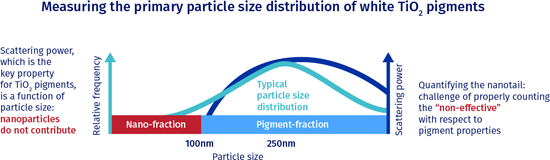
- Germany GmbH, Dr.-Rudolf-Sachtleben-Str. 4, 47198 Duisburg, Germany Billions Europe Ltd. (LB Group), Winder House, Kingfisher Way, Stockton on Tees, TS18 3EX, United Kingdom R&D, PRECHEZA, nábř. Dr. Edvarda Beneše 1170/24, 750 02 Přerov, Czech Republic 10.3762/bjnano.15.29 Abstract Titanium dioxide (TiO2
- , feed, pharmaceutical and cosmetic applications. The PSDs measured by the three titanium dioxide manufacturers based on electron micrographs are in excellent agreement with one another but differ significantly from those published elsewhere. Importantly, in some cases, the PSDs result in a different
- could not be ruled out” [7]. Recently, papers have been published in which a number of E171 samples were found by transmission electron microscopy (TEM) to be nanomaterials according to the EU definition [8][9]. For TiO2 producers this is surprising as the former food-grade titanium dioxide E171 is


Ultrasensitive and ultrastretchable metal crack strain sensor based on helical polydimethylsiloxane
Beilstein J. Nanotechnol. 2024, 15, 270–278, doi:10.3762/bjnano.15.25
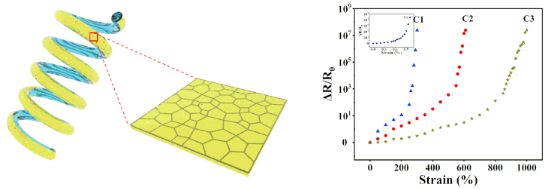
- from the taobao shopping platform. The medical rubber gloves and injection syringes were procured from a local hospital (Shanghai, China). The titanium (Ti) target (99.99%) utilized for the adhesion layer was purchased from Deyang Ona New Materials Co., Ltd. The gold (Au) target (99.999%) employed for


Design, fabrication, and characterization of kinetic-inductive force sensors for scanning probe applications
Beilstein J. Nanotechnol. 2024, 15, 242–255, doi:10.3762/bjnano.15.23
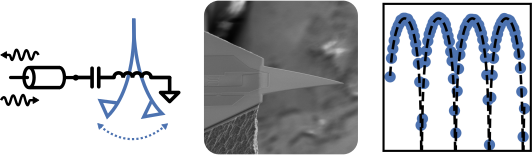
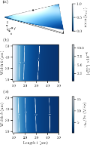
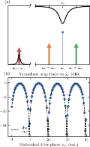
- kinetic inductance also comes with intrinsic nonlinearity, or current dependence of the inductance, which enables low-noise microwave parametric amplification [20]. Different materials studied in the literature include niobium nitride (Nb-N) [21][22], titanium nitride (Ti-N) [23][24], niobium titanium
- niobium and titanium targets [33] in an ATC2200 from AJA International Inc., with a deposition rate of roughly 3 nm/min. (b) Pads and markers. A lift-off process defines the gold contact pads and alignment marks. We spin a 400 nm thick photoresist (maN1407), bake on a hotplate at 100 °C for 60 s and



Nanocarrier systems loaded with IR780, iron oxide nanoparticles and chlorambucil for cancer theragnostics
Beilstein J. Nanotechnol. 2024, 15, 180–189, doi:10.3762/bjnano.15.17
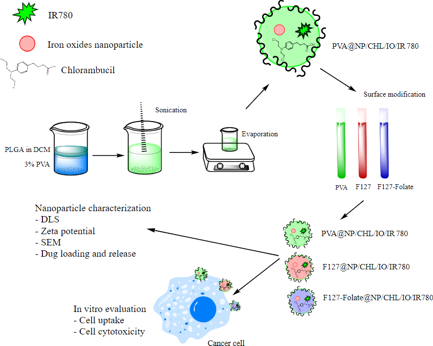
- film for 1 min, and water was allowed to evaporate. Then, the NPs were coated with titanium and SEM images were acquired using a FE-SEM S4800 HITACHI, Japan. Loading capacity Entrapment and release of CHL and IR780 in the NPs were measured by the absorbance of CHL at 256 nm and IR780 at 780 nm using


A multi-resistance wide-range calibration sample for conductive probe atomic force microscopy measurements
Beilstein J. Nanotechnol. 2023, 14, 1141–1148, doi:10.3762/bjnano.14.94
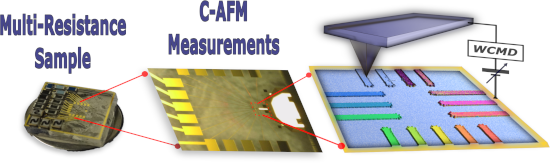
- standard photolithography, using a mask aligner (MA6, Karl Suss, Germany), and conventional deposition techniques. Following a resist (about 1 µm thick) development process, a 2 inch diameter wafer was placed in a vacuum chamber for electron beam deposition of a 200 nm thick titanium/gold layer


Prediction of cytotoxicity of heavy metals adsorbed on nano-TiO2 with periodic table descriptors using machine learning approaches
Beilstein J. Nanotechnol. 2023, 14, 939–950, doi:10.3762/bjnano.14.77
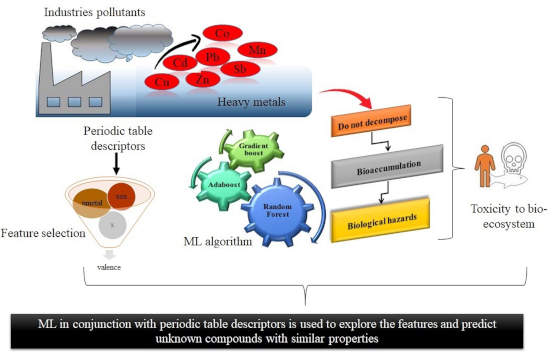
- metals, upon release and emission, may interact with different environmental components, which may lead to co-exposure to living organisms. Nanoscale titanium dioxide (nano-TiO2) can adsorb heavy metals. The current idea is that nanoparticles (NPs) may act as carriers and facilitate the entry of heavy
- have been used in different industries, and the market is developing rapidly [2]. According to a recent analysis, approximately 1300 consumer products containing NPs were marketed in 2012. As a common metal oxide nanoparticle material, nanoscale titanium dioxide (nano-TiO2) has been evaluated for





