


Search results
Search for "transfer" in Full Text gives 1093 result(s) in Beilstein Journal of Nanotechnology. Showing first 200.
Defects and defect-mediated engineering of two-dimensional materials: challenges and open questions
Beilstein J. Nanotechnol. 2026, 17, 454–488, doi:10.3762/bjnano.17.31
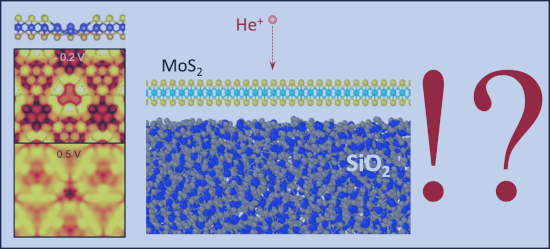
- (scanning tunneling microscopy (STM) and STEM) are slower and may introduce uncertainties due to the required change in the thermodynamic conditions during transfer from the processing chamber to the vacuum in the microscope. Are defect complexes in sub-stoichiometric/impurity-doped 2D materials more
- from triplet to singlet during dissociation [62]. Although O2 incorporation into the WS2 surface involves electron transfer from the substrate, the reaction may proceed via non-adiabatic pathways, as previously discussed for O2 adsorption on metal surfaces [66][67]. This underscores the limitations of
- valence band maximum and conduction band minimum between bulk and monolayer WS2 affect the relative position of the O2 LUMO responsible for the charge transfer. This can affect the barrier of O2 dissociation and requires further studies. The mechanisms of propagation of oxidation front from the surface of





Biomimetic nanoparticles in cancer photodynamic therapy: a review of targeted delivery systems and therapeutic outcomes
Beilstein J. Nanotechnol. 2026, 17, 396–422, doi:10.3762/bjnano.17.27
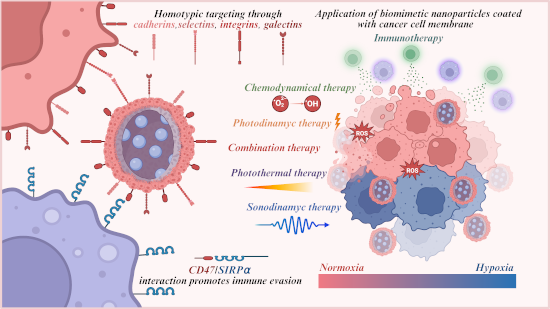
- nanostructured materials, significantly expanding the range of agents available for PDT applications [18]. The photochemical pathway for ROS generation involves non-radiative relaxation of the excited PS, typically occurring through two primary mechanisms [19]. Type-I reactions involve electron transfer
- , producing radical species such as superoxide anions, while type-II reactions involve energy transfer, generating singlet oxygen, the primary cytotoxic agent in PDT (Figure 1). Although nanostructured PSs are often associated with type-I reactions and molecular PSs with type-II reactions, the generation of


Polycatecholamine nanocoatings on stainless steel: the effect on attachment of human fibroblasts and platelets
Beilstein J. Nanotechnol. 2026, 17, 365–380, doi:10.3762/bjnano.17.25
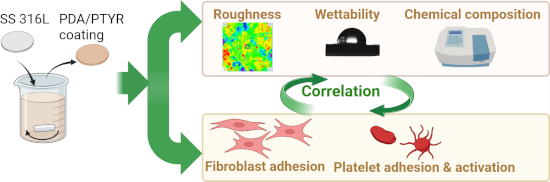
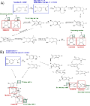
- aggregates stabilized by charge transfer, hydrogen bonding and π–π stacking interactions [12][27][28]. Mechanistic studies indicate that the first step of ʟ-tyrosine polymerization involves hydroxylation of the aromatic ring at the C3 position [12][28][29], after which the pathway resembles dopamine




Beam shaping techniques for pulsed laser ablation in liquids: Unlocking tunable control of nanoparticle synthesis in liquids
Beilstein J. Nanotechnol. 2026, 17, 309–342, doi:10.3762/bjnano.17.22
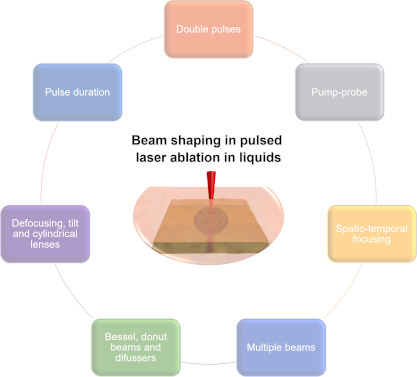
- , making thermal ablation processes dominant [162]. In the picosecond range, the pulse duration is short enough to reduce excessive heat transfer into the surrounding material, but it is still long enough to allow for localised heating, combining photomechanical and thermal effects in the ablation
- nonlinear effects arising therein. Second, we will explore the energy and heat transfer to the ablation target. Finally, we will explore different ablation mechanisms relative to each distinct temporal pulse regime. The laser beam, before reaching the liquid, propagates in air. If no extreme focusing is
- nonlinear effects for high-power nanosecond lasers and thermal effects for long femtosecond pulses with high power. Each laser pulse duration offers a distinct interaction with the ablation target that differs significantly in terms of heat transfer and ablation mechanisms concerning their efficiency and







Advancing nanolithography: a comprehensive review of materials for local anodic oxidation with AFM
Beilstein J. Nanotechnol. 2026, 17, 275–291, doi:10.3762/bjnano.17.19
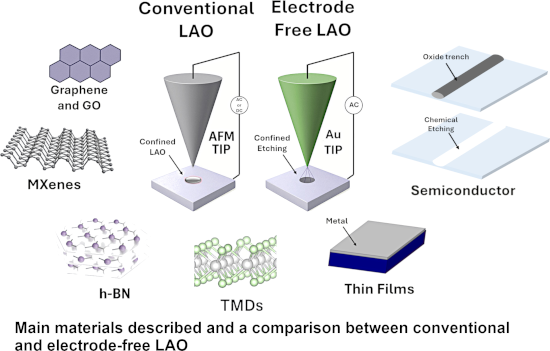
- , allowing for precise pattern transfer [50][52]. The use of a single probe remains a significant limitation for all SPL methods. In LAO experiments, scanning probes mounted on commercial AFMs typically operate at processing speeds of tens of micrometers per second, restricting the ability to create fast


Durable antimicrobial activity of fabrics functionalized with zeolite ion-exchanged nanomaterials against Staphylococcus aureus and Escherichia coli
Beilstein J. Nanotechnol. 2026, 17, 262–274, doi:10.3762/bjnano.17.18
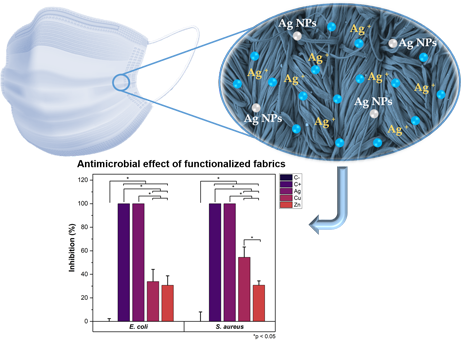
- nanoparticles act against viruses involves the interaction with the surface of the NPs, leading to adhesion and inactivation, thereby preventing the virion from entering the host cell. NPs release ions or transfer them to microorganisms, inducing oxidative stress. Given these possible mechanisms, viral




Comparative study on 3D morphologies of delignified, single tracheids and fibers of five wood species
Beilstein J. Nanotechnol. 2026, 17, 239–250, doi:10.3762/bjnano.17.16
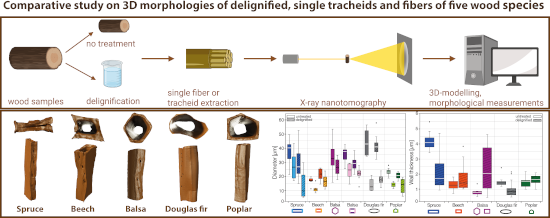
- fibers and tracheids, paving the way for more effective modeling applications, such as finite element modeling or computational simulations of fluid flow or heat transfer, aiding in development of various industrial applications of delignified wood. Accurate 3D models provide valuable insights into


Gold nanoparticle-decorated reduced graphene oxide as a highly effective catalyst for the selective α,β-dehydrogenation of N-alkyl-4-piperidones
Beilstein J. Nanotechnol. 2026, 17, 218–238, doi:10.3762/bjnano.17.15
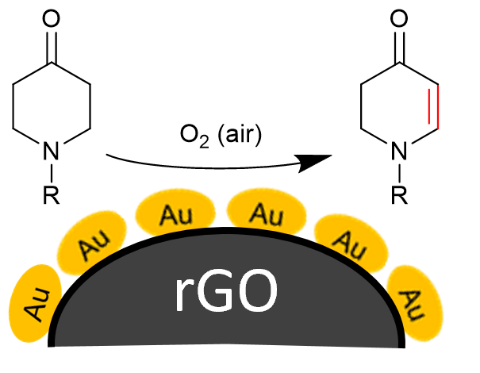
- facilitate charge transfer between the metal and the support, enhancing the activation of molecular oxygen and promoting the oxidative dehydrogenation (ODH) pathway. This synergistic interaction should not only improve the intrinsic catalytic activity but also allow the catalyst to achieve high efficiency
- high yield of 98%. This enhanced performance can be attributed to the structural characteristics of rGO, which facilitate more efficient mass transfer and enable complete release of the product after the reaction and subsequent washing steps. Compared to AC and CB, the thin, wrinkled, and sheet-like
- AC therefore also stems from the synergistic interfacial C–O–Au arrangements, which act as bifunctional active sites for both, electron transfer and oxygen activation. The oxygenated functional groups of rGO (–OH, C=O, –CO) (Supporting Information File 1, Figure S6) anchor and electronically couple


Time of flight secondary ion mass spectrometry imaging of contaminant species in chemical vapour deposited graphene on copper
Beilstein J. Nanotechnol. 2026, 17, 200–213, doi:10.3762/bjnano.17.13
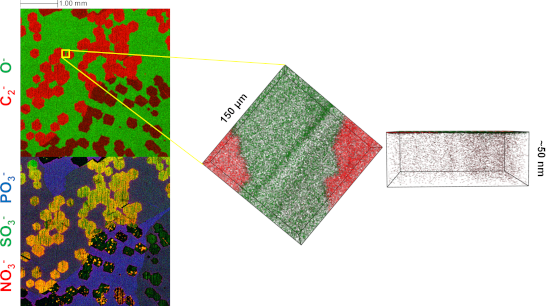
- substrate, depending on processing conditions employed and the chemical species present on the surface. This has implications for the gas permeation barrier properties of this material, graphene transfer mechanisms, as well as the effectiveness of using the oxidation of the copper foil as a rapid graphene
- directly under the graphene after post-growth exposure to atmosphere. This could have implications for better understanding transfer mechanisms that rely on oxidation of the Cu substrate [39][40], defect characterisation [41], or the heat dissipation ability of graphene on Cu [42]. Methods CVD graphene
- sulphate-related species in Supporting Information File 1, Figure S1. The transfer of some of these contamination species along with the graphene layer to any other substrate of interest is highly probable, with previous ToF-SIMS studies of transferred CVD graphene from Cu indicating the presence of





Capabilities of the 3D-MLSI software tool in superconducting neuron design
Beilstein J. Nanotechnol. 2026, 17, 122–138, doi:10.3762/bjnano.17.8

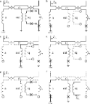
- neurons, in particular, of sigma and Gauss neuron types [1]. They are, in fact, a single-junction and a two-junction interferometer, respectively, shunted by an additional inductance, which is also used to generate the output signal. The designation of such a neuron originates from the type of transfer
- further improvement. By now, an increase in sensitivity to the input signal and in efficiency of the output flux transfer, as well as a suppression of parasitic coupling, seems to be the most promising strategy. The potential of 3D-MLSI software demonstrated in this work will be useful in this process



Reduced graphene oxide paper electrode for lithium-ion cells – towards optimized thermal reduction
Beilstein J. Nanotechnol. 2026, 17, 24–37, doi:10.3762/bjnano.17.3
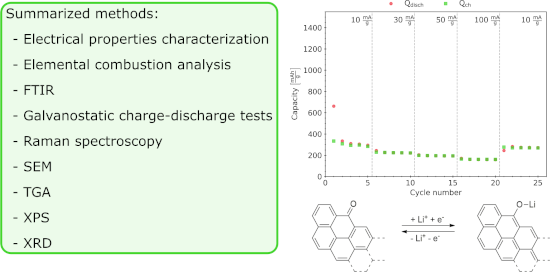
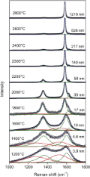
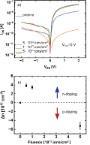
- stability of the cell’s performance was improved with increasing reduction temperature. Changes in structural properties revealed by Raman spectroscopy influenced the electrochemical properties of these materials, probably due to the decreased charge transfer resistance and balanced electronic and ionic



Internal 3D temperature mapping in biological systems using ratiometric light-sheet imaging and lipid-coated upconversion nanothermometers
Beilstein J. Nanotechnol. 2025, 16, 2306–2316, doi:10.3762/bjnano.16.159
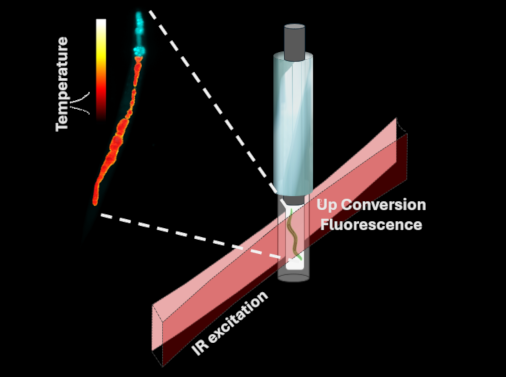
- OP50. Nematode transfer was performed every two days, moving a chunk of agar from a three-to-five-day-old plate to a new NGM plate seeded with E. coli. The nematodes were cultivated at room temperature (≈23 °C). C. elegans feeding with UCNPs To feed the nematodes with UCNPs, ten to twelve nematodes
- , each approximately 1 mm in length, were selected and individually transferred from a three-day-old cultivation plate to a fresh small NGM plate (35 mm in diameter) that was not seeded with E. coli OP50. The nematodes transfer was gently conducted using a stereomicroscope (ZEISS, Stemi 2000) equipped
- with a transmitted light source and thin tweezers. After the transfer, 50 µL of the UCNPs@lipids solution was carefully dropped onto the plate and spread to cover most of the plate. Before imaging, the nematodes were left in contact with the UCNPs@lipids solutions for approximately 17 h. Samples used


Visualizing nanostructures in supramolecular hydrogels: a correlative study using confocal and cryogenic scanning electron microscopy
Beilstein J. Nanotechnol. 2025, 16, 2274–2284, doi:10.3762/bjnano.16.156
- for freeze fracture, with a Quorum PP3010 Prepdek slush freezer. The stubs were then secured onto the sample shuttle of the cryo-system before transfer to the preparation station at −170 °C. Freeze fracture was carried out by removing the top half of the rivet with the fracturing knife attached to the



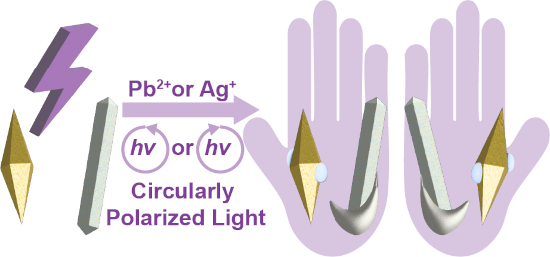
Chiral plasmonic nanostructures fabricated with circularly polarized light
Beilstein J. Nanotechnol. 2025, 16, 2245–2264, doi:10.3762/bjnano.16.154
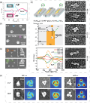
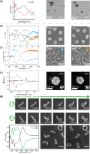
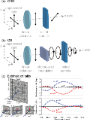
- magnitude) with light-absorbing reactants observed at optical hot spots compared to other locations. Hot carriers generated in PNSs can transfer into molecular species and trigger redox reactions. The rate of hot carrier generation strongly depends on the PNS absorption, proportional to the electric field





Optical bio/chemical sensors for vitamin B12 analysis in food and pharmaceuticals: state of the art, challenges, and future outlooks
Beilstein J. Nanotechnol. 2025, 16, 2207–2244, doi:10.3762/bjnano.16.153
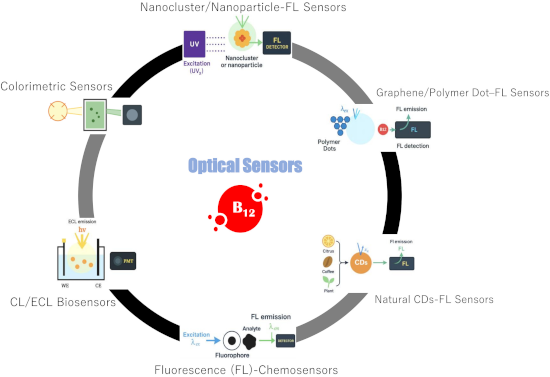
- biosensors into cellular bioimaging and the potential for non-invasive in vitro and in vivo analysis demonstrate their versatility and applicability across a broad spectrum of biomedical research, diagnostics, and nutrient analysis. Keywords: carbon dots; cobalamin; energy transfer; fluorescence sensor


Microplastic pollution in Himalayan lakes: assessment, risks, and sustainable remediation strategies
Beilstein J. Nanotechnol. 2025, 16, 2144–2167, doi:10.3762/bjnano.16.148
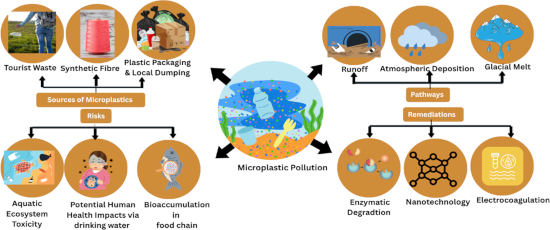
- metabolic disturbance in aquatic life [114]. MPs also act as carriers of hydrophobic organic pollutants such as pesticides, heavy metals, and persistent organic pollutants, which are more harmful when ingested [23]. Trophic transfer issues are generated by the bioaccumulation of MPs in fish, with birds and


Rapid synthesis of highly monodisperse AgSbS2 nanocrystals: unveiling multifaceted activities in cancer therapy, antibacterial strategies, and antioxidant defense
Beilstein J. Nanotechnol. 2025, 16, 2105–2115, doi:10.3762/bjnano.16.145
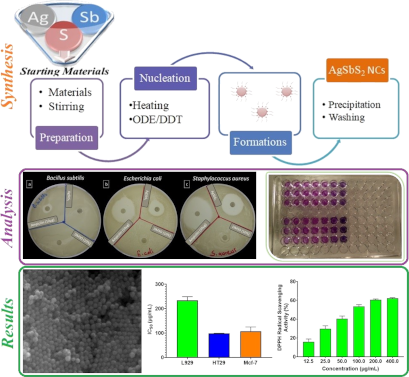
- ratio and enhanced surface reactivity [30]. These features, combined with the tunable surface chemistry of nanoparticles, allow for efficient interactions with free radicals and facilitate electron transfer reactions, resulting in robust antioxidant activity [49]. This activity involves scavenging free
- effective exposure of surface facets to the reaction medium. Green-synthesized nanoparticles in various studies have consistently shown elevated FRAP responses compared to their bulk counterparts, due to improved electron transfer kinetics at the nano–bio interface [51][52]. When considered alongside DPPH
- scavenging data, the FRAP outcome supports a dual-mechanism antioxidant model (both radical quenching and electron transfer). This suggests that the surface chemistry of AgSbS2 NCs effectively mediates both redox and radical-based pathways, making them promising candidates for applications requiring moderate


Molecular and mechanical insights into gecko seta adhesion: multiscale simulations combining molecular dynamics and the finite element method
Beilstein J. Nanotechnol. 2025, 16, 2055–2076, doi:10.3762/bjnano.16.141
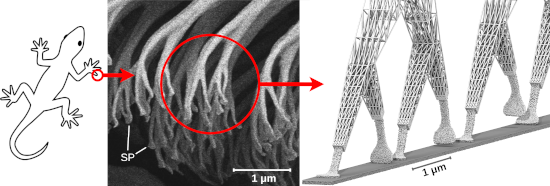
- geometry was sufficient as a first step in validating our concurrent MD–FEM approach and extracting fundamental insights about contact formation, load transfer, and spatula detachment mechanisms. Simulating each spatula in its own MD simulation, while coupling them all with the seta FEM model, becomes
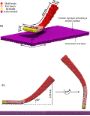
- points and force transfer”) are held fixed while MD runs for several hundred picoseconds (140 ps or 7000 time steps in our case). Then, the MD particles are frozen and the FEM is solved. These alternations are continued until the process of interest is complete. Anchor points and force transfer To






Laser ablation in liquids for shape-tailored synthesis of nanomaterials: status and challenges
Beilstein J. Nanotechnol. 2025, 16, 1963–1997, doi:10.3762/bjnano.16.137
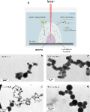
- manipulating the formed seed NPs to induce their anisotropic growth and assembly. 1.2 Cavitation bubble formation, expansion, and collapse Since plasma plume is confined by a liquid, the subsequent processes involve plasma rapid expansion and cooling by energy transfer to the surrounding liquid, resulting in
- , guiding the NP transfer into the solution, and providing the electrostatic repulsion between NPs. Some fraction of NPs can avoid escaping into the solution, remaining trapped in the cavitation bubble and undergoing compression as a result of high pressure in the bubble during collapse. This results in
- heat transfer coefficient, Nu is the Nusselt number, k is thermal conductivity of the surrounding liquid, L is the characteristic length, and Tbl is the surrounding liquid boiling temperature. In order to analyse the reached temperatures and occurring thermal processes, the dissipated heat fluxes




Quantum circuits with SINIS structures
Beilstein J. Nanotechnol. 2025, 16, 1931–1941, doi:10.3762/bjnano.16.134
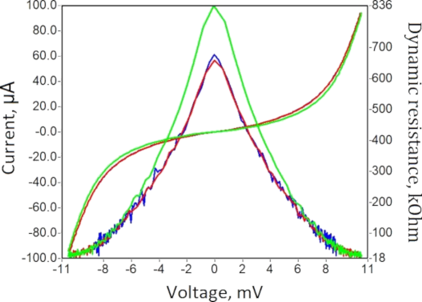
- Andreev current can be written as the sum of contributions associated with the transfer of electrons in the normal metal (IN) and the superconductor (IS), [25]: where νN and νS are the densities of electron states in a normal metal and a superconductor, S is the area of the tunnel NIS junction, dN and dS
- are the thicknesses of the normal metal and superconductor films, respectively. Another feature of the tunnel–NIS junction is the phenomenon of electron cooling. This process is a transfer of heat from a normal metal to a superconductor and is caused by the fact that charge carriers with higher energy
- the charge transfer by electrons during tunneling through the tunnel SIN junction and the thermal noise of these same electrons as heat carriers: δIω2 is the power spectral density (PSD) of current fluctuations due to shot noise, δPω2 is the PSD of thermal fluctuations, and ⟨δPωδIω⟩ is the correlation


PEGylated lipids in lipid nanoparticle delivery dynamics and therapeutic innovation
Beilstein J. Nanotechnol. 2025, 16, 1914–1930, doi:10.3762/bjnano.16.133
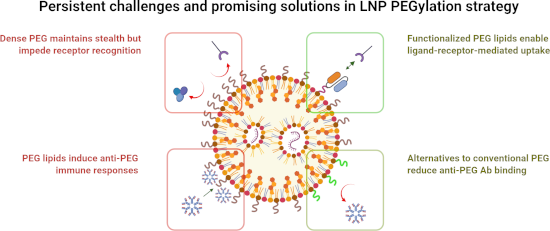
- . Intravenous administration of aEGFR-LNPs at 0.4 mg·kg−1 in pregnant mice resulted in a nearly twofold increase in mRNA expression in placentas compared to antibody-free LNPs, without detectable fetal transfer. Flow cytometry also confirmed a twofold increase in aEGFR-LNP uptake in EGFR+ trophoblasts and


Programmable soliton dynamics in all-Josephson-junction logic cells and networks
Beilstein J. Nanotechnol. 2025, 16, 1883–1893, doi:10.3762/bjnano.16.131

- normalized time, τ. Our simulations revealed a critical damping threshold at αcrit ≈ 0.8; below this value, stable soliton propagation is not supported. Also, under this condition, the energy dissipation rate is too high relative to the energy transfer between adjacent junctions, causing the soliton to decay


Low-temperature AFM with a microwave cavity optomechanical transducer
Beilstein J. Nanotechnol. 2025, 16, 1873–1882, doi:10.3762/bjnano.16.130
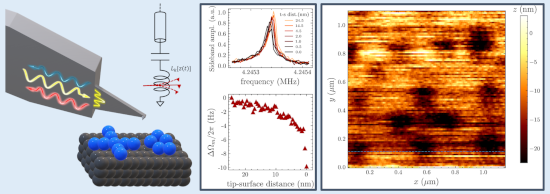
- ], tests of quantum gravity [3][4][5], force microscopy [6][7][8], magnetometry [9][10], and quantum state transfer [11][12][13]. In some cases, further improvement on fundamental figures of merit is required, while, in other cases, the difficulty lies in balancing trade-offs to find an optimal design that


Piezoelectricity of layered double hydroxides: perspectives regarding piezocatalysis and nanogenerators
Beilstein J. Nanotechnol. 2025, 16, 1812–1817, doi:10.3762/bjnano.16.124

- evidence demonstrated that dual oxygen vacancies in Ni/Fe-LDHs create interfacial bonds that mitigate carrier localization effects and unfavorable influences during piezocatalysis and photocatalysis. These features promote exciton dissociation and charge transfer. Furthermore, the strong electronic
- carrier localization effects), or to interfacial electronic interactions that facilitate charge transfer. While these mechanisms may coexist, many publications lack the necessary control experiments (e.g., mechanical stimulation without light/oxidant, photocatalysis without stress, or defect-free samples

Electrical, photocatalytic, and sensory properties of graphene oxide and polyimide implanted with low- and medium-energy silver ions
Beilstein J. Nanotechnol. 2025, 16, 1794–1811, doi:10.3762/bjnano.16.123
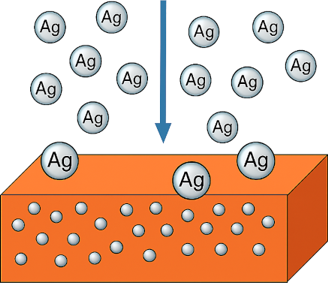
- catalytically active sites resulting from the carbonization of the polymer matrix, together with the silver clusters formed during ion implantation, provide suitable conditions for reactant adsorption and efficient charge transfer. Silver ions exhibit strong localized surface plasmon resonance in the visible
- the implanted samples. This suggests that the material itself without any intervention has limited ability to generate reactive oxygen species or facilitate charge transfer, which are both essential for efficient photocatalysis. There is a noticeable increase in the rate constant when low-energy Ag
- ions of 20 keV are implanted. This increase can be explained by the formation of defects in the GO surface layer, which increase the rate of electron excitation and facilitate subsequent charge transfer. At the same time, the implanted Ag ions can act as catalytic centers that improve the process of





