Search results
Search for "ultrasonic" in Full Text gives 265 result(s) in Beilstein Journal of Nanotechnology. Showing first 200.
Chitosan nanocomposite containing rotenoids: an alternative bioinsecticidal approach for the management of Aedes aegypti
Beilstein J. Nanotechnol. 2025, 16, 1197–1208, doi:10.3762/bjnano.16.88
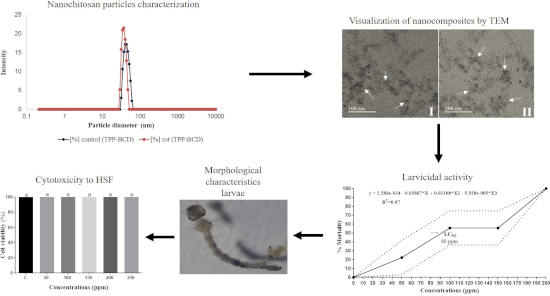
- also prepared using the TPP–β-cyclodextrin (TPP–β-CD) inclusion complex. For this, equimolar amounts of TPP and β-CD (β-cyclodextrin) were completely dissolved in ultrapure water at a molar ratio of 1:1. The obtained solution was subjected to ultrasonic bath for 1 h at room temperature. This TPP–β-CD
- of nanocomposites in 50% MeOH was prepared. The solution was subjected to ultrasonic bath for 10 min at room temperature. Then, the samples were filtered with a 0.22 μm filter and injected into the HPLC system. For each sample, two runs were performed, and the average peak areas obtained were used



Fabrication of metal complex phthalocyanine and porphyrin nanoparticle aqueous colloids by pulsed laser fragmentation in liquid and their potential application to a photosensitizer for photodynamic therapy
Beilstein J. Nanotechnol. 2025, 16, 1088–1096, doi:10.3762/bjnano.16.80
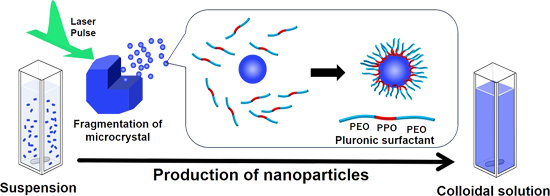
- characterization of nanoparticles Different concentrations of MPcs and PtOEP (0.020 wt % and 0.005 wt %) were prepared as aqueous suspensions in F-127 solutions (0, 0.1, and 5 wt %). The suspensions were sonicated for 20 min with an ultrasonic cleaner (ASU CLEANER, ASONE), then 2 mL of a suspension was placed in a


Piezoelectricity of hexagonal boron nitrides improves bone tissue generation as tested on osteoblasts
Beilstein J. Nanotechnol. 2025, 16, 1068–1081, doi:10.3762/bjnano.16.78
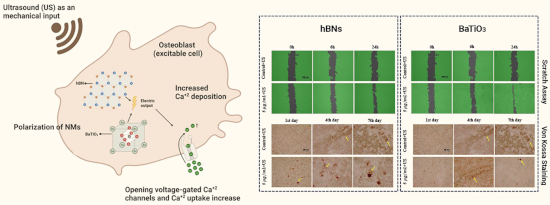
- using an ultrasonic bath before treatment. Using an ultrasonic bath, US was applied to cells after NMs treatment and within the incubation period, 3 times for 5 s daily at 37 kHz for all in vitro experiments. After the incubation, the medium was removed and washed with phosphate buffered saline (1X PBS


Supramolecular hydration structure of graphene-based hydrogels: density functional theory, green chemistry and interface application
Beilstein J. Nanotechnol. 2025, 16, 806–822, doi:10.3762/bjnano.16.61
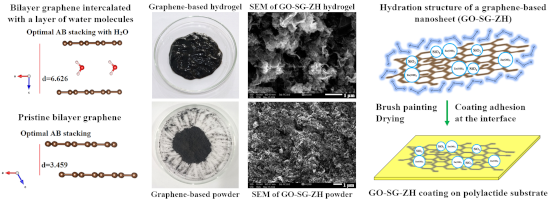
- . It is notable that low concentrations (≤50 ppm) are necessary to obtain homogenous dispersions. The ultrasonic dispersion of GO-SG-ZH hydrogels was faster and clearer due to the high content of water intercalation. The GO-SG-ZH powder contained about 10% of water and approximate 60% of nanosilica and
- zinc hydroxide nanoparticles, which functioned as spacing layers between graphene-based nanosheets. Therefore, the ultrasonic treatment of GO-SG-ZH powder in water also yielded a homogeneous dispersion. However, the aqueous dispersion of GO-SG-ZH powder was not completely exfoliated in the aqueous


Efficiency of single-pulse laser fragmentation of organic nutraceutical dispersions in a circular jet flow-through reactor
Beilstein J. Nanotechnol. 2025, 16, 711–727, doi:10.3762/bjnano.16.55
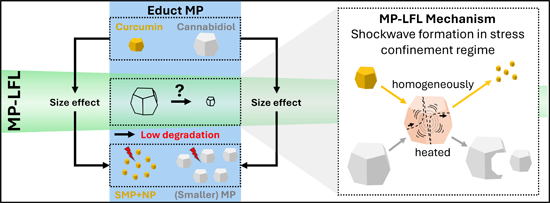
- and dispersed three times for 5 s with an ultrasonic sonotrode (Hielscher Ultrasonics GmbH). Pulsed laser fragmentation in liquids For MP-LFL, an Edgewave PX400-3-GH laser (EdgeWave GmbH) with a wavelength of 532 nm, a pulse duration of 10 ps, and an average power of 10 W was used. In the established
- profiles according to ISO 13318-3 [84]. Before the measurement, untreated and laser-generated CBD suspensions of all concentrations were redispersed in an ultrasonic bath. The sedimentation


Colloidal few layered graphene–tannic acid preserves the biocompatibility of periodontal ligament cells
Beilstein J. Nanotechnol. 2025, 16, 664–677, doi:10.3762/bjnano.16.51
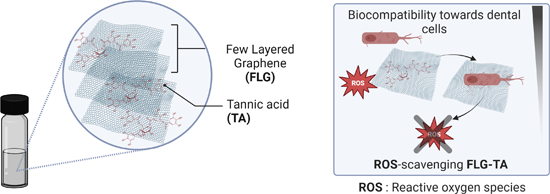
- ). FLG–TA synthesis Graphite (1 g) and tannic acid (0.1 g) were added to 1 L of distilled water in a vial. The mixture was sonicated using an ultrasonic probe (Branson Digital Sonifier 550, 110 W, 40 Hz) for 2 h in an ice-water bath under continuous stirring. The resulting suspension was then allowed to




Tailoring of physical properties of RF-sputtered ZnTe films: role of substrate temperature
Beilstein J. Nanotechnol. 2025, 16, 333–348, doi:10.3762/bjnano.16.25
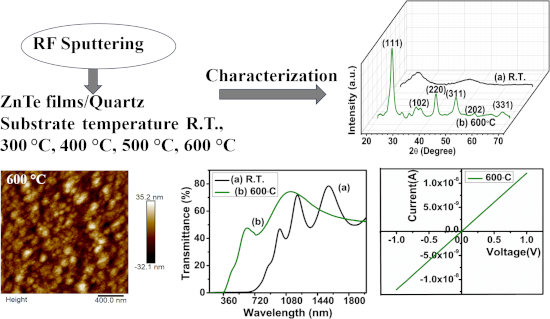
- temperatures. Prior to film deposition, the substrates were cleansed in an ultrasonic cleaner using acetone and isopropyl alcohol sequentially for 10 min at room temperature. The cleaned substrates were then dried in air and placed on the substrate holder in the chamber. A ZnTe target (dimensions 2 inch




Emerging strategies in the sustainable removal of antibiotics using semiconductor-based photocatalysts
Beilstein J. Nanotechnol. 2025, 16, 264–285, doi:10.3762/bjnano.16.21
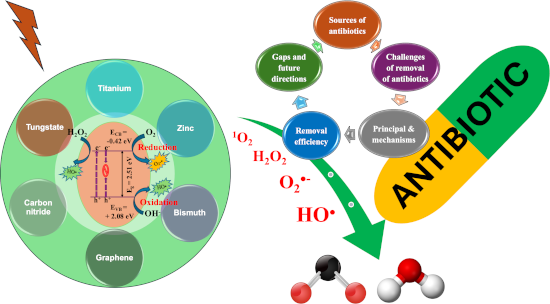
- photocatalyst [74]. In a recent study, Jeyaprakash and coworkers [75] synthesized Ti3+-doped TiO2 with oxygen vacancies utilizing ultrasonic treatment for the degradation of tetracycline (TC) via sono-photocatalysis under visible halogen lamp irradiation. The modified TiO2 demonstrated remarkable degradation of


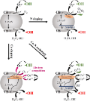

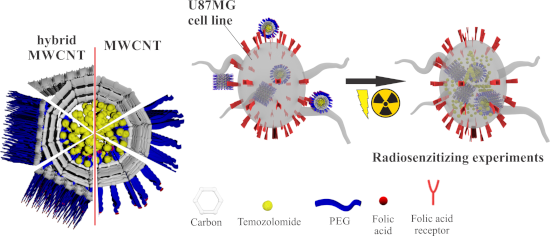
Radiosensitizing properties of dual-functionalized carbon nanostructures loaded with temozolomide
Beilstein J. Nanotechnol. 2025, 16, 229–251, doi:10.3762/bjnano.16.18




Recent advances in photothermal nanomaterials for ophthalmic applications
Beilstein J. Nanotechnol. 2025, 16, 195–215, doi:10.3762/bjnano.16.16
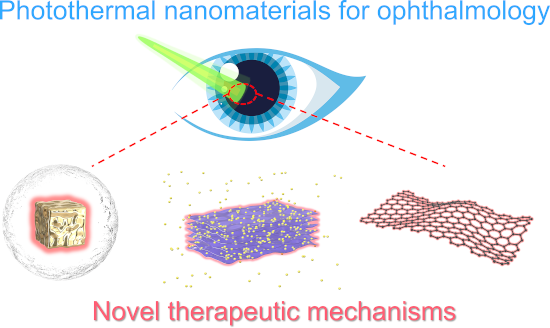
- localized warming, which triggers transient thermoelastic expansion. The ultrasonic signal generated by the expansion can be detected by an ultrasonic imaging transducer to provide deep structural images (5 μm to 10 cm) of the eye [184][185][186]. In addition, PAI can provide functional information, for


A nanocarrier containing carboxylic and histamine groups with dual action: acetylcholine hydrolysis and antidote atropine delivery
Beilstein J. Nanotechnol. 2025, 16, 11–24, doi:10.3762/bjnano.16.2

- formed. Subsequently, the emulsion underwent homogenization in an ultrasonic bath while being bubbled with argon for 1.5 h to generate a uniformly dispersed solution. Then, the solution was diluted three times. Polycondensation occurred at 25 °C overnight under stirring. p(Hist-CA) was then purified
- added to the solution, and it was homogenized for 10 min in an ultrasonic bath. The solvent was then removed under reduced pressure. Then, solutions of Hist-RA (4 mM, 0.5 mL, PB, pH 8.5), CA-RA (8.8 mM, 0.5 mL, PB, pH 8.5), and BA (1.25 mM, 4 mL, PB, pH 8.5) were added, and then the synthesis was
- that was 1 × 1 × 3.5 cm3 in size. The excitation wavelength was 475 nm, and the fluorescence spectra ware measured between 480 and 700 nm. Electronic analytical balances ViBRA AF-225 DRCE (220/0.001 g, resolution 0.00001 g) were utilized for weighing the samples. Ultrasonic treatment was performed with


Liver-targeting iron oxide nanoparticles and their complexes with plant extracts for biocompatibility
Beilstein J. Nanotechnol. 2024, 15, 1593–1602, doi:10.3762/bjnano.15.125
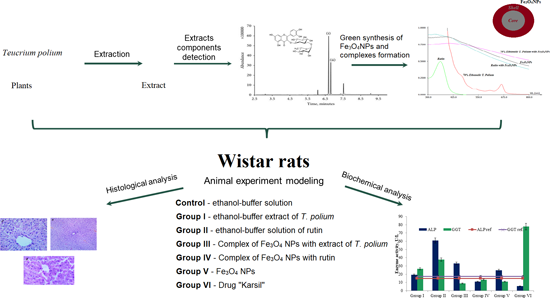
- . Then, the mixture was thoroughly mixed and heated at 80 °C for 1 h until the color of the mixture turned from brown to black. The resulting black precipitate of Fe3O4 NPs was washed three times with deionized water and then dispersed for 40 min in an ultrasonic disintegrator (Ultrasonic Homogenizer
- described in [61]. For the preparation of extracts, the plant powder was mixed with the extragents, that is, 96%, 70% and 50% ethanol, diluted in phosphate buffer (pH 7.4) in a 1:30 (w/v) ratio and exposed to ultrasound at 75 W (ultrasonic homogenizer, Sonic-150W, MRC, Israel). After 24 h of incubation on


Interaction of graphene oxide with tannic acid: computational modeling and toxicity mitigation in C. elegans
Beilstein J. Nanotechnol. 2024, 15, 1297–1311, doi:10.3762/bjnano.15.105
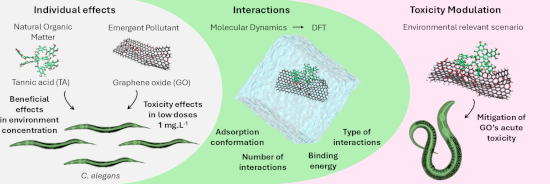
- added, and the suspension was sonicated in an ultrasonic bath. The sonication time was controlled by analyzing the material’s hydrodynamic diameters by dynamic light scattering (DLS). Dispersion aliquots for measurement were collected every 10 min, and the sonication was performed until there were no


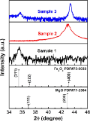
The role of a tantalum interlayer in enhancing the properties of Fe3O4 thin films
Beilstein J. Nanotechnol. 2024, 15, 1253–1259, doi:10.3762/bjnano.15.101

- impurities. The SiO2/Si(100) substrates were immersed in acetone and 2-propanol for a duration of 2 min in an ultrasonic bath. Subsequently, they were immersed in a solution of methanol at a temperature of 60 °C and then dried in N2 gas flow. A 5 nm thick layer of tantalum was deposited on a SiO2/Si(100


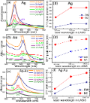
Effect of wavelength and liquid on formation of Ag, Au, Ag/Au nanoparticles via picosecond laser ablation and SERS-based detection of DMMP
Beilstein J. Nanotechnol. 2024, 15, 1054–1069, doi:10.3762/bjnano.15.86

- and cut into 1 cm × 1 cm pieces. The targets were thoroughly cleaned in an ultrasonic bath using ethanol, acetone, and DW for 10 min. After washing, the targets were fixed at the bottom of the glass beaker filled with 5 mL of DW and aqueous NaCl solution (1 mM). The setup was mounted on the motorized


Effect of repeating hydrothermal growth processes and rapid thermal annealing on CuO thin film properties
Beilstein J. Nanotechnol. 2024, 15, 743–754, doi:10.3762/bjnano.15.62
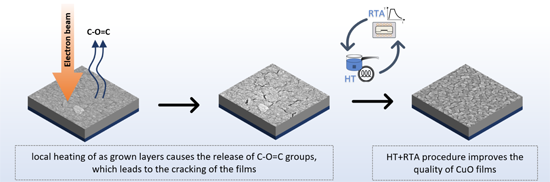
- power = 3.5 kW) up to a boiling temperature of ca. 95 °C and boiled for 30 s. After this, the sample was removed from the vessel and cleaned in an ultrasonic cleaner in isopropanol for 30 s and subsequently dried with nitrogen. The resultant as-grown film underwent rapid thermal annealing (RTA


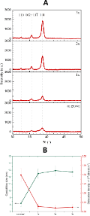


Simultaneous electrochemical determination of uric acid and hypoxanthine at a TiO2/graphene quantum dot-modified electrode
Beilstein J. Nanotechnol. 2024, 15, 719–732, doi:10.3762/bjnano.15.60
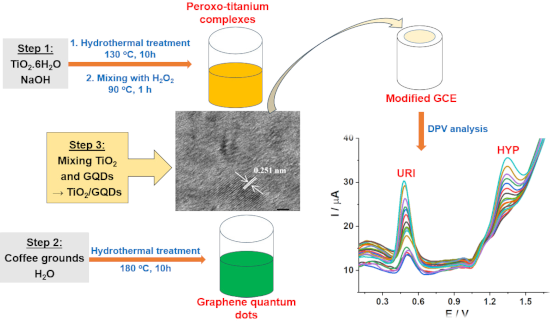
- synthesized in a hydrothermal process. 0.25 g of TiO2 and 12.5 mL of 10 M NaOH were mixed under ultrasonic stirring. The suspension was then transferred to a teflon-lined stainless steel autoclave and heated to 130 °C for 10 h. The resulting white solid was separated by centrifugation and rinsed several times


Radiofrequency enhances drug release from responsive nanoflowers for hepatocellular carcinoma therapy
Beilstein J. Nanotechnol. 2024, 15, 569–579, doi:10.3762/bjnano.15.49
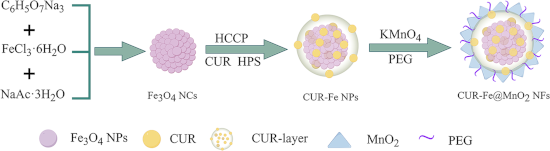
- Shanghai Zhongqiao Xinzhou Biotechnology Co., Ltd. (Shanghai, China). Preparation of Fe3O4 NCs Fe3O4 NCs were synthesized using a microwave hydrothermal synthesis method with a computer microwave ultrasonic synthesis/extraction instrument (XH-300A+, Beijing Xianghu Technology Development Co., Ltd., Beijing
- ultrasonication (XM-P06H, Xiaomei Ultrasonic Instrument Co., Ltd., Kunshan, China) for 30 min at room temperature. HCCP (15 mg), CUR (15.9 mg), and HPS (5.4 mg) were subsequently added with sonication for 30 min. TEA (2 mL) was dispersed into acetonitrile (10 mL), and this mixed solution was added dropwise to the


Fabrication of nanocrystal forms of ᴅ-cycloserine and their application for transdermal and enteric drug delivery systems
Beilstein J. Nanotechnol. 2024, 15, 465–474, doi:10.3762/bjnano.15.42
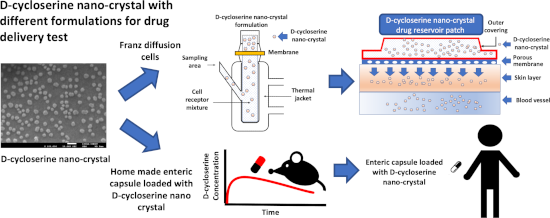
- was slowly added into 20 mL of tert-butanol (Merck-Millipore) and mixed with an ultrasonic cleaner (Creworks Co., Ltd.) at 40 kHz for 1 min. The mixed solution was filtered by suction filtration using a 0.2 μm filter membrane (Merck KGaA). The filtered solution was centrifuged at 10,000 rpm (Kubota Co


Comparative electron microscopy particle sizing of TiO2 pigments: sample preparation and measurement
Beilstein J. Nanotechnol. 2024, 15, 317–332, doi:10.3762/bjnano.15.29
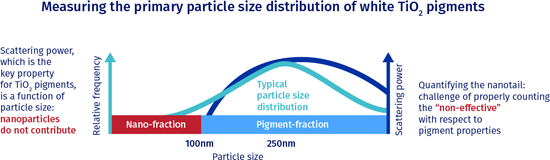
- preparation on the results and confirm the method’s suitability for TiO2 pigment analysis. One sample was manually agitated, while the other underwent a 1 min dispersion in an 80 W ultrasonic bath. For sample A, the bimodal PSD typical of E171 is clearly visible in both spectra in Figure 2. Similar bimodal
- as in [11], differences in method M1 with respect to [11][21] are described below. These three methods differ substantially in all their characteristic steps, including ultrasonic bath dispersion in water, dry dispersion in a solid polymer, and the powdering onto a sticky sample stub without
- summarised in Table 11. Sample preparation and measurement protocol of RCPTM Prior to the microscopic analyses, the supplied TiO2 (E171) samples were suspended in acetone (at a concentration of 6 mg/mL) and shaken in an ultrasonic bath for 10 min. Immediately after the shaking stopped, a few microliters of


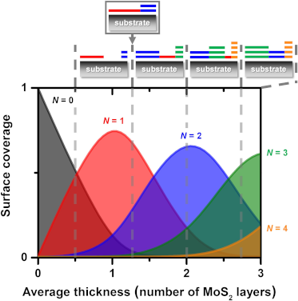
Determining by Raman spectroscopy the average thickness and N-layer-specific surface coverages of MoS2 thin films with domains much smaller than the laser spot size
Beilstein J. Nanotechnol. 2024, 15, 279–296, doi:10.3762/bjnano.15.26


Graphene removal by water-assisted focused electron-beam-induced etching – unveiling the dose and dwell time impact on the etch profile and topographical changes in SiO2 substrates
Beilstein J. Nanotechnol. 2024, 15, 190–198, doi:10.3762/bjnano.15.18
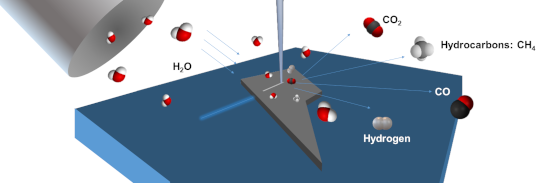
- induced in the SiO2 upper layer were cleaned for ten minutes in an ultrasonic bath with acetone, isopropanol, and O2 plasma before being placed in the microscope chamber. Graphene and SiO2/Si etching The samples were placed inside the SEM-Versa 3D (FEI), which also operates at LV mode. The chamber was


Nanotechnological approaches in the treatment of schistosomiasis: an overview
Beilstein J. Nanotechnol. 2024, 15, 13–25, doi:10.3762/bjnano.15.2
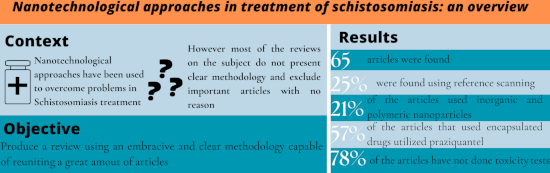
- studied to treat schistosomiasis by using a nanotechnological approach. A method using ultracentrifugation and ultrasonic dispersion produced ginger (Zingiber officinale) extract-derived nanoparticles which an average size of 238.3 nm [64]. The author justified his choice to use this kind of nanoparticles


TEM sample preparation of lithographically patterned permalloy nanostructures on silicon nitride membranes
Beilstein J. Nanotechnol. 2024, 15, 1–12, doi:10.3762/bjnano.15.1
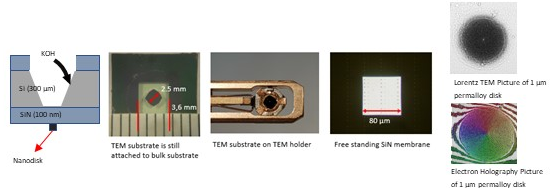
- structure. The resist was patterned using an electron beam, which offers higher resolution than other sources (e.g., UV light) because of the smaller wavelength of electrons. Since the use of an ultrasonic bath will destroy the free-standing membrane, the undercut must be deliberately made larger to ensure
- etching opens further applications for TEM sample preparation for more complicated high-resolution nanostructures. We have developed a straightforward method to prepare a SiN membrane with nanostructures on one side. This method allows for the use of an ultrasonic bath, higher deposition temperatures, and


Fluorescent bioinspired albumin/polydopamine nanoparticles and their interactions with Escherichia coli cells
Beilstein J. Nanotechnol. 2023, 14, 1208–1224, doi:10.3762/bjnano.14.100
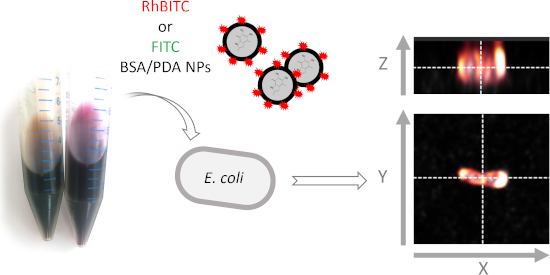
- suspension was finally deposited on a glass slide and covered by a glass coverslip, both previously washed using 0.2% Hellmanex® cleaning solution and ethanol in an ultrasonic bath. After complete drying (15 min), 8 µL of mounting medium (ProLong™ Diamond, Molecular Probes™) was deposited on the dry drop of