Search results
Search for "acetone" in Full Text gives 366 result(s) in Beilstein Journal of Nanotechnology. Showing first 200.
Intermixing of MoS2 and WS2 photocatalysts toward methylene blue photodegradation
Beilstein J. Nanotechnol. 2024, 15, 817–829, doi:10.3762/bjnano.15.68
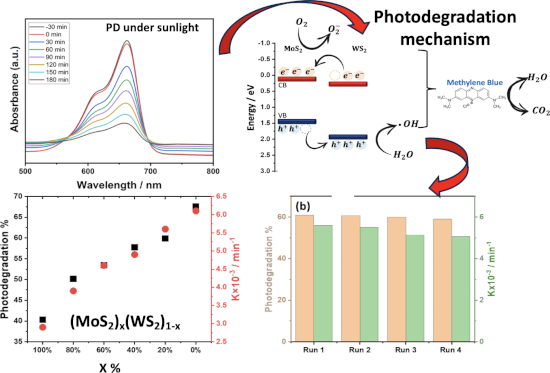
- SiO2/Si substrates as detailed elsewhere [27]. The fabricated samples were exfoliated in a mixed solution composed of 10 mL of ethanol, 10 mL acetone, and 10 mL of deionized water under sonication for 30 min as shown in Figure 12. Five to ten substrates loaded with the samples were used to prepare the


Laser synthesis of nanoparticles in organic solvents – products, reactions, and perspectives
Beilstein J. Nanotechnol. 2024, 15, 638–663, doi:10.3762/bjnano.15.54
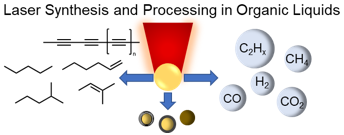
- in acetone and ethylene glycol than in water, reaching absolute values of 60 cm3/h (at only 5 W laser power), and specific values of 0.2 cm3/(mg·W) normalized to the ablated target mass and laser power [47]. This indicates the relevance of processes and by-products formed during LSPC in organic
- proposed a mechanism of electron transfer from the solvent, which produced acetone as a by-product. Since this transfer is not possible in water and only plasma reactions are available, Ag could not nucleate during LRL in water because of the oxidizing activity of hydroxyl radicals [121]. Overall, LSPC in
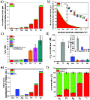
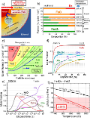
- ][101][153][154], depending on the metal’s properties (i.e., carbon affinity). Zhang et al. researched the metal’s influence on the formed carbon species by ablation of 16 different transition metals in acetone and categorized the obtained core–shell structures into three classes depending on the





Controllable physicochemical properties of WOx thin films grown under glancing angle
Beilstein J. Nanotechnol. 2024, 15, 350–359, doi:10.3762/bjnano.15.31
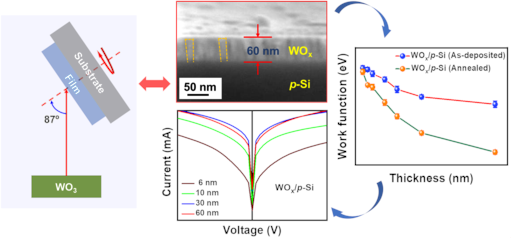
- thin films were deposited on ultrasonically cleaned p-Si (100) and soda lime glass substrates of 1 × 1 cm2 dimension using a rf magnetron sputtering setup (Excel Instruments). Trichloroethylene, propanol, acetone, and DI water were used to carry out ultrasonication of the substrates for removing


Comparative electron microscopy particle sizing of TiO2 pigments: sample preparation and measurement
Beilstein J. Nanotechnol. 2024, 15, 317–332, doi:10.3762/bjnano.15.29
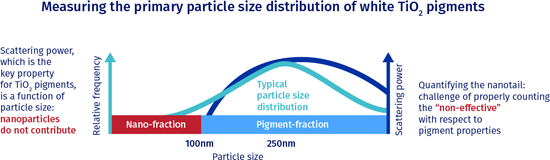
- summarised in Table 11. Sample preparation and measurement protocol of RCPTM Prior to the microscopic analyses, the supplied TiO2 (E171) samples were suspended in acetone (at a concentration of 6 mg/mL) and shaken in an ultrasonic bath for 10 min. Immediately after the shaking stopped, a few microliters of
- the fresh suspension were transferred on copper grids. The excess acetone evaporated within a few seconds, and the preparations were mounted directly to the STEM detector. TEM analyses were performed at a voltage of 30 kV, with the beam intensity level set to 4, mostly at a magnification of 50,000× in


Determining by Raman spectroscopy the average thickness and N-layer-specific surface coverages of MoS2 thin films with domains much smaller than the laser spot size
Beilstein J. Nanotechnol. 2024, 15, 279–296, doi:10.3762/bjnano.15.26


Graphene removal by water-assisted focused electron-beam-induced etching – unveiling the dose and dwell time impact on the etch profile and topographical changes in SiO2 substrates
Beilstein J. Nanotechnol. 2024, 15, 190–198, doi:10.3762/bjnano.15.18
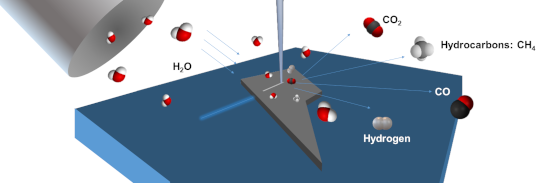
- induced in the SiO2 upper layer were cleaned for ten minutes in an ultrasonic bath with acetone, isopropanol, and O2 plasma before being placed in the microscope chamber. Graphene and SiO2/Si etching The samples were placed inside the SEM-Versa 3D (FEI), which also operates at LV mode. The chamber was


Spatial variations of conductivity of self-assembled monolayers of dodecanethiol on Au/mica and Au/Si substrates
Beilstein J. Nanotechnol. 2023, 14, 1169–1177, doi:10.3762/bjnano.14.97
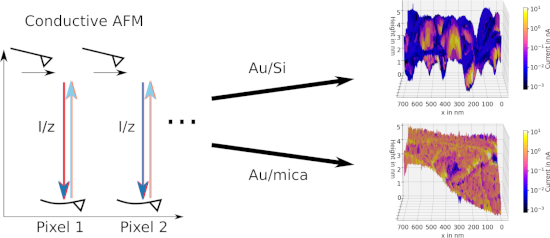
- substrates were used directly out of the box without any further cleaning steps. Au/Si was additionally cleaned by boiling in acetone followed by ethanol for 20 min under a fume hood. It was then dried in a glovebox in N2 atmosphere, exposed to ozone to remove organic contaminants, and finally rinsed with


A multi-resistance wide-range calibration sample for conductive probe atomic force microscopy measurements
Beilstein J. Nanotechnol. 2023, 14, 1141–1148, doi:10.3762/bjnano.14.94
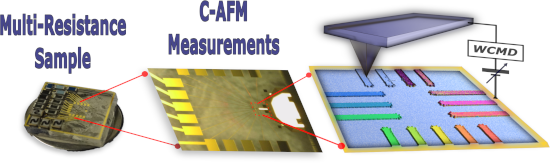
- . Subsequently, a lift-off process in acetone was employed to reveal the gold pattern. Finally, square samples were cut to match the dimensions of the measurement setup. We hand-soldered thick-film surface-mounted-device (SMD) resistors onto the connection gold pads on the surface using small soldering paste


A visible-light photodetector based on heterojunctions between CuO nanoparticles and ZnO nanorods
Beilstein J. Nanotechnol. 2023, 14, 1018–1027, doi:10.3762/bjnano.14.84
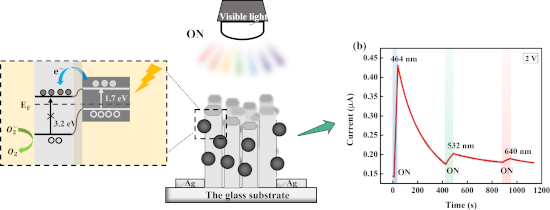
- ), zinc nitrate hexahydrate (Zn(NO3)2·6H2O, 99%, Xilong Scientific), copper(II) nitrate pentahydrate (Cu(NO3)2·5H2O, 99%, Xilong Scientific), sodium hydroxide (NaOH, 99%, Sigma-Aldrich Chemistry), ethanol (C2H5OH, 99.5%, Chemsol), and acetone (CH3OCH3, 99.7%, Chemsol). Synthesis process The synthesis


Upscaling the urea method synthesis of CoAl layered double hydroxides
Beilstein J. Nanotechnol. 2023, 14, 927–938, doi:10.3762/bjnano.14.76
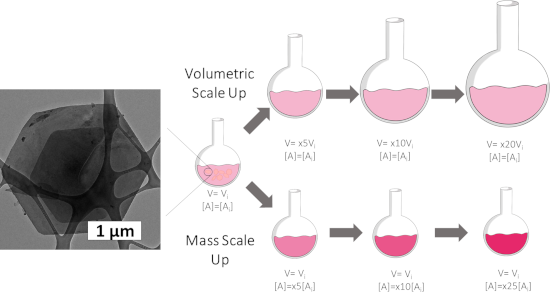
- spin-coated on a Si wafer (3000 rpm, 40 s), washed with ethanol and dried afterward. For AFM, the samples were diluted in ethanol and drop-cast on a Si/SiO2 wafer. Si/SiO2 wafers were washed by spin-coating ten droplets of acetone and ten droplets of isopropanol prior to sample deposition. Scanning


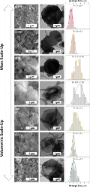
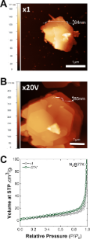
Green SPIONs as a novel highly selective treatment for leishmaniasis: an in vitro study against Leishmania amazonensis intracellular amastigotes
Beilstein J. Nanotechnol. 2023, 14, 893–903, doi:10.3762/bjnano.14.73
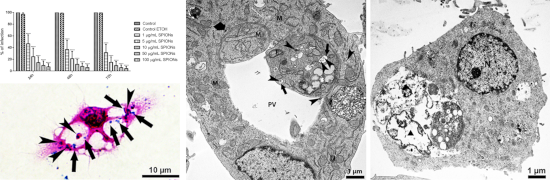
- 20 kV equipped with an OXFORD X-MaxN 20 mm2 detector (Oxford Instruments, United Kingdom) for energy-dispersive X-ray spectroscopy. For transmission electron microscopy, after fixation, samples were dehydrated in increasing acetone concentrations and embedded in Epon. Ultrathin sections were obtained


N-Heterocyclic carbene-based gold etchants
Beilstein J. Nanotechnol. 2023, 14, 865–871, doi:10.3762/bjnano.14.71
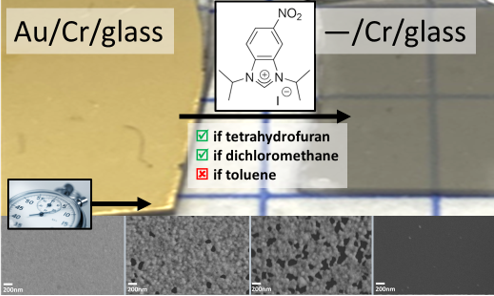
- solubility) of 2 and 3 must also be considered as a contributing factor. Similarly, Figure S4 (Supporting Information File 1) shows no apparent gold film loss in a solution of triethylamine and potassium iodide in acetone (chosen instead of THF or DCM to allow for dissolution of KI) tested as a control for



A wearable nanoscale heart sound sensor based on P(VDF-TrFE)/ZnO/GR and its application in cardiac disease detection
Beilstein J. Nanotechnol. 2023, 14, 819–833, doi:10.3762/bjnano.14.67
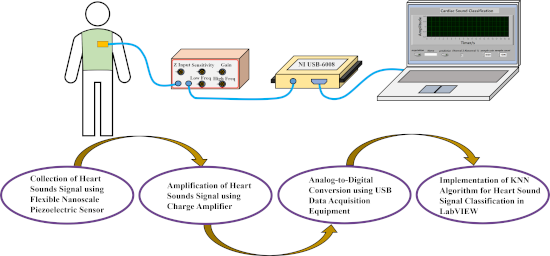
- Figure 1. First, P(VDF-TrFE) powder (Solvay, France, molar ratio 7:3) was mixed with N,N-dimethylamide (DMF, Acros) and acetone (Sinopharm Chemical Reagent Co., Ltd., evaporation residue <0.001%) in a mixed solution with a 3:2 volume ratio. The mass fraction of P(VDF-TrFE) was 12%. Second, the reagent


Silver-based SERS substrates fabricated using a 3D printed microfluidic device
Beilstein J. Nanotechnol. 2023, 14, 793–803, doi:10.3762/bjnano.14.65
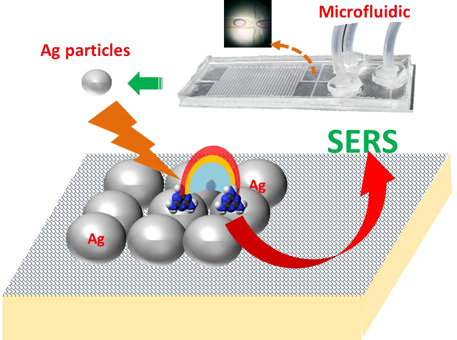
- from Krackeler Scientific (USA). Methyl alcohol, hydrogen peroxide (35%), sodium hydroxide (<97%), ammonia water (25–29%), acetone (99.5%), ethyl alcohol (95%), and 2-propanol (99.5%) were bought from Daejung (Republic of Korea). The Formlabs 3D printer and clear V4 resin were purchased from Formlabs
- in this work. The wafer was divided into 1 × 1 cm2 pieces, which were then cleaned with an ultrasonic cleaner in acetone (20 min), ethanol (15 min), and deionized water (10 min). The wafer pieces were oxidized in hot Piranha solution (45 mL of H2SO4/15 mL of H2O2) for 5 min. To perform metal-assisted
- by adapting the method described in [45]. Briefly, 5 mL of the colloidal solution of Ag NPs and 5 mL of acetone were mixed in a 50 mL glass vial. This mixture was quickly poured into another glass vial containing 5 mL of hexane. The vial was shaken for 30 s and then stabilized for 10 min. The Ag NPs



Control of morphology and crystallinity of CNTs in flame synthesis with one-dimensional reaction zone
Beilstein J. Nanotechnol. 2023, 14, 741–750, doi:10.3762/bjnano.14.61
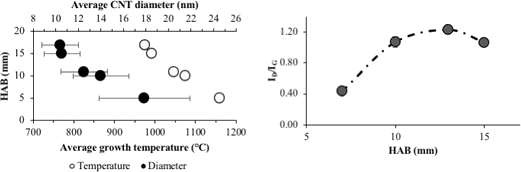
- involves cutting a 0.4 mm diameter nickel wire (TEMCO Inc.) into pieces of 50 mm length, followed by cleaning through sonication in an acetone solution for 15 min, and subsequently in distilled water. The wires are then air-dried before being inserted into a flame using a substrate holder (see below in


Cross-sectional Kelvin probe force microscopy on III–V epitaxial multilayer stacks: challenges and perspectives
Beilstein J. Nanotechnol. 2023, 14, 725–737, doi:10.3762/bjnano.14.59
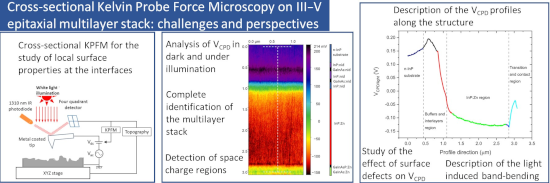
- reach a higher doping level around 2.5 × 1019 cm−3. Before starting the KPFM analysis, the sample was cleaved, and a surface cleaning was carried out to expose a clean cross section. We performed a chemical treatment based on sequential ultrasonic baths of acetone, ethanol, and deionized water. The


Carbon nanotube-cellulose ink for rapid solvent identification
Beilstein J. Nanotechnol. 2023, 14, 535–543, doi:10.3762/bjnano.14.44
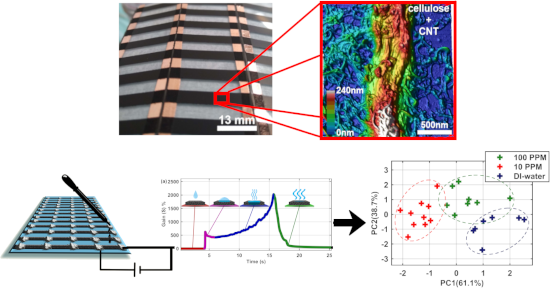
- differentiate between the liquids. We show that the proposed liquid sensor can classify different liquids, including organic solvents (acetone, chloroform, and different alcohols) and is also able to differentiate low concentrations of glycerin in water (10–100 ppm). We have also investigated the influence of
- electrical responses to DI water, isopropyl alcohol, toluene, ethyl alcohol, chloroform, and acetone are shown in Figure 3a. We set the device temperature to 55 °C to prevent instantaneous evaporation of the more volatile solvents. All solvent measurements were performed on the same MFC/MWCNT transducer
- thermogravimetric analyzer. The system was monitored until the complete evaporation of the liquid, resulting in the curves shown in Figure 5a. The thermal behavior of acetone, chloroform, ethanol, and isopropyl alcohol exhibits significant similarities with the electrical curves presented in Figure 3a, especially


Evaluation of electrosynthesized reduced graphene oxide–Ni/Fe/Co-based (oxy)hydroxide catalysts towards the oxygen evolution reaction
Beilstein J. Nanotechnol. 2023, 14, 420–433, doi:10.3762/bjnano.14.34
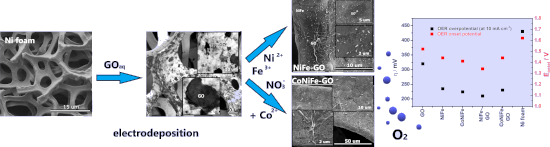
- , the substrates were cleaned ultrasonically in distilled water (5 min) and acetone (5 min). The reference and counter electrodes were Ag/AgCl (4 M KCl) and platinum mesh, respectively. Distilled water was used for the solutions. The measurement temperature was controlled by a thermostat (Julabo F12


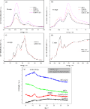


A novel approach to pulsed laser deposition of platinum catalyst on carbon particles for use in polymer electrolyte membrane fuel cells
Beilstein J. Nanotechnol. 2023, 14, 190–204, doi:10.3762/bjnano.14.19
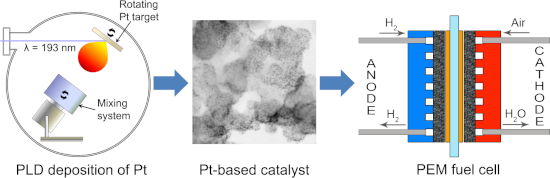
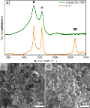
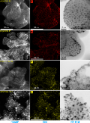
- water and acetone, and dried at 80 °C to constant weight. The black carbon product was referred to as a C-11. The research assumed the synthesis and use of a carbon material with a high degree of graphitization as carbon support, which is more resistant to the high-temperature oxidation process in a

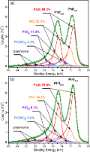


Formation of nanoflowers: Au and Ni silicide cores surrounded by SiOx branches
Beilstein J. Nanotechnol. 2023, 14, 133–140, doi:10.3762/bjnano.14.14
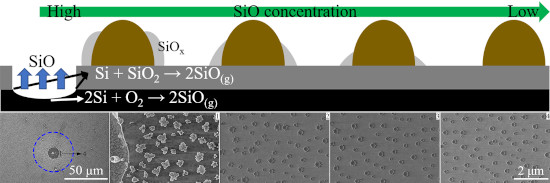
- . A 300 nm oxide layer was thermally grown to prevent interactions between Si and the subsequently deposited layer materials, and after that, the wafer was cut into small squares of approximately 1 cm × 1 cm. After cleaning in acetone, isopropanol, and deionized water and drying with nitrogen gas, the


Liquid phase exfoliation of talc: effect of the medium on flake size and shape
Beilstein J. Nanotechnol. 2023, 14, 68–78, doi:10.3762/bjnano.14.8
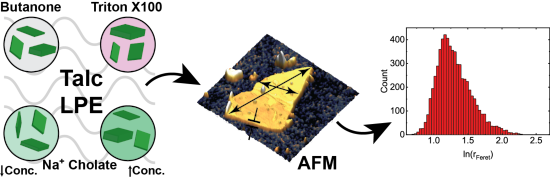
- chloroform and then the solution was left to decant. The supernatant was discarded, and the process was repeated with acetone and water. Finally, the powder was collected and dried for 12 h at 60 °C in an oven. The purified talcum powder was placed in an aqueous solution of the surfactant of choice (or pure


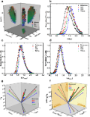

Gap-directed chemical lift-off lithographic nanoarchitectonics for arbitrary sub-micrometer patterning
Beilstein J. Nanotechnol. 2023, 14, 34–44, doi:10.3762/bjnano.14.4
- Grove, PA, USA). Bovine serum albumin (BSA) and 10× phosphate buffered saline (PBS, contains 1.37 M NaCl, 0.027 M KCl, 0.10 M Na2HPO4, and 0.018 M KH2PO4) were purchased from Bioman Scientific Co., Ltd. (Taipei, Taiwan). Ethanol (99.5 wt %), acetone (99.5 wt %), and isopropanol (99.9 wt %) were
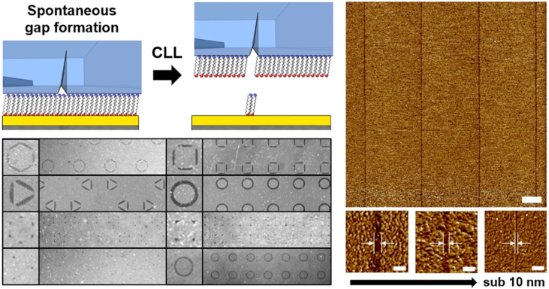
- , sequentially rinsed with acetone and isopropanol, and blown dry with nitrogen gas. To conduct CLL processes, a PDMS stamp was activated by 30 s of oxygen plasma exposure at a power of 18 W with 0.5 mbar oxygen flow. The stamp was then conformally sealed onto the SAM-modified Au substrate for 2 h under ambient


Electrical and optical enhancement of ITO/Mo bilayer thin films via laser annealing
Beilstein J. Nanotechnol. 2022, 13, 1589–1595, doi:10.3762/bjnano.13.133
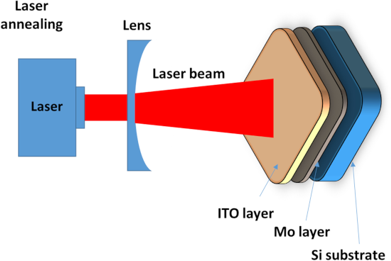
- pieces and cleaned to suit the characterization equipment. The Si substrates were ultrasonically cleaned using acetone, isopropyl alcohol, and distilled water. The glass substrates were cleaned using Decon-90 cleaner. The glass and Si samples were dried with nitrogen gas and treated for 10 min in a


Photoelectrochemical water oxidation over TiO2 nanotubes modified with MoS2 and g-C3N4
Beilstein J. Nanotechnol. 2022, 13, 1541–1550, doi:10.3762/bjnano.13.127
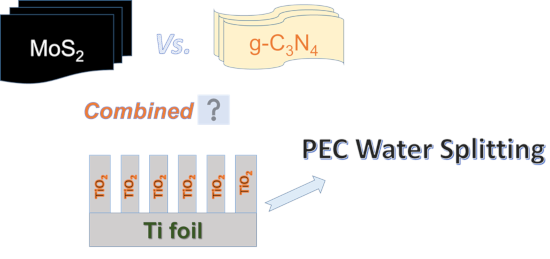
- explain clearly the difference between these composite materials Experimental Materials and chemicals Chemicals and materials for the synthesis and characterization include Ti foil (1 cm × 2 cm), hydrochloric acid (HCl), sodium hydroxide (NaOH), DI water, acetone ((CH3)2CO), ethanol (C2H5OH), ammonium


In search of cytotoxic selectivity on cancer cells with biogenically synthesized Ag/AgCl nanoparticles
Beilstein J. Nanotechnol. 2022, 13, 1505–1519, doi:10.3762/bjnano.13.124
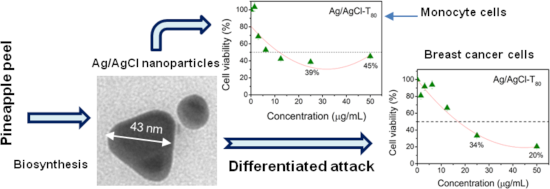
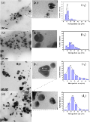
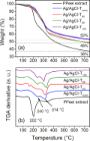
- . Transmission electron microscopy images were acquired on a JEOL 1010 microscope, with an accelerating voltage of 80 kV. For that, samples were pre-prepared in acetone and sonicated for 20 min, then dried at room temperature. Thermogravimetric analysis was performed on a Perkin Elmer STA 6000 simultaneous