


Search results
Search for "antibacterial" in Full Text gives 136 result(s) in Beilstein Journal of Nanotechnology.
In search of cytotoxic selectivity on cancer cells with biogenically synthesized Ag/AgCl nanoparticles
Beilstein J. Nanotechnol. 2022, 13, 1505–1519, doi:10.3762/bjnano.13.124
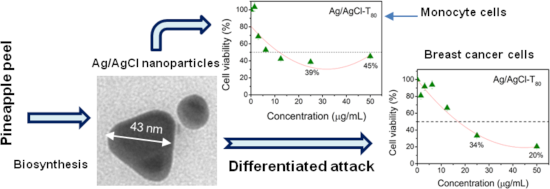
- synthesized by green methods and, in some cases, are combined with other metals [2]. AgNPs have potential uses in biomedicine. Several authors have reported the ability of AgNPs to act as antibacterial [3][4] or as cytotoxic agents in certain cancer cell lines [5][6]. This type of application has attracted a
- antibacterial abilities of AgNPs synthesized from pineapple peel. They demonstrated the formation of spherical AgNPs with an average size of 14–20 nm by monitoring the pH values of the reaction and the concentration ratio between the precursor and the extract. Baran et al. [16] investigated the antibacterial





Hydroxyapatite–bioglass nanocomposites: Structural, mechanical, and biological aspects
Beilstein J. Nanotechnol. 2022, 13, 1490–1504, doi:10.3762/bjnano.13.123
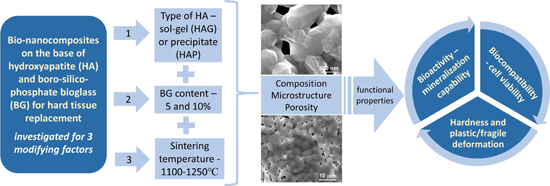
- one hand, it induces antibacterial activity, and, on the other hand, it promotes the formation and mineralization of bone tissue [19][32]. The HA-BG composites investigated in this work contained two types of HA, obtained either by the sol–gel method (HAG) or by the precipitation method (HAP). It was
Recent trends in Bi-based nanomaterials: challenges, fabrication, enhancement techniques, and environmental applications
Beilstein J. Nanotechnol. 2022, 13, 1316–1336, doi:10.3762/bjnano.13.109




Roll-to-roll fabrication of superhydrophobic pads covered with nanofur for the efficient clean-up of oil spills
Beilstein J. Nanotechnol. 2022, 13, 1228–1239, doi:10.3762/bjnano.13.102
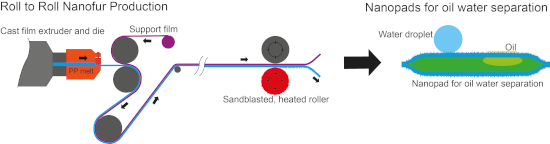
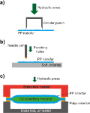
- packaging and bottles, anti-fouling [36] and antibacterial [37] surfaces, or drag reduction [38] are imaginable. With the low-cost production of large areas of nanofur they seem also financially feasible. Schematic showing the roll-to-roll fabriction of a thin nanofur film by the example of PP and COC. (a




Green synthesis of zinc oxide nanoparticles toward highly efficient photocatalysis and antibacterial application
Beilstein J. Nanotechnol. 2022, 13, 1108–1119, doi:10.3762/bjnano.13.94
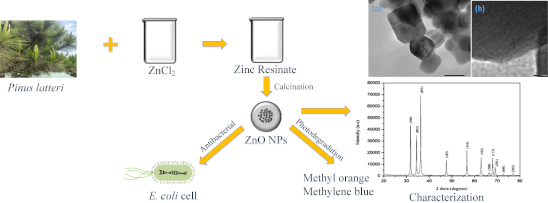
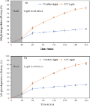
- the same conditions; however, it achieved lower efficiencies. In addition, ZnO NPs were also tested regarding their antibacterial activity, and the results showed that the prepared ZnO samples had the highest (i.e., 100%) antibacterial efficiency against E. coli. Keywords: green synthesis; methylene
- ]. These photogenerated electrons and holes migrate to the surface of ZnO to react with H2O and O2 to generate O2•− and •OH radicals, which oxidize organic substances. In addition, ZnO nanoparticles (NPs) have high antibacterial activity against bacteria, high biocompatibility, and are nontoxic to human
- cells [12][13]. Many studies have proven the antibacterial effect of ZnO [14][15] and also that nanoscale ZnO has a more effective antibacterial activity than that of large ZnO [12][16]. Various approaches for synthesizing nanosized materials have been investigated. Among these approaches, chemical and




Recent advances in green carbon dots (2015–2022): synthesis, metal ion sensing, and biological applications
Beilstein J. Nanotechnol. 2022, 13, 1068–1107, doi:10.3762/bjnano.13.93
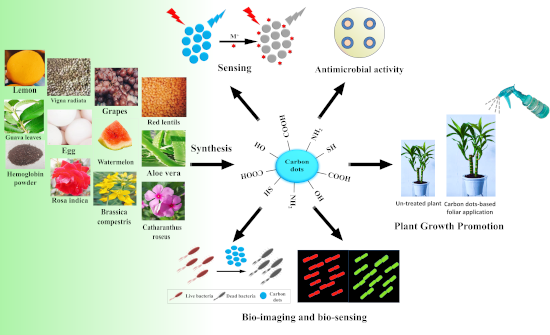
- as the precursor, including onion, ginger, garlic, and mackerel [113]. The sulfur content of the CDs based on onion and garlic was higher than that of the CDs derived from ginger and fish. Surprisingly, the onion-based CDs had the best antibacterial efficacy against Pseudomonas fragi, as well as good
- , patterning, and sensing, as a result of their advantageous characteristics [125]. Han and co-workers extracted cow milk-derived CDs (CM-CDs) from aqueous solution using ethyl acetate to create amphiphilic CM-CDs (ACMCDs). A unique ACMCD-Ag/polymethylmethacrylate antibacterial film was produced utilizing the
- solvent casting process after the ACMCDs were supported by silver nanoparticles, employing them as both a reducing agent and a template. The nanocomposite antibacterial film is anticipated to have a lot of potential applications such as food packaging, water purification, and disinfecting sanitary




Biomimetic chitosan with biocomposite nanomaterials for bone tissue repair and regeneration
Beilstein J. Nanotechnol. 2022, 13, 1051–1067, doi:10.3762/bjnano.13.92
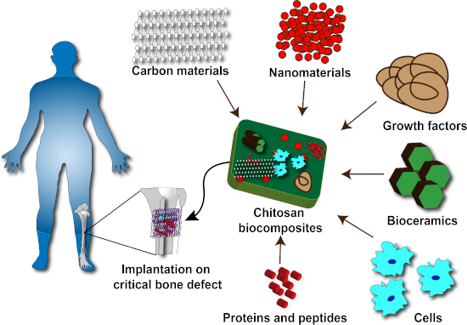
- phosphatase, bone morphogenic protein, runt-related transcription factor-2, bone sialoprotein, and osteocalcin. In vitro and in vivo studies highlight the scientific findings of antibacterial activity, tissue integration, stiffness, mechanical strength, and degradation behaviour of composite materials for
- tissue engineering applications. Keywords: antibacterial activity; biomimetic materials; bone graft substitutes; chitosan; gold; osteoinductive; silver; Introduction Bone-related defects and diseases are a serious concern to the life of patients [1]. Autografts, allografts, and synthetic grafts are
- ). Besides this, significant antibacterial properties against Staphylococcus epidermidis have been found [99]. Coating materials containing chitosan, bioactive glass, and AgNPs were developed by using the electrophoretic deposition method. The produced material was coated on stainless steel 316 substrates
Spindle-like MIL101(Fe) decorated with Bi2O3 nanoparticles for enhanced degradation of chlortetracycline under visible-light irradiation
Beilstein J. Nanotechnol. 2022, 13, 1038–1050, doi:10.3762/bjnano.13.91
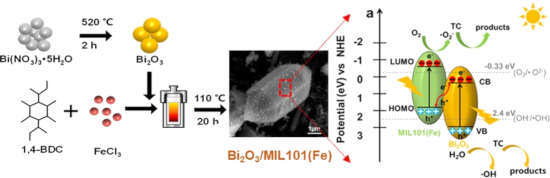
- –organic frameworks; MIL101(Fe); photocatalysts; Z-scheme heterojunction; Introduction Tetracyclines, as the second most widely used antibiotic in the world, have been widely applied in clinics, aquaculture, and livestock due to its broad-spectrum antibacterial properties and low price [1][2


Bioselectivity of silk protein-based materials and their bio-inspired applications
Beilstein J. Nanotechnol. 2022, 13, 902–921, doi:10.3762/bjnano.13.81
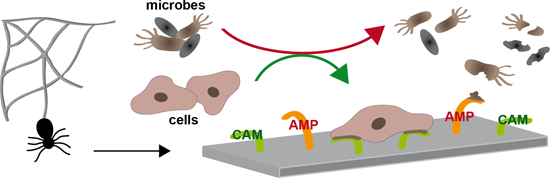
- biomaterials and medical devices with antifouling and antibacterial properties, but with reduced susceptibility to enzymatic degradation [85]. General advantages of AMPs/HDPs and mimicking polymer systems over antibiotics as a new generation of antimicrobial agents are their functional diversity, broad
- antimicrobial features [50]. Several studies reported antibacterial properties, reduced biofilm formation, and bacterial repellency of both natural silkworm [127][128][129] and spider silk threads and cocoons [130][131][132][133][134][135][136]. However, the status of the intrinsic properties of silk materials


Solar-light-driven LaFexNi1−xO3 perovskite oxides for photocatalytic Fenton-like reaction to degrade organic pollutants
Beilstein J. Nanotechnol. 2022, 13, 882–895, doi:10.3762/bjnano.13.79
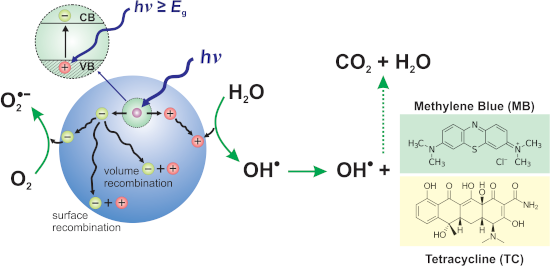
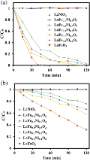
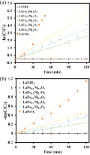
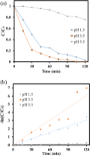
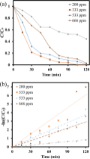
- belong to a sub-category of natural or semi-synthetic polyketides. Tetracycline consists of a linear tetracycline nucleus, exhibiting antibacterial activity, which may affect the biological system after discharging [8]. As the population has become dense, vigorous industrial activities, and the animal



Antibacterial activity of a berberine nanoformulation
Beilstein J. Nanotechnol. 2022, 13, 641–652, doi:10.3762/bjnano.13.56
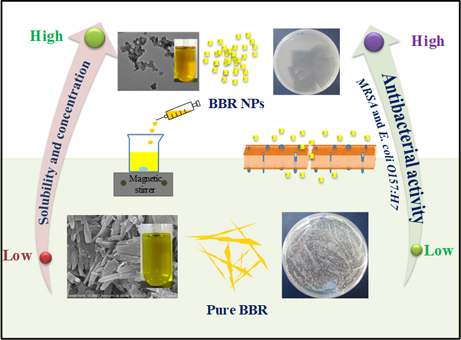
- the preparation of berberine (BBR) in nanoformulation to enhance its solubility and increase its antibacterial effectiveness against hospital-acquired infections. BBR nanoparticles (BBR NPs) were formed by antisolvent precipitation (ASP) using glycerol as a safe organic solvent. UV–vis absorption
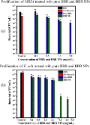
- 156 nm at a concentration of 2.0 mg/mL, measured by dynamic light scattering. After nanoformulation, the concentration of BBR NPs could reach up to 5.0 mg/mL, which is much higher than the saturation concentration without treatment. Results show a strongly enhanced antibacterial activity of BBR NPs
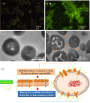
- bacterial cells and severely damaged the cell walls. Therefore, BBR NPs prepared by ASP appear to be a potential candidate for the treatment of bacterial pathogens. Keywords: antibacterial activity; antisolvent precipitation (ASP); berberine nanoparticles (BBR NPs); glycerol; solubility; Introduction



Ciprofloxacin-loaded dissolving polymeric microneedles as a potential therapeutic for the treatment of S. aureus skin infections
Beilstein J. Nanotechnol. 2022, 13, 517–527, doi:10.3762/bjnano.13.43
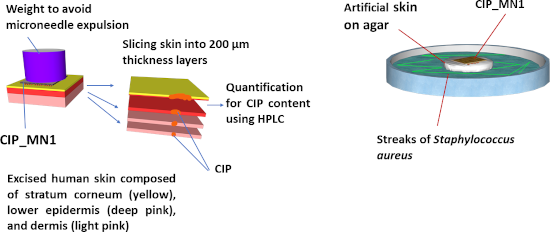
- Staphylococcus aureus to study the antibacterial activity of ciprofloxacin-loaded polymeric microneedles. To assess the distribution of CIP in dermal layers after microneedle application, the cryostatic microtome technique was utilized. This technique is based on freezing excised skin samples and slicing them
- that we achieved. In another study showing the efficiency of dissolving microneedles in transdermal delivery, the contraceptive hormone levonorgestrel was released and migrated through the entire skin structure, maintaining a quantifiable plasma concentration for up to 60 days [58]. Antibacterial
- treatment of S. aureus skin infections. The PVA/PVP-based dissolving microneedles were studied regarding drug content, mechanical strength, perforation of Parafilm and an agarose-based skin model, dissolution in excised human skin, and antibacterial activity in the agarose-based skin model infected with S


Design and characterization of polymeric microneedles containing extracts of Brazilian green propolis
Beilstein J. Nanotechnol. 2022, 13, 503–516, doi:10.3762/bjnano.13.42
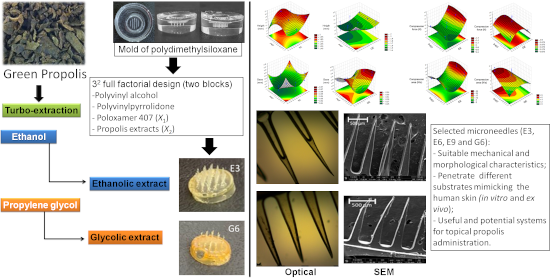
- . and showing several therapeutic properties (i.e., antibacterial, antiviral, antifungal, anti-inflammatory, healing, and immunomodulatory properties). The administration of PRP extracts by conventional routes has some disadvantages, such as running off over the skin in liquid or emulsion form. When
- glycolic extracts. It is a strongly adhesive gum resin, which is collected, processed, and used by honey bees (Apis mellifera L.) [17][22][23]. PRP extracts have been reported to enhance some antibiotic effects, attributing the antibacterial activity of propolis mainly to flavonoids or synergisms among
- some components [24]. The ethanol extract of PRP has several pharmacological activities, such as antiviral, antibacterial, antifungal, anti-inflammatory, anesthetic, cytostatic, hypotensive, and immunostimulatory properties [25]. Glycolic extracts can be an alternative in situations where the use of


Zinc oxide nanostructures for fluorescence and Raman signal enhancement: a review
Beilstein J. Nanotechnol. 2022, 13, 472–490, doi:10.3762/bjnano.13.40
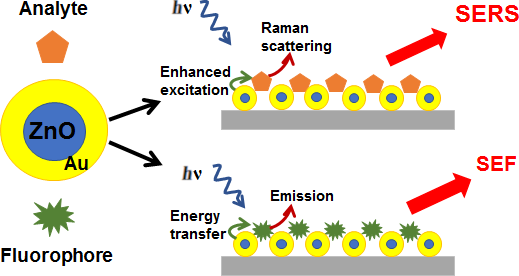
- their wide bandgap energy (3.3–3.7 eV), strong luminescence [4][5], antibacterial properties, and UV-protection properties. Additionally, ZnO nanomaterials can be designed into various morphologies, such as nanoparticles, nanoneedles, nanorods, nanocages, nanocombs, and nanoflowers [5][6][7][8]. Hybrid




A non-enzymatic electrochemical hydrogen peroxide sensor based on copper oxide nanostructures
Beilstein J. Nanotechnol. 2022, 13, 424–436, doi:10.3762/bjnano.13.35
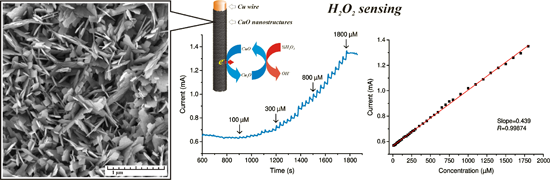
- (UHT) milk were investigated. H2O2 is present in milk samples either as a result of enzymatic activity or as an antibacterial agent [20][21][22]. For the experiment, we used 3.2% fat milk and Listerine antiseptic mouthwash from a local supermarket. To reduce the sample matrix effect, the samples were




Engineered titania nanomaterials in advanced clinical applications
Beilstein J. Nanotechnol. 2022, 13, 201–218, doi:10.3762/bjnano.13.15
- adhesion and proliferation of hFOB. Their results also showed a noticeable reduction in cell viability with a higher percent of TiO2 (7 wt %). An antibacterial study of these fabricated structures implied that a minimum of 5 wt % concentration of TiO2 is sufficient for achieving the desired antibacterial
- potential. Thus, the optimized TiO2 nanoparticle concentration of the PCL/5TiO2 sample exhibited improved biological and antibacterial properties for bone tissue engineering, thereby improving the properties of orthopedic devices [60]. Ko et al. found that titanium covered with a double layer of gold nps
- tissue, the material was covered with a nanoscale hydroxyapatite (nHA) coating and its efficacy was compared to the material without nHA coating. Interestingly, both materials showed antibacterial properties against Staphylococcus aureus, but the nHA-coated material was found to be more biocompatible [62


A comprehensive review on electrospun nanohybrid membranes for wastewater treatment
Beilstein J. Nanotechnol. 2022, 13, 137–159, doi:10.3762/bjnano.13.10
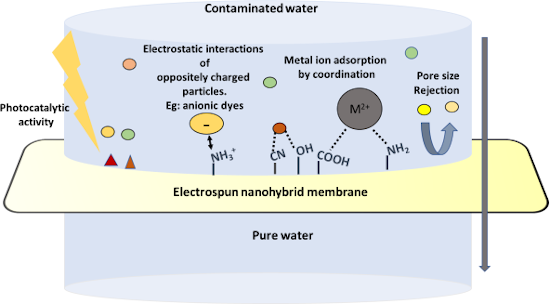
- , modified chitin, cellulose acetate (CA) and chitosan (CS) have been electrospun as nanohybrids and have been used in a variety of applications [7][8]. Regarding the health sector, the enhanced biocompatibility, antibacterial properties, and cell compatibility has made ENHs great candidates to deliver




Bacterial safety study of the production process of hemoglobin-based oxygen carriers
Beilstein J. Nanotechnol. 2022, 13, 114–126, doi:10.3762/bjnano.13.8
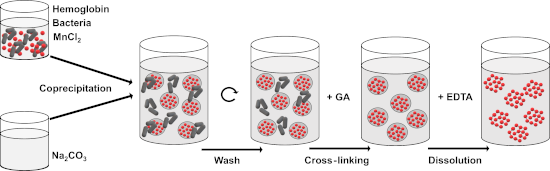
- known to have an antibacterial effect and it is used as a disinfectant or for cold sterilization of medical instruments in hospitals at higher concentrations [22][23][24]. Glutaraldehyde is also widely used in biochemical applications and as a fixative for electron microscopy [25][26]. EDTA is used in


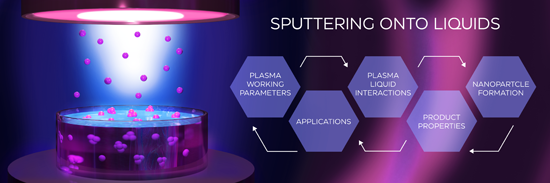
Sputtering onto liquids: a critical review
Beilstein J. Nanotechnol. 2022, 13, 10–53, doi:10.3762/bjnano.13.2






Self-assembly of amino acids toward functional biomaterials
Beilstein J. Nanotechnol. 2021, 12, 1140–1150, doi:10.3762/bjnano.12.85
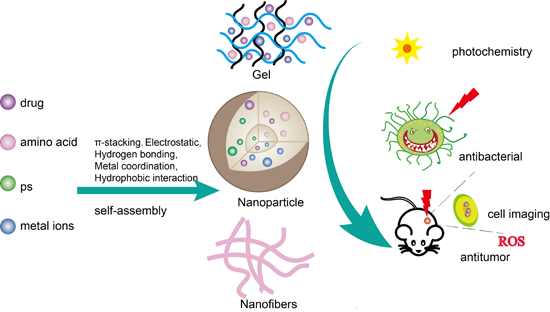
- physical and chemical properties, and great potential in cell culture, photocatalysis, drug delivery, and antibacterial applications [27]. The Fmoc modification of a single amino acid is the simplest building block, among which Fmoc-phenylalanine is the most studied due to its good hydrocoagulant
- properties [27] and good antibacterial activity [44]. Hydrogels of other amino acids modified by Fmoc, such as Fmoc-tryptophan, Fmoc-methionine, and Fmoc-tyrosine have also been shown to have antimicrobial activity and to be selectively resistant to Gram-positive bacteria [45]. The combined self-assembly
- with drugs to play different therapeutic effects as drug delivery carriers. The encapsulation of the antibiotic aztreonam (ATZ) in the Fmoc-phenylalanine (Fmoc-F) hydrogel expands the antibacterial range of Fmoc-F, which can continuously release ATZ and Fmoc-F in the wound [48]. The AZT encapsulated

The role of deep eutectic solvents and carrageenan in synthesizing biocompatible anisotropic metal nanoparticles
Beilstein J. Nanotechnol. 2021, 12, 924–938, doi:10.3762/bjnano.12.69
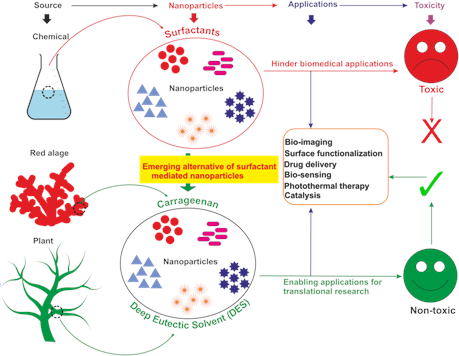
- monodispersity. In this regard, deep eutectic solvents (DESs) and carrageenan as capping agent for nanoparticles can ensure the safety. Carrageenan has the potential to act as antibacterial and antiviral agent, and adds enhanced stability to the nanoparticles. This leads to a multidimensional approach for
- successful use in biological milieus. Recent studies indicated that the green synthesis of nanoparticles, such as zinc oxide nanoparticles and bimetallic copper–silver and nickel–cobalt nanoparticles, is preferred for catalytic, antibacterial, and therapeutic applications [12][13][14]. Several other
- their antibacterial activity, are used in healthcare and the food industry, especially in manufacturing packaging materials. However, the cytotoxicity due to the release of the silver ions from AgNPs is a matter of concern. The cytotoxicity of micrometer-sized AgNPs was minimized by immobilizing them in


Comprehensive review on ultrasound-responsive theranostic nanomaterials: mechanisms, structures and medical applications
Beilstein J. Nanotechnol. 2021, 12, 808–862, doi:10.3762/bjnano.12.64


A review on nanostructured silver as a basic ingredient in medicine: physicochemical parameters and characterization
Beilstein J. Nanotechnol. 2021, 12, 440–461, doi:10.3762/bjnano.12.36
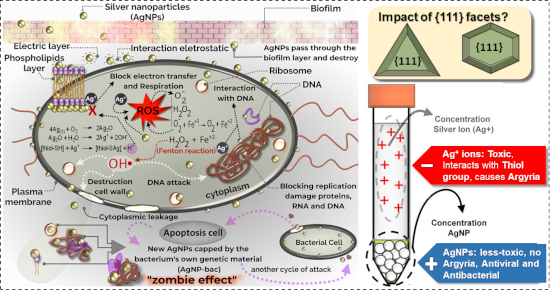
- limit antimicrobial resistance [22]. Antibacterial, antifouling, and antibiofilm effects of AgNPs have been extensively studied and reveal that they are lethal to bacteria and effectively prevent the formation of biofilms [23]. This suggests that AgNPs can be incorporated into matrices or materials used
- activity against E. coli, Bacillus subtilis, and Staphylococcus aureus of spherical AgNPs of various sizes and concluded that their effectiveness increased with decreasing size, regardless of the bacterial strains [43]. On the other hand, studies indicate that the reactivity and antibacterial activity of
- -shaped AgNPs regarding their antibacterial activity against various Gram-positive and Gram-negative bacteria. Death kinetics confirmed that the mortality rate of Klebsiella pneumoniae was higher when exposed to spherical AgNPs with larger {111} facets in comparison to rod-shaped AgNPs. Therefore, the


Characterization, bio-uptake and toxicity of polymer-coated silver nanoparticles and their interaction with human peripheral blood mononuclear cells
Beilstein J. Nanotechnol. 2021, 12, 282–294, doi:10.3762/bjnano.12.23
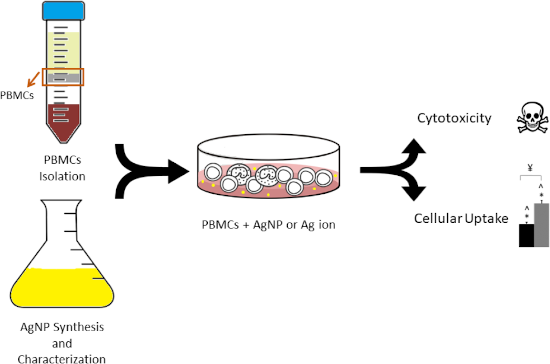
- , Columbia, SC, 29208, United States 10.3762/bjnano.12.23 Abstract Silver nanoparticles (AgNPs) are widely used in medical applications due to their antibacterial and antiviral properties. Despite the extensive study of AgNPs, their toxicity and their effect on human health is poorly understood, as a result
- frequently used NPs in commercial products in health and medicine [7][8][9] due to their antibacterial and antiviral properties [10][11]. In fact, the use of AgNPs in commercially available products is anticipated to double in the next five years [12]. AgNPs have the potential to prevent bacterial
- −1 [15]. However, in burn patients who are treated with silver containing antibacterial creams, Ag in the blood can be found up to a concentration of 310 µg·L−1 [15]. Additionally, one of the main routes of exposure in humans is reported as oral exposure since AgNPs are used in the food industry (in



A review on the biological effects of nanomaterials on silkworm (Bombyx mori)
Beilstein J. Nanotechnol. 2021, 12, 190–202, doi:10.3762/bjnano.12.15
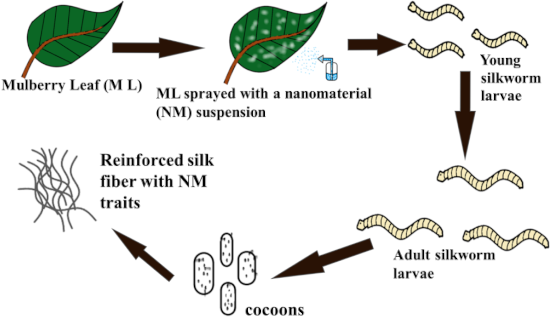
- to generate more reactive oxygen species (ROS) and to induce oxidative stress could be a reason for their antibacterial activity against R. solanacearum in tobacco plants [23]. Aside from MgO NPs, other nanomaterials, including titanium dioxide (TiO2 NPs), zinc oxide (ZnO NPs), copper oxide (CuO NPs
- ), graphene oxide, silver nanoparticles (Ag NPs) [24][25][26], quantum dots, and superparamagnetic particles [27] have been reported to have antibacterial properties against Streptococcus mutans [28] and Xanthomonas perforans, antifungal properties against Fusarium oxysporum [27] and Fusarium graminearum [29
- Ag NPs exhibited a smooth surface with significant changes in the silk diameter. Ag NPs concentrations of 0.20% and 0.02% were reported to promote the synthesis of silk proteins, improve the mechanical properties of the silk fibers, and to improve the antibacterial properties of the silk. Figure 2





