


Search results
Search for "antimicrobial" in Full Text gives 135 result(s) in Beilstein Journal of Nanotechnology.
Berberine-loaded polylactic acid nanofiber scaffold as a drug delivery system: The relationship between chemical characteristics, drug-release behavior, and antibacterial efficiency
Beilstein J. Nanotechnol. 2024, 15, 71–82, doi:10.3762/bjnano.15.7
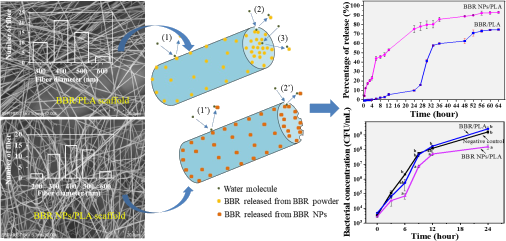
- , nanofiber scaffolds can act as a multifunctional tool in medical treatments, combining drug release for disease therapy, cell proliferation, wound healing, and antimicrobial effect [21][22][23][24][25]. Nanofibers of PLA functionalized with laponite (LAP)/amoxicillin (AMX) prolonged the drug release up to
- . The release profile of antimicrobial agents should be adjusted depending on the infection conditions, such that a burst release mode is required for acute microbial infections, while slow and long-term release is more adequate to treat chronic infections [32]. This study aims to investigate the drug


Nanotechnological approaches in the treatment of schistosomiasis: an overview
Beilstein J. Nanotechnol. 2024, 15, 13–25, doi:10.3762/bjnano.15.2
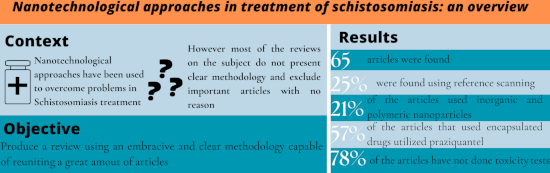
- drugs were able to cause alterations in parasite tegument [64]. Another work used carvacrol, a monoterpene present in essential oils derived from plants such as Origanum vulgare. Besides being commonly used as a flavoring agent in food and cosmetics, it shows antimicrobial activity. Xavier et al. [67
- mechanism by which the nanoemulsion could reduce the worm burden is its antimicrobial activity, connecting changes in microbiota with the response to parasites. However, the mechanism of action of carvacrol remains unknown [67]. Repositioned drugs Works utilizing compounds repositioned from other diseases


Fluorescent bioinspired albumin/polydopamine nanoparticles and their interactions with Escherichia coli cells
Beilstein J. Nanotechnol. 2023, 14, 1208–1224, doi:10.3762/bjnano.14.100
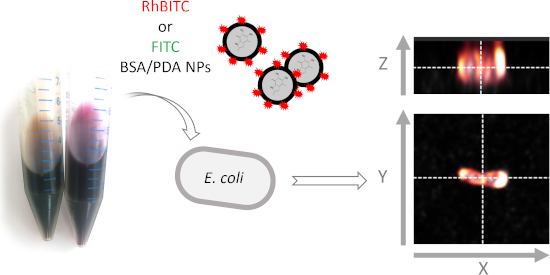
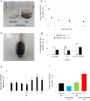
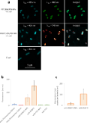
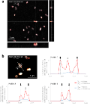
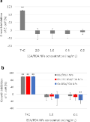
- of antimicrobial resistance of bacteria [5], this appears as a promising route to deliver antimicrobials while reducing the drug doses and subsequent harmful side effects in antibacterial applications. To this end, different types of ONPs have been used, such as liposomes [6] and nanoparticles (NPs



Biomimetics on the micro- and nanoscale – The 25th anniversary of the lotus effect
Beilstein J. Nanotechnol. 2023, 14, 850–856, doi:10.3762/bjnano.14.69

- stimulate and interact with cell receptors to support binding and subsequent physiological responses of multicellular systems have attracted much interest in the last years. This holds especially true for materials that exhibit microbial repellence or antimicrobial behaviour to reduce inflammation, while at


Silver nanoparticles loaded on lactose/alginate: in situ synthesis, catalytic degradation, and pH-dependent antibacterial activity
Beilstein J. Nanotechnol. 2023, 14, 781–792, doi:10.3762/bjnano.14.64
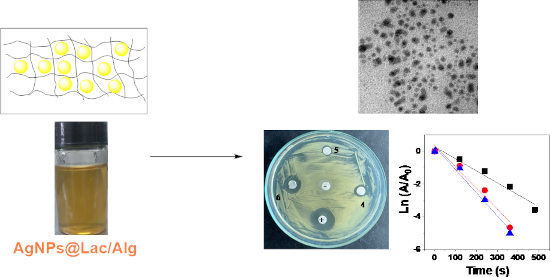
- properties of AgNPs can be influenced by factors such as size, pH value, and ionic strength of the medium [28][29][30][31]. Extensive research has been dedicated to control the size and shape of AgNPs through the application of various capping agents. In addition to their antimicrobial properties, AgNPs are


Metal-organic framework-based nanomaterials as opto-electrochemical sensors for the detection of antibiotics and hormones: A review
Beilstein J. Nanotechnol. 2023, 14, 631–673, doi:10.3762/bjnano.14.52
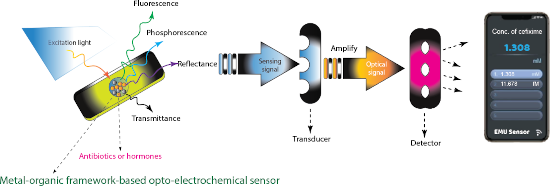
- substances such as antibiotics and hormones are considered emerging pollutants. Antibiotic overuse and misuse that leads to antimicrobial resistance pose an urgent threat to global public health, killing more than 36,000 people in the United States and being linked to over five million deaths globally in


Quercetin- and caffeic acid-functionalized chitosan-capped colloidal silver nanoparticles: one-pot synthesis, characterization, and anticancer and antibacterial activities
Beilstein J. Nanotechnol. 2023, 14, 362–376, doi:10.3762/bjnano.14.31
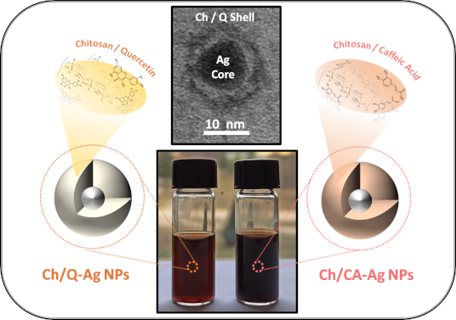
- , especially in medicine [1]. Nanomaterials, especially metallic nanomaterials, show good antibacterial and antimicrobial properties due to their physical and chemical properties and are, thus, an alternative approach to antibiotics [2]. In addition, low bioavailability and water solubility problems are the
- attention as an important problem of the modern era, encourages the discovery of new antimicrobial and antibacterial agents [6][7]. Glioblastoma multiforme (GBM, grade IV) with a low survival rate is the most commonly malignant and invasive tumor of the central nervous system and it is resistant to
- as crabs, and shrimps. It is also found in the skeleton of insects and the structure of cell walls of fungi [11][12]. Chitosan, which was defined as an antimicrobial agent for the first time by Allan and Hadwiger, exhibits broad-spectrum antimicrobial activity [13][14]. In the last decade, chitosan


Antimicrobial and mechanical properties of functionalized textile by nanoarchitectured photoinduced Ag@polymer coating
Beilstein J. Nanotechnol. 2023, 14, 95–109, doi:10.3762/bjnano.14.11
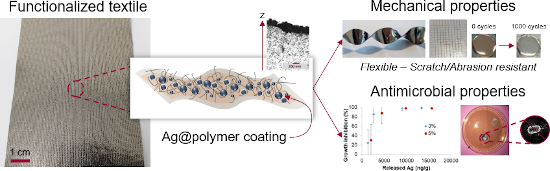
- , and textiles need to be cleaned on a daily basis. Silver nanoparticles (AgNPs) possess well-documented antimicrobial properties and by combining them with a physical matrix, they can be applied to various surfaces to limit microbial contamination. With this in mind, a rapid and easy way to implement a
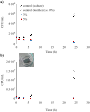
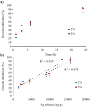
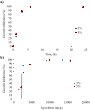
- the textile support. After assessing their optical and mechanical properties, the antimicrobial properties of the functionalized textiles were tested against Escherichia coli (E. coli) and Candida albicans (C. albicans) strains. In addition to being flexible and adherent to the textile substrates, the
- nanocomposites exhibited remarkable microbial growth inhibitory effects. Keywords: antimicrobial properties; C. albicans fungus; E. coli bacteria; photoinduced functionalized textile; silver/polymer nanomaterials; Introduction The proliferation of microorganisms is a major concern for health organizations



In search of cytotoxic selectivity on cancer cells with biogenically synthesized Ag/AgCl nanoparticles
Beilstein J. Nanotechnol. 2022, 13, 1505–1519, doi:10.3762/bjnano.13.124
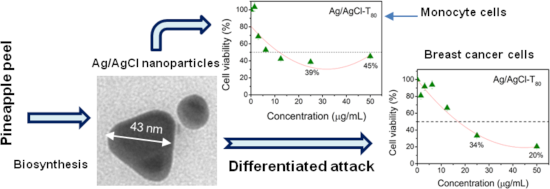
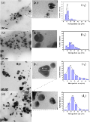
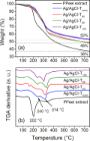
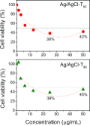
- and anticancer properties of AgNPs synthesized from pineapple peel. The authors reported a favorable antimicrobial activity at low concentrations of AgNPs. Das et al. [17] found that AgNPs synthesized in the same way have high antidiabetic potential and high cytotoxicity against HepG2 cancer cells in





Hydroxyapatite–bioglass nanocomposites: Structural, mechanical, and biological aspects
Beilstein J. Nanotechnol. 2022, 13, 1490–1504, doi:10.3762/bjnano.13.123
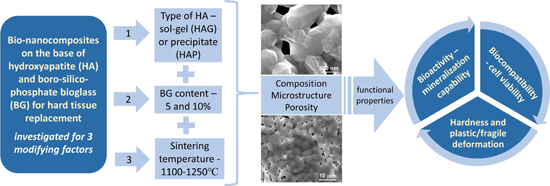
- addition of different dopants to the glass can enhance the osteogenesis (Mg, Sr, Fe, and Zr) or can yield particular properties such as angiogenesis (Cu and Co) and antimicrobial activity (Ag, Zn, Ce, Ga, and Cu). Also, dopants can change the glass solubility [13][15][16][17][18][19]. The presence of the
Supramolecular assembly of pentamidine and polymeric cyclodextrin bimetallic core–shell nanoarchitectures
Beilstein J. Nanotechnol. 2022, 13, 1361–1369, doi:10.3762/bjnano.13.112
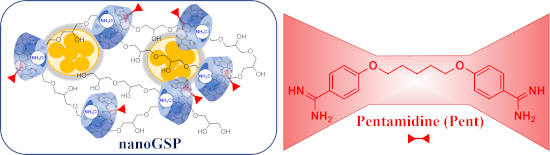
- combination of noble metal nanoparticles (NPs) with conventional antimicrobial drugs, are considered the next generation of antimicrobial agents. Therefore, there is an increasing demand for rapid, eco-friendly, and relatively inexpensive synthetic approaches for the preparation of nontoxic metallic
- monometallic (nanoG) structures or core–shell bimetallic (nanoGS) architectures with an external silver layer. Here, we describe the preparation of a supramolecular assembly between nanoGS and pentamidine, an antileishmanial drug endowed with a wide range of therapeutic properties (i.e., antimicrobial, anti
- during the reduction/stabilization of metal NPs was investigated for the first time by NMR spectroscopy. Keywords: antimicrobial agents; bimetallic nanoparticles; gold/silver core–shell; Leishmania; pentamidine; polycyclodextrin; Introduction Noble metal nanoparticles (NPs), in particular those


Microneedle-based ocular drug delivery systems – recent advances and challenges
Beilstein J. Nanotechnol. 2022, 13, 1167–1184, doi:10.3762/bjnano.13.98
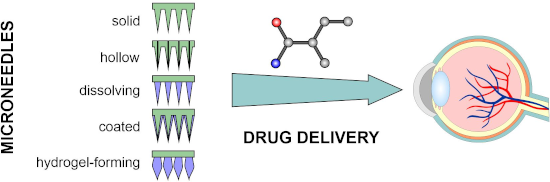
- polyhexamethylene biguanide, an antimicrobial agent, for in vivo assessment of therapeutic efficiency. The drug-containing tip after optimization was delivered to the mouse cornea and efficiently reduced the progression of keratitis [183]. The same group developed another rapidly detachable MN. The new idea was to


Green synthesis of zinc oxide nanoparticles toward highly efficient photocatalysis and antibacterial application
Beilstein J. Nanotechnol. 2022, 13, 1108–1119, doi:10.3762/bjnano.13.94
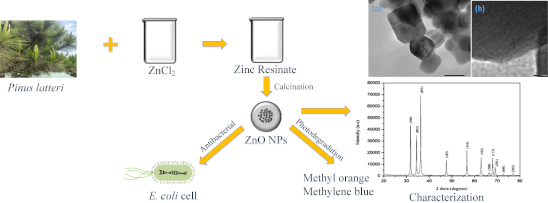
- applications. Nava et al. [26] prepared ZnO NPs using Camellia sinensis extracts and applied ZnO NPs to degrade methylene blue (MB). Ambika et al. [12] synthesized ZnO by a green method using a precursor from the Vitex negundo plant extract and zinc nitrate, and antimicrobial properties of ZnO NPs were




Recent advances in green carbon dots (2015–2022): synthesis, metal ion sensing, and biological applications
Beilstein J. Nanotechnol. 2022, 13, 1068–1107, doi:10.3762/bjnano.13.93
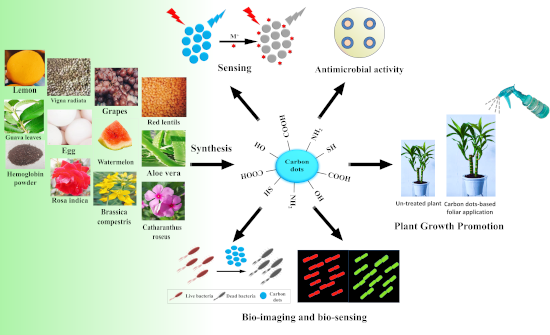
- had surface groups such as carboxyl and hydroxy groups. Aloe vera has intrinsic antimicrobial properties, so the bactericidal activity of these CDs was investigated by the agar well diffusion method, and the sensing ability towards Fe3+ was also reported [67]. Kavitha et al. used date palm fronds with
- honey, garlic, and ammonia as green source, sulfur source, and nitrogen source, respectively to prepare N,S-CDs via a simple hydrothermal technique. The Z-scan methodology was used for non-linear optical characterization and the agar well diffusion methodology was used to explore the antimicrobial
- +. The CDs were also found to be appropriate FL probes for imaging human colon cancer (HTC-116) cells. Recently, Lin et al. proposed a unique antimicrobial compound for the preservation of Atlantic mackerel by synthesizing antimicrobial CDs through a hydrothermal synthesis approach using food materials




Biomimetic chitosan with biocomposite nanomaterials for bone tissue repair and regeneration
Beilstein J. Nanotechnol. 2022, 13, 1051–1067, doi:10.3762/bjnano.13.92
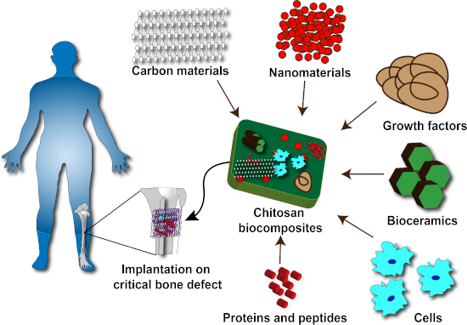
- , uniform raw materials quality, and are abundant. Chitosan is a natural polymeric substance and an extensively studied material for bone tissue engineering due to its biocompatibility, biodegradability, and antimicrobial properties [7][8][9][10]. Chitosan in combination with silver, gold, copper, titanium
- research due to its intrinsic antimicrobial properties. Xie et al. (2019) developed AgNPs composites containing polydopamine–hydroxyapatite–chitosan by adding AgNPs to hybrid materials, which significantly reduced microbial infection in the implanted place [109]. Polydopamine and chitosan play an important
- mechanical strength and cell adhesion. Importantly, the developed biocomposites have excellent antimicrobial activity [111]. AgNP-loaded fibrillar collagen–chitosan matrix was used for further biomineralisation using a simulated body fluid (SBF) solution. The developed composites show better mineralisation
Bioselectivity of silk protein-based materials and their bio-inspired applications
Beilstein J. Nanotechnol. 2022, 13, 902–921, doi:10.3762/bjnano.13.81
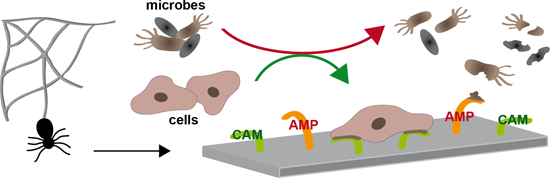
- urgently requires new material concepts for preventing microbial infestation and biofilm formation. Thus, materials exhibiting microbial repellence or antimicrobial behaviour to reduce inflammation, while selectively enhancing regeneration in host tissues are of utmost interest. In this context, protein
- of proteins, microbes, and cells should be guided by material-related surface properties to create bioinert, bioactive, or biomimetic biomaterials. 1.3 Antiadhesive and anti-fouling protein surfaces Nature has evolved a diverse portfolio of anti-adhesive, antimicrobial and antifouling methods
- , antimicrobial, and antibiofouling properties, including the formation of an oriented monolayer of bacterial flagellin proteins on hydrophobic surfaces [73], a reduction of oral bacteria adhesion on dental brackets by more than 95% due to a reduced surface free energy [74], and the fabrication of antifouling


Design and selection of peptides to block the SARS-CoV-2 receptor binding domain by molecular docking
Beilstein J. Nanotechnol. 2022, 13, 699–711, doi:10.3762/bjnano.13.62
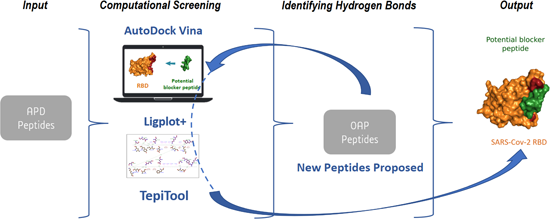
- peptides to neutralize the infective mechanism of SARS-CoV-2 through the RBD is an interesting strategy. The binding ability of 104 peptides (University of Nebraska Medical Center’s Antimicrobial Peptide Database) to the RBD was assessed using molecular docking. Based on the molecular docking results
- histocompatibility complex (MHC). This is crucial to reduce any acute immunological responses [12][13]. Several suitable peptide candidates could be found to block the SARS-CoV-2 RBD. Natural antiviral and antimicrobial peptides and chimeric peptides with the capability to bind and neutralize viral proteins can be
- was used to perform molecular docking of 104 biological peptides, selected from the University of Nebraska Medical Center’s Antimicrobial Peptide Database (APD) [22][23][24], and theoretical peptides with the region of the SARS-CoV-2 RBD that binds to the cellular receptor ACE2 (called the RBD active



Antibacterial activity of a berberine nanoformulation
Beilstein J. Nanotechnol. 2022, 13, 641–652, doi:10.3762/bjnano.13.56
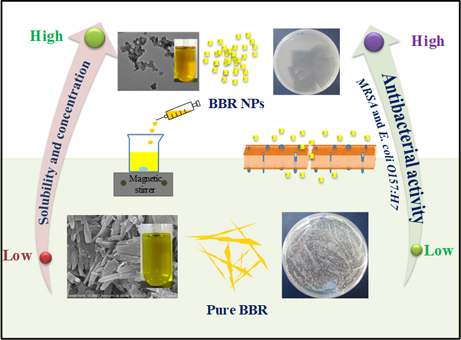
- Canadensis [2]. Many studies have shown the pharmacological actions of BBR including antimicrobial [3][4], antiviral [5][6], anti-inflammatory [7] and antiparasitic effects [8], and effects against hyperlipidemia [9], hypoglycemia [10] and cancer [11]. BBR has the ability to inhibit or kill many pathogenic
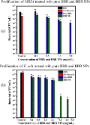
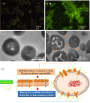
- biosafety cabinet level 2 (Hankook). Statistical analysis Antimicrobial data were statistically analyzed using one-way analysis of variance (ANOVA) for statistical significance of three groups (p < 0.05). Error bars represent one standard deviation. UV–vis spectra of BBR and BBR NPs in distilled water at a



Ciprofloxacin-loaded dissolving polymeric microneedles as a potential therapeutic for the treatment of S. aureus skin infections
Beilstein J. Nanotechnol. 2022, 13, 517–527, doi:10.3762/bjnano.13.43
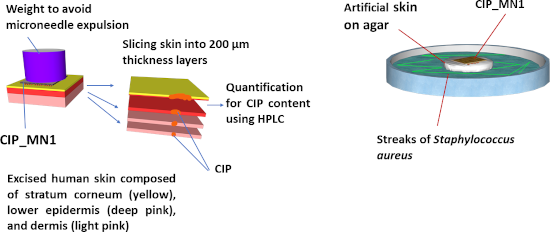
- on agarose gel as an in vitro model of human skin showed that the formula was able to fully perforate the agarose gel. Moreover, this formula showed significantly greater antimicrobial activity (p < 0.0001) compared to a free gel of ciprofloxacin against Staphylococcus aureus in an agarose gel-based
- human skin. Also, the dissolution of these microneedles in excised human skin and the concentration of ciprofloxacin in each layer of the excised human skin was studied. We designed an in vitro model of skin infection to compare the microneedles with free gel and, consequently, the antimicrobial
- amount of ciprofloxacin was placed on top of the skin, followed by the stainless steel weight for consistency. Antimicrobial activity: in vitro infection study S. aureus (ATCC-29213) inoculum equivalent to 0.5 MacFarland (ca. 1 × 10⁸ CFU/mL) turbidity was prepared from an overnight culture. A sterile


Design and characterization of polymeric microneedles containing extracts of Brazilian green propolis
Beilstein J. Nanotechnol. 2022, 13, 503–516, doi:10.3762/bjnano.13.42
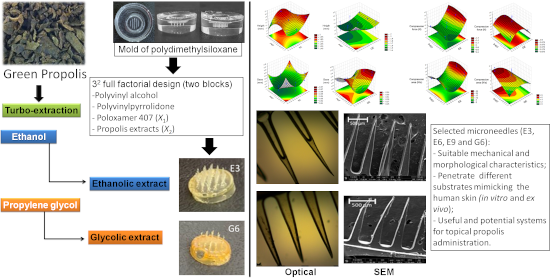
- extracts. PRP exhibits important pharmacological activity, already proven in several studies, in addition to being a biologically safe compound [17][18][19][20][21]. This natural drug is also widely used as antimicrobial agent, immune system strengthener, and anticancer drug in the form of its ethanolic or


Coordination-assembled myricetin nanoarchitectonics for sustainably scavenging free radicals
Beilstein J. Nanotechnol. 2022, 13, 284–291, doi:10.3762/bjnano.13.23
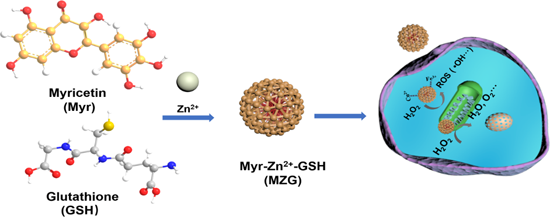
- attention because of its high antioxidant, anti-inflammatory, antimicrobial, and anticancer efficacy. Especially regarding antioxidation, Myr is capable of not only chelating intracellular transition metal ions for removing reactive oxygen species, but also of activating antioxidant enzymes and related
- ]. However, low loading efficiency, systemic toxicity, and tedious preparation processes hinder biomedical applications. Myricetin (Myr), a well-known natural flavonoid, has drawn wide attention because of its high antioxidant, anti-inflammatory, antimicrobial, and anticancer efficacy [16]. Myr is capable of


Engineered titania nanomaterials in advanced clinical applications
Beilstein J. Nanotechnol. 2022, 13, 201–218, doi:10.3762/bjnano.13.15
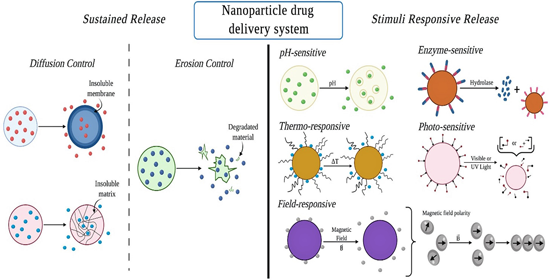
- their clinical applications, including their usage as an implant material, antimicrobial agent, drug delivery vehicle, photothermal therapeutic tool, and antivenom. In addition, the intriguing physical and chemical properties of titania nanomaterials that affect their biocompatibility are also discussed
- (nanotubes, nanorods, nanowhiskers, nanoflower, nanotubes, nanobelts, or nanocrystals), and topographical features such as surface area, size (1–100 nm), and uncoordinated surface sites [26]. The photocatalytic nature of titania is greatly explored in antimicrobial studies as well as in photodynamic cancer
- (GNP2) presented good osseointegration [61]. In another recent study, TiO2 nanotubes (TNT) were grown on the surface of medical-grade titanium alloy and then coated with silver nps (Ag nps) to improve the antimicrobial properties of the implants. Moreover, to avoid direct contact of Ag nps with human


A comprehensive review on electrospun nanohybrid membranes for wastewater treatment
Beilstein J. Nanotechnol. 2022, 13, 137–159, doi:10.3762/bjnano.13.10
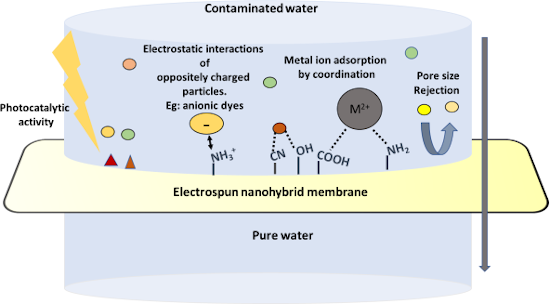
- magnetic fibers by dispersing garnet nanoparticles for magnetically assisted bioseparation [10] and also they developed bandages of 165Ho iron garnet nanoparticles incorporated in electrospun PAN to be used against skin cancers [11]. Bugatti and co-workers developed an antimicrobial electrospun hybrid




Sputtering onto liquids: a critical review
Beilstein J. Nanotechnol. 2022, 13, 10–53, doi:10.3762/bjnano.13.2






Self-assembly of amino acids toward functional biomaterials
Beilstein J. Nanotechnol. 2021, 12, 1140–1150, doi:10.3762/bjnano.12.85
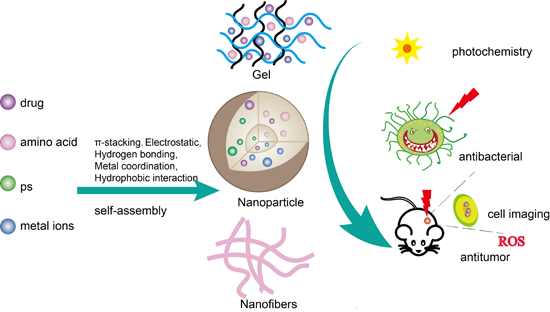
- properties [27] and good antibacterial activity [44]. Hydrogels of other amino acids modified by Fmoc, such as Fmoc-tryptophan, Fmoc-methionine, and Fmoc-tyrosine have also been shown to have antimicrobial activity and to be selectively resistant to Gram-positive bacteria [45]. The combined self-assembly
- strategy can provide different functions for amino acid assembly. Fmoc-phenylalanine and Fmoc-leucine were co-assembled, with Fmoc-phenylalanine as the hydrocoagulant and Fmoc-leucine as the antimicrobial unit. The resulting hydrogel selectively killed Staphylococcus aureus by breaking the cell wall and
- bacteria and aztreonam-encapsulated Fomc-F hydrogels antagonize Pseudomonas aeruginosa and enhance Fomc-F antimicrobial activity. Salicylic acid is loaded in Fmoc-ʟ-phenylalanine hydrogel, which can play a role against Gram-positive bacteria, and the drug release behavior changes at different temperature




