


Search results
Search for "bacteria" in Full Text gives 182 result(s) in Beilstein Journal of Nanotechnology.
Functional fibrillar interfaces: Biological hair as inspiration across scales
Beilstein J. Nanotechnol. 2024, 15, 664–677, doi:10.3762/bjnano.15.55
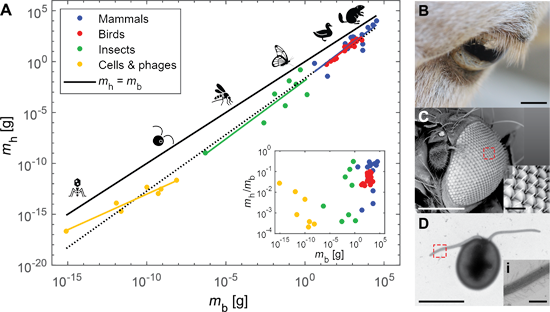
- cells (bacteria) should not be confused. Eukaryotic flagella are essentially the same organelles as cilia, consisting of a well-organized microtubular backbone and orchestrated internal protein motors, whereas bacterial flagella are simply passive, stiff filaments. The passive nature of the hairs does
- , hair-like trichomes on plant surfaces [27]. Overall, to promote homeostasis in plants, animals, bacteria, and bacteriophages, fibrillar structures contribute to the following functions: protection (e.g., thermal insulation and defense), locomotion and feeding, and sensing. This review will present how
- . Bacteria, such as Pseudomonas aeruginosa (2 µm in size), use thin filaments (up to several micrometers long), known as pilus (type IV), to attach to surfaces and, in effect, “tow” themselves around on the surface [64]. Bacteriophages (≈100 nm in size) rely on their tail filaments to attach to their hosts


Fabrication of nanocrystal forms of ᴅ-cycloserine and their application for transdermal and enteric drug delivery systems
Beilstein J. Nanotechnol. 2024, 15, 465–474, doi:10.3762/bjnano.15.42
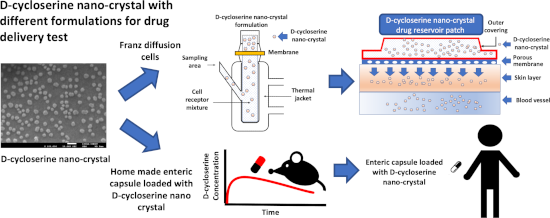
- absorber [20]. In addition, silver (Ag) nanoparticles were synthesized from cotton fabrics and exhibited strong inhibition activity against some bacteria [21]. Recently, pure active pharmaceutical ingredient (API) composed of nanocrystals was investigated, as opposed to drug nanocarrier platforms [22


Classification and application of metal-based nanoantioxidants in medicine and healthcare
Beilstein J. Nanotechnol. 2024, 15, 396–415, doi:10.3762/bjnano.15.36
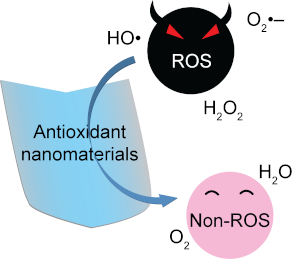
- inflammation, lowering blood glucose, relieving hypoxia, promoting angiogenesis, and eliminating pathogenic bacteria. Other in vivo experiments demonstrated that mice treated with silver-based nanocomposites showed significantly higher (p < 0.001) wound contraction compared to saline solution (negative control


Ferromagnetic resonance spectra of linear magnetosome chains
Beilstein J. Nanotechnol. 2024, 15, 157–167, doi:10.3762/bjnano.15.15
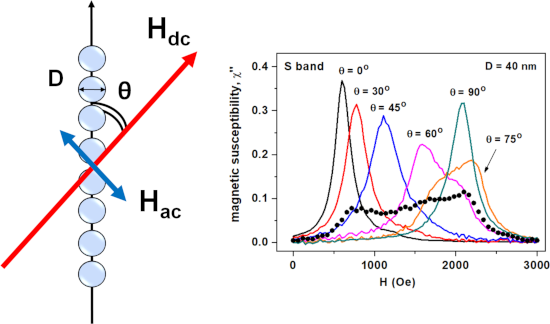
- nanoparticles; numerical simulation; Introduction Magnetotactic bacteria are living organisms that grow within themselves magnetite nanoparticles called magnetosomes [1][2][3][4]. In contrast to chemically synthesized magnetite nanoparticles [5][6], magnetosomes have a perfect crystal structure, a narrow size
- distribution, and a high saturation magnetization close to that of bulk magnetite. In particular, magnetotactic bacteria M. gryphiswaldense produce linear chains of quasi-spherical magnetite nanoparticles with sizes ranging from 30 to 50 nm [1][2][7][8][9]. However, there are also magnetotactic bacteria that
- in the laboratory by various types of magnetotactic bacteria [7][8][9][16][17][18][19] and particles found in natural samples of silt and lake sediments [16][17][20][21][22][23] have been experimentally studied. It is important that the experimental FMR spectra of magnetosome chains have


New application of bimetallic Ag/Pt nanoplates in a colorimetric biosensor for specific detection of E. coli in water
Beilstein J. Nanotechnol. 2024, 15, 95–103, doi:10.3762/bjnano.15.9
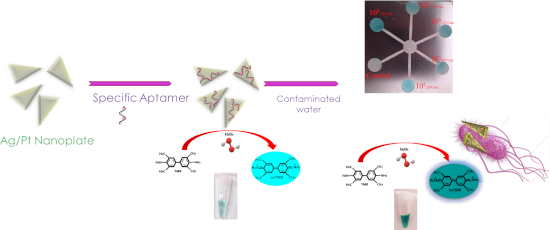
- %. The developed assay should serve as a general platform for detecting other pathogenic bacteria which affect water and food quality. The proposed E. coli detection strategy has appealing characteristics such as high sensitivity, simple operation, short testing time, and low cost. Keywords: aptamer
- illness cases worldwide each year [1][2]. Water quality testing is based on the presence of E. coli, which is still regarded as the best indication of fecal contamination [3][4]. There are several methods for detecting bacteria (e.g., ELISA and PCR) with colony counting serving as the gold standard
- nanobiosensor as well as a paper-based analytical equipment for detecting E. coli. The E. coli could be trapped by the aptamer-NPL to create bacteria–aptamers–Ag/Pt NPL complexes in which the aptamers effectively change on the surface of Ag/Pt NPL. Surprisingly, in the conventional TMB and H2O2 color reaction


Study of the reusability and stability of nylon nanofibres as an antibody immobilisation surface
Beilstein J. Nanotechnol. 2024, 15, 83–94, doi:10.3762/bjnano.15.8
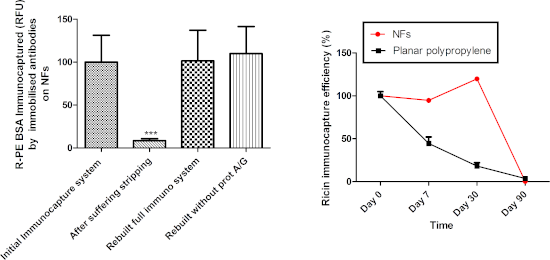
- clinical applications. Immunoassay devices have been used not only for the detection of bacteria and viruses [7], but also for the measurement of drugs [8] and hormones [9], or for the determination of glucose in urine [10]. The specificity of antigen–antibody binding and how the antibody is attached to
- improved by using another more accurate sensing system. (3) Because of the pore size of the nanofibres, they cannot be used for the detection of bacteria, rickettsiae, or fungi (i.e., they cannot be used for the detection of prokaryotic or eukaryotic cells). They could, therefore, be used for the


Berberine-loaded polylactic acid nanofiber scaffold as a drug delivery system: The relationship between chemical characteristics, drug-release behavior, and antibacterial efficiency
Beilstein J. Nanotechnol. 2024, 15, 71–82, doi:10.3762/bjnano.15.7
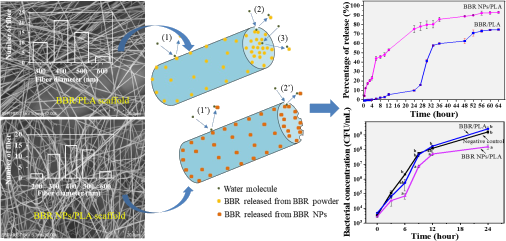
- BBR/PLA nanofiber scaffold exhibited an extremely hydrophobic feature, causing a triphasic release profile in which only 9.8 wt % of the loaded BBR was released in the first 24 h. This resulted in a negligible inhibitory effect against methicillin-resistant Staphylococcus aureus bacteria. Meanwhile
- 21 days and inhibited the growth of Staphylococcus aureus and Escherichia coli bacteria. Human bone marrow mesenchymal stem cells were well attached and proliferated on the surface of the LAP/AMX functionalized PLA scaffolds, which provided a bacteria-free environment for bone differentiation in the
- activity of BBR/PLA and BBR NPs/PLA nanofiber scaffolds was tested against MRSA (Gram-positive bacteria). The antibacterial tests were performed in a sterilized 20 mL glass tube containing bacterial solutions with a concentration of approx. 3 × 10³ colony-forming units (CFU)/mL in nutrient broth. BBR/PLA


Curcumin-loaded nanostructured systems for treatment of leishmaniasis: a review
Beilstein J. Nanotechnol. 2024, 15, 37–50, doi:10.3762/bjnano.15.4
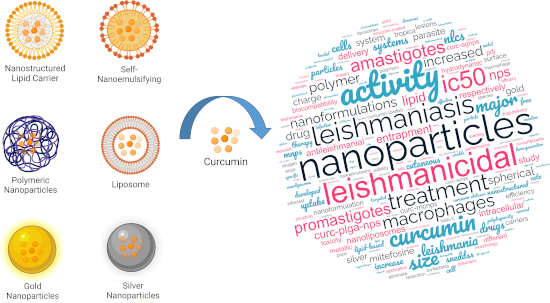
- nanocarriers intended for the treatment of leishmaniasis. Keywords: antiparasitic; Curcuma longa; curcuminoids; leishmaniasis; nanocarriers; neglected tropical diseases; Introduction Neglected tropical diseases (NTDs) comprise a group of 20 diseases that are caused, in most cases, by viruses, fungi, bacteria


Fluorescent bioinspired albumin/polydopamine nanoparticles and their interactions with Escherichia coli cells
Beilstein J. Nanotechnol. 2023, 14, 1208–1224, doi:10.3762/bjnano.14.100
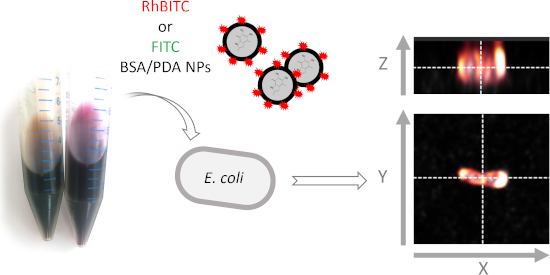
- labelled BSA/PDA NPs to track bacteria and carry drugs in the core of bacterial cells. Keywords: accumulation; albumin; antibacterial; Escherichia coli; fluorescence; nanoparticles; penetration; polydopamine; Introduction Organic nanoparticles (ONPs) are used to target and deliver drugs to tissue and
- eukaryotic cells [1][2], or bacteria and biofilms [3][4]. As nanovectors of drugs, they can deliver drugs locally, leading to a more efficient drug activity. Also, the required doses and the drug impact on healthy tissues compared to the free drug are lowered. Regarding the dramatic emergence and spreading
- of antimicrobial resistance of bacteria [5], this appears as a promising route to deliver antimicrobials while reducing the drug doses and subsequent harmful side effects in antibacterial applications. To this end, different types of ONPs have been used, such as liposomes [6] and nanoparticles (NPs



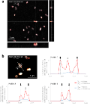
Recognition mechanisms of hemoglobin particles by monocytes – CD163 may just be one
Beilstein J. Nanotechnol. 2023, 14, 1028–1040, doi:10.3762/bjnano.14.85
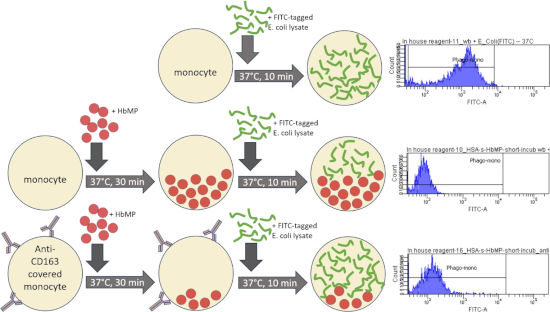
- rather than whole bacteria for the higher phagocytosis efficacy of lysates). For comparison, samples were prepared in which the cells were able to phagocytose either unlabeled E. coli lysate or HbMP in a pre-feeding step (approximately 100 HbMPs per leukocyte). The incubation period here was 120 min. In
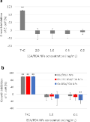
- % FITC-positive monocytes indicated an intact monocytic phagocytosis capacity. Pre-feeding the cells with HbMPs limited the uptake of FITC-labeled E. coli bacteria and resulted in an MFI reduction to 45.2% ± 3.7% of the reference value. In further samples, the monocytic surface antigens CD14, CD33, CD163
- bacteria. In this manner we could confirm the applicability of the chosen test method. Samples with an addition of anti-CD14, anti-CD33, anti-CD163, anti-CD204, or all of the above were prepared as described before. Skipping the HbMP pre-feeding step, the cells were allowed to take up FITC-tagged E. coli




Nanoarchitectonics of photothermal materials to enhance the sensitivity of lateral flow assays
Beilstein J. Nanotechnol. 2023, 14, 988–1003, doi:10.3762/bjnano.14.82
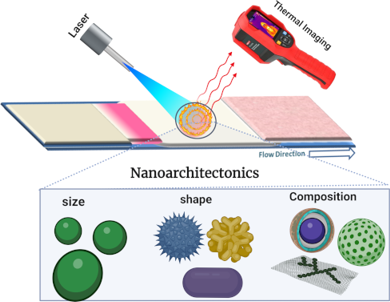
- typhimurium bacteria using Prussian blue and a Au composite. The results proved that photothermal signal amplification yielded a much higher sensitivity (101 CFU·mL−1) than the colorimetric method (102 CFU·mL−1) [86]. Before that, the same group developed a MoS2@Au nanocomposite for the photothermal detection
- diagnostic tools. Based on the photothermal principle, very recently, Shirshahi et al. developed LFA strips for the detection of E. coli O157:H7 strains of bacteria. They used reduced graphene oxide as both tracer and photothermal signal amplification material. After the deposition of rGO on the test line
- strains of bacteria [27]. The integration of rGO into LFAs opens up exciting possibilities for developing ultrasensitive and selective diagnostic platforms, owing to the increased surface area and abundance of functional groups on the rGO surface. In another study, carboxylated graphene oxide was used to


Silver nanoparticles loaded on lactose/alginate: in situ synthesis, catalytic degradation, and pH-dependent antibacterial activity
Beilstein J. Nanotechnol. 2023, 14, 781–792, doi:10.3762/bjnano.14.64
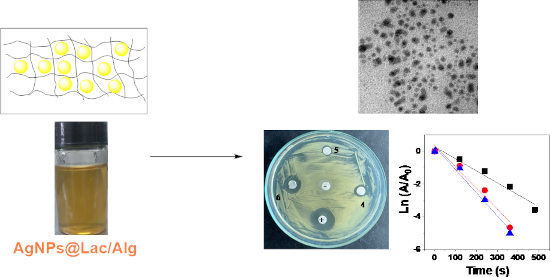
- Silver nanoparticles (AgNPs) have raised significant interest for their wide range of applications in biomedicine [1][2], treatment of wastewater [3][4], and catalysis [5][6]. The utilization of eco-friendly sources, such as plant extracts [7][8], fungi [9][10], and bacteria [11], for synthesizing AgNPs
- antibacterial agents. One of the advantages of AgNPs over bulk metal or salts is their ability to controllably release silver as ions or particles, resulting in prolonged protection against bacteria [20]. While the specific mechanism of their antibacterial properties is not fully understood, mechanisms such as
- nanocomposites used in the solid state [36][37][38]. These results suggest that amount and carrier property of the metal NPs play a significant role in the catalytic degradation of organic dyes. Antibacterial activity The effectiveness of AgNPs@Lac/Alg in inhibiting the growth of bacteria was tested on the two


Metal-organic framework-based nanomaterials as opto-electrochemical sensors for the detection of antibiotics and hormones: A review
Beilstein J. Nanotechnol. 2023, 14, 631–673, doi:10.3762/bjnano.14.52
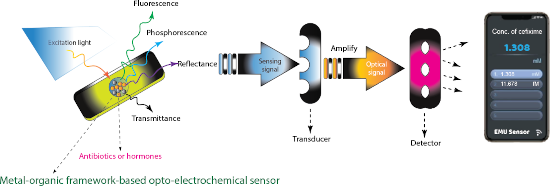
- nanograms and micrograms per litre. Antibiotic abuse and overuse also have serious consequences for the environment and human health. The rise of zombie-like antibiotic-resistant bacteria, which have been linked to severe allergic reactions in people, has been caused in part by the considerable fraction of


Nanoarchitectonics to entrap living cells in silica-based systems: encapsulations with yolk–shell and sepiolite nanomaterials
Beilstein J. Nanotechnol. 2023, 14, 522–534, doi:10.3762/bjnano.14.43
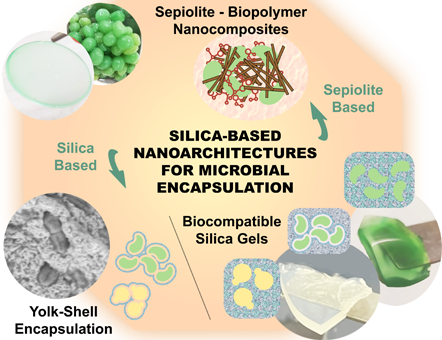
- complex architectures at the nanometre level, the possibility of artificially designing and building new nanostructured biohybrid materials with functions superior to their separate inorganic and bioinorganic counterparts has become possible. The entrapment of unicellular microorganisms, such as bacteria
- , by inorganic components generated by sol–gel processes from silicon alkoxides is an illustrative example of biohybrids that display the extraordinary functionality inherent to the assembled living components. For instance, bacteria such as Escherichia coli maintain their metabolic activity entrapped


Quercetin- and caffeic acid-functionalized chitosan-capped colloidal silver nanoparticles: one-pot synthesis, characterization, and anticancer and antibacterial activities
Beilstein J. Nanotechnol. 2023, 14, 362–376, doi:10.3762/bjnano.14.31
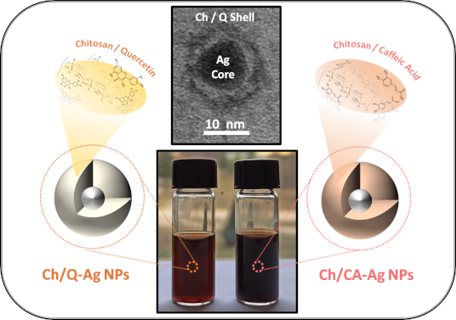
- (P. aeruginosa and E. coli) and Gram-positive (S. aureus and S. epidermidis) bacteria was determined, and dose-dependent antibacterial effects were found. Keywords: Ag NPs; anticancer and antibacterial effects; caffeic acid; chitosan; one-pot synthesis; quercetin; U-118 MG and ARPE-19 cells
- Staphylococcus aureus (S. aureus) and Staphylococcus epidermidis (S. epidermidis) and the Gram-negative Escherichia coli (E. coli) and Pseudomonas aeruginosa (P. aeruginosa) bacteria cause various infections [5]. These infections, formerly known as nosocomial infections, are now referred to as healthcare
- proven to be effective against bacteria and viruses [6][35]. Toxicologists extensively studied silver nanoparticles. Despite studies suggesting a toxicity of silver nanoparticles, this issue is still unresolved [36]. However, silver nanoparticles have become more popular in recent years due to their


Overview of mechanism and consequences of endothelial leakiness caused by metal and polymeric nanoparticles
Beilstein J. Nanotechnol. 2023, 14, 329–338, doi:10.3762/bjnano.14.28
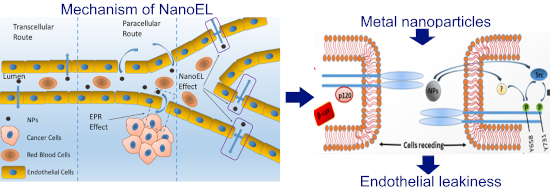
- effective therapeutic strategies in various pathological states of the body [35]. However, the leakiness of vessels, up to tens of micrometers wide, also creates an opening for proteins, bacteria, viruses, or the cells themselves. The bidirectional increased permeability of the endothelial layer in the case


Bismuth-based nanostructured photocatalysts for the remediation of antibiotics and organic dyes
Beilstein J. Nanotechnol. 2023, 14, 291–321, doi:10.3762/bjnano.14.26
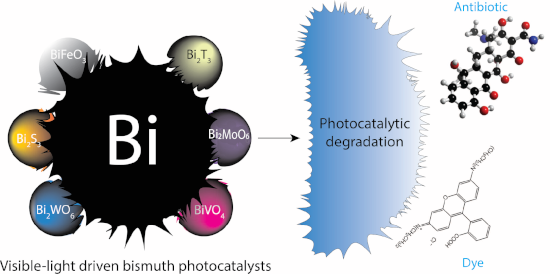
- is brought on by a high concentration of antibiotics that enter aquatic systems and interact with native species [47][60][61][62]. For instance, it may start to alter the genetic makeup and structure of the microbial community [47]. Antibiotic-resistant microbes (algae, fungi, and bacteria) pose a
- nitrogen conversion [61][63]. Antibiotics are persistent for long periods of time in natural environment. It is important to note that bacteria that develop resistance to one antibiotic also exhibit resistance to other drugs and chemicals. For example, Dickinson et al. [64] reported that the focal strain


Structural, optical, and bioimaging characterization of carbon quantum dots solvothermally synthesized from o-phenylenediamine
Beilstein J. Nanotechnol. 2023, 14, 165–174, doi:10.3762/bjnano.14.17
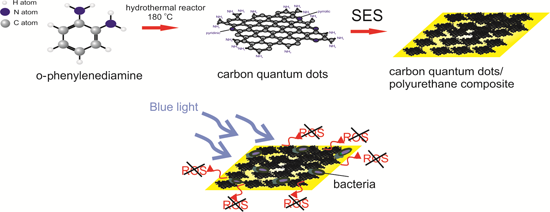
- were used, and neat PU control and CQDs/PU composite samples were tested with and without blue irradiation. We established that both MRC5 cells and tested bacteria (S. aureus and E. coli) exhibited almost equal resistance to CQDs/PU composites. Our previous research showed that CQDs/PU composites had
- different effectiveness on bacteria and tested cells (adenocarcinomic human alveolar basal epithelial cells-A549 and mouse embryonic fibroblast cell line-NIH/3T3) [18]. By comparing the results of these two investigations, we concluded that the surface chemistry of the encapsulated CQDs in polymer
- used to inoculate the samples. Test inoculums were covered with films (20 × 20 mm2), and Petri dishes with test samples were incubated for 24 h at 36 °C. 10 mL of SCDLP was used to recover the bacteria and aliquots of 1 mL with different dilutions were plated on NB agar and incubated for 40 to 48 h


Antimicrobial and mechanical properties of functionalized textile by nanoarchitectured photoinduced Ag@polymer coating
Beilstein J. Nanotechnol. 2023, 14, 95–109, doi:10.3762/bjnano.14.11
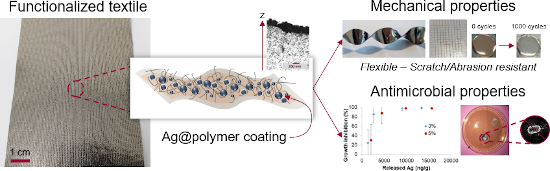
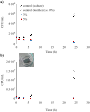
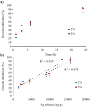
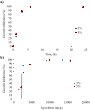
- nanocomposites exhibited remarkable microbial growth inhibitory effects. Keywords: antimicrobial properties; C. albicans fungus; E. coli bacteria; photoinduced functionalized textile; silver/polymer nanomaterials; Introduction The proliferation of microorganisms is a major concern for health organizations
- , whether it be medically speaking, in agriculture or simply in built environments. Improving the indoor air quality, while limiting the spread of bacteria, fungi, or viruses on various surfaces has become the focus of many research teams today, especially in the wake of the on-going COVID19 pandemic [1][2
- ][3]. However, the overuse of antimicrobials since the 1950s has caused bacteria and fungi to develop strong antibiotic and antiseptic resistance [4][5][6]. Due to its versatility, nanotechnology has the potential of offering innovative, cost-effective and industrially viable solutions. Specifically



Dry under water: air retaining properties of large-scale elastomer foils covered with mushroom-shaped surface microstructures
Beilstein J. Nanotechnol. 2022, 13, 1370–1379, doi:10.3762/bjnano.13.113
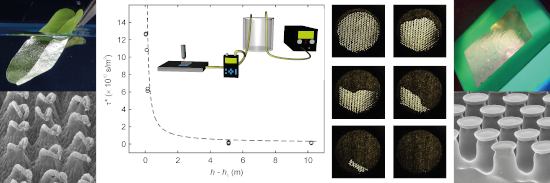
- interface is contaminated by bacteria and the tips of the MSM are contaminated by bacteria and connected by straight filaments which probably represent fungal hyphae (see Figure 6, compare, e.g., illustrations in [61]). Under hydrodynamic conditions this microbial fouling effect can probably be neglected
- they have been submerged for one month in tap water. a) A microbial neustonic on the MSM. The biofilm covers large areas of the MSM surface. b) Already after one month the tips of some of the MSM are contaminated by bacteria and connected by straight filaments, which are most probably fungal hyphae


Supramolecular assembly of pentamidine and polymeric cyclodextrin bimetallic core–shell nanoarchitectures
Beilstein J. Nanotechnol. 2022, 13, 1361–1369, doi:10.3762/bjnano.13.112
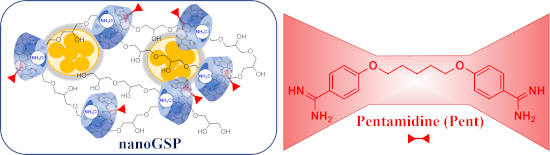
- against bacteria, protozoa, and viruses [7][8][9][10]. They have been proposed to complement traditional antimicrobials, either to increase their potency or broaden their activity spectrum. Furthermore, their combination with classical antibiotics is considered a promising strategy to combat the ongoing


Recent trends in Bi-based nanomaterials: challenges, fabrication, enhancement techniques, and environmental applications
Beilstein J. Nanotechnol. 2022, 13, 1316–1336, doi:10.3762/bjnano.13.109
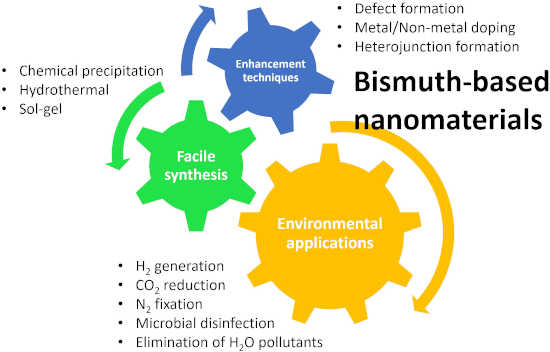
- superoxide radicals because of the more negative CB position (−1.39 V). This finding demonstrated the spatial distribution of oxidation sites (BiVO4) and reduction sites (MoS2) via an S-scheme charge transfer path and significantly aided in the inactivation of bacteria under illumination. In another work, a




Green synthesis of zinc oxide nanoparticles toward highly efficient photocatalysis and antibacterial application
Beilstein J. Nanotechnol. 2022, 13, 1108–1119, doi:10.3762/bjnano.13.94
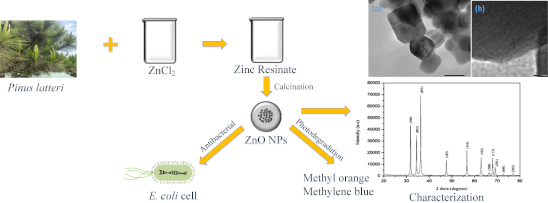
- ]. These photogenerated electrons and holes migrate to the surface of ZnO to react with H2O and O2 to generate O2•− and •OH radicals, which oxidize organic substances. In addition, ZnO nanoparticles (NPs) have high antibacterial activity against bacteria, high biocompatibility, and are nontoxic to human
- demonstrated against E. coli and S. aureus bacteria. As mentioned previously, plant extracts were used as common precursors for nanomaterial synthesis due to their relatively high levels of the steroids, saponins, carbohydrates, and flavonoids which act as reducing agents and phytoconstituents as capping
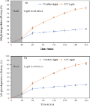
- with ZnO NPs doses of 1, 5, and 10 mg/mL and contact time intervals of 1, 3, and 6 h. The ZnO NP concentration of 1 mg/mL is not enough to inhibit all E. coli bacteria after 6 h of treatment. By increasing the concentration of ZnO NPs to 5 mg/mL at contact times of 3 and 6 h, the inhibitory efficiency




Recent advances in green carbon dots (2015–2022): synthesis, metal ion sensing, and biological applications
Beilstein J. Nanotechnol. 2022, 13, 1068–1107, doi:10.3762/bjnano.13.93




Biomimetic chitosan with biocomposite nanomaterials for bone tissue repair and regeneration
Beilstein J. Nanotechnol. 2022, 13, 1051–1067, doi:10.3762/bjnano.13.92
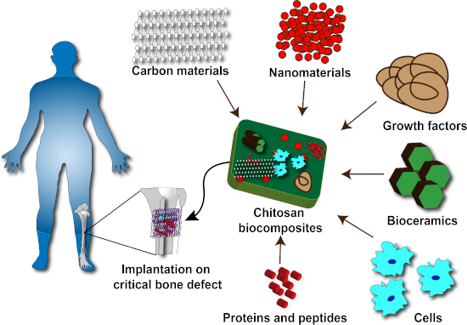
- and coated with different quantities of chitosan (0.125 and 0.25 g) to achieve higher compressive strength and toughness. The antibacterial activity of the composites was tested against Gram-negative bacteria (Pseudomonas aeruginosa) and the results show excellent activity and inhibition of bacterial



