Search results
Search for "cancer therapy" in Full Text gives 86 result(s) in Beilstein Journal of Nanotechnology.
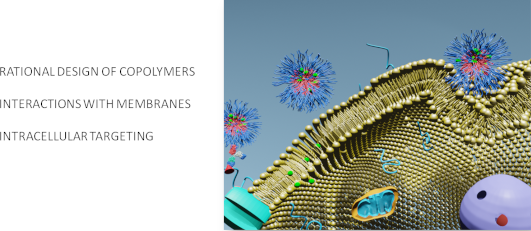
Rational design of block copolymer self-assemblies in photodynamic therapy
Beilstein J. Nanotechnol. 2020, 11, 180–212, doi:10.3762/bjnano.11.15


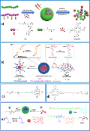




Bombesin receptor-targeted liposomes for enhanced delivery to lung cancer cells
Beilstein J. Nanotechnol. 2019, 10, 2553–2562, doi:10.3762/bjnano.10.246
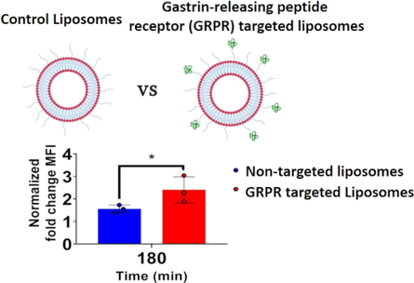
- ., pinocytosis), resulting in membrane internalisation, endosome formation and trafficking through the endo-lysosomal system. Nanomedicines to improve cancer therapy have been widely studied and have resulted in a number of approved therapies such as Doxil® in the 1990s and the recent approval of Onivyde® [12

Frontiers in pharmaceutical nanotechnology
Beilstein J. Nanotechnol. 2019, 10, 2538–2540, doi:10.3762/bjnano.10.244

- applied in the development of semisolids. But we still have much to learn. Pharmaceutical science has indisputably become more complex with the discovery of nanocarrier-based delivery systems. Fueled by first successes in the 1990s, liposomes were at the forefront of cancer therapy [12][13]. The
Design of a nanostructured mucoadhesive system containing curcumin for buccal application: from physicochemical to biological aspects
Beilstein J. Nanotechnol. 2019, 10, 2304–2328, doi:10.3762/bjnano.10.222
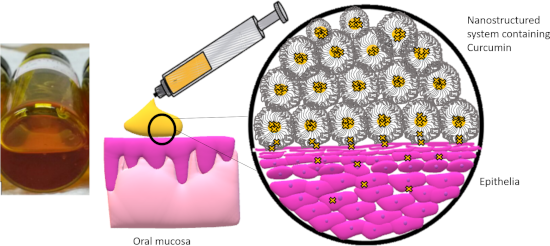
- activity, mainly in oral squamous cancer; however, its physicochemical characteristics hinder its application. Therefore, the aim of this study was to develop nanostructured formulations containing curcumin for oral cancer therapy. The photophysical interactions between curcumin and the formulations were


On the relaxation time of interacting superparamagnetic nanoparticles and implications for magnetic fluid hyperthermia
Beilstein J. Nanotechnol. 2019, 10, 1280–1289, doi:10.3762/bjnano.10.127
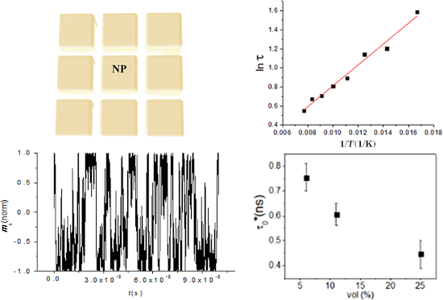
- nanoparticulate contrasting agents on proton relaxivity [7][8][9]) and cancer therapy (through magnetic fluid hyperthermia therapy [10][11]). The efficiency of the magnetic nanoparticles (MNPs) in a colloidal system to convert the energy of AC magnetic fields into temperature increments is of high importance for
- -transfer equation which is of key interest in the optimization of cancer therapy by magnetic hyperthermia therapy [19]. The second option may be effective in exploiting the theoretical models proposed for linking the experimental SAR dependencies to the physical mechanisms. From the theoretical point-of



The systemic effect of PEG-nGO-induced oxidative stress in vivo in a rodent model
Beilstein J. Nanotechnol. 2019, 10, 901–911, doi:10.3762/bjnano.10.91
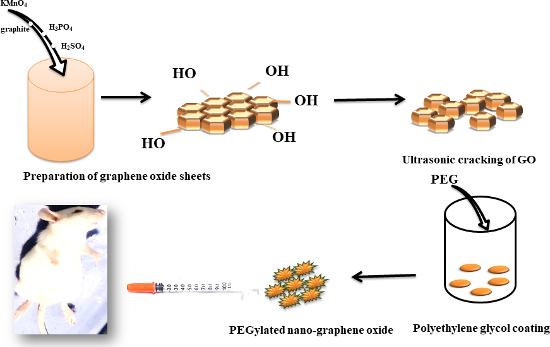
- ) [5], poly(ε-caprolactone) (PCL) [6], hydroxypropyl-β-cyclodextrin (HPCD) [7], and poly(L-lactic acid) (PLLA) [8]. Biocompatible GO has many prospective uses in tissue engineering [9], drug delivery [10], cancer therapy [11][12], and treatment of bacterial infections [13][14]. Dinescu et al. designed


Tungsten disulfide-based nanocomposites for photothermal therapy
Beilstein J. Nanotechnol. 2019, 10, 811–822, doi:10.3762/bjnano.10.81
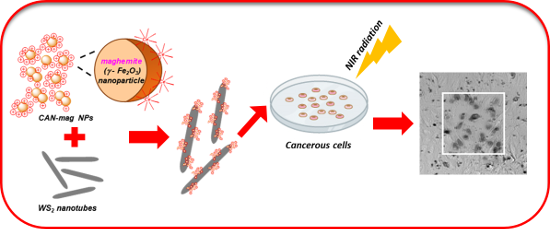
- -step functionality. This ability is demonstrated here with two polymers grafted onto the nanocomposite surface, and other functionalities could be additional cancer therapy agents for achieving increased therapeutic activity. Keywords: cerium complex; magnetic nanoparticles; photothermal therapy
- values of reduced aggregation, which leads to better targeting, and the possibility for attachments of additional cancer therapy agents. Experimental A schematic description of the experimental pathway leading to CAN-mag functionalized WS2 nanotubes is given in Figure 1, followed by fully detailed






Polydopamine-coated Au nanorods for targeted fluorescent cell imaging and photothermal therapy
Beilstein J. Nanotechnol. 2019, 10, 794–803, doi:10.3762/bjnano.10.79
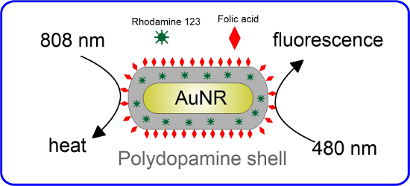
- NIR CW irradiation corresponded to a typical hyperthermia of cells [51][52]. To investigate the role of folate targeting in photothermal cancer therapy, folate-positive HeLa cells were incubated with AuNR-PDA-R123-folate or AuNR-PDA-R123-PEG nanocomposites of different concentrations. After incubation


Surface plasmon resonance enhancement of photoluminescence intensity and bioimaging application of gold nanorod@CdSe/ZnS quantum dots
Beilstein J. Nanotechnol. 2019, 10, 22–31, doi:10.3762/bjnano.10.3
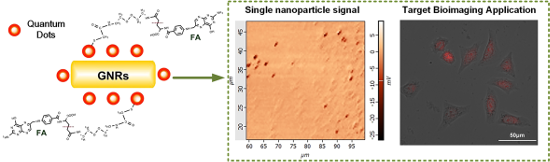
- GNR@CdSe/ZnS@FA is better than CdSe/ZnS@FA, the in vitro imaging results confirm that these nanoparticles are suitable to be used for near-infrared imaging and cancer therapy. Conclusion We have developed a multifunctional nanomaterial GNR@CdSe/ZnS and enhanced the PL intensity using the surface


Hybrid Au@alendronate nanoparticles as dual chemo-photothermal agent for combined cancer treatment
Beilstein J. Nanotechnol. 2018, 9, 2947–2952, doi:10.3762/bjnano.9.273
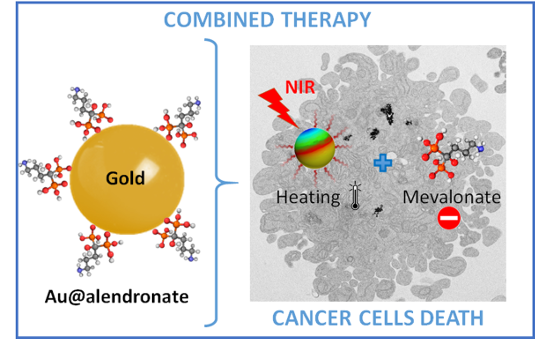
- , in the form of PTT, we first evaluated the specific photothermal properties of Au@alendronate NPs. In cancer therapy, it is desirable to use NPs that are active in the near-infrared (NIR) region to minimize light absorption of the laser radiation by surrounding tissues [27][34]. The plasmonic


Enhanced antineoplastic/therapeutic efficacy using 5-fluorouracil-loaded calcium phosphate nanoparticles
Beilstein J. Nanotechnol. 2018, 9, 2499–2515, doi:10.3762/bjnano.9.233
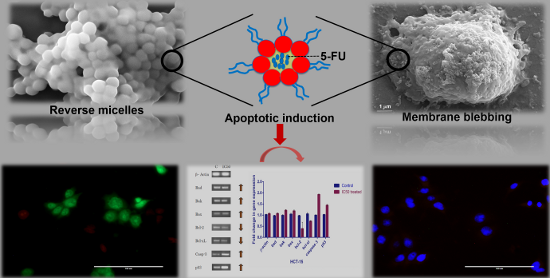
- short biological half-life (8–20 min). In addition, it has shown nonspecific toxicity in healthy cells. Also, rapid renal clearance, quick liver-mediated metabolism by dihydro-pyrimidine dehydrogenase (DPD) enzyme, and increased digestive distress restricts the use of 5-FU in cancer therapy. It was


Atomic-level characterization and cilostazol affinity of poly(lactic acid) nanoparticles conjugated with differentially charged hydrophilic molecules
Beilstein J. Nanotechnol. 2018, 9, 1328–1338, doi:10.3762/bjnano.9.126
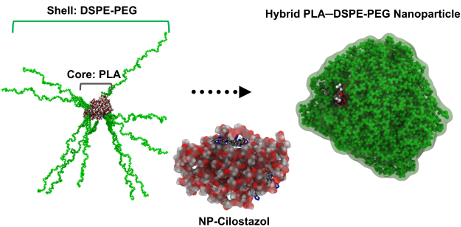
- ; reactive force field; Introduction In recent years, the use of drug delivery systems based on polymeric nanoparticles (NPs) has generated innovative therapeutic strategies for infection and immune diseases, as well as cancer therapy [1][2][3]. Polymeric NPs have shown significant advantages compared with


Enzymatically promoted release of organic molecules linked to magnetic nanoparticles
Beilstein J. Nanotechnol. 2018, 9, 986–999, doi:10.3762/bjnano.9.92
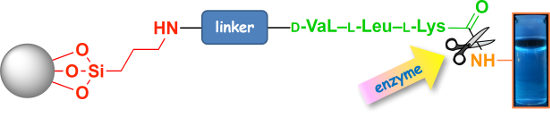
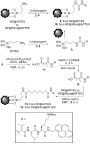
- drug is typically released to the disease area through an unspecific mechanism. Another promising drug delivery approach in cancer therapy is directed enzyme prodrug therapy (DEPT) [4][5], where a prodrug is enzymatically converted into the active form by an enzyme which is localized close to the




Synthesis and characterization of noble metal–titania core–shell nanostructures with tunable shell thickness
Beilstein J. Nanotechnol. 2017, 8, 2083–2093, doi:10.3762/bjnano.8.208
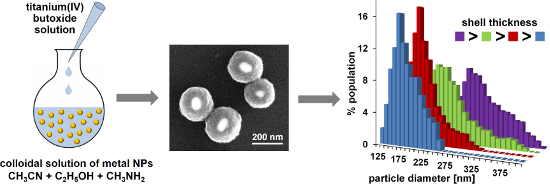
- tunable optical properties depending on the ratio of core radius and shell thickness are an excellent example of such structures [3][4]. The CSNs, with either a silica core or shell, have found many applications due to their useful properties, including surface enhanced spectroscopy or cancer therapy [4


Near-infrared-responsive, superparamagnetic Au@Co nanochains
Beilstein J. Nanotechnol. 2017, 8, 1680–1687, doi:10.3762/bjnano.8.168
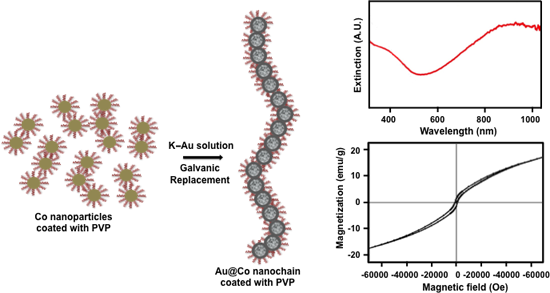
- -thermal cancer therapy [10][11][12][13]. Results and Discussion Morphology and composition of the Au@Co nanochains The synthesis of the Au@Co nanochains proceeded using wet-chemical methods via a galvanic replacement reaction [27]. Cobalt nanoparticles were used as templates for the nanochain synthesis
- -thermal cancer therapy. In addition, these nanochains are superparamagnetic at room temperature, which offers the capacity for manipulation under an external magnetic field. Because of their dual magneto-optical properties, our Au@Co nanochains can be used for both delivery and treatment, making them a


Development of polycationic amphiphilic cyclodextrin nanoparticles for anticancer drug delivery
Beilstein J. Nanotechnol. 2017, 8, 1457–1468, doi:10.3762/bjnano.8.145
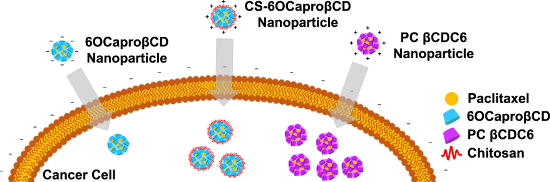
- as well as other lipophilic anticancer drugs for cancer therapy. In addition, by formulating with anionic and cationic amphiphilic CDs, it will be possible to enhance anticancer activity of drugs, overcoming the problem of surfactant-induced toxicity. Finally, it can be said that polycationic


Nano-engineered skin mesenchymal stem cells: potential vehicles for tumour-targeted quantum-dot delivery
Beilstein J. Nanotechnol. 2017, 8, 1218–1230, doi:10.3762/bjnano.8.123
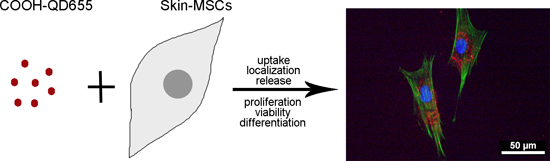
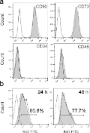
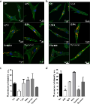
- . There were successful attempts to use a similar quantum dot–chlorin e6 complex in photodynamic cancer therapy [15]. Another study has shown that QDs, conjugated with antibodies against CD44, a marker of cancer stem-like cells, can be selectively engulfed by breast cancer cells [16]. Such surface





Photocatalysis applications of some hybrid polymeric composites incorporating TiO2 nanoparticles and their combinations with SiO2/Fe2O3
Beilstein J. Nanotechnol. 2017, 8, 272–286, doi:10.3762/bjnano.8.30
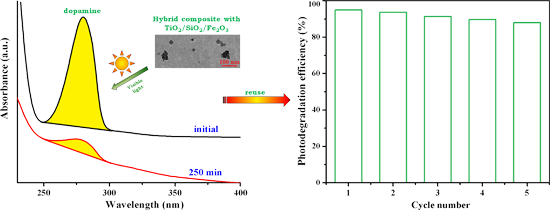
- , Li-ion batteries, sensors, photodynamic cancer therapy or in biomaterials [1][2][3][4][5][6][7]. Since 1972, when Fujishima and Honda published their seminal work [8], much work has been focused on investigating the photocatalytic properties of TiO2 [9]. Titanium dioxide catalysts proved to be better


Chitosan-based nanoparticles for improved anticancer efficacy and bioavailability of mifepristone
Beilstein J. Nanotechnol. 2016, 7, 1861–1870, doi:10.3762/bjnano.7.178
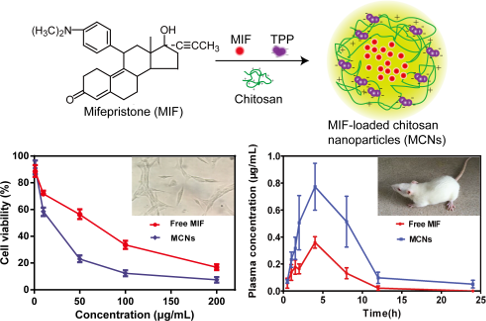
- increased its efficacy by sustained release to reduce drug crystallization [33]. These results suggested that MCNs might be a good drug delivery system for delivery of MIF for cancer therapy. Pharmacokinetic study In our previous study, we found MIF showed distinct pharmacokinetic differences between
- increase the anticancer activity of MIF in several cancer cell lines and improved the oral absorption of MIF in male rats. All these results suggest that the MCNs may be further developed as a potential delivery system for MIF for cancer therapy. Experimental Materials Chitosan (deacetylation degree of 90


Multiwalled carbon nanotube hybrids as MRI contrast agents
Beilstein J. Nanotechnol. 2016, 7, 1086–1103, doi:10.3762/bjnano.7.102
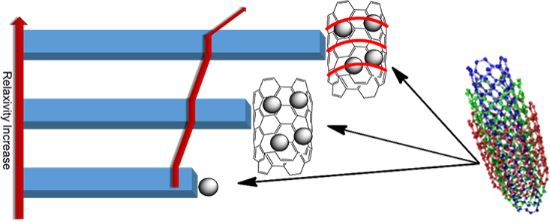
- carbon nanotubes (CNT) drug and genetic material delivery, immunotherapy or photothermal cancer therapy [1][2]. The 'quantum leap' [3] of bionanomaterials has also affected magnetic resonance imaging (MRI). This technique, which has already matured into a basic diagnostic tool in medicine, has an edge



PLGA nanoparticles as a platform for vitamin D-based cancer therapy
Beilstein J. Nanotechnol. 2015, 6, 1306–1318, doi:10.3762/bjnano.6.135
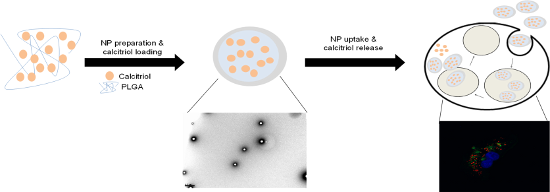
- cell morphological features. Keywords: 1α,25-dihydroxyvitamin D3; calcitriol; cancer therapy; drug delivery; poly(lactic-co-glycolic acid); Introduction Vitamin D3, a secosteroid hormone produced through sunlight exposure [1], can be found with different chemical structures: calciol or


Novel ZnO:Ag nanocomposites induce significant oxidative stress in human fibroblast malignant melanoma (Ht144) cells
Beilstein J. Nanotechnol. 2015, 6, 570–582, doi:10.3762/bjnano.6.59
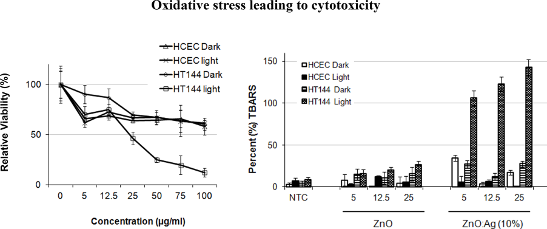
- nanocomposites could provide a new therapeutic option to selectively target cancer cells. Keywords: cancer therapy; cytotoxicity; photo-oxidation; ZnO:Ag nanocomposites; Introduction Zinc oxide (ZnO) nanoparticles (NPs) exhibit an excellent photo-oxidation activity [1] and are considered as potential


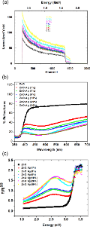


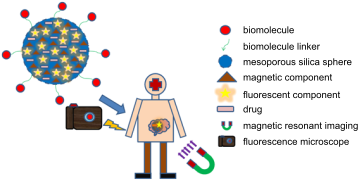
Silica micro/nanospheres for theranostics: from bimodal MRI and fluorescent imaging probes to cancer therapy
Beilstein J. Nanotechnol. 2015, 6, 546–558, doi:10.3762/bjnano.6.57


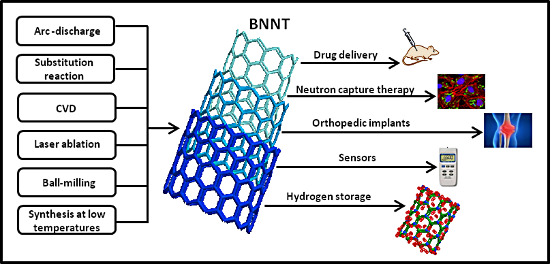
Synthesis of boron nitride nanotubes and their applications
Beilstein J. Nanotechnol. 2015, 6, 84–102, doi:10.3762/bjnano.6.9
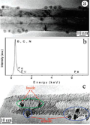
- structures have potential in cancer therapy [85]. To investigate in vivo biodistribution of the BNNTs, they were functionalized with GC then radiolabeled with 99mTc [86]. After 30 min of injection into mice, the BNNTs were in the systemic circulation and accumulated in the liver, spleen and intestinal




In situ metalation of free base phthalocyanine covalently bonded to silicon surfaces
Beilstein J. Nanotechnol. 2014, 5, 2222–2229, doi:10.3762/bjnano.5.231
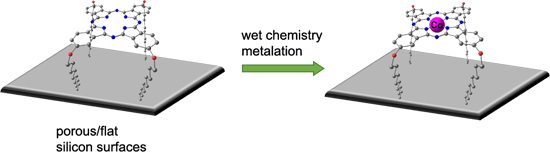
- ], catalysis [5], cancer therapy [6] and molecular electronics [3][7][8]. The most promising architecture for the exploitation of the potentialities of Pc and M–Pc is the organization of the molecules in a suitable and accessible way on a solid surface. Therefore, phthalocyanine thin films have been deposited