Search results
Search for "cellulose" in Full Text gives 131 result(s) in Beilstein Journal of Nanotechnology.
Recent advances in green carbon dots (2015–2022): synthesis, metal ion sensing, and biological applications
Beilstein J. Nanotechnol. 2022, 13, 1068–1107, doi:10.3762/bjnano.13.93
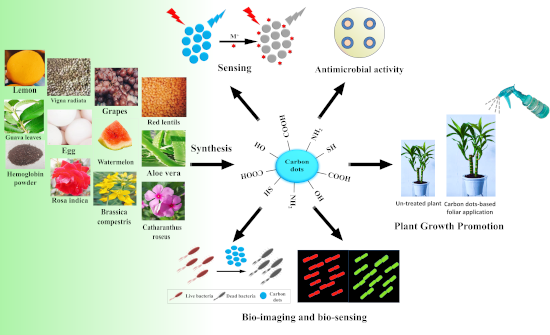
- of banana [63]. The source used here consists of cellulose, hemicellulose, and lignin, and hydrothermal treatment was carried out. Li et al. reported a very new approach to synthesize two types of CDs with different selectivities from Hongcaitai (Brassica compestris L. var. Purpurea Bailey) [65]. The




Hierarchical Bi2WO6/TiO2-nanotube composites derived from natural cellulose for visible-light photocatalytic treatment of pollutants
Beilstein J. Nanotechnol. 2022, 13, 745–762, doi:10.3762/bjnano.13.66
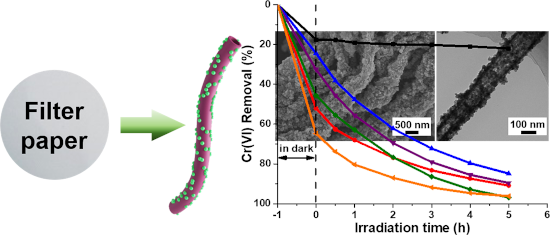
- prepared by utilizing natural cellulose (e.g., laboratory filter paper) as the structural template. The obtained nanoarchitectonics, namely Bi2WO6/TiO2-NT nanocomposites, displayed three-dimensionally interwoven structures which replicated the initial cellulose template. The composite Bi2WO6/TiO2-NT
- the uniform anchoring of Bi2WO6 nanoparticles on TiO2 nanotubes, as well as strong mutual effects and well-proportioned formation of heterostructures in between the Bi2WO6 and TiO2 phases. These improvements arose from the cellulose-derived unique structures, leading to an enhanced absorption of
- photocatalytic reduction of Cr(VI), while hydroxyl radicals and reactive holes contributed to the photocatalytic degradation of rhodamine B. Keywords: biomimetic synthesis; cellulose; nanoarchitectonics; nanocomposite; nanotubes; photocatalysis; pollutants; Introduction The direct emission of untreated


Fabrication and testing of polymer microneedles for transdermal drug delivery
Beilstein J. Nanotechnol. 2022, 13, 629–640, doi:10.3762/bjnano.13.55
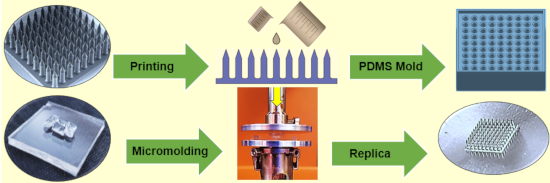
- the viscoelastic nature of Zeonor 1060R, the initial near-tip failure was indistinct on the force-displacement diagram. These mechanical responses have been previously observed during compression tests on polymeric MN materials, including carboxymethyl cellulose (CMC) and polylactic acid (PLA) [1][38



Ciprofloxacin-loaded dissolving polymeric microneedles as a potential therapeutic for the treatment of S. aureus skin infections
Beilstein J. Nanotechnol. 2022, 13, 517–527, doi:10.3762/bjnano.13.43
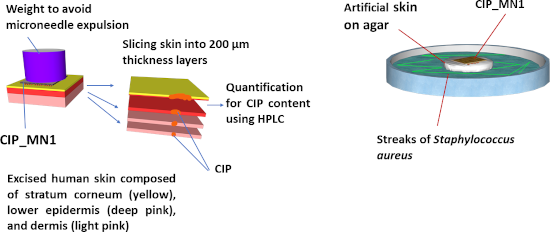
- attributed to the shrinkage of the polymer gel upon drying as suggested by previous studies [32][33]. A similarly faceted shape of microneedles was observed with polymeric microneedles made of chitosan and alginate [34]. Also, a similar microneedle shape was obtained using hydroxypropyl methyl cellulose and


Micro- and nanotechnology in biomedical engineering for cartilage tissue regeneration in osteoarthritis
Beilstein J. Nanotechnol. 2022, 13, 363–389, doi:10.3762/bjnano.13.31
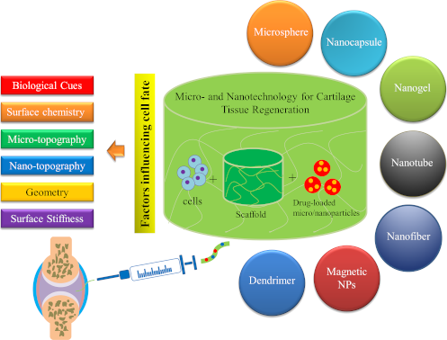
- as potential candidates for bone TE due to osteoblast attachment and corrosion resistance [141]. Wan et al. used bacterial cellulose as a template to synthesize calcined mesoporous TiO2 nanotubes and constructed a nanotube-based scaffold using a template-assisted sol–gel method [142]. In addition to


A comprehensive review on electrospun nanohybrid membranes for wastewater treatment
Beilstein J. Nanotechnol. 2022, 13, 137–159, doi:10.3762/bjnano.13.10
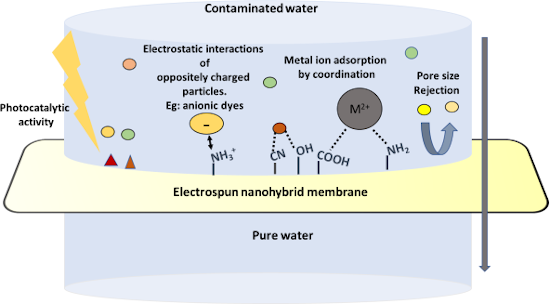
- , modified chitin, cellulose acetate (CA) and chitosan (CS) have been electrospun as nanohybrids and have been used in a variety of applications [7][8]. Regarding the health sector, the enhanced biocompatibility, antibacterial properties, and cell compatibility has made ENHs great candidates to deliver
- bioactive products. Patel et al. fabricated bioactive electrospun nanocomposite scaffolds of poly(lactic acid) for bone tissue engineering by incorporating cellulose nanocrystals and observed that the nanohybrid has excellent properties in terms of mechanical strength and thermal stability compared to the




Polarity in cuticular ridge development and insect attachment on leaf surfaces of Schismatoglottis calyptrata (Araceae)
Beilstein J. Nanotechnol. 2021, 12, 1326–1338, doi:10.3762/bjnano.12.98
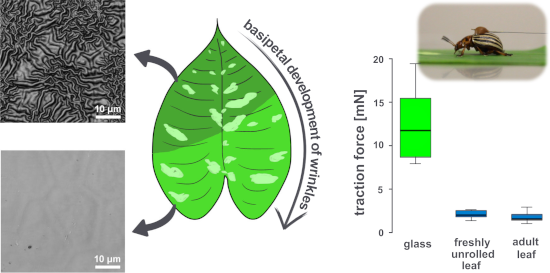
- epidermal cell wall are linked by a transition region that is rich in cellulose, hemicellulose, and pectin [1][2][3][4][5]. The outer peripheral layer of the cuticle may show various microscopic morphological structures such as cuticular ridges, epicuticular wax crystals, trichomes, and hairy structures [4




The role of deep eutectic solvents and carrageenan in synthesizing biocompatible anisotropic metal nanoparticles
Beilstein J. Nanotechnol. 2021, 12, 924–938, doi:10.3762/bjnano.12.69
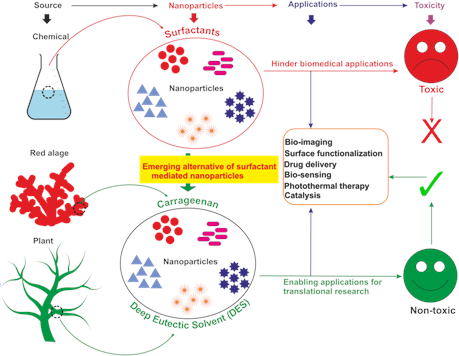
- for dissolving many species of high polarity, for example, amino acids, metal salts, glycerol, benzoic acid, citric acid, and glucose [26][76]. They are also promising in the dissolution of different polymers, such as starch, cellulose, lignin, chitin, and are also used in the pre-treatment of
- cellulose biomass [77]. Although the applications of DESs mentioned above lie at the interface of material and biological science, the following section will only discuss application of DESs in nanomaterial synthesis. As mentioned earlier, the high solubility of metal salts in DESs makes them an ideal


Modification of a SERS-active Ag surface to promote adsorption of charged analytes: effect of Cu2+ ions
Beilstein J. Nanotechnol. 2021, 12, 902–912, doi:10.3762/bjnano.12.67
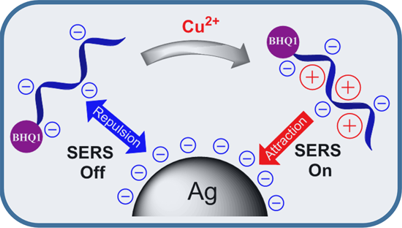
- ]-3′ was purchased from Primetech ALC (Minsk, Belarus). Cu(II) tetrakis(4-N-methylpyridyl)porphyrin, tetrachloride salt (CuTMPyP4), and Cu(II)-5,10,15,20-tetrakis(4-sulfonatophenyl)porphyrin, tetrasodium salt (CuTSPP4), were purchased from Frontier Scientific (Logan, U.S.A.). Cellulose acetate


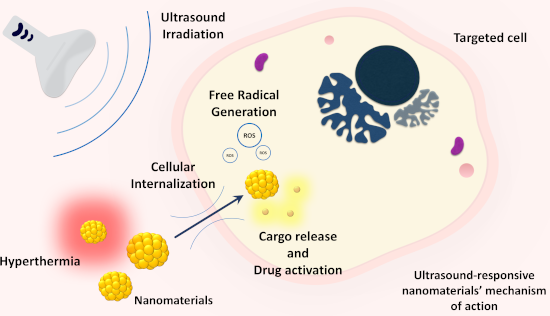
Comprehensive review on ultrasound-responsive theranostic nanomaterials: mechanisms, structures and medical applications
Beilstein J. Nanotechnol. 2021, 12, 808–862, doi:10.3762/bjnano.12.64


High-yield synthesis of silver nanowires for transparent conducting PET films
Beilstein J. Nanotechnol. 2021, 12, 624–632, doi:10.3762/bjnano.12.51
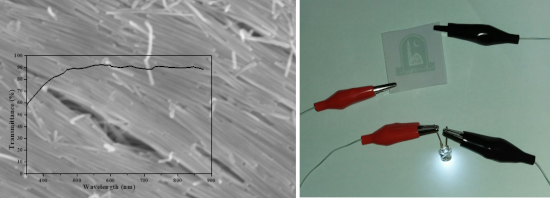
- length with an average diameter of about 86 nm, that is, the aspect ratio values of the AgNWs exceeded 45. An ink consisting of hydroxyethyl cellulose (HEC) and AgNWs was transferred to polyethylene terephthalate (PET) films by simple mechanical pressing. The PET films retained transparency and
- PET films whose transmittance was calculated to be up to 92.5%. Experimental Materials All required chemical reagents, that is, silver nitrate (AgNO3), ethyl glycol, polyvinylpyrrolidone (PVP), copper chloride (CuCl2), hydroxyethyl cellulose (HEC), polyethylene terephthalate (PET) film, acetone, and


The preparation temperature influences the physicochemical nature and activity of nanoceria
Beilstein J. Nanotechnol. 2021, 12, 525–540, doi:10.3762/bjnano.12.43
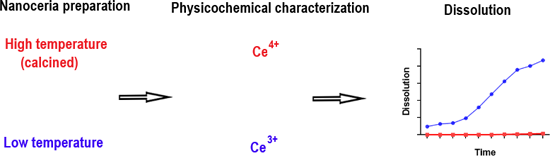
- autosampler. In the PSF reservoir, ultrahigh molecular weight polyethylene (UHMWPE) filters prevent clogging of the ultrafiltration membrane in the flow cell. For the standard conditions, 1 mg of ENM was placed on a 5,000 MWCO, 47 mm cellulose triacetate membrane (Stedim Biotech GmbH, Göttingen, Germany
- section “Cerium quantification”. The dialysis system has been described [39][40]. Nanoceria (500 μg cerium as nanoceria in 1 mL) was loaded into Slide-A-LyzerTM dialysis cassettes with 2 kD MWCO regenerated cellulose membranes (66203) immersed in a 200 mL bath at pH 4.5 made iso-osmotic with sodium




Characterization, bio-uptake and toxicity of polymer-coated silver nanoparticles and their interaction with human peripheral blood mononuclear cells
Beilstein J. Nanotechnol. 2021, 12, 282–294, doi:10.3762/bjnano.12.23
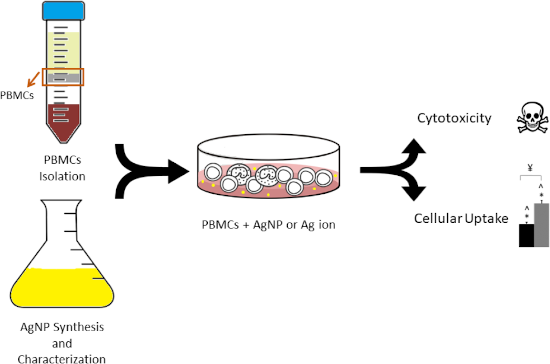
- synthesis, the NPs were washed by ultrafiltration (3 kDa cellulose membrane EMD Millipore) using a diafiltration technique to avoid drying and NP aggregation as well as to remove any residual reactants. The washing process was repeated at least three times and after each wash the trisodium citrate solution



Paper-based triboelectric nanogenerators and their applications: a review
Beilstein J. Nanotechnol. 2021, 12, 151–171, doi:10.3762/bjnano.12.12
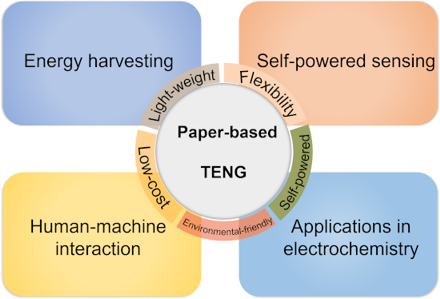
- density. Since paper is mainly composed of cellulose, which generally shows a tendency of losing electrons (electropositive), it is preferred to pair paper with a friction material that can easily gain electrons (electronegative) according to the triboelectric series [83][99][100]. Figure 4 depicts a
- polydopamine to improve the output voltage of TENGs by approx. 3.5 times in comparison with unmodified TENGs. Another typical method to prepare nanoscale paper with different electrical properties is by using vacuum filtration (VF) to either obtain dielectric cellulose nanofiber (CNF)- based nanoscale paper or
- changing the concentration of the conductive precursors (e.g., AgNWs, carbon nanotubes, and reduced graphene oxide). A special nanoscale paper composed of nanocellulose, which is easy to be synthesized/chemically modified/doped, has attracted great attention in recent years. Generally, cellulose-based






Effect of different silica coatings on the toxicity of upconversion nanoparticles on RAW 264.7 macrophage cells
Beilstein J. Nanotechnol. 2021, 12, 35–48, doi:10.3762/bjnano.12.3
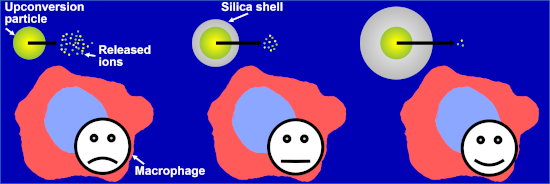
- (pore size: 0.2 µm, Rotilab). Nylon filters were used for particles dispersed in cyclohexane and ethanol, whereas regenerated cellulose filters were used for particles dispersed in water or DMEM. Zeta potential measurements of the dispersions in ethanol and water were carried out using capillary zeta


Gas sorption porosimetry for the evaluation of hard carbons as anodes for Li- and Na-ion batteries
Beilstein J. Nanotechnol. 2020, 11, 1217–1229, doi:10.3762/bjnano.11.106
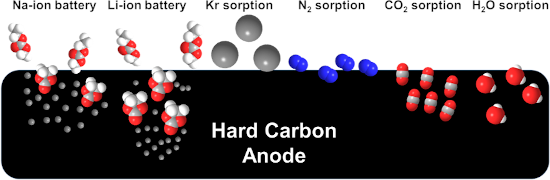
- low voltage plateau due to multilayer adsorption. A direct correlation between the specific cumulative volume of pores smaller than 0.7 nm (ultramicropores) with the respective sodium storage capacity in cellulose-derived carbon showed decreasing sloping capacity and increasing plateau-like capacity


Wet-spinning of magneto-responsive helical chitosan microfibers
Beilstein J. Nanotechnol. 2020, 11, 991–999, doi:10.3762/bjnano.11.83
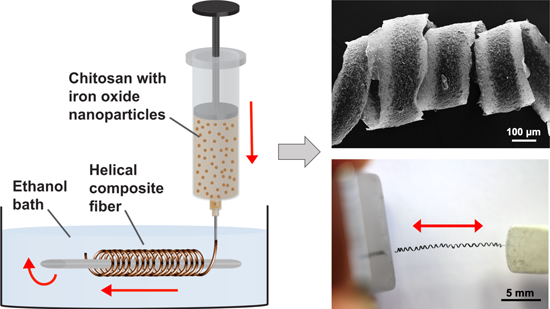
- of nanometers to a few micrometers [21]. Blends of chitosan with alginate, silk, fibroin, cellulose or collagen can also be processed into composite fibers by electrospinning [22]. Wet-spinning is another well-established method of fabricating chitosan fibers with a diameter in the micrometer range


A 3D-polyphenylalanine network inside porous alumina: Synthesis and characterization of an inorganic–organic composite membrane
Beilstein J. Nanotechnol. 2020, 11, 938–951, doi:10.3762/bjnano.11.78
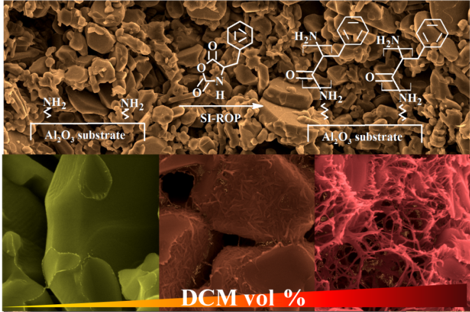
- Fores et al. The authors realized peptide hydrogels in a porous melamine foam for use in continuous flow chemistry [30]. Other polyelectrolytes such as poly(acrylic acid) were prepared using an ozone-induced grafting process for cellulose fibers [31]. Hydrophobic foams of poly(γ-benzyl-ʟ-glutamate-co-ʟ




Multilayer capsules made of weak polyelectrolytes: a review on the preparation, functionalization and applications in drug delivery
Beilstein J. Nanotechnol. 2020, 11, 508–532, doi:10.3762/bjnano.11.41
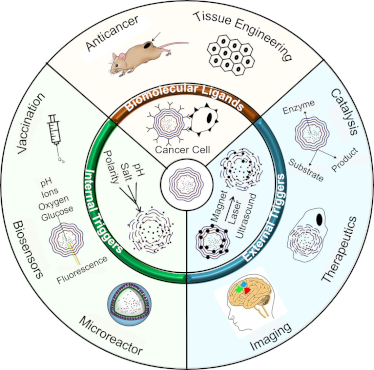
- material itself as a core or co-precipitation of encapsulation material within the core. Very few such studies are reported using a weak PE capsule. An anti-inflammatory drug, ibuprofen crystals of 5–40 µm in size, were encapsulated by chitosan/DS and chitosan/carboxymethyl cellulose multilayers [65]. The
- , respectively (Figure 4a,b). Figure 4c,d shows the capsule images after encapsulation at pH 3 and after release at pH 7.4. In a similar work, the encapsulation of FITC-BSA was observed in carboxymethyl cellulose/PAH microcapsules at pH 3, which was then released at pH > 7 by manipulating the shell permeability



Nanoarchitectonics: bottom-up creation of functional materials and systems
Beilstein J. Nanotechnol. 2020, 11, 450–452, doi:10.3762/bjnano.11.36

- , the chiral structure was found to control the self-assembly of nitrocinnamic amide amphiphiles [25]. Works related to the formation of higher-dimensional materials included, for example, the self-assembly of crystalline cellulose oligomers that resulted in nanoribbon networks [26], silicon nanowires
- TiO2 and ZnO nanoparticles exhibit distinct and useful properties [35]. Other examples include a self-assembled MoS2-based composite that was developed for energy conversion and storage purposes [36], a silver-nanoparticle/cellulose-nanofiber composite that was applied for surface-enhanced Raman

Correction: Biocatalytic oligomerization-induced self-assembly of crystalline cellulose oligomers into nanoribbon networks assisted by organic solvents
Beilstein J. Nanotechnol. 2020, 11, 370–371, doi:10.3762/bjnano.11.27
- Technology (PRESTO), Japan Science and Technology Agency (JST), 4-1-8 Honcho, Kawaguchi-shi, Saitama 332-0012, Japan DKS Co. Ltd., 5 Ogawaracho, Kisshoin, Minami-ku, Kyoto-shi, Kyoto 601-8391, Japan 10.3762/bjnano.11.27 Keywords: cellulose oligomer; gel; nanoarchitectonics; nanoribbon networks

High-performance asymmetric supercapacitor made of NiMoO4 nanorods@Co3O4 on a cellulose-based carbon aerogel
Beilstein J. Nanotechnol. 2020, 11, 240–251, doi:10.3762/bjnano.11.18
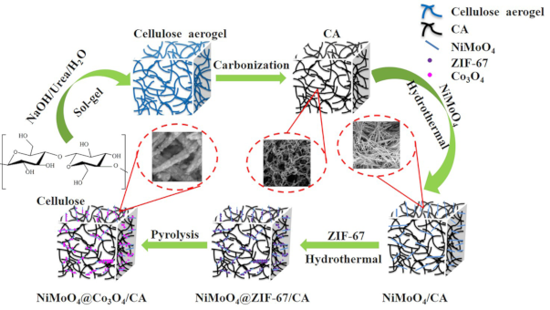
- new nanoporous material comprising NiMoO4 nanorods and Co3O4 nanoparticles derived from ZIF-67 supported by a cellulose-based carbon aerogel (CA) has been successfully synthesized using a two-step hydrothermal method. Due to its chemical composition, the large specific surface and the hierarchical
- on the above considerations, we present a simple scalable strategy to fabricate an integrated NiMoO4@Co3O4 hierarchical porous structure aligned on CA, which is derived from a cellulose precursor, to be applied in an advanced asymmetric supercapacitor (ASC). The NiMoO4 nanorods originated from ZIF-67
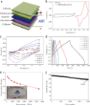
- results indicate an improved energy and power density and cycle stability of the corresponding ASC device (called NiMoO4@Co3O4/CA//AC). Results and Discussion The synthesis procedure of the NiMoO4@Co3O4/CA composite is illustrated in Figure 1. First, CA was obtained by carbonization of the cellulose




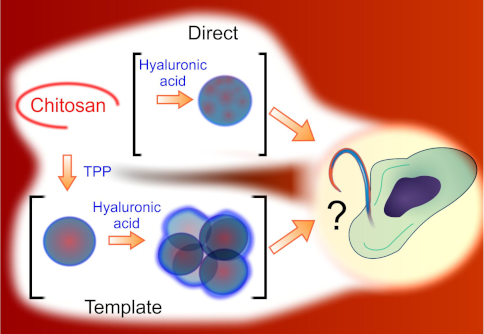
The different ways to chitosan/hyaluronic acid nanoparticles: templated vs direct complexation. Influence of particle preparation on morphology, cell uptake and silencing efficiency
Beilstein J. Nanotechnol. 2019, 10, 2594–2608, doi:10.3762/bjnano.10.250
- cellulose 10 kDa MWCO membrane as accumulation wall was employed in connection with a UV–vis detector operating at 220 nm (S3210, Laserchrom, Rochester, UK), a MALS detector (Viscotek SEC-MALS20, Malvern Instruments, Worcestershire, UK), a refractive index detector (Optilab T-rEX, Wyatt Technology, Dernbach



Advanced hybrid nanomaterials
Beilstein J. Nanotechnol. 2019, 10, 2563–2567, doi:10.3762/bjnano.10.247
- ) was employed in “Topochemical engineering of composite hybrid fibers using layered double hydroxides and abietic acid” [27]. In this work, a composite hybrid was formed using cellulose fibers with LDH particles growing on their surface and then covered by abietic acid. The fibers were tested against
Coating of upconversion nanoparticles with silica nanoshells of 5–250 nm thickness
Beilstein J. Nanotechnol. 2019, 10, 2410–2421, doi:10.3762/bjnano.10.231
- (pore size: 0.2 µm; materials: nylon or polytetrafluoroethylene (PTFE) for particles dispersed in cyclohexane and nylon or regenerated cellulose for particles dispersed in ethanol, Rotilab). Zeta potential measurements of the aqueous dispersions were carried out with a Zetasizer Nano ZS in capillary