Search results
Search for "electrolyte" in Full Text gives 301 result(s) in Beilstein Journal of Nanotechnology. Showing first 200.
Electrical, electrochemical and structural studies of a chlorine-derived ionic liquid-based polymer gel electrolyte
Beilstein J. Nanotechnol. 2021, 12, 1252–1261, doi:10.3762/bjnano.12.92
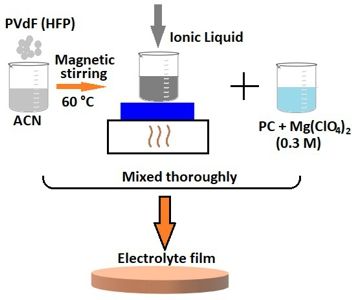
- Technology, Shirgaon, Virar East, Maharastra, 401305, India Department of Physics, School of Physical Sciences, Mahatma Gandhi Central University, Bihar-845401, India 10.3762/bjnano.12.92 Abstract In the present article, an ionic liquid-based polymer gel electrolyte was synthesized by using poly(vinylidene
- fluoride-co-hexafluoropropylene) (PVdF-HFP) as a host polymer. The electrolyte films were synthesized by using the solution casting technique. The as-prepared films were free-standing and transparent with good dimensional stability. Optimized electrolyte films exhibit a maximum room-temperature ionic
- electrolyte film which contains 30 wt % of the ionic liquid. The optimized films have good potential to be used as electrolyte materials for energy storage applications. Keywords: ionic liquid; polymer gel electrolytes; solution casting technique; transference number; Introduction For the past two decades



A review on slip boundary conditions at the nanoscale: recent development and applications
Beilstein J. Nanotechnol. 2021, 12, 1237–1251, doi:10.3762/bjnano.12.91
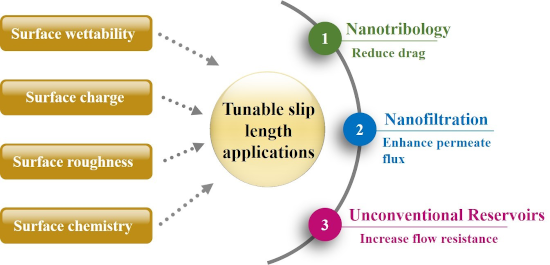
- , electrophoresis, streaming current or potential, and sedimentation potential have played crucial roles in the development of microfluidics and nanofluidics [73][74][75]. Among them, the electro-osmotic flow refers to the motion of an electrolyte solution relative to the stationary charged surface due to an
- mobility of surface charges to describe the motion of electro-osmosis. The approximate expressions for the electro-osmotic velocity can be derived even when the surface charge density is large [75]. When investigating the motion of an electrolyte solution driven by an external electric field, Celebi and


Morphology-driven gas sensing by fabricated fractals: A review
Beilstein J. Nanotechnol. 2021, 12, 1187–1208, doi:10.3762/bjnano.12.88
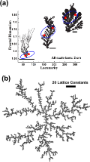
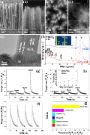
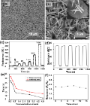
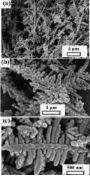
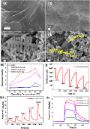
- by applying it to the random movement of a metallic ion in a low concentration of electrolyte near a negatively charged electrode [52]. The process resulted in a tree-like scale-invariant structure [52][53]. Figure 2b demonstrates the growth mechanism of a fractal proposed by DLA. Theories of non










The effect of cobalt on morphology, structure, and ORR activity of electrospun carbon fibre mats in aqueous alkaline environments
Beilstein J. Nanotechnol. 2021, 12, 1173–1186, doi:10.3762/bjnano.12.87
- active sites, that is, triple-phase contact points. These contact points of air, solid catalyst, and liquid electrolyte, need to be high in number or area. This entails a partial wetting of the electrode to ensure accessibility of the sites for gaseous oxygen. From a more industrial perspective
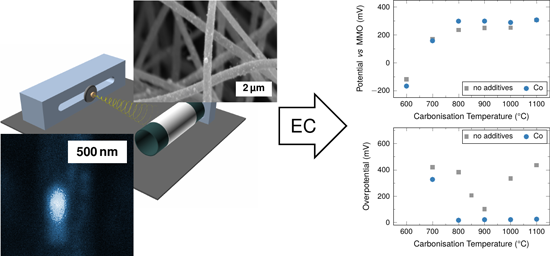
- cobalt salt to the spinning solution [19][20][21][22]. Li et al. [19] investigated the activity of the material using a rotating ring disc and dilute 0.1 M KOH electrolyte. They found that the cobalt species were active in both oxygen evolution reaction (OER) and ORR. They also found that increasing
- surface area (smaller than 0.2 cm2) [20]. In this study, cobalt-decorated carbon fibre mats are prepared and analysed as self-supporting electrodes of a size suitable for application (3 cm2) in half-cells using 6 M KOH electrolyte. The focus of this study lies on the influence of the carbonisation


Progress and innovation of nanostructured sulfur cathodes and metal-free anodes for room-temperature Na–S batteries
Beilstein J. Nanotechnol. 2021, 12, 995–1020, doi:10.3762/bjnano.12.75
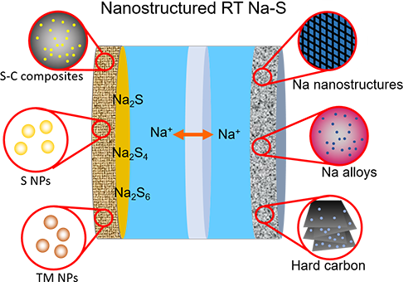
- electrolyte engineering, cell design, interlayers, or solid electrolyte interphases can be found elsewhere in excellent reviews [10][14][28]. Here, additionally, some patents are reviewed to examine the approaches that are followed to commercialize Na–S batteries. Finally, an outlook is provided on how far
- sodium polysulfide species are directly exposed to the electrolyte. Additionally, the hollow structure provides space to accommodate the volume expansion of sulfur during the discharge processes. This cathode composite limits the shuttle effect, increases utilization and activity of sulfur, and prevents
- electrolyte interphases (SEI) [66], while the latter is addressed by engineering of liquid and solid electrolytes [63]. Results show that these strategies have an undeniable positive influence on cycle stability and performance safety of sodium batteries [10]. Yet, there are currently also other strategies




Uniform arrays of gold nanoelectrodes with tuneable recess depth
Beilstein J. Nanotechnol. 2021, 12, 957–964, doi:10.3762/bjnano.12.72
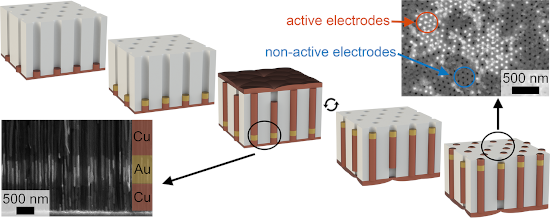
- template filling [26][27]. There are several requirements for structure and properties of NEAs, that includes, (1) mechanical stability and the ability to control the geometric parameters of nanoelectrodes, (2) chemical stability in electrolyte solutions, (3) recess uniformity for the electrodes in the
- metal for the second segment. The low concentration of Au(I) electroactive species in the electrolyte results in a low current density (javer ≈ 0.6 mA·cm−2 for Ed = −1.0 V) and a low metal growth rate of 3.5 µm·h−1. As a consequence, complete pore filling in the used AAO template requires ca. 14 h. Such
- a long-term Au electrodeposition from acidic electrolyte with pH < 5 leads to the degradation of the AAO template, characterized by a low chemical stability in the as-prepared amorphous state [28][29]. Thus, the proposed design and strategy for the fabrication of the Au NEAs include the formation of


The role of deep eutectic solvents and carrageenan in synthesizing biocompatible anisotropic metal nanoparticles
Beilstein J. Nanotechnol. 2021, 12, 924–938, doi:10.3762/bjnano.12.69
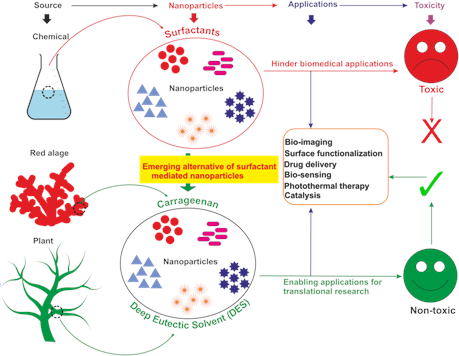
- whereas network like nanostructures were observed when the synthesis temperature was 90 °C. Apart from nanomaterials, DESs are also being exploited for the electrodeposition of alloys for coating applications. For example, Bernasconi et al. developed a non-aqueous electrolyte using choline chloride and


Recent progress in actuation technologies of micro/nanorobots
Beilstein J. Nanotechnol. 2021, 12, 756–765, doi:10.3762/bjnano.12.59
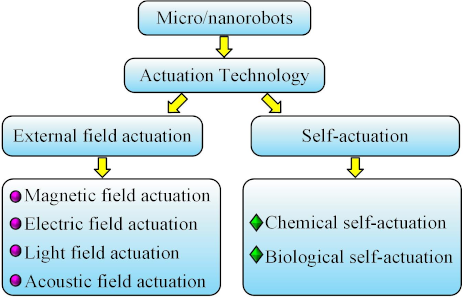
- electrolyte spherical micro/nanorobots constrained by hydrodynamics can be polarized along the center line of the electrode, and the movement speed can be controlled. In addition, the micro/nanorobots moving in the same direction move in single file, while the micro/nanorobots moving in the opposite direction


Recent progress in magnetic applications for micro- and nanorobots
Beilstein J. Nanotechnol. 2021, 12, 744–755, doi:10.3762/bjnano.12.58
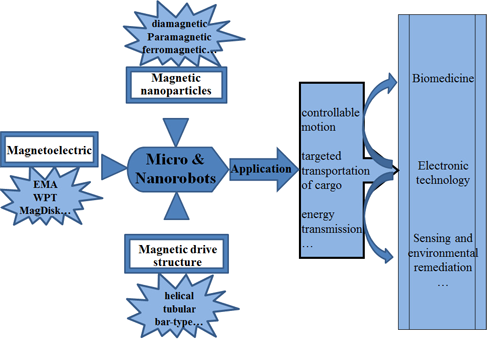
- the design of various magnetic MNRs. Kim et al. [64] proposed a hydrogel microrobot based on the combination of an electroactive hydrogel and MNPs. Electroactive hydrogels are usually made of a single hydrogel [65]. They respond to electric fields and produce mechanical motion in an electrolyte [66


Stability and activity of platinum nanoparticles in the oxygen electroreduction reaction: is size or uniformity of primary importance?
Beilstein J. Nanotechnol. 2021, 12, 593–606, doi:10.3762/bjnano.12.49
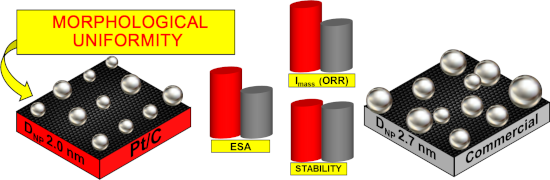
- taken with a microdispenser and applied to the end of a polished and degreased glassy carbon disk with an area of 0.196 cm2, the exact weight of the drop was recorded. The electrode was dried in air for 20 min while rotating at 700 rpm. Prior to measuring the ESA of the catalyst, the electrolyte was
- for desorption (Qd) and adsorption (Qad) of atomic hydrogen, as described in more detail in Supporting Information File 1. The CV recording rate was 20 mV·s−1 and the potential range was 0.04–1.2 V relative to RHE. To determine the ORR activity of the catalysts, the electrolyte was saturated with
- distribution by the number of intersections with "neighbors" (a–e) and a schematic representation of the location of spherical nanoparticles within the geometric model (f). Cyclic voltammograms of Pt/C samples. Sweep rate of 20 mV·s−1, 2nd cycle. Electrolyte used: 0.1 M HClO4 solution saturated with Ar at


Boosting of photocatalytic hydrogen evolution via chlorine doping of polymeric carbon nitride
Beilstein J. Nanotechnol. 2021, 12, 473–484, doi:10.3762/bjnano.12.38
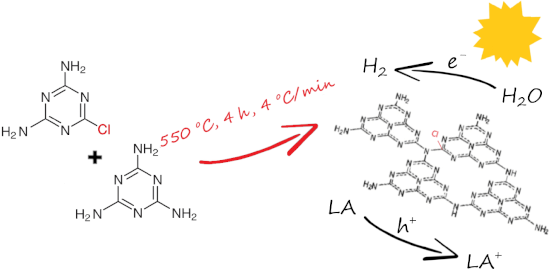
- the EIS spectrum is related to the charge-transfer resistance at the electrode–electrolyte interface [71]. The EIS arc radius of Cl-PCN is smaller than that of PCN. Its impedance is reduced compared to PCN, indicating that Cl doping decreased the charge-transfer resistance of polymeric carbon nitride
- sulfate solution was used as the electrolyte. The photocurrent (chronoamperometry) test was measured at 0.5 V vs SCE and the EIS test was conducted at 0.15 V vs SCE. Photocatalytic test Prior to the photocatalytic test, each sample was prepared by dispersing 10 mg of the photocatalyst in 20 mL of water


Solution combustion synthesis of a nanometer-scale Co3O4 anode material for Li-ion batteries
Beilstein J. Nanotechnol. 2021, 12, 424–431, doi:10.3762/bjnano.12.34
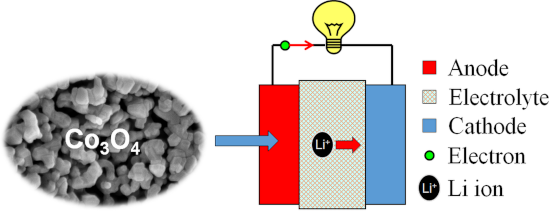
- cannot meet the requirements of the next-generation lithium-ion batteries (LiBs) due to their low capacity, sensitivity to electrolyte, and limited capability [1][2][3]. As a result, plenty of materials with high capacity and rate capability, good recyclability, and long lifetime have been proposed as
- V, corresponding to electrolyte decomposition and the resulting formation of a solid–electrolyte interface (SEI) layer [14][15][19][20][21][26][28][29][30][31][34][35][36][37][38][39][40][41][52]. In turn, the following discharge profiles slightly differ from the initial one. They are much shorter
- cycle of Co3O4 electrodes and it has been frequently reported for Co3O4 nanostructures with various shapes [15][21][23][24][25][26][27][30][31][34][36]. This capacity fade is usually ascribed to an irreversible electrolyte decomposition, the formation of the SEI layer, and the formation of stable Li2O
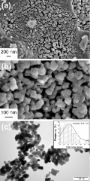


Colloidal particle aggregation: mechanism of assembly studied via constructal theory modeling
Beilstein J. Nanotechnol. 2021, 12, 413–423, doi:10.3762/bjnano.12.33
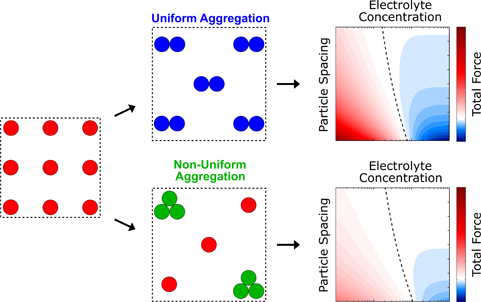
- consideration. The pairwise interactions between these particles are often described by traditional colloidal Derjaguin–Landau–Verwey–Overbeek (DLVO) theory [14]. Here, electrolyte ions in solution rearrange to form electric double layers near the charged surface of a particle. Although overlapping double
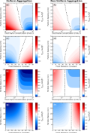
- layers result in repulsion between two particles, this force is constantly opposed by the attractive van der Waals force. The balance between these interparticle forces gives the total DLVO force and highly depends on system parameters, such as the electrolyte concentration and fluid dielectric constant
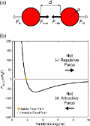
- fundamental framework for understanding and tuning the assembly behavior of colloidal particles, which could have implications across a broad range of fabrication techniques. Model Details First, we consider the pairwise DLVO interactions between two isolated spheres suspended in an electrolyte solution. The


The nanomorphology of cell surfaces of adhered osteoblasts
Beilstein J. Nanotechnol. 2021, 12, 242–256, doi:10.3762/bjnano.12.20
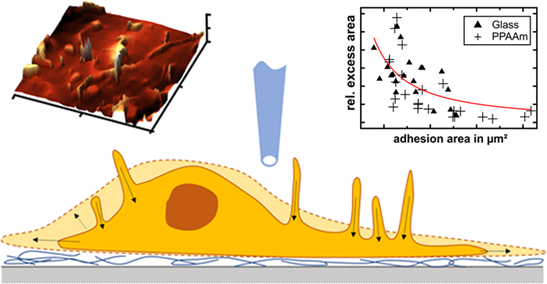
- % CO2, 37 °C) was used. The sample was immersed in physiological electrolyte (DMEM with 10% FCS and 1% gentamicin) in case of living topography and membrane fluctuation measurements. Measurements of fixed cells took place at room temperature (21 °C) in phosphate-buffered saline (PBS). Nanopipettes with


ZnO and MXenes as electrode materials for supercapacitor devices
Beilstein J. Nanotechnol. 2021, 12, 49–57, doi:10.3762/bjnano.12.4
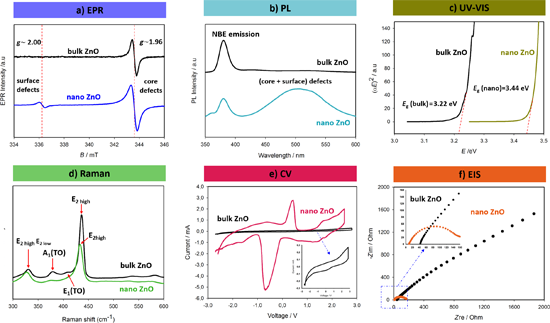
- in a liquid electrolyte. Here, an electrical device design is not necessarily required and the results are relatively straightforward. In contrast, in the two- or four-point methods, a device, such as a supercapacitor or a battery, is produced and the electrode is tested in interaction with second
- carbonaceous electrode, electrolyte, and separator. Here, the selection of the materials is crucially important and state-of-the-art materials science and engineering designs determine the energy and power density of the devices. Today, it is an important research goal to find supercapacitor devices with high
- structures with a hexagonal crystal lattice. Because the aluminum was removed, there is no visible Raman vibration. Moreover, CV, chronopotentiometry (CP), and EIS were used to test the electrochemical behavior of the synthesized tantalum carbide MXenes. In 0.1 M sulfuric acid (H2SO4) as electrolyte, a
Atomic layer deposited films of Al2O3 on fluorine-doped tin oxide electrodes: stability and barrier properties
Beilstein J. Nanotechnol. 2021, 12, 24–34, doi:10.3762/bjnano.12.2
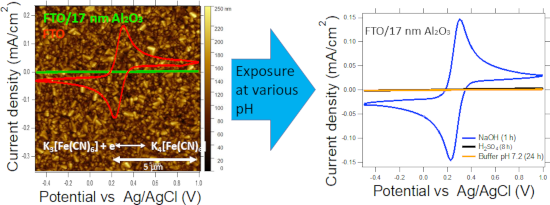
- alumina coatings was ascribed to its capability of passivating semiconductor/electrolyte interfaces, thus reducing photogenerated charge-carrier recombination (e.g., on BiVO4 [16]). In this work, Al2O3 films were deposited via ALD on thermally grown SiO2 on silicon or on fluorine-doped tin oxide (FTO
- M KCl) and a platinum rod was used as the counter electrode. The blocking properties of the deposited layers were evaluated by cyclic voltammetry (CV) in an aqueous electrolyte composed of 0.5 mM K3[Fe(CN)6] and 0.5 mM K4[Fe(CN)6] in 0.5 M KCl (pH 2.5, adjusted with HCl) or in phosphate buffer (pH
- thickness on FTO substrates in an electrolyte containing 0.5 mM K3[Fe(CN)6] and 0.5 mM K4[Fe(CN)6] in 0.5 M KCl. This redox couple produces a reversible wave in CV. The magnitude of the voltammetric current was taken as an indicator of the blocking quality of the coating layer: the lower the value, the


Piezotronic effect in AlGaN/AlN/GaN heterojunction nanowires used as a flexible strain sensor
Beilstein J. Nanotechnol. 2020, 11, 1847–1853, doi:10.3762/bjnano.11.166
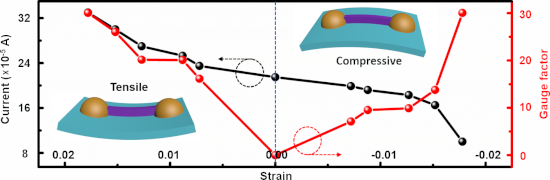
- silver paste and connected to the anode of the electrolytic cell, and the cathode was the Pt sheet. Oxalic solution (0.3 M) was used as the electrolyte. The applied voltage was 20 V and the duration of its application was 10 min. After selective EC wet etching, the sample with suspended NWs was placed in


Self-standing heterostructured NiCx-NiFe-NC/biochar as a highly efficient cathode for lithium–oxygen batteries
Beilstein J. Nanotechnol. 2020, 11, 1809–1821, doi:10.3762/bjnano.11.163
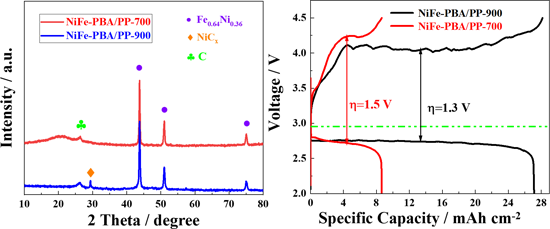
- . The structure of NiCx-NiFe-NC efficiently improved the electron and ion transfer between the cathode and the electrolyte during the electrochemical processes, resulting in superior electrocatalytic properties in lithium–oxygen batteries. This study indicates that nickel carbide supported on N-doped
- the anode, and LiCF3SO3 dissolved in tetraethylene glycol dimethyl ether was used as the electrolyte. A glass filter (Whatman grade GF/D) was used as the separator in these coin cells. The cell assembly was carried out in an Ar-filled glove box (H2O < 0.5 ppm, O2 < 0.5 ppm). The sealed coin cells were
- . Moreover, the decomposition of the electrolyte at a high voltage is another possible reason, resulting in the decrease of the capacity during the cycling test. However, the specific capacity of NiFe-PBA/PP-900 remained at 4.9 mAh·cm−2 after the cell was cycled for five times (Figure 6c). This value is






Fabrication of nano/microstructures for SERS substrates using an electrochemical method
Beilstein J. Nanotechnol. 2020, 11, 1568–1576, doi:10.3762/bjnano.11.139
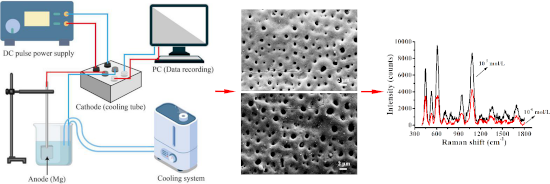
- succession. No further purification was carried out. A customized DC power supply was used to conduct the PEO. Figure 1 shows the schematic diagram of nanopore formation using PEO processing. The specimens and carbon tubes were utilized as the anode and cathode, respectively, and the electrolyte solution was
- prepared with 2 g/L KOH and 10 g/L Na3PO4 in deionized water. The PEO treatment was performed in constant-current mode with a fixed constant current density of 25 mA/cm2. The frequency and duty ratio were 500 Hz and 50%, respectively. The electrolyte temperature was regulated within 30 ± 2 °C by a
- roughness and shows the potential for storing micro- or nanoparticles. During PEO treatment, the intrinsic passivation layer of the Mg alloy is disrupted in random positions through local melting during electrical breakdowns. After cooling by the electrolyte, a stable oxide layer containing arrayed pores is


Antimicrobial metal-based nanoparticles: a review on their synthesis, types and antimicrobial action
Beilstein J. Nanotechnol. 2020, 11, 1450–1469, doi:10.3762/bjnano.11.129
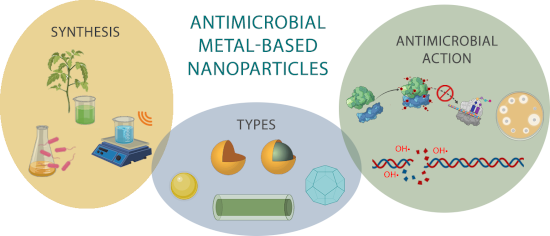
- -condensation of the vapors on the cold surface of the vacuum reactor. Sergeev et al. [45] obtained Ag nanoparticles with sizes ranging from 20 to 150 nm using this technique. The electrochemical anodization method is based on the reactions that occur between the electrode and the electrolyte. In this method


One-step synthesis of carbon-supported electrocatalysts
Beilstein J. Nanotechnol. 2020, 11, 1419–1431, doi:10.3762/bjnano.11.126

- particle size but also the morphology of the entire Pt/CNW structure plays a significant role – the highest ECSA and utilization are obtained for the Pt/CNW layer with the most dense structure (shorter CNWs), most likely resulting from improved contact between the Pt particles and the liquid electrolyte
- with the liquid electrolyte during CV, a sufficient ECSA and utilization were obtained. The presented synthesis method is highly versatile, as a multitude of different metal acetylacetonates is commercially available, which facilitates the deposition of a variety of metal/CNW hybrids for optimization
- three-electrode electrochemical cell (glassy cell: double wall, temperature-controlled at 25 °C) filled with 0.1 M HClO4 electrolyte (AppliChem PanReac, 70%, for analysis, ACS, ISO). The working electrode is a GCE (diameter 4 mm, Catalog No. 013338, ALS Co., Ltd.) coated with the catalyst (by using the




Structure and electrochemical performance of electrospun-ordered porous carbon/graphene composite nanofibers
Beilstein J. Nanotechnol. 2020, 11, 1280–1290, doi:10.3762/bjnano.11.112
- 50 °C. Then the dried CGCNF membranes were weighed to an accuracy of 0.001 g and clamped to a platinum plate electrode holder. After clamping, the CGCNF membranes were directly used as cell electrodes and immersed into an electrolyte solution. The electrochemical measurements were performed in a
- standard three-electrode cell at room temperature. A graphite rod was used as the counter electrode, Hg/HgO was used as the reference electrode, and a 6.0 M KOH aqueous solution was used as the electrolyte solution. The electrochemical performance of the CCGNFs was investigated using an electrochemical
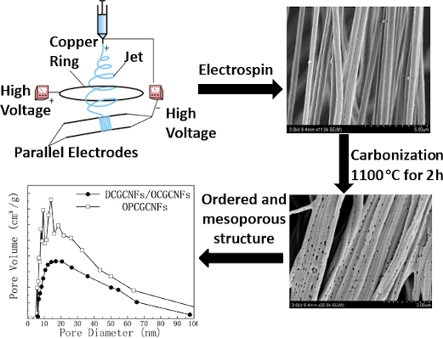
- pores were formed not only at the surface of the CCGNFs but also inside these fibers. The pore formation not only increased the specific surface area of the CGCNFs but also had a significant influence on the ionic conduction in the electrolyte solution, thereby affecting the final electrochemical


Role of redox-active axial ligands of metal porphyrins adsorbed at solid–liquid interfaces in a liquid-STM setup
Beilstein J. Nanotechnol. 2020, 11, 1264–1271, doi:10.3762/bjnano.11.110
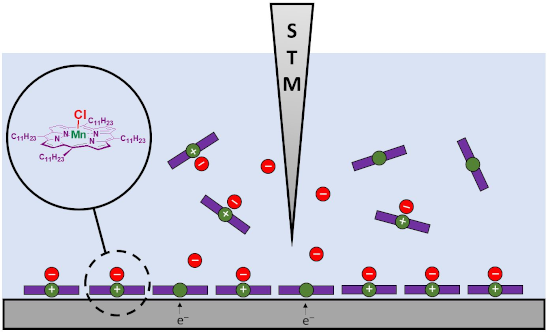
- of these complications may be eliminated by adding a third, reference electrode to the setup and by using a conducting electrolyte (so that it turns into a so-called electrochemical (EC) STM [20][21]). At the same time, the absence of an electrolyte, which typically contains a high concentration of
- -phenyloctane solvent basically makes it an electrolyte, albeit an unconventional one. Assuming that the observed additional currents are caused by the proposed redox reactions (Equation 1 and Equation 2), Mn(II)TUP is generated, which may dissociate from the solid–liquid interface and dissolve in the


Gas sorption porosimetry for the evaluation of hard carbons as anodes for Li- and Na-ion batteries
Beilstein J. Nanotechnol. 2020, 11, 1217–1229, doi:10.3762/bjnano.11.106
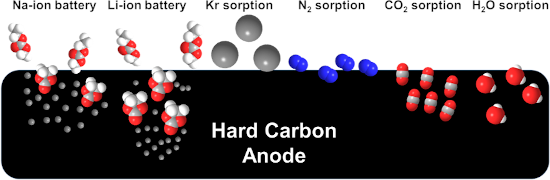
- were gradually substituted by graphite in commercial LIB cells, and one of the main limitations in current SIB research, is the relatively high irreversible capacity due to the formation of a solid electrolyte interface (SEI) layer. The irreversible capacity is believed to originate from electrolyte
- decomposition at potentials below the stability window of the electrolyte (for LIBs typically around 0.8 VLi) [21]. Since the dielectric SEI passivates the electrode, an irreversible capacity proportional to the electrochemical active surface area is expected. Accordingly, the reduction of the specific surface
- either the reversible or the irreversible capacity [25]. Pores that can be accessed by solvent molecules of the electrolyte will contribute to the irreversible capacity, while smaller ones are suitable for the adsorption of alkali metal ions protected from side reactions with solvent molecules from the


Plant growth regulation by seed coating with films of alginate and auxin-intercalated layered double hydroxides
Beilstein J. Nanotechnol. 2020, 11, 1082–1091, doi:10.3762/bjnano.11.93
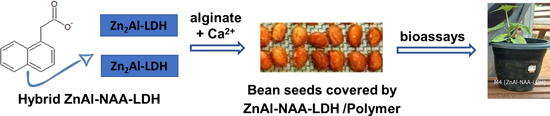
- , and evaluated the influence of temperature, pH value, and electrolyte solutions on the in vitro release. At a temperature of 25 °C, the release of NAA and IBA was quick in the first 100 min, followed by a gradual release profile. The increase in temperature led to a higher release of NAA and IBA