


Search results
Search for "electron" in Full Text gives 2014 result(s) in Beilstein Journal of Nanotechnology. Showing first 200.
Toward clinical translation of carbon nanomaterials in anticancer drug delivery: the need for standardisation
Beilstein J. Nanotechnol. 2025, 16, 2092–2104, doi:10.3762/bjnano.16.144

- instance, small carbon nanoparticles (CNPs) are readily cleared through renal pathways, whereas larger or irregularly shaped CNPs tend to accumulate in organs such as the liver and spleen. Characterisation of these properties is typically performed using dynamic light scattering, electron microscopy, or




Molecular and mechanical insights into gecko seta adhesion: multiscale simulations combining molecular dynamics and the finite element method
Beilstein J. Nanotechnol. 2025, 16, 2055–2076, doi:10.3762/bjnano.16.141
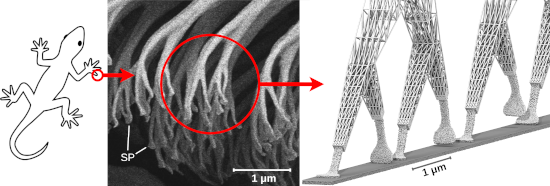
- to more spatula–substrate sites is straightforward but would increase runtime. Models Multiscale seta–spatula model A seta branches into spatulae as seen in scanning electron microscopy (SEM) images of gecko setae (Figure 1). A single seta on a gecko’s foot can have dozens of sub-branches, which






Stereodiscrimination of guests in chiral organosilica aerogels studied by ESR spectroscopy
Beilstein J. Nanotechnol. 2025, 16, 2034–2054, doi:10.3762/bjnano.16.140
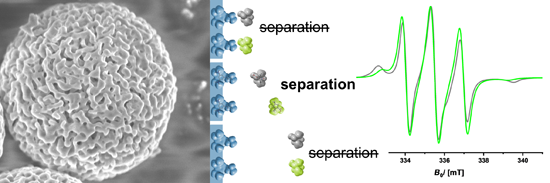
- access the sub-10 nm domain and to obtain information about the dynamics of guests confined to the porous system on short timescales below milliseconds. Here, electron spin resonance (ESR) has some advantages. Because of the temporal dimension of these rotational dynamics at the microseconds timescale
- probes with free rotation are characterized by a spectrum with three narrow lines [36][37]. Anisotropic broadening of the spectrum is indicative for retardation of rotation due to additional intermolecular interactions. The hyperfine coupling of the electron spin with the nuclear spin of 15N provides
- detailed information about the local environment. Furthermore, dipolar coupling to other electron spins in the direct environment allows for the determination of distances from 0 to 10 nm [38][39]. Giamello et al. have discussed in detail how this effect can be used to characterize the interaction of spin




Beyond the shell: exploring polymer–lipid interfaces in core–shell nanofibers to carry hyaluronic acid and β-caryophyllene
Beilstein J. Nanotechnol. 2025, 16, 2015–2033, doi:10.3762/bjnano.16.139
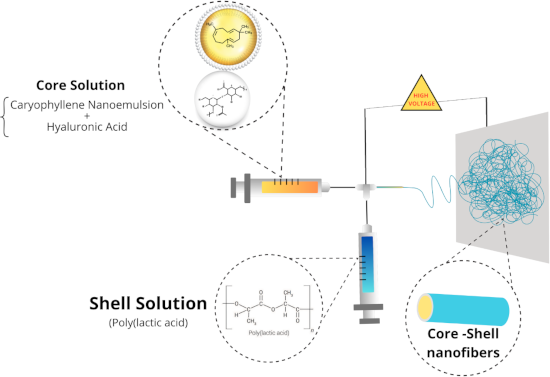
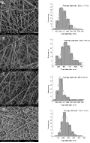
- fibers without the lipid core. Furthermore, maintaining ambient relative humidity below 45% proved essential for processing stability. Comprehensive morphological characterization via scanning electron microscopy confirmed the uniformity of the fibers. At the same time, confocal microscopy, cross
- core–shell structure indicates the absence of core material at the surface, and that the shell structure does not possess pores that would allow permeation or direct contact of water molecules with the core, as evidenced by scanning electron microscopy (SEM) images. Electrospun nanofibers organize into
- evaluating encapsulation efficiency and conducting in vitro release assays, employing transmission electron microscopy for more detailed visualization of the core–shell structure, and performing biological assessments such as cytocompatibility and scratch wound healing tests to validate the performance of




The cement of the tube-dwelling polychaete Sabellaria alveolata: a complex composite adhesive material
Beilstein J. Nanotechnol. 2025, 16, 1998–2014, doi:10.3762/bjnano.16.138
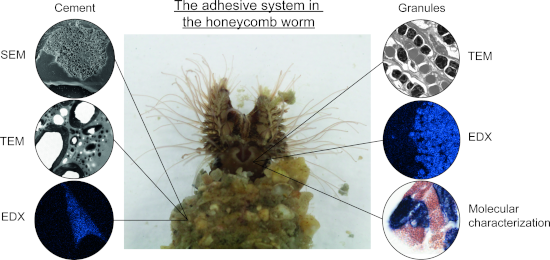
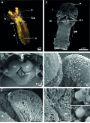
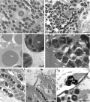
- % paraformaldehyde in phosphate-buffered saline, rinsed, and air-dried. Worms were left in the remaining proximal part of the tube and were provided with glass beads (425–600 µm in diameter; Sigma) to reconstruct the missing part [25]. Scanning electron microscopy and elemental composition analyses For secondary
- electron imaging, the anterior parts of a few worms as well as some reconstructed tube fragments were fixed in Bouin’s fluid for 24 h, dehydrated in graded ethanol, dried by the critical-point method, and mounted on aluminium stubs using carbon adhesive tabs. The samples were then coated with gold
- –palladium in a sputter-coater and observed using a JEOL JSM-7200F field-emission scanning electron microscope. To observe the organization of natural tubes, air-dried tube fragments were placed vertically in 2.5 cm cylindrical brass molds, and embedded with petrographic epoxy resin (Hillquist inc., USA



Laser ablation in liquids for shape-tailored synthesis of nanomaterials: status and challenges
Beilstein J. Nanotechnol. 2025, 16, 1963–1997, doi:10.3762/bjnano.16.137
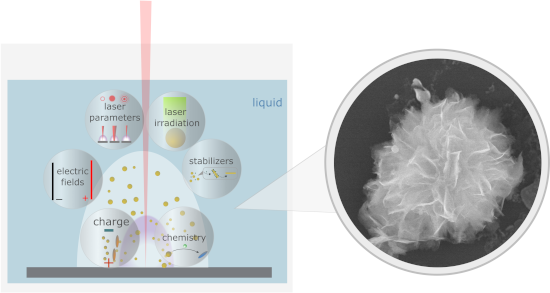
- observed the formation of a mixture of nanosheets and spherical NPs for the ablation using the 1064 nm laser wavelength, while at 532 nm only spherical NPs were observed. The authors observed nanosheets only in scanning electron microscopy, while transmission electron microscopy showed only spherical
- nanosheets of elliptical shape as a result of fs laser ablation of a MoS2 target in FeCl3 solution. Despite the ablation in an aqueous solution, nanosheets preserved the MoS2 composition. Electron diffraction results reported in the cited work revealed the formation of an FeS2 phase, suggesting that Fe ions




Mechanical property measurements enabled by short-term Fourier-transform of atomic force microscopy thermal deflection analysis
Beilstein J. Nanotechnol. 2025, 16, 1952–1962, doi:10.3762/bjnano.16.136
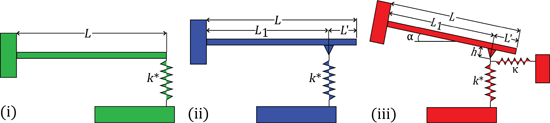
- glass colloid probe on a HOPG sample (red circles), and (d) a diamond-coated silicon on silicon sample (blue circles). A red dashed line in each figure shows a fit to the experimental data using Equation 7. (a, b) Scanning electron microscopy images of the borosilicate glass colloid glued onto the
- tipless silicon cantilever. (c, d) Scanning electron microscopy images of the PtSi-coated AFM cantilever with integrated tip. Mechanical properties of the examined samples. Values for silicon, HOPG, and platinum are from [17], [18], and [19], respectively. The values for PEO and PDMS were measured using a




Evaluating metal-organic precursors for focused ion beam-induced deposition through solid-layer decomposition analysis
Beilstein J. Nanotechnol. 2025, 16, 1942–1951, doi:10.3762/bjnano.16.135
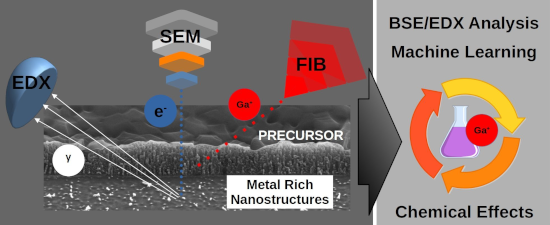
- Copernicus University in Toruń, Gagarina 7, 87-100 Toruń, Poland 10.3762/bjnano.16.135 Abstract The development of modern metal deposition techniques like focused ion/electron beam-induced deposition (FIBID/FEBID) relies heavily on the availability of metal-organic precursors of particular properties. To
- create a new precursor, extensive testing using specialized gas injection systems is required along with time-consuming and costly chemical analysis typically conducted using scanning electron microscopy (SEM). This process can be quite challenging due to its complexity and expense. Here, the response of
- new metal-organic precursors, in the form of supported thick layers, to the ion beam irradiation is studied through analysis of the chemical composition and morphology of the resulting structures. This is done using SEM backscattered electron/energy-dispersive X-ray spectroscopy along with machine


Quantum circuits with SINIS structures
Beilstein J. Nanotechnol. 2025, 16, 1931–1941, doi:10.3762/bjnano.16.134
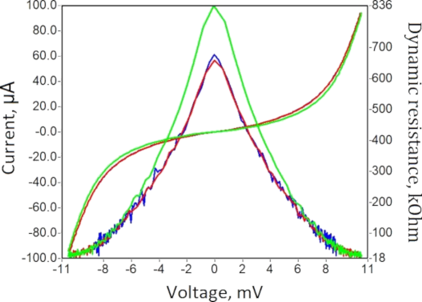
- . Microwave detectors, electron coolers, primary thermometers, and Aharonov–Bohm interferometers have been fabricated by various methods and measured at temperatures down to 100 mK. The manufacturing methods included Dolan-type shadow evaporation, Manhattan-type shadow evaporation, and magnetron sputtering
- W·Hz−1/2. The receiver in a 3He cryostat with an optical window was mounted at the Nasmyth focus of the BTA and tested at a temperature of 260 mK with a IMPATT diode radiation source. Keywords: Big Telescope Alt-azimuthal; electron coolers; microwave detectors; micro- and nanotechnology; NIS tunnel
- devices are manufactured on their basis [1][2][3]. These extend from cryogenic thermometers [4][5][6] and electron coolers [7][8][9][10] to various detectors such as Andreev bolometers [11][12][13], cold electron bolometers [14][15], superconductor–insulator–normal metal–insulator–superconductor (SINIS


Targeting the vector of arboviruses Aedes aegypti with nanoemulsions based on essential oils: a review with focus on larvicidal and repellent properties
Beilstein J. Nanotechnol. 2025, 16, 1894–1913, doi:10.3762/bjnano.16.132
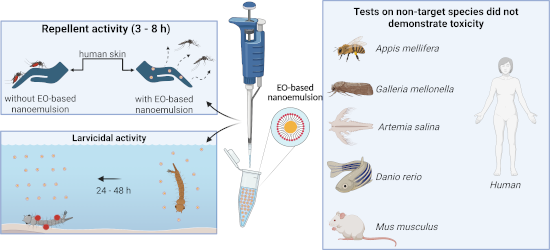
- to 83 nm (oil) and 167 to 230 nm (thymol), with stability of up to 60 days. In bioassays with third-instar larvae, thymol nanoemulsion demonstrated greater efficacy (LC50 = 34.89 ppm), followed by oil (LC50 = 46.73 ppm), both outperforming conventional emulsions. Electron microscopy revealed damage


Low-temperature AFM with a microwave cavity optomechanical transducer
Beilstein J. Nanotechnol. 2025, 16, 1873–1882, doi:10.3762/bjnano.16.130
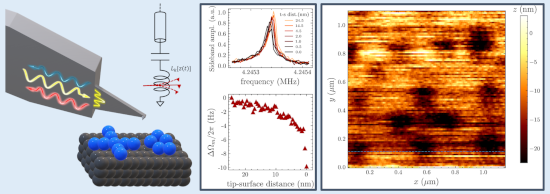
- tip in the middle. We replace the optical cavity with a superconducting microwave resonant circuit, which is comparatively easy to fabricate and to integrate on an AFM cantilever with a tip at the free end. Figure 1a–c shows a scanning electron micrograph of the probe. The triangular cantilever is a
- edge of the plate, giving rise to a modulation of its kinetic inductance due to surface strain generated by cantilever bending. A Pt–C tip with curvature radius below 10 nm at its apex is formed at the free end of the cantilever through a series of electron-beam-assisted depositions. Figure 1d shows a
- KIMEC detection principle allows for AFM imaging with increased pixel acquisition rate (measurement bandwidth) without degrading force sensitivity. (a–c) Scanning electron micrograph of the probe, featuring a Si–N triangular cantilever released from the Si substrate, hosting an integrated lumped-element


Self-assembly and adhesive properties of Pollicipes pollicipes barnacle cement protein cp19k: influence of pH and ionic strength
Beilstein J. Nanotechnol. 2025, 16, 1863–1872, doi:10.3762/bjnano.16.129
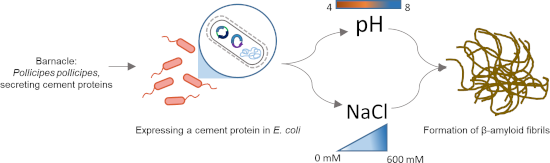
- bioinspired adhesives and biomaterials. Keywords: adhesive; amyloid fibre; barnacle cement protein; surface coating; transmission electron microscopy; Introduction Marine adhesives are naturally occurring substances secreted by a variety of organisms to attach themselves to submerged surfaces such as rocks
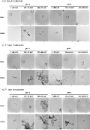
- work, we expressed recombinant P. pollicipes cp19k (rPpolcp19k) in E. coli and identified key environmental modulators of fibril formation by the protein. Transmission electron microscopy (TEM) was used to study the rate of fibril formation and morphology under varied pH and salt concentration
- achieved (Supporting Information File 1, Figure S1). Purified protein was dialysed into 10 mM sodium acetate (pH 4.0) or 10 mM sodium phosphate (pH 8.0) buffer, with NaCl concentrations ranging from 0 to 600 mM. Transmission electron microscopy TEM analysis identified the formation of fibril structures by


Phytol-loaded soybean oil nanoemulsion as a promising alternative against Leishmania amazonensis
Beilstein J. Nanotechnol. 2025, 16, 1826–1836, doi:10.3762/bjnano.16.126

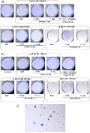
- shown in the size distribution graph (Figure 1b). Moreover, the zeta potential (ZP) of both samples was around −20 mV, with no significant changes upon phytol loading. To evaluate the shape and morphological characteristics of the nanoemulsions, transmission electron microscopy (TEM) analysis was
- evaluated over a 30-day period by monitoring droplet size, PdI, ZP, and pH using the same methodologies previously described. Morphology The morphology of the nanoemulsion droplets was examined by transmission electron microscopy using a FEI Tecnai G2 Spirit Biotwin microscope operating at 120 kV (FEI


Piezoelectricity of layered double hydroxides: perspectives regarding piezocatalysis and nanogenerators
Beilstein J. Nanotechnol. 2025, 16, 1812–1817, doi:10.3762/bjnano.16.124

- and external stress, leading to increased current generation and reactive oxygen species production. The authors proposed that the piezoelectric field of LDHs facilitates the separation of photo-induced electron–hole pairs and modulates band alignment, thereby synergistically enhancing the piezo

Electrical, photocatalytic, and sensory properties of graphene oxide and polyimide implanted with low- and medium-energy silver ions
Beilstein J. Nanotechnol. 2025, 16, 1794–1811, doi:10.3762/bjnano.16.123
- , and C–O) and the simultaneous transformation of the amorphous polymer phase into a graphitized structure with higher electrical parameters [9]. This results in carbon regions rich in conjugated π-electron systems, which allow for efficient charge delocalization and the formation of conducting pathways
- bandgap and an increased density of states near the Fermi level, promotes absorption in the visible region and facilitates the generation of electron–hole (e−–h+) pairs upon light irradiation. The silver clusters also exhibit plasmonic resonances, which amplify the local electromagnetic field and promote
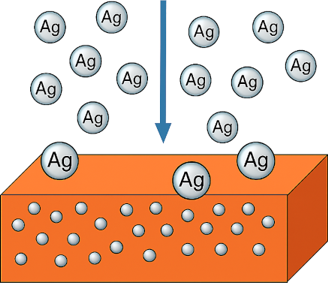
- detection analysis (ERDA). The other analytical methods used were Raman spectroscopy, Fourier-transform infrared spectroscopy and X-ray photo-electron spectroscopy (XPS). The electrical properties were investigated by the two-point method. The photocatalytic properties were tested in a dark chamber by


Exploring the potential of polymers: advancements in oral nanocarrier technology
Beilstein J. Nanotechnol. 2025, 16, 1751–1793, doi:10.3762/bjnano.16.122


Multifunctional anionic nanoemulsion with linseed oil and lecithin: a preliminary approach for dry eye disease
Beilstein J. Nanotechnol. 2025, 16, 1711–1733, doi:10.3762/bjnano.16.120
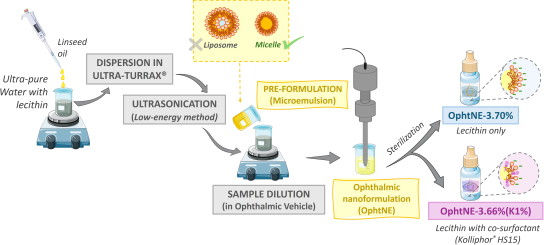
- digital pH meter (HI2221, Hanna Instruments, BR) equipped with a calibrated glass electrode and a temperature sensor. The electrode and sensor were immersed in the samples, and pH readings were recorded once the measurements stabilized. Transmission electron microscopy The morphology of the nanoemulsions
- was analyzed using transmission electron microscopy (TEM) with a MORGAGNI 268D (FEI Company, USA), operated at 80 kV. Before imaging, the samples were sonicated in an ultrasound bath for 15 min, and a drop of the suspension was placed onto a copper grid (200 mesh) coated with formvar/carbon. Excess
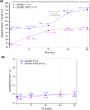
- . Transitioning to the third phase, characterized by excess lecithin, both O/W(L-4%) and O/W(L-5%) pre-formulations exhibited a statistically significant 21% rise in electrical conductivity compared to O/W(L-3%). This elevation is attributed to free micelles capable of facilitating electron displacement within



Beyond the bilayer: multilayered hygroscopic actuation in pine cone scales
Beilstein J. Nanotechnol. 2025, 16, 1695–1710, doi:10.3762/bjnano.16.119
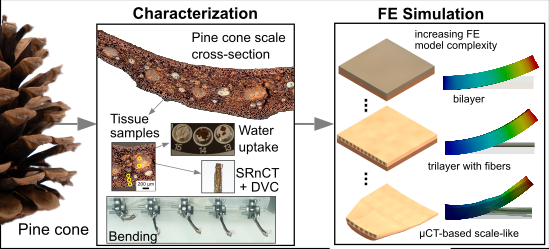
- electron microscopy (abaxial: 9%, adaxial: 1%, [18]). Although their exact values of measured longitudinal expansion may differ from ours due to differences in methodology and pine species studied, our results do support the ability of individual fibers to bend independently in response to moisture changes


Ambient pressure XPS at MAX IV
Beilstein J. Nanotechnol. 2025, 16, 1677–1694, doi:10.3762/bjnano.16.118
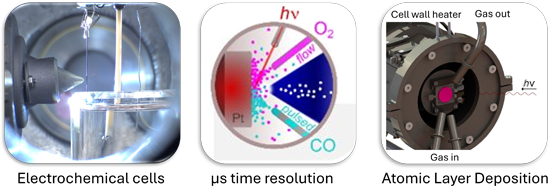
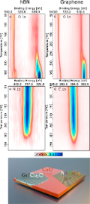
- ; batteries; catalysis; corrosion; Review Ambient pressure XPS Electron spectroscopy has significantly contributed to the understanding of chemical and physical processes that govern the complex interactions between a solid surface and its environment. These processes play crucial roles in phenomena such as
- only at the turn of the century that APXPS instruments were developed, thanks to the high flux of the third and then, particularly, fourth generation of synchrotron radiation light sources. At the same time, the development of differentially pumped electron energy analyzers (EEA) with higher
- the entire photon energy range. The main instrument of the APXPS endstation is the Phoibos 150 NAP electron energy analyzer from SPECS GmbH, equipped with a delay line detector (DLD). The APXPS endstation is used to study solid–gas interfaces and has sample environments allowing for experiments in the





Prospects of nanotechnology and natural products for cancer and immunotherapy
Beilstein J. Nanotechnol. 2025, 16, 1644–1667, doi:10.3762/bjnano.16.116

- CXCL9/10 expression in Schwann cells [114]. Particle size and stability of the formulation in the patent were characterized using scanning electron microscopy (SEM). The nanoparticles demonstrated enhanced uptake in HepG2 cells, as confirmed by flow cytometry and confocal microscopy, and achieved a
- the development of reactive oxygen species (ROS) [118]. Hyaluronic acid can inhibit local recurrence and distant tumor growth when used in immunotherapy scenarios in conjuction with CAR-T cells and anti-PDL1-conjugated platelets [119]. Transmission electron microscopy (TEM) and dynamic light


Venom-loaded cationic-functionalized poly(lactic acid) nanoparticles for serum production against Tityus serrulatus scorpion
Beilstein J. Nanotechnol. 2025, 16, 1633–1643, doi:10.3762/bjnano.16.115
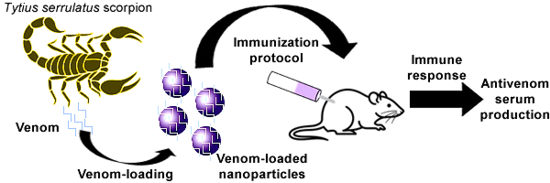
- analysis supported small and narrow-sized cationic functionalized nanoparticles. Atomic force microscopy and scanning electron microscopy images showed nanoparticles with a spherical and smooth shape. The stability of tested formulations was accessed for six weeks, and the sustained release of proteins
- corroborates the high encapsulation efficiency obtained by the BCA assay. Field emission gun scanning electron microscopy and atomic force microscopy analyses Field emission gun scanning electron microscopy (FEGSEM) and atomic force microscopy (AFM) analyses were realized to access shape and surface features
- . serrulatus venom protein-loaded PLA nanoparticles at 1.0% (NPs + Tsv 1.0%). MM: molecular mass marker. Gel stained with Coomassie brilliant blue R-250. 2D and 3D atomic force microscopy and field emission gun scanning electron microscopy images, respectively, of formulations of Tityus serrulatus venom-loaded


Nanotechnology-based approaches for the removal of microplastics from wastewater: a comprehensive review
Beilstein J. Nanotechnol. 2025, 16, 1607–1632, doi:10.3762/bjnano.16.114
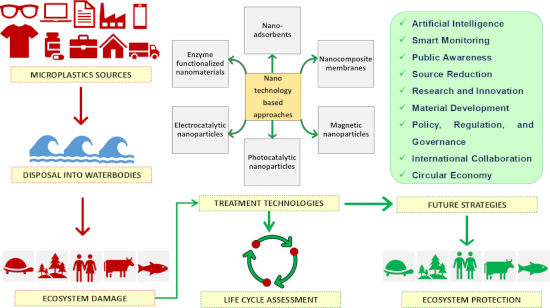
- include ultraviolet-induced oxidation, ozone-based oxidation, photocatalysis (activated by UV, solar, or visible light), electrochemical oxidation, and persulfate-activated oxidation [57]. In photocatalysis, photons excite the catalyst, generating electron–hole pairs that trigger redox reactions with the
- biological treatments aimed at removing organic contaminants [96]. In photocatalysis, under UV illumination, electron–hole pairs are generated. These pairs interact with water molecules and dissolved oxygen to generate reactive oxygen species, such as hydroxyl radicals and superoxide anions. These highly
- radicals. These benefits are particularly significant when the particle size is reduced to around 10 nm. Utilizing nanostructured semiconductors in photocatalytic applications proves to be more efficient, as a larger proportion of the photogenerated electron–hole pairs is available at the surface


Photocatalytic degradation of ofloxacin in water assisted by TiO2 nanowires on carbon cloth: contributions of H2O2 addition and substrate absorbability
Beilstein J. Nanotechnol. 2025, 16, 1567–1579, doi:10.3762/bjnano.16.111
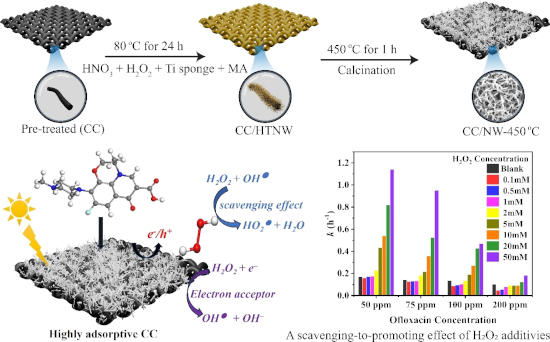
- photocatalysis [8]. However, TiO2 as a sole component presents challenges partly due to the rapid recombination of photogenerated electron–hole pairs, which significantly reduces its photocatalytic efficiency and practical applicability [9][10]. Recent advancements have focused on TiO2 photocatalysts supported
- on porous materials, such as carbon-based adsorbents. These innovations help to slow down electron–hole recombination, broaden light absorption, and enhance surface adsorption sites [11]. Cao et al. synthesized TiO2 nanowires on reduced graphene oxide (rGO) through a solvothermal method, which
- drying. The P25 loading was ca. 50.0 mg (≈1.0 mg/cm2), nearly the same as that of the TiO2 nanowires on carbon cloth. Characterizations The morphologies were analyzed using field-emission scanning electron microscopy (FESEM, Zeiss Germany Sigma 300) and high-resolution transmission electron microscopy


Modeling magnetic properties of cobalt nanofilms used as a component of spin hybrid superconductor–ferromagnetic structures
Beilstein J. Nanotechnol. 2025, 16, 1557–1566, doi:10.3762/bjnano.16.110
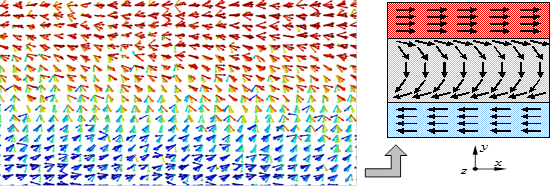
- particle; and Tl and Ts are values of the thermodynamic and spin temperatures, respectively [26][27]. The potential of the modified embedded atom method [28][29] was based on the electron density functional theory. The magnitude of the potential UMEAM depends on the set of atomic positions, which makes the
- potential multi-body model: where Fi is the immersion function of each atom in the electron gas created by electrons of all other atoms of the system; ϕij(rij) is the pair potential function; rij = |rij| = |rj − rj| is the distance between two atoms with numbers i and j; and is the background electron
- density. When describing the electron density, different types of electron clouds of the atoms under consideration are taken into account, and a sufficiently large set of potential parameters is involved, which makes MEAM sufficiently accurate and allows it to be used in solving a wide range of atomistic


Transient electronics for sustainability: Emerging technologies and future directions
Beilstein J. Nanotechnol. 2025, 16, 1545–1556, doi:10.3762/bjnano.16.109
- electronic tent electrode for brain cortex interfacing”, Nat. Electron., vol. 7, pages 815–828, 2024, published by Springer Nature), with permission from SNCSC. This content is not subject to CC BY 4.0. (e) Biodegradation of transient electronics in biological domain. Figure 1e was adapted from [27] (J.-Y
- . Bae et al., “A biodegradable and self-deployable electronic tent electrode for brain cortex interfacing”, Nat. Electron., vol. 7, pages 815–828, 2024, published by Springer Nature), with permission from SNCSC. This content is not subject to CC BY 4.0. (f) Biodegradation of transient electronics in





