Search results
Search for "formulation" in Full Text gives 202 result(s) in Beilstein Journal of Nanotechnology. Showing first 200.
Unveiling the potential of alginate-based nanomaterials in sensing technology and smart delivery applications
Beilstein J. Nanotechnol. 2024, 15, 1077–1104, doi:10.3762/bjnano.15.88
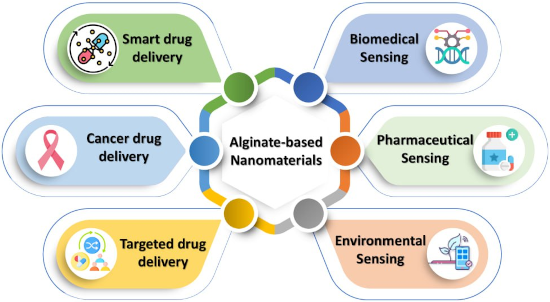
- , researchers have improved the formulation procedures for alginate-based nanoparticles to improve drug-loading capacity, stability, and controlled release characteristics. To improve the formulation of alginate nanoparticles, several methods have been developed, including emulsion-based approaches, solvent


Therapeutic effect of F127-folate@PLGA/CHL/IR780 nanoparticles on folate receptor-expressing cancer cells
Beilstein J. Nanotechnol. 2024, 15, 954–964, doi:10.3762/bjnano.15.78
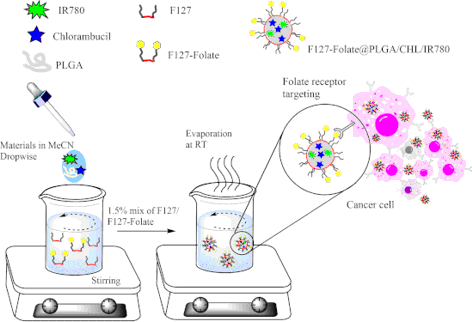
- water for three days (the water was changed twice a day). The solution was then freeze-dried for three days and stored at −80 °C until usage. The final product was confirmed by NMR analysis (Supporting Information File 1, Figure S1). Formulation of F127-folate@PLGA/CHL/IR780 nanoparticles In
- content in the formulation was determined according to Drug release from nanoparticles The F127-folate@PLGA/CHL/IR780 were kept in diluted 0.1× PBS (NaCl 13.7 mM, KCl 0.27 mM, NaH2PO4 1 mM, and KHPO4 0.18 mM) and incubated at 37 °C for various time points, (24, 48, 72, and 168 h) at 37 °C at pH 7.4 and
- in cancer treatment. Conclusion In this work, we designed F127-folate@PLGA nanoparticles capable of carrying CHL and IR780. The formulation approach has produced nanoparticles of extremely homogeneous size. The F127-folate polymer on the surface of nanoparticles made it easier for nanoparticles to



Electrospun nanofibers: building blocks for the repair of bone tissue
Beilstein J. Nanotechnol. 2024, 15, 941–953, doi:10.3762/bjnano.15.77
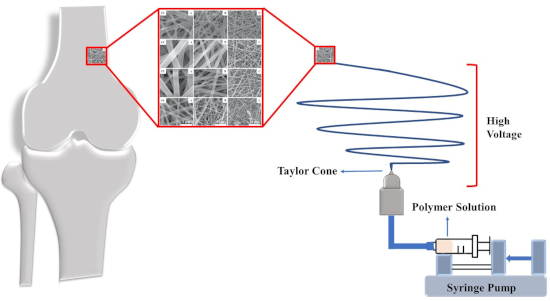
- regeneration and give an insight about bone regeneration, production techniques of the electrospun nanofibers, and varying formulation parameters in order to reach different drug delivery goals. This review also provides an extensive market research of electrospun nanofibers and an overview on scientific
- additives in the nanofiber matrix cause an increase in the release of active material through the water-filled pores in the system [4][94][95]. Pores are created in the eroded polymeric structure and accelerate the release rates [32]. Formulation components of polymeric nanofibers The basic components of
- . Hence, polymers are the most important formulation components in the preparation of nanofibers with a structure similar to natural bone tissue for bone regeneration [96]. The content and alignment of the polymeric structure of the nanofibers is important for the alignment of the collagenous fibers in


When nanomedicines meet tropical diseases
Beilstein J. Nanotechnol. 2024, 15, 830–832, doi:10.3762/bjnano.15.69

- article collection. Among the articles, an interesting strategy to improve the bioavailability of benzonidazole towards Chagas disease has been presented by Muraca and colleagues, who reported a stable and safe nanostructured lipid formulation with potential effects against Trypanosoma cruzi [2]. In turn
Cholesterol nanoarchaeosomes for alendronate targeted delivery as an anti-endothelial dysfunction agent
Beilstein J. Nanotechnol. 2024, 15, 517–534, doi:10.3762/bjnano.15.46
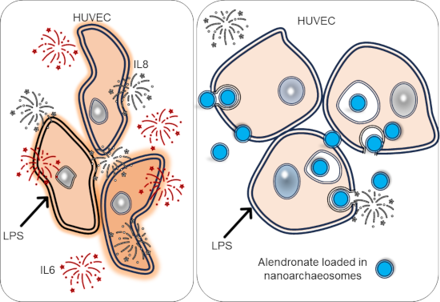
- of this research suggest that the endocytosis of one specific formulation, nanoARC-Chol(ALN), by irritated HUVECs in the mild inflammation model, was beneficial. The same as dexamethasone, nanoARC-Chol(ALN) was partly capable of reducing the morphological changes caused by LPS, potentially caused by
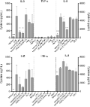
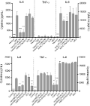
- tyrosine phosphorylation, actin depolymerization, and gap formation on the actin cytoskeleton [64]. However, the most important finding reported here is that nanoARC-Chol(ALN) was the only formulation capable of reducing the secretion of IL-6 and IL-8 by HUVECs, not only in the mild but also in the
- due to the lower ALN internalization, resulting from the lower ALN/lipid ratio and lower endocytosis of the formulation. In either case, the mechanism of reduction of IL-6/IL-8 of ALN-loaded nanoarchaeosomes would differ from that mediated by the corticosteroid receptor since the corticosteroid





Fabrication of nanocrystal forms of ᴅ-cycloserine and their application for transdermal and enteric drug delivery systems
Beilstein J. Nanotechnol. 2024, 15, 465–474, doi:10.3762/bjnano.15.42
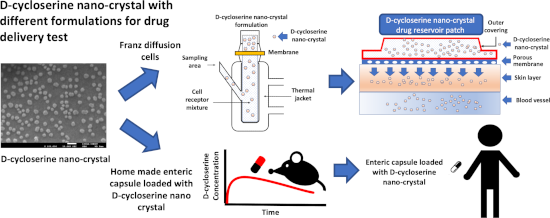
- has shown significant treatment efficacy for central nervous system (CNS) disorders including depression, schizophrenia, Alzheimer’s disease, and post-traumatic stress disorder. The physicochemical properties of DCS, however, limit the options of formulation and medicinal applications of DCS, and
- and then to the in vitro Franz diffusion test with reservoir patch formulation as well as in vivo pharmacokinetics study with enteric capsules. We tested these formulations regarding their nanocrystal physical properties, size effect, and dissolution rate, respectively. We found that DCS nanocrystals
- ) and enteric formulation. In this study, DCS nanocrystals were fabricated and investigated for novel drug delivery systems. Transdermal drug delivery is an administration route wherein the API is delivered across the skin for systemic distribution. The categories of TDD systems include reservoir


Classification and application of metal-based nanoantioxidants in medicine and healthcare
Beilstein J. Nanotechnol. 2024, 15, 396–415, doi:10.3762/bjnano.15.36
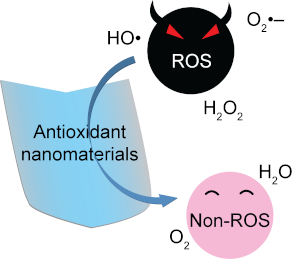
- , which are a cluster of hundreds to thousands atoms aggregated together [135]. The potential of natural antioxidant nanodelivery systems for treating age-related metabolic disorders has been proved in both in vivo and in vitro studies. For example, a nanoparticle-based formulation of curcumin exhibited


Nanomedicines against Chagas disease: a critical review
Beilstein J. Nanotechnol. 2024, 15, 333–349, doi:10.3762/bjnano.15.30
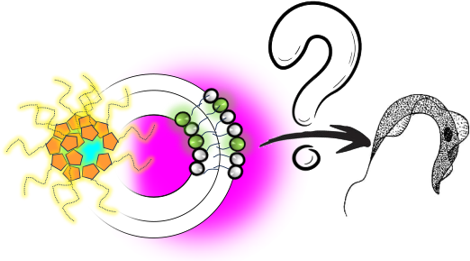
- countries’ institutions (Brazil and Argentina), and private pharmaceutical companies. The project started proposing a sublingual formulation of BNZ within liposomes or lipid nanoparticles, assuming the intact formulations could reach the blood, avoid the hepatic first-pass metabolism, and reduce the
- authors showed comparable therapeutic effects to conventional treatment with free BNZ. These studies, however, did not compare the plasma levels of BNZ resulting from administering nanocrystals to rodents with identical doses of free BNZ. Other authors have recently reported the formulation of BNZ into
- self-nanoemulsified drug delivery systems (SNEDDSs). SNEEDSs provide a pediatric liquid formulation of BNZ, which is only marketed as solid tablets. SNEDDSs are isotropic mixtures of oil, surfactants, and co-surfactants that form submicrometer-droplet emulsions under agitation in water or

Design, fabrication, and characterization of kinetic-inductive force sensors for scanning probe applications
Beilstein J. Nanotechnol. 2024, 15, 242–255, doi:10.3762/bjnano.15.23
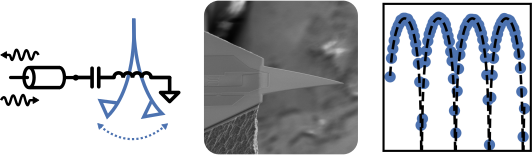
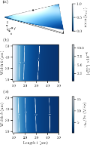
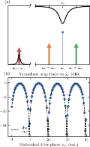
- the nanowire reduces Ic and decreases the maximum nc possible before undesirable nonlinear effects become significant. A nonlinear microwave mode is not part of the standard electromechanical formulation, complicating the analysis in, for example, the phase-sensitive detection scheme. Third in the



Nanocarrier systems loaded with IR780, iron oxide nanoparticles and chlorambucil for cancer theragnostics
Beilstein J. Nanotechnol. 2024, 15, 180–189, doi:10.3762/bjnano.15.17
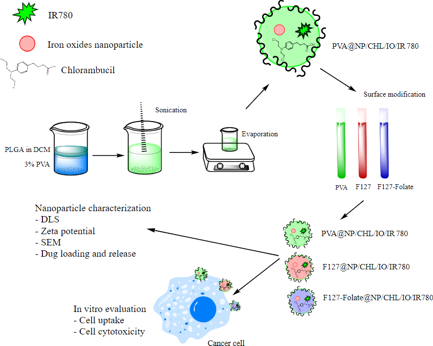
- ]. Particularly, PLGA is widely used for nanoparticle formulation because it is a versatile material that can serve multiple functions, including transporting of therapeutic drugs and imaging agents [2][3]. In addition, PLGA can be altered in numerous ways to increase the half-life of nanoparticles in the blood
- ], mannose for the mannose receptor on activated macrophages [6][7], and folic acid for the overexpression of the folate receptor on the surface of cancer cells and activated macrophages [8]. Thus, in this study, PLGA was chosen for NP formulation since it is a biocompatible and biodegradable material
- (FTIR) results were displayed in the Supporting Information File 1 (Supplementary data 1) and Figure S1. Formulation of nanoparticles F127-folate@PLGA/IO/CHL/IR780 and others In 2 mL of DCM, 20 mg of PLGA, 40 μg of IO, 2 mg of CHL, and 0.1 mg of IR780 were mixed. The organic solvent was then added to


Development and characterization of potential larvicidal nanoemulsions against Aedes aegypti
Beilstein J. Nanotechnol. 2024, 15, 104–114, doi:10.3762/bjnano.15.10
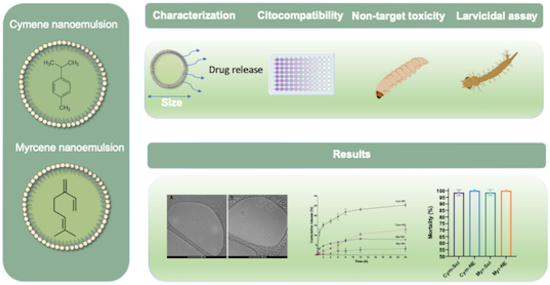
- volatility, make their formulation a true challenge. In this regard, nanoemulsions (NEs), which are dispersions of two immiscible liquids with one of them dispersed as small droplets [11][12], stand out as new delivery vehicles for these bioactive compounds. They are especially important to enhance the water
- HLB, one can obtain the nanoemulsion with the smallest droplet size, leading to more stable formulations [20]. The rHLB is usually determined by preparing NEs with different ratios of surfactant blends and choosing the most stable formulation to determine the rHLB of the oil phase [21
- maturation, a very important mechanism when it comes to the instability of NEs. It is related to the difference between the droplet sizes in the formulation, with the smaller droplets having greater chemical potential and, thus, diffusing to the larger ones [26]. Formulations with HLB values of 14 and 15


Berberine-loaded polylactic acid nanofiber scaffold as a drug delivery system: The relationship between chemical characteristics, drug-release behavior, and antibacterial efficiency
Beilstein J. Nanotechnol. 2024, 15, 71–82, doi:10.3762/bjnano.15.7
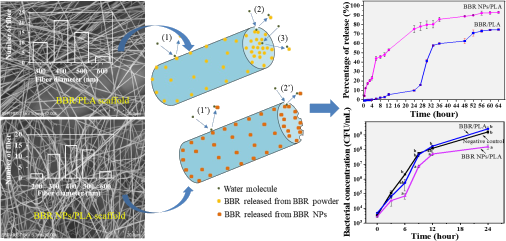
- bioavailability of poorly soluble drugs [15]. Limoee et al. reported that the release rate of Pramipexole from hybrid cross-linked nanofibers was successfully controlled between 8 and 10 h, which is approximately the same time that the drug formulation travels from the mouth to the small intestine. It is


Curcumin-loaded nanostructured systems for treatment of leishmaniasis: a review
Beilstein J. Nanotechnol. 2024, 15, 37–50, doi:10.3762/bjnano.15.4
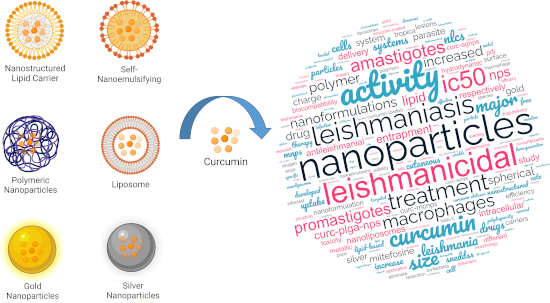
- currently used in the treatment of leishmaniasis is liposomal amphotericin-B (IC50: 0.18 μg/mL) [90], this liposomal formulation containing curc should receive greater attention. In addition, more complex efficacy and safety studies (in vivo) must be conducted so that they could be transferred to the market


Nanotechnological approaches in the treatment of schistosomiasis: an overview
Beilstein J. Nanotechnol. 2024, 15, 13–25, doi:10.3762/bjnano.15.2
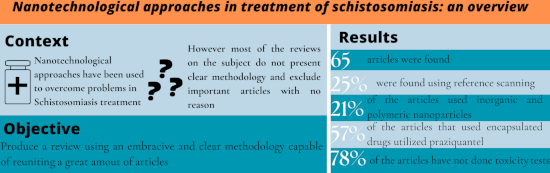
- ]. Additionally, due to the first passage effect, high doses of PZQ are required, resulting in large tablet sizes, making its administration challenging for children, as no PZQ pediatric formulation is distributed by the World Health Organization (WHO). Consequently, people split adult PZQ tablets to treat
- is just one formulation of PZQ developed for pediatric use which is commercially available: Epiquantel (40 mg/kg), a liquid formulation produced by Eipico, an Egyptian pharmacy industry. However, this medicine is not distributed by WHO and, thus, few works tried to use nanotechnology to change the
- organoleptic properties of PZQ [8][48]. da Fonseca et al. [8] used poly(methyl methacrylate) nanoparticles loaded with PZQ produced by in situ mini emulsion polymerizations to mask the drug taste and develop an oral formulation. Although the taste was masked, the authors reported a gritty tongue sensation


Elasticity, an often-overseen parameter in the development of nanoscale drug delivery systems
Beilstein J. Nanotechnol. 2023, 14, 1149–1156, doi:10.3762/bjnano.14.95
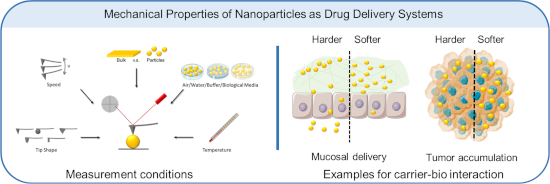
- drug delivery can be achieved, are mechanical properties of nanoparticles. Even though this is often not even considered during formulation development, and it is not requested for approval, an increasing number of studies show that it is important to have knowledge about these characteristics. In this
- during formulation development. There is a clear trend for biological interactions among particles of the same material. However, different mechanical properties are expected when comparing across these particles. This topic will be discussed in the subsequent section. Nanoparticle elasticity and
- nanoparticulate drug delivery systems are an important characteristic, and more attention should be paid to that during formulation development. Mechanical properties need to be fine-tuned for the intended target and according to therapeutic needs. Furthermore, the results demonstrate that in vitro assays need to


Exploring internal structures and properties of terpolymer fibers via real-space characterizations
Beilstein J. Nanotechnol. 2023, 14, 1004–1017, doi:10.3762/bjnano.14.83
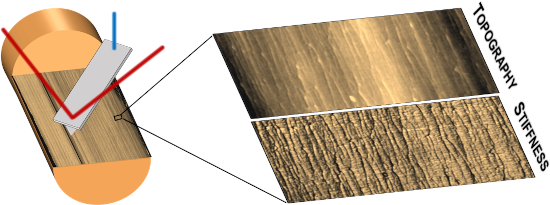
- -effective fiber with (ii) similar mechanical properties to Kevlar® that was (iii) heat-resistant and (iv) soluble in organic solvents [1]. A highly oriented fiber structure exhibiting these characteristics was achieved through a terpolymer chemical formulation, consisting of terephthaloyl chloride (TPA), p






Nanoarchitectonics of photothermal materials to enhance the sensitivity of lateral flow assays
Beilstein J. Nanotechnol. 2023, 14, 988–1003, doi:10.3762/bjnano.14.82
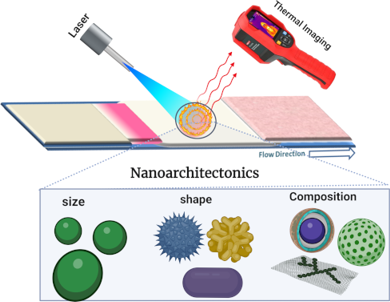
- has advantages such as high NIR absorption, large surface area, and biocompatibility. Also, it is known to enhance the signal intensity in SERS, albeit less efficiently than gold nanoparticles [82][83]. However, graphene can be used for photothermal applications. Using a hybrid formulation of gold and


Antibody-conjugated nanoparticles for target-specific drug delivery of chemotherapeutics
Beilstein J. Nanotechnol. 2023, 14, 912–926, doi:10.3762/bjnano.14.75
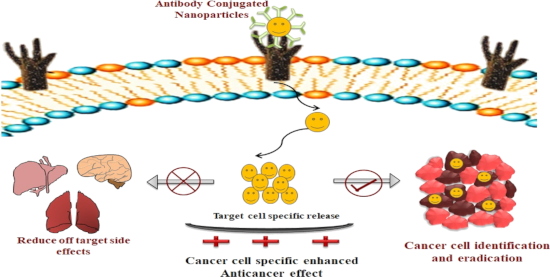
- trials. To completely exploit the advantages of ACNPs in both preclinical and clinical studies, it is substantial to analyze the gaps between formulation development, selection of appropriate animal models, and clinical safety in humans. Additionally, early detection is one of the most important issues



N-Heterocyclic carbene-based gold etchants
Beilstein J. Nanotechnol. 2023, 14, 865–871, doi:10.3762/bjnano.14.71
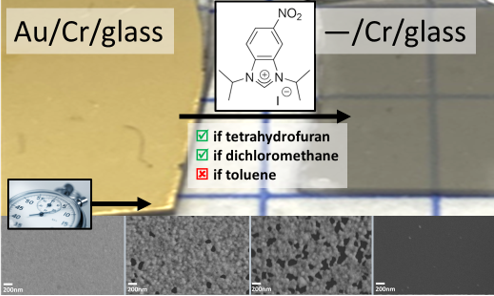
- toluene, THF, and DCM at three different time points, near the solubility limit of 1 in each solvent, and at a lower concentration of 1 for the most aggressive formulation. In the solution of 1 in toluene (Figure 3a), for example, there is no visible change to the gold film structure compared to the



Industrial perspectives for personalized microneedles
Beilstein J. Nanotechnol. 2023, 14, 857–864, doi:10.3762/bjnano.14.70
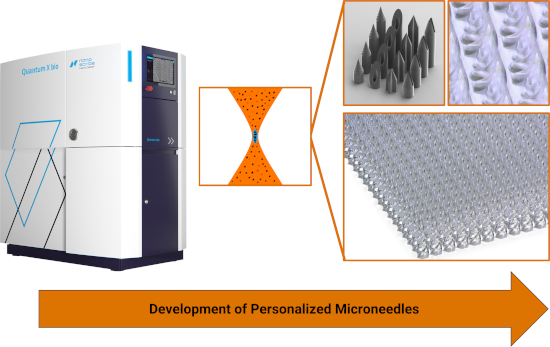
- set (ZEISS 25x NA 0.8 objective). However, IP-S has been extensively used for microneedle molds and direct microneedle fabrication. IP-S is compatible with both Photonic Professional and Quantum X systems. IPX-Q is the newest formulation from the original IP-Q. It is optimized for printing 3D
- structures with the large solution set (ZEISS 10x NA 0.8 objective) on the Quantum X systems. IPX-Q is preferred over IP-S for microneedle applications as IPX-Q, on average, prints faster than IP-S. This is a result of the IPX-Q formulation being optimized for 3D structures. Nanoscribe GmbH & Co is not a
- manufacturer of either medical devices or molds made from polymer masters. Users of the Nanoscribe Photonic Professional systems have extensively used IP-S and IP-Q for direct microneedle fabrication and molding. Given IPX-Q is the newest formulation of IP-Q, we expect similar results to those previously


Nanostructured lipid carriers containing benznidazole: physicochemical, biopharmaceutical and cellular in vitro studies
Beilstein J. Nanotechnol. 2023, 14, 804–818, doi:10.3762/bjnano.14.66
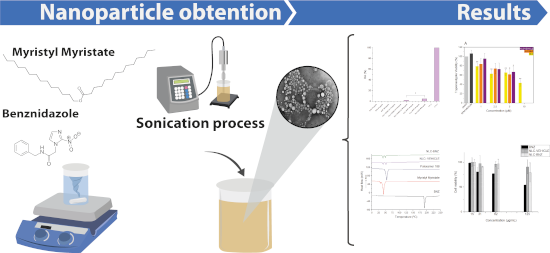
- bioavailability by modifying the absorption, distribution, and elimination of the drug. In this study, BNZ was successfully loaded into nanocarriers composed of myristyl myristate/Crodamol oil/poloxamer 188 prepared by ultrasonication. A stable NLC formulation was obtained, with ≈80% encapsulation efficiency (%EE
- mean size, zeta potential, polydispersity index, and %EE of the formulation remained stable for at least six months. The hemolytic effect of the nanoparticles was insignificant compared to that of the positive lysis control. The nanoparticle formulation exhibited similar performance in vitro against T
- . cruzi compared to free BNZ. No formulation-related cytotoxic effects were observed on either Vero or CHO cells. Moreover, BNZ showed a 50% reduction in CHO cell viability at 125 µg/mL, whereas NLC-BNZ and non-loaded NLC did not exert a significant effect on cell viability at the same concentration


Current-induced mechanical torque in chiral molecular rotors
Beilstein J. Nanotechnol. 2023, 14, 711–721, doi:10.3762/bjnano.14.57
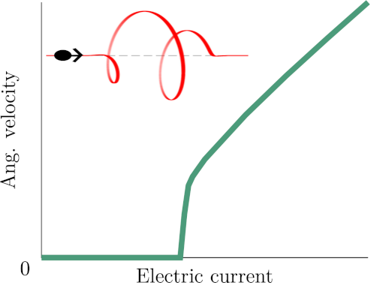
- case). The projectile also experiences friction. Due to conservation laws, the loss of the angular momentum of the projectile is compensated by an increase of . Therefore, this friction is included in our formulation. Our results are valid when thermal fluctuations are small, that is, kBT ≪ ΔV. To




![[Graphic 29]](/bjnano/content/inline/2190-4286-14-57-i54.svg?max-width=637&scale=1.18182)


Transferability of interatomic potentials for silicene
Beilstein J. Nanotechnol. 2023, 14, 574–585, doi:10.3762/bjnano.14.48
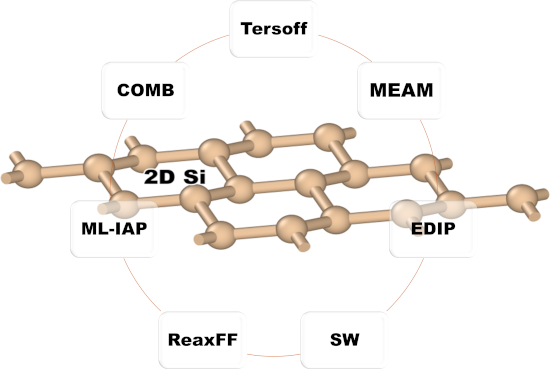
- all previously optimized structures were computed using the metric tensor formulation of strain in the density functional perturbation theory (DFPT) [23]. The mechanical stability of the analyzed structures was verified by calculating the so-called Kelvin moduli [24][25]. To calculate the phonons, the
![[Graphic 3]](/bjnano/content/inline/2190-4286-14-48-i7.svg?max-width=637&scale=1.18182)

Plasmonic nanotechnology for photothermal applications – an evaluation
Beilstein J. Nanotechnol. 2023, 14, 380–419, doi:10.3762/bjnano.14.33
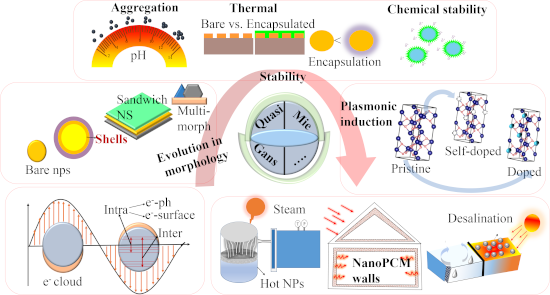
- transitions as well as the changed linewidth due to surface scattering (as appropriate), is Multiple inferences can be made from this formulation. In addition to linewidth broadening contributions to the dielectric function for smaller nanoparticles, electron orbit contractions (due to the majority of




The steep road to nonviral nanomedicines: Frequent challenges and culprits in designing nanoparticles for gene therapy
Beilstein J. Nanotechnol. 2023, 14, 351–361, doi:10.3762/bjnano.14.30
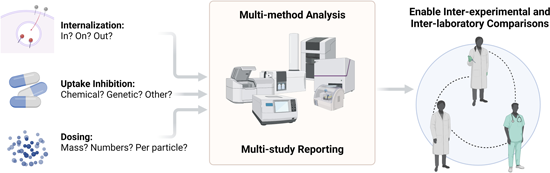
- one formulation or the failure of another [15][17][27][28]. Within this context, an essential question is: “how are NPs internalized by cells?” [29]. Several mechanisms of endocytosis have been identified as listed in Table 2 [1]. Conventionally, the significance of an endocytosis pathway for a