


Search results
Search for "gold" in Full Text gives 867 result(s) in Beilstein Journal of Nanotechnology. Showing first 200.
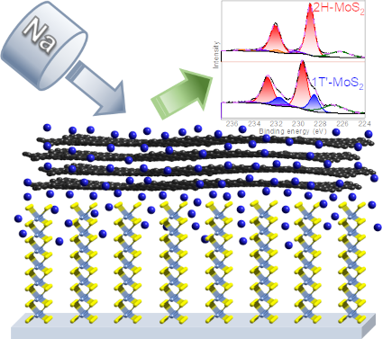
Synchrotron X-ray photoelectron spectroscopy study of sodium adsorption on vertically arranged MoS2 layers coated with pyrolytic carbon
Beilstein J. Nanotechnol. 2025, 16, 847–859, doi:10.3762/bjnano.16.64
- measuring leakage current in total electron yield mode. The experimental data were normalized to the ring current and a photon flux measured using a clean gold crystal. The XPS spectra were measured at synchrotron radiation of 830 and 470 eV. After the XPS and NEXAFS measurements were completed, the samples
- chambers was carried out without breaking the vacuum. The energy scale was calibrated using the binding energy of the Au 4f7/2 component at 84.0 eV measured from a clean gold foil. The surface concentration of the elements was determined from the XPS survey spectra taking into account the photoelectron


Morphology and properties of pyrite nanoparticles obtained by pulsed laser ablation in liquid and thin films for photodetection
Beilstein J. Nanotechnol. 2025, 16, 785–805, doi:10.3762/bjnano.16.60
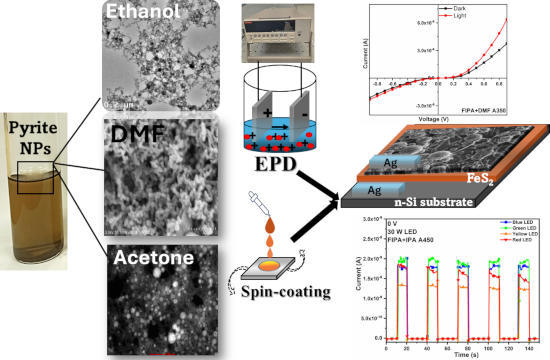
- FeS2 NPs in acetone where sedimentation or settling down of particles was noted within a few hours, which is primarily due to the lower colloidal stability in acetone as explained above, rather than being a direct consequence of the nanosecond ablation process. Pyrite (or fool’s gold) is one of the






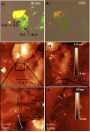
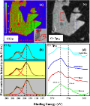
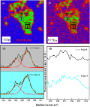
Thickness dependent oxidation in CrCl3: a scanning X-ray photoemission and Kelvin probe microscopies study
Beilstein J. Nanotechnol. 2025, 16, 749–761, doi:10.3762/bjnano.16.58
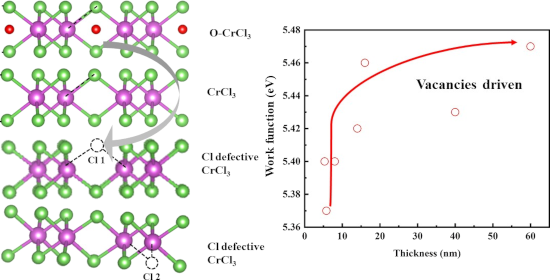
- performed at the ESCA Microscopy beamline 2.2L of Elettra Synchrotron Trieste facility, Italy. The incident photon energy of ≈740 eV was calibrated by means of Au f7/2 at 84.0 eV from a clean gold foil sample. To reduce the beam-induced effects on the samples, we recorded the high-energy-resolution spectra





Efficiency of single-pulse laser fragmentation of organic nutraceutical dispersions in a circular jet flow-through reactor
Beilstein J. Nanotechnol. 2025, 16, 711–727, doi:10.3762/bjnano.16.55
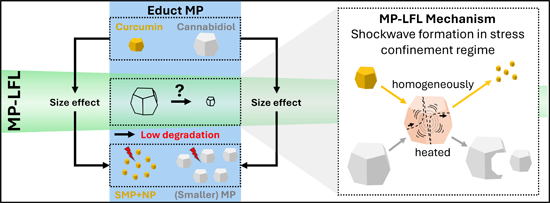
- molecule has higher absorption values than CBD. Multiphoton absorption has been discussed to be responsible for the 523 nm picosecond-LFL of polymer-capped gold nanoparticles [71]. Based on these findings, laser absorption cannot be the only reason for the elevated fragmentation efficiency in curcumin


Colloidal few layered graphene–tannic acid preserves the biocompatibility of periodontal ligament cells
Beilstein J. Nanotechnol. 2025, 16, 664–677, doi:10.3762/bjnano.16.51
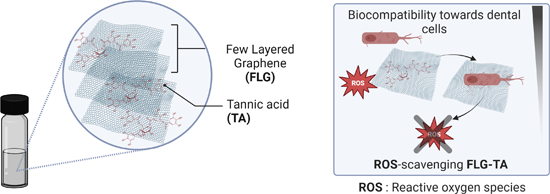
- amount of 100 µg) in the filtrate (Figure S3B, Supporting Information File 1). The DPPH scavenging assay reveals differences in TA antioxidant behavior. Free TA molecules in FLG suspension eliminated approximately 90% of free radicals, while FLG–TA films deposited on gold scavenged only 15% of the
- absolute ethanol. Finally, samples were dehydrated with hexamethylenedisilazane for 15 min and air-dried in a fume hood for 24 h and coated with a gold–palladium alloy using a Hummer JR sputtering device (Technics, CA, USA), creating a 12.5 nm thick gold layer (50 s at 20 mA sputter current). SEM




Aprepitant-loaded solid lipid nanoparticles: a novel approach to enhance oral bioavailability
Beilstein J. Nanotechnol. 2025, 16, 652–663, doi:10.3762/bjnano.16.50
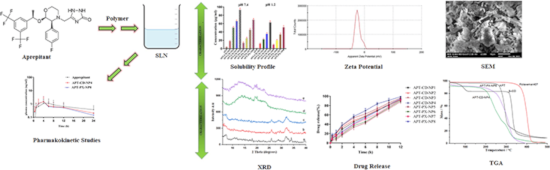
- . Scanning electron microscopy (SEM) photographs of APT-NPs were obtained on a JSM-6380A, Joel, Japan operating at a voltage of 10.0 kV. The specimens were mounted on a metallic stub with double-sided adhesive tape and gold-coated in an argon atmosphere prior to observation [28]. Drug excipient interaction



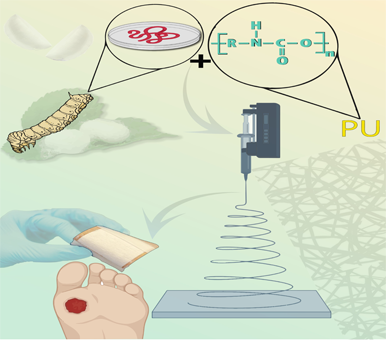
Polyurethane/silk fibroin-based electrospun membranes for wound healing and skin substitute applications
Beilstein J. Nanotechnol. 2025, 16, 591–612, doi:10.3762/bjnano.16.46
- design offers a large surface area. They are biocompatible, lowering the possibility of negative immune responses, and are adaptable to the use as films, gels, or scaffolds for different kinds of wounds [169]. Materials such as gold nanoparticles, graphene oxide, and silicon nanostructures are frequently
- infected wounds. This composite contains short filaments of electrospun poly(lactic-co-glycolic) acid (PLGA) fibers embedded with gold nanorods (AuNRs) and the anti-inflammatory drug dexamethasone. The filaments are incorporated in a gelatin methacrylate/sodium alginate hydrogel scaffold. The AuNRs render
- can be classified as gold–polydopamine blackspheres (AuPBs), capable of absorbing NIR-II light and converting it into heat. These particles were incorporated into an electrospun film by combining poly(ʟ-lactic acid) (PLLA) with SF to obtain a PLLA-SF parallel films. The films had high strength and



Nanomaterials in targeting amyloid-β oligomers: current advances and future directions for Alzheimer's disease diagnosis and therapy
Beilstein J. Nanotechnol. 2025, 16, 561–580, doi:10.3762/bjnano.16.44
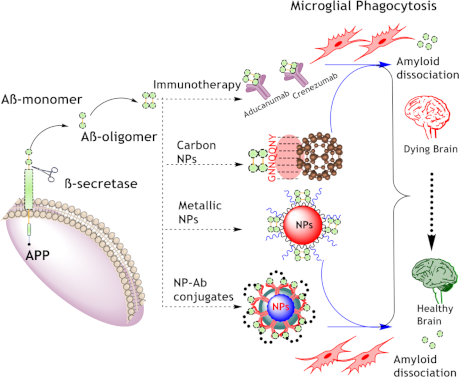
- biosensors for early diagnosis and improving the sensitivity of AβO detection. In imaging, nanoparticles (NPs) can help to visualize localized protein accumulation, complementing existing diagnostic methods. Materials such as carbon-based NMs (e.g., graphene oxide) and metal NPs (e.g., gold and silver
- improved associated neurotoxicity [52]. Shifting from imaging to electrochemical approaches, researchers have developed biosensors comprising immobilized thiolated PrPC peptides on a graphene oxide/gold nanoparticle hydrogel electrode. This nanobiosensor displayed high specificity and sensitivity for
- electrochemical detection of AβOs via a nanobiosensor consisting of gold nanoparticles (AuNPs) embedded in a conductive polymeric matrix. For this, the surface of the AuNPs was further modified with PrPc, which acted as the biorecognition element for the specific detection of AβOs in ex vivo real samples, viz


Functionalized gold nanoflowers on carbon screen-printed electrodes: an electrochemical platform for biosensing hemagglutinin protein of influenza A H1N1 virus
Beilstein J. Nanotechnol. 2025, 16, 540–550, doi:10.3762/bjnano.16.42
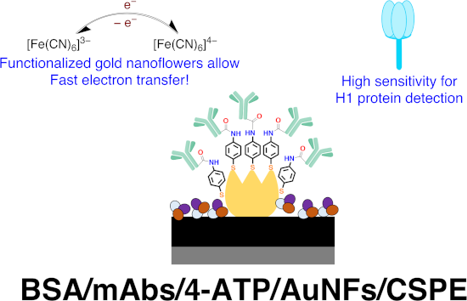
- .16.42 Abstract An electrochemical biosensor based on modified carbon screen-printed electrodes was developed for the detection of hemagglutinin of influenza A H1N1 virus (H1). Gold nanoflowers were electrodeposited on the electrode to increase conductivity and surface area. The electrochemical signal
- was amplified by functionalization of the gold nanoflowers with 4-aminothiophenol, which resulted in a 100-fold decrease of the charge transfer resistance due to a tunneling effect. Subsequently, monoclonal antibodies against H1 were immobilized on the surface via covalent amide bond formation
- transducer system of our biosensor is based on low-cost carbon screen printed electrodes (CSPEs) modified with functionalized gold nanoflowers (AuNFs). The complex morphology and surface functionalization of the nanoparticles with 4-aminothiophenol (4-ATP) significantly increased the surface area and the


Electron beam-based direct writing of nanostructures using a palladium β-ketoesterate complex
Beilstein J. Nanotechnol. 2025, 16, 530–539, doi:10.3762/bjnano.16.41
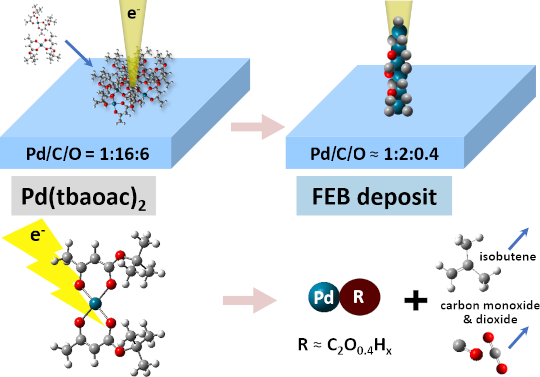
- of a granular deposit at the upper part of the pillar. Similar observations have been reported in a detailed previous study with a dimethyl(acetylacetonate)gold precursor and were attributed to the thermal decomposition of the precursor at the pillar apex due to local heating by energy implantation


Zeolite materials with Ni and Co: synthesis and catalytic potential in the selective hydrogenation of citral
Beilstein J. Nanotechnol. 2025, 16, 520–529, doi:10.3762/bjnano.16.40
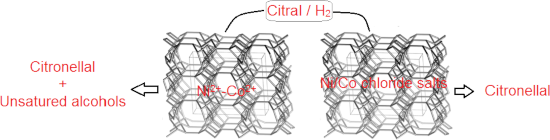
- radiation (λ = 1.5406 Å). Data were collected at a scan speed of 2°/min with a step size of 0.05°. SEM images were acquired using a FEI Nova NanoSEM 450 electron microscope. For this purpose, samples were mounted on holders and coated with a thin layer of gold prior to observation. Temperature-programmed


Effect of additives on the synthesis efficiency of nanoparticles by laser-induced reduction
Beilstein J. Nanotechnol. 2025, 16, 464–472, doi:10.3762/bjnano.16.35
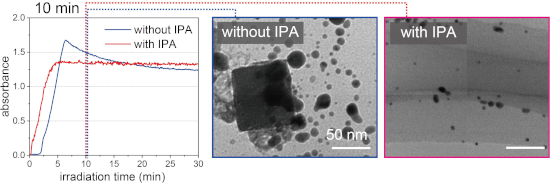
- solution and compared the results with the aim of improving the synthesis efficiency of nanoparticle by LRL. The UV–visible absorption spectrum of the aqueous solution of gold chloride was measured every 5 s during laser irradiation to evaluate the progress of the reaction. Figure 1 shows the results of
- increased in the synthesis of gold nanoparticles using LRL, the reduction reaction caused by laser irradiation does not sufficiently occur under the same laser irradiation conditions. The crystal growth progresses through equilibrium reactions with unreacted ions due to the self-catalytic effect of the
- peak at a wavelength of 300 nm derived from the gold chloride ion was observed (Figure 5a, green). This suggested that the nanoparticle synthesis reaction was not complete even after 30 min of laser irradiation. On the other hand, when 10 vol % glycerin was added, the absorption peak wavelengths of the


Synthetic-polymer-assisted antisense oligonucleotide delivery: targeted approaches for precision disease treatment
Beilstein J. Nanotechnol. 2025, 16, 435–463, doi:10.3762/bjnano.16.34


Quantification of lead through rod-shaped silver-doped zinc oxide nanoparticles using an electrochemical approach
Beilstein J. Nanotechnol. 2025, 16, 422–434, doi:10.3762/bjnano.16.33
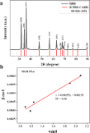
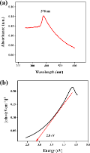
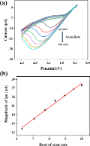
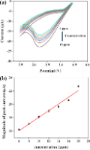
- different types of oxygen species (one at 528 eV due to lattice oxygen of ZnO and another at 530 eV due to presence of surface hydroxy group) [25][26]. Cyclic voltammetry of modified Ag@ZnO nanorods/gold electrode Figure 8 presents the results of an impedance analysis using a frequency-response analyzer
- (FRA) potentiostat on both fabricated Ag–ZnO/Au electrodes and bare gold electrodes. The modified Ag@ZnO NRs electrode exhibits higher impedance than that of the bare gold electrode. This higher impedance leads to better sensitivity, better electron exchange, and can provide more information about the
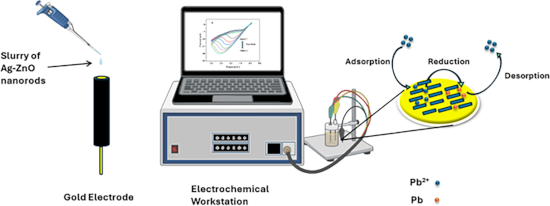
- nanorods was generated and coated onto a gold electrode. The modified electrode was then dried to form a chemical sensor specifically designed for the detection of lead. The performance of the sensor, including sensitivity, correlation coefficient, and detection limit, was evaluated using cyclic





Size control of nanoparticles synthesized by pulsed laser ablation in liquids using donut-shaped beams
Beilstein J. Nanotechnol. 2025, 16, 407–417, doi:10.3762/bjnano.16.31
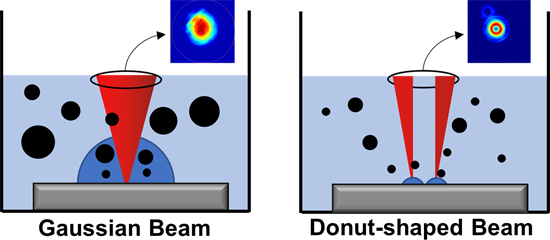
- laser beam. In experiments on pulsed laser ablation in water of gold, yttrium oxide, and high-entropy alloy targets with both Gaussian and donut-shaped beams, we observed a significant reduction in particle size, narrowing of the size distribution width, and an improvement in sphericity when utilizing
- this pioneering study, further investigation with higher temporal and spatial resolution are warranted. Keywords: beam shaping; cavitation bubble; donut beam; gold nanoparticles; high-entropy alloy nanoparticles; nanoparticle size analysis; yttrium oxide nanoparticles; Introduction The demand for
- the size, requiring a monodisperse or at least monomodal size distribution. As an example, gold NPs with a narrow particle size distribution achieve a higher detection sensitivity in sensing applications [9]. Besides, NP size is critical for biomedical applications, where deviations from the optimum


ReactorAFM/STM – dynamic reactions on surfaces at elevated temperature and atmospheric pressure
Beilstein J. Nanotechnol. 2025, 16, 397–406, doi:10.3762/bjnano.16.30
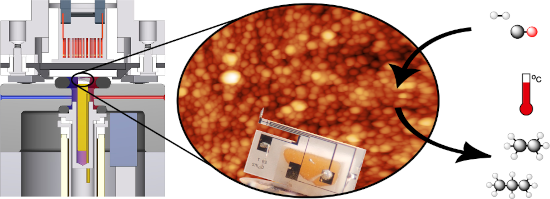
- detection method with a laser diode, which is not compatible with the design limitations of a reactor volume of 95 μL. Figure 3a shows a zoomed-in image of a third-generation M5B qPlus sensor (purchased from Nanosurf). The sensor has four gold electrodes of which three are used for AFM drive and readout
- non-conductive epoxy. The metallic sections are then coated with gold to ensure catalytic inertness and slide over tracks that serve as electrical feedthrough. The wiring from the QTF electrodes to the holder is made with 25 μm-diameter gold wire glued with conductive epoxy (EpoTek H20E). The holder
- a CaCl2 electrolytic solution (CaCl2 5 g, H2O 30 mL, acetone 2 mL). An alternating current (AC) voltage (50 Hz, 1–10 V) is applied between the tip and a gold ring electrode with the etching solution in suspension resulting in a sharp tip, which serves as the probe. In a second step, the etched Pt/Ir


Engineered PEG–PCL nanoparticles enable sensitive and selective detection of sodium dodecyl sulfate: a qualitative and quantitative analysis
Beilstein J. Nanotechnol. 2025, 16, 385–396, doi:10.3762/bjnano.16.29
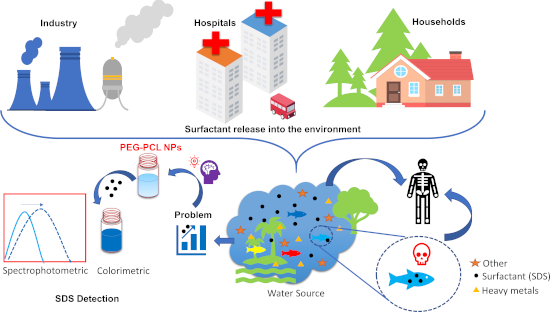
- microscopy (SEM). The nanoparticles obtained from the 10 mg/mL stock solution were diluted 100-fold for the SEM analysis. The slide for SEM imaging was prepared with a sputter coating of gold as a conductive material, followed by the addition of 10 μL of nanoparticles, and air drying. The imaging was


Development of a mucoadhesive drug delivery system and its interaction with gastric cells
Beilstein J. Nanotechnol. 2025, 16, 371–384, doi:10.3762/bjnano.16.28

- with gold (4 nm). STEM micrographs were obtained from one drop of nanoparticle suspension dripped on an ultrathin carbon-coated copper grid. Surface composition of nanoparticles For the analysis of various functional groups on the surface of nanoparticles before and after coating, attenuated total


Pulsed laser in liquid grafting of gold nanoparticle–carbon support composites
Beilstein J. Nanotechnol. 2025, 16, 349–361, doi:10.3762/bjnano.16.26
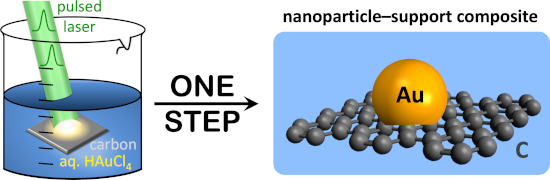
- , University of Rochester, Rochester, New York 14627, United States 10.3762/bjnano.16.26 Abstract We developed a novel pulsed laser-assisted process for the fabrication of advanced composites of nonequilibrium gold nanoparticles on carbon fiber paper supports. Our one-step process integrates the generation of
- nanoparticles with their surface attachment and solves longstanding nanoparticle adhesion and electrical contact issues. Irradiation of hydrophilic carbon fiber paper submerged in aqueous HAuCl4 solution by nanosecond laser pulses produced composites with uniform distribution of gold nanoparticles on carbon
- fibers, taking advantage of the high internal surface area of carbon fiber paper. The pulsed laser-grafted composites exhibited zero measurable charge transfer resistance between gold nanoparticles and the carbon support, leading to superior cathode performance over conventionally prepared electrodes for


Preferential enrichment and extraction of laser-synthesized nanoparticles in organic phases
Beilstein J. Nanotechnol. 2025, 16, 254–263, doi:10.3762/bjnano.16.20
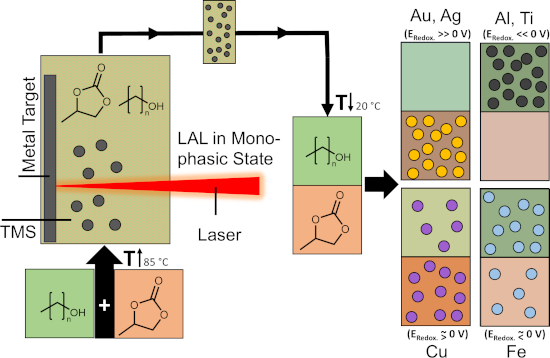
- ) to determine the preferred phase (1-nonanol or propylene carbonate) of the colloidal nanoparticles (Figure 1a,b). For gold and silver, the nanoparticles remained in the propylene carbonate phase, which is the more polar phase, while the nanoparticles made by LAL of aluminum and titanium were found to
- noble metals accumulating in the propylene carbonate phase, while base metals gather in the alcohol phase. The origin of this behavior is likely linked to the chemical composition of the nanoparticle surface. In earlier studies, nanoparticles of the more noble metals (gold, silver, and copper) formed by
- LAL in alcohols, ketones, or aliphatic hydrocarbons exhibited a carbon shell [7][11][52]. These carbon shells were particularly pronounced for gold and copper nanoparticles synthesized in hydrocarbons without a heteroatom. However, differences were found for the LAL in, for example, acetone. The LAL




Radiosensitizing properties of dual-functionalized carbon nanostructures loaded with temozolomide
Beilstein J. Nanotechnol. 2025, 16, 229–251, doi:10.3762/bjnano.16.18
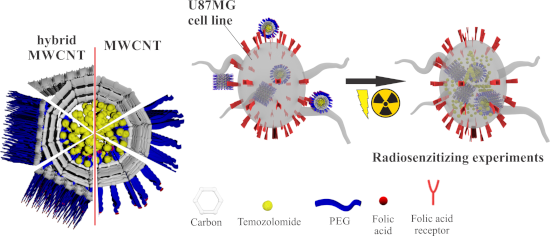
- chemical modifications and/or coupling with hydrophilic polymers. TMZ was successfully incorporated in magnetic NPs [36], mesoporous silica NPs [37], and NPs made of silver [38], zinc oxide [39], and gold [40], all of them showing high accumulation in tumor cells and cytotoxic activity in vitro and in vivo




Recent advances in photothermal nanomaterials for ophthalmic applications
Beilstein J. Nanotechnol. 2025, 16, 195–215, doi:10.3762/bjnano.16.16
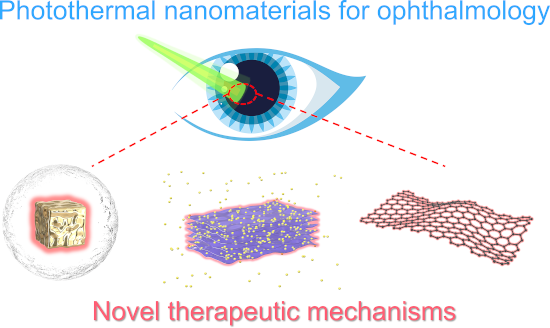
- adjacent healthy cells [109]. After eliminating tumor cells, small gold nanorods can penetrate the blood–brain barrier and be effectively excreted from the body through renal excretion, thereby avoiding the production of VNBs near non-cancerous cells. 3.2 Posterior capsule opacity after cataract surgery
- PAI contrast agents [195][196]. Gold nanorods [197], gold nanostars [198], hollow gold nanocages [199], chains of gold nanoparticles [200], and ultraminiature chain-like gold nanoparticle clusters [201] have been used for the detection of ocular structures such as retinal blood vessels, choroidal


Probing the potential of rare earth elements in the development of new anticancer drugs: single molecule studies
Beilstein J. Nanotechnol. 2025, 16, 187–194, doi:10.3762/bjnano.16.15

- fact that some metals have been successfully used, or are being investigated, as components of chemotherapeutic drugs [9][10], especially platinum [11][12][13][14][15][16] or, alternatively, ruthenium [17], titanium [18], gold, and copper. Here we report the high potential of three rare earth elements


Nanocarriers and macrophage interaction: from a potential hurdle to an alternative therapeutic strategy
Beilstein J. Nanotechnol. 2025, 16, 97–118, doi:10.3762/bjnano.16.10

- such as iron and gold [4][5]. Each material is chosen for its unique properties, such as size, hydrophilicity, and charge, that make it suitable for acting as a drug carrier. NCs can be functionalized on their surface to improve the stability and solubility of high-payload encapsulated cargos, promote
- normal liver tissue [98]. This targeted approach allows for the selective delivery of therapeutic agents to cancer cells, sparing healthy cells and reducing systemic toxicity. For example, gold NPs functionalized with antibodies against GPC3 have been used in photothermal therapy to selectively kill
- ultrastructural changes in macrophages, providing nanoscale insights into inflammation. The efficiency of gold NP (AuNP)-loaded macrophages as a targeted delivery system was tested in an ovalbumin-induced asthma mouse model. Findings showed significant macrophage–NP interactions, highlighting the potential of


Advanced atomic force microscopy techniques V
Beilstein J. Nanotechnol. 2025, 16, 54–56, doi:10.3762/bjnano.16.6

- carry out a more detailed characterization of the optoelectronic properties. Rothhardt et al. map the local work function on graphene nanoribbons [7]. They experimentally investigate the charge transfer between a gold substrate and graphene nanoribbons and compare that to DFT calculations. Indeed, the



