


Search results
Search for "graphite" in Full Text gives 381 result(s) in Beilstein Journal of Nanotechnology. Showing first 200.
Experimental investigation of usage of POE lubricants with Al2O3, graphene or CNT nanoparticles in a refrigeration compressor
Beilstein J. Nanotechnol. 2023, 14, 1041–1058, doi:10.3762/bjnano.14.86
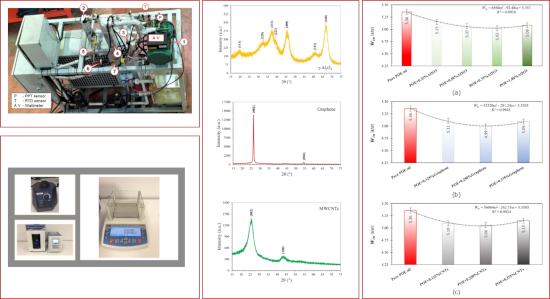
- hexagonal graphite peak for the carbon nanotubes (JCPDS No. 41-1487). These peak placements correspond nicely with previous studies in the literature. Lubricant In this study, nanoparticles were added to the compressor lubricant. The lubricant of the compressor in the test installation was an EMKARATE RL





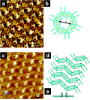
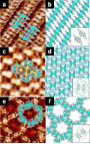
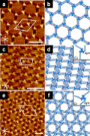
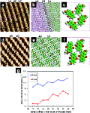
Two-dimensional molecular networks at the solid/liquid interface and the role of alkyl chains in their building blocks
Beilstein J. Nanotechnol. 2023, 14, 872–892, doi:10.3762/bjnano.14.72
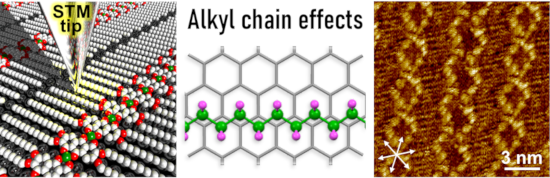
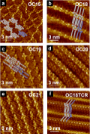
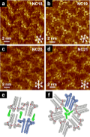
- flat conducting substrates, such as metal surfaces and highly oriented pyrolytic graphite (HOPG), under ultrahigh vacuum (UHV) conditions, at solid/air or solid/liquid interfaces [23][24][25][26][27][28]. Although UHV-STM offers high-resolution imaging, it requires large, complex, and expensive
- ) as a reference can provide precise 2D structures, including intermolecular distances and molecular orientations. To study the adsorption of alkane on graphite, computational simulations such as molecular mechanics and DFT calculations with the local density approximation have been applied [48][49][53
- the entire system. Furthermore, the alkyl chains exhibit lateral interactions upon dense packing, and the dispersion interactions increased by −0.50 kcal/mol per CH2 unit [47]. Although alkyl chains basically follow the HOPG lattice, lattice mismatch between n-alkanes and graphite has been reported









In situ magnesiothermic reduction synthesis of a Ge@C composite for high-performance lithium-ion batterie anodes
Beilstein J. Nanotechnol. 2023, 14, 751–761, doi:10.3762/bjnano.14.62
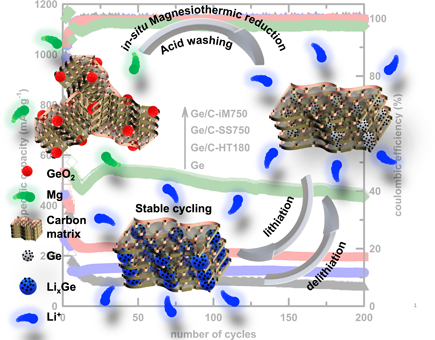
- systems have become the most popular energy storage systems, with applications from mobile devices to EVs and grid-scale storage [8][9]. However, the low specific theoretical capacity of graphite limits the energy density of the commercial LIBs [10][11][12][13]. Germanium, as a lithium alloying material
- , is a possible alternative for graphite electrodes due to its high theoretical capacity of 1623 mAh·g−1 (four times higher than that of graphite) and good rate performance due to high electronic (2.1 S·m−1, 1 × 10⁴ times higher than that of silicon) and ionic (6.51 × 10⁻¹² cm2·s−1, 400 times higher
- Fd−3m, JCPDS card No. 04-0545). There is no observable signal related to the GeO2 precursor. The XRD pattern of the BC-800 carbon material exhibits a diffraction signal at 2θ = 26.3° attributed to the (002) plane of disordered graphite-like carbon. The peaks at 2θ = 28.1° and 44.0° correspond to the


Control of morphology and crystallinity of CNTs in flame synthesis with one-dimensional reaction zone
Beilstein J. Nanotechnol. 2023, 14, 741–750, doi:10.3762/bjnano.14.61
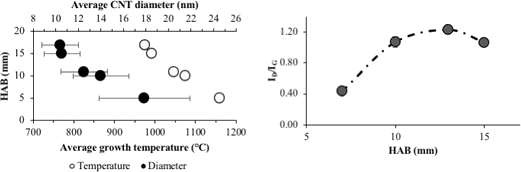
- that the products of both syntheses are MWCNTs. In addition, the broad asymmetric feature in the G band is a property of MWCNTs, rather than of SWCNTs or graphite, which have a double peak or a narrow peak, respectively. The D band (ID) and G band (IG) intensities show an ID/IG ratio of less than 1.00


Cross-sectional Kelvin probe force microscopy on III–V epitaxial multilayer stacks: challenges and perspectives
Beilstein J. Nanotechnol. 2023, 14, 725–737, doi:10.3762/bjnano.14.59
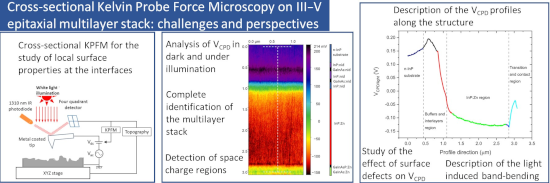
- periodically in the course of the analysis using Equation 1 by measuring the VCPD value of a freshly exfoliated surface of highly ordered pyrolytic graphite (HOPG) with ϕsample being equal to 4.6 eV [19]. The successively measured ϕtip values showed only small variations with values ranging between 5.65 and


On the use of Raman spectroscopy to characterize mass-produced graphene nanoplatelets
Beilstein J. Nanotechnol. 2023, 14, 509–521, doi:10.3762/bjnano.14.42
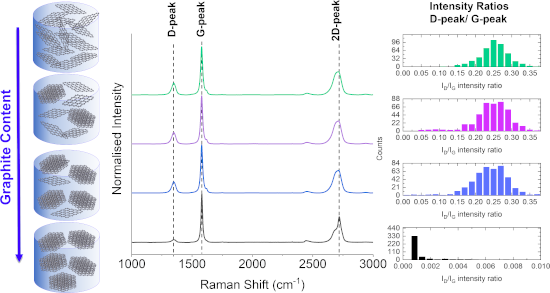
- separation of unexfoliated materials. In this work we assess these metrics when applied to non-ideal samples, where unexfoliated graphite has been deliberately added to the exfoliated material. We demonstrate that previously published metrics, when applied to averaged spectra, do not allow the presence of
- particular the absence of graphite or nanoscale graphite. It is important to recall that graphene has been defined as a “single layer of carbon atoms with each atom bound to three neighbours in a honeycomb structure” with materials with more than one layer defined as “few-layer graphene” or “graphene
- nanoplatelets” [6]. This assessment is generally based on examining the shape of the so-called 2D peak (ca. 2700 cm−1), which, for Bernal stacking, shows clear changes on going from single-layer through few-layer graphene to graphite [19]. Bulk graphite typically shows a signal comprising two components


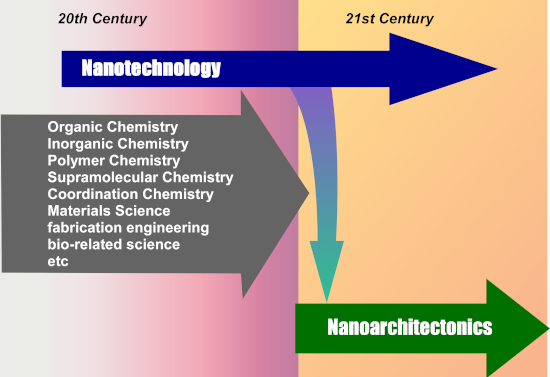
Molecular nanoarchitectonics: unification of nanotechnology and molecular/materials science
Beilstein J. Nanotechnol. 2023, 14, 434–453, doi:10.3762/bjnano.14.35
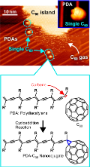
- creating a self-assembled monolayer of a diacetylene compound (10,12-nonacosazinoic acid) adsorbed on a graphite surface and biased with a scanning tunneling microscope probe [111]. By positioning the probe at a specific site, the polymerization of the chains was induced within defined small regions, and





Plasmonic nanotechnology for photothermal applications – an evaluation
Beilstein J. Nanotechnol. 2023, 14, 380–419, doi:10.3762/bjnano.14.33
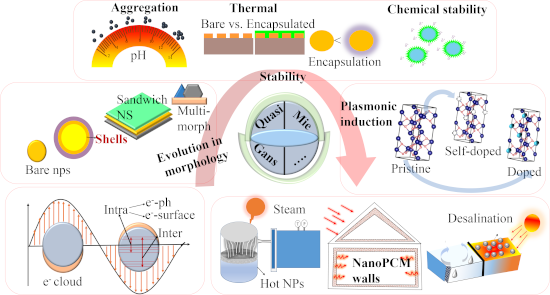
- graphite and CNTs [101][102][103]. Excellent reviews on properties relevant to PT heating such as the relaxation dynamics, field distributions during SPR, shape and volume effects, and the optimal configuration of Au and Au-based nanomaterials in PT heating systems further support this view [87][104




Liquid phase exfoliation of talc: effect of the medium on flake size and shape
Beilstein J. Nanotechnol. 2023, 14, 68–78, doi:10.3762/bjnano.14.8
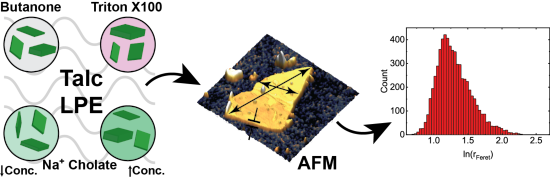
- graphite monochromator using Cu Kα radiation (1.54056 Å) in the Bragg–Brentano geometry (θ/2θ). Talc liquid-phase exfoliation. Before submitting the material to the liquid exfoliation process, a purification step was performed to remove any contaminations [11]. Talc powder was sonicated for 1 h in



Atmospheric water harvesting using functionalized carbon nanocones
Beilstein J. Nanotechnol. 2023, 14, 1–10, doi:10.3762/bjnano.14.1
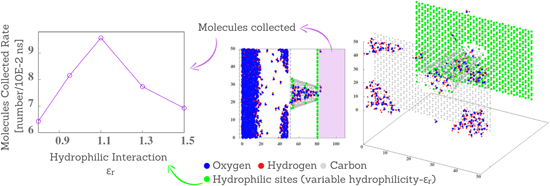
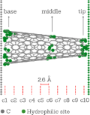
- diameter and 40–50 nm in length. They occur on the surface of natural graphite. Void CNCs can be produced, for example, by decomposing hydrocarbons with a plasma torch [34]. Other simple techniques of production [35] and reduction [36] have also been recently developed. CNCs are completely hydrophobic, but




A TiO2@MWCNTs nanocomposite photoanode for solar-driven water splitting
Beilstein J. Nanotechnol. 2022, 13, 1520–1530, doi:10.3762/bjnano.13.125
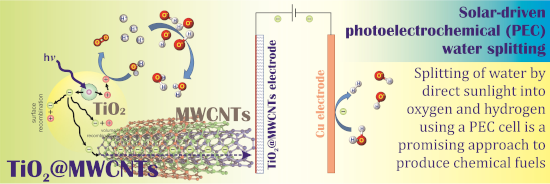
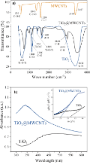
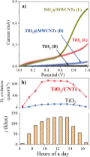
- 42.6° correspond to the d-spacing between graphene sheets and the lateral correlation of graphite layers, which is presentative for MWCNTs [27]. Additionally, the XRD pattern of TiO2 exhibits peaks at 25.4° and 48.2°, ascribed to the anatase phase, while the other peaks at 27.6° and 36.2° are



Hydroxyapatite–bioglass nanocomposites: Structural, mechanical, and biological aspects
Beilstein J. Nanotechnol. 2022, 13, 1490–1504, doi:10.3762/bjnano.13.123
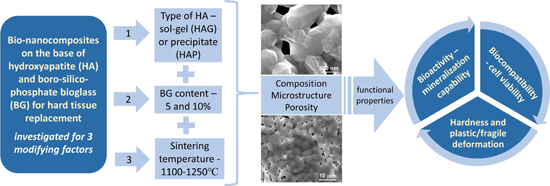
- melting temperature of 1200 °C, where the mixture maintained for 0.5 h. To obtain a homogeneous glass, an alumina stirrer homogenized the melt at 200–240 rpm. (iv) Casting, that is, the melt was cast into graphite molds, previously preheated at 1.1 Tg. (v) Cooling of the glass in air. (vi) Grinding the
Structural studies and selected physical investigations of LiCoO2 obtained by combustion synthesis
Beilstein J. Nanotechnol. 2022, 13, 1473–1482, doi:10.3762/bjnano.13.121
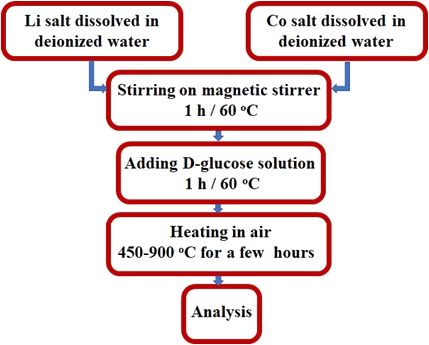
- lithium cells in 1979 by researchers from Oxford University [1]. The cell consisted of LCO, which was used as the cathode material, and metallic lithium, which was used as the anode material. In 1985, it was proposed to replace the Li metal in the negative electrode with the carbonaceous material graphite
- cathode and a graphite anode immersed in a lithium-ion conducting electrolyte, which is 1 M lithium hexafluorophosphate LiPF6 in a 1:1 (v/v) mixture of ethylene and dimethyl carbonate. Most commercial Li-ion cells are used to power portable devices, including mobile phones, laptops, and cameras [5][6][7
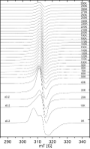
- also observed using this microscope. The SEM images show the morphology of the LiCoO2 obtained at different synthesis temperatures. Before analysis, the samples were sputtered with graphite to improve the electrical contact. All samples were observed at 1 kV. EPR analysis Electron paramagnetic




Recent trends in Bi-based nanomaterials: challenges, fabrication, enhancement techniques, and environmental applications
Beilstein J. Nanotechnol. 2022, 13, 1316–1336, doi:10.3762/bjnano.13.109
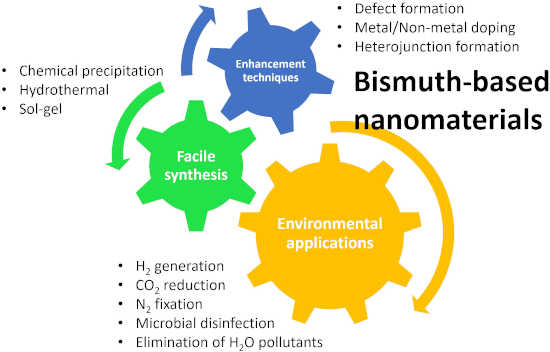
- turn helps to foster the movement of photogenerated carriers. Furthermore, the high photocatalytic activity of the BiOI/Bi2O2CO3/RGO composite can be attributed to the fact that the positively charged BiOI/Bi2O2CO3 was electrostatically paired with the negatively charged graphite oxide (GO) to form




Recent advances in green carbon dots (2015–2022): synthesis, metal ion sensing, and biological applications
Beilstein J. Nanotechnol. 2022, 13, 1068–1107, doi:10.3762/bjnano.13.93
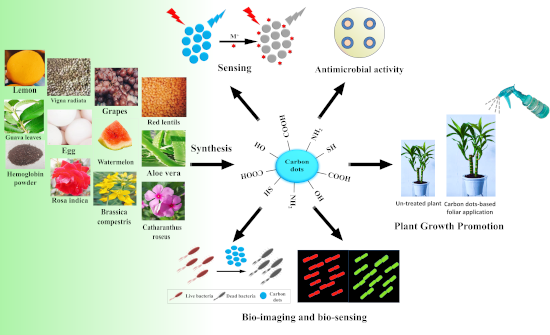
- glycol [6], phytic acid [7], phenylenediamine [8], ammonium citrate [9], citric acid [10], ethylene diamine tetra acetic acid [11], carbon nanotubes [12], and graphite [13]. Additionally, graphite, nanodiamonds, and activated carbon can be applied as precursor for the fabrication of CDs [14]. Meanwhile
- synthetic pathways for the formation of CDs, that is, “top-down” and “bottom-up” methods. In the top-down method, large carbon structures (such as carbon nanotubes or graphite) are decomposed into CDs. The top-down methods include arc discharge, laser abrasion [24], chemical and electrochemical oxidation
- have a good QY up to 48.5% and emit strong blue fluorescence [122]. Soni et al. synthesized CDs, co-doped with nitrogen and sulfur, from palm shell powder as a natural precursor with trifilic acid. The obtained CDs had a graphite-like structure, a narrow size distribution, and showed intense green




Design of a biomimetic, small-scale artificial leaf surface for the study of environmental interactions
Beilstein J. Nanotechnol. 2022, 13, 944–957, doi:10.3762/bjnano.13.83
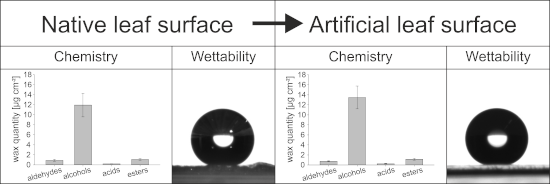
- individual plates were not formed directly on the substrate, but stood on a granular layer. Koch et al. [20] demonstrated that on non-polar substrates, such as highly ordered pyrolytic graphite, wax composed of primary alcohols recrystallize into platelets, as on the wheat leaves. Even though the
Optimizing PMMA solutions to suppress contamination in the transfer of CVD graphene for batch production
Beilstein J. Nanotechnol. 2022, 13, 796–806, doi:10.3762/bjnano.13.70
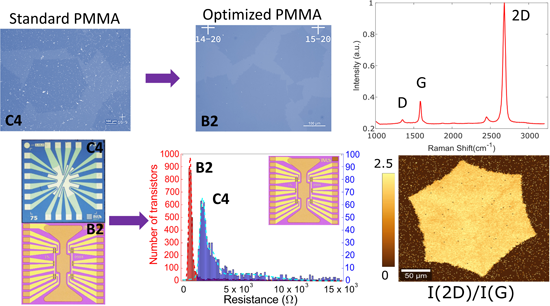
- a low-pressure CVD system (CVD First Nano, EasyTube 3000). A 25 µm thick annealed Cu foil (Alfa Aesar, purity 99.8%), serving as a metal catalyst, was placed in a graphite enclosed cavity during the whole process. The temperature for annealing and growth was kept stable at 1040 °C by PID thermal




A nonenzymatic reduced graphene oxide-based nanosensor for parathion
Beilstein J. Nanotechnol. 2022, 13, 730–744, doi:10.3762/bjnano.13.65
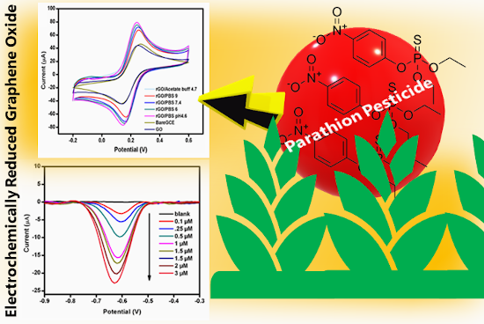
- , 7.4, 9). Acetate buffer (20 mM, pH 4.5), and Britton–Robinson (BR) buffer (40 mM, pH 4) consisting of phosphoric acid, boric acid, and acetic acid were also prepared. Synthesis of graphene oxide Graphene oxide was synthesized from graphite powder using a modified Hummer’s method [30][31]. In detail
- , 100 mg of sodium nitrate (Merck) was added to 250 mg of graphite powder (Alfa Aesar) and further acidified with ≈5 mL of concentrated sulfuric acid (Merck) at a temperature range of 0–5 °C followed by vigorous stirring. In the next step, 600 mg of KMnO4 (Merck) was sequentially added to the
- graphite nature of GO. This confirms that the oxygen functional groups were removed from the graphene layers by electrochemical reduction of GO, decreasing the interspacing distance between graphene layers which facilitates electron transport. Thus, the conductivity of ERGO was enhanced compared to that of


Reliable fabrication of transparent conducting films by cascade centrifugation and Langmuir–Blodgett deposition of electrochemically exfoliated graphene
Beilstein J. Nanotechnol. 2022, 13, 666–674, doi:10.3762/bjnano.13.58
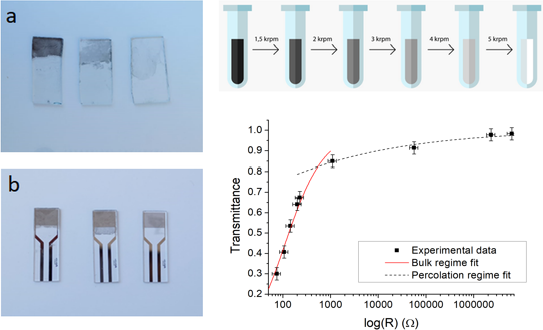
- ) [3][4][5][6][7], epitaxial growth on different substrates [8][9], and the chemical reduction of graphene oxide (GO) [10][11]. In 2008, production of graphene by liquid-phase exfoliation (LPE) of graphite through sonication of graphite powder in N-methylpyrrolidone (NMP) was first proposed by Coleman
- electrochemical exfoliation, whereby graphene is exfoliated in an electrolyte from an electrode made of graphite [19]. In electrochemical exfoliation, ions from the electrolyte flow towards the graphite electrode and intercalate between the graphene layers. The electrochemical reaction provides a driving force to


Tubular glassy carbon microneedles with fullerene-like tips for biomedical applications
Beilstein J. Nanotechnol. 2022, 13, 455–461, doi:10.3762/bjnano.13.38
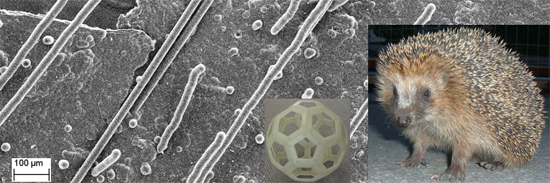
- allotrope of carbon, which combines glassy and ceramic properties with those associated with graphite and has been of scientific and technological interest for over fifty years. Glassy carbon has good electrical and thermal conductivities, excellent chemical stability, and good biocompatibility, which has
- , it results from the curvature of the glassy carbon tubules. The G-band, the so-called graphitic or tangential band, is characteristic of graphite and originates from the in-plane tangential stretching of the C–C bonds. The intensity of the D-band is much higher than that of the G-band, showing the
- graphitic carbon with long-range crystalline order. The interlayer spacing is calculated to have a d-spacing of 4.89 Å. Table 1 shows the interlayer spacing of graphite and other selected carbon materials and is further evidence that the tubules are glassy carbon. In Table 1, the interlayer spacing data


Low-energy electron interaction and focused electron beam-induced deposition of molybdenum hexacarbonyl (Mo(CO)6)
Beilstein J. Nanotechnol. 2022, 13, 182–191, doi:10.3762/bjnano.13.13
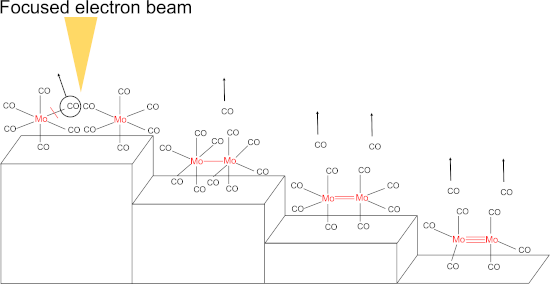
- decomposition leading to the formation of W(VI) oxide and graphite. This is consistent with an initial DEA step rather than DI leading to partial CO loss while the further, slower decomposition lacks the loss and desorption of intact ligands and is rather dominated by ligand decomposition through DI and surface


Nanoscale friction and wear of a polymer coated with graphene
Beilstein J. Nanotechnol. 2022, 13, 63–73, doi:10.3762/bjnano.13.4
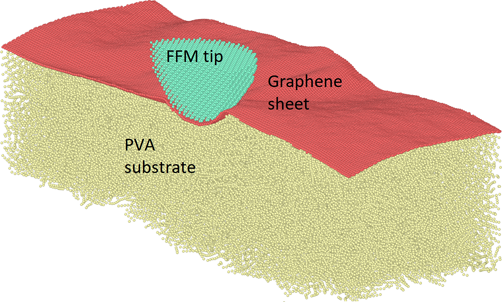
- mechanical properties were already being utilised in engineering applications. Graphite powder, essentially thick flakes of graphene, has been used as a lubricant additive for over a century to reduce wear and friction during sliding [5][6][7]. Nevertheless, we still do not understand the wide variety of


Sputtering onto liquids: a critical review
Beilstein J. Nanotechnol. 2022, 13, 10–53, doi:10.3762/bjnano.13.2






Two dynamic modes to streamline challenging atomic force microscopy measurements
Beilstein J. Nanotechnol. 2021, 12, 1226–1236, doi:10.3762/bjnano.12.90
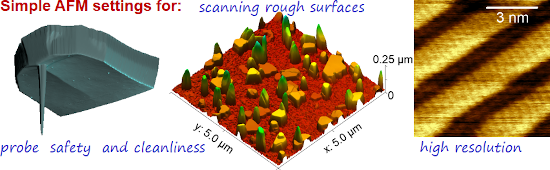
- oriented pyrolytic graphite. The lamellar structure with a period of about 4 nm is clearly visible. It is interesting to note that in this case, when reducing the scanning area, it was possible to see (in the frequency channel) the location of molecular chains with a period of 0.7 nm. Such a high
- . AFM image of the tip on a test grating TGT1 (a); time of the measurement at a point (b). Dissipation mode. Self-organization of palmityl palmitate on graphite. Topography (a, b) and shift of the resonant frequency of the probe (c, d). Supporting Information Supporting Information File 80: Additional


The effect of cobalt on morphology, structure, and ORR activity of electrospun carbon fibre mats in aqueous alkaline environments
Beilstein J. Nanotechnol. 2021, 12, 1173–1186, doi:10.3762/bjnano.12.87
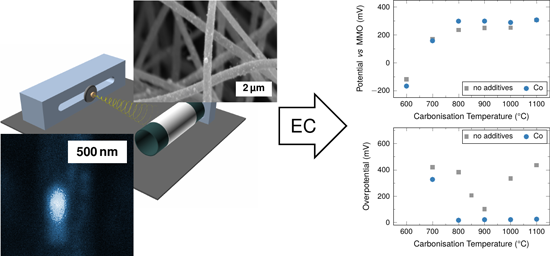
- spectroscopy, elemental analysis, and inductively coupled plasma optical emission spectrometry are used for characterisation. The modified fibre system is compared to a benchmark system without cobalt additives. Cobalt is known to catalyse the formation of graphite in carbonaceous materials at elevated
- -rolling at 120 °C directly onto the mat without an additional current collector. Physical characterisation SEM images were recorded using a Quanta FEG 650 (FEI Europe) with an acceleration voltage of 5 kV. The samples were attached to the sample holder using double-sided graphite tape. Conductivity was
- further improved by applying a copper tape connecting the sample and the graphite tape. To identify the particles decorating the nanofibres, EDX was performed using an Octane Super EDX detector (EDAX). The programme “monte CArlo SImulation of electroN trajectory in sOlids” (CASINO) [23], which simulates





