


Search results
Search for "hydrogels" in Full Text gives 73 result(s) in Beilstein Journal of Nanotechnology.
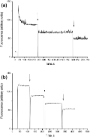
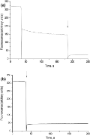
Wearable, stable, highly sensitive hydrogel–graphene strain sensors
Beilstein J. Nanotechnol. 2019, 10, 475–480, doi:10.3762/bjnano.10.47
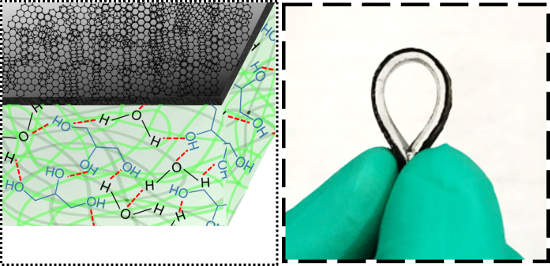
- human skin has impeded further integration as a wearable sensing component [7]. Hydrogels, with mechanical properties like biological tissues and consisting of three-dimensional polymer networks that can retain a large amount of water, can serve as ideal vehicles for wearable devices [8][9]. Several
- composite material. The hydrogel, which is capable of withstanding relatively high temperature, was synthesized by the copolymerization of acrylic acid (AA) and acrylamide (AM) monomer in the water/glycerol solvent system under irradiation with UV light. A common problem of the reported hydrogels is the
- the uniaxial tensile strain–stress curves of the hydrogels fabricated with (WG-hydrogel) and without glycerol (W-hydrogel). Under the same strain, the WG-hydrogel shows less stress in the two strain–stress curves, indicating that including the glycerol provides the hydrogel with higher softness, thus


Anchoring Fe3O4 nanoparticles in a reduced graphene oxide aerogel matrix via polydopamine coating
Beilstein J. Nanotechnol. 2018, 9, 591–601, doi:10.3762/bjnano.9.55
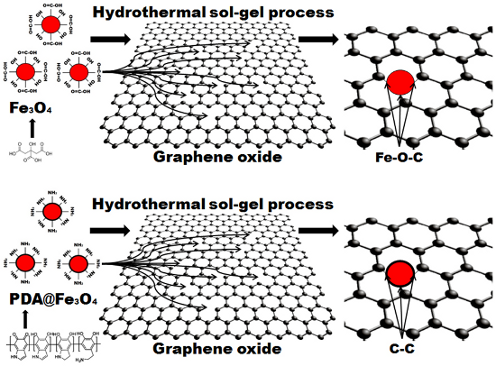
- held in furnace at 180 °C (ramp 10 °C/min) for 2 hours. During hydrogel formation, the GO undergoes reduction. Therefore, further GO hydro-, alco- and aerogels are called reduced GO (rGO). As obtained rGO hydrogels underwent solvent exchange with subsequent 25%, 50%, 75%, 96%, 99.8% ethanol solutions


Liquid-crystalline nanoarchitectures for tissue engineering
Beilstein J. Nanotechnol. 2018, 9, 205–215, doi:10.3762/bjnano.9.22
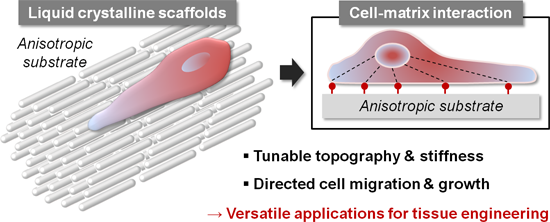
- modulus, porosity, surface roughness, and local anisotropy [102]. LC hydrogels and implants in nematic and smectic-A phases LC-ordered anisotropic gels have great potential to be directly applied to regenerative medicine therapeutics, due to their intrinsic tissue compatibility. Thermally or
- been reported [106]. Lamellar phase PLA-b-PEG-b-PLA hydrogels can be made to exhibit better biodegradability and higher swelling behavior than isotropic gels for medical purposes [107]. Thermotropic copolyester materials in nematic order can be also synthesized to be used as a bioresorbable and tissue


Luminescent supramolecular hydrogels from a tripeptide and nitrogen-doped carbon nanodots
Beilstein J. Nanotechnol. 2017, 8, 1553–1562, doi:10.3762/bjnano.8.157
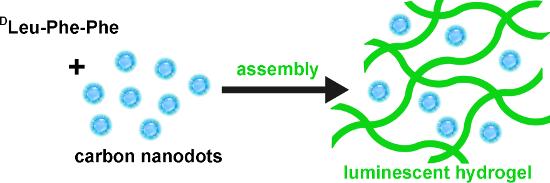
- 10.3762/bjnano.8.157 Abstract The combination of different components such as carbon nanostructures and organic gelators into composite nanostructured hydrogels is attracting wide interest for a variety of applications, including sensing and biomaterials. In particular, both supramolecular hydrogels that
- are formed from unprotected D,L-tripeptides bearing the Phe-Phe motif and nitrogen-doped carbon nanodots (NCNDs) are promising materials for biological use. In this work, they were combined to obtain luminescent, supramolecular hydrogels at physiological conditions. The self-assembly of a tripeptide
- upon application of a pH trigger was studied in the presence of NCNDs to evaluate effects at the supramolecular level. Luminescent hydrogels were obtained whereby NCND addition allowed the rheological properties to be fine-tuned and led to an overall more homogeneous system composed of thinner fibrils


Micro- and nano-surface structures based on vapor-deposited polymers
Beilstein J. Nanotechnol. 2017, 8, 1366–1374, doi:10.3762/bjnano.8.138
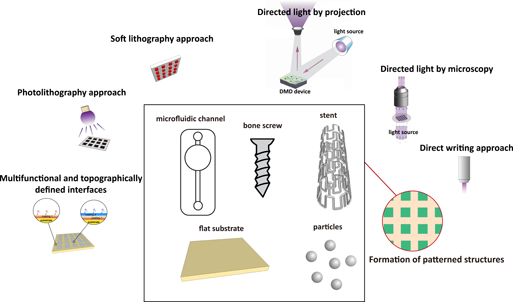
- microstructures of PEG hydrogels [22]. In a separate report, this photodefinable polymer was used to pattern protein molecules using a photomask-assisted lithographical approach [23]. Recently, surface patterns were enabled via light-induced thiol-ene/thiol-yne reactions on a poly(4-vinyl-p-xylylene-co-p-xylylene


Recombinant DNA technology and click chemistry: a powerful combination for generating a hybrid elastin-like-statherin hydrogel to control calcium phosphate mineralization
Beilstein J. Nanotechnol. 2017, 8, 772–783, doi:10.3762/bjnano.8.80
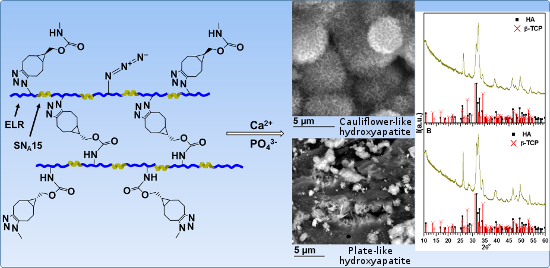
- bind to and nucleate calcium phosphate. The benefit of using click chemistry is that the hybrid elastin-like-statherin recombinamers cross-link without losing their fibrillar structure. Mineralization of the resulting hybrid elastin-like-statherin recombinamer hydrogels with calcium phosphate is
- distinct charge distribution endows this domain a high affinity for HA [36][37]. The use of click reactions – e.g., cycloadditions – to cross-link hybrid elastin-like-SNA15 recombinamers synthesized at the gene level, and prepare chemical hydrogels, is considered to be highly successful, since the groups
- required for cycloaddition – azides and terminal alkynes – are easily introduced [24][25][26][38]. The reaction conditions for biomedical and pharmaceutical applications are preferably mild and typically performed in water to ensure that the biological structures do not lose their function. Hydrogels can



Vapor deposition routes to conformal polymer thin films
Beilstein J. Nanotechnol. 2017, 8, 723–735, doi:10.3762/bjnano.8.76
- millimeter length scales, as summarized in Table 1. These films have found utility in a diverse array of applications. Several biological applications have found uses for vapor deposited polymer thin films. For instance, Baxamusa et al. used iCVD to deposit conformal poly(hydroxyethyl methacrylate) hydrogels


Nanoscale isoindigo-carriers: self-assembly and tunable properties
Beilstein J. Nanotechnol. 2017, 8, 313–324, doi:10.3762/bjnano.8.34
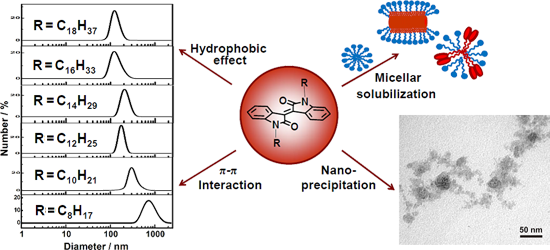
- , hyaluronic acid, and heparin, also amphiphilic prodrugs, and supramolecular hydrogels) [38][39][40]. One of the main strategies deals with the creation of self-assembled supramolecular structures with tunable morphologies (e.g., nanospheres, rods, nanofibers or nanotubes) adapted to the administration route




Controlled supramolecular structure of guanosine monophosphate in the interlayer space of layered double hydroxide
Beilstein J. Nanotechnol. 2016, 7, 1928–1935, doi:10.3762/bjnano.7.184
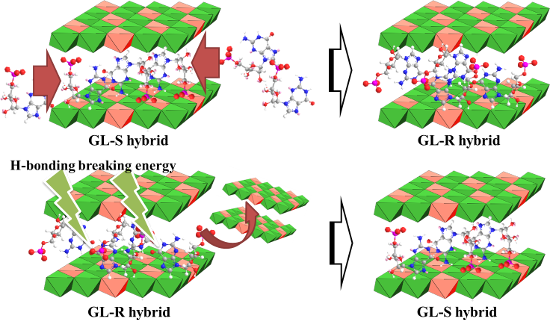
- derivatives through hydrogen bonding [8]. They suggested those supramolecular nucleoside structures could be utilized for molecular nanowire fabrication or molecular electronics. Davis et al. prepared stable G4 hydrogels utilizing guanosine, potassium and borate [9]. Those hydrogels exhibited specific binding


Nano- and microstructured materials for in vitro studies of the physiology of vascular cells
Beilstein J. Nanotechnol. 2016, 7, 1620–1641, doi:10.3762/bjnano.7.155
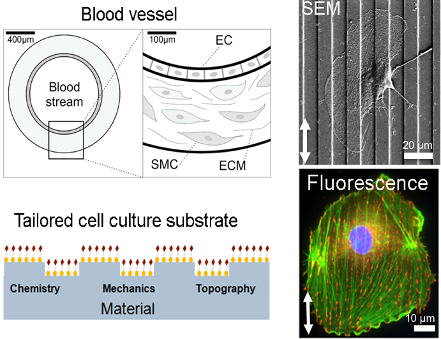
- produce and their stiffness can be tuned over a wide range (from few tens of pascals to mega- or gigapascals). PEG-DA hydrogels consists of a polymer of ethylene glycol diacrylate monomers [48][161]. By varying the length of the polymer and its ratio with a crosslinker molecule the pore size of the
- hydrogel and thus its stiffness can be varied. Their elasticity can be tuned over a wide range from below 1 kPa to above 100 MPa [79]. An additional feature of PEG hydrogels is their low protein absorption. This characteristic makes them often to the coating material of choice when surfaces need to have
- low protein absorption [36][162][163]. Commonly used in cell culture experiments are PAA hydrogels [50][114][115][116]. They are made of acrylamide (the monomer), bis(acrylamide) (the crosslinker molecule) and a photoinitiator, which triggers polymerization. By varying the ratio between monomer



Viability and proliferation of endothelial cells upon exposure to GaN nanoparticles
Beilstein J. Nanotechnol. 2016, 7, 1330–1337, doi:10.3762/bjnano.7.124
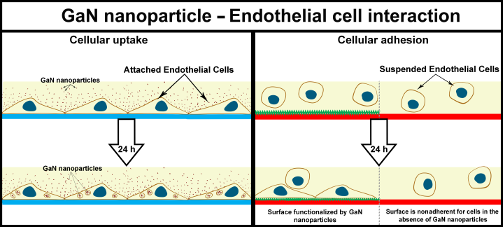
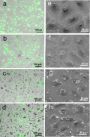
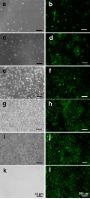
- multifunctional and hybrid “smart materials” for biological and medical applications is of paramount importance [1]. Biomaterial research is closely associated with the development of chemical/biochemical sensors, hydrogels, membranes, and artificial organs, and is utilized in applications such as the recognition



Green and energy-efficient methods for the production of metallic nanoparticles
Beilstein J. Nanotechnol. 2015, 6, 2354–2376, doi:10.3762/bjnano.6.243
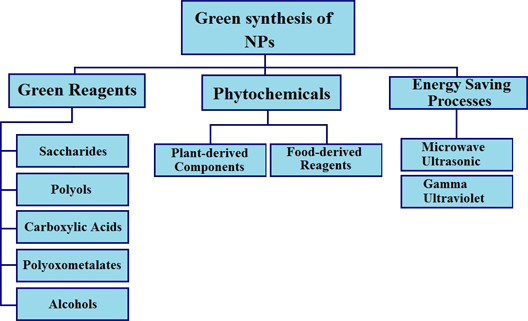
- cellulose hydrogels to synthesize and stabilize Ag, Au, and Pt NPs through hydrothermal process. They found that by increasing AgNO3 concentration, the particles size increases gradually from 8 to 11.4 nm at 80 °C and 24 h. Also, reaction time and temperature had direct influence on particle size. The


Nanofibers for drug delivery – incorporation and release of model molecules, influence of molecular weight and polymer structure
Beilstein J. Nanotechnol. 2015, 6, 1939–1945, doi:10.3762/bjnano.6.198
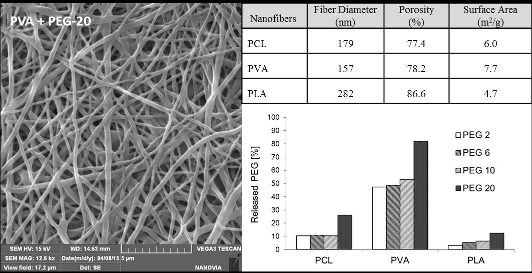
- ; nanofibrous carriers; needle-free electrospinning; release kinetics; Introduction To date, numerous drug delivery systems have been developed, such as hydrogels that carry drugs or highly sophisticated electronic microchips [1][2]. The required release rates of the therapeutic agents depend on the medicinal



Applications of three-dimensional carbon nanotube networks
Beilstein J. Nanotechnol. 2015, 6, 792–798, doi:10.3762/bjnano.6.82
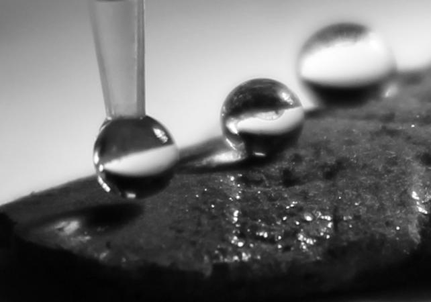
- architectures rather than two-dimensional ones because of the increase of active surface area throughout the entire 3D structure. Hydrogels, organogels, and aerogels based on silica [1] or carbon [2] and consisting of micro-, and macroscopic assemblies are reported in the literature. In particular, self


Filling of carbon nanotubes and nanofibres
Beilstein J. Nanotechnol. 2015, 6, 508–516, doi:10.3762/bjnano.6.53
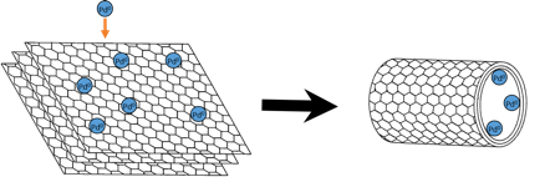
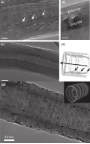
- materials (such as hydrogels) for cartilage replacement. Most interest in the filling of VGCNFs is due to their unique internal structure, which allows for the alignment of atoms along the ridges of the graphene sheets [38], as shown in Figure 3. The internal structure has been demonstrated to be a good
- the following properties: (1) selective drug delivery using nanostructures, which is important for the development of nano-sized needles or patches for the localised treatment of diseases; (2) autonomic healing of polymeric materials, such as tough hydrogels, which is important for load-bearing


Multifunctional layered magnetic composites
Beilstein J. Nanotechnol. 2015, 6, 134–148, doi:10.3762/bjnano.6.13
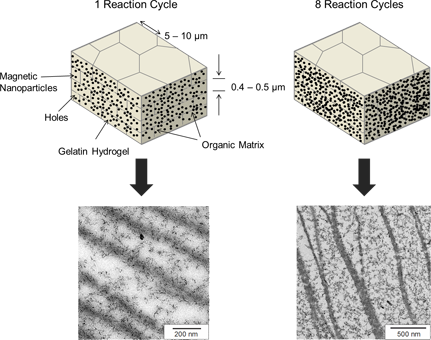
- method following the reaction: This procedure can be repeated several times in order to obtain the desired degree of mineralization. We already reported a similar synthesis protocol for gelatin-based magnetic hydrogels [34] and now transfer these synthesis principles into the insoluble organic nacre
- already reported before for the synthesis of gelatin-based magnetic hydrogels [34]. Similar results can be obtained for the analysis of magnetite nanoparticles prepared by a co-precipitation method in water [40][41][42]. In order to determine the effect of varying mineral content onto the magnetic
- magnetite nanoparticles, which act as additional crosslinkers in the gelatin hydrogel. This effect was discovered before for the studies of magnetic hydrogels [34] and shows similar values for the swelling degree. We can conclude that the gelatin hydrogel as well as the magnetic hydrogel do not change their





Functionalization of α-synuclein fibrils
Beilstein J. Nanotechnol. 2015, 6, 124–133, doi:10.3762/bjnano.6.12
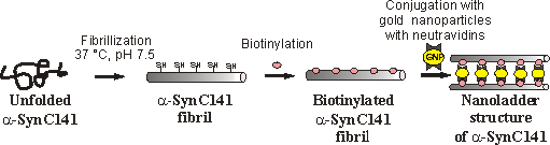
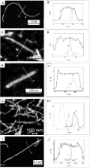
- ]. These natural building blocks with a wide range of modifiable properties have become very attractive tools for applications in biotechnology, material science, molecular electronics and related fields [6]. A variety of nanostructures, including nanotubes, nanospheres, nanofibers, nanotapes and hydrogels


Biopolymer colloids for controlling and templating inorganic synthesis
Beilstein J. Nanotechnol. 2014, 5, 2129–2138, doi:10.3762/bjnano.5.222
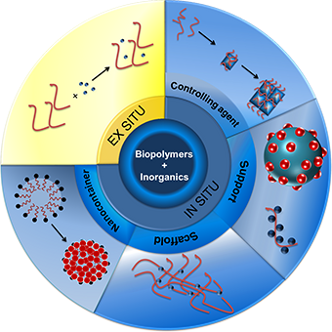
- biopolymers can be useful for designing inorganic and inorganic/organic materials, including the ex situ synthesis and the different cases of the in situ formation, further classified in the corresponding section below. Review Ex situ formation of the inorganic material Hydrogels, such as those based on the
- component takes place. On the other hand, the presence of functional groups such as carboxylic, amino or phosphate groups can provide a high ability to bind metal ions or to interact with growing crystal faces, influencing nucleation and growth. Hydrogels, such as those formed with chitosan or gelatin, are


Carbon-based smart nanomaterials in biomedicine and neuroengineering
Beilstein J. Nanotechnol. 2014, 5, 1849–1863, doi:10.3762/bjnano.5.196
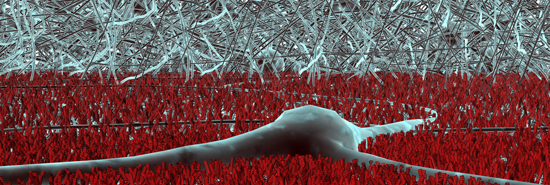
- localise in the lungs, liver and spleen [79], and that the urinary system excrete them [80]. Hydrogels and thin-films based on NDs have also been used as drug delivery systems by virtue of their ease of surface functionalisation and small size. They have been reported for successfully delivering several


Controlling mechanical properties of bio-inspired hydrogels by modulating nano-scale, inter-polymeric junctions
Beilstein J. Nanotechnol. 2014, 5, 887–894, doi:10.3762/bjnano.5.101
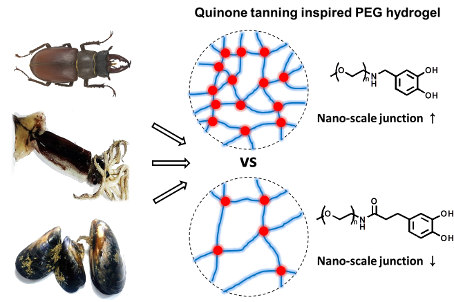
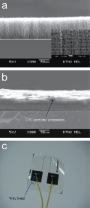
- of gelation kinetics and mechanical properties of PEG hydrogels compared to results obtained by using PEGs in the absence of amine groups. Therefore, the study provides new insight into designing new crosslinking chemistry for controlling nano-scale chemical reactions that can broaden unique
- properties of bulk hydrogels. Keywords: catechols; hydrogels; poly(ethylene glycol)s; quinone tanning; Introduction Water-resistant adhesives secreted by marine mussels, stiff cuticles synthesized by insects, and sharp beaks found in squids appear to be drastically different biomaterials (Figure 1a–c) [1
- ) (PEG) and pluronic hydrogels have been reported [22][23][24][25][26]. However, most previous work utilized catechol–catechol crosslinking by using catechol end-functionalized polymers, which limits the control of important variables in hydrogels such as gelation kinetics and mechanical properties



Manipulation of isolated brain nerve terminals by an external magnetic field using D-mannose-coated γ-Fe2O3 nano-sized particles and assessment of their effects on glutamate transport
Beilstein J. Nanotechnol. 2014, 5, 778–788, doi:10.3762/bjnano.5.90
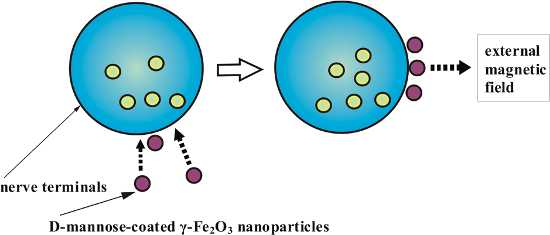
- ]. In addition, D-mannose-bound poly(2-hydroxyethyl methacrylate) hydrogels support the adhesion of keratinocytes (epidermal cells) and their subsequent cultivation in the absence of feeder cells [11]. Therefore, D-mannose was selected to coat the iron oxide nanoparticles. Recently, it was demonstrated



Biocalcite, a multifunctional inorganic polymer: Building block for calcareous sponge spicules and bioseed for the synthesis of calcium phosphate-based bone
Beilstein J. Nanotechnol. 2014, 5, 610–621, doi:10.3762/bjnano.5.72
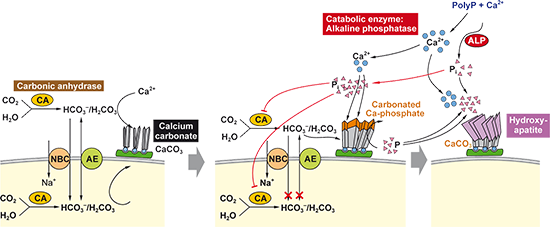
- /glutamic acid-rich sponge-specific protein. The discovery that calcium carbonate crystals act as bioseeds in human bone formation may allow the development of novel biomimetic scaffolds for bone tissue engineering. Na-alginate hydrogels, enriched with biosilica, have recently been demonstrated as a



Molecular dynamics simulations of mechanical failure in polymorphic arrangements of amyloid fibrils containing structural defects
Beilstein J. Nanotechnol. 2013, 4, 429–440, doi:10.3762/bjnano.4.50
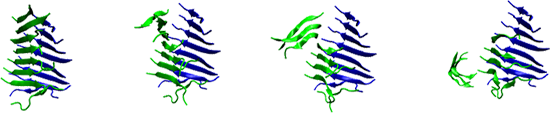
- , however, properties such as self-assembly and robustness have increasingly made them attractive candidates for use in nanotechnological applications [2][3] that range from conducting nanowires [4], to drug-delivery devices [5], structural scaffolds [6][7] and functionalised hydrogels [8]. A central theme





