


Search results
Search for "immobilization" in Full Text gives 127 result(s) in Beilstein Journal of Nanotechnology.
Photoactive nanoarchitectures based on clays incorporating TiO2 and ZnO nanoparticles
Beilstein J. Nanotechnol. 2019, 10, 1140–1156, doi:10.3762/bjnano.10.114
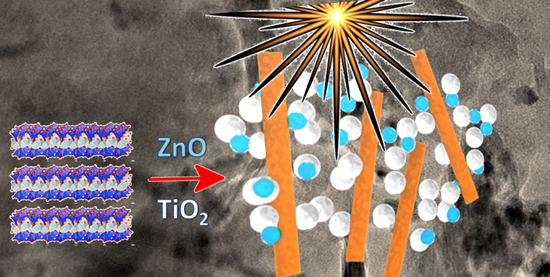
- of functional nanoarchitectures. Within this scope, clays can be of special relevance in the production of photoactive materials as they offer an advantageous way for the stabilization and immobilization of diverse metal-oxide nanoparticles. The controlled assembly under mild conditions of titanium
- ; nanoarchitectures; photocatalysts; titanium dioxide; zinc dioxide; Review Introduction: immobilization of nanoscale TiO2 and ZnO on clay minerals Nanoarchitectonics is a term coined by Japan's National Institute for Materials Science (NIMS), which refers to the nanoscale design of complex materials through a deep
- aluminol groups (Al–OH) with a structural arrangement similar to that of the kaolinite 1:1 phyllosilicate (Figure 1D). These groups able to interact with diverse compounds entering the cavities, facilitating their immobilization [76][77][78][79]. The morphology of HNTs yields some advantages with regard to



Experimental study of an evanescent-field biosensor based on 1D photonic bandgap structures
Beilstein J. Nanotechnol. 2019, 10, 967–974, doi:10.3762/bjnano.10.97
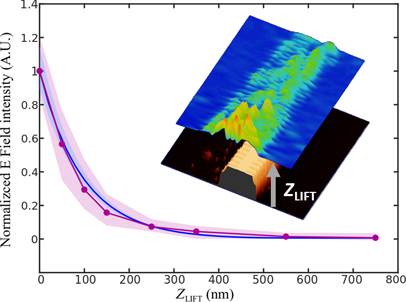
- to bovine serum albumin (BSA) using a UV-induced immobilization procedure. The use of half-antibodies allows one to reduce the thickness of the biorecognition volume down to ca. 2.5 nm, thus leading to a higher interaction with the evanescent field, as well as a proper orientation of their binding
- sites towards the target sample. Then, the biofunctionalized PBG biosensor has been used to perform a direct and real-time detection of the target BSA antigen. Keywords: evanescent field; half-antibodies; light-assisted immobilization; photonic bandgap sensor; SNOM characterization; Introduction The
- into account, the PBG structures have been biofunctionalized using a light-assisted biofunctionalization protocol allowing for the covalent immobilization of half-antibodies, so that the thickness of the biorecognition layer can be significantly reduced. This biofunctionalization process was already


Features and advantages of flexible silicon nanowires for SERS applications
Beilstein J. Nanotechnol. 2019, 10, 725–734, doi:10.3762/bjnano.10.72

- weak metal affinity was facilitated through the surface immobilization via 4-MPBA [30][31]. The 4-MPBA reporter features are predominantly based on re-orientation i.e. binding of the analyte via the boronic acid group causing a symmetry breaking and activation of the charge transfer mechanism which


Topochemical engineering of composite hybrid fibers using layered double hydroxides and abietic acid
Beilstein J. Nanotechnol. 2019, 10, 589–605, doi:10.3762/bjnano.10.60
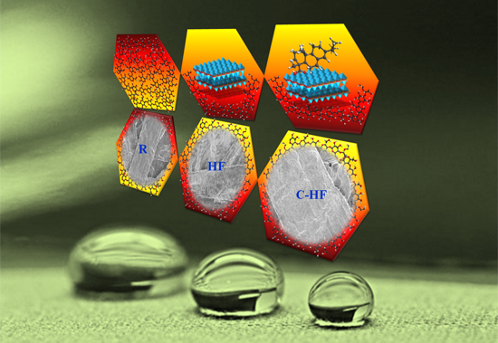
- -precipitation of layered double hydroxide (LDH) was performed to grow LDH crystals on the surface of the cellulose fibers, followed by the immobilization of abietic acid (AA) on LDH-grafted cellulose. Here we aimed to benefit from the hydrogen bonding between –OH groups of cellulose and LDH, and the –COOH


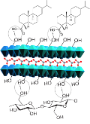


Polymorphic self-assembly of pyrazine-based tectons at the solution–solid interface
Beilstein J. Nanotechnol. 2019, 10, 494–499, doi:10.3762/bjnano.10.50
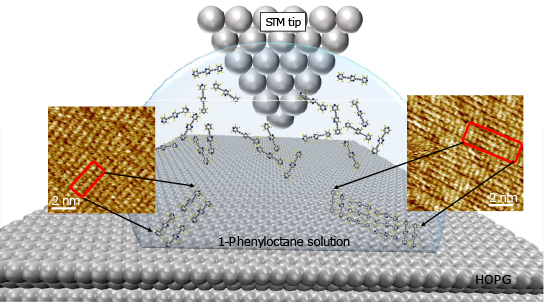
- -assemble on any given substrate. Some of the avenues explored to ensure immobilization of the desired molecules involve functionalization of the molecule by long alkyl chains acting as anchors [13] or utilization of a molecular template [14], but they have limitations such as difficulty in the synthesis of


Improving control of carbide-derived carbon microstructure by immobilization of a transition-metal catalyst within the shell of carbide/carbon core–shell structures
Beilstein J. Nanotechnol. 2019, 10, 419–427, doi:10.3762/bjnano.10.41
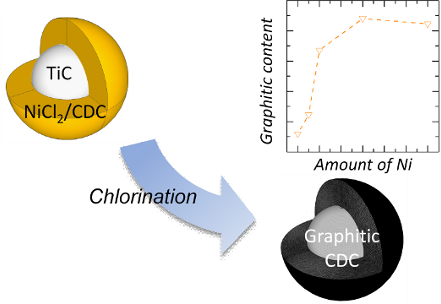
- ][25]. The porosity of this shell could suit for the immobilization of the transition-metal catalyst, as capillary forces would suck the impregnation solution within the shell and only excess solution would go into the voids between the particles. Subsequent chlorination of the carbide core to obtain
- the X-ray wavelength (0.154 nm), θ is the diffraction angle, β is the full width at half maximum (FWHM) of the deconvoluted peak in radian units and K is a constant (K = 1.84 for La at C(100/101) and K = 0.89 for Lc at C(002)). The schematic of graphitic CDC production via immobilization of transition


Removal of toxic heavy metals from river water samples using a porous silica surface modified with a new β-ketoenolic host
Beilstein J. Nanotechnol. 2019, 10, 262–273, doi:10.3762/bjnano.10.25
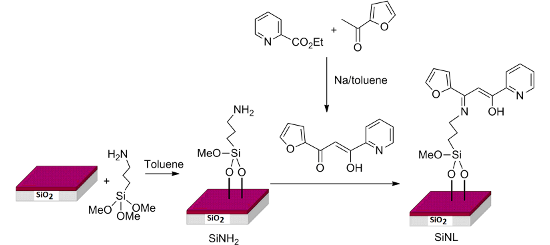
- , Belgium 10.3762/bjnano.10.25 Abstract A new hybrid adsorbent material for the efficient removal of heavy metals from natural real water solutions (Moroccan river water samples) was prepared by the immobilization of a new conjugated β-ketoenol–pyridine–furan ligand onto a silica matrix. The
- , we present the synthesis of a highly selective adsorbent material via covalent immobilization of a mixed ligand (β-ketoenol–pyridine–furan) onto silica particles (Scheme 1). The engineered system is low-cost, solid, chemically and mechanically stable as well as recyclable. It exhibited a high
- area, SBET, from 305.21 ± 0.79 m2·g−1 to 283.08 ± 0.77 m2·g−1 and pore volume from 0.77 ± 0.002 cm3·g−1 to 0.69 ± 0.002 cm3·g−1 from free silica to SiNH2 results from the immobilization of organic moieties which can block the access of N2(g) to the silica base. Further immobilization decreases the pore


Accurate control of the covalent functionalization of single-walled carbon nanotubes for the electro-enzymatically controlled oxidation of biomolecules
Beilstein J. Nanotechnol. 2018, 9, 2750–2762, doi:10.3762/bjnano.9.257
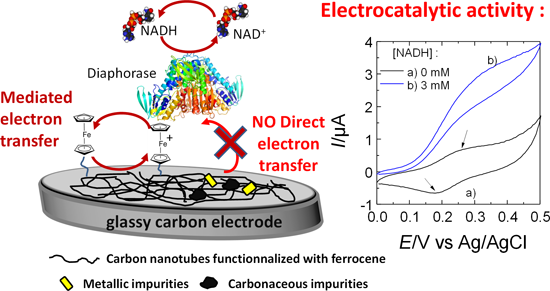
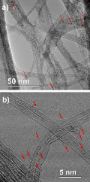
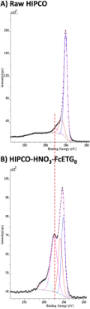
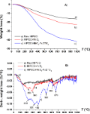
- ease of f-SWCNT dispersion and the resulting different 3D textures after their immobilization at the GCE surface. For example, it was found that the H2SO4 oxidation process produced a more porous SWCNT assembly, and long polyethylene glycol linker (n > 4) favored dispersion of the nanotubes in water






Nanocellulose: Recent advances and its prospects in environmental remediation
Beilstein J. Nanotechnol. 2018, 9, 2479–2498, doi:10.3762/bjnano.9.232
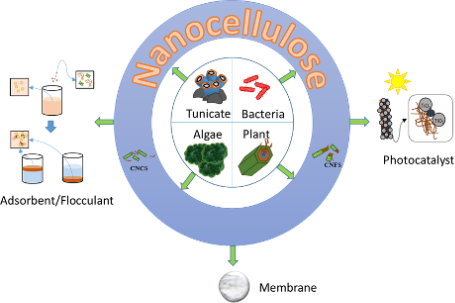
- can facilitate the adsorption of metal oxide to its surface. Thus, Li et al. [123] proposed the immobilization of TiO2 nanoparticles on a fine fibrous network of bacterial cellulose via hydrogen bonds and electrostatic adsorption effect for the photocatalytic degradation of reactive X-3B. TiO2


Sulfur-, nitrogen- and platinum-doped titania thin films with high catalytic efficiency under visible-light illumination
Beilstein J. Nanotechnol. 2018, 9, 1629–1640, doi:10.3762/bjnano.9.155
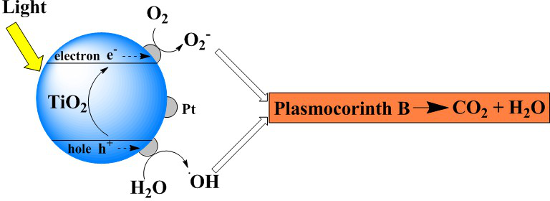
- wastewater after the coloring processes, the water becomes colored, thus decreasing light penetration and consequently decreasing photosynthetic activity of organisms in wastewater [44]. The sols prepared in this work were deposited onto object glass substrates by dip-coating. The immobilization of TiO2 in


Effect of microtrichia on the interlocking mechanism in the Asian ladybeetle, Harmonia axyridis (Coleoptera: Coccinellidae)
Beilstein J. Nanotechnol. 2018, 9, 812–823, doi:10.3762/bjnano.9.75
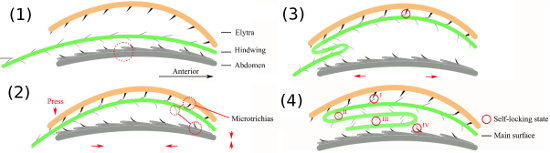
- microtrichia enable the wings to maintain a proper angle and achieve the correct sequence of folds through abdominal pushing. Immobilization of a folded wing is often due to close contact between two patches of high-friction binding spicules, one in the wing and the other in the elytron [28]. At this time, the


Bombyx mori silk/titania/gold hybrid materials for photocatalytic water splitting: combining renewable raw materials with clean fuels
Beilstein J. Nanotechnol. 2018, 9, 187–204, doi:10.3762/bjnano.9.21
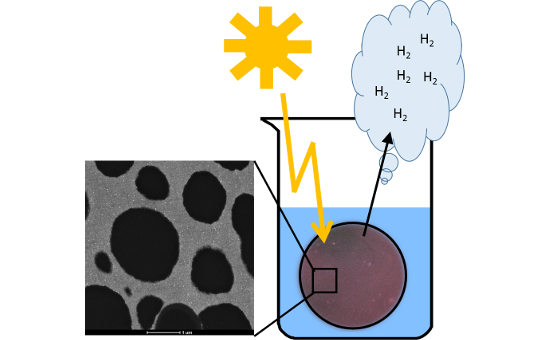
- resulting material was thus a macroscopic and mechanically robust object that could simply be retrieved and washed before reuse [32]. Another viable approach for the synthesis of larger and mechanically stable objects with photocatalytic activity is the immobilization of TiO2/Au nanostructures on a scaffold




Direct writing of gold nanostructures with an electron beam: On the way to pure nanostructures by combining optimized deposition with oxygen-plasma treatment
Beilstein J. Nanotechnol. 2017, 8, 2530–2543, doi:10.3762/bjnano.8.253
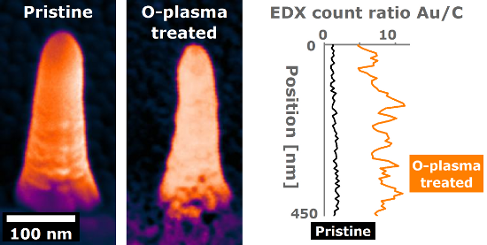
- Figure 5b, indicate that the O-plasma cleaning exposed some of the embedded Au nanocrystallites to the exterior. Such purified patterned nanostructures are deemed very suitable for further functionalization, e.g., for immobilization of biomolecules or similar applications where having clean Au surfaces

Synthesis of metal-fluoride nanoparticles supported on thermally reduced graphite oxide
Beilstein J. Nanotechnol. 2017, 8, 2474–2483, doi:10.3762/bjnano.8.247
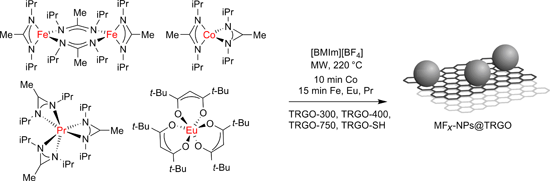
- porosity TRGO is an attractive carrier material for the immobilization of very small nanoparticles [8][9][10][11][12]. In 2009, the first nanoparticles@TRGO were synthesized by heating graphite oxide with Pt, Ru or Pd complexes under a nitrogen atmosphere [13]. Alternatively, salts of palladium and other


Strategy to discover full-length amyloid-beta peptide ligands using high-efficiency microarray technology
Beilstein J. Nanotechnol. 2017, 8, 2446–2453, doi:10.3762/bjnano.8.243
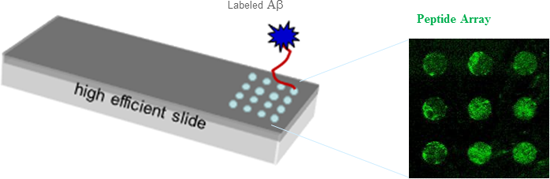
- features of the used system [27]. An additional advantage is the ease of implementing on it consolidated coating methods for the hosting of biomolecules. In this work, for peptide immobilization in a microarray format, we propose one of the most common functionalization methods (an epoxysilane) although
- bind full-length Aβ and to prevent its fibrillation [30]. Semax was chosen for its different behavior (as will be discussed below). The peptides were tested, as amyloid ligands, using the Cy3-labeled Aβ40 conjugate for fluorescence detection. As expected, after the immobilization of the unlabeled
- [41][43]. The O2-plasma cleaning was performed using the plasma etching system, Sentech 591, using 60 sccm of oxygen fluxing for 2 min. The resulting epoxysilane coating provide a proper surface for the immobilization of peptides in a microarray format. Moreover, due to the low fluorescence background


Photobleaching of YOYO-1 in super-resolution single DNA fluorescence imaging
Beilstein J. Nanotechnol. 2017, 8, 2296–2306, doi:10.3762/bjnano.8.229
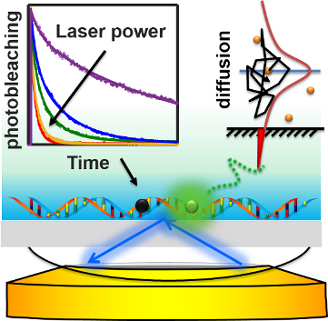
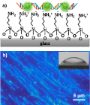
- ][44][45]. Results and Discussion Conventional DNA immobilization and imaging All fluorescence measurements were carried out on a home-built optical microscope (Figure 2). The power density of the illumination from the 473 nm laser is calculated from the total illumination power over the illumination
- consistent with the literature for such surfaces [49][50][51]. These modified cover slips are then used to fabricate flow channels for DNA imaging. YOYO-1 is mixed and incubated for 2 h at 50 °C with a λ-DNA solution before immobilization. The DNA solution is then flowed into the channel with a flow speed
- (0.4 mL/min) that is capable of stretching the DNA molecules. The DNA is negatively charged and the surface is positively charged in the buffer solution. Thus, the electrostatic interaction between them provides the immobilization force for the DNA molecules. The stretched DNA molecules are visualized




A nanocomplex of C60 fullerene with cisplatin: design, characterization and toxicity
Beilstein J. Nanotechnol. 2017, 8, 1494–1501, doi:10.3762/bjnano.8.149
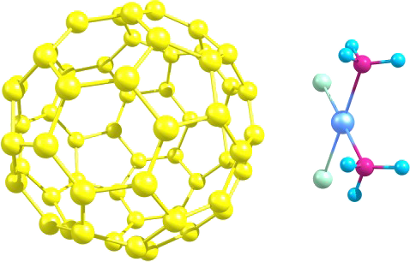
- required concentrations used in particular experiments. Immobilization of Cis on С60 fullerene was accomplished according to the following protocol: C60FAS and Cis solution were mixed in a molar ratio of 1:2.4 (typically 0.1 mM С60 fullerene and 0.24 mM Cis). The obtained mixture was subjected to



Micro- and nano-surface structures based on vapor-deposited polymers
Beilstein J. Nanotechnol. 2017, 8, 1366–1374, doi:10.3762/bjnano.8.138
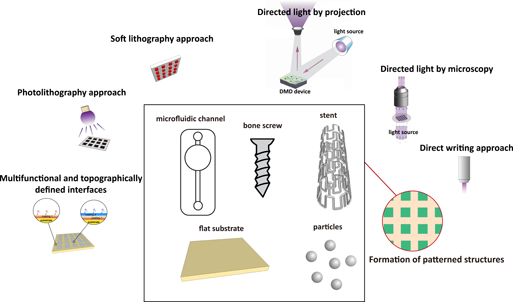
- resulting multifunctional patterned surface could spatially direct a combination of Huisgen cycloaddition and carbonyl–hydrazide coupling in a sequentially devised immobilization procedure [52]. A similar sequential immobilization of molecules on defined areas was also performed on a layered coating of


Characterization of ferrite nanoparticles for preparation of biocomposites
Beilstein J. Nanotechnol. 2017, 8, 1257–1265, doi:10.3762/bjnano.8.127
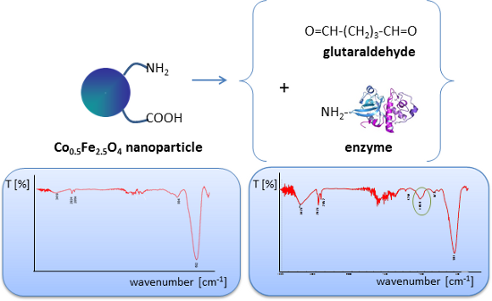
- ; magnetic nanoparticles; surface immobilization; trypsin; X-ray diffraction; Introduction Nanoparticles are important ingredients in the fabrication of biocomposites, and therefore, the surface functionalization of nanoparticles attracts great interest among scientists [1][2]. Tests that aim at the
- functionalization of nanoparticles with organic compounds are becoming the most popular due to the wide potential applications of such hierarchical structures. On demand surface characteristics allow further immobilization of proper biological structures [3], and as a result, biocomposites are obtained. Metallic
- , interaction with living cells can be obtained. The use of an external magnetic field quite often helps in removing toxins from healthy cells [13][14] via modified nanoparticles having a sieve-like property. The main aim of this work is to study immobilization effects of biological particles to the selected



Preparation of thick silica coatings on carbon fibers with fine-structured silica nanotubes induced by a self-assembly process
Beilstein J. Nanotechnol. 2017, 8, 1145–1155, doi:10.3762/bjnano.8.116
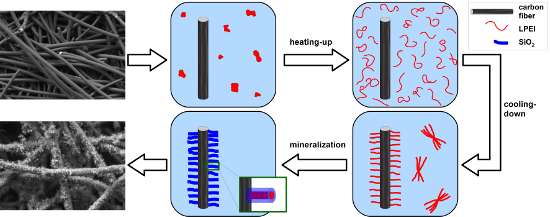
- procedures, which are typically limited to dimensions in the nanometer range, the suggested process of LPEI mediated immobilization of silica nanotubes onto carbon fibers allows covering the surface with an amorphous silica shell that can reach an extent of several micrometers in thickness. In addition to
- the new approach of polyamine mediated silica deposition onto carbon fibers, the presented method by means of LPEI immobilization is able to introduce a silica shell with a nanostructured surface. This preparation route gives access to a new hybrid material that combines the properties of both the
- of the fiber with LPEI aggregates can be obtained which serves as both catalyst and template in the following mineralization step. The nature of LPEI enables access to a nanostructured patterning of the resulting silica shell. LPEI/silica composite particles and their immobilization on carbon fibers


Synthesis of coaxial nanotubes of polyaniline and poly(hydroxyethyl methacrylate) by oxidative/initiated chemical vapor deposition
Beilstein J. Nanotechnol. 2017, 8, 872–882, doi:10.3762/bjnano.8.89
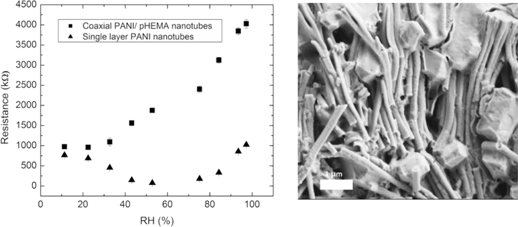
- to remove the excess film on the top of the templates. Afterwards, AAO templates were attached to Si wafers and immersed in 0.5 M HCl solution for 48 h to release the coaxial nanotubes, which were then allowed to dry in the air for two days. This allowed immobilization of the free-standing nanotubes


Phospholipid arrays on porous polymer coatings generated by micro-contact spotting
Beilstein J. Nanotechnol. 2017, 8, 715–722, doi:10.3762/bjnano.8.75
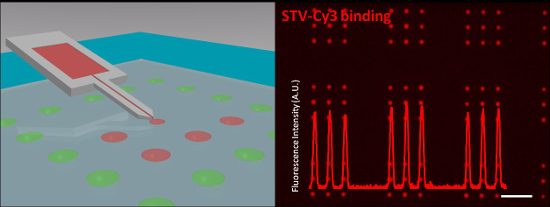
- water-based click-chemistry inks [10][14][15] where CuAAC mediated covalent immobilization of ink molecules and embedment’s within the polymer mesh makes the pattern highly stable in solution [10]. To determine if lipids deposited on nanoporous HEMA-EDMA polymer could be used to generate functional


Comparison of four methods for the biofunctionalization of gold nanorods by the introduction of sulfhydryl groups to antibodies
Beilstein J. Nanotechnol. 2017, 8, 372–380, doi:10.3762/bjnano.8.39
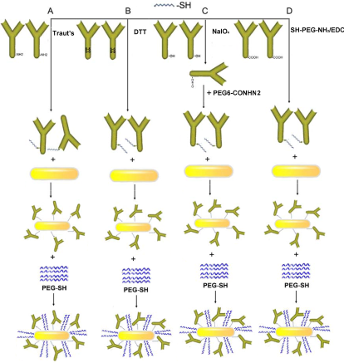
- immobilization onto the GNR surface, improved the efficacy of functionalized GNRs, and increased the sensitivity in response to target detection as a biosensor. Given that PEG6-CONHNH2 modification requires glycosylated biomolecules, Traut’s reagent and DTT thiolation are recommended as universal applications of
- avoided. The biological activity of thiolated anti-IgG anchored on GNR surfaces The biological activity of the anti-IgG after thiolation and immobilization onto the GNR surface was determined through enzyme-linked immunosorbent assay (ELISA) [17][26][27]. Consistent with the results described in our
- previous work [17], the absorbance of the conjugated anti-IgG by thiolation with Traut’s reagent was slightly lower than that of the free antibody (positive control), indicating that the active bio-functionality was retained after immobilization onto GNR surfaces (Figure 3). Similarly, compared with bare


Photocatalysis applications of some hybrid polymeric composites incorporating TiO2 nanoparticles and their combinations with SiO2/Fe2O3
Beilstein J. Nanotechnol. 2017, 8, 272–286, doi:10.3762/bjnano.8.30
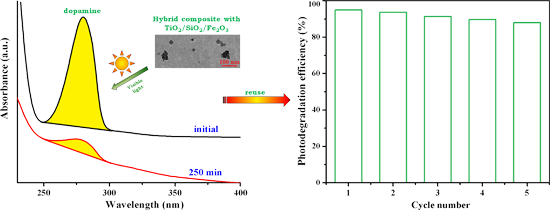
- pursued to reuse and reduce the expense caused by complex centrifugation or filtration steps of the nanostructured photocatalysts, for example, the preparation of TiO2 NPs with magnetic properties [27][28][29][30] or the immobilization of titania on/in diverse matrices such as glass, zeolite, ceramic
- maximization of the photocatalytic efficiency. An interesting route to reach this goal is the use of iron(III) added to titanium dioxide photocatalysts, which improves the photocatalytic activity under visible light reducing the recombination rates of the photo-excited carriers [38]. Also, the immobilization


Comparison of four functionalization methods of gold nanoparticles for enhancing the enzyme-linked immunosorbent assay (ELISA)
Beilstein J. Nanotechnol. 2017, 8, 244–253, doi:10.3762/bjnano.8.27
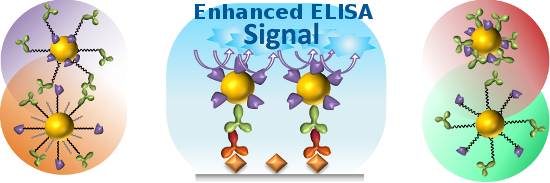
- [8][12]. Other studies reported more stable covalent immobilization, where a better control of particle coverage is achieved and even the binding orientation can be controlled [19][20][21]. Each of the described procedures present advantages and disadvantages such as leakage of non-covalently
- than Ab-HRP, although it is described that covalent and site specific immobilization leads to more stable and better defined composition conjugates [19][20][31]. In an attempt to better understand these data, it was found that the HRP molecule (Uniprot accession number P80679) presented a lower number





