


Search results
Search for "mechanical properties" in Full Text gives 374 result(s) in Beilstein Journal of Nanotechnology. Showing first 200.
Enhanced catalytic reduction through in situ synthesized gold nanoparticles embedded in glucosamine/alginate nanocomposites
Beilstein J. Nanotechnol. 2024, 15, 1227–1237, doi:10.3762/bjnano.15.99
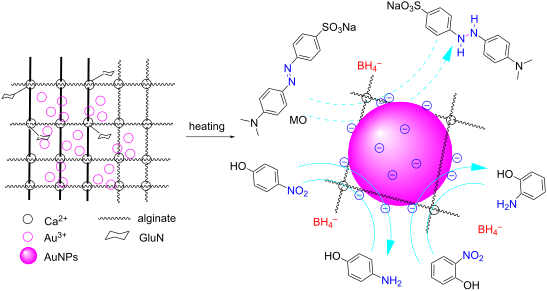
- . While gelispheres enhance the physical and mechanical properties of sodium alginate, their poor solubility limits their applicability. Recently, an ionotropic gelation method has been developed to produce nanoparticles from gelispheres through interaction between oligosaccharides (e.g., cyclodextrins



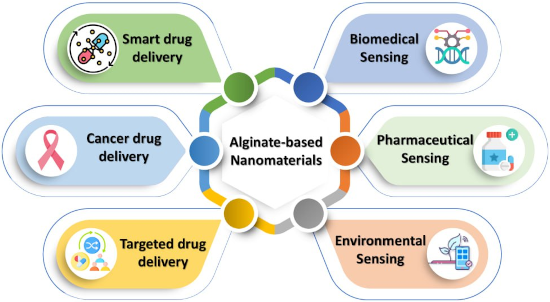
Unveiling the potential of alginate-based nanomaterials in sensing technology and smart delivery applications
Beilstein J. Nanotechnol. 2024, 15, 1077–1104, doi:10.3762/bjnano.15.88
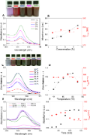
- +. Based on the quenching effect, a design for a “turn-off” fluorescent sensor for Cu2+ and Hg2+ detection with detection limits of 187.99 and 82.14 nM, respectively, was developed. Furthermore, the Au-loaded alginate-based fibers outperformed the pristine Ca-ALG fibers in terms of mechanical properties


Interface properties of nanostructured carbon-coated biological implants: an overview
Beilstein J. Nanotechnol. 2024, 15, 1041–1053, doi:10.3762/bjnano.15.85
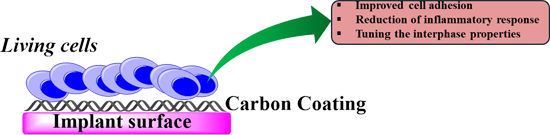
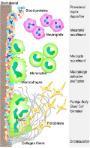
- nanostructured carbon coatings (nanodiamonds, carbon nanotubes, and graphene-related materials) for the improvement of the overall properties of medical implants. We are focusing on biological interactions, improved corrosion resistance, and overall mechanical properties, trying to provide a complete overview
- substances secreted and the effectiveness of CNT action. Carbon material coatings for improved mechanical, tribological, and electrical properties Performance and longevity of implants are closely related to their mechanical properties. A mismatch with tissues can potentially lead to stress shielding
- self-repairing of the damaged surfaces by filling the cracks, thus, reducing wear loss. Chen et al. [134] improved the mechanical properties of a titanium alloy though deposition of graphene flakes. The authors investigated the system through indentation showing improvements in both toughness and yield



Beyond biomimicry – next generation applications of bioinspired adhesives from microfluidics to composites
Beilstein J. Nanotechnol. 2024, 15, 965–976, doi:10.3762/bjnano.15.79
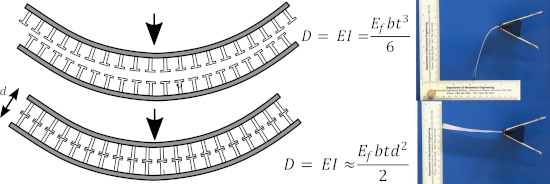
- mechanical properties of interest to fit the needs of soft robotics, microfluidic systems, or others. All of such applications necessitate that the biomimetic adhesives are robust, relatively inexpensive, and highly effective at adhering to different surfaces. Several corporations, including Setex [16
- surface roughness and are far more cost-effective. The significant influence of mechanical properties on identical fiber designs has also been extensively studied by our group and others, including work on shape memory polymers (SMPs) for biomimetic pillars [29]. These uniformly mushroom-shaped SMP fibers


Electrospun nanofibers: building blocks for the repair of bone tissue
Beilstein J. Nanotechnol. 2024, 15, 941–953, doi:10.3762/bjnano.15.77
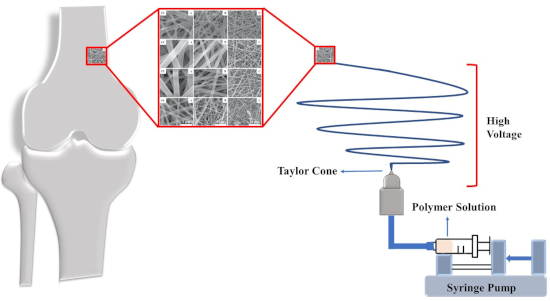
- osteoconduction, adaptability to the target area, biodegradation, and appropriate mechanical properties, which are among the main parameters that are important in the design of polymeric bone grafts. The aim of this review is to cast light on the increasing use of nanofiber-based scaffolds in bone tissue
- , migration, and proliferation than other scaffolds, especially particulate forms [31][32]. (ii) Their large surface area per unit volume, adjustable high porosity, and superior flexibility and mechanical properties enable them to adhere to bone tissue more easily, to carry biofactors such as growth factors
- hard bone-like tissues. Calcified bone tissue shows different mechanical properties depending on the collagen sequence in the natural structure. The polymers used in the development of polymeric nanofibers should have mechanical and biological properties suitable for calcified hard tissue structures


Effects of cutting tool geometry on material removal of a gradient nanograined CoCrNi medium entropy alloy
Beilstein J. Nanotechnol. 2024, 15, 925–940, doi:10.3762/bjnano.15.76
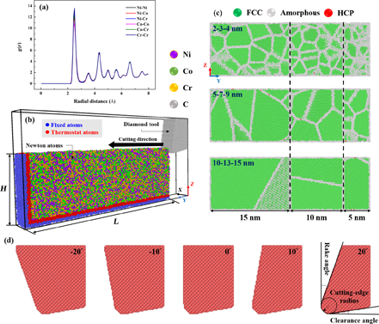
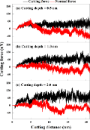
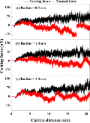
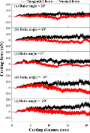
- -entropy alloys (MEAs) have attracted extensive attention and research because of their superior mechanical properties, such as higher ductility, strength, and toughness. This study uses molecular dynamics (MD) simulations to investigate the cutting behavior of a gradient nanograined (GNG) CoCrNi MEA
- : CoCrNi; gradient nanograined materials; Hall–Petch; molecular dynamics; relative tool sharpness; removal mechanism; Introduction Compared with traditional alloys, high-entropy alloys (HEAs) with multiple elements exhibit diverse and unprecedented mechanical properties, attracting widespread scientific
- (NiCoCr)95V5, which achieved an excellent strength and plasticity product exceeding 86 GPa·% at low temperatures [7]. Qiu et al. investigated the effects of adding Al, Ti, Mo, and W on low-temperature phase stability, mechanical properties, and deformation behavior of CoCrNi-based MEAs [8]. Strengthening








The effect of age on the attachment ability of stick insects (Phasmatodea)
Beilstein J. Nanotechnol. 2024, 15, 867–883, doi:10.3762/bjnano.15.72

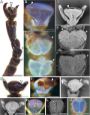
- the tips; the tips have to withstand the greatest stresses, which mostly occur in single events, rather than in normal wear [68]. Further studies could explore the role of fatigue of claw material and its effect on the mechanical properties. Pad compliance There are several possible ways in which
- resulting actual contact area leads to lower attachment performance [72][73][74]. Most flexible cuticle consists at least partially of resilin [50][75][76], which needs water as a plasticizer to retain its extraordinary mechanical properties [70]. As the water evaporates, resilin becomes brittle and less


Electrospun polysuccinimide scaffolds containing different salts as potential wound dressing material
Beilstein J. Nanotechnol. 2024, 15, 781–796, doi:10.3762/bjnano.15.65
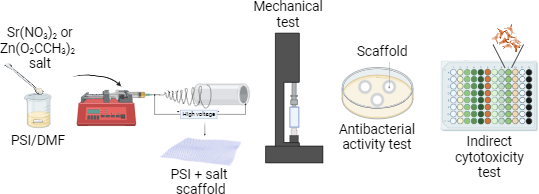
- atoms in the scaffolds. Our result showed that the salts influence the mechanical properties of the polymer scaffold, both in terms of specific load capacity and relative elongation values. According to the dissolution experiments, the whole amount of strontium nitrate was dissolved from the scaffold in
- FTIR analysis, we used an energy-dispersive X-ray spectroscopy (EDX) detector during the SEM measurements to show the presence of salts in the fibers. The EDX spectra were taken at a voltage of 15 kV. Mechanical properties A mechanical testing machine (4952, Instron, USA) and the associated software
- (Bluehill 2, USA) were used to examine the mechanical properties of the electrospun scaffolds. The tensile testing was conducted at room temperature. The cut samples were 6 cm long and 1.5 cm wide, and a 1 mm/min pulling speed was applied in each case. The specific load capacity (Equation 1) and the



Elastic modulus of β-Ga2O3 nanowires measured by resonance and three-point bending techniques
Beilstein J. Nanotechnol. 2024, 15, 704–712, doi:10.3762/bjnano.15.58
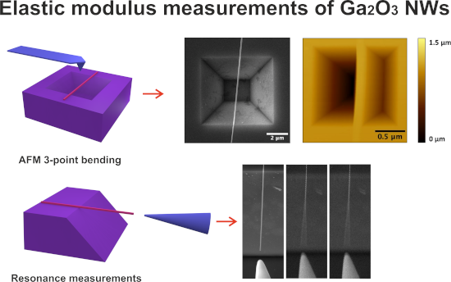
- the mechanical properties of Ga2O3 nanowires (NWs). In this work, we investigated the elastic modulus of individual β-Ga2O3 NWs using two distinct techniques – in-situ scanning electron microscopy resonance and three-point bending in atomic force microscopy. The structural and morphological properties
- finely controllable β-Ga2O3 NW synthesis methods and detailed post-examination of their mechanical properties before considering their application in future nanoscale devices. Keywords: atomic force microscopy; elastic modulus; gallium oxide; mechanical properties; nanowire; scanning electron microscopy
- suitable for use on bendable and stretchable substrates in line with the current trends in electronic technologies focusing on flexible electronic device development [11][12]. Consequently, understanding the mechanical properties of β-Ga2O3 NWs becomes an important step. For instance, precise determination


Enhancing higher-order modal response in multifrequency atomic force microscopy with a coupled cantilever system
Beilstein J. Nanotechnol. 2024, 15, 694–703, doi:10.3762/bjnano.15.57

- resonant mode tracking the sample topography and the higher-order resonant mode providing information about mechanical properties [5][6]. Bimodal AFM is relatively simple to operate and offers improved imaging quality. Hence, it is widely applicable in diverse fields such as physics, chemistry, and biology


Functional fibrillar interfaces: Biological hair as inspiration across scales
Beilstein J. Nanotechnol. 2024, 15, 664–677, doi:10.3762/bjnano.15.55
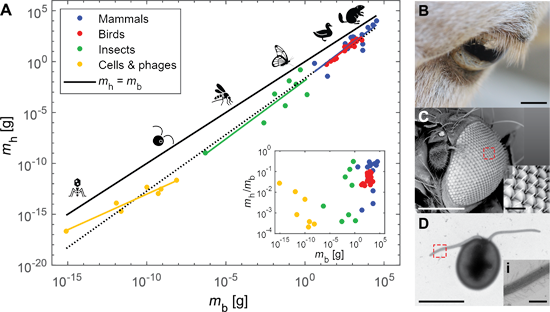
- underwater to generate adhesion [51]. Mechanical protection While hairs provide protection via their thermal and chemical properties, they also offer protection based on their mechanical properties. Hairs are typically made of stiff materials, such as keratin and chitin, that have Young’s moduli of the order


Stiffness calibration of qPlus sensors at low temperature through thermal noise measurements
Beilstein J. Nanotechnol. 2024, 15, 580–602, doi:10.3762/bjnano.15.50
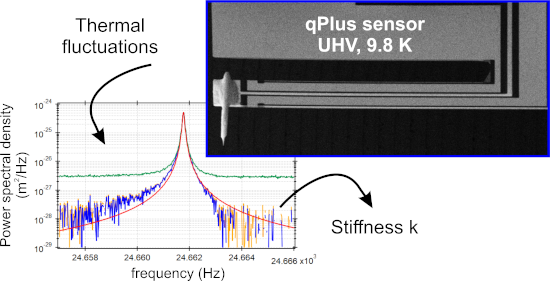
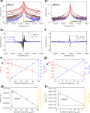
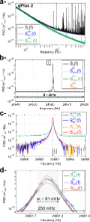
- because it cannot be glued on the prong with high reproducibility (regarding, e.g, mass of glue and location on the prong), the mechanical properties of each sensor must differ in detail. Therefore, the actual stiffness of each probe must differ and has no reason to match a particular predefined value
- of the probe from its dimensions and the mechanical properties of its constitutive material. When the load is applied at the free end of the probe, its static stiffness is given by: where E, w, t, and l are Young’s modulus, width, thickness, and length of the probe, respectively. Cleveland et al
- a frequency spectrum yielding a thermal noise rms PSD described by that of an equivalent SHO (Equation 17). The spectrum conceals the mechanical properties of the SHO and exhibits a resonance at f1. Thus, stochastic phonons with frequencies at, or close to, the SHO resonance frequency, produce long

Unveiling the nature of atomic defects in graphene on a metal surface
Beilstein J. Nanotechnol. 2024, 15, 416–425, doi:10.3762/bjnano.15.37
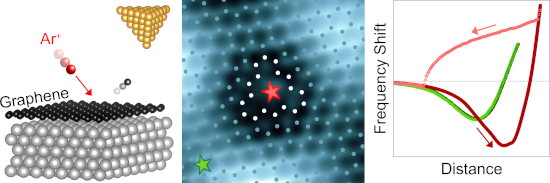
- , defects profoundly impact, in a beneficial or detrimental manner, characteristic properties of 2D materials [2]. A prominent 2D material is graphene. Intact graphene, the 2D sp2 arrangement of C atoms in a honeycomb mesh, is well known for its appealing electronic and mechanical properties [3][4]. However


Classification and application of metal-based nanoantioxidants in medicine and healthcare
Beilstein J. Nanotechnol. 2024, 15, 396–415, doi:10.3762/bjnano.15.36
- alloys, owing to their favorable mechanical properties and biocompatibility, have been explored for the fabrication of vascular grafts highlighting their potential as a durable and biocompatible alternative in atherosclerosis-related revascularization procedures [187]. Similarly, studies conducted by Li


Modification of graphene oxide and its effect on properties of natural rubber/graphene oxide nanocomposites
Beilstein J. Nanotechnol. 2024, 15, 168–179, doi:10.3762/bjnano.15.16
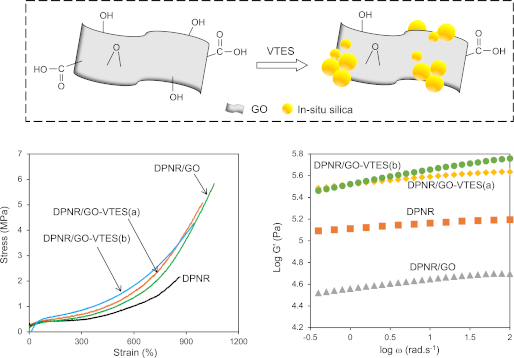
- desire to enhance the green strength of NR to achieve the comparable mechanical properties of vulcanized natural rubber (VNR) [1][2][3]. VNR is commonly utilized for NR commercial products. However, due to its crosslinked structure, VNR products cannot be recycled or degraded after diposal [4][5
- significant impacts on improving the mechanical properties of NR. Numerous studies have utilized suitable monomers to graft onto NR via radical routes. For instance, graft copolymerization of styrene [11][12], methyl methacrylate [13][14], and hydroxyethyl methacrylate [15][16] onto NR enhances the green
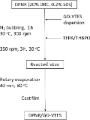
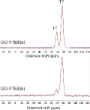
- rolling resistance and enhance the wet grip of rubber materials. Recently, the usage of silane coupling agents as monomers to generate in situ nanosilica into NR has been found to enhance the mechanical properties of NR. Kawahara et al. [17] used vinyltriethoxysilane (VTES) as a silane monomer for






Enhanced feedback performance in off-resonance AFM modes through pulse train sampling
Beilstein J. Nanotechnol. 2024, 15, 134–143, doi:10.3762/bjnano.15.13
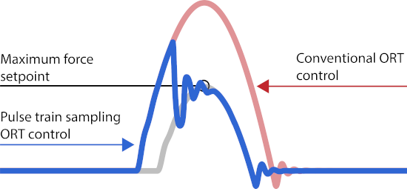
- . describe an improvement upon jumping mode, where, instead of performing a force curve, they turn on the feedback to bring the cantilever into contact with the sample to minimize the tip–sample forces [7]. In this approach, however, no mechanical properties are extracted from the force curve. In addition
- . Importantly, this method not only preserves the mechanical properties maps but also provides improved material contrast at higher imaging speeds. Results It is possible to analyze the conventional ORT control framework [29][31] by decomposing it into its different functional blocks. In the beginning of an ORT
- the Z piezo response determines the closed-loop delay. Therefore, the maximum achievable integral gain and disturbance rejection are often limited by the mechanical properties of the Z actuator [32]. In ORT mode, however, the tip and the sample are in contact for a finite time window only. The


Determination of the radii of coated and uncoated silicon AFM sharp tips using a height calibration standard grating and a nonlinear regression function
Beilstein J. Nanotechnol. 2023, 14, 1200–1207, doi:10.3762/bjnano.14.99
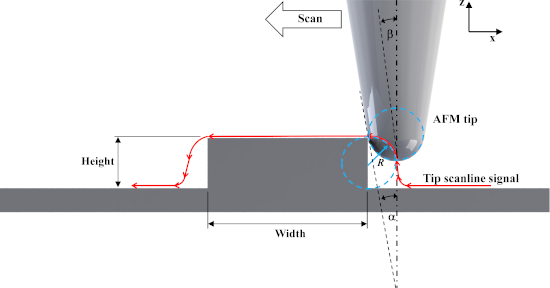
- of Engineering, Texas A&M University, College Station, Texas, 77843, USA 10.3762/bjnano.14.99 Abstract AFM sharp tips are used to characterize nanostructures and quantify the mechanical properties of the materials in several areas of research. The analytical results can show unpredicted errors if we
- nanostructured materials, for example, graphene, carbon nanotubes, nanoscale semiconductors, biomaterials, and molecules. Mechanical properties such as surface stiffness, adhesion, friction, electrostatics, and electrowetting can be measured [1][2][3][4]. In contact mode scanning, the contact area between the
- than 30 or 35 nm, respectively. But these are not the true radii of the tips. Therefore, AFM users need to determine the actual tip radius before probing micro- and nanostructures and measuring the mechanical properties of a sample. In previous studies, tip shape and radius at the sharp end were


Elasticity, an often-overseen parameter in the development of nanoscale drug delivery systems
Beilstein J. Nanotechnol. 2023, 14, 1149–1156, doi:10.3762/bjnano.14.95
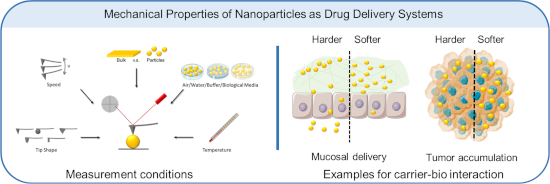
- drug delivery can be achieved, are mechanical properties of nanoparticles. Even though this is often not even considered during formulation development, and it is not requested for approval, an increasing number of studies show that it is important to have knowledge about these characteristics. In this
- properties of drug carriers. Keywords: atomic force microscopy; drug delivery; elasticity; mechanical properties; nanomedicine; nanoparticles; stiffness measurement; tissue/body distribution; Introduction Drug delivery systems are developed with the aim to transport a given drug to the site of action
- properties are well investigated regarding their effect on cellular uptake and the influence on in vivo performance [3][10]. Only since the first decade of the 2000s, mechanical properties have been investigated in the development of nanoparticulate drug delivery systems. A well-known example in biology


Spatial mapping of photovoltage and light-induced displacement of on-chip coupled piezo/photodiodes by Kelvin probe force microscopy under modulated illumination
Beilstein J. Nanotechnol. 2023, 14, 1059–1067, doi:10.3762/bjnano.14.87
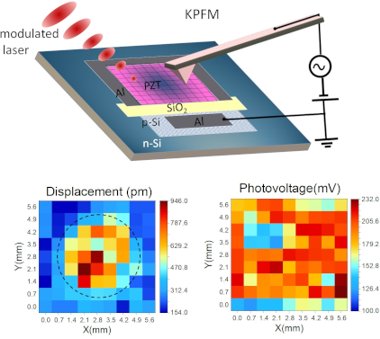
- center is around 3 to 4.6 nm/V, showing notable performance of the piezo-photodiode device under low photovoltage. The strength of our approach lies in its capability to decouple the contributions of different aspects of our hybrid system effectively, as the optoelectronic and mechanical properties are


Exploring internal structures and properties of terpolymer fibers via real-space characterizations
Beilstein J. Nanotechnol. 2023, 14, 1004–1017, doi:10.3762/bjnano.14.83
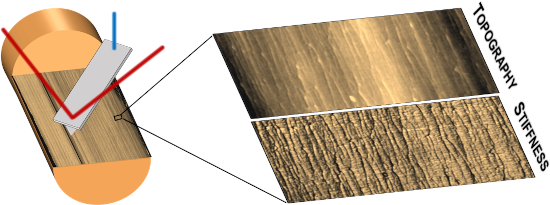
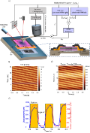
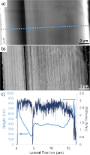
- microscope mapping to characterize the internal structure and local mechanical properties within Technora® fibers. We find a highly fibrillated structure that appears to connect with both the fiber’s molecular chemistry and full-fiber mechanical properties. In addition, through detailed comparisons with
- molecular chains rather than optimizing crystallites. This strategy aimed to explore new chemistries that could enhance multifunctional aspects of fibers without adversely affecting fiber mechanical properties. Indeed, in developing Technora®, Teijin Ltd. had four principal aims: to manufacture a (i) cost
- -effective fiber with (ii) similar mechanical properties to Kevlar® that was (iii) heat-resistant and (iv) soluble in organic solvents [1]. A highly oriented fiber structure exhibiting these characteristics was achieved through a terpolymer chemical formulation, consisting of terephthaloyl chloride (TPA), p






Metal-organic framework-based nanomaterials for CO2 storage: A review
Beilstein J. Nanotechnol. 2023, 14, 964–970, doi:10.3762/bjnano.14.79
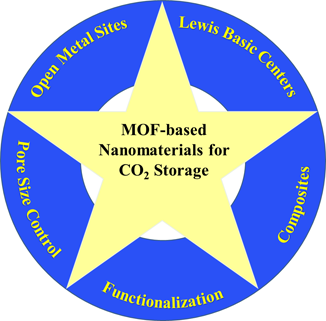
- fabrication of MOF/graphene-based composites. Figure 5 was reproduced from [41], R. Kumar et al., “Remarkable Improvement in the Mechanical Properties and CO2 Uptake of MOFs Brought About by Covalent Linking to Graphene”, Angew. Chem., Int. Ed., with permission from John Wiley and Sons. Copyright © 2016 WILEY




Biomimetics on the micro- and nanoscale – The 25th anniversary of the lotus effect
Beilstein J. Nanotechnol. 2023, 14, 850–856, doi:10.3762/bjnano.14.69

- treatment on the elastic modulus of locust cuticle obtained by nanoindentation”, investigate the mechanical properties of the cuticle that builds the surface of insects and related groups of animals. The cuticle is one of the most abundant, but least studied biological composites. In their study, the
- authors use a nanoindentation technique to investigate the effect of freezing, desiccation, and rehydration on the elastic modulus of the hind tibial cuticle of locusts. All of the treatments significantly influenced the mechanical properties of the latter. Gorb et al. [7], in the paper “Hierachical
- suspension feeding in common Crustacea. The results show that a system combining long and short setae with different mechanical properties has the best performance. The numerical simulation can in future be easily adapted to other systems and therefore be used for biomimetic developments (e.g., in the field


Control of morphology and crystallinity of CNTs in flame synthesis with one-dimensional reaction zone
Beilstein J. Nanotechnol. 2023, 14, 741–750, doi:10.3762/bjnano.14.61
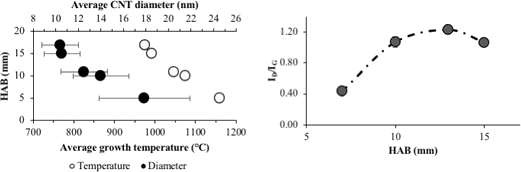
- . Overall, CNT/epoxy nanocomposites with superior mechanical properties are preferred [4]. Scarselli et al. [5] synthesized CNTs with a three-dimensional network using a sulfur enhancer and, thus, created a porous product capable of adsorbing oils. Furthermore, CNT networks have a high potential to be


Suspension feeding in Copepoda (Crustacea) – a numerical model of setae acting in concert
Beilstein J. Nanotechnol. 2023, 14, 603–615, doi:10.3762/bjnano.14.50
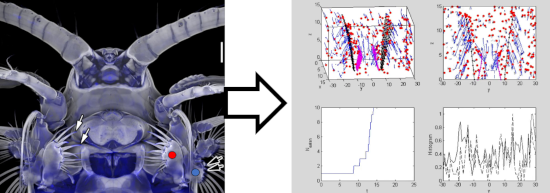
- mouth opening. By altering the parameters, it was unraveled that the system performs best when the long and short setae have different mechanical properties and different degrees of adhesion since the long setae generate the feeding current and the short ones establish the contact with the particle
- field of filtration technologies. Keywords: adhesion; confocal laser scanning microscopy (CLSM); feeding efficiency; feeding structures; mechanical properties; Introduction Particle capture mechanisms are common in a huge variety of aquatic animals, such as polychaetes, bryozoans, bivalves, sponges
- cuticle’s mechanical properties revealed that the setae on maxillae 1 (long setae) and 2 (short setae) possess very soft bases full of the elastic protein resilin [55][56][57]. Additionally, the tips of the short setae on maxilla 2 exhibited a blue autofluorescence signal, which strongly indicated that


Transferability of interatomic potentials for silicene
Beilstein J. Nanotechnol. 2023, 14, 574–585, doi:10.3762/bjnano.14.48
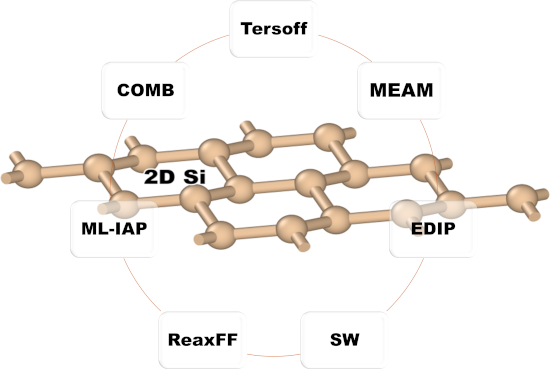
- single-layer silicon, polymorphs was examined. Structural and mechanical properties of flat, low-buckled, trigonal dumbbell, honeycomb dumbbell, and large honeycomb dumbbell silicene phases, were obtained using density functional theory and molecular statics calculations with Tersoff, MEAM, Stillinger
- –Weber, EDIP, ReaxFF, COMB, and machine-learning-based interatomic potentials. A quantitative systematic comparison and a discussion of the results obtained are reported. Keywords: 2D materials; DFT; force fields; interatomic potentials; mechanical properties; silicene; Introduction We are living in
- silicon to reproduce 2D silicon is poorly studied. There are several papers in which the quality of potentials for 3D silicon has been assessed [10][11][12], but not for silicene. The intention of this work is first to determine the structural and mechanical properties of 2D silicon using the first
![[Graphic 3]](/bjnano/content/inline/2190-4286-14-48-i7.svg?max-width=637&scale=1.18182)




