


Search results
Search for "microscopy" in Full Text gives 1878 result(s) in Beilstein Journal of Nanotechnology. Showing first 200.
Electron transport through nanoscale multilayer graphene and hexagonal boron nitride junctions
Beilstein J. Nanotechnol. 2025, 16, 2132–2143, doi:10.3762/bjnano.16.147
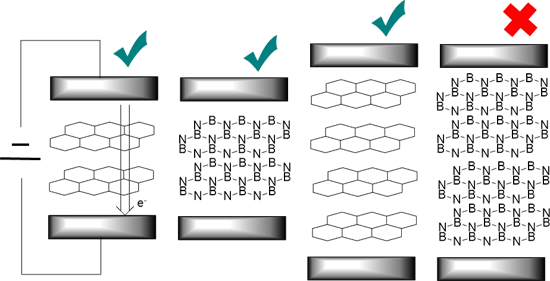
- tunneling behavior. Current–voltage characteristics showed linear dependence at low bias and exponential growth at higher voltages. Conductive atomic force microscopy measurements revealed highly uniform, defect-free tunneling across atomically flat h-BN terraces, with breakdown fields near 1 GV·m−1. These


Toward clinical translation of carbon nanomaterials in anticancer drug delivery: the need for standardisation
Beilstein J. Nanotechnol. 2025, 16, 2092–2104, doi:10.3762/bjnano.16.144

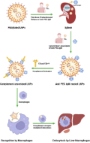
- instance, small carbon nanoparticles (CNPs) are readily cleared through renal pathways, whereas larger or irregularly shaped CNPs tend to accumulate in organs such as the liver and spleen. Characterisation of these properties is typically performed using dynamic light scattering, electron microscopy, or
- atomic force microscopy. Surface charge plays a significant role in determining how CNMs interact with biological membranes and intracellular environments. It influences processes such as cellular uptake, cytotoxicity, and inflammatory signalling. For example, BSA-derived negatively charged CDs exhibited




Calibration of piezo actuators and systems by dynamic interferometry
Beilstein J. Nanotechnol. 2025, 16, 2086–2091, doi:10.3762/bjnano.16.143
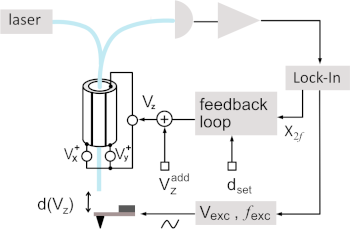
- Knarik Khachatryan Michael Reichling Institut für Physik, Universität Osnabrück, Barbarastr. 7, 49076 Osnabrück, Germany 10.3762/bjnano.16.143 Abstract To achieve precise measurements of small displacements in non-contact atomic force microscopy, it is crucial to control the position of moving
- oscillation amplitude calibration under conditions of various amounts of tube piezo contraction and extension. The merits and limits of accuracy for such type of calibration are discussed. Keywords: cantilever excitation; fiber interferometer; NC-AFM; piezo calibration; non-contact atomic force microscopy
- ; Introduction Interferometric displacement detection stands as a cornerstone in high-precision techniques employed in cantilever-based atomic force microscopy (AFM), since its early days [1][2][3][4][5][6]. This method of cantilever displacement detection is specifically well suited for non-contact atomic force


Multifrequency AFM integrating PeakForce tapping and higher eigenmodes for heterogeneous surface characterization
Beilstein J. Nanotechnol. 2025, 16, 2077–2085, doi:10.3762/bjnano.16.142
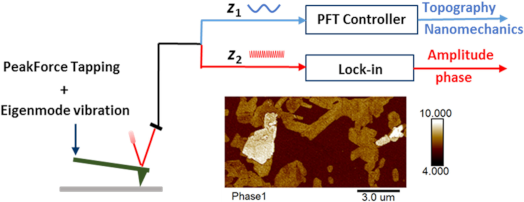
- Yanping Wei Jiafeng Shen Yirong Yao Xuke Li Ming Li Peiling Ke Public Technology Center, Ningbo Institute of Materials Technology and Engineering, Chinese Academy of Sciences, Ningbo 315201, China 10.3762/bjnano.16.142 Abstract This study introduces a multifrequency atomic force microscopy (AFM
- . Keywords: atomic force microscopy (AFM); high eigenmodes; multifrequency AFM; nanoscale material analysis; surface characterization; Introduction Atomic force microscopy (AFM) has become an indispensable tool for characterizing the morphology and surface properties of materials at the micro- and the


Molecular and mechanical insights into gecko seta adhesion: multiscale simulations combining molecular dynamics and the finite element method
Beilstein J. Nanotechnol. 2025, 16, 2055–2076, doi:10.3762/bjnano.16.141
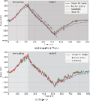
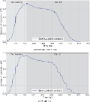
- detachment, thereby enhancing adhesion strength. The computed pull-off forces and observed mechanisms are consistent with atomic force microscopy measurements and previous simulations. These results align with existing experimental and computational studies. They also overcome scale and resolution
- microscopy (AFM) experiments. Our investigation into how gecko keratin interacts with hydrophilic and hydrophobic substrates [12] supported the importance of the water-mediating effect [10] and elucidated mechanistic differences depending on surface chemistry. A particle-based mesoscale model of a single
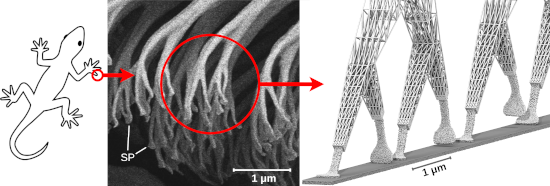
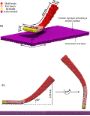
- to more spatula–substrate sites is straightforward but would increase runtime. Models Multiscale seta–spatula model A seta branches into spatulae as seen in scanning electron microscopy (SEM) images of gecko setae (Figure 1). A single seta on a gecko’s foot can have dozens of sub-branches, which






Stereodiscrimination of guests in chiral organosilica aerogels studied by ESR spectroscopy
Beilstein J. Nanotechnol. 2025, 16, 2034–2054, doi:10.3762/bjnano.16.140
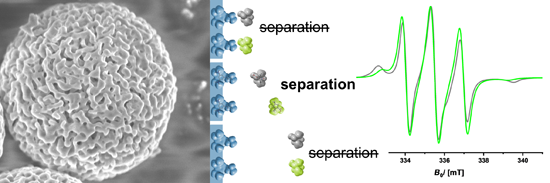
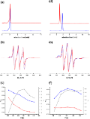
- prepare chiral oSILs by co-condensation of Si(OiPr)4 with a sol–gel precursor that already contains the amino acid. An example is an Ala-modified 1,3-bis(triisopropoxysilyl)aniline [45][49] as shown in Scheme 1. The resulting material was characterized by scanning electron microscopy (SEM; Figure 2a); it
- using a Bruker AVANCE III spectrometer operating at 400 MHz equipped with a 4 mm PH MAS DVT 400W1 BL4 N-P/H CGR probe head with magic angle gradient. 1H NMR measurements were performed on a Bruker Ascend 400 MHz spectrometer. Scanning electron microscopy and energy-dispersive X-ray spectroscopy were




Beyond the shell: exploring polymer–lipid interfaces in core–shell nanofibers to carry hyaluronic acid and β-caryophyllene
Beilstein J. Nanotechnol. 2025, 16, 2015–2033, doi:10.3762/bjnano.16.139
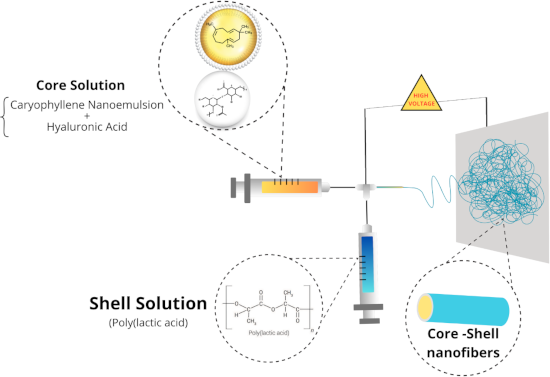
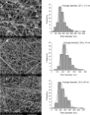
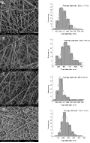
- fibers without the lipid core. Furthermore, maintaining ambient relative humidity below 45% proved essential for processing stability. Comprehensive morphological characterization via scanning electron microscopy confirmed the uniformity of the fibers. At the same time, confocal microscopy, cross
- scaffolds remains challenging, as modifications that improve release kinetics or protect the core can sometimes compromise biocompatibility or cellular interactions [55]. To evaluate the structure of the nanofibers produced, confocal microscopy was used under a fluorescent filter to study the morphologies
- core–shell structure indicates the absence of core material at the surface, and that the shell structure does not possess pores that would allow permeation or direct contact of water molecules with the core, as evidenced by scanning electron microscopy (SEM) images. Electrospun nanofibers organize into




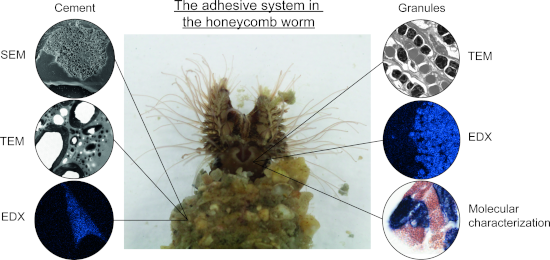
The cement of the tube-dwelling polychaete Sabellaria alveolata: a complex composite adhesive material
Beilstein J. Nanotechnol. 2025, 16, 1998–2014, doi:10.3762/bjnano.16.138
- % paraformaldehyde in phosphate-buffered saline, rinsed, and air-dried. Worms were left in the remaining proximal part of the tube and were provided with glass beads (425–600 µm in diameter; Sigma) to reconstruct the missing part [25]. Scanning electron microscopy and elemental composition analyses For secondary
- ) equipped with an 80 mm2 silicon drift detector. Acquisition conditions on the SEM were 15 kV, 10 mm working distance, and 10 s live time acquisition at approximately 30–40% dead time. The spectra were acquired with an AZtec (Oxford Instrument) EDS data processing software. Transmission electron microscopy
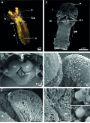
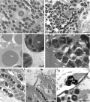
- building organ form the external part of a complex secretory organ made up of clusters of cement cells located deep within the parathoracic segments of the worm [6][17]. Using transmission electron microscopy, two main types of cement cells can be distinguished based on the ultrastructure of their



Laser ablation in liquids for shape-tailored synthesis of nanomaterials: status and challenges
Beilstein J. Nanotechnol. 2025, 16, 1963–1997, doi:10.3762/bjnano.16.137
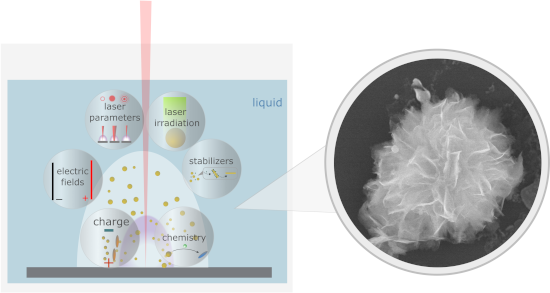
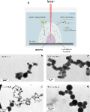
- observed the formation of a mixture of nanosheets and spherical NPs for the ablation using the 1064 nm laser wavelength, while at 532 nm only spherical NPs were observed. The authors observed nanosheets only in scanning electron microscopy, while transmission electron microscopy showed only spherical




Mechanical property measurements enabled by short-term Fourier-transform of atomic force microscopy thermal deflection analysis
Beilstein J. Nanotechnol. 2025, 16, 1952–1962, doi:10.3762/bjnano.16.136
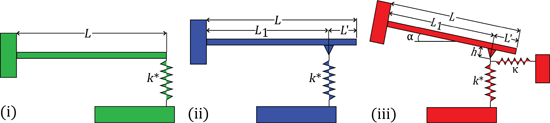
- Contact resonance atomic force microscopy (CR-AFM) has been used in many studies to characterize variations in the elastic and viscoelastic constants of materials along a heterogeneous surface. In almost all experimental work, the quantitative modulus of the surface is calculated in reference to a known
- model, improved matching the cantilever/sample stiffness to obtain a larger variation in contact stiffness with frequency, or investigating the use of higher-order modes that may achieve this improved match. Keywords: atomic force microscopy; contact resonance; highly oriented pyrolytic graphite (HOPG
- ); mechanical property measurements; surface science; Introduction Atomic force microscopy (AFM) has become an indispensable tool for imaging the surface topography on a variety of surfaces [1]. Since the invention of the AFM [2], several other modes of AFM have been developed, including friction force




Evaluating metal-organic precursors for focused ion beam-induced deposition through solid-layer decomposition analysis
Beilstein J. Nanotechnol. 2025, 16, 1942–1951, doi:10.3762/bjnano.16.135
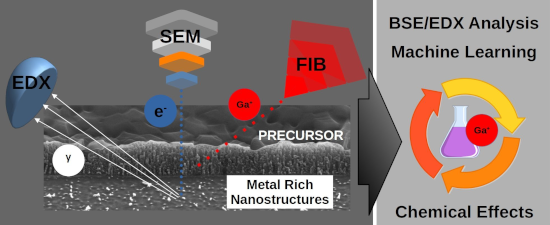
- create a new precursor, extensive testing using specialized gas injection systems is required along with time-consuming and costly chemical analysis typically conducted using scanning electron microscopy (SEM). This process can be quite challenging due to its complexity and expense. Here, the response of
- -dispersive X-ray spectroscopy (EDX); focused ion beam (FIB); focused ion beam-induced deposition (FIBID); machine learning; scanning electron microscopy (SEM); Introduction A variety of nanomanufacturing techniques, such as optical and electron-beam lithography, nanoimprint lithography, atomic layer
- the fabrication or modification of cantilevers in AFM and scanning optical near-field microscopy, and as plasmonic materials [15][16][17][18][19]. FEBID/FIBID techniques combine the advantages of direct-write lithographic processes, for example, high spatial resolution, site-specificity, no need for


PEGylated lipids in lipid nanoparticle delivery dynamics and therapeutic innovation
Beilstein J. Nanotechnol. 2025, 16, 1914–1930, doi:10.3762/bjnano.16.133
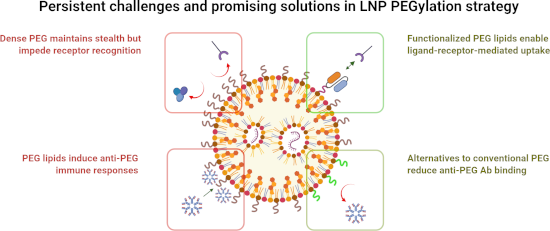
- observed in negative control versus mApoE pLNPs, with a nearly 160-fold increased spleen-to-liver signal [40]. Fluorescence microscopy further demonstrated that RVG29 pLNPs exhibited enhanced cellular uptake and efficient endosomal escape. These findings support that functionalized PEG lipids containing
- injection at 10 ng DNA per dose [42]. Although early tumor accumulation of the dual-targeted LNPs was modest in MCF7 xenografts, confocal microscopy at 45 h post-injection showed enhanced EGFP transgene expression compared to single-ligand LNPs. These findings demonstrated how integrating multiple targeting


Targeting the vector of arboviruses Aedes aegypti with nanoemulsions based on essential oils: a review with focus on larvicidal and repellent properties
Beilstein J. Nanotechnol. 2025, 16, 1894–1913, doi:10.3762/bjnano.16.132
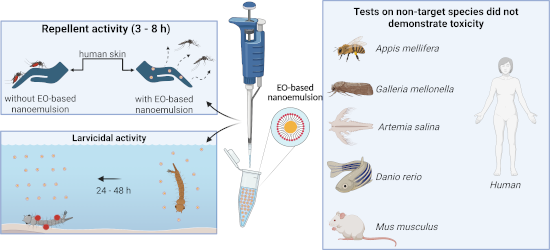
- to 83 nm (oil) and 167 to 230 nm (thymol), with stability of up to 60 days. In bioassays with third-instar larvae, thymol nanoemulsion demonstrated greater efficacy (LC50 = 34.89 ppm), followed by oil (LC50 = 46.73 ppm), both outperforming conventional emulsions. Electron microscopy revealed damage


Low-temperature AFM with a microwave cavity optomechanical transducer
Beilstein J. Nanotechnol. 2025, 16, 1873–1882, doi:10.3762/bjnano.16.130
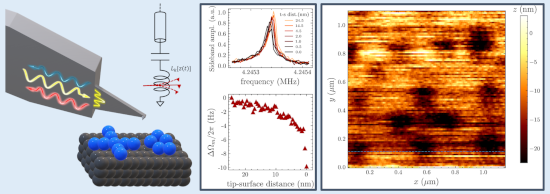
- /bjnano.16.130 Abstract We demonstrate atomic force microscopy (AFM) imaging with a microcantilever force transducer where an integrated superconducting microwave resonant circuit detects cantilever deflection using the principles of cavity optomechanics. We discuss the detector responsivity and added
- feedback in both amplitude-modulation and frequency-modulation modes. Keywords: atomic force microscopy; cavity optomechanics; Introduction The past two decades have seen the emergence of a variety of remarkable microscopic and mesoscopic optomechanical devices. Through innovative design and fabrication
- ], tests of quantum gravity [3][4][5], force microscopy [6][7][8], magnetometry [9][10], and quantum state transfer [11][12][13]. In some cases, further improvement on fundamental figures of merit is required, while, in other cases, the difficulty lies in balancing trade-offs to find an optimal design that


Self-assembly and adhesive properties of Pollicipes pollicipes barnacle cement protein cp19k: influence of pH and ionic strength
Beilstein J. Nanotechnol. 2025, 16, 1863–1872, doi:10.3762/bjnano.16.129
- bioinspired adhesives and biomaterials. Keywords: adhesive; amyloid fibre; barnacle cement protein; surface coating; transmission electron microscopy; Introduction Marine adhesives are naturally occurring substances secreted by a variety of organisms to attach themselves to submerged surfaces such as rocks
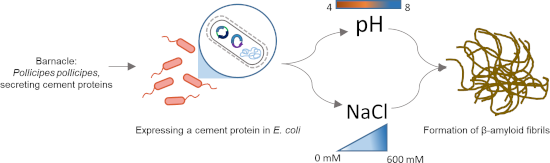
- work, we expressed recombinant P. pollicipes cp19k (rPpolcp19k) in E. coli and identified key environmental modulators of fibril formation by the protein. Transmission electron microscopy (TEM) was used to study the rate of fibril formation and morphology under varied pH and salt concentration
- achieved (Supporting Information File 1, Figure S1). Purified protein was dialysed into 10 mM sodium acetate (pH 4.0) or 10 mM sodium phosphate (pH 8.0) buffer, with NaCl concentrations ranging from 0 to 600 mM. Transmission electron microscopy TEM analysis identified the formation of fibril structures by
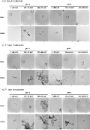


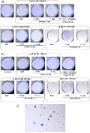
Phytol-loaded soybean oil nanoemulsion as a promising alternative against Leishmania amazonensis
Beilstein J. Nanotechnol. 2025, 16, 1826–1836, doi:10.3762/bjnano.16.126

- shown in the size distribution graph (Figure 1b). Moreover, the zeta potential (ZP) of both samples was around −20 mV, with no significant changes upon phytol loading. To evaluate the shape and morphological characteristics of the nanoemulsions, transmission electron microscopy (TEM) analysis was
- evaluated over a 30-day period by monitoring droplet size, PdI, ZP, and pH using the same methodologies previously described. Morphology The morphology of the nanoemulsion droplets was examined by transmission electron microscopy using a FEI Tecnai G2 Spirit Biotwin microscope operating at 120 kV (FEI


Electrical, photocatalytic, and sensory properties of graphene oxide and polyimide implanted with low- and medium-energy silver ions
Beilstein J. Nanotechnol. 2025, 16, 1794–1811, doi:10.3762/bjnano.16.123
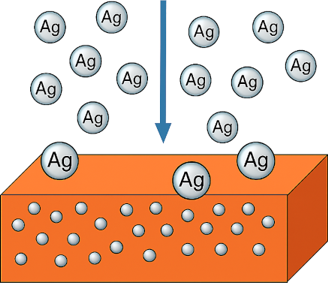
- atomic force microscopy. Electrical properties as a function of air humidity were evaluated using a two-point method, and photocatalytic activity was tested by monitoring the UV-induced decomposition of rhodamine B. The results demonstrate that ion implantation significantly reduces surface resistivity
- amorphization of the material and probably to the carbonization of the polyimide. Surface morphology studied by AFM Changes in the surface morphology of PI implanted with 20 keV and 1.5 MeV Ag ions at different fluences were examined by atomic force microscopy (AFM). The basic parameters arithmetic average


Exploring the potential of polymers: advancements in oral nanocarrier technology
Beilstein J. Nanotechnol. 2025, 16, 1751–1793, doi:10.3762/bjnano.16.122
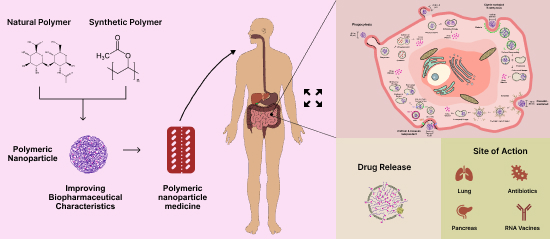


Multifunctional anionic nanoemulsion with linseed oil and lecithin: a preliminary approach for dry eye disease
Beilstein J. Nanotechnol. 2025, 16, 1711–1733, doi:10.3762/bjnano.16.120
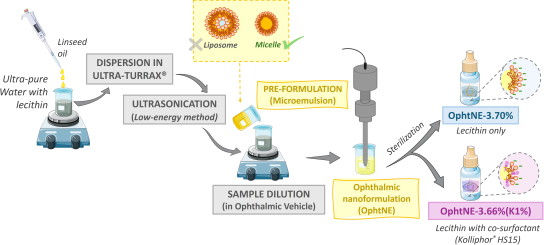
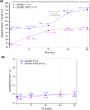
- digital pH meter (HI2221, Hanna Instruments, BR) equipped with a calibrated glass electrode and a temperature sensor. The electrode and sensor were immersed in the samples, and pH readings were recorded once the measurements stabilized. Transmission electron microscopy The morphology of the nanoemulsions
- was analyzed using transmission electron microscopy (TEM) with a MORGAGNI 268D (FEI Company, USA), operated at 80 kV. Before imaging, the samples were sonicated in an ultrasound bath for 15 min, and a drop of the suspension was placed onto a copper grid (200 mesh) coated with formvar/carbon. Excess



Beyond the bilayer: multilayered hygroscopic actuation in pine cone scales
Beilstein J. Nanotechnol. 2025, 16, 1695–1710, doi:10.3762/bjnano.16.119
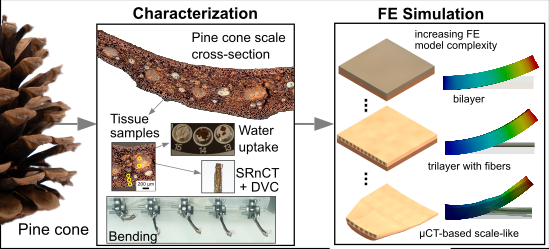
- electron microscopy (abaxial: 9%, adaxial: 1%, [18]). Although their exact values of measured longitudinal expansion may differ from ours due to differences in methodology and pine species studied, our results do support the ability of individual fibers to bend independently in response to moisture changes


Ambient pressure XPS at MAX IV
Beilstein J. Nanotechnol. 2025, 16, 1677–1694, doi:10.3762/bjnano.16.118
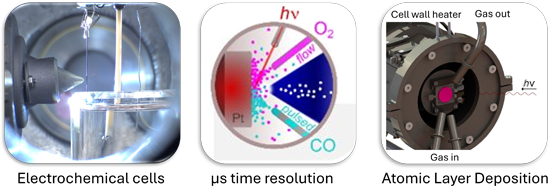
- is largely derived from ex situ surface analysis using XPS and scanning tunneling microscopy. However, the findings of UHV-XPS do not accurately represent the genuine passive film/electrolyte interface. APXPS is essential to observe the onset and progression of corrosion and to gain a fundamental
- spectrometry will enable a more holistic understanding of structure–function relationships at working interfaces. Additionally, the development of correlated, spatially resolved measurements, potentially via photoemission electron microscopy (PEEM) or scanning probe methods, could further bridge the gap





Prospects of nanotechnology and natural products for cancer and immunotherapy
Beilstein J. Nanotechnol. 2025, 16, 1644–1667, doi:10.3762/bjnano.16.116

- CXCL9/10 expression in Schwann cells [114]. Particle size and stability of the formulation in the patent were characterized using scanning electron microscopy (SEM). The nanoparticles demonstrated enhanced uptake in HepG2 cells, as confirmed by flow cytometry and confocal microscopy, and achieved a
- ) complex that targets the PD-L1 gene, a cell-penetrating peptide, and a tumor cell membrane derived from HepG2 cells. Characterization of the nanoparticles showed that the nanocomplex was stabilized by hydrogen bonds, van der Waals forces, and hydrophobic forces. In addition, confocal microscopy, gene
- aptamer, sorafenib, and ursolic acid as an API at 4 mg·mL−1 in methanol. Physicochemical tests showed that the nanoparticles have a spherical shape, confirmed by atomic force microscopy (AFM), and are stable in ultrapure water and Dulbecco’s modified eagle medium (DMEM) with 10% FBS. Procedures to


Venom-loaded cationic-functionalized poly(lactic acid) nanoparticles for serum production against Tityus serrulatus scorpion
Beilstein J. Nanotechnol. 2025, 16, 1633–1643, doi:10.3762/bjnano.16.115
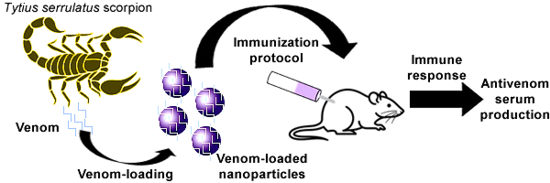
- analysis supported small and narrow-sized cationic functionalized nanoparticles. Atomic force microscopy and scanning electron microscopy images showed nanoparticles with a spherical and smooth shape. The stability of tested formulations was accessed for six weeks, and the sustained release of proteins
- corroborates the high encapsulation efficiency obtained by the BCA assay. Field emission gun scanning electron microscopy and atomic force microscopy analyses Field emission gun scanning electron microscopy (FEGSEM) and atomic force microscopy (AFM) analyses were realized to access shape and surface features
- data expressed as mean ± standard deviation. The shape and surface of nanoparticles were assessed by AFM (SPM-9700 Shimadzu, Tokyo, Japan) and FEGSEM (Zeiss Microscopy, Auriga, Jena, Germany) images. For the AFM analyzes, a drop of dispersion was placed on a clean microscope slide and dried under a


Nanotechnology-based approaches for the removal of microplastics from wastewater: a comprehensive review
Beilstein J. Nanotechnol. 2025, 16, 1607–1632, doi:10.3762/bjnano.16.114
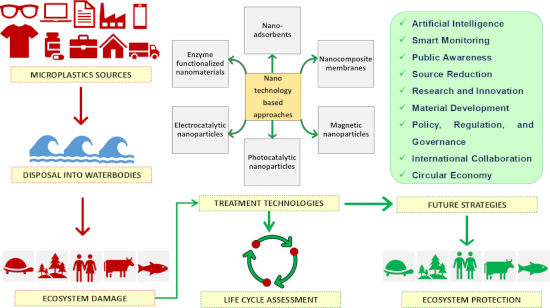
- electron microscopy combined with energy dispersive X-ray spectroscopy, and terahertz time domain spectroscopy. These modern approaches enhance both accuracy and efficiency of detection compared to conventional methods. Nonetheless, they often involve complex sample preparation steps, which may result in


Photocatalytic degradation of ofloxacin in water assisted by TiO2 nanowires on carbon cloth: contributions of H2O2 addition and substrate absorbability
Beilstein J. Nanotechnol. 2025, 16, 1567–1579, doi:10.3762/bjnano.16.111
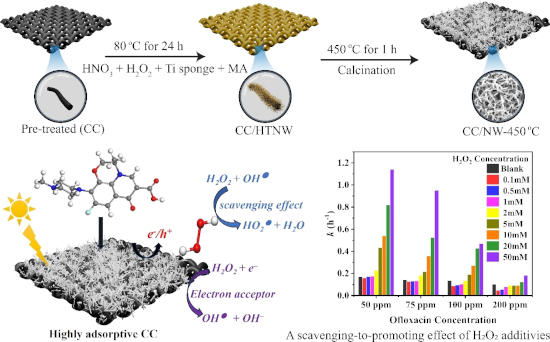
- drying. The P25 loading was ca. 50.0 mg (≈1.0 mg/cm2), nearly the same as that of the TiO2 nanowires on carbon cloth. Characterizations The morphologies were analyzed using field-emission scanning electron microscopy (FESEM, Zeiss Germany Sigma 300) and high-resolution transmission electron microscopy





