Search results
Search for "nanomaterials" in Full Text gives 614 result(s) in Beilstein Journal of Nanotechnology. Showing first 200.
Laser processing in liquids: insights into nanocolloid generation and thin film integration for energy, photonic, and sensing applications
Beilstein J. Nanotechnol. 2025, 16, 1428–1498, doi:10.3762/bjnano.16.104
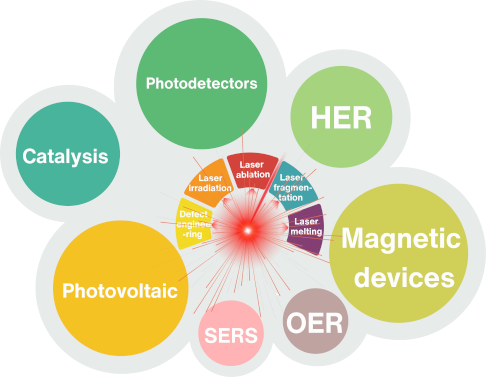
- , electrochemical/photoelectrochemical sensors, hydrogen/oxygen evolution, SERS sensors and other types of devices reported so far. The last section explains the challenges and further scope of these devices from laser-generated nanocolloids. Keywords: HER/OER/water splitting; laser synthesis of nanomaterials
- . These techniques have been important for progress in this field of study. 1.1 Laser ablation in liquids Laser ablation in liquids (LAL) is a well-established technique for synthesizing nanomaterials such as metals, semiconductors, ceramics, polymers, and alloys. Several review articles published since
- [12]. The size, shape, and composition of these nanomaterials can be controlled by adjusting experimental parameters such as laser settings, liquid medium, and target material. Additionally, the preparation of doped and multicomponent semiconductor nanostructures could expand LAL’s potential in






Photochemical synthesis of silver nanoprisms via green LED irradiation and evaluation of SERS activity
Beilstein J. Nanotechnol. 2025, 16, 1417–1427, doi:10.3762/bjnano.16.103
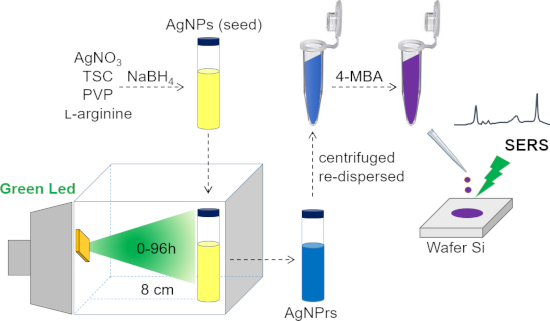
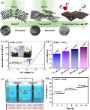
- , the surfaces of the silver nanomaterials (initial AgNP seeds, planar twinned seeds) are continuously excited, and the growth of AgNPrs proceeds via two mechanisms (Figure 6). These mechanisms are: (1) TSC continues to be excited and promotes the reduction of Ag+, resulting in the deposition of Ag0 on
- C–H stretching modes [21][22]. These findings demonstrate the SERS-enhancing capability of the silver nanomaterials synthesized in this study. The SERS enhancement effect of each nanomaterial was evaluated based on the intensity of the 1589 cm−1 peak. Overall, AgNPrs exhibited significantly stronger
- ]: where ISERS and Ibulk are the Raman intensities of 4-MBA in the presence and absence of silver nanomaterials, respectively. NSERS and Nbulk are the number of 4-MBA molecules excited by the laser under SERS and non-SERS conditions, respectively. Since the same volume (20 µL) and method were used, NSERS


Synthesis and antibacterial properties of nanosilver-modified cellulose triacetate membranes for seawater desalination
Beilstein J. Nanotechnol. 2025, 16, 1380–1391, doi:10.3762/bjnano.16.100
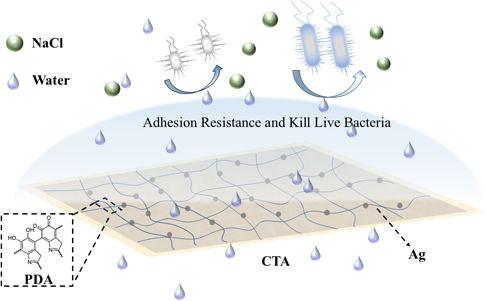
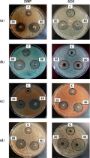
- membrane surface, significantly reduces the efficiency of water production [16]. Therefore, there is an urgent need to enhance membrane properties to achieve both high permeability and high selectivity while improving resistance to biological contamination. Antibacterial nanomaterials have garnered
- significant attention for their ability to enhance the antibacterial properties of membrane materials, effectively addressing critical issues such as biofouling and microbial contamination in water treatment systems. These nanomaterials, characterized by their high surface area-to-volume ratio, tunable
- surface properties, and quantum effects, collectively enhance their antimicrobial efficacy [17]. The high surface area-to-volume ratio of nanomaterials facilitates efficient interactions with microorganisms, thereby enhancing their antimicrobial efficacy [18]. Additionally, the surface properties of


Ferroptosis induction by engineered liposomes for enhanced tumor therapy
Beilstein J. Nanotechnol. 2025, 16, 1325–1349, doi:10.3762/bjnano.16.97
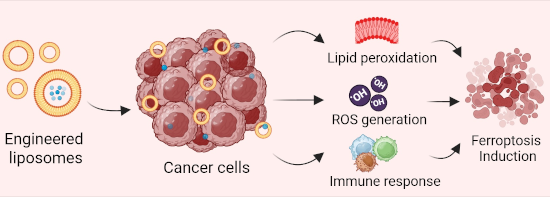
- marked by an accumulation of PUFAs and a lack of reduced GSH, making these cells susceptible to ferroptosis [84]. Due to their vast therapeutic potential, ferroptosis inducers have attracted significant attention in cancer research. Additionally, different nanomaterials have been created to trigger


Deep-learning recognition and tracking of individual nanotubes in low-contrast microscopy videos
Beilstein J. Nanotechnol. 2025, 16, 1316–1324, doi:10.3762/bjnano.16.96
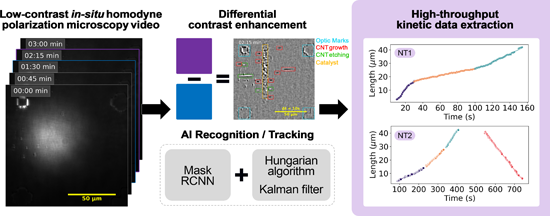
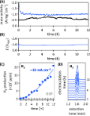
- situ imaging platforms for nanomaterials, such as environmental transmission electron microscopy (ETEM) of CNTs [31][33] and environmental scanning electron microscopy (ESEM) of graphene growth and etching processes [34]. Snapshots from (a) the raw video of carbon nanotube (CNT) synthesis on a stable


Better together: biomimetic nanomedicines for high performance tumor therapy
Beilstein J. Nanotechnol. 2025, 16, 1246–1276, doi:10.3762/bjnano.16.92
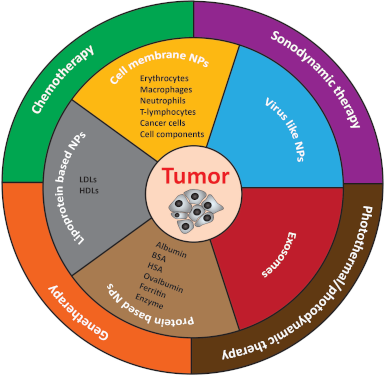
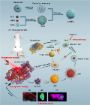
- utility, biomimetic nanoparticles hold great promise for advancing the field of cancer treatment. Keywords: biomimetic nanoparticles; homotypic binding; nanomaterials; targeted drug delivery; tumor therapy; Introduction Cancer is a complex disease, which involves numerous cells and their crosstalk with
- surface acts as scaffold for synthesis of nanoparticles [76]. The thiol groups are protonated at neutral pH and can entrap Au(III) ions. When the pH is changed to basic (≈12), Au(III) is reduced to Au and gold nanoparticles are formed [77]. Synthesis of albumin-templated nanomaterials depends upon many
- factors. Yang et al. produced ceria nanoparticles, nanoclusters, and nanochains by changing molar concentration, time of reaction, and temperature. They found that size and morphology of the nanomaterials can be optimized by careful tuning of switchable ionic redox systems (Ce3+/Ce4+), the unique







Functional bio-packaging enhanced with nanocellulose from rice straw and cinnamon essential oil Pickering emulsion for fruit preservation
Beilstein J. Nanotechnol. 2025, 16, 1234–1245, doi:10.3762/bjnano.16.91
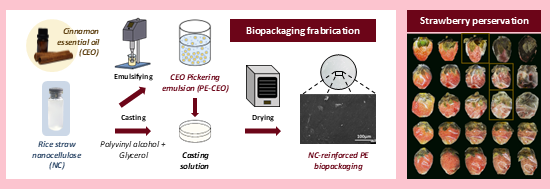
- degradation byproducts [8][9]. One problem is that the hydrophilic structure of PVA gives it a high water-solubility, water uptake, and worse mechanical properties [10][11]. Different filler and nanomaterials including silica [12][13][14], graphene [15][16], and metals [17][18] have been added to PVA to
- develop composite materials with superior properties. Compared to other inorganic nanomaterials, nanocellulose (NC) has been noted to be a highly potential sustainable and bio-based filler that can be obtained from otherwise wasted agricultural byproducts like rice straw [11][19]. NC can enhance polymer




Chitosan nanocomposite containing rotenoids: an alternative bioinsecticidal approach for the management of Aedes aegypti
Beilstein J. Nanotechnol. 2025, 16, 1197–1208, doi:10.3762/bjnano.16.88
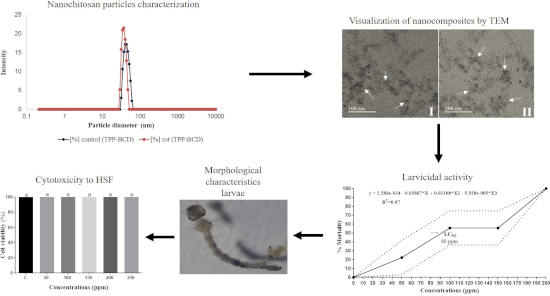
- the nanocomposite to reduce potential environmental damage, such as those reported in the literature for some metal-decorated nanomaterials and their derivatives (silver, gold, copper, zinc, titanium, and silicon) that can be highly toxic to non-target organisms in the environment [18]. The

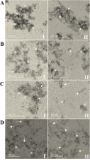


Electronic and optical properties of chloropicrin adsorbed ZnS nanotubes: first principle analysis
Beilstein J. Nanotechnol. 2025, 16, 1184–1196, doi:10.3762/bjnano.16.87
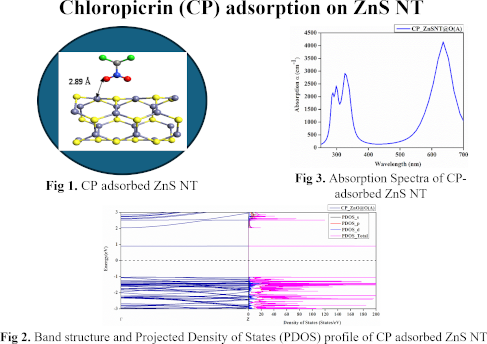
- agents is paramount to ensure safety in agricultural settings and protect public health from potential hazards. Nanomaterials have emerged as an exceptional class of materials, characterized by at least one dimension in the range of 1 to 100 nm. These materials exhibit remarkably high surface areas
- , which can be tailored through rational design. By precisely controlling their size, shape, synthesis conditions, and functionalization, nanomaterials can achieve extraordinary magnetic, electrical, optical, mechanical, sensing, anticancer, and photocatalytic properties that significantly differ from
- their bulk counterparts [9][10][11][12][13][14]. Zinc sulfide (ZnS) attracts considerable attention among various nanomaterials due to its unique properties. Nanostructured ZnS with different morphologies, including nanotubes, nanowires, nanoparticles, and nanosheets has been extensively investigated


Crystalline and amorphous structure selectivity of ignoble high-entropy alloy nanoparticles during laser ablation in organic liquids is set by pulse duration
Beilstein J. Nanotechnol. 2025, 16, 1141–1159, doi:10.3762/bjnano.16.84
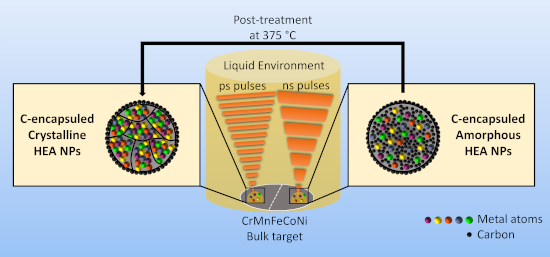
- nanomaterials, usually consisting of single-phase solid solutions made of five or more elements, forming relatively simple face-centered cubic [6][7][8] (fcc) or body-centered cubic [9][10] (bcc) crystal structures, stabilized by the configurational part of Gibbs-free energy. It is worth noting that high




Piezoelectricity of hexagonal boron nitrides improves bone tissue generation as tested on osteoblasts
Beilstein J. Nanotechnol. 2025, 16, 1068–1081, doi:10.3762/bjnano.16.78
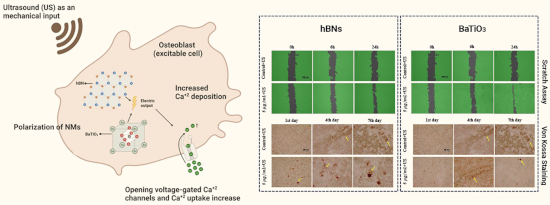
- be sufficient to repair the damage. To address this, the use of piezoelectric nanomaterials (NMs) in bone tissue engineering was investigated. In this study, the influence of the piezoelectric hexagonal boron nitrides (hBNs) and barium titanate (BaTiO3) on human osteoblasts (HOb) was comparatively
- potential to accelerate bone tissue regeneration and promote bone healing. These findings offer a promising avenue for developing new therapies for bone-related injuries and conditions requiring significant bone remodeling. Keywords: bone healing; hexagonal boron nitrides; human osteoblasts; nanomaterials
- , making them particularly attractive for biomedical applications. [21][22]. Barium titanate (BaTiO3) is one of the most well-known piezoelectric nanomaterials (NMs), characterized by a cubic structure with four polymorphs which change depending on the temperature and a high dielectric constant. All its


Soft materials nanoarchitectonics: liquid crystals, polymers, gels, biomaterials, and others
Beilstein J. Nanotechnol. 2025, 16, 1025–1067, doi:10.3762/bjnano.16.77
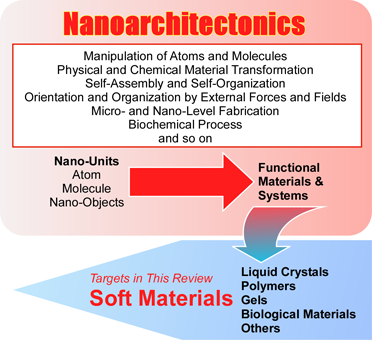
- layer-by-layer fashion. LbL methods provide a nanoarchitectonics approach to the construction of functional composite nanomaterials with exceptional electrocatalytic properties. Azzaroni, Rafti, Marmisollé, and colleagues optimized the electrocatalytic properties of a conducting polymer by






A calix[4]arene-based supramolecular nanoassembly targeting cancer cells and triggering the release of nitric oxide with green light
Beilstein J. Nanotechnol. 2025, 16, 1003–1013, doi:10.3762/bjnano.16.75
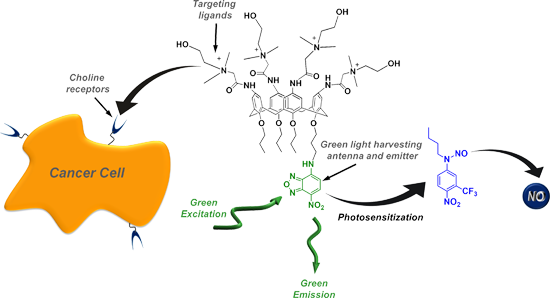
- , supramolecular nanoconstructs, and nanomaterials photoreleasing NO have been developed as potential nanomedicines over the last decades [40][41][42][43][44][45][46][47][48][49][50]. In this regard, generating NO with highly biocompatible long wavelength green or red light is highly desirable over blue or even UV


Time-resolved probing of laser-induced nanostructuring processes in liquids
Beilstein J. Nanotechnol. 2025, 16, 968–1002, doi:10.3762/bjnano.16.74
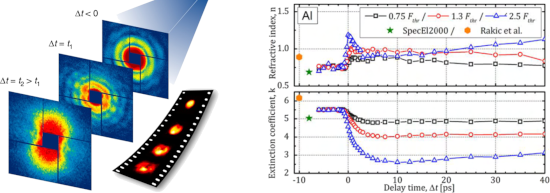
- Institute of Technology (KIT), Postfach 3640, D-76021 Karlsruhe, Germany 10.3762/bjnano.16.74 Abstract Laser synthesis and processing of colloids (LSPC) in liquids has gained widespread applications in producing nanomaterials of different classes of solids. While the technical processes in different cases


Facile one-step radio frequency magnetron sputtering of Ni/NiO on stainless steel for an efficient electrode for hydrogen evolution reaction
Beilstein J. Nanotechnol. 2025, 16, 837–846, doi:10.3762/bjnano.16.63
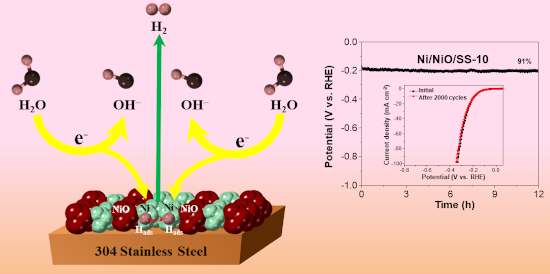
- may introduce a facile and eco-friendly strategy for fabricating noble metal-free, efficient nanomaterials for electrocatalytic HER. Keywords: electrocatalysts; magnetron sputtering; nickel; nickel oxide; water electrolysis; Introduction The world is facing a critical challenge through the
- catalysts were recognized as the best material for electrochemical hydrogen evolution reaction (HER) [11][12][13]. However, it is challenging to use Pt-based nanomaterials for industrial applications because of their non-abundance and high cost. As a result, many studies have explored Pt-free catalysts
- fabricated metal/metal oxide-based nanomaterials using various solution-based methods for alkaline HER because of the efficacy of metal oxides in breaking water molecules. In this context, Ni/NiO-based nanomaterials were evaluated as promising catalysts for industrial applications because of their Gibbs free


Supramolecular hydration structure of graphene-based hydrogels: density functional theory, green chemistry and interface application
Beilstein J. Nanotechnol. 2025, 16, 806–822, doi:10.3762/bjnano.16.61
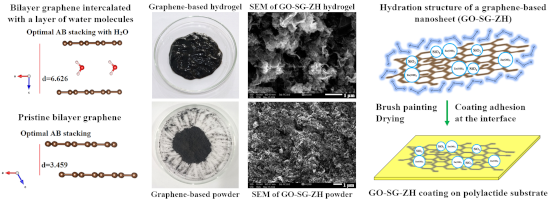
- repulsive hydration forces when another surface perturbs the hydration layers [6][7][8]. Hydration shells and hydration forces keep the hydrated structures stable and functional in the natural concert of biological processes. In the aspect of artificial nanomaterials, it is proposed that hydration also
- plays an important role in the stability and functionality of nanoscale structures. Van der Waals forces are supramolecular intermolecular interactions that govern the agglomeration of nanomaterials. Carbon nanostructures with π-conjugated systems (fullerene, carbon nanotube, and graphene) have π–π
- circular economy [18][19][20][21]. Especially, GO nanosheets decorated with SG-ZH nanoparticles have hydrophilic surfaces to retain hydration layers in the hydrogel structure of the GO-SG-ZH nanocomposite. Hydration layers in the GO-SG-ZH hydrogel also function as lubricants at the nanomaterials interfaces


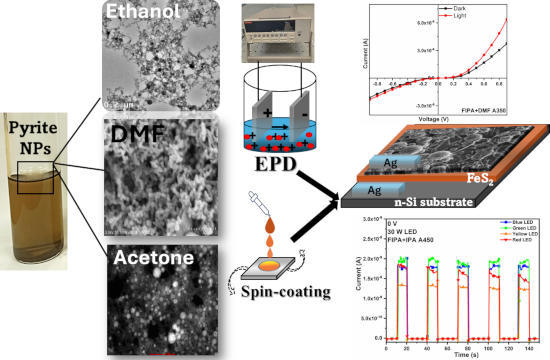
Morphology and properties of pyrite nanoparticles obtained by pulsed laser ablation in liquid and thin films for photodetection
Beilstein J. Nanotechnol. 2025, 16, 785–805, doi:10.3762/bjnano.16.60






Colloidal few layered graphene–tannic acid preserves the biocompatibility of periodontal ligament cells
Beilstein J. Nanotechnol. 2025, 16, 664–677, doi:10.3762/bjnano.16.51
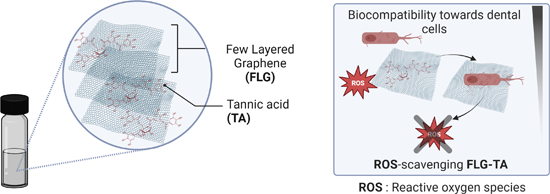
- , 67034 Strasbourg Cedex 2 BP43, France 10.3762/bjnano.16.51 Abstract Dental diseases pose a global health concern. In addition to medication and care, the use of biocompatible and even bioactive dental materials can contribute to global oral health. Among such materials, nanomaterials begin to be used
- transformative approach to enhance their efficacy [2]. Actually, incorporating nanomaterials into dental biomaterials has already offered advantages like enhanced tissue regeneration, increased mechanical strength of composites, and improved sealing of filler materials [3]. Graphene-based materials (GBMs) stand
- found in Figure S6, Supporting Information File 1. To the best of our knowledge, no studies have reported this level of biocompatibility for FLG–TA within the dental context [4][31][32]. While earlier studies have examined the relationship between TA and carbon-based nanomaterials, they primarily





Focused ion and electron beams for synthesis and characterization of nanomaterials
Beilstein J. Nanotechnol. 2025, 16, 613–616, doi:10.3762/bjnano.16.47

- question, the co-guest editors Dr. Ivo Utke, Dr. Katja Höflich, Dr. Gregor Hlawacek, Dr. Nico Klingner, and myself organized a thematic issue in connection with the work presented at the joint meeting of the FIT4NANO (fit4nano – Focused Ion Technology for Nanomaterials) and FEBIP (Focused Electron Beam
- etching or deposition. The precision and versatility of these beams, including the use of multiple gas species, open pathways to fabricate 3D nanomaterials that are unattainable through conventional chemical methods. However, achieving reproducibility in such structures requires a deep understanding of

Polyurethane/silk fibroin-based electrospun membranes for wound healing and skin substitute applications
Beilstein J. Nanotechnol. 2025, 16, 591–612, doi:10.3762/bjnano.16.46
- discomfort of the patients during the procedure [170]. Besides wound healing, light-activated nanostructured biomaterials have promising applications in treating neural disorders. For example, in nerve tissue engineering, light-responsive scaffolds and nanomaterials facilitate neural stem cell proliferation



Feasibility analysis of carbon nanofiber synthesis and morphology control using a LPG premixed flame
Beilstein J. Nanotechnol. 2025, 16, 581–590, doi:10.3762/bjnano.16.45
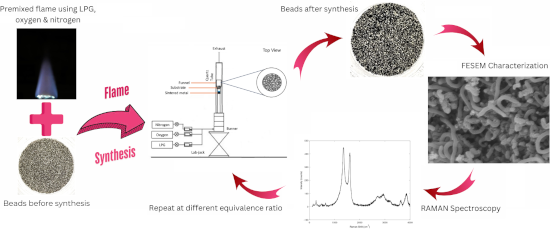
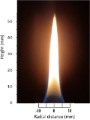
- methane and ethylene. Though LPG is a commercially viable source for carbon-based nanomaterials, the understanding of the effects of a LPG flame on CNF growth is very limited. Therefore, the present study is to analyze the feasibility of CNF growth in a premixed LPG flame using a one-dimensional flame at
- nucleation rate, which in turn increases the catalyst particle size and the amount of free carbon atoms, producing CNFs with larger diameters and amorphous carbon. According to Raman analysis, the grown CNFs have a high number of defects, which may be good for applications where defective nanomaterials are
- combustion mode where the fuel and oxidizer are thoroughly mixed before ignition. LPG is a cheap industrial material used as a carbon source to produce carbon nanomaterials [6]. The application of CNFs includes, but is not limited to, energy storage in batteries and supercapacitors, electronics, drug



Nanomaterials in targeting amyloid-β oligomers: current advances and future directions for Alzheimer's disease diagnosis and therapy
Beilstein J. Nanotechnol. 2025, 16, 561–580, doi:10.3762/bjnano.16.44
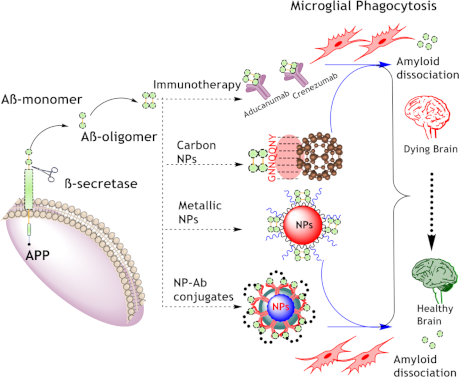
- emphasized the importance of accurately identifying AβOs in patient samples, enhancing the potential for timely intervention. In recent years, nanomaterials (NMs) have emerged as promising agents for addressing AβOs regarding their multivalent interactions, which can more effectively detect and inhibit AβO
- ; dissociation; nanomaterials; Review Introduction The etiology of Alzheimer’s disease (AD) has traditionally been linked to the presence of amyloid-β 42 (Aβ42), a protein widely recognized as a key marker of the disease. However, a growing body of recent scientific evidence suggests that it may be the amyloid
- early detection and the identification of reliable biomarkers and therapeutic targets. Moreover, the blood–brain barrier (BBB) poses a significant obstacle to effective drug delivery, further hindering the development of successful treatments. Nanomaterials (NMs) offer promising solutions for the early


Quantification of lead through rod-shaped silver-doped zinc oxide nanoparticles using an electrochemical approach
Beilstein J. Nanotechnol. 2025, 16, 422–434, doi:10.3762/bjnano.16.33
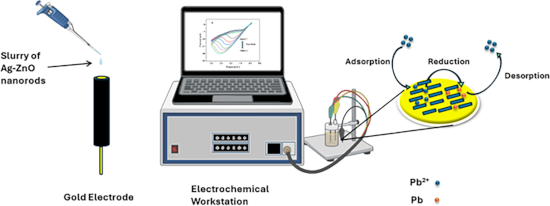
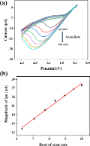
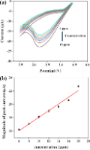
- chemical substances [7][8]. Target detection in real time is a strong suit for electrochemical devices. Electron mediators are typically used to modify the working electrodes in electrochemical sensor fabrication. These days, due to their unique electrical and optical characteristics, nanomaterials are
- electron microscopy (FESEM) image of the as-obtained nanomaterials. The produced nanomaterials had rod-shaped morphologies and were grown at extremely high densities, as seen by the SEM image. Figure 2b represents the average diameter of Ag@ZnO NRs which was calculated using the Image J software. The





Size control of nanoparticles synthesized by pulsed laser ablation in liquids using donut-shaped beams
Beilstein J. Nanotechnol. 2025, 16, 407–417, doi:10.3762/bjnano.16.31
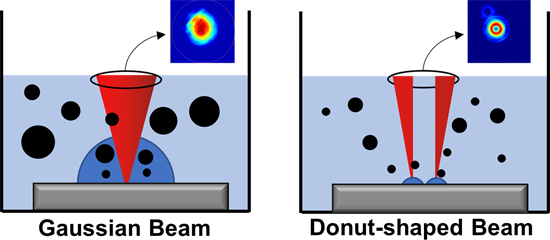
- nanoparticles (NPs) with defined particle sizes and narrow size distribution width is driven by the growing integration of nanomaterials into various industrial applications, such as medicine [1][2][3], catalysis [4][5], sensors [6][7], and additive manufacturing [8]. The performance of NPs typically depends on
- precise compositional control such as metastable binary core–shell NPs [16] and quinary Cantor high-entropy alloy NPs [17][18]. Such high-entropy nanomaterials are recently being discussed as game changers, providing disruptive design opportunities in multifunctional catalysts or magnetic materials [19


Pulsed laser in liquid grafting of gold nanoparticle–carbon support composites
Beilstein J. Nanotechnol. 2025, 16, 349–361, doi:10.3762/bjnano.16.26
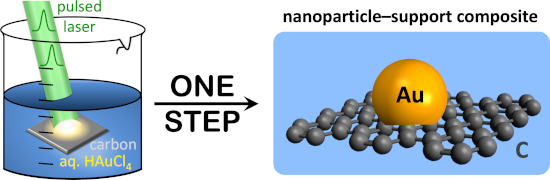
- additional advantage of enabling pulsed laser decontamination and activation of surfaces, while concurrently exploiting the advantages of nanoparticle preparation by pulsed laser in liquid synthesis, including the many degrees of control to fabricate tailored nanomaterials [1]. Pulsed laser grafting advances