


Search results
Search for "oxides" in Full Text gives 467 result(s) in Beilstein Journal of Nanotechnology. Showing first 200.
Identification of structural features of surface modifiers in engineered nanostructured metal oxides regarding cell uptake through ML-based classification
Beilstein J. Nanotechnol. 2024, 15, 909–924, doi:10.3762/bjnano.15.75

- advancement of nanotechnology has led to the widespread utilization of engineered nanostructured metal oxides (ENMOs) in various industrial and biomedical applications [1]. Nanoparticles (NPs) are described by the International Organization for Standardization as structures characterized by one, two, or three
- line (e.g., 6, 9, and 15). Other descriptors including maxssO, maxHBd, maxdO, ndO, ndssC, and nHBDon_Lipinski contribute less to the cellular uptake of ENMOs in the U937 cell line. Conclusion Identifying the surface modifiers of engineered nanostructured metal oxides (ENMOs) that enhance affinity for
- modifiers of nanostructured metal oxides. This may facilitate a higher therapeutic response by surface modifier-mediated site-specific targeting to the cell surface receptors of particular cell types. Further availability of sufficient and reliable uptake data of ENMOs in other cell types is also needed for


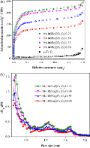
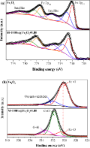
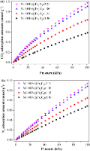
Facile synthesis of Fe-based metal–organic frameworks from Fe2O3 nanoparticles and their application for CO2/N2 separation
Beilstein J. Nanotechnol. 2024, 15, 897–908, doi:10.3762/bjnano.15.74
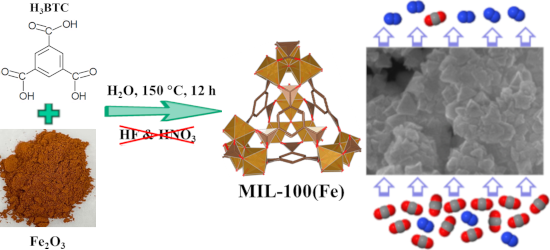
- ]. Additionally, iron oxides were considered as iron precursors required to make MIL-100(Fe). The first candidate Fe3O4 was used to successfully fabricate MIL-100(Fe) in a hydrothermal reactor in the absence of HF and HNO3 [26][27]; it resulted in enhanced porosity of the obtained material when increasing the
- environment. In contrast to metallic iron and iron salts, iron oxides are acknowledged for their easy storage and abundant availability in raw materials derived from natural iron oxidation processes and steelmaking industry waste [29][30]. These characteristics play a crucial role in the selection of





A review on the structural characterization of nanomaterials for nano-QSAR models
Beilstein J. Nanotechnol. 2024, 15, 854–866, doi:10.3762/bjnano.15.71

- common to find nano-QSAR models focused on groups of nanoforms that have different activity but are chemically homogeneous in their core, that is, which include NMs with the same or similar core composition (e.g., only nanotubes and fullerenes, or only metal oxides). One example is the use of the count
- toxicity of metal oxides using two parameters, namely, the experimentally measured concentration of the metal (expressed as a percentage) and the conduction band energy, which was calculated from different physicochemical constants and also from experimental measurements of zeta potential and diffuse
- such as those of Liu et al. [76] and Fourches et al. [44] that describe a series of NMs with different compositions, including different iron oxides and quantum dots, only on the basis of their size, magnetic values, and zeta potential, without any direct consideration of the composition (i.e., no


Laser synthesis of nanoparticles in organic solvents – products, reactions, and perspectives
Beilstein J. Nanotechnol. 2024, 15, 638–663, doi:10.3762/bjnano.15.54
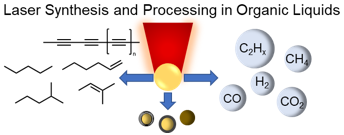
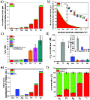
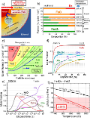
- the formation of reducing agents for metal nanoparticle formation during irradiation of metal salt solutions with ultrashort pulses. Several LRL syntheses of nanoparticles, which provide either noble metals, base metals, or oxides, are available and, given the recent review of Frias Batista et al
- gave rise to an amorphous iron core, while tetrahydrofuran and dimethyl sulfoxide formed magnetite/maghemite or metallic iron. Oxides were detected for acetonitrile and dimethylformamide, and ablation in ethanol resulted in iron carbides [100]. Iron carbide formation was also found for ablation in





AFM-IR investigation of thin PECVD SiOx films on a polypropylene substrate in the surface-sensitive mode
Beilstein J. Nanotechnol. 2024, 15, 603–611, doi:10.3762/bjnano.15.51
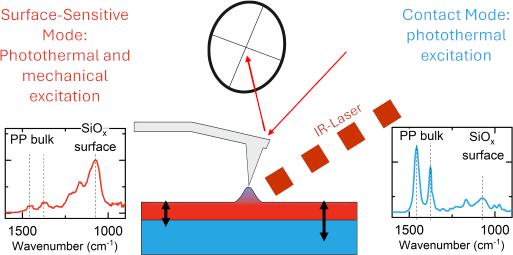
- –sample force generated by the thermal expansion of the total excited volume is detected. This makes it very challenging to characterize thin films with a small thermal expansion coefficient (e.g., inorganic oxides) deposited on bulk materials with a large thermal expansion coefficient (e.g., polymers


Aero-ZnS prepared by physical vapor transport on three-dimensional networks of sacrificial ZnO microtetrapods
Beilstein J. Nanotechnol. 2024, 15, 490–499, doi:10.3762/bjnano.15.44
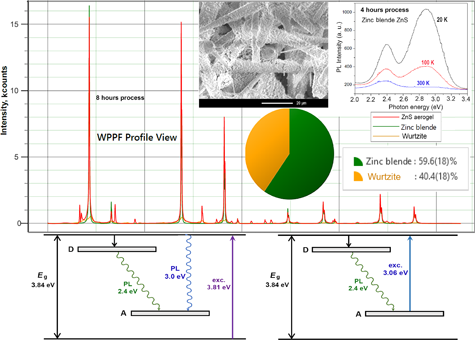
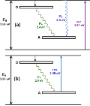
- metal oxides [1][9][10]. Metal oxides include TiO2, ZnO, Al2O3, WO3, Cu2O, CuO, SnO2, Fe2O3, Bi2O3, Ag3PO4, BiWO4, BiVO4, BiFeO3, and SeTiO3, while chalcogenides are represented by ZnS, ZnSe, CdS, PbS, CdSe, SnS2, and Bi2S3. Among porous semiconductor materials, recently developed super-lightweight ones



Photocatalytic degradation of methylene blue under visible light by cobalt ferrite nanoparticles/graphene quantum dots
Beilstein J. Nanotechnol. 2024, 15, 475–489, doi:10.3762/bjnano.15.43
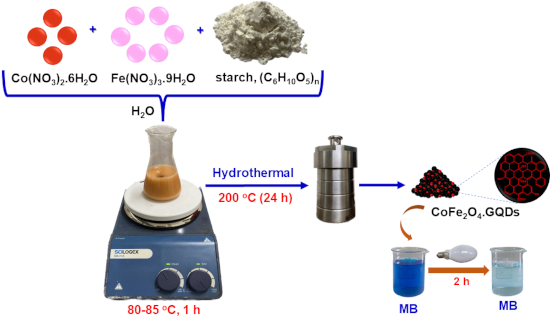
- -1086). It is notable that the XRD pattern of cobalt ferrite with the initial Fe/Co ratio of 2 (stoichiometric ratio) exhibits the diffraction of iron oxides at 2θ of 24.2°, 33.2°, 40.8°, and 49.6° (JCPDS no. 33-0664). This means that a part of cobalt ions goes to the liquid phase during synthesis




Superconducting spin valve effect in Co/Pb/Co heterostructures with insulating interlayers
Beilstein J. Nanotechnol. 2024, 15, 457–464, doi:10.3762/bjnano.15.41
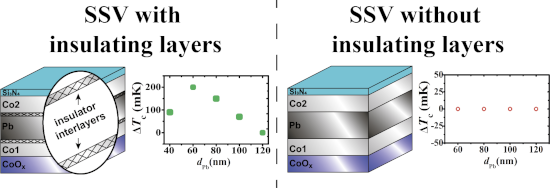
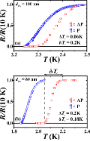
- actually very thin (a few atomic layers). Another possibility is that the resulting oxides are not good insulators but possess finite conductivity or that metallic shortcuts are present inside the insulating layers. Finally, in contrast to our theory [50] assuming nonmagnetic insulating barriers, the



![[Graphic 6]](/bjnano/content/inline/2190-4286-15-41-i6.svg?max-width=637&scale=1.18182)
Classification and application of metal-based nanoantioxidants in medicine and healthcare
Beilstein J. Nanotechnol. 2024, 15, 396–415, doi:10.3762/bjnano.15.36
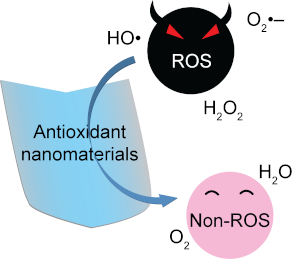
- employ the properties of transition metals and metal oxides (e.g., cobalt, iron, cerium, and gold), which can generate a cycle of reduction and oxidation stages [20][21][22][23]. Among these metal oxides, cerium oxide-based nanomaterials have been deeply studied with regard to the mechanisms of CAT



Controllable physicochemical properties of WOx thin films grown under glancing angle
Beilstein J. Nanotechnol. 2024, 15, 350–359, doi:10.3762/bjnano.15.31
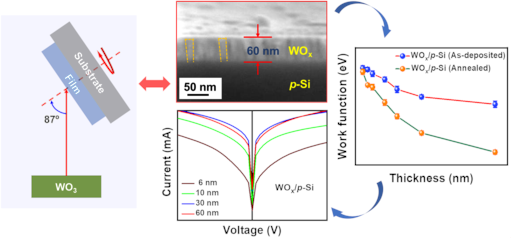
- . In this regard, radio frequency (rf) sputter deposition is one of the preferred choices as an industry-compatible method to grow WOx thin films [2][19][20][21]. Apart from thin films, nanostructured metal oxides generally possess superior electrochemical properties compared to their bulk counterparts
- reduced in nature. This explains the observed low work function values of the films, which are mainly due to the presence of a high concentration of OV in the same (see XPS results). Greiner et al. have pointed out that a higher work function can be achieved in metal oxides in fully oxidized form compared


Exploring the relationships between physiochemical properties of nanoparticles and cell damage to combat cancer growth using simple periodic table-based descriptors
Beilstein J. Nanotechnol. 2024, 15, 297–309, doi:10.3762/bjnano.15.27
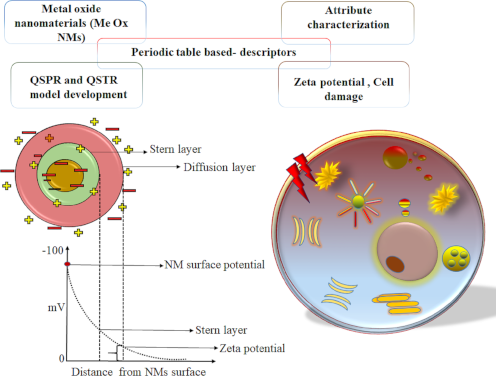
- well as in biological systems. Since the cell membrane is negatively charged, the interaction between NPs and cell membrane or organelles can be highly influenced by the zeta potential. There is an increased interest in integrating data on metal oxides in the field of nanotoxicology that would be able
- potential of the MeOx NPs in the cell damage dataset (dataset II), which lacks the zeta potential information (imputation of sparse data). The zeta potential was used as a descriptor in the model development along with the PT descriptors. Although the solvents used for testing metal oxides in both datasets
- using this simple tool. This means that we were able to make predictions for untested metal oxides with great confidence. QSPR model for zeta potential The zeta potential is the key parameter from the regulatory point and can directly affect the NPs’ behavior in solution and their interaction with


Determining by Raman spectroscopy the average thickness and N-layer-specific surface coverages of MoS2 thin films with domains much smaller than the laser spot size
Beilstein J. Nanotechnol. 2024, 15, 279–296, doi:10.3762/bjnano.15.26
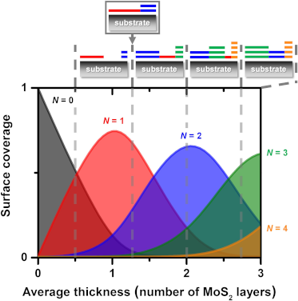
- generally, this point is critical for the characterization of samples synthesized using new methods or new precursors that can lead to the co-deposition of several by-products (such as carbon, oxides, and metals), which can significantly change the measured Raman intensities. Based on the results presented


Multiscale modelling of biomolecular corona formation on metallic surfaces
Beilstein J. Nanotechnol. 2024, 15, 215–229, doi:10.3762/bjnano.15.21
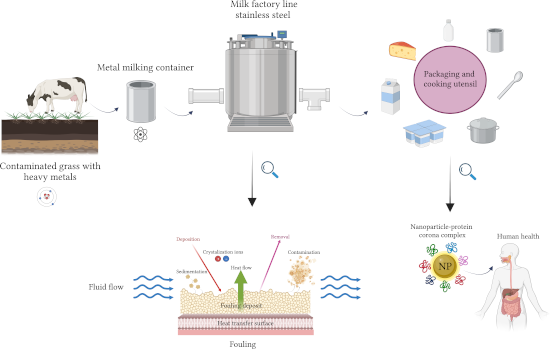
- each selected protein immobilized on different fcc planes of the aluminum surface. These heatmaps for individual proteins are acquired through UnitedAtom (UA) simulations [24][25]. While the UA method has been parameterized for a range of rigid surfaces, including metals (Ag, Au, Cu, and Fe), oxides





Assessing phytotoxicity and tolerance levels of ZnO nanoparticles on Raphanus sativus: implications for widespread adoptions
Beilstein J. Nanotechnol. 2024, 15, 115–125, doi:10.3762/bjnano.15.11

- to more stable and less available solid forms by forming complexes with oxides such as aluminum or iron, or by precipitating as Zn carbonate [7]. The recommended Zn level needed for the majority of crops to be healthy ranges from 30 to 200 μg Zn g−1 dry weight (DW) of plants [8]. Therefore, the


Influence of conductive carbon and MnCo2O4 on morphological and electrical properties of hydrogels for electrochemical energy conversion
Beilstein J. Nanotechnol. 2024, 15, 57–70, doi:10.3762/bjnano.15.6
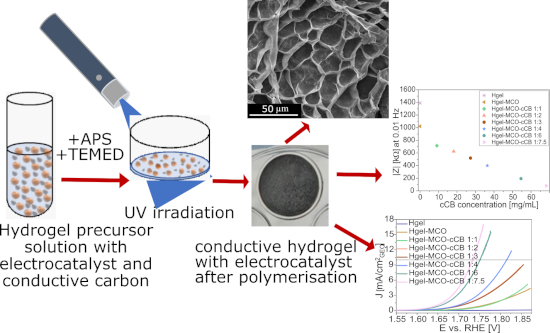
- the hydrogel contributes to the improvement of the electronic conductivity of weakly conductive electrocatalysts, such as metal oxides, ultimately affecting their catalytic efficiency and thus reducing the overpotential of the oxygen evolution reaction (OER) process [46]. In this work, we suspended


Properties of tin oxide films grown by atomic layer deposition from tin tetraiodide and ozone
Beilstein J. Nanotechnol. 2023, 14, 1085–1092, doi:10.3762/bjnano.14.89
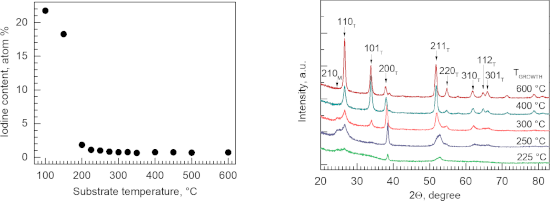
- Sn 3d line profiles suggest the formation of a single-phase compound. The 2+ and 4+ charge states possible for Sn in its oxides have only a small (approx. 0.8 eV) difference in binding energy, which is less than the linewidth (FWHM ≈ 1.2 eV) of either compound [27][28]. Therefore, for mixed-phase


Experimental investigation of usage of POE lubricants with Al2O3, graphene or CNT nanoparticles in a refrigeration compressor
Beilstein J. Nanotechnol. 2023, 14, 1041–1058, doi:10.3762/bjnano.14.86
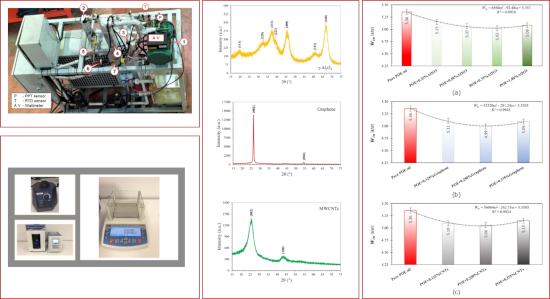
- refrigeration compressors are metal oxides and carbon-based nanoparticles [11][12]. It is emphasized that both kinds of nanoparticles have positive effects on system performance. Krishnan et al. [13]. examined the effects of addition of metal oxide nanoparticles of Al2O3, SiO2, ZrO2, and carbon-based
- reporting improvement in compressor performance are given in Table 1. Accordingly, it can be noted that the compressor energy consumption reduces mediately 30% with the use of nanolubricants. The literature shows that metal oxides and carbon-based nanoparticles are mainly preferred in nanolubricants used in





Nanoarchitectonics of photothermal materials to enhance the sensitivity of lateral flow assays
Beilstein J. Nanotechnol. 2023, 14, 988–1003, doi:10.3762/bjnano.14.82
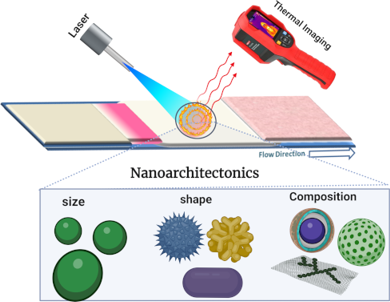
- additional peroxidase substrates in LFAs increased the detection limit from the nanogram to the picogram level [16][17]. Various tracer elements have been developed to increase the sensitivity of an assay, including noble metal nanomaterials, metal oxides, plasmonic nanostructures, carbon-based materials
- properties, that is, plasmonic materials (e.g., Au, Ag, and Pt), semiconductor materials (e.g., transition metal oxides, transition metal chalcogenides, and transition metal dichalcogenides), carbon-based nanomaterials (such as graphene oxide and carbon nanotubes), and polymer nanomaterials [33][34] (Figure


Metal-organic framework-based nanomaterials for CO2 storage: A review
Beilstein J. Nanotechnol. 2023, 14, 964–970, doi:10.3762/bjnano.14.79

- dramatic growth of 3.46 mmol·g−1 in the amount of absorbed CO2 after the modification, ascribed to the improved pore space by MWCNTs. In another work, MOF/carbon-based composites were reported by Liu and coworkers [40]. The authors used graphene oxides as templates for growing Cu-MOF nanograins for gas




Prediction of cytotoxicity of heavy metals adsorbed on nano-TiO2 with periodic table descriptors using machine learning approaches
Beilstein J. Nanotechnol. 2023, 14, 939–950, doi:10.3762/bjnano.14.77
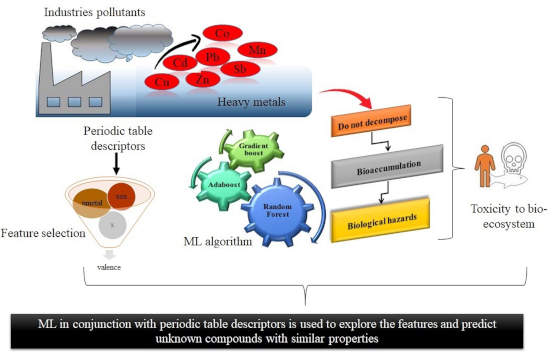
- attention due to their widespread applications in different areas, and they are continually designed to yield certain desired properties [1]. With the uninterrupted development of new NPs, engineered nanoparticles in the form of metal oxide nanoparticles are becoming a new area of research. Metal oxides


Upscaling the urea method synthesis of CoAl layered double hydroxides
Beilstein J. Nanotechnol. 2023, 14, 927–938, doi:10.3762/bjnano.14.76
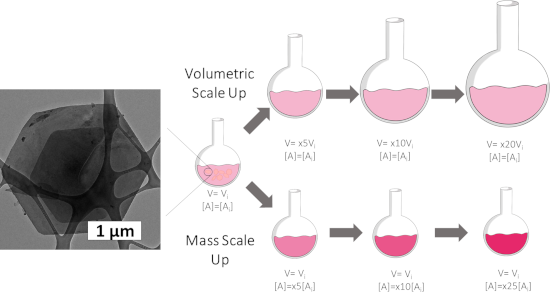
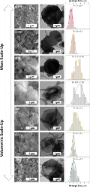
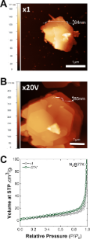
- (P, As, Sb and Bi)) to multielementals (e.g., boron nitrate, metal dichalcogenides, MXenes, layered metal/covalent organic frameworks, or layered hydroxides/oxides) [9][10][11]. These systems exhibit an enormous variability in their physicochemical properties, which are defined by their layer-to


Ni, Co, Zn, and Cu metal-organic framework-based nanomaterials for electrochemical reduction of CO2: A review
Beilstein J. Nanotechnol. 2023, 14, 904–911, doi:10.3762/bjnano.14.74

- by Wu et al., Cu-based MOF nanosheets were utilized for CO2 reduction to formate and acetate (Figure 5a,b) [49]. The authors observed that Cu2+ nodes underwent conversion to copper oxides under operational conditions. The presence of these species, along with a porphyrin–Cu(II) complex, resulted in


Carboxylic acids and light interact to affect nanoceria stability and dissolution in acidic aqueous environments
Beilstein J. Nanotechnol. 2023, 14, 762–780, doi:10.3762/bjnano.14.63
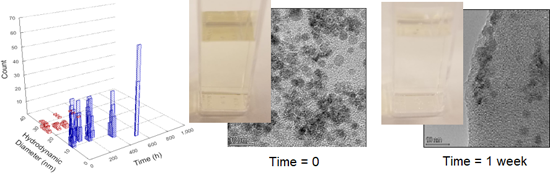
- stress within biological systems [11]. Nanoceria in plant systems Nanoceria acts as colloids in aqueous environments, in the soil near plant root systems, and within bodily fluids. Acetic, citric, lactic, succinic, and tartaric acid secreted from plant roots are known to complex with metals/metal oxides
- ). Instead, approximately 5 nm features were observed at weeks 2, 4, and 8. These features were not stable and were altered by the high-intensity electron beam, confirming that they are not cerium oxides (Figure S2, Supporting Information File 1). Allen et al. [54] showed similar results and considered how
The microstrain-accompanied structural phase transition from h-MoO3 to α-MoO3 investigated by in situ X-ray diffraction
Beilstein J. Nanotechnol. 2023, 14, 692–700, doi:10.3762/bjnano.14.55
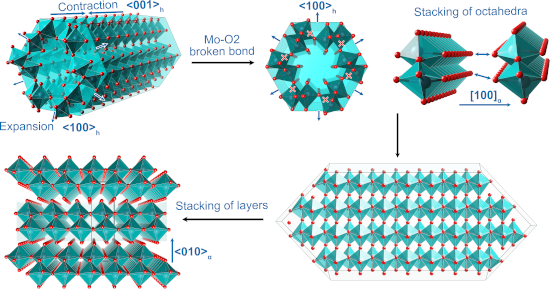
- from +2 to +6 [1][2], leading to a range of molybdenum oxides. Molybdenum oxides include the fully stoichiometric MoO3 with a large bandgap above 2.7 eV, the reduced oxides MoO3−x with oxygen vacancies, and the semimetal MoO2. The degree of reduction influences the bandgap energy of molybdenum oxides
- ], β-MoO3 [15][16], h-MoO3 [17], γ-MoO3 [18], and the high-pressure phase MoO3-II [19]. α-MoO3 and β-MoO3 are the two most commonly reported molybdenum oxides. α-MoO3 is a thermodynamically stable orthorhombic phase. It is a layered crystal with strong covalent bonding within the layers and weak van


Metal-organic framework-based nanomaterials as opto-electrochemical sensors for the detection of antibiotics and hormones: A review
Beilstein J. Nanotechnol. 2023, 14, 631–673, doi:10.3762/bjnano.14.52

- devices. The most often employed nanomaterials for electrochemical sensors are divided into four categories based on their chemical makeup: (i) metal oxides and metal-based materials (including MOF), (ii) dendrimers and polymer-based, (iii) carbonaceous materials, and (iv) hybrids or composites. Because
- oxides) [63][64][65][66][67][68][69]. This is motivated by their large surface area, which can facilitate the loading of nanoparticles. Additionally, MOFs have been converted into their electrochemically active derivatives, such as mesoporous carbon composites and porous metal oxides, to achieve an





