


Search results
Search for "phase" in Full Text gives 1624 result(s) in Beilstein Journal of Nanotechnology. Showing first 200.
Missing links in nanomaterials research impacting productivity and perceptions
Beilstein J. Nanotechnol. 2025, 16, 2168–2176, doi:10.3762/bjnano.16.149
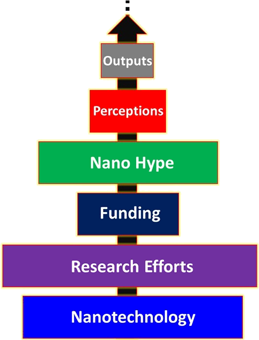
- . Unlike generative AI where a large portion of funding goes directly into product development and use, nanotechnology, still in a growing and exploratory phase has required considerable investment in physical infrastructure, metrology, safety protocols, and specialized facilities. These investments are
- . Nanomaterials research, like any deeply fundamental scientific domain, faces intrinsic bottlenecks, both technical and conceptual, which cannot be overlooked. In spite of these challenges, the field is undergoing a phase of foundational maturation. Although some early-stage products and devices are marketed
- under the umbrella of “nanotechnology”, many of these merely represent the initial wave of applications. This phase is comparable to the early era of personal computing, such as the first-generation iPhones, technologically limited, yet instrumental in paving the way for transformative advances
Quality by design optimization of microemulsions for topical delivery of Passiflora setacea seed oil
Beilstein J. Nanotechnol. 2025, 16, 2116–2131, doi:10.3762/bjnano.16.146
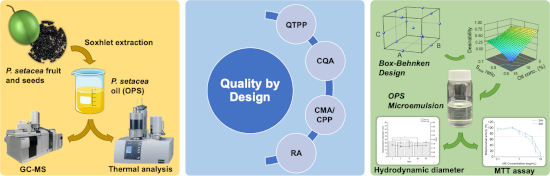
- product profile and critical quality attributes In this study, the QTPP and associated CQAs were established during the pre-formulation phase, guiding the formulation strategy (Table 2) [21]. Based on the QTPP, preformulation-level CQAs were systematically identified by assessing how their potential
- ) was selected for the subsequent optimization phase [24]. The BBD employs three levels for each factor: in each experiment, two factors vary between their upper (+1) and lower (−1) levels, while the third remains at the center point (0) [24]. Using this approach, 17 experimental combinations were
- at similar concentrations (13.2% of PEG-30 castor oil and 1.8% of Span® 80), for curcumin delivery in a Miglyol® 812N (medium chain triglycerides) oil phase. These findings support the feasibility of developing microemulsions with reduced surfactant content, in alignment with safety considerations


Rapid synthesis of highly monodisperse AgSbS2 nanocrystals: unveiling multifaceted activities in cancer therapy, antibacterial strategies, and antioxidant defense
Beilstein J. Nanotechnol. 2025, 16, 2105–2115, doi:10.3762/bjnano.16.145
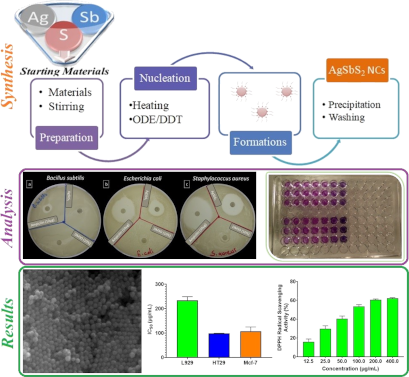
- , Department of Mechanical Engineering, 53020, Rize, Turkey Department of Chemical Engineering, Konya Technical University, Konya, Turkey 10.3762/bjnano.16.145 Abstract Nanocrystals (NCs) of silver antimony sulfide (AgSbS2) in the cubic phase were successfully synthesized using the hot-injection method. This
- ) planes of the AgSbS2 phase. TEM and SEM techniques were used to comprehensively characterize the NCs. The results showed that spherical NCs were predominantly formed, with an average diameter of approximately 32 ± 10 nm. Cytotoxicity studies demonstrated a significant inhibitory effect of the NCs
- ) chloride (SbCl3, ≥99.95%), 1-octadecene (ODE, 90%), and ethanol were obtained from Sigma-Aldrich. Toluene was obtained from VWR. 1-Dodecanethiol (1-DDT, C12H26S) was purchased from Alfa Aesar. Rapid synthesis of AgSbS2 NCs Cubic-phase silver antimony sulfide NCs (AgSbS2 NCs) were synthesized by hot


Calibration of piezo actuators and systems by dynamic interferometry
Beilstein J. Nanotechnol. 2025, 16, 2086–2091, doi:10.3762/bjnano.16.143
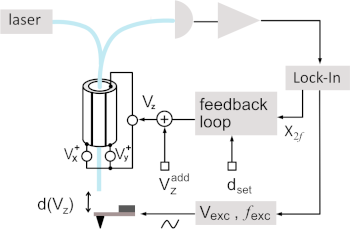
- -step fit method based on Equation 1 as detailed in [13]. Here, VDC represents the DC part of the interferometer signal voltage, V0 is the voltage amplitude of the modulated signal, and φ is the phase shift introduced by the electronics in the signal path, which may be determined from the fit


Multifrequency AFM integrating PeakForce tapping and higher eigenmodes for heterogeneous surface characterization
Beilstein J. Nanotechnol. 2025, 16, 2077–2085, doi:10.3762/bjnano.16.142
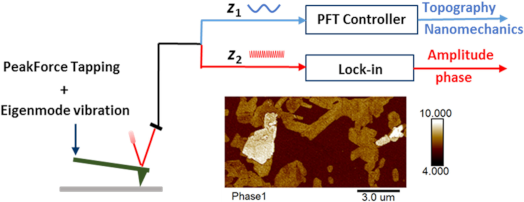
- nanoscale [1][2][3][4][5]. Among its various operating modes, tapping mode AFM is particularly prevalent due to lateral force minimization and its ability to give phase-contrast images of heterogeneous surfaces [6]. This mode involves oscillating the cantilever near its resonance frequency with the tip
- interacting intermittently with the sample surface. By monitoring and controlling the cantilever’s amplitude and phase, topographical and phase images can be generated, providing insights into material properties and enabling the differentiation of regions or components within heterogeneous samples [7][8][9
- include topographic step-like distortions and sudden phase-contrast inversions arising from bistable transitions between co-existing oscillation states, which complicate data interpretation [13][14][15][16][17]. Additionally, operational complexity escalates in liquid environments, where low-quality


Molecular and mechanical insights into gecko seta adhesion: multiscale simulations combining molecular dynamics and the finite element method
Beilstein J. Nanotechnol. 2025, 16, 2055–2076, doi:10.3762/bjnano.16.141
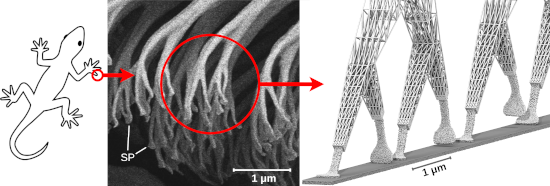
- phase, a 1 nm downward displacement towards the substrate was applied to the driver FE nodes at the start of each load step. Each load step consisted of ten FEM–MD iterations. During this phase, the 16 spatulae were gradually pushed onto the substrate by the moving seta. This process continued until a
- the pull-off (loading) phase, the seta top was moved upwards by reversing the direction of the applied displacement, again using 1 nm per load step. This eventually led to detachment of the spatulae from the substrate. The pull-off was continued until all spatulae were outside the interaction range of
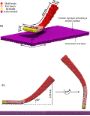
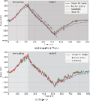
- Forces during preloading and pull-off Once preloading began (Figure 8) and the spatulae made initial contact with the substrate, further load pressed the spatulae against the substrate. The added spatula–substrate forces reached 320 nN after 224 ns (load step 160), marking the end of the preloading phase






Stereodiscrimination of guests in chiral organosilica aerogels studied by ESR spectroscopy
Beilstein J. Nanotechnol. 2025, 16, 2034–2054, doi:10.3762/bjnano.16.140
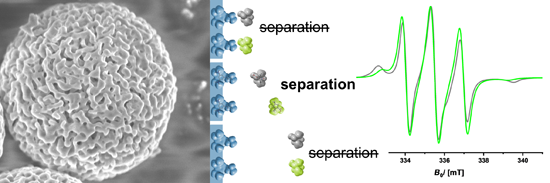
- SerNH10SIL where values higher than αs = 2 are reached. Investigations on an independent chiral matrix Chiralpak IG-3 is a commercially available type of chiral stationary phase used in HPLC for the separation of enantiomers [66]. Chiralpak IG-3 consists of a chiral selector that is based on cellulose
- learn about the factors determining efficiency in chiral chromatography. Obviously, a selectivity factor of more than 1.5 combined with a fraction of molecular species interacting with the surfaces of the stationary phase of the order of 20% is sufficient to reach satisfactory separation results
- effects The choice of solvent is obviously a way to activate the difference in the interaction potentials. The latter reflects how one performs chromatography, which typically uses a gradient of solvents. Often, one starts with a hydrophobic solvent, and then the polarity of the mobile phase becomes more




Beyond the shell: exploring polymer–lipid interfaces in core–shell nanofibers to carry hyaluronic acid and β-caryophyllene
Beilstein J. Nanotechnol. 2025, 16, 2015–2033, doi:10.3762/bjnano.16.139
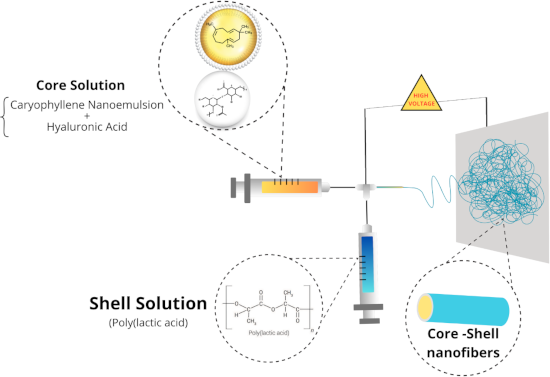
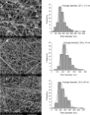
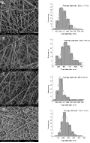
- an oil phase were prepared under magnetic stirring, with their composition specified in Table 4. Subsequently, the aqueous phase was carefully added to the oil phase. The mixture was subjected to vortex (IKA) mixing for 5 min, followed by ultrasonication for 5 min at an amplitude of 40% using an




Laser ablation in liquids for shape-tailored synthesis of nanomaterials: status and challenges
Beilstein J. Nanotechnol. 2025, 16, 1963–1997, doi:10.3762/bjnano.16.137
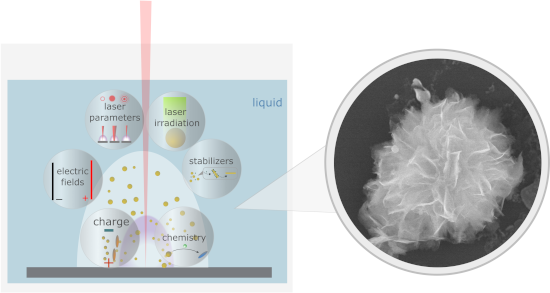
- predicted in earlier works. The mechanism suggested by Spellauge et al. [9] involves an explosive phase decomposition of the surface of the target followed by expansion of the plasma plume which is rapidly decelerated by the confining liquid. The formation of NPs according to the explosive ejection
- molecules are more probable in the liquid phase as compared to the cavitation bubble due to a much higher concentration of the target material species in the bubble as compared to that of the liquid molecules. Moreover, since NPs are shown to be partially localized in the gas bubble and partially travelling
- compared to that in the liquid phase, which has been shown in [27] to have an impact on the NP size. On the contrary, if the conditions favour more NPs to be transferred into the liquid (and their nucleation and growth is occurring preferentially outside the bubble) then fast passivation of the NP surfaces




Mechanical property measurements enabled by short-term Fourier-transform of atomic force microscopy thermal deflection analysis
Beilstein J. Nanotechnol. 2025, 16, 1952–1962, doi:10.3762/bjnano.16.136
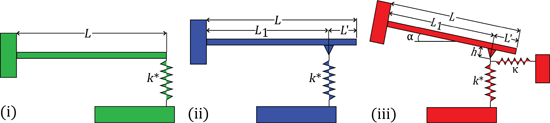
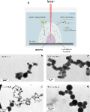
- to the system that is examined. We also avoid disturbance of the medium surrounding the sample, as occurs with piezoacoustic excitation of the cantilever, without requiring expensive modification of our existing AFM system. Finally, by avoiding the use of a phase-locked loop to track the frequency of
- the measurement and tracking of all resonant modes simultaneously, which would otherwise require a separate phase-locked loop for each mode to be tracked. To examine and validate the use of spectral analysis of the thermal motion of AFM cantilevers as an alternative approach to CR-AFM, we conducted




Evaluating metal-organic precursors for focused ion beam-induced deposition through solid-layer decomposition analysis
Beilstein J. Nanotechnol. 2025, 16, 1942–1951, doi:10.3762/bjnano.16.135
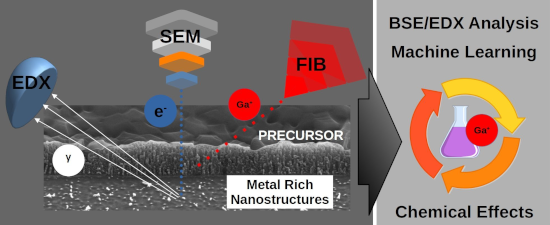
- irradiation differs from gas-phase deposition, we think that our method can be employed to optimize pre-screen and score new potential precursors for FIB applications by significantly reducing the time required and conserving valuable resources. Keywords: backscattered electrons (BSE); carboxylates; energy
- tested in FEBID processes. Preliminary studies of new or potential FEBID precursors employ electron ionization mass spectrometry and gas-phase cross-beam experiments (dissociative ionization and dissociative electron attachment), but more informative are investigations into the interactions of molecules
- . Gas-phase interactions between [Fe(CO)5] molecules and ions of helium, neon, argon, and krypton were carried out. However, the authors noted that these results may not accurately reflect the behavior of the precursor on the surface during actual FIBID processing since the conditions under which the


Targeting the vector of arboviruses Aedes aegypti with nanoemulsions based on essential oils: a review with focus on larvicidal and repellent properties
Beilstein J. Nanotechnol. 2025, 16, 1894–1913, doi:10.3762/bjnano.16.132
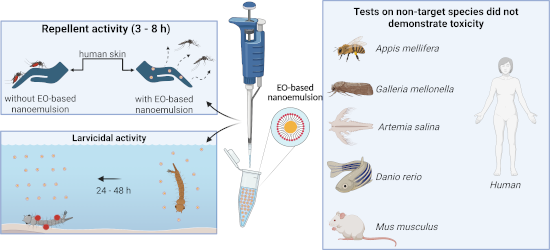
- environmental factors such as temperature, nutrient availability, water quality, and ecological interactions. Higher temperatures accelerate growth, while food scarcity and competition can prolong this phase [46][47][48]. The life cycle of Ae. aegypti (Figure 1) begins with the deposition of eggs by adult
- . Pupae also live exclusively in aquatic habitats and represent a transitional phase of metamorphosis between larval and adult stages. During this phase, pupae develop into adult mosquitoes, which are capable of flying short distances. Aedes aegypti mosquitoes generally disperse within 50 to 100 meters
- by phase inversion, using polysorbate 80 and sorbitan monooleate 20 as surfactants. The NE presented an average size of 105.3 nm (±1.36) and a polydispersity index of 0.263 (± 0.004). The larvicidal bioassays against third-stage Aedes aegypti larvae produced an LC50 of 61.4 µg/mL at 48 hours and 26.8


Programmable soliton dynamics in all-Josephson-junction logic cells and networks
Beilstein J. Nanotechnol. 2025, 16, 1883–1893, doi:10.3762/bjnano.16.131

- , high-speed, and scalable computing. In these systems, the propagation of information is associated with the movement of a current wave/topological soliton, which is clearly visible in the model by a 2π jump of the so-called Josephson phase, φ. In contrast to conventional rapid single flux quantum (RSFQ
- ) logic, the phase drop for the considered single kinetic soliton (SKS) occurs not on the relatively large connecting geometric inductors, but on the Josephson junctions. SKS is a propagating wave of phase change with kinetic energy limited from below; the corresponding current pulse “dissipates” if its
- supercurrent, the quasi-particle current, and the displacement current: Here, φ is the phase difference for the complex superconducting order parameter across the junction, V is the voltage, Ic is the critical current, RN is the resistance in the normal state and C is the capacitance. For analysis, it is


Low-temperature AFM with a microwave cavity optomechanical transducer
Beilstein J. Nanotechnol. 2025, 16, 1873–1882, doi:10.3762/bjnano.16.130
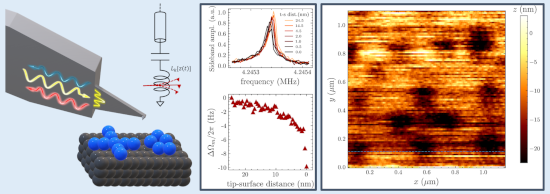
- the AFM’s suspension system is roughly 1 Hz, with a quality factor of roughly 2. Mechanical oscillation of the tip causes phase modulation of the reflected microwave pump, detected as motional sidebands in the signal spectrum. Measuring the microwave response at a sideband, the detection responsivity
- feedback system must be able to follow rapid changes in topography while avoiding feedback oscillation. Depending on the mode of operation, AM-AFM or FM-AFM, the PID setpoint and error signal are determined, respectively, from the amplitude or phase of the motional sideband, which is the up-converted
- of trace and retrace scan directions. We achieved faster imaging and improved stability with FM-AFM as shown in Figure 5. FM-AFM requires phase-sensitive detection of tip displacement using a scheme described in detail in earlier publications [35][17]. The cantilever is now driven on resonance at the


On the road to sustainability – application of metallic nanoparticles obtained by green synthesis in dentistry: a scoping review
Beilstein J. Nanotechnol. 2025, 16, 1851–1862, doi:10.3762/bjnano.16.128
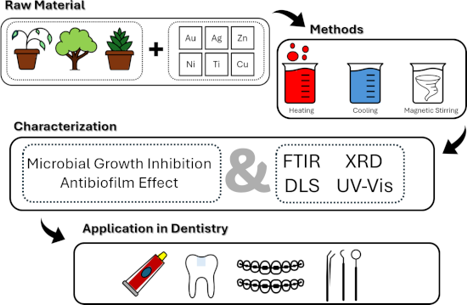
- nanoparticle formation in real time by detecting surface plasmon resonance bands, which provide insight into particle size and distribution [57]. XRD offers detailed information on the crystalline structure and phase composition of the nanoparticles, confirming successful synthesis and purity [53]. Together


Phytol-loaded soybean oil nanoemulsion as a promising alternative against Leishmania amazonensis
Beilstein J. Nanotechnol. 2025, 16, 1826–1836, doi:10.3762/bjnano.16.126

- phase inversion composition (PIC) method, and then characterized and evaluated. The PHYT-NE had a mean droplet diameter close to 200 nm, a polydispersity index of less than 0.2, spherical shape, and a pH value compatible with cutaneous application. The formulation showed high colloidal stability for at
- via the low-energy emulsification method, as a novel potential pharmacological alternative for the treatment of cutaneous leishmaniasis. Results Phytol-loaded soybean-oil nanoemulsion Blank-NE and soybean oil nanoemulsions loaded with phytol (PHYT-NE) were successfully prepared using the phase
- cutaneous leishmaniasis [28][29]. To address a promising candidate to this, we developed a stable soybean oil-based nanoemulsion capable of encapsulating PHYT, using the phase inversion composition (PIC) nanoemulsification method. This is a low-shear technique that allows for easy scale-up and helps prevent


Piezoelectricity of layered double hydroxides: perspectives regarding piezocatalysis and nanogenerators
Beilstein J. Nanotechnol. 2025, 16, 1812–1817, doi:10.3762/bjnano.16.124

- dodecylbenzene sulfonate-modified Ni/Co-LDH as a filler promoted the formation of the electroactive β-phase in PVDF-based electrospun nanocomposite fabrics [12]. The enhanced piezoelectric response was attributed to the realignment of PVDF dipoles in combination with their interfacial interactions with the
- trivalent cations, which are required to generate the excess positive charge necessary for stabilizing the LDHs structure, the formation of a pure LDH phase appears questionable. Moreover, the authors did not report any subsequent oxidation of nickel or cobalt to the trivalent state that could have
- evidence to unambiguously confirm the formation of a Ni/Co-LDH phase. Piezocatalysis A large part of the published studies of piezoelectric properties of LDHs and combined materials based on them are focused not so much on the piezoelectric effect itself as on its application in piezocatalysis. This

Electrical, photocatalytic, and sensory properties of graphene oxide and polyimide implanted with low- and medium-energy silver ions
Beilstein J. Nanotechnol. 2025, 16, 1794–1811, doi:10.3762/bjnano.16.123
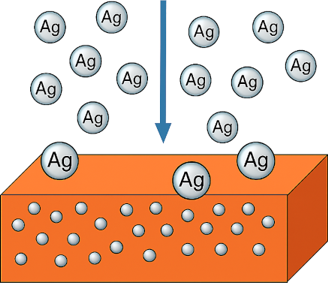
- , and C–O) and the simultaneous transformation of the amorphous polymer phase into a graphitized structure with higher electrical parameters [9]. This results in carbon regions rich in conjugated π-electron systems, which allow for efficient charge delocalization and the formation of conducting pathways


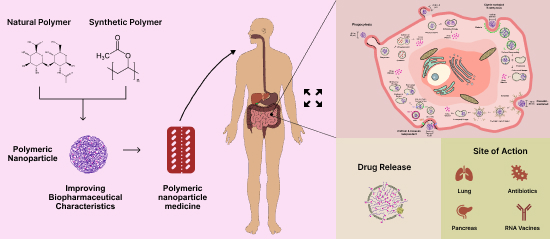
Exploring the potential of polymers: advancements in oral nanocarrier technology
Beilstein J. Nanotechnol. 2025, 16, 1751–1793, doi:10.3762/bjnano.16.122


Advances of aptamers in esophageal cancer diagnosis, treatment and drug delivery
Beilstein J. Nanotechnol. 2025, 16, 1734–1750, doi:10.3762/bjnano.16.121
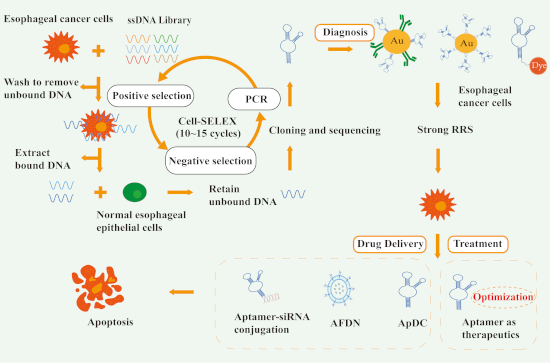
- therapies remain scarce in oncology, with no such treatments having received full regulatory approval to date. The most notable case is the AS1411 aptamer, which demonstrated only limited antitumor activity in a phase-II clinical trial for metastatic renal cell carcinoma [134]. The observed objective


Multifunctional anionic nanoemulsion with linseed oil and lecithin: a preliminary approach for dry eye disease
Beilstein J. Nanotechnol. 2025, 16, 1711–1733, doi:10.3762/bjnano.16.120
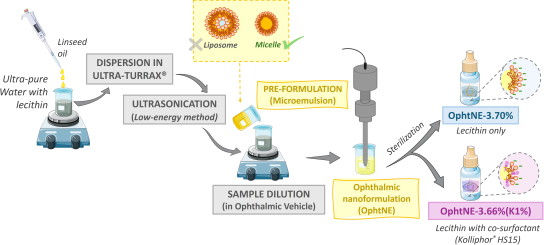
- 60 days, the formulation remained physically quite stable without phase separation. Both nanoformulations contained 2.6% (w/v) linseed oil, providing a bioactive concentration compatible with ocular administration volumes (~50 µL). At a final concentration of 1.30 mg·mL−1, OphtNE-3.66%(K1%) showed
- components. When NE is instilled, the oil nanodroplets merge with the lipid layer, the water in the formulation interacts with the aqueous layer of the tear film, and the surfactant interacts with the mucin layer [21][22][23]. The literature cites various lipids as components of the oily phase in
- micelles and liposomes [51]. Considering the approximately 60% phosphatidylcholine content in the egg lecithin utilized in this study, its dissolution in the aqueous phase was prioritized due to the predominance of its hydrophilic (polar) properties. However, mixed micellar systems (comprising lipid mono



Beyond the bilayer: multilayered hygroscopic actuation in pine cone scales
Beilstein J. Nanotechnol. 2025, 16, 1695–1710, doi:10.3762/bjnano.16.119
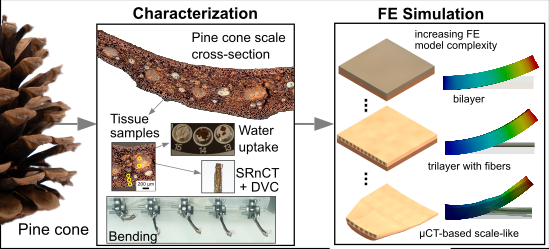
- imaging beamline P05 operated by Helmholtz-Zentrum Hereon at PETRA III (DESY Deutsches Elektronen Synchrotron, Hamburg, Germany). Phase contrast-based near-field holotomography was used to image our samples, utilizing a 300 µm gold Fresnel zone plate to focus the monochromatic beam with an energy of 11
- keV [32]. For the in situ nano-holotomography, a climate chamber [33] was used to image the specimen in a moist (90% RH) and a dry (<3% RH) state. A binning factor of two was applied to the images. The phase retrieval was performed using the Holowizard framework [34][35]. The sample volumes were


Ambient pressure XPS at MAX IV
Beilstein J. Nanotechnol. 2025, 16, 1677–1694, doi:10.3762/bjnano.16.118
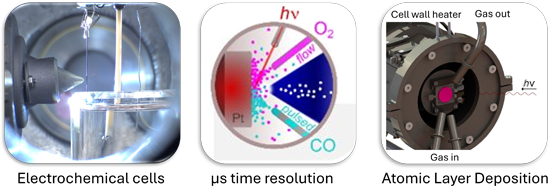
- equipped with complementary instruments (e.g., mass spectrometers) mainly allowing researchers to probe gas phase products and connect this information easily to the XPS data acquired from the surface. Common in-vacuum surface preparation tools (e.g., Ar ion sputtering and sample annealing) are
- where the active phase is well defined and often prepared on single crystals. While studies on industrial catalysts are limited by charging effects (insulating oxide-supported samples) and higher pressure requirements, model systems remain invaluable for fundamental insights. We now turn to specific
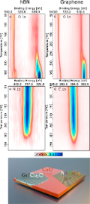
- revealed that H2 promotes the formation of a dense OH–H2O phase below the graphene. In contrast, CO alone showed minimal intercalation and instead scavenged oxygen. When CO and H2 were pulsed together, hydrogen modified the undercover chemistry: the formation of the OH-H2O phase lifts the graphene flake





Energy spectrum and quantum phase transition of the coupled single spin and an infinitely coordinated Ising chain
Beilstein J. Nanotechnol. 2025, 16, 1668–1676, doi:10.3762/bjnano.16.117
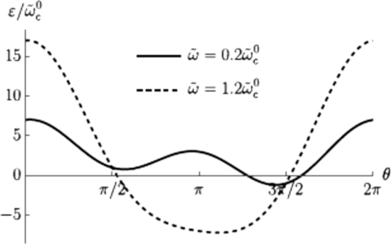
- we obtain the spectrum of the whole system and study the properties of the ground-state quantum phase transition. Keywords: Ising chain; Lipkin–Meshkov–Glick model; quantum phase transitions; Introduction In the present manuscript, we consider a single spin connected to an infinitely coordinated
- one replaces by their eigenvalues in Equation 4. This is a Born–Oppenheimer approximation in which the chain is considered to be a fast subsystem relative to the single spin. In particular, the energy of the spin chain is a contribution to the potential energy of the single spin. Phase Transition in
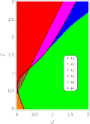
- the Thermodynamic Limit Phase transition of the bare LMG model In the thermodynamic classical limit, the spin operators in the LMG model can be replaced by classical expectation values (i.e., Sz = Scosθ, Sx = Ssinθcosφ, Sy = Ssinθsinφ). The Hamiltonian is then replaced by its classical energy profile

![[Graphic 39]](/bjnano/content/inline/2190-4286-16-117-i63.svg?max-width=637&scale=1.18182)


![[Graphic 51]](/bjnano/content/inline/2190-4286-16-117-i75.svg?max-width=637&scale=1.18182)
Venom-loaded cationic-functionalized poly(lactic acid) nanoparticles for serum production against Tityus serrulatus scorpion
Beilstein J. Nanotechnol. 2025, 16, 1633–1643, doi:10.3762/bjnano.16.115
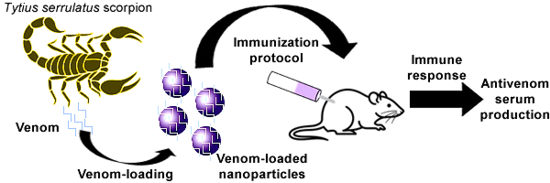
- release studies showed that all samples exhibited a slight initial burst effect, releasing 30–60% of the total protein mass, followed by the subsequent slow release phase. After 144 h, the Tityus serrulatus venom-loaded PLA nanoparticles have released about 88% and 50% of the initial loaded protein for
- serrulatus venom delivery In a manner similar to [14], PLA NPs) were prepared by nanoprecipitation, up to a 30:70 (%) ratio of organic and aqueous phase (OP:AP). The organic phase was set up with 6 mL of acetone solution containing PLA (0.1% w/v) and PEI (0.1% w/v) to 14 mL of the aqueous phase containing





