


Search results
Search for "polarization" in Full Text gives 390 result(s) in Beilstein Journal of Nanotechnology. Showing first 200.
Interface properties of nanostructured carbon-coated biological implants: an overview
Beilstein J. Nanotechnol. 2024, 15, 1041–1053, doi:10.3762/bjnano.15.85
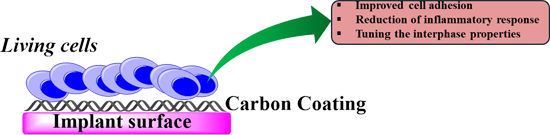
- roughness, inducing macrophage polarization to the pro-inflammatory state without producing a great excess of pro-inflammatory factors. Furthermore, GO-coated implants showed a reduction of the expression of the fibrosis-related protein α-SMA and collagen deposition in the presence of both fibroblasts and



Entry of nanoparticles into cells and tissues: status and challenges
Beilstein J. Nanotechnol. 2024, 15, 1017–1029, doi:10.3762/bjnano.15.83
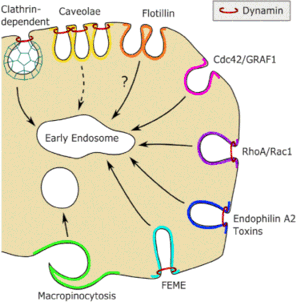
- another breast cancer xenograft model and found a strong reduction in immunosuppressive function of macrophages [94]. An influence of NPs on macrophage recruitment, differentiation, and polarization has also been reported by others [95][96]. Thus, a combined effect on the tumor cells and the tumor


Can neutral clusters: a two-step G0W0 and DFT benchmark
Beilstein J. Nanotechnol. 2024, 15, 1010–1016, doi:10.3762/bjnano.15.82
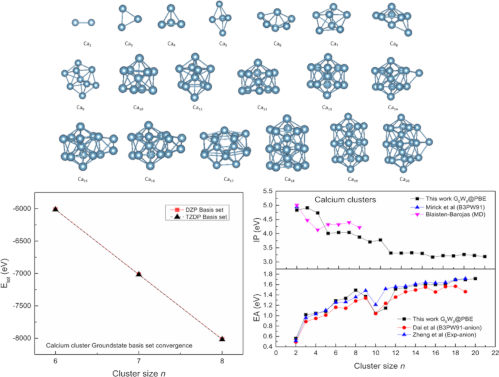
- ONCV-type multi-projector pseudopotentials for the description of the core ions, which is used in our calculation as provided by the SG15 library [23]. We have therefore set the energy cutoff as 100 Ry for better accuracy. The double-ζ plus polarization (DZP) basis set was used in ABACUS calculations
- , which was tested against the triple-ζ plus double polarization (TZDP) to obtain the total energies of Ca6, Ca7, and Ca8. The convergence plot can be found in Supporting Information File 1, Figure S1. It is worth mentioning that our motivation for the selection of DZP is based on our previously reported


Effect of repeating hydrothermal growth processes and rapid thermal annealing on CuO thin film properties
Beilstein J. Nanotechnol. 2024, 15, 743–754, doi:10.3762/bjnano.15.62
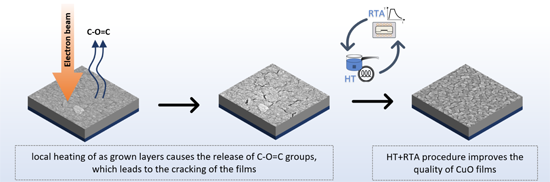
- × magnification. The spectral resolution was of the order of 0.5 cm−1. A 532 nm semiconductor laser was used to illuminate the samples. The measurements were performed without detection of polarization of the scattered light. A liquid nitrogen-cooled multichannel silicon CCD camera was used as a detector. Results




Cholesterol nanoarchaeosomes for alendronate targeted delivery as an anti-endothelial dysfunction agent
Beilstein J. Nanotechnol. 2024, 15, 517–534, doi:10.3762/bjnano.15.46
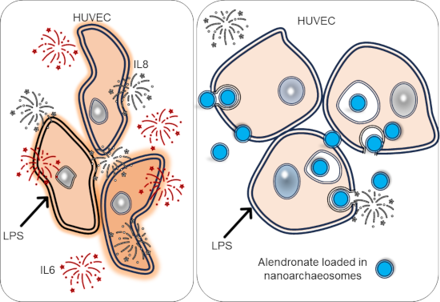
- (Flowing Software, Finland). Plasma membrane order Effects of nanovesicle uptake on THP-1 macrophages and HUVEC plasma membrane order were determined by measuring the Laurdan generalized polarization (GP) [83]. Briefly, THP-1 macrophages and HUVECs grown at a density of 1–1.5 × 10⁴ cells/cm2 on 96-well





Classification and application of metal-based nanoantioxidants in medicine and healthcare
Beilstein J. Nanotechnol. 2024, 15, 396–415, doi:10.3762/bjnano.15.36
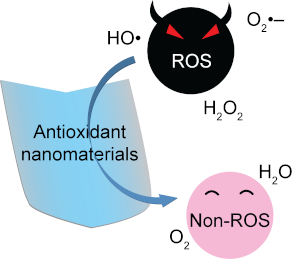
- -inflammatory and antioxidant effects, a study by Chen et al. explored the use of Zn NPs to modulate macrophage polarization within atherosclerotic plaques, proving the potential for metal-based materials to actively influence the underlying inflammatory processes [175]. Clinical applications of metal-based


Determining by Raman spectroscopy the average thickness and N-layer-specific surface coverages of MoS2 thin films with domains much smaller than the laser spot size
Beilstein J. Nanotechnol. 2024, 15, 279–296, doi:10.3762/bjnano.15.26
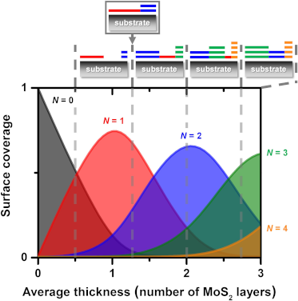
- . For comparison with other setups or references, the polarization ratio of our setup and the relative values measured on Si(100) with native oxide and 90 nm SiO2 are given in Supporting Information File 1. As noted by several authors and predicted by the optical interference model, the normalized


CdSe/ZnS quantum dots as a booster in the active layer of distributed ternary organic photovoltaics
Beilstein J. Nanotechnol. 2024, 15, 144–156, doi:10.3762/bjnano.15.14
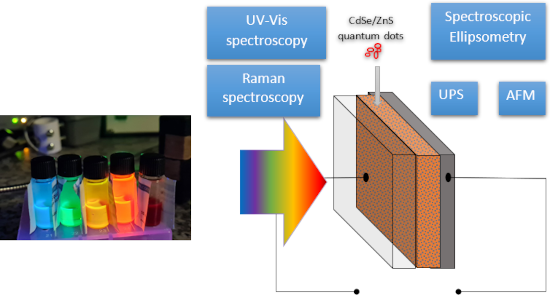
- CPE (CPE-T) is responsible for the polarization of the sample in various areas of the material structure and on the electrodes. The mechanisms of ionic or electronic conductivity are represented by the resistance R [54]. Substitute systems with nanodots QD520:P3HT:PC71BM, QD580:P3HT:PC71BM, and QD600




Influence of conductive carbon and MnCo2O4 on morphological and electrical properties of hydrogels for electrochemical energy conversion
Beilstein J. Nanotechnol. 2024, 15, 57–70, doi:10.3762/bjnano.15.6
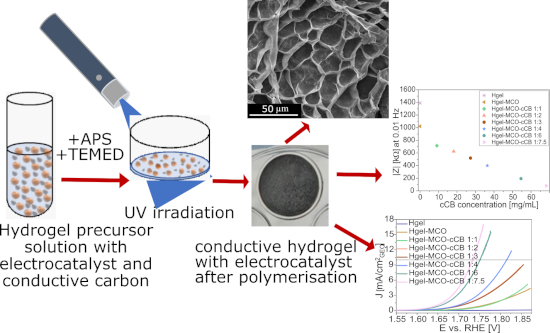
- overpotentials at the standard current density value of 10 mA/cm2. Also, hydrogel samples with conductive carbon particles in their three-dimensional structure (Hgel-cCB 3x, Hgel-cCB 6x) and without MCO catalyst particles, showed almost flat polarization curves, which made it impossible to determine the


Measurements of dichroic bow-tie antenna arrays with integrated cold-electron bolometers using YBCO oscillators
Beilstein J. Nanotechnol. 2024, 15, 26–36, doi:10.3762/bjnano.15.3
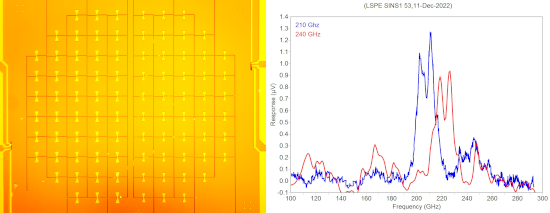
- polarization patterns of the CMB give us an accurate picture of the age of the universe and the evolution after the Big Bang [1]. It is currently assumed that the polarization of the CMB radiation can be decomposed into an E mode and a B mode. The more interesting part of the CMB radiation polarization is the
- B mode. It presumably originates from gravitational waves from the cosmic inflation, while the E mode originates from acoustic waves from the recombination. Currently, the following CMB experiments are in operation or in preparation: Background Imaging of Cosmic Extragalactic Polarization (BICEP
- ) Array [2], Large Scale Polarization Explorer (LSPE) [3], Lite (Light) satellite for the study of B mode polarization and Inflation from cosmic background Radiation Detection (LiteBIRD) [4], Q & U Bolometric Interferometer for Cosmology (QUBIC) [5], Simons Observatory [6], and Ali CMB Polarization


A combined gas-phase dissociative ionization, dissociative electron attachment and deposition study on the potential FEBID precursor [Au(CH3)2Cl]2
Beilstein J. Nanotechnol. 2023, 14, 1178–1199, doi:10.3762/bjnano.14.98
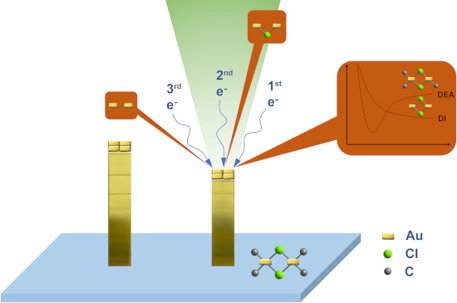
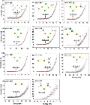
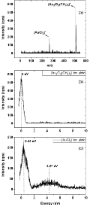
- confidence limit. We also calculated the threshold values at the DLPNO-CCSD(T) level using the smaller split valence polarization (SVP) basis set, and these values are given in Supporting Information File 1, Table S2. At that level, the agreement with the experimental ionization energy and the AE for the



Ni, Co, Zn, and Cu metal-organic framework-based nanomaterials for electrochemical reduction of CO2: A review
Beilstein J. Nanotechnol. 2023, 14, 904–911, doi:10.3762/bjnano.14.74
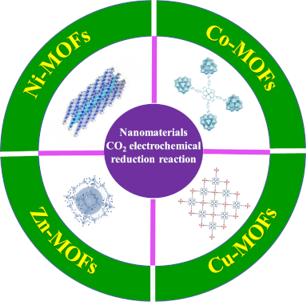
- ., Chemical Communications, Vol. 55, Issue 77, © 2019); permission conveyed through Copyright Clearance Center, Inc. This content is not subject to CC BY 4.0. (a) Polarization curves of various M-PMOFs (M = Co, Ni, Fe, Zn) for CO formation, (b) Faradaic efficiency for CO product on different materials, (c, d


A wearable nanoscale heart sound sensor based on P(VDF-TrFE)/ZnO/GR and its application in cardiac disease detection
Beilstein J. Nanotechnol. 2023, 14, 819–833, doi:10.3762/bjnano.14.67
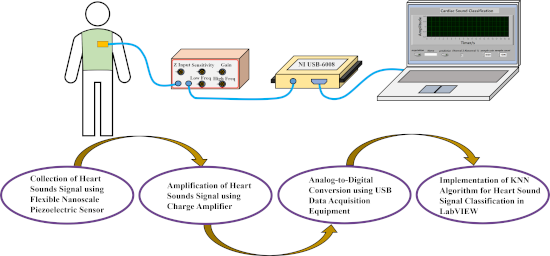
- improved the film-making process by adding fillers to P(VDF-TrFE), using secondary polarization, and applying other methods to enhance its piezoelectric performance. Kumar et al. prepared P(VDF-TrFE)/ZnO matrix composite nanogenerators using electrospinning. Voltage and current of these nanogenerators were
- process possess flexibility and do not require secondary polarization. Additionally, this technique is cost-effective, convenient, and straightforward, making it an optimal method for preparing piezoelectric nanofilms. The specific methodology used to prepare the piezoelectric nanofilms is illustrated in


Humidity-dependent electrical performance of CuO nanowire networks studied by electrochemical impedance spectroscopy
Beilstein J. Nanotechnol. 2023, 14, 683–691, doi:10.3762/bjnano.14.54
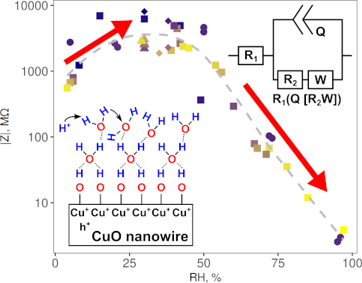
- than the load resistance R2 from the CuO nanowire interconnects (Figure 4a). An increase of Y0, which is a frequency-independent component of C or Q, with RH above 50–60% (Figure 4b) can mean that the polarization of water molecules on the surface of the nanowires becomes stronger when the thickness of


Investigations on the optical forces from three mainstream optical resonances in all-dielectric nanostructure arrays
Beilstein J. Nanotechnol. 2023, 14, 674–682, doi:10.3762/bjnano.14.53
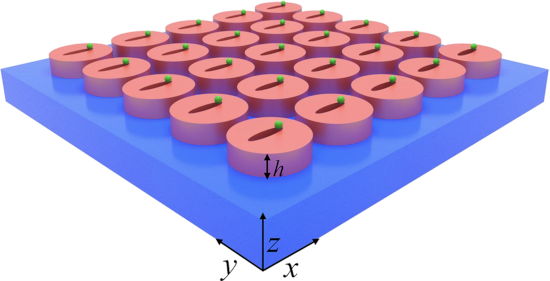
- for those three kinds of resonances. Figure 1b presents the top view of one unit cell, where the geometrical parameters are described in the caption. A linearly polarized plane wave is normally incident to the metasurface, with the polarization along the x-direction to excite all the TDs, anapoles


ZnO-decorated SiC@C hybrids with strong electromagnetic absorption
Beilstein J. Nanotechnol. 2023, 14, 565–573, doi:10.3762/bjnano.14.47
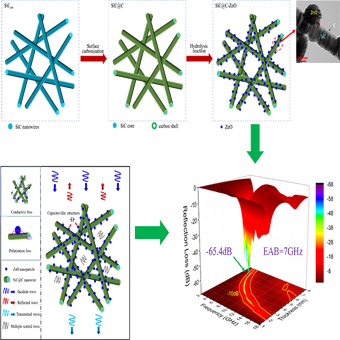
- that there are some fluctuations in the high-frequency range (10–16 GHz), which are called Debye relaxation peaks. These peaks are caused by shape anisotropy or surface polarization. For the SCZ samples, the unique core–shell structure and the interface polarization effect between different phases may
- filler load of 20 wt % for all SCZ samples. This indicates that multiple dielectric relaxation processes (such as Maxwell–Wagner relaxation and electron polarization) may occur when the electromagnetic waves interact with the materials [31]. The plots of ε′ and ε″ for all samples are quasi-linear
- SiC surface. As described in our previous work [24], the carbon shell may form a conductive network in the SCZ/wax composites (Supporting Information File 1, Figure S6b). Besides, abundant defects (such as nanopores in carbon) can also result in dipole polarization and Debye relaxations [24][38
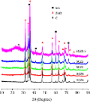


Observation of multiple bulk bound states in the continuum modes in a photonic crystal cavity
Beilstein J. Nanotechnol. 2023, 14, 544–551, doi:10.3762/bjnano.14.45
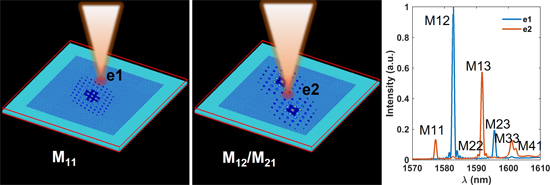
- polarization-dependent beam splitter (PBS) is added, not only to combine incident and reflection light, but also to filter out the co-polarization component with the incident light. Only the scattering light possessing both polarization components can partially pass the PBS and be detected by the spectrometer
- . The direct reflective light retaining the same polarization with incidence is reflected by the PBS. Consequently, the interference between the radiation of resonances and direct reflection could be greatly suppressed, and a better signal-to-noise ratio (SNR) and symmetrical Lorentzian resonances could
- of M11 and M12 are given in Figure 5c. The illumination positions e1 to e4 are also marked in Figure 5c. For M11, the Gaussian beam at position e1 illuminates the low-intensity area of the M11 mode profile of y polarization. Hence, the excitation intensity of the M11 mode at position e1 is much lower


Molecular nanoarchitectonics: unification of nanotechnology and molecular/materials science
Beilstein J. Nanotechnol. 2023, 14, 434–453, doi:10.3762/bjnano.14.35
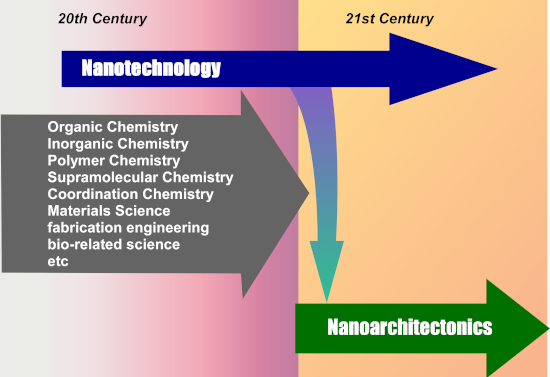
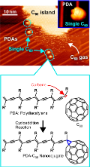
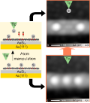
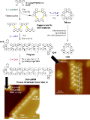
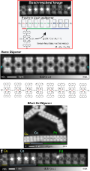
- tip was brought close enough to obtain a single-atom conductance gap, it was retracted and silicon atoms were removed. A perpendicular magnetic field was applied to explore physical phenomena such as Kondo resonance. The nanoarchitectonics of magnetic topological states due to spin polarization in





Plasmonic nanotechnology for photothermal applications – an evaluation
Beilstein J. Nanotechnol. 2023, 14, 380–419, doi:10.3762/bjnano.14.33
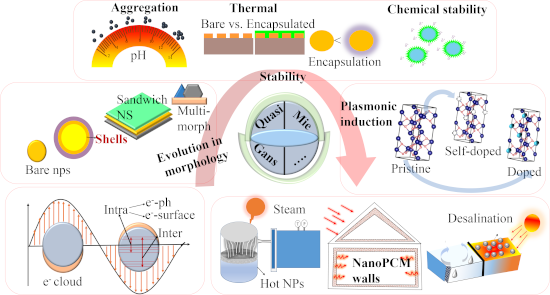
- is the polarization density. P can be arrived at by solving the equation of motion for a single electron as Hence the expression relating the dielectric displacement (D) and the external electric field can be obtained as where is the natural frequency of oscillation of the electron cloud. Comparing
- envisioned that this dielectric loss is hence an important attribute to be considered for PT applications. The dielectric loss (δ) can be expressed as: where εi is the imaginary part of the dielectric function, and εr is the real part of the dielectric function [43]. Polarization occurs for charge carriers
- in a number of orbitals or band, which then very often overlap, leading to multiple transitions even during plasmonic resonance. For example, metals such as Au, Ag, and Cu have d-band electrons close to the Fermi surface, and the polarization (P) in the presence of an electric field (i.e., the




Spin dynamics in superconductor/ferromagnetic insulator hybrid structures with precessing magnetization
Beilstein J. Nanotechnol. 2023, 14, 233–239, doi:10.3762/bjnano.14.22
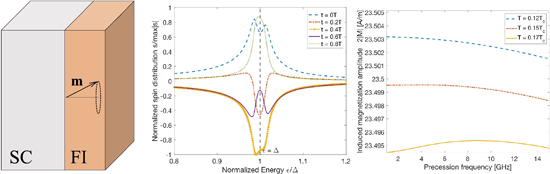
- magnetization precession and proximity effect can suppress superconductivity at the interface causing an increasing number of quasiparticles. To explore the spin dynamics of the quasiparticles more deeply, let us investigate spin components of the electron block of the distribution function. Spin polarization
- of quasiparticles can be obtained by applying a spin polarization operator to the distribution function matrix. Due to the block-diagonal structure of the spin operator in electron–hole space, the spin distribution of quasiparticles can be represented as a superposition of electron-like and hole-like
- spin distributions . The first term in this expression corresponds to the spin polarization of electron-like quasiparticles and is mathematically equivalent to the trace of the product of Pauli matrix and the left upper block of the distribution matrix. Figure 4 illustrates the dynamics of the


A novel approach to pulsed laser deposition of platinum catalyst on carbon particles for use in polymer electrolyte membrane fuel cells
Beilstein J. Nanotechnol. 2023, 14, 190–204, doi:10.3762/bjnano.14.19
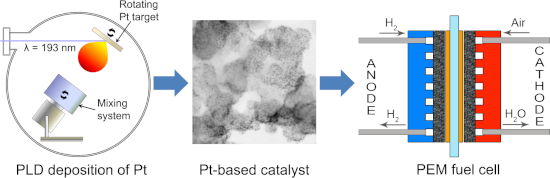
- properties of the investigated catalysts. The number of electrons obtained in the oxygen reduction reaction (the number of electrons per O2 molecule) on electrodes made of the tested catalytic materials, and the resulting amount of hydrogen peroxide produced were determined based on polarization curves
- , Figure S4). With the increase in the number of laser pulses, the signal for platinum on the voltammograms increases, which confirms the increase in the amount of deposited Pt. In the case of material B, along with an increase in the number of electrode polarization change cycles, a process of active
- the amount of Pt deposited by PLD. The results of performance tests of Pt-based catalysts conducted in a membrane electrode assembly are shown in Figure 7. Polarization curves shown in Figure 7a are used to assess the influence of cell construction on the value of activation, resistance, and transport

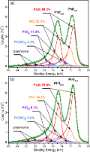


Single-step extraction of small-diameter single-walled carbon nanotubes in the presence of riboflavin
Beilstein J. Nanotechnol. 2022, 13, 1564–1571, doi:10.3762/bjnano.13.130
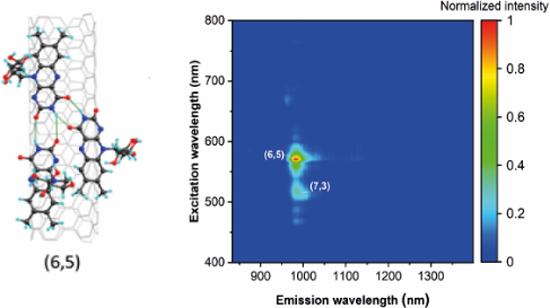
- –Martins pseudopotentials and double-zeta plus polarization basis set were used for structural relaxation as implemented in the SIESTA package [30][31][32][33][34][35]. The geometrically confined systems were treated in a supercell scheme allowing at least 20 Å empty space between them to make


Photoelectrochemical water oxidation over TiO2 nanotubes modified with MoS2 and g-C3N4
Beilstein J. Nanotechnol. 2022, 13, 1541–1550, doi:10.3762/bjnano.13.127
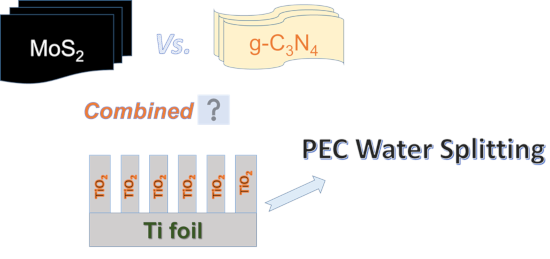
- exhibit only single semicircular shape, which shows the charge transfer resistance equivalent to the polarization resistance. This result also demonstrates a unique interaction of the electrode surface and the electrolyte solution. Furthermore, the g-C3N4 sample shows the semicircle with the largest


Coherent amplification of radiation from two phase-locked Josephson junction arrays
Beilstein J. Nanotechnol. 2022, 13, 1445–1457, doi:10.3762/bjnano.13.119
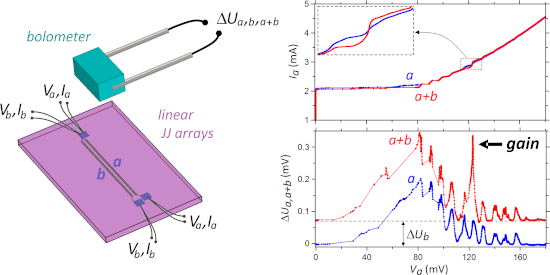
- revealed via the study of polarization of EM emission. Similar to the present work, the obtained data allows one to conclude that such intrinsic JJ arrays have a mutual coupling through the common substrate. As described in the Introduction, the simple constructive interference of two oscillators, be it


Double-layer symmetric gratings with bound states in the continuum for dual-band high-Q optical sensing
Beilstein J. Nanotechnol. 2022, 13, 1408–1417, doi:10.3762/bjnano.13.116
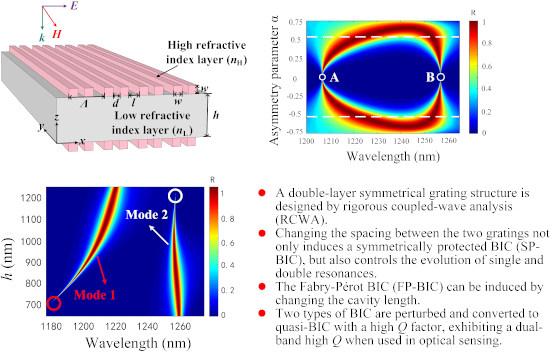
- (SP-BIC) supported by a slotted HCG structure in both TE and TM polarization scenarios [17]. When the spatial symmetry of the mode is incompatible with the symmetry of the outgoing wave, the coupling coefficient vanishes thus inducing the SP-BIC. In 2019, Doskolovich et al. reported that a Fabry–Pérot
- modes with different cavity lengths h at TM polarization. QBIC-based sensor performances. The description indicates the resonant mode in the reference. Funding National Natural Science Foundation of China (61905060, 21976049); National Natural Science Foundation of Hebei Province (F2019402063





