


Search results
Search for "precipitation" in Full Text gives 297 result(s) in Beilstein Journal of Nanotechnology. Showing first 200.
Structural studies and selected physical investigations of LiCoO2 obtained by combustion synthesis
Beilstein J. Nanotechnol. 2022, 13, 1473–1482, doi:10.3762/bjnano.13.121
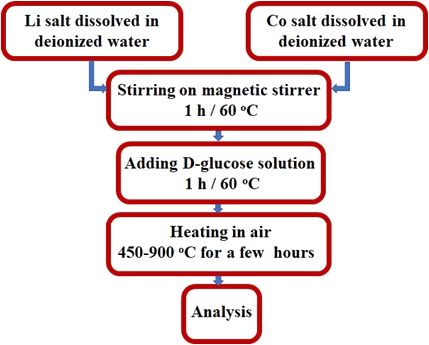
- produced in the form of powders, fibers, and films by using various processing techniques including wet chemical synthesis, such as the sol–gel method [33][34][35], precipitation [36], hydrothermal [37][38][39] and spray pyrolysis [40][41]. Also, solid-state synthesis methods, such as mechanical synthesis




Facile preparation of Au- and BODIPY-grafted lipid nanoparticles for synergized photothermal therapy
Beilstein J. Nanotechnol. 2022, 13, 1432–1444, doi:10.3762/bjnano.13.118
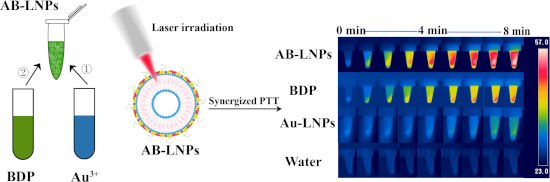
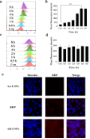
- (molar ratio of DSPE-DTPA/Au3+/BDP = 2:1:1), the mixture was vortexed for 30 s and further ultrasonicated for 10 min at 25 °C. The acquired green dispersion, designated as AB-LNPs, showed excellent stability with no precipitation after centrifugation. Method B is mixing BDP with preformed LNPs followed




Recent trends in Bi-based nanomaterials: challenges, fabrication, enhancement techniques, and environmental applications
Beilstein J. Nanotechnol. 2022, 13, 1316–1336, doi:10.3762/bjnano.13.109
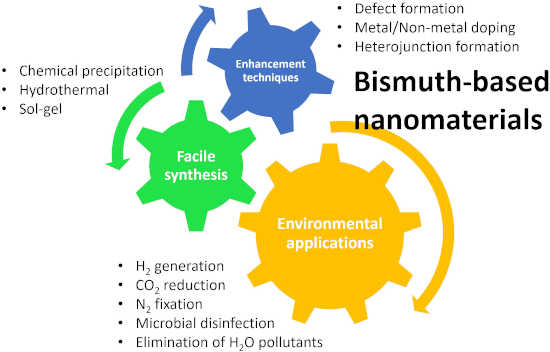
- . The sample calcinated at 750 °C revealed the highest photocatalytic performance. Hamza et al. fabricated Bi2(CrO4)3 nanoparticles via a facile precipitation technique [59]. The photocatalytic activity of the Bi2(CrO4)3 nanoparticles was studied under UV, AM 1.5, and visible-light irradiation, and
- plasmonic photocatalyst. Nanospheres, nanorods, and nanosheets can be synthesized using various techniques. Hydrothermal calcination, template synthesis, precipitation, reverse micro-emulsion, sonochemical procedures, and microwave methods are typical techniques for fabricating Bi-based nanostructures [77




Biomimetic chitosan with biocomposite nanomaterials for bone tissue repair and regeneration
Beilstein J. Nanotechnol. 2022, 13, 1051–1067, doi:10.3762/bjnano.13.92
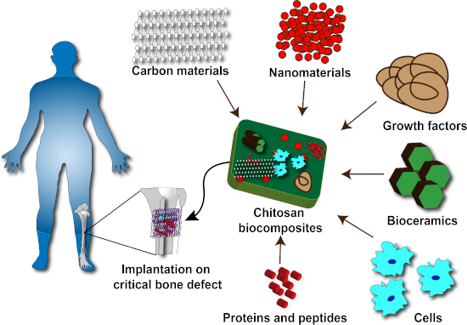
- , osteoblasts generate a membrane that includes alkaline phosphatase, which cleaves phosphatase groups and causes calcium and phosphate precipitation, resulting in the formation of natural bone minerals with a ratio of 1.67 [27]. Osteoblasts have been predominantly derived from mesenchymal stem cells, which
Solar-light-driven LaFexNi1−xO3 perovskite oxides for photocatalytic Fenton-like reaction to degrade organic pollutants
Beilstein J. Nanotechnol. 2022, 13, 882–895, doi:10.3762/bjnano.13.79
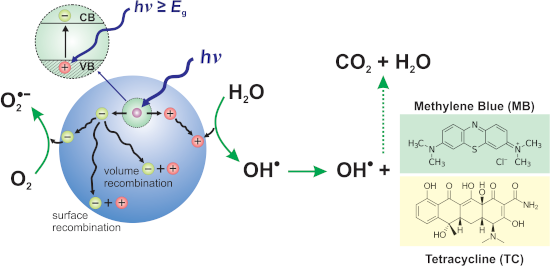
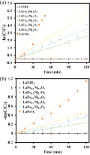
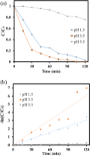
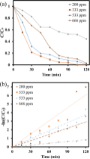
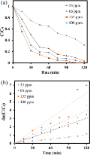
- )3 precipitation, which is called iron sludge. It might decrease the activity and lead to the termination of the Fenton reaction. Second, ferric ions might easily cause complicated chain reactions with organic matters, resulting in the formation of Fe3+ complexes or other intermediate products. Such



Hierachical epicuticular wax coverage on leaves of Deschampsia antarctica as a possible adaptation to severe environmental conditions
Beilstein J. Nanotechnol. 2022, 13, 807–816, doi:10.3762/bjnano.13.71
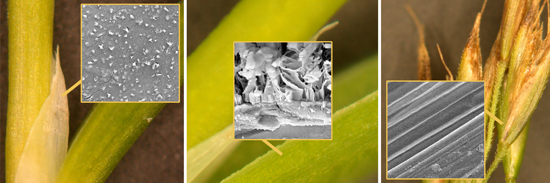
- important abiotic factors affecting the vegetation in Antarctica, is provided mainly by atmospheric water vapor and local melt supplies from fallen snow, drift snow, and permafrost, whereas stream runoff is extremely rare [28]. Precipitation in the Maritime Antarctica ranges from 100 mm per year (Margarita




Gelatin nanoparticles with tunable mechanical properties: effect of crosslinking time and loading
Beilstein J. Nanotechnol. 2022, 13, 778–787, doi:10.3762/bjnano.13.68
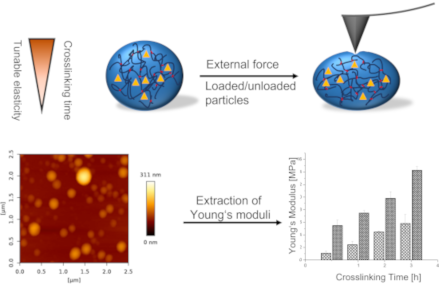
- primary amine functions, and, therefore, it cannot be crosslinked into the particle matrix by glutaraldehyde. FITC-dextran 70 kDa was loaded into nanoparticles by incorporation during precipitation and subsequent crosslinking of the nanoparticles. The fluorescence intensity was measured after enzymatic


Antibacterial activity of a berberine nanoformulation
Beilstein J. Nanotechnol. 2022, 13, 641–652, doi:10.3762/bjnano.13.56
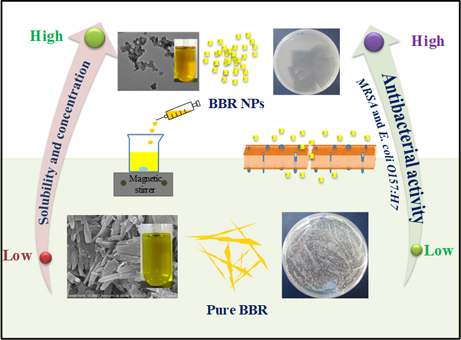
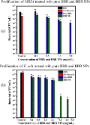
- the preparation of berberine (BBR) in nanoformulation to enhance its solubility and increase its antibacterial effectiveness against hospital-acquired infections. BBR nanoparticles (BBR NPs) were formed by antisolvent precipitation (ASP) using glycerol as a safe organic solvent. UV–vis absorption
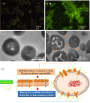
- bacterial cells and severely damaged the cell walls. Therefore, BBR NPs prepared by ASP appear to be a potential candidate for the treatment of bacterial pathogens. Keywords: antibacterial activity; antisolvent precipitation (ASP); berberine nanoparticles (BBR NPs); glycerol; solubility; Introduction
- ], particle size reduction [25], and encapsulation in nanoscale delivery systems [11]. Nanoscale BBR crystals can be formed using top-down technologies (ball mills, high-pressure homogenizers, microfluidic technology, and spray drying) or bottom-up technologies (evaporative precipitation of nanosuspension



A new method for obtaining the magnetic shape anisotropy directly from electron tomography images
Beilstein J. Nanotechnol. 2022, 13, 590–598, doi:10.3762/bjnano.13.51
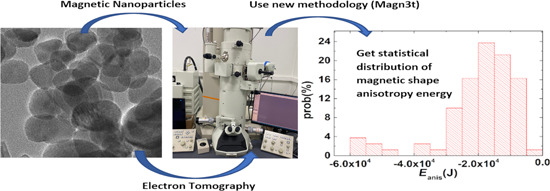
- analysis, 28–30 wt % solution of NH3 in water, Acros Organics). The preparation of the MNPs was performed by reverse precipitation, in which an aqueous solution (50 mL) of FeSO4 with the surfactant CTAB (2:1, mass ratio) was slowly dripped into a 50 mL basic solution of NaOH and NH4OH. The solution turned
- advancements in medical fields (hyperthermia and drug delivery), permanent magnet industry, sensoristics, and spintronics. The program has been tested not only on simulated tomograms but also on tomograms obtained on real-life systems of magnetite MNPs, obtained in-house by co-precipitation methods. Starting


Zinc oxide nanostructures for fluorescence and Raman signal enhancement: a review
Beilstein J. Nanotechnol. 2022, 13, 472–490, doi:10.3762/bjnano.13.40
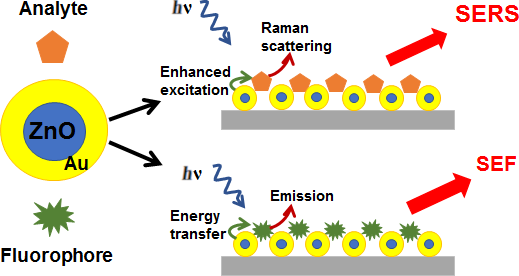
- methods used for obtaining ZnO nanoparticles, solution synthesis methods such as sol–gel [22], chemical precipitation [23], polyol [24], and solvothermal [25] methods, are inexpensive, consume little energy, allow for a facile control of physical characteristics and morphology of the nanoparticles, offer
- good reproducibility, and are usually effective for large scale production. The chemical precipitation technique has gained increased attention due to its simplicity and efficiency for obtaining nanosized ZnO structures with various morphologies, such as nanoparticles, nanorods, nanoneedles, and
- of this synthesis method is that through the co-precipitation reaction a large amount of nanoparticles can be easily obtained. Moreover, the chemical precipitation method allows for rigorous control over nuclear and particle growth in solution. The polyol method offers good control of the shape and




A non-enzymatic electrochemical hydrogen peroxide sensor based on copper oxide nanostructures
Beilstein J. Nanotechnol. 2022, 13, 424–436, doi:10.3762/bjnano.13.35
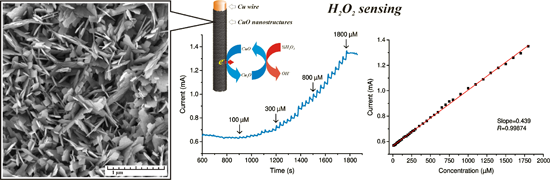
- explains why it is impossible to obtain the developed nanostructured CuO surface at room temperature. However, after increasing the concentration of NaOH to 10–15 M, the dissolution–secondary precipitation mechanism takes effect: Cu(OH)2 reacts with OH− ions to form the complex ion [Cu(OH)4]2− (Equation 2
- short time. The particles begin to agglomerate in order to minimize the total surface energy, forming spherical seeds, which, according to the mechanism of dissolution–secondary precipitation [78][80], overgrow with CuO petals, thereby forming 3D structures in solution. Then, under the influence of




Coordination-assembled myricetin nanoarchitectonics for sustainably scavenging free radicals
Beilstein J. Nanotechnol. 2022, 13, 284–291, doi:10.3762/bjnano.13.23
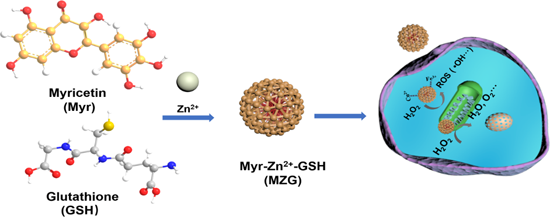
- use due to precipitation. The freshly prepared MZG nanoparticles were aged for 24 h at room temperature and placed in the dark. As-prepared nanoparticles were concentrated, purified by centrifugation, and used for further experiments. Quantitative analysis of MZG The precipitates of MZG were collected


Systematic studies into uniform synthetic protein nanoparticles
Beilstein J. Nanotechnol. 2022, 13, 274–283, doi:10.3762/bjnano.13.22
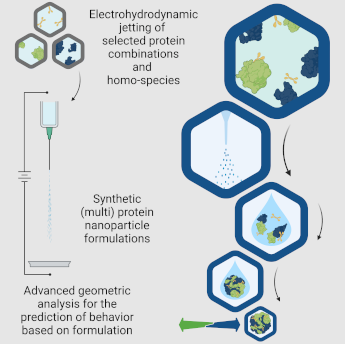
- protein structure (sometimes fully denaturing the protein) and to cause subsequent precipitation of protein aggregates [18]. Self-assembly strategies also provide access to a variety of structurally diverse [19] protein nanoparticles. With the advent of in silico design and subsequent production of de


Relationship between corrosion and nanoscale friction on a metallic glass
Beilstein J. Nanotechnol. 2022, 13, 236–244, doi:10.3762/bjnano.13.18
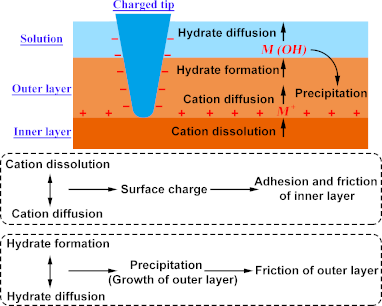
- experiences, thus, a higher plowing resistance. The outer layer grows by precipitation of metal hydrates, which are formed when dissolved metal ions diffuse towards the solution. This growth of the outer layer involves the three physicochemical processes depicted in Figure 5d, which have been invoked to
- layer does not grow significantly in NaCl solution, although the adhesion data indicated stronger dissolution than in phosphate buffer. It has been reported that phosphate ions interact strongly and promote the precipitation of dissolved metal hydrates due to the formation of insoluble metal phosphate
- species [28][29]. Such an accumulation of hydrates does not proceed in NaCl solution, and we conclude that the formation of metal hydrates is in equilibrium with their diffusion into the solution, or that the existing outer layer prevents the precipitation of further hydrates. The friction coefficient for


A comprehensive review on electrospun nanohybrid membranes for wastewater treatment
Beilstein J. Nanotechnol. 2022, 13, 137–159, doi:10.3762/bjnano.13.10


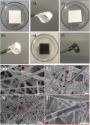


Bacterial safety study of the production process of hemoglobin-based oxygen carriers
Beilstein J. Nanotechnol. 2022, 13, 114–126, doi:10.3762/bjnano.13.8
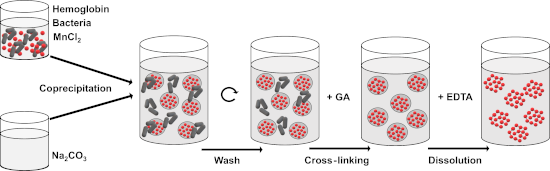
- possible applications for these microparticles. For example, enzyme particles have been produced to be used as microreactors or biosensors [4]. This method can also represent a promising approach to the production of drug carriers by the precipitation of favorable biopolymers and corresponding surface
- the CCD method after precipitation, as well as after cross-linking, dissolution, and final washing steps are shown in Figure 1. The zeta potential of HbMP in phosphate-buffered saline (PBS), pH 7.4, was −8.51 ± 0.9 mV. The zeta potential in PBS, pH 7.0, of E. coli was −16 mV, that of S. epidermidis
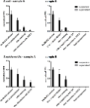
- sample suspension (before centrifugation) as well as in the supernatant (after centrifugation) was examined (Figure 7). After precipitation, most of the original bacterial count of both bacterial strains was still present in the suspension. In the experiment with E. coli, a small proportion was


Chemical vapor deposition of germanium-rich CrGex nanowires
Beilstein J. Nanotechnol. 2021, 12, 1365–1371, doi:10.3762/bjnano.12.100
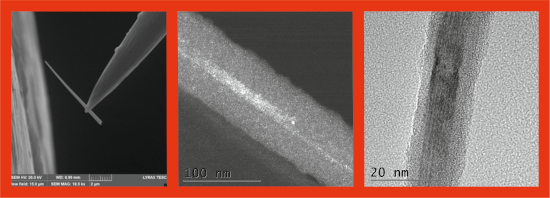
- reasonable choice for DMS alloys with chromium for the best compatibility with silicon-based industry. However, precipitation of transition metals is the main obstacle; but in low-dimensional semiconductors the precipitation is significantly reduced. Therefore, CrGe nanowires (NWs) were prepared to study



pH-driven enhancement of anti-tubercular drug loading on iron oxide nanoparticles for drug delivery in macrophages
Beilstein J. Nanotechnol. 2021, 12, 1127–1139, doi:10.3762/bjnano.12.84
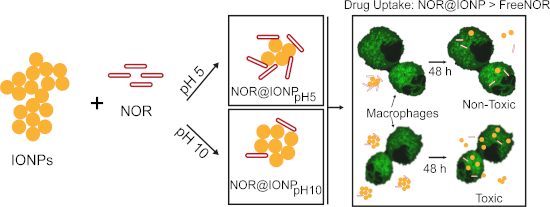
- synthesized by co-precipitation of ferrous and ferric chloride salts [47]. An aqueous solution of Fe2+:Fe3+, taken in the molar ratio of 1:2, was stirred at 700 rpm with nitrogen purging, for 10 min, at 80 °C. The reduction to Fe3O4 was carried out with the addition of 15 mL of 25% ammonia solution. Stirring



Revealing the formation mechanism and band gap tuning of Sb2S3 nanoparticles
Beilstein J. Nanotechnol. 2021, 12, 1021–1033, doi:10.3762/bjnano.12.76
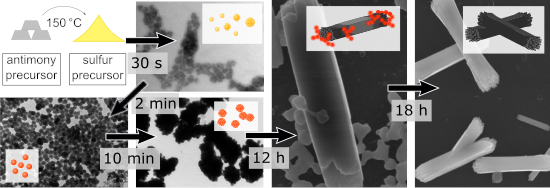
- centrifugation at 50–2500g for 5–20 min (depending on the reaction time; for details, see Table S1 in Supporting Information File 1). The precipitate was redispersed in 20 mL HAS [22]. Precipitation and centrifugation were repeated twice. For the second redispersion step, 20 mL hexane instead of HAS was used


Progress and innovation of nanostructured sulfur cathodes and metal-free anodes for room-temperature Na–S batteries
Beilstein J. Nanotechnol. 2021, 12, 995–1020, doi:10.3762/bjnano.12.75
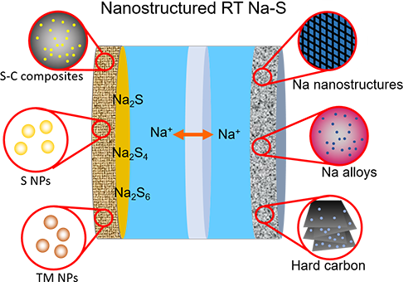
- and can be distinguished in aqueous and organic solvent routes [57]. The so-called Weimarn sols are produced by dissolution of sulfur powder in ethanol or acetone-based solutions and the subsequent precipitation of sub-micrometer-size particles in water [57]. The so-called Raffo sols are obtained by a
- consisting of choline chloride and Na2S2O3 [61]. This cathode material retained 900 mAh·g−1 over 100 cycles. A modified precipitation method for S NPs is flash nanoprecipitation using a confined impingement jet mixer, in which Na2S2O3, H2O, HCl, and a stabilizing copolymer (polyvinylpyrrolidone, PVP) form




Comprehensive review on ultrasound-responsive theranostic nanomaterials: mechanisms, structures and medical applications
Beilstein J. Nanotechnol. 2021, 12, 808–862, doi:10.3762/bjnano.12.64


Fate and transformation of silver nanoparticles in different biological conditions
Beilstein J. Nanotechnol. 2021, 12, 665–679, doi:10.3762/bjnano.12.53
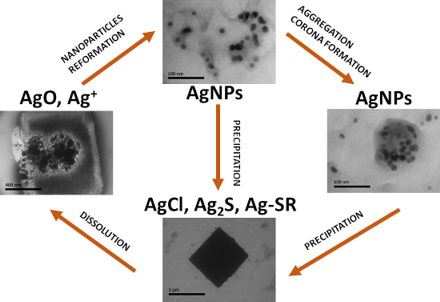
- of GSH was decreased in the case of PVP and AOT coating agents due to either unfavourable steric or electrostatic interactions, respectively. In both ALF and AGF, a significant agglomeration occurred for all three types of AgNPs. Moreover, a significant precipitation, visible in the test vials
- AgNPs enter the body where they gain a protein corona, aggregate, and dissolve to Ag+. Ionic silver may precipitate in the anion-rich environment of different tissues, where Ag binds to S, resulting in nanocrystals. Aggregation and corona–NP destabilisation can also lead to precipitation. Whole blood




The preparation temperature influences the physicochemical nature and activity of nanoceria
Beilstein J. Nanotechnol. 2021, 12, 525–540, doi:10.3762/bjnano.12.43
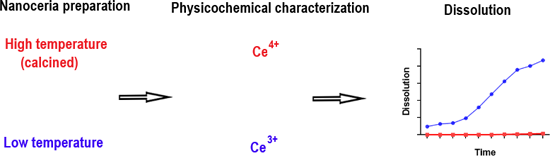
- are cited in the introduction of [13]. These beneficial results have been obtained with nanoceria prepared by precipitation or solvothermal synthesis. There are many reports of nanoceria synthesis, producing a myriad of products with different physicochemical properties tailored to their application
- ][21][22][23]. Given that nanoceria prepared for industrial applications, such as NM-212, are typically calcined, it was hypothesized that the low solubility of NM-212 is a product of high-temperature exposure. NM-212 was prepared by precipitation [7][24], but the synthesis process has not been
- . The amount of surface hydroxy groups decreased as the temperature increased from 200 to 400 °C, with the persistence of some hydroxy groups up to 600 °C [57]. Reports state that NM-212 was prepared by precipitation [7][24], however, the procedures have not been reported to know if it was precipitated




Solution combustion synthesis of a nanometer-scale Co3O4 anode material for Li-ion batteries
Beilstein J. Nanotechnol. 2021, 12, 424–431, doi:10.3762/bjnano.12.34
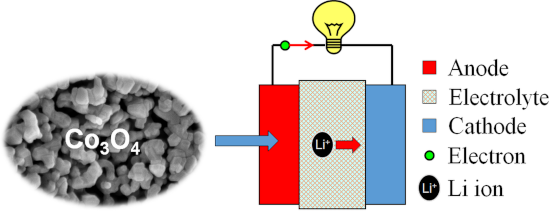
- been proposed including sol–gel methods [4][6][13][14][15], sol–electrospinning techniques [16][17][18][19], hydrothermal and solvothermal syntheses [20][21][22][23][24][25][26][27][28], precipitation and co-precipitation [29][30][31], chemical thermal decomposition and pyrolysis [32][33][34][35][36


The nanomorphology of cell surfaces of adhered osteoblasts
Beilstein J. Nanotechnol. 2021, 12, 242–256, doi:10.3762/bjnano.12.20
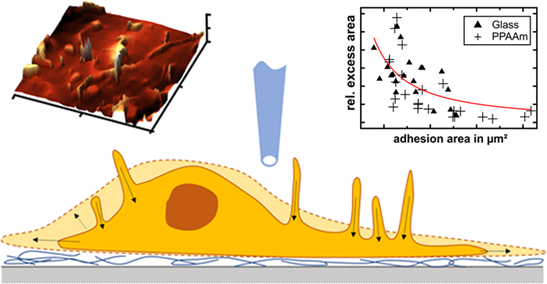
- Osteoblasts are bone-mineralizing cells situated inside the matrix boundaries of the osteoid. They can release matrix vesicles containing calcium and phosphate, eventually leading to precipitation and growth of bone mineral [1][2]. They adhere to and spread on a wide spectrum of pristine and coated material





