


Search results
Search for "reduction" in Full Text gives 1294 result(s) in Beilstein Journal of Nanotechnology. Showing first 200.
Microplastic pollution in Himalayan lakes: assessment, risks, and sustainable remediation strategies
Beilstein J. Nanotechnol. 2025, 16, 2144–2167, doi:10.3762/bjnano.16.148
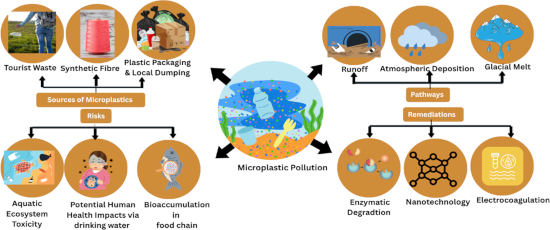
- been compared with rivers in temperate zones, where improved waste management systems cause a reduction in MP accumulation. According to Bhaduri et al., this disparity reflects how essential cooperating waste management policies and plans are in the Himalayas to prevent MP pollution [25]. Matta et al
- Treaty with an aim to constitute legally binding plastic reduction instruments along with MP reduction. Consequently, the European Union (EU) also deliberately limited incorporated MPs in the EU Microplastic Restriction Proposal of the REACH regulation of cosmetics, cleaning products, and agricultural


Quality by design optimization of microemulsions for topical delivery of Passiflora setacea seed oil
Beilstein J. Nanotechnol. 2025, 16, 2116–2131, doi:10.3762/bjnano.16.146
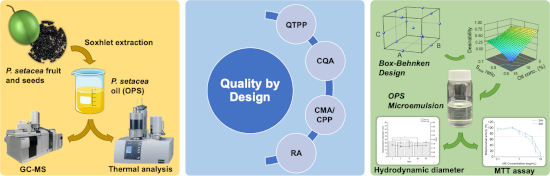
- difference (p < 0.05) in pH compared with earlier time points. Although the reduction was modest, from pH 6.4 ± 0.1 to 5.9 ± 0.3, it is hypothesized to result from a combination of physicochemical and microbiological factors [42]. One possible explanation involves the oxidative or hydrolytic degradation of


Rapid synthesis of highly monodisperse AgSbS2 nanocrystals: unveiling multifaceted activities in cancer therapy, antibacterial strategies, and antioxidant defense
Beilstein J. Nanotechnol. 2025, 16, 2105–2115, doi:10.3762/bjnano.16.145
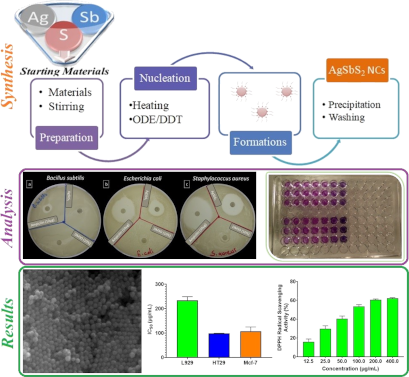
- infections dominated by this pathogen. However, their relatively weaker activity against E. coli and B. subtilis suggests that optimization may be necessary to broaden their spectrum through surface modification, particle size reduction, or combination with other antibacterial agents. Cytotoxicity of AgSbS2


Calibration of piezo actuators and systems by dynamic interferometry
Beilstein J. Nanotechnol. 2025, 16, 2086–2091, doi:10.3762/bjnano.16.143
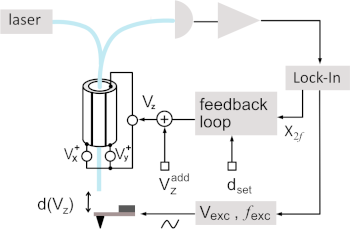
- thickness, respectively. According to the widely used convention, the piezo tube is poled so that a negative potential applied to the inner electrode Vz,f < 0 results in an extension ΔL > 0 that translates into a reduction of the cavity length Δd = derr = −ΔL < 0. From d31 and the geometry parameters of the


Beyond the shell: exploring polymer–lipid interfaces in core–shell nanofibers to carry hyaluronic acid and β-caryophyllene
Beilstein J. Nanotechnol. 2025, 16, 2015–2033, doi:10.3762/bjnano.16.139
- a notable influence on the characteristics of the resultant nanofibers. A reduction in the needle-to-collector distance from 15 (Figure 4D) to 12 cm (Figure 4B) resulted in a significant increase in the average fiber diameter, from 250 ± 74 to 439 ± 100 nm. This phenomenon is likely associated with
- an HA core compared to the monolithic PLA fibers. The prominent peaks, centered at approximately 2θ = 13°, 16°, and 19°, appeared broadened and merged when the amorphous HA core was incorporated. This reduction in crystallinity, resulting from an increase in amorphous regions within the material, may
- high hydrophobicity of this polymer. In cases where not all the hydrophilic core content is fully coated by the shell, a reduction in membrane hydrophobicity is observed due to the presence of hydrophilic nanofibers [77]. Surface hydrophilicity assays revealed that the produced nanofibers exhibit high




Laser ablation in liquids for shape-tailored synthesis of nanomaterials: status and challenges
Beilstein J. Nanotechnol. 2025, 16, 1963–1997, doi:10.3762/bjnano.16.137
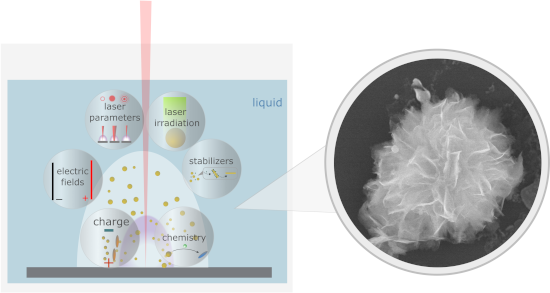
- low to melt the particles, the shape transformation can be induced using photochemical processes. However, in this case, the addition of precursors, reducing, and stabilizing agents is required. The pristine NPs that are present in the solution act as seeds, while photoinduced reduction occurs at
- nanofibers has been shown to occur via anisotropic growth, using the fibrous products of the organic precursor decomposition for self-templating, which guides the following processes of reduction of silver ions at their surface. The concentration of the organic precursor further influences the shape





PEGylated lipids in lipid nanoparticle delivery dynamics and therapeutic innovation
Beilstein J. Nanotechnol. 2025, 16, 1914–1930, doi:10.3762/bjnano.16.133
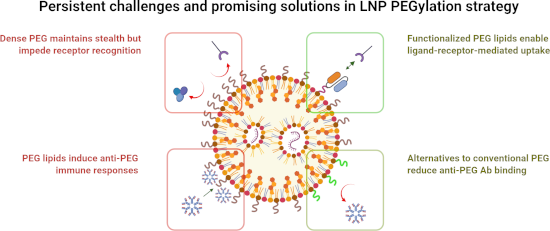
- -based LNPs formulated with varying DMPE-PEG2k content from 1 to 5 mol %, changes were observed in nanoparticle diameter, polydispersity index (PDI), surface charge, and payload encapsulation efficiency (EE%). Increasing the PEG lipid content led to a reduction in the hydrodynamic diameter of LNPs, with
- . Intravenous injection at 0.3 mg·kg−1 further validated the efficacy of these functionalized pLNPs. RVG29 and AP2 pLNPs achieved nearly 70-fold increases in brain transfection, while mApoE pLNPs demonstrated significant tropism shift from liver to spleen. A liver luminescence reduction from over 90% to 25% was
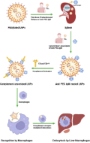
- primed for a heightened response. As illustrated in Figure 5, anti-PEG antibodies can rapidly neutralize PEGylated nanoparticles, triggering the accelerated blood clearance (ABC) phenomenon [4][69]. This effect is characterized by a dramatic reduction in circulation time for subsequent doses, often


Targeting the vector of arboviruses Aedes aegypti with nanoemulsions based on essential oils: a review with focus on larvicidal and repellent properties
Beilstein J. Nanotechnol. 2025, 16, 1894–1913, doi:10.3762/bjnano.16.132
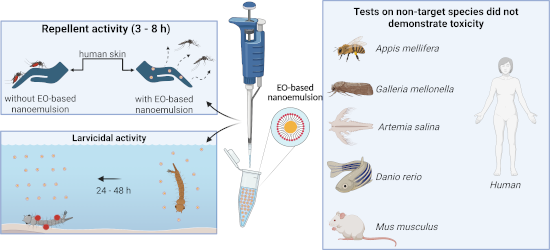
- development and contributing to the reduction of the adult mosquito population. Ovicidal activities are also reported, which prevent eggs from hatching, interrupting the life cycle of the vector. Furthermore, essential oils exhibit repellent properties that keep mosquitoes away, reducing the incidence of


Low-temperature AFM with a microwave cavity optomechanical transducer
Beilstein J. Nanotechnol. 2025, 16, 1873–1882, doi:10.3762/bjnano.16.130
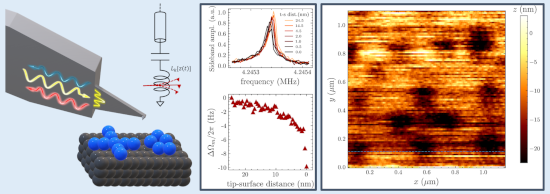
- stiffness values of the order of 100 N/m to avoid the tip jumping to contact and sticking to the surface [21]. Such a stiffness would necessitate seven orders of magnitude improvement in detector noise to achieve an equivalent force sensitivity. Reduction of detection noise is therefore critical for


On the road to sustainability – application of metallic nanoparticles obtained by green synthesis in dentistry: a scoping review
Beilstein J. Nanotechnol. 2025, 16, 1851–1862, doi:10.3762/bjnano.16.128
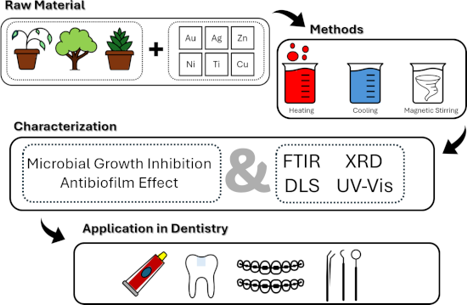
- during the biosynthesis of metallic nanoparticles [34][35]. For instance, plants from the Lamiaceae family (e.g., Ocimum spp., Rosmarinus officinalis, and Salvia rosmarinus) are extensively documented for their abundant polyphenols such as rosmarinic acid and caffeic acid, which facilitate the reduction
- structural, optical, and chemical properties. FTIR enables the identification of functional groups involved in the reduction and stabilization of nanoparticles, typically derived from phytochemicals in plant extracts used as reducing agents [52][56]. UV–vis spectroscopy is widely employed to monitor


Phytol-loaded soybean oil nanoemulsion as a promising alternative against Leishmania amazonensis
Beilstein J. Nanotechnol. 2025, 16, 1826–1836, doi:10.3762/bjnano.16.126

- evaluated, only the zeta potential showed a significant reduction at day 30 (p < 0.05), while no significant changes were observed in the other parameters, as shown in Figure 2a,b. Similarly, the formulations maintained their stability under all centrifugation conditions and time points analyzed, as
- fully confirm the long-term stability and therapeutic reliability of the formulation. Additionally, the presence of glycerin as a co-solvent may have contributed to the reduction in interfacial tension and improved droplet uniformity, factors known to enhance long-term stability [41]. Importantly, the
- evaluate the leishmanicidal potential of these nanoemulsions. As PHYT-NE concentrations and exposure times increased, the leishmanicidal activity also improved. Importantly, this formulation did not induce a reduction in cell viability sufficient to indicate cytotoxicity to 3T3 cells, even at the highest


Electrical, photocatalytic, and sensory properties of graphene oxide and polyimide implanted with low- and medium-energy silver ions
Beilstein J. Nanotechnol. 2025, 16, 1794–1811, doi:10.3762/bjnano.16.123
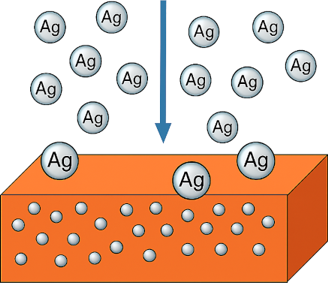
- disintegration of rhodamine B using UV light. The experimental results clearly confirmed that silver ion implantation led to a significant reduction in the surface electrical resistance of both GO and PI. Simultaneously, an enhancement of photocatalytic activity was observed, demonstrated by a faster degradation
- %. This change indicates a reduction in oxygen functional groups, which is due to radiation damage induced by ion implantation. The high ion fluence caused the destruction of carbon–oxygen bonds, leading to partial deoxidation of the surface and an increase in the proportion of carbon networks. At the
- formation of free radicals and their subsequent recombination [26]. The results obtained from the XPS analysis, in conjunction with the RBS findings, reveal a consistent trend indicative of ongoing carbonization processes occurring in the surface layers of the PI samples. The reduction in oxygen-containing


Exploring the potential of polymers: advancements in oral nanocarrier technology
Beilstein J. Nanotechnol. 2025, 16, 1751–1793, doi:10.3762/bjnano.16.122
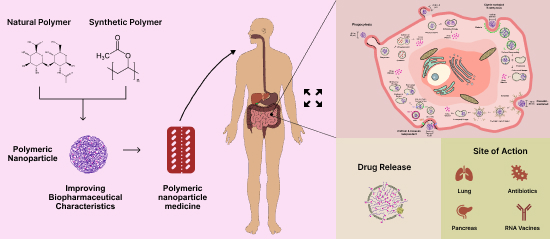
- response to internal signals (e.g., oxidation or reduction, enzymatic activity, or low acidity) or external stimuli such as light and temperature [26][27]. This delivery of active ingredients relies on differential biochemical changes, facilitating the development of more precise therapies with improved
- , can occur in organic or aqueous continuous phases, with the latter offering a reduction of toxic solvent residues. Miniemulsion and microemulsion methods provide better control over particle size and distribution, although microemulsion polymerization often requires higher concentrations of
- , demonstrating nontoxicity and a reduction in joint inflammation, which were attributed to the physicochemical stability of the NPs in the gastrointestinal tract. Continuing their research on lactoferrin, Mahidhara et al. [112] developed chitosan-coated nanocapsules wrapped in alginate that achieved a 4.8-fold


Multifunctional anionic nanoemulsion with linseed oil and lecithin: a preliminary approach for dry eye disease
Beilstein J. Nanotechnol. 2025, 16, 1711–1733, doi:10.3762/bjnano.16.120
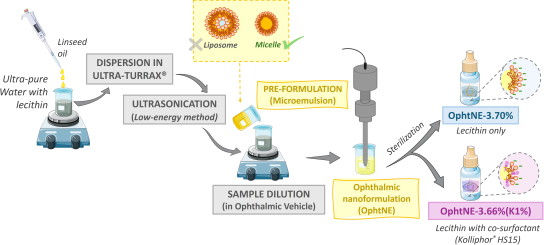
- at 25 °C was consistent with the values reported by Rahiminezhad and colleagues [64]. However, increasing temperature reduced LO density (by ca. 4%). This reduction can be attributed to the increased molecular motion of the oil’s long fatty acid chains (saturated and unsaturated) when heated. The
- increased motion causes greater intermolecular spacing, leading to an increase in the oil’s volume. As a result, the oil’s mass-to-volume ratio (density) decreases, as observed for vegetable oils [70]. Raising the temperature of LO to 75 °C resulted in a statistically significant reduction (75.7%) in
- revealed two distinct thermal mass loss events. The first event occurs between 340 and 490 °C, where a significant mass reduction (~94.2%) is observed, with the degradation temperature marked at 368 °C (TOnset). This primary degradation phase involves lipolysis, the breakdown of triglycerides into fatty



Ambient pressure XPS at MAX IV
Beilstein J. Nanotechnol. 2025, 16, 1677–1694, doi:10.3762/bjnano.16.118
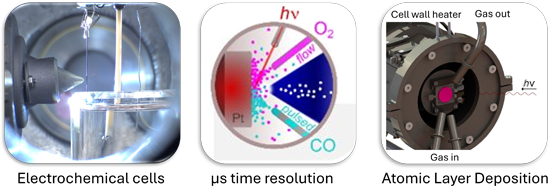
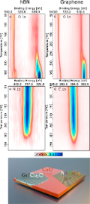
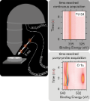
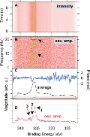
- sheet. This well-defined platform mimics the structure of metal–nitrogen–carbon catalysts used in oxygen reduction reactions (ORRs). Using a combination of results obtained from APXPS at HIPPIE and pump–probe infrared–visible sum-frequency generation (SFG) in a dedicated setup at the Department of
- important challenges for modern human civilization. Reactions such as water splitting, CO2 reduction, and pollutant degradation rely on photocatalysts that absorb light, generate electron–hole pairs, and drive redox reactions at interfaces. For the rational and methodical design of a more sophisticated
- photoexcited holes migrate to NiO and are trapped, facilitating water oxidation via an intermediate NiOOH species (Figure 10b). APXPS thereby provides mechanistic insight into photoinduced surface chemistry, enabling rational catalyst design. Similar approaches can be extended to CO2 reduction, pollutant





Prospects of nanotechnology and natural products for cancer and immunotherapy
Beilstein J. Nanotechnol. 2025, 16, 1644–1667, doi:10.3762/bjnano.16.116
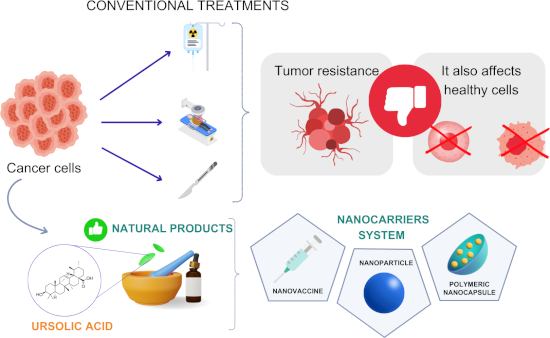
- by Li et al. discussed patent CN115671277 [94]. Nanoparticles Nanoparticles are materials with at least one dimension ranging from 1 to 999 nm [95]. This technology possesses a high contact surface, a high concentration of surface-active centers, and low toxicity due to promoting a reduction in the
- dose of its active ingredients [96]. These characteristics have made nanoparticles widely used in medicines, medical applications, and the food industry, as they provide increased shelf life, improved drug delivery, and enhanced therapeutic efficacy [97]. Various methods, such as chemical reduction
- neutrophils or infiltration of CD4+ T cells to destroy tumors [145]. The process of nanosizing the CGCs in the patent involves shearing at high speed and ultrasonic cycles followed by freeze-drying. This resulted in a yield of 12.73% and a purity of 96.32%. The increased surface area due to the reduction in


Nanotechnology-based approaches for the removal of microplastics from wastewater: a comprehensive review
Beilstein J. Nanotechnol. 2025, 16, 1607–1632, doi:10.3762/bjnano.16.114
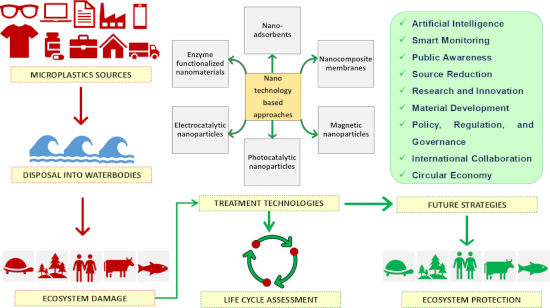
- semiconductor catalyst. In contrast, for reduction to occur, the redox potential must be lower than the conduction band edge. This is because, upon excitation, holes generated in the valence band participate in oxidation reactions, whereas the electrons excited to the conduction band drive the reduction


Bioinspired polypropylene-based functionally graded materials and metamaterials modeling the mistletoe–host interface
Beilstein J. Nanotechnol. 2025, 16, 1592–1606, doi:10.3762/bjnano.16.113
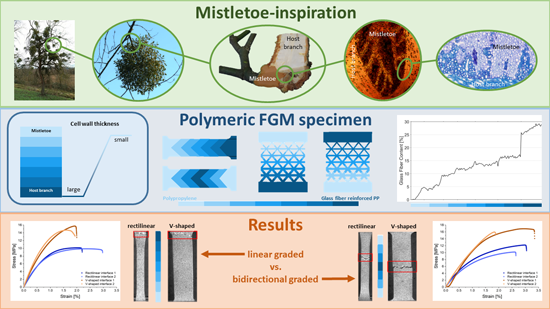
- defined interfaces between the compounds. This can be explained by the reduction in heat transfer of polymer blends with higher glass fiber content [41] and needs to be considered when designing graded interfaces of fiber-reinforced polymers. The results show that interface structuring of FGMs is possible
- applied. The small deviation may be due to the volume reduction of PP during hot pressing, the burnt glass fibers at the edges, and inaccuracies in the post-processing threshold algorithms. The good fusion of the individual compartments and the gradual increase in fiber concentration along the specimen
- bidirectionally graded specimens compared to the linearly graded specimens (reduction of about 15% for the linearly graded specimens and about 24% for the specimens with V-shaped interface). For UTS, both groups show almost identical values (differences of 2–3%), which again can be attributed to the fact that the


Few-photon microwave fields for superconducting transmon-based qudit control
Beilstein J. Nanotechnol. 2025, 16, 1580–1591, doi:10.3762/bjnano.16.112
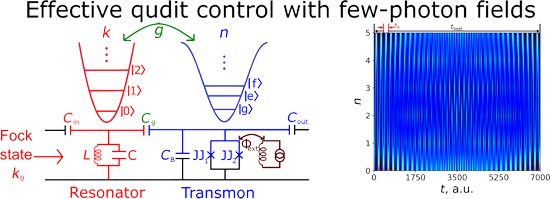
- the highest possible excited transmon state with n = k0. An increase in the nonlinearity of the transmons leads to a significant reduction in the period of Rabi oscillations, tR, and the beat frequency, tbeat, as shown in Figure 2a. When nonlinear interactions dominate, high-energy excitations are


Photocatalytic degradation of ofloxacin in water assisted by TiO2 nanowires on carbon cloth: contributions of H2O2 addition and substrate absorbability
Beilstein J. Nanotechnol. 2025, 16, 1567–1579, doi:10.3762/bjnano.16.111
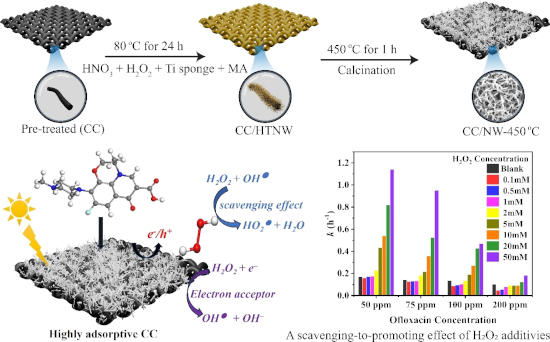
- relative intensity of the hydroxyl peak decreases, and the peaks shift slightly (O–Ti at 529.7 eV and –OH at 531 eV), indicating a reduction in surface –OH groups due to dehydration and phase transformation from hydrogen titanate to anatase TiO2. Based on the area underneath the corresponding O 1s XPS peak
- all tested concentrations of OFL (50–200 ppm), indicating progressive mineralization of the pollutant. At 50 ppm, the TOC decreased from 51.04 to 17.31 mg·L−1 after 12 h, corresponding to a 66% reduction. At 200 ppm, the TOC decreased from 205.1 to 30.25 mg·L−1 (12 h), achieving an 85% reduction
- our system. The introduction of KBrO3 resulted in a relatively modest reduction in the removal to 41%, suggesting that the involvement of e− is minor in the process. These results indicate that the photocatalytic degradation mechanism is predominantly governed by photogenerated holes, followed by


Influence of laser beam profile on morphology and optical properties of silicon nanoparticles formed by laser ablation in liquid
Beilstein J. Nanotechnol. 2025, 16, 1533–1544, doi:10.3762/bjnano.16.108
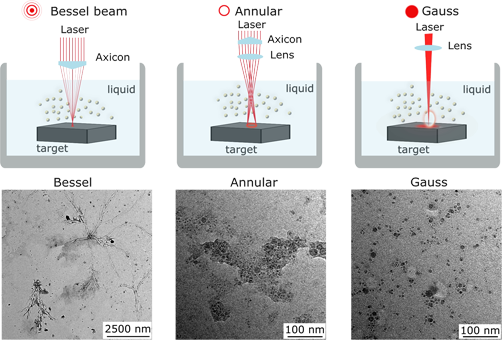
- laser pulses. For example, laser beams with a donut shape were used for ablating gold, yttrium oxide, and high-entropy alloy targets in water. The donut beam enabled NP size reduction and narrower size distributions [28]. Application of femtosecond Bessel beams for the ablation of silver in a liquid was


Dendrimer-modified carbon nanotubes for the removal and recovery of heavy metal ions from water
Beilstein J. Nanotechnol. 2025, 16, 1522–1532, doi:10.3762/bjnano.16.107

- metal contamination. Consequently, the efficient removal of heavy metal ions remains a critical research challenge. Various methods have been employed including membrane filtration [1], flocculation [2], adsorption [3][4], precipitation [5], electrolytic removal [6], ion exchange [7], reduction [8], and
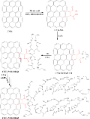
- sp3 on the surface of CNTs. Accordingly, it reflects the reduction of double bonds on the CNT surfaces, thus indicating the formation of new covalent bonds between MA and CNTs. The further growth of dendrimers was achieved by the successive reaction of EDA and MA under the reaction conditions


Cross-reactivities in conjugation reactions involving iron oxide nanoparticles
Beilstein J. Nanotechnol. 2025, 16, 1504–1521, doi:10.3762/bjnano.16.106
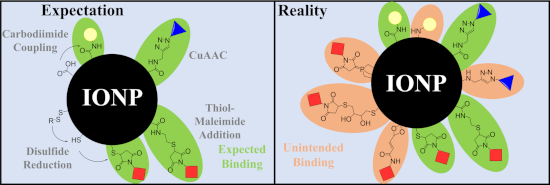
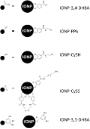
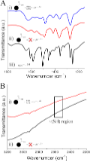
- erroneous conclusions about the efficacy of conjugation reactions, which can have detrimental impacts on the functionality and safety of IONPs in biomedical applications. Keywords: click chemistry; copper-catalyzed azide–alkyne cycloaddition; disulfide reduction; iron oxide nanoparticles; thiol–maleimide







Laser processing in liquids: insights into nanocolloid generation and thin film integration for energy, photonic, and sensing applications
Beilstein J. Nanotechnol. 2025, 16, 1428–1498, doi:10.3762/bjnano.16.104
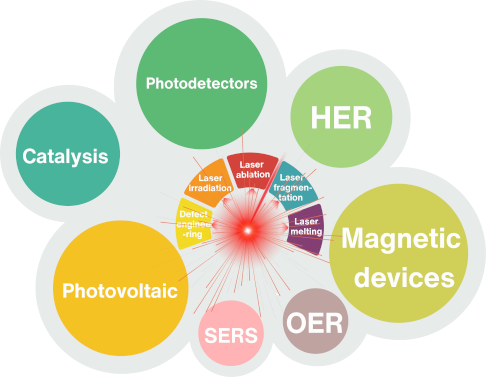
- , suggesting that careful control of size reduction and surface properties is critical for optimizing photocatalyst performance, especially in water splitting applications. Further investigation is necessary to refine the process and mitigate the negative effects of fragmentation. LFL is a highly versatile
- spheres can be accomplished in a shorter time frame, leading to a productivity increase of about two orders of magnitude compared to LAL. This improvement is due to the reduction in particle size from bulk material to NPs, which enhances the laser absorption efficiency. PLIL offers several advantages over






Photochemical synthesis of silver nanoprisms via green LED irradiation and evaluation of SERS activity
Beilstein J. Nanotechnol. 2025, 16, 1417–1427, doi:10.3762/bjnano.16.103
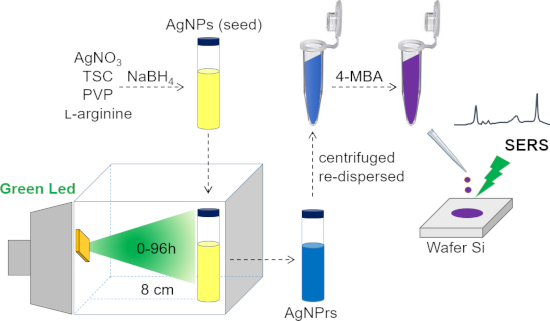
- nanostructures had occurred at this stage [4][7]. The IPD peak was still observed after 12 and 24 h but with progressively decreasing intensity, suggesting a reduction in the number of spherical silver seeds as the irradiation time increased. After 12 h, in addition to the IPD peak at 405 nm, a broad shoulder
- , the surfaces of the silver nanomaterials (initial AgNP seeds, planar twinned seeds) are continuously excited, and the growth of AgNPrs proceeds via two mechanisms (Figure 6). These mechanisms are: (1) TSC continues to be excited and promotes the reduction of Ag+, resulting in the deposition of Ag0 on





