Search results
Search for "sunlight" in Full Text gives 96 result(s) in Beilstein Journal of Nanotechnology.
Reduced graphene oxide supported C3N4 nanoflakes and quantum dots as metal-free catalysts for visible light assisted CO2 reduction
Beilstein J. Nanotechnol. 2019, 10, 448–458, doi:10.3762/bjnano.10.44
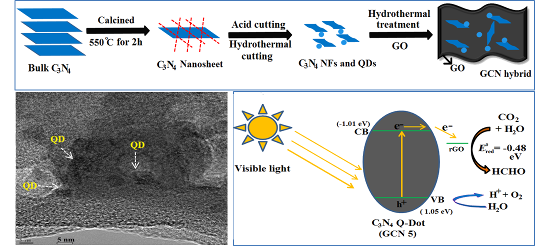
- 13CH3OH, respectively. The photoreduction mechanism of CO2 to HCHO in the presence of the GCN-5 catalyst under visible light illumination is shown in Figure 13. The CN QDs absorb visible wavelengths of sunlight due to their appropriate band edge potential value, thus exciting the electrons. These excited





Gold nanoparticles embedded in a polymer as a 3D-printable dichroic nanocomposite material
Beilstein J. Nanotechnol. 2019, 10, 442–447, doi:10.3762/bjnano.10.43
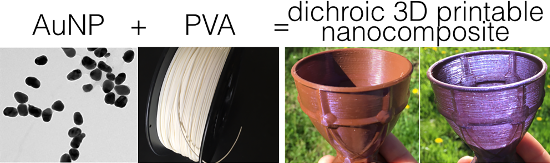
- cups using AuNP–PVA material showing the dichroic effect in artificial and sunlight. Supporting Information Supporting Information File 49: Supporting information for aspect ratio of AuNPs, UV–vis and TEM analyses of AuNPs and AuNP-PVA nanocomposites, pictures of AuNP-PVA 3D-printed cups and their



Development of an anti-pollution coating process technology for the application of an on-site PV module
Beilstein J. Nanotechnol. 2019, 10, 332–336, doi:10.3762/bjnano.10.32
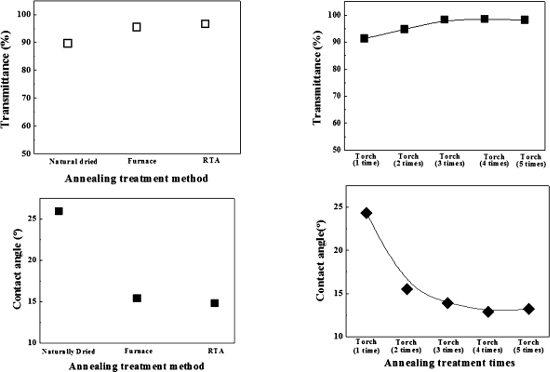
- external surface pollutants, such as dust, yellow dust, animal excrement and rainfall sediment. These pollutants prevent sunlight from entering the PV modules and thereby degrade the power generation efficiency. Therefore, various studies have been conducted of late to effectively prevent the surface


Near-infrared light harvesting of upconverting NaYF4:Yb3+/Er3+-based amorphous silicon solar cells investigated by an optical filter
Beilstein J. Nanotechnol. 2018, 9, 2788–2793, doi:10.3762/bjnano.9.260
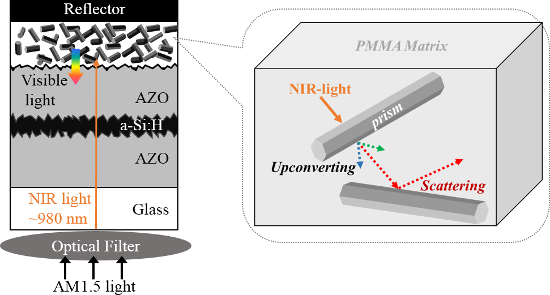
- solar cell, completely covering the photoactive area. Considering a practical use of the cell under sunlight, photoelectric measurements were conducted under AM1.5 solar irradiation. A bare a-Si:H solar cell without UC nanorods but with otherwise the same cell structure was used as reference. In Figure


Thickness-dependent photoelectrochemical properties of a semitransparent Co3O4 photocathode
Beilstein J. Nanotechnol. 2018, 9, 2432–2442, doi:10.3762/bjnano.9.228
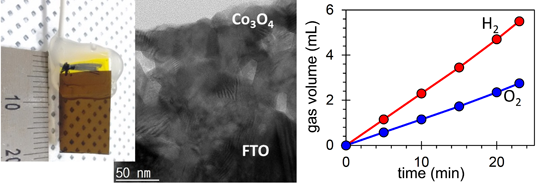
- ][14][15][16][17]. Dual-bandgap Co3O4 films provide distinct band states in the energy–momentum diagram, which is advantageous to reduce the thermalisation-related losses in the sunlight-driven hydrogen generation. Dual bandgaps in Co3O4 originate from the crystal-field split Co 3d states at the



Hierarchical heterostructures of Bi2MoO6 microflowers decorated with Ag2CO3 nanoparticles for efficient visible-light-driven photocatalytic removal of toxic pollutants
Beilstein J. Nanotechnol. 2018, 9, 2297–2305, doi:10.3762/bjnano.9.214
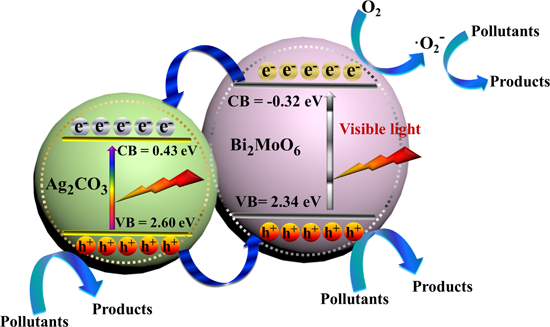
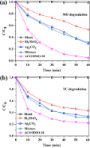
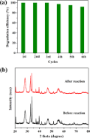
- established. However, the conventional wastewater treatments are usually accompanied by high cost, low efficiency and other insufficiencies [2]. The decomposition and mineralization of pollutants under sunlight through photocatalysis has been demonstrated to be an effective and green technology for




Localized photodeposition of catalysts using nanophotonic resonances in silicon photocathodes
Beilstein J. Nanotechnol. 2018, 9, 2097–2105, doi:10.3762/bjnano.9.198
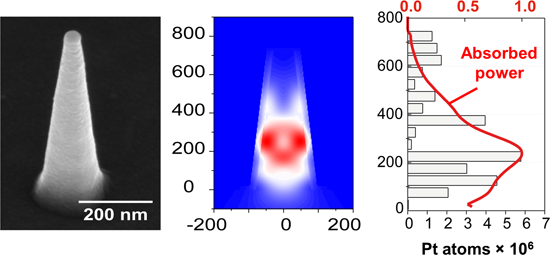
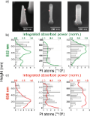
- population remind us of the importance of finding new, clean pathways to cover our energy needs. Fuel generation from renewable energy resources could be one of the “clean” approaches for meeting our energy requirements. Although, sunlight is the most abundant source of green energy, its long-term storage is
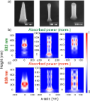
- light absorption and conversion to chemical energy take place. The photo-electrodes are in contact with an electrolyte that is the primary source of fuel together with the sunlight. In such a system, light absorption by the electrodes leads to the creation of electron–hole pairs, which after their


Cr(VI) remediation from aqueous environment through modified-TiO2-mediated photocatalytic reduction
Beilstein J. Nanotechnol. 2018, 9, 1448–1470, doi:10.3762/bjnano.9.137
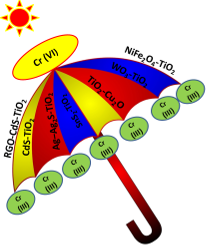
- photoreduction of Cr(VI) under sunlight illumination [143]. Its enhanced photoreduction capacity over TiO2 nanosheets, P25 and CD–P25 was attributed to the better charge transfer as well as higher light absorption properties of CDs. The in situ formation of H2O2 promotes the photoactivity to a great extent
- %. Photocatalytic reduction of chromate ions under sunlight over CuBi2O4/TiO2 has also been reported by Lahamar et al. A remarkable performance of 98% reduction is obtained in less than 4 h for a Cr(VI) concentration of 30 mg L−1 at pH ≈4 by using 1 g L−1 catalyst. The kinetics of chromate photoreduction is well


Ag2WO4 nanorods decorated with AgI nanoparticles: Novel and efficient visible-light-driven photocatalysts for the degradation of water pollutants
Beilstein J. Nanotechnol. 2018, 9, 1308–1316, doi:10.3762/bjnano.9.123
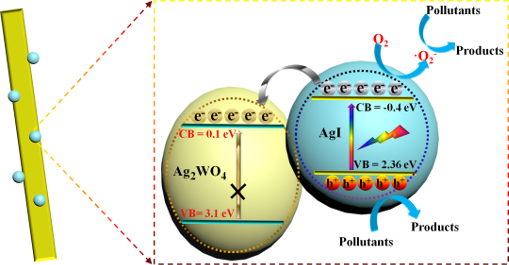
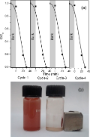
- ]. However, achieving high efficiency for photocatalytic conversion under natural sunlight irradiation is still a great challenge because many catalysts only respond to ultraviolet (UV) light [5][12]. Exploring photocatalysts that can be driven by visible light, which comprises 43% of solar energy, is
- photocatalytic performance for dye degradation under light irradiation [30][31][36][37]. Unfortunately, due to its wide bandgap of about 3.1 eV, Ag2WO4 has limited photocatalytic activity under sunlight, which severely limits its application and illustrates the urgency for optimization of Ag2WO4 to overcome




Computational exploration of two-dimensional silicon diarsenide and germanium arsenide for photovoltaic applications
Beilstein J. Nanotechnol. 2018, 9, 1247–1253, doi:10.3762/bjnano.9.116
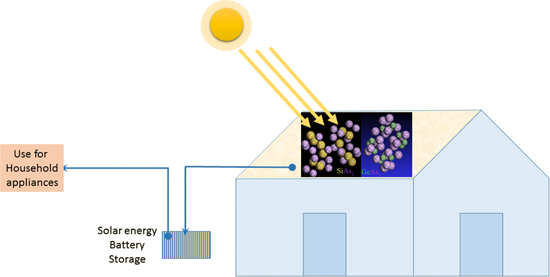
- dynamic stability of the compounds, which is inferred by analyzing their vibrational normal mode. SiAs2 and GeAs2 monolayers possess a bandgap of 1.91 and 1.64 eV, respectively, which is excellent for sunlight harvesting, while the exciton binding energy is found to be 0.25 and 0.14 eV, respectively


Review on nanoparticles and nanostructured materials: history, sources, toxicity and regulations
Beilstein J. Nanotechnol. 2018, 9, 1050–1074, doi:10.3762/bjnano.9.98

- human, animal, and plant activities by blocking and scattering the sunlight. The volcanically erupted particles may possess heavy metals that are toxic to humans [69]. The short-term effects of particles from volcanic eruptions include nose, throat, eye and skin irritations and bronchial symptoms, while


Surface-plasmon-enhanced ultraviolet emission of Au-decorated ZnO structures for gas sensing and photocatalytic devices
Beilstein J. Nanotechnol. 2018, 9, 771–779, doi:10.3762/bjnano.9.70
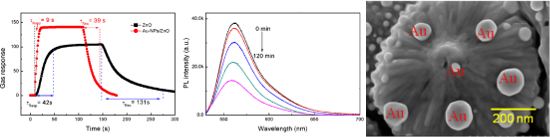
- and reasonably fast response/recovery time were reported for a gas sensor based on Au-decorated ZnO structures. The highest selectivity towards NO2 was compared to other combustion gases such as CO, and C3H8. In addition, the photocatalytic decomposition of organic dyes under sunlight using PL




Perovskite-structured CaTiO3 coupled with g-C3N4 as a heterojunction photocatalyst for organic pollutant degradation
Beilstein J. Nanotechnol. 2018, 9, 671–685, doi:10.3762/bjnano.9.62
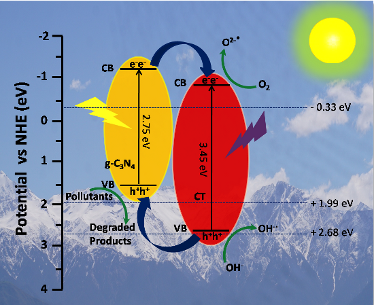
- studying the degradation of an aqueous solution of rhodamine B (RhB) under UV, visible and natural sunlight irradiation. The CTCN heterojunction with 1:1 ratio of g-C3N4/CT showed the highest photocatalytic activity under sunlight irradiation and was also demonstrated to be effective for the degradation of
- promising amalgamated g-C3N4–SrTiO3 photocatalyst by a simple thermal method. The as-prepared composites showed exceptional properties for photocatalytic degradation of bisphenol A (BPA) under intense sunlight due to the enhanced migration of photogenerated charges over the close interfacial connections
- rhodamine B (RhB) dye under UV, visible and natural sunlight irradiation. Also, the degradation of a non-photosensitizing colorless pollutant, BPA, was also studied under sunlight to eliminate the doubt of RhB photosensitization in the photocatalytic activity. The CTCN heterojunction offers enhanced light


Mechanistic insights into plasmonic photocatalysts in utilizing visible light
Beilstein J. Nanotechnol. 2018, 9, 628–648, doi:10.3762/bjnano.9.59
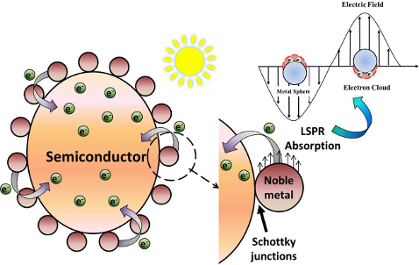
- , Kwangwoon University, 447-1 Wolgye-Dong, Nowon-Gu, Seoul, South Korea Institut für Technische Chemie, Leibniz Universität Hannover, Callinstrasse 3, 30167 Hannover, Germany 10.3762/bjnano.9.59 Abstract The utilisation of sunlight as an abundant and renewable resource has motivated the development of
- issues [45][46][47][48][49]. Synthesis routes such as sol–gel, hydrothermal, microwave hydrothermal, impregnation, electrochemical deposition, chemical deposition, deposition-precipitation, UV photodeposition and direct sunlight photodeposition have been reported [23][50][51][52][53][54][55][56][57][58
- . Moreover, researchers have proven the possibility of using direct sunlight as an alternative to artificial UV light for such noble metal deposition. In a study by Leong and co-workers, they successfully achieved the deposition of Ag and Pd onto the surface of TiO2 via this renewable route. They also used





Sugarcane juice derived carbon dot–graphitic carbon nitride composites for bisphenol A degradation under sunlight irradiation
Beilstein J. Nanotechnol. 2018, 9, 353–363, doi:10.3762/bjnano.9.35
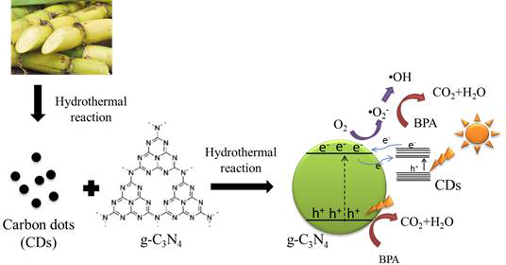
- superoxide anion radical (O2•−) and holes (h+) after performing multiple scavenging tests. Keywords: carbon dots; g-C3N4; photocatalytic degradation; sugarcane juice; sunlight; Introduction Carbon dots (CDs) predominantly consist of amorphous carbon together with nanocrystalline regions of sp2-hybridized
- degradation of endocrine disrupting chemicals (EDCs). Bisphenol A (BPA) was chosen as a model pollutant under natural sunlight irradiation. Herein, the structural and optical properties of samples were characterized by X-ray diffraction (XRD), Fourier transform infrared spectroscopy (FTIR), photoluminescence
- ]. Photocatalytic performance under solar irradiation The photocatalytic performance of the composites was evaluated using BPA as a model pollutant under natural sunlight irradiation. Figure 5a shows that the blank was stable with almost no degradation throughout the experiment, indicating BPA had poor photolysis


Bombyx mori silk/titania/gold hybrid materials for photocatalytic water splitting: combining renewable raw materials with clean fuels
Beilstein J. Nanotechnol. 2018, 9, 187–204, doi:10.3762/bjnano.9.21
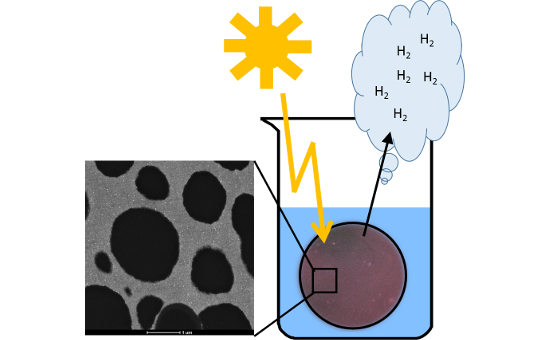
- of 5 and 7–18 nm, respectively. Addition of poly(ethylene oxide) to the reaction mixture enables pore size tuning, thus providing access to different materials with different photocatalytic activities. Water splitting experiments using a sunlight simulator and a Xe lamp show that the new hybrid
- not exceed ca. 3 eV to most efficiently use the visible spectral range of the sunlight [6]. As a result, numerous water-splitting catalysts with various efficiencies have been reported [6][7][8][11][12][13]. Because of its bandgap of 3.0–3.2 eV (depending on the crystal structure and particle size [14
- bandgap of the TiO2 semiconductors [21]. Gallo et al. used amorphous TiO2 doped with Au and/or platinum (Pt) NPs to split water under ultraviolet (UV)-A light and simulated sunlight. Best results with 1.6 mmol/(h·g) of H2 production were obtained with Au0.5Pt0.5/TiO2 catalysts [22]. Chen et al. used




Review on optofluidic microreactors for artificial photosynthesis
Beilstein J. Nanotechnol. 2018, 9, 30–41, doi:10.3762/bjnano.9.5
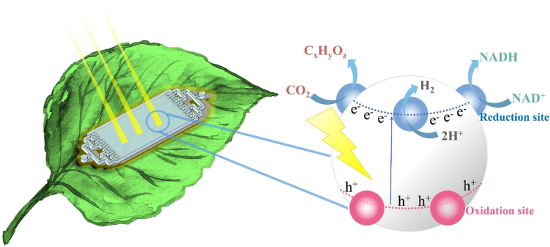
- utilize sunlight, water and CO2 to synthesize energy-rich carbohydrates [10][11]. The chloroplast is the place where NPS occurs. To clearly introduce this organelle, progressively smaller structures (plant cell, chloroplast, thylakoid membrane) of a general leaf are shown in Figure 1A–D. Each chloroplast
- (Figure 1C) contains numerous thylakoids. On the thylakoid membrane, the natural light-harvesting antenna complexes, photosystem II (PS II, P680) and photosystem I (PS I, P700), capture the photons and regenerate the coenzyme for carbohydrates synthesis (Figure 1D). However, in APS, sunlight is used to
- low energy conversion efficiency (typically <1%) to capture sunlight and CO2 for the production of carbohydrates, even after billions of years of evolution, and it is far from its theoretical limit of 30% [48]. This gives great room to develop an improved scientific solution to produce basic food


Facile synthesis of silver/silver thiocyanate (Ag@AgSCN) plasmonic nanostructures with enhanced photocatalytic performance
Beilstein J. Nanotechnol. 2017, 8, 2781–2789, doi:10.3762/bjnano.8.277
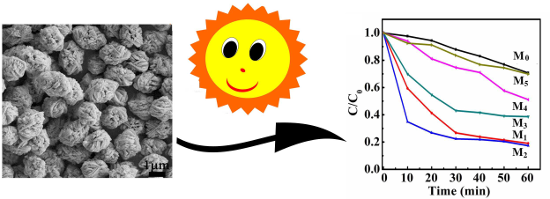
- nm. The absorption peak of silver nanoparticles becomes gradually stronger as the content of Ag increases, indicating that the sunlight utilization efficiency increases steadily. During UV irradiation, many defects are formed in AgSCN, including different interstitial sites and vacancies [29]. The
- to the light irradiation. The degradation was performed under visible-light irradiation by using a halogen lamp (400 W) with a UV cutoff filter (λ ≥ 420 nm). The halogen lamp spectrum is commonly used to simulate the sunlight spectrum, in which the visible light is about 60–80%. An ≈3 mL aliquot was


CdSe nanorod/TiO2 nanoparticle heterojunctions with enhanced solar- and visible-light photocatalytic activity
Beilstein J. Nanotechnol. 2017, 8, 2741–2752, doi:10.3762/bjnano.8.273
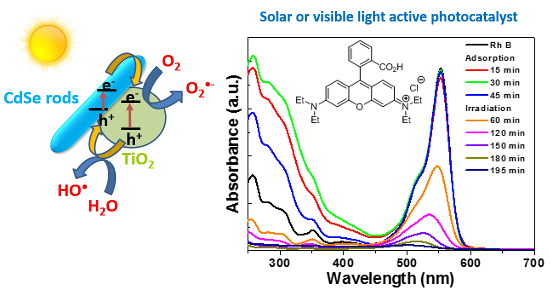
- the narrow bandgap of CdSe NRs serves to increase the photoresponse of CdSe/TiO2 composites until ≈725 nm. The CdSe (2 wt %)/TiO2 composite exhibits the highest photocatalytic activity for the degradation of rhodamine B in aqueous solution under simulated sunlight or visible light irradiation. The
- of rhodamine B (RhB) in aqueous solution. Our results demonstrate that the composite containing 2 wt % CdSe NRs exhibits the optimal photocatalytic activity under solar or visible light irradiation. Moreover, the photocatalytic response was maintained after ten cycles in simulated sunlight. A
- simulated solar light and ≈70% of RhB is bleached after 6.25 h of irradiation. A similar hypsochromic shift of the absorption band at 553 nm to that observed under simulated sunlight irradiation was observed, indicating that photooxidative N-de-ethylation of RhB occurred in the early stages of its






Growth and characterization of textured well-faceted ZnO on planar Si(100), planar Si(111), and textured Si(100) substrates for solar cell applications
Beilstein J. Nanotechnol. 2017, 8, 1939–1945, doi:10.3762/bjnano.8.194
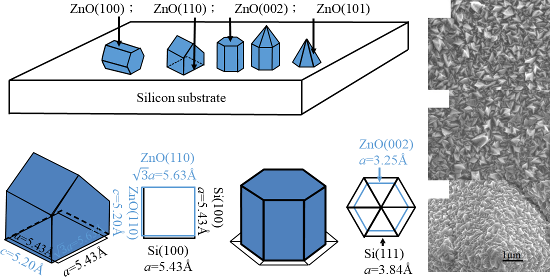
- sunlight from the metals, but they can also serve the function of antireflection coating (ARC) films, given proper design of the film thickness. A ZnO thin film with appropriate doping could potentially act as the emitter with a Si substrate base to form a heterostructure solar cell. Therefore, in the most

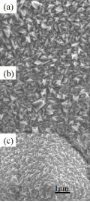


![[Graphic 2]](/bjnano/content/inline/2190-4286-8-194-i4.png?max-width=637&scale=1.18182) × lattice constant a) by 5.20 Å (l...
× lattice constant a) by 5.20 Å (l...


Two-dimensional carbon-based nanocomposites for photocatalytic energy generation and environmental remediation applications
Beilstein J. Nanotechnol. 2017, 8, 1571–1600, doi:10.3762/bjnano.8.159
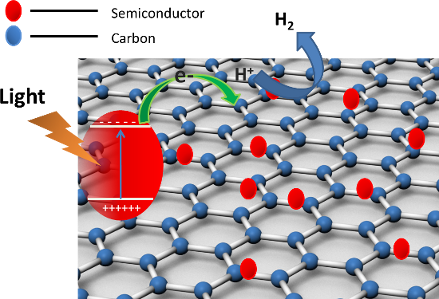
- Suneel Kumar Ashish Kumar Ashish Bahuguna Vipul Sharma Venkata Krishnan School of Basic Sciences and Advanced Materials Research Center, Indian Institute of Technology Mandi, Kamand, Mandi 175005, H.P., India 10.3762/bjnano.8.159 Abstract In the pursuit towards the use of sunlight as a
- way by using two of the most abundant natural resources, namely sunlight and water. Over the past few years, carbon-based nanocomposites, particularly graphene and graphitic carbon nitride, have attracted much attention as interesting materials in this field. Due to their unique chemical and physical


Synthesis of graphene–transition metal oxide hybrid nanoparticles and their application in various fields
Beilstein J. Nanotechnol. 2017, 8, 688–714, doi:10.3762/bjnano.8.74
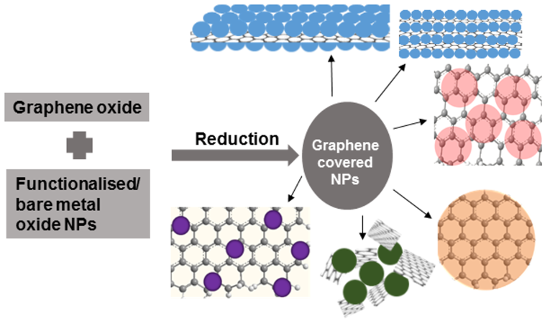
- , multicomponent NPs have been also integrated with graphene, but such examples are still very few to date [29]. In a photovoltaic cell, sunlight energy is directly converted to electricity. Graphene and graphene–NP hybrids have been investigated extensively in the field of solar cells because of their unique






Photocatalysis applications of some hybrid polymeric composites incorporating TiO2 nanoparticles and their combinations with SiO2/Fe2O3
Beilstein J. Nanotechnol. 2017, 8, 272–286, doi:10.3762/bjnano.8.30
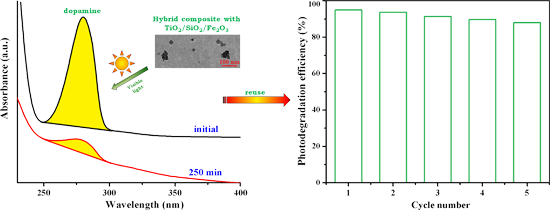
- , they are active only in UV light (<4% of sunlight) owing to their wide bandgap (3.2 eV), which absorbs photons with wavelengths shorter than 400 nm. Also, TiO2 nanoparticles (NPs) have a low adsorption capacity for hydrophobic molecules, and if they are used for water treatment, severe problems during
- as that of the inorganic nanoparticles taken alone, as well as the general need of exploitation of the catalysts in several cycles, our composites with simple or hybridized TiO2 NPs seem to be a more suitable solution for water treatment under sunlight. The catalytic performance of the synthesized
- . The presence of Fe2O3 NPs extended the light absorption of TiO2 into the visible range, a feature that recommends their use in water purification under sunlight. Experimental Materials Titanium(IV) isopropoxide (TTIP), glacial acetic acid, tetraethyl orthosilicate (TEOS), iron(II) chloride


Laser irradiation in water for the novel, scalable synthesis of black TiOx photocatalyst for environmental remediation
Beilstein J. Nanotechnol. 2017, 8, 196–202, doi:10.3762/bjnano.8.21
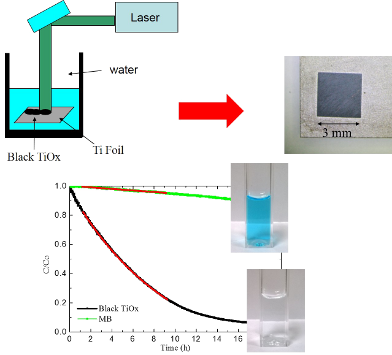
- and the creation of acceptor states. These states are responsible for the visibly dark coloration and, consequently, for sunlight absorption [23]. Unfortunately, this material is not suitable for industrial implementation since it requires up to 20 bar of hydrogen pressure and up to 15 days of


Tandem polymer solar cells: simulation and optimization through a multiscale scheme
Beilstein J. Nanotechnol. 2017, 8, 123–133, doi:10.3762/bjnano.8.13
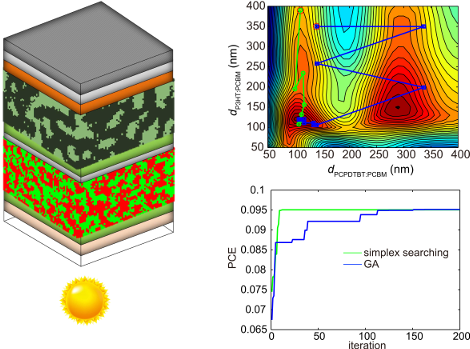
- demonstrated to be one of the most effective solutions. Due to the unavoidable mismatch between the absorption spectrum of active materials and that of the sunlight, a large portion of the sunlight energy will be lost in organic photovoltaics when a single active material is employed. Thus, as illustrated in
- devices. Additionally, this approach can be easily applied to optimizing tandem solar cells based on other materials as long as the refractive index and local carrier mobility of the new materials are available. (a) Spectrum of sunlight and different active materials used in tandem organic solar cells. (b