Search results
Search for "ultrasound" in Full Text gives 125 result(s) in Beilstein Journal of Nanotechnology.
Comprehensive review on ultrasound-responsive theranostic nanomaterials: mechanisms, structures and medical applications
Beilstein J. Nanotechnol. 2021, 12, 808–862, doi:10.3762/bjnano.12.64
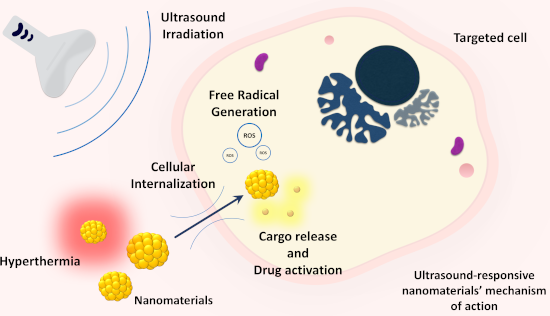
- , pH changes, temperature changes) or external (light, heat, magnetic fields, ultrasound). Theranostic nanomaterials can respond by producing an imaging signal and/or a therapeutic effect, which frequently involves cell death. Since ultrasound (US) is already well established as a clinical imaging
- therapy; sonoporation; theranostics; ultrasound; ultrasound responsive nanomaterials; Review Introduction Smart drug delivery vehicles It is well known that the administration of most anticancer drugs can produce considerable systemic toxicity, which in some cases can be dose-limiting. Whether oral
- temperature, pH, enzyme, redox potential, ionic strength, or solvent composition of the media. Other stimuli are external, such as heat, light, electric field, magnetic field, or ultrasound (US) [5][6][7]. Designing such single, dual, or multi-stimulus-responsive smart delivery vehicles provides an


Recent progress in actuation technologies of micro/nanorobots
Beilstein J. Nanotechnol. 2021, 12, 756–765, doi:10.3762/bjnano.12.59
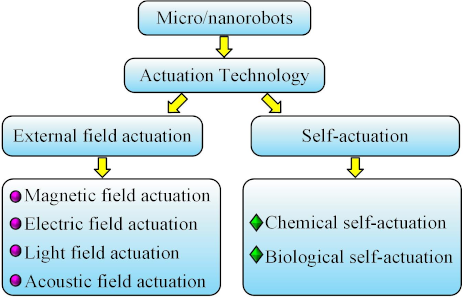
- standard photolithography process. When the actuator is stimulated by laser pulses, it will bend and make the robot walk. The research of this technology provides an extremely powerful theoretical basis for the manufacture of actuators in the future. Acoustic field actuation Ultrasound is sound with a
- using continuous or pulsed ultrasound. In addition, the motion of the metal rod actuated by ultrasound is not sensitive to the addition of salt in the solution, which makes it possible to use ultrasound to actuate and control metal micro/nanorobots in biological media. Lee et al. [35] proposed a new
- the possibility to apply accurate drug delivery in peripheral blood vessels. Valdez‐Garduño et al. [36] proposed a new method that uses an external magnetic field to fix the direction of a micromotor and converts the ultrasound-induced oscillation motion of a Janus microstructure with asymmetric


Stability and activity of platinum nanoparticles in the oxygen electroreduction reaction: is size or uniformity of primary importance?
Beilstein J. Nanotechnol. 2021, 12, 593–606, doi:10.3762/bjnano.12.49
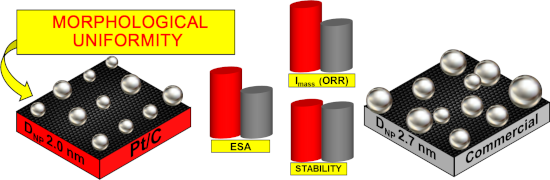
- of ethylene glycol, homogenized by ultrasound for 10 min, and then stirred on a magnetic stirrer for 15 min. Then, without stopping stirring, a water solution of H2PtCl6 (TU 2612-034-00205067-2003, Pt mass fraction of 37.6%, Aurat, Russia) was introduced into the suspension and the pH was adjusted to
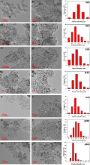
- distributions were also studied by transmission electron microscopy (TEM). The TEM images were obtained using a JEOL JEM F200 microscope (voltage 200 kV, current 12–15 μA, CFEG). To prepare a sample for measurements, 0.5 mg of the catalyst was placed into 1 mL of isopropanol and dispersed by ultrasound for 10
- suspension of Pt/C catalysts (i.e., "catalytic ink"), 900 μL of isopropyl alcohol and 100 μL of a 0.5% aqueous emulsion of Nafion® polymer were added to 6 mg of each sample. Then, the suspension was dispersed with ultrasound for 15 min. Under continuous stirring, an aliquot of “ink” of 6 μL in volume was


Doxorubicin-loaded gold nanorods: a multifunctional chemo-photothermal nanoplatform for cancer management
Beilstein J. Nanotechnol. 2021, 12, 295–303, doi:10.3762/bjnano.12.24
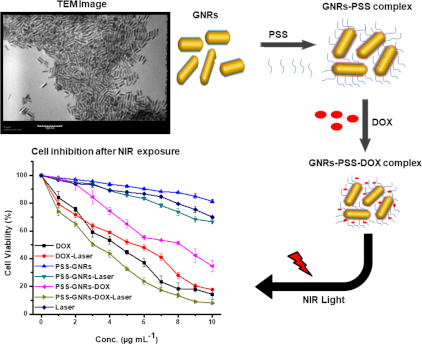
- be obtained by utilizing external stimuli, such as pH value, light, or ultrasound, to deliver the anti-cancerous drug into tumor tissue with spatial and temporal control [14]. Photothermal therapy (PTT) is an emerging minimally invasive cancer therapy. It can efficiently induce cytotoxicity by


Antimicrobial metal-based nanoparticles: a review on their synthesis, types and antimicrobial action
Beilstein J. Nanotechnol. 2020, 11, 1450–1469, doi:10.3762/bjnano.11.129
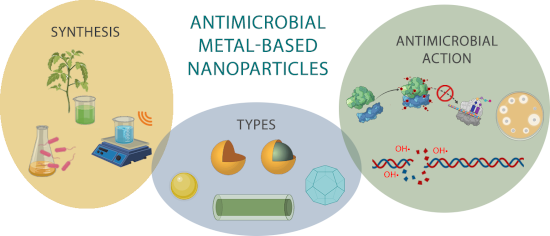
- convenient method for growing NPs. By varying the synthesis parameters, a variety of nanostructures, such as spherical CeO2 NPs [61], lamellar MgO NPs [62], and even ZnO nanorods [69] can be obtained by using this method. In the sonochemical synthesis method, a high-intensity ultrasound produces an acoustic


Electrochemical nanostructuring of (111) oriented GaAs crystals: from porous structures to nanowires
Beilstein J. Nanotechnol. 2020, 11, 966–975, doi:10.3762/bjnano.11.81
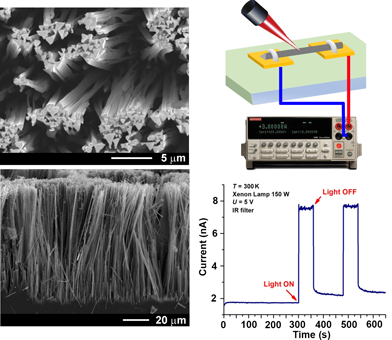
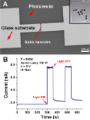
- ). After the formation of nanowires via anodization, the GaAs substrates were treated in an ultrasound bath for 15 s in ethanol. Subsequently, a few drops of the ethanol suspension containing nanowires were deposited on a glass substrate followed by a gentle blow drying to remove the ethanol. A double





Key for crossing the BBB with nanoparticles: the rational design
Beilstein J. Nanotechnol. 2020, 11, 866–883, doi:10.3762/bjnano.11.72
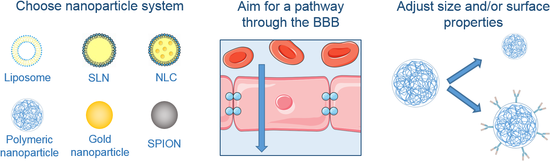
- increase the permeability of the BBB by reversible disruption, either by the use of osmotic agents such as hyperosmolar mannitol injection [18] or physical methods such as ultrasound [19][20]. However, as the BBB is one of the main protection mechanism of the brain against neurotoxins, disrupting it might


Silver-decorated gel-shell nanobeads: physicochemical characterization and evaluation of antibacterial properties
Beilstein J. Nanotechnol. 2020, 11, 620–630, doi:10.3762/bjnano.11.49
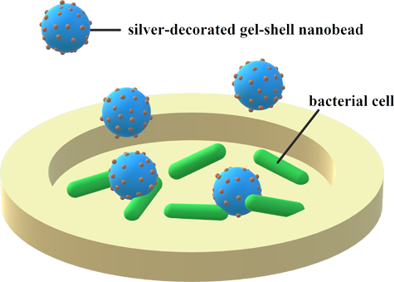
- sulfonated nanobeads. The beads were mixed with 150 µL aqueous AgNO3 solution (0.0125 M) for ca. 30 min followed by the addition of 150 µL of a freshly prepared aqueous solution of NaBH4 (0.075 M) and PVP (40 mg/mL). Subsequently, this mixture was kept at 55 °C and stirred using ultrasound for 30 min. The
- an aqueous solution of AgNO3 (0.0125 M). Then, the mixture was kept at 55 °C and stirred using ultrasound for 30 min. The obtained product was collected by centrifugation (13400 rpm, 12100g, 5 min), and washed several times with deionized water. Antibacterial activity: The antibacterial activity was


Examination of the relationship between viscoelastic properties and the invasion of ovarian cancer cells by atomic force microscopy
Beilstein J. Nanotechnol. 2020, 11, 568–582, doi:10.3762/bjnano.11.45
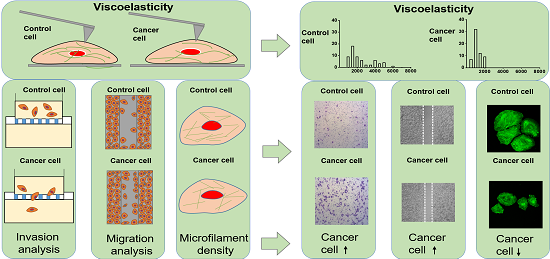
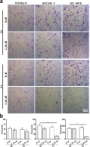
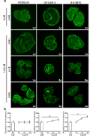
- , China Department of Ultrasound Medical, The First Affiliated Hospital of Fujian Medical University, Fuzhou 350005, China Fujian Provincial Key Laboratory for Developmental Biology and Neurosciences, College of Life Sciences, Fujian Normal University, Fuzhou 350007, China 10.3762/bjnano.11.45 Abstract
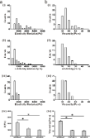
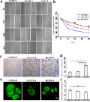

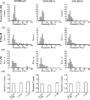
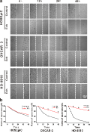

Multilayer capsules made of weak polyelectrolytes: a review on the preparation, functionalization and applications in drug delivery
Beilstein J. Nanotechnol. 2020, 11, 508–532, doi:10.3762/bjnano.11.41
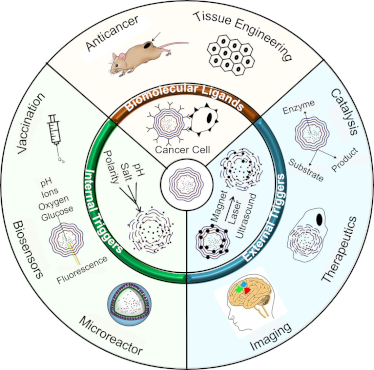
- efforts were also made to release the payload under the exposure of external (modern) triggers such as laser light, ultrasound, magnetic field, enzymatic deformation and mechanical deformation. In the latter cases, the capsules were irreversibly ruptured and released the loaded molecules either in a burst



Synthesis and acetone sensing properties of ZnFe2O4/rGO gas sensors
Beilstein J. Nanotechnol. 2019, 10, 2516–2526, doi:10.3762/bjnano.10.242
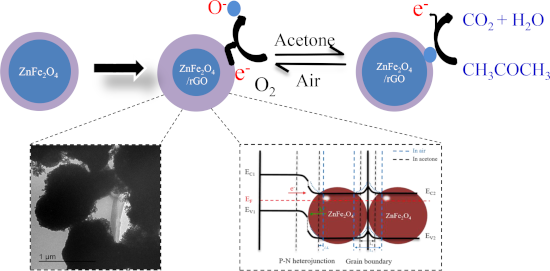
- -temperature heat treatment process in an inert atmosphere. Firstly, the aqueous dispersion solution of GO (0.5 mg/mL) was further treated with ultrasound for 2 h. Then, different amounts of the GO solution (0, 0.242, 0.602, 1.205 and 2.410 mL) were added to the homogeneous solution of isopropanol (30 mL) and




Atomic force acoustic microscopy reveals the influence of substrate stiffness and topography on cell behavior
Beilstein J. Nanotechnol. 2019, 10, 2329–2337, doi:10.3762/bjnano.10.223
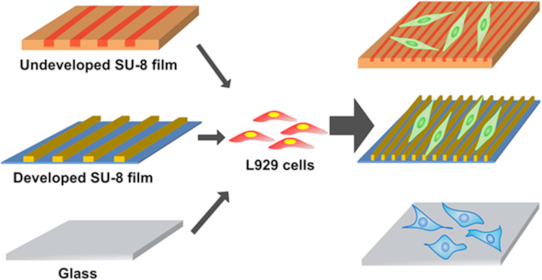
- biomechanical studies [21]. Atomic force acoustic microscopy (AFAM) is a technique based on AFM for nondestructive imaging. This technique operates on a dynamic mode in which the AFM cantilever vibrates upon ultrasound excitation. Accordingly, AFAM shows the ability to measure nanomechanical properties and is
- the sample holder was used to generate ultrasound waves propagating into the sample. An AFM tapping probe (Tap300Al-G, BudgetSensors) was used in all imaging experiments. A lock-in amplifier (SR830DSP, Stanford Research Systems, USA) was employed to analyze the cantilever oscillation signals. When the
- obtain quantitative information on undeveloped and developed SU-8 film surfaces. AFAM uses the near-field detection of acoustic signals to study surfaces and even buried structures [31][32]. For AFAM, a transducer generates ultrasound waves propagating into the sample to cause vibrations of the sample


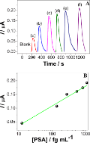
Use of data processing for rapid detection of the prostate-specific antigen biomarker using immunomagnetic sandwich-type sensors
Beilstein J. Nanotechnol. 2019, 10, 2171–2181, doi:10.3762/bjnano.10.210
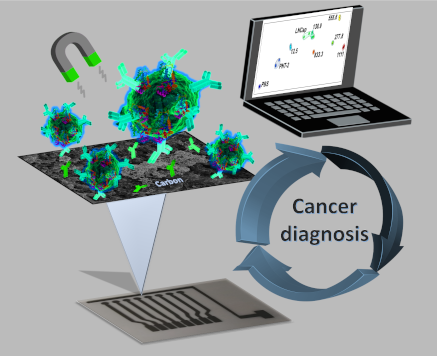
- magnetism than other iron oxide nanoparticles [17]. These MNPs can be synthesized through various techniques, such as ultrasound irradiation, sol–gel methods, thermal decomposition, and co-precipitation [18][19][20][21]. In addition, they can be modified with biomolecules and other compounds to improve the


Microbubbles decorated with dendronized magnetic nanoparticles for biomedical imaging: effective stabilization via fluorous interactions
Beilstein J. Nanotechnol. 2019, 10, 2103–2115, doi:10.3762/bjnano.10.205
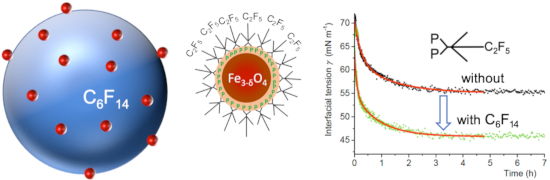
- , micrometer-sized gas particles dispersed in an aqueous medium, are clinically used as contrast agents for ultrasound imaging, including molecular imaging, and actively investigated for surgical ablation, targeted drug and gene delivery [1][2][3][4][5][6][7][8][9][10]. They are also being examined for use, in
- conjunction with focused ultrasound, and under magnetic resonance imaging guidance, for achieving blood/brain and blood/tumor barrier crossing of drugs [11][12]. Medical MBs have a shell consisting of surfactants, phospholipids, or polymers and are usually stabilized by a fluorocarbon gas [13] that acts as an
- signal for energy deposition, as is required for sonothrombolysis or ablation surgery. MBs incorporating iron oxide nanoparticles (IONPs) are sought after as dual contrast agents for ultrasound and magnetic resonance imaging [18][19][20] and drug delivery [21][22]. The shells of the presently available


Nanoarchitectonics meets cell surface engineering: shape recognition of human cells by halloysite-doped silica cell imprints
Beilstein J. Nanotechnol. 2019, 10, 1818–1825, doi:10.3762/bjnano.10.176
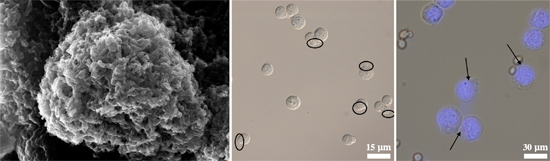
- . The cells were chemically decomposed, while the empty shells were broken by ultrasound and later used for shape-based recognition and killing of bacteria [24][25]. Inspired by the previous reports on the fabrication of colloidal cell imprints capable of microbial cell recognition [24][25], we have


Lipid nanostructures for antioxidant delivery: a comparative preformulation study
Beilstein J. Nanotechnol. 2019, 10, 1789–1801, doi:10.3762/bjnano.10.174
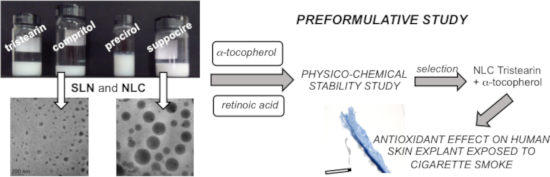
- nanoparticles Lipid nanoparticles were prepared by a hot homogenization technique based on ultrasound treatment. In both cases the dispersing phase was an aqueous solution of poloxamer 188 (2.5% w/w) [37]. In the case of SLN the disperse phase was constituted of one solid lipid (i.e., tristearin, precirol
- , the emulsion was subjected to ultrasound homogenization at 6.75 kHz for 15 min (Microson ultrasonic Cell Disruptor-XL Minisonix) and allowed to cool at 25 °C. Lipid nanoparticle dispersions were stored at room temperature. In the case of drug-loaded nanoparticles, TOC (0.4–0.8% w/w with respect to the
- formation during the preparation, which caused irregular and inhomogeneous formulations; thus 2.5% w/w of poloxamer was used. The hot homogenization method followed by ultrasound [39] lead to production of milky and homogeneous dispersions. Immediately after cooling, in most cases, a small amount of

Materials nanoarchitectonics at two-dimensional liquid interfaces
Beilstein J. Nanotechnol. 2019, 10, 1559–1587, doi:10.3762/bjnano.10.153
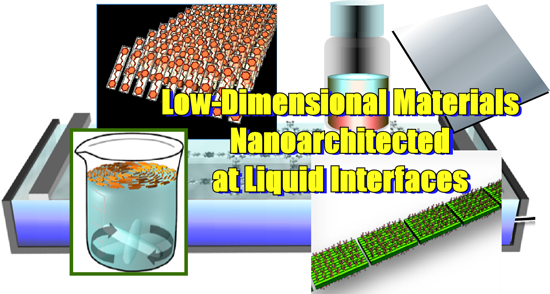
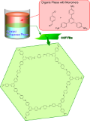
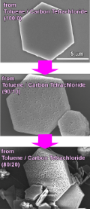
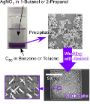
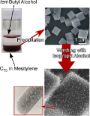
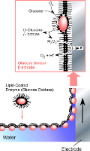
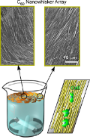
- can be expected for the obtained highly integrated fullerene assemblies. As reported by Shrestha and co-workers, three-dimensional cubic structures can be fabricated from C70 molecules through an ultrasound-assisted liquid–liquid interfacial precipitation from tert-butyl alcohol and mesitylene [253













Multicomponent bionanocomposites based on clay nanoarchitectures for electrochemical devices
Beilstein J. Nanotechnol. 2019, 10, 1303–1315, doi:10.3762/bjnano.10.129
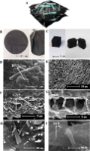
- samples from Taxus basin (Spain) deposits [28]. The unique property of this nanofibrous clay is its ability to largely disaggregate in water after ultrasound treatment, creating thus a rigid, percolated network that can sustain co-dispersed compounds or reinforce polymer matrices [25][26][29
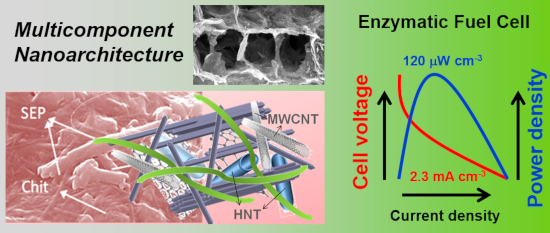
- ]. In this work, conducting multicomponent nanoarchitectured materials involving HNTs, GNPs, MWCNTs, and a CHI matrix were prepared and processed as films and foams from aqueous suspensions of the components dispersed through ultrasound irradiation as schematized in Figure 1. The incorporation of
- (Pangel® S9) under ultrasound irradiation. The incorporation of these components into a polymeric CHI matrix results in composite materials that can be processed either as films or as foams. In agreement with previous works [25][26], the ultrasound treatment of this type of sepiolite in aqueous medium



Synthesis of novel C-doped g-C3N4 nanosheets coupled with CdIn2S4 for enhanced photocatalytic hydrogen evolution
Beilstein J. Nanotechnol. 2019, 10, 912–921, doi:10.3762/bjnano.10.92
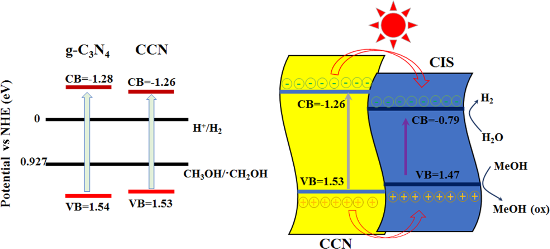
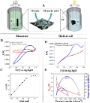
- . Typically, an appropriate amount of Cd(NO3)2·4H2O, In(NO3)3·4.5H2O and thiourea (TU) were added into 60 mL of deionized water, followed by 15 min of ultrasonication. Meanwhile, 0.5 g of as-obtained CCN powder was dispersed in the above solution by ultrasound for 1 h. The suspension was transferred into a


Ultrasonication-assisted synthesis of CsPbBr3 and Cs4PbBr6 perovskite nanocrystals and their reversible transformation
Beilstein J. Nanotechnol. 2019, 10, 666–676, doi:10.3762/bjnano.10.66
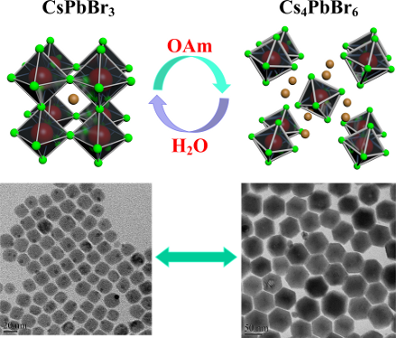
- the ultrasound power, radiation time, and the height of the vibrating spear. The optimized CsPbBr3 PNCs show a good stability and high PL QY of up to 85%. In addition, the phase transformation between CsPbBr3 PNCs and Cs4PbBr6 PNCs can be obtained through varying the amount of oleylamine (OAm) and
- transformation. CsPbBr3 PNCs as precursor were obtained by modifying the approach initially presented by Tong, which was recently elaborated by our group [29][30]. We demonstrated in detail how, by tuning the ultrasound power and time, the PL emission of CsPbBr3 PNCs can be precisely controlled. Benefitting from
- improved photostability and chemical stability of CsPbBr3 PNCs. Effect of synthesis conditions Our previous study has shown that ultrasound power and radiation time have a great influence on the optical properties of the CsPbBr3 PNCs [30]. In this study, we found that the immersion height of the vibrating



Targeting strategies for improving the efficacy of nanomedicine in oncology
Beilstein J. Nanotechnol. 2019, 10, 168–181, doi:10.3762/bjnano.10.16
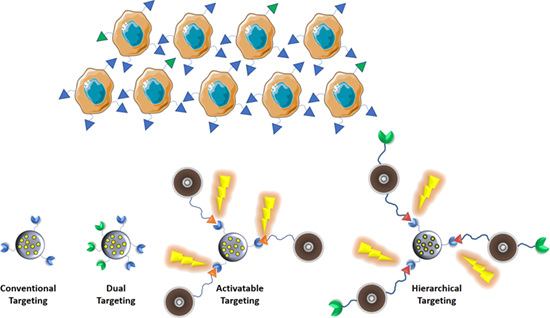
- tissue, the specific conditions there (e.g., low pH values or the presence of certain enzymes) or the application of an external stimuli (e.g., light, magnetic fields or ultrasound) triggers the targeting inducing the particle uptake into the diseased cells [69][70][71]. Thus, the targeting is only


Electrostatic force microscopy for the accurate characterization of interphases in nanocomposites
Beilstein J. Nanotechnol. 2018, 9, 2999–3012, doi:10.3762/bjnano.9.279
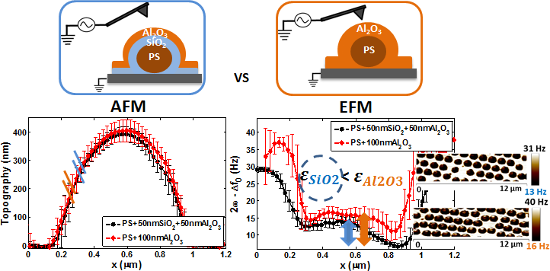
- ultrasound bath for 1 min to ensure homogeneous dispersion. Then, 7 µL of this diluted solution was spread over the whole substrate surface just before spinning. Substrates were previously hydrophilized in O2 plasma (50 W, 0.001 mbar) for 2 min. The following program was used for the spinning process: a) 100




In situ characterization of nanoscale contaminations adsorbed in air using atomic force microscopy
Beilstein J. Nanotechnol. 2018, 9, 2925–2935, doi:10.3762/bjnano.9.271
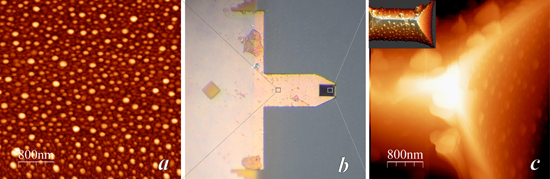
- sodium dodecyl sulfate (SDS), alcohols (e.g., ethanol) or acetone [24], ultraviolet (UV) [25] and ozone treatment [26], imaging of gratings [27][28], heating to evaporate contaminants [29][30], argon bombardment and even ultrasound, to much more aggressive methods, such as cleaning in piranha solution


Layered calcium phenylphosphonate: a hybrid material for a new generation of nanofillers
Beilstein J. Nanotechnol. 2018, 9, 2906–2915, doi:10.3762/bjnano.9.269
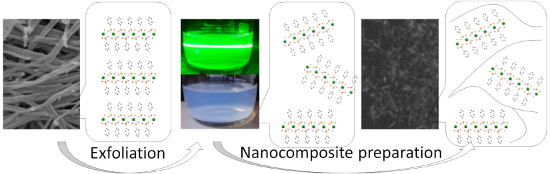
- Experimental section, an ultrasound treatment was applied to a combination of calcium phenylphosphonate with different solvents and then the dispersion stability was observed up to 24 hours after the ultrasound treatment. The presence of small particles in the dispersion was confirmed by Tyndall scattering of
- friction bowl. Exfoliation of CaPhP Solvent selection A sample of CaPhP_a (10–13 mg) was put into a small glass vial to which 5 mL of a solvent (distilled water, propan-2-ol, ethanol, butanol, acetone) was added. The mixture was sonicated in an ultrasound bath (f = 37 kHz) for one hour and the temperature
- of the bath was cooled by adding ice. The quality and stability of the resulting dispersion was visually observed and photographs were taken immediately, 1 h, and 24 h after the ultrasound treatment. The presence of nanoparticles in dispersion after 24 h was confirmed by Tyndall scattering using a


Biomimetic surface structures in steel fabricated with femtosecond laser pulses: influence of laser rescanning on morphology and wettability
Beilstein J. Nanotechnol. 2018, 9, 2802–2812, doi:10.3762/bjnano.9.262
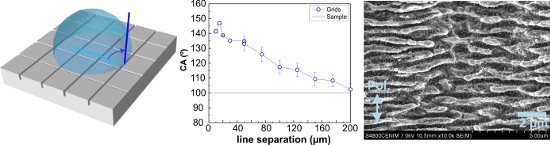
- after laser irradiation, the samples were cleaned in an ultrasound bath with isopropanol for 5 minutes and gently dried with pressurized nitrogen. The irradiation strategy consisted of fabricating continuous areas of 5 × 5 mm2 with an adequate balance between the laser repetition rate (ν), scan velocity