


Search results
Search for "van der Waals forces" in Full Text gives 143 result(s) in Beilstein Journal of Nanotechnology.
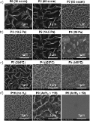
The nanomorphology of cell surfaces of adhered osteoblasts
Beilstein J. Nanotechnol. 2021, 12, 242–256, doi:10.3762/bjnano.12.20
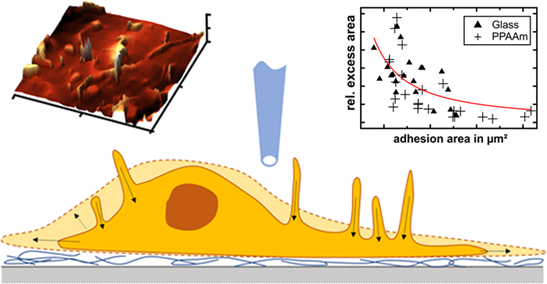
- difference between SEM and SICM images is that the ruffles might be too fragile and are retracted or collapse upon critical point drying. However, especially attractive van der Waals forces might lead to the attachment of ruffles on the membrane surface and, hence, their deformation under vacuum conditions


Bulk chemical composition contrast from attractive forces in AFM force spectroscopy
Beilstein J. Nanotechnol. 2021, 12, 58–71, doi:10.3762/bjnano.12.5
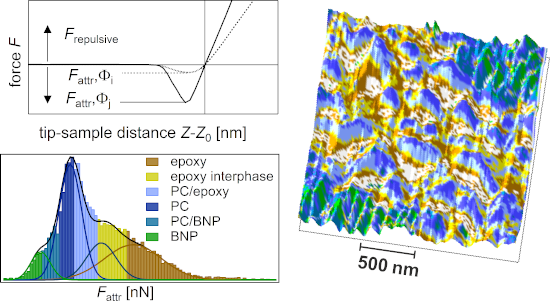
- determined. Keywords: AFM force spectroscopy; composites; principle component analysis; structure–property correlation; van der Waals forces; Introduction The mechanical properties of small volumes of materials can be measured using various atomic force microscopy (AFM) methods. The well-established force
- to a decrease in the lateral resolution compared to other AFM methods, such as tapping [28]. ncAFM is a more universal applicable method since it is carried out over the whole regime of attractive forces: It is sensitive to electrostatic forces (long range, >30 nm), van der Waals forces (intermediate
- electrostatic interactions since the zero line, Figure 1(I), is stable up to distances of Z < −5 nm. Hence, as the main source of the measured attractive forces we consider electrodynamic interactions (caused by charge fluctuations in dipoles), commonly summarized under the term van der Waals forces. For the


Design of V-shaped cantilevers for enhanced multifrequency AFM measurements
Beilstein J. Nanotechnol. 2020, 11, 1525–1541, doi:10.3762/bjnano.11.135
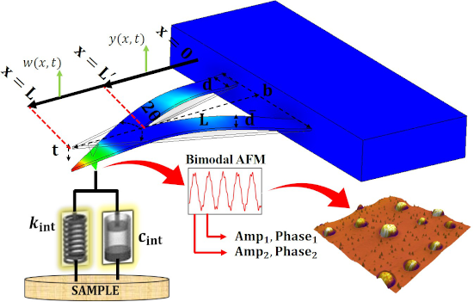
- geometries while interacting with polystyrene (PS) and gold (Au) surfaces in bimodal AFM. The tip–sample force interactions are categorized into long-range van der Waals forces and short-range forces described by the Derjaguin, Muller and Toporov (DMT) model. The instantaneous tip distance d is defined as d
- forces (i.e., van der Waals forces) and short-range repulsive forces (i.e., DMT model) while experimental work was done purely in the repulsive regime, in which material properties are more dominant on the dynamics of the cantilever. It should also be mentioned that the since all simulation studies were


![[Graphic 4]](/bjnano/content/inline/2190-4286-11-135-i26.svg?max-width=637&scale=1.18182) = 15 µm, bref = 8...
= 15 µm, bref = 8...


![[Graphic 17]](/bjnano/content/inline/2190-4286-11-135-i39.svg?max-width=637&scale=1.18182) ) of V-shaped cantilevers for...
) of V-shaped cantilevers for...


Self-assembly and spectroscopic fingerprints of photoactive pyrenyl tectons on hBN/Cu(111)
Beilstein J. Nanotechnol. 2020, 11, 1470–1483, doi:10.3762/bjnano.11.130
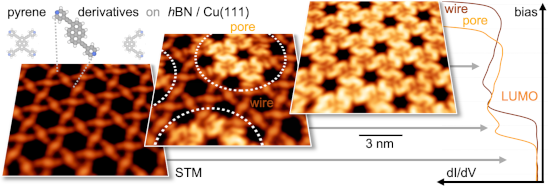
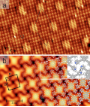
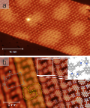
- , constituted the extended islands. As no pyridinic N atom was directly involved in the interrow interaction, the stabilization of the islands was attributed to van der Waals forces. The straight edges reflected the row structure of the islands (see Figure 4a). The unit cell of the assembly (grey rectangle in




Antimicrobial metal-based nanoparticles: a review on their synthesis, types and antimicrobial action
Beilstein J. Nanotechnol. 2020, 11, 1450–1469, doi:10.3762/bjnano.11.129
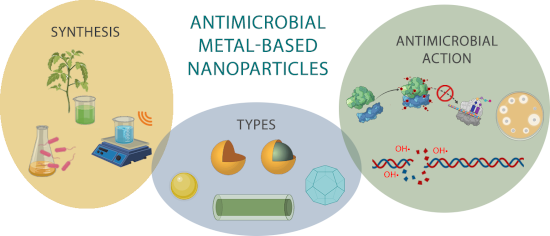
- ]. Silver, gold, zinc oxide, and titanium dioxide NPs can be attracted to the cell wall by electrostatic attraction [161], van der Waals forces [162], and hydrophobic interactions [163], inducing changes in the shape, function and permeability of the cells. Proteins and DNA Proteins play a fundamental role


One-step synthesis of carbon-supported electrocatalysts
Beilstein J. Nanotechnol. 2020, 11, 1419–1431, doi:10.3762/bjnano.11.126

- ] or the supercritical CO2 method [14]) to form the required electrocatalyst [6]. The third step is technically challenging and has a substantial influence on the homogeneous distribution of NPs on the support. Since the NPs are typically bound to the support by weak van der Waals forces, the




Influence of the magnetic nanoparticle coating on the magnetic relaxation time
Beilstein J. Nanotechnol. 2020, 11, 1207–1216, doi:10.3762/bjnano.11.105
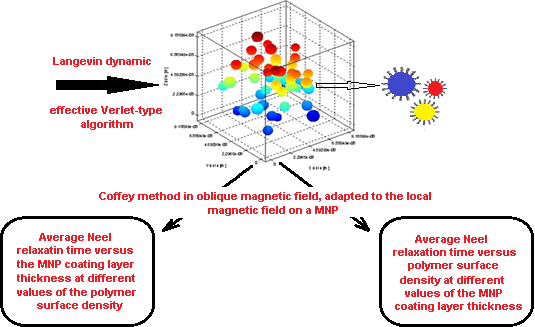
- conservative torques acting on the i-th nanoparticle. The forces acting on the nanoparticles of the system are the van der Waals forces, electrostatic repulsive forces, magnetic dipolar forces, steric repulsion forces and the random Brownian force [19][26][27][28][29]. The stabilisation of magnetic particles


Vibration analysis and pull-in instability behavior in a multiwalled piezoelectric nanosensor with fluid flow conveyance
Beilstein J. Nanotechnol. 2020, 11, 1072–1081, doi:10.3762/bjnano.11.92
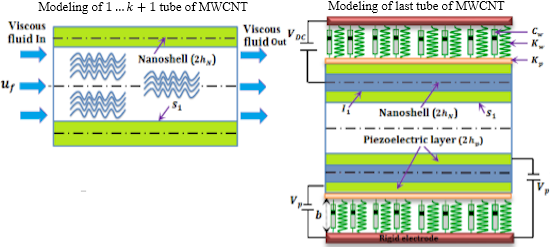
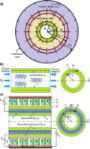
- multiwalled piezoelectric nanosensor are studied for analysis of the dimensionless natural frequency with respect to viscous fluid velocity and pull-in voltage The piezoelectric nanosensor is simultaneously subjected to direct electrostatic DC voltage with nonlinear excitation, nonlinear van der Waals
- forces and a viscoelastic foundation. For this purpose, Hamilton’s principles, the assumed mode method combined with Lagrange–Euler’s equations are used. The results demonstrated that in the case of higher (lower) surface/interface densities, the inertia of the shell is increased (decreased) and its


![[Graphic 46]](/bjnano/content/inline/2190-4286-11-92-i46.svg?max-width=637&scale=1.18182) on DNF of FC-MWPENS.
on DNF of FC-MWPENS.


![[Graphic 50]](/bjnano/content/inline/2190-4286-11-92-i50.svg?max-width=637&scale=1.18182) on DNF of SS FC-MWPENS.
on DNF of SS FC-MWPENS.


![[Graphic 54]](/bjnano/content/inline/2190-4286-11-92-i54.svg?max-width=637&scale=1.18182) on DNF of SS FC-MWPENS.
on DNF of SS FC-MWPENS.


![[Graphic 59]](/bjnano/content/inline/2190-4286-11-92-i59.svg?max-width=637&scale=1.18182) for fluid velocity
for fluid velocity ![[Graphic 60]](/bjnano/content/inline/2190-4286-11-92-i60.svg?max-width=637&scale=1.18182) on DNF of SS FC-MWPENS.
on DNF of SS FC-MWPENS.

![[Graphic 61]](/bjnano/content/inline/2190-4286-11-92-i61.svg?max-width=637&scale=1.18182) for pull-in voltage on DNF of SS FC-MWPENS.
for pull-in voltage on DNF of SS FC-MWPENS.

![[Graphic 67]](/bjnano/content/inline/2190-4286-11-92-i67.svg?max-width=637&scale=1.18182) for fluid velocity
for fluid velocity ![[Graphic 68]](/bjnano/content/inline/2190-4286-11-92-i68.svg?max-width=637&scale=1.18182) on DNF of SS FC-MWPENS.
on DNF of SS FC-MWPENS.

![[Graphic 69]](/bjnano/content/inline/2190-4286-11-92-i69.svg?max-width=637&scale=1.18182) for pull-in voltage on DNF of SS FC-MWPENS.
for pull-in voltage on DNF of SS FC-MWPENS.

![[Graphic 73]](/bjnano/content/inline/2190-4286-11-92-i73.svg?max-width=637&scale=1.18182) on DNF of SS FC-MWPENS.
on DNF of SS FC-MWPENS.


![[Graphic 75]](/bjnano/content/inline/2190-4286-11-92-i75.svg?max-width=637&scale=1.18182) on DNF of SS FC-MWPENS.
on DNF of SS FC-MWPENS.

Templating effect of single-layer graphene supported by an insulating substrate on the molecular orientation of lead phthalocyanine
Beilstein J. Nanotechnol. 2020, 11, 814–820, doi:10.3762/bjnano.11.66
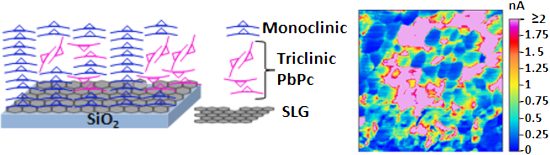
- the highly delocalized macrocycles. The competing interfacial van der Waals forces and molecule–molecule interactions lead to the formation of a small fraction of triclinic moieties. The nanoscale electrical characterization of the thin PbPc layer on graphene by means of conducting atomic force
- consider any influence of the underlying substrate on the MPc orientation. It has been shown that a monolayer of graphene, due to its extremely thin nature, exhibits transparency to the wetting behavior on substrates where van der Waals forces are the dominant surface–water interactions [14]. The wetting
- polymer residues via thermal treatment [30]. Recently, Rafiee et al. found, in the context of wetting, that the van der Waals forces are not disrupted by the graphene sheet as it is extremely thin (ca. 0.3 nm) [14]. Hence, we consider that the edge-on configurations are formed under the influence of the


Multilayer capsules made of weak polyelectrolytes: a review on the preparation, functionalization and applications in drug delivery
Beilstein J. Nanotechnol. 2020, 11, 508–532, doi:10.3762/bjnano.11.41
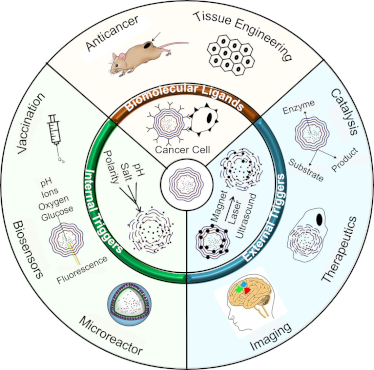
- responsive to external stimuli such as temperature, light and chemical environment. They might also have the capability to self-assemble into functional materials via hydrogen bonding, hydrophobic interaction, metal–ligand interaction and van der Waals forces. Among them, the major driving force of such



Size effects of graphene nanoplatelets on the properties of high-density polyethylene nanocomposites: morphological, thermal, electrical, and mechanical characterization
Beilstein J. Nanotechnol. 2020, 11, 167–179, doi:10.3762/bjnano.11.14
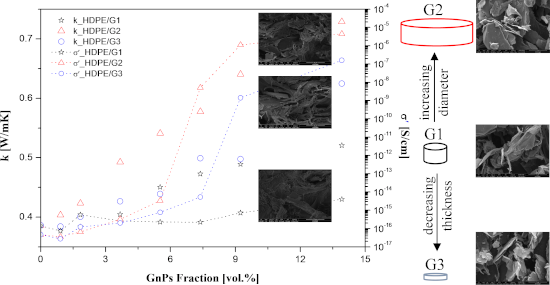
- using available production technologies [8]. GnPs, formed by several graphene layers bonded together by van der Waals forces, are a potential alternative to graphene since they exhibit interesting properties and their fabrication cost is lower [8][9]. Numerous studies performed on nanocomposites with


Improvement of the thermoelectric properties of a MoO3 monolayer through oxygen vacancies
Beilstein J. Nanotechnol. 2019, 10, 2031–2038, doi:10.3762/bjnano.10.199
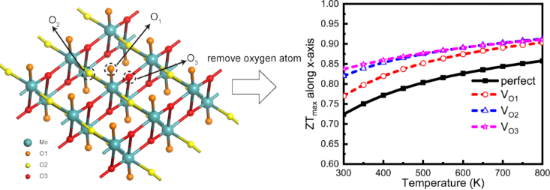
- structures finally lead to only two stable structures after relaxation which is attributed to the absence of interlayer van der Waals forces. It is difficult to calculate the thermal conductivity of the lattice and electrical relaxation time of a 71 atom primitive cell employing Boltzmann transport theory


High-tolerance crystalline hydrogels formed from self-assembling cyclic dipeptide
Beilstein J. Nanotechnol. 2019, 10, 1894–1901, doi:10.3762/bjnano.10.184
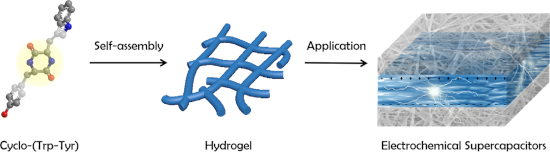
- , which provide a substantial tendency for self-assembly and the formation of gels. In addition, other weak forces, such as π–π stacking, hydrophobic effect, electrostatic interactions, and van der Waals forces, are also serviceable in driving molecular self-assembly of CDPs toward the formation of gels


Synthesis and characterization of quaternary La(Sr)S–TaS2 misfit-layered nanotubes
Beilstein J. Nanotechnol. 2019, 10, 1112–1124, doi:10.3762/bjnano.10.111
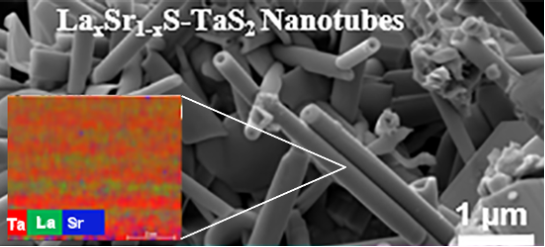
- van der Waals forces. Frequently, the difference in the work function between the MX and TX2 slabs leads to a partial charge transfer from the MX slab to that of TX2. This charge transfer induces polar interactions between the layers juxtaposing on the van der Waals forces [29]. As the constituting


Features and advantages of flexible silicon nanowires for SERS applications
Beilstein J. Nanotechnol. 2019, 10, 725–734, doi:10.3762/bjnano.10.72
- S16). As reported in [42] we assume that capillary forces dominate over van der Waals forces by several orders of magnitude. During drying, the adhesion between liquid and SiNW surface pulls and bends the SiNWs, changing the substrate morphology and consequently increasing the SERS intensity. Water


Topochemical engineering of composite hybrid fibers using layered double hydroxides and abietic acid
Beilstein J. Nanotechnol. 2019, 10, 589–605, doi:10.3762/bjnano.10.60
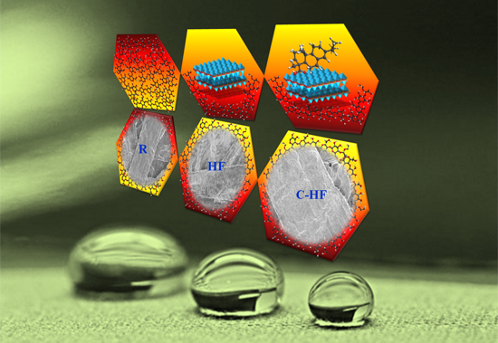
- LDH-hybridized fibers (HF). The results revealed a variety of correlations between materials and their properties due to characteristic surface morphology, functional groups, hydrogen bonding and natural co-materials such as lignin and hemicelluloses. Attractive and repulsive van der Waals forces
- . The present work focuses on stacking abietic acid and cellulose on each side of LDHs via van der Waals forces of hydrogen bonding. Thus, LDH works as an assembling agent. The raw materials used in this study were bleached pine kraft pulp and unbleached spruce kraft pulp. Bleaching is a process in




Nanostructure-induced performance degradation of WO3·nH2O for energy conversion and storage devices
Beilstein J. Nanotechnol. 2018, 9, 2845–2854, doi:10.3762/bjnano.9.265
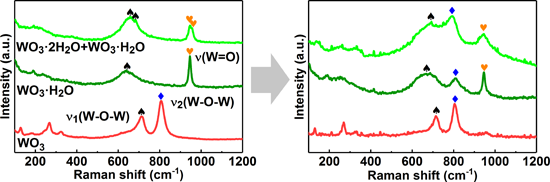
- in a faster performance degradation, due to its weak interlayer van der Waals forces, even though it outranks the 3D network structure in terms of improved electronic properties. The structural transformation of 2D layered WO3·nH2O into 3D nanostructures is observed via ex situ Raman measurements
- layers of WO3·2H2O and WO3·H2O with only weak interlayer van der Waals forces. It is also noteworthy that at temperatures lower than 80 °C, neither WO3·2H2O nor WO3·H2O could be synthesized using the hydrothermal process presented in this work. Both experimental results and the theoretical models
- integrated areas of the CV curves in Figure 6b suggested much larger drops of the specific capacitance of the WO3 hydrates compared to those of WO3. As shown in Figure 6c–e, the intercalated ions in WO3 hydrates are surrounded by weak hydrogen bonds, coordination bonds, and van der Waals forces, while the


Characterization of the microscopic tribological properties of sandfish (Scincus scincus) scales by atomic force microscopy
Beilstein J. Nanotechnol. 2018, 9, 2618–2627, doi:10.3762/bjnano.9.243

- separating sand particles from the dense scales thereby reducing van der Waals forces [16]. Even a glycosylated technical surface showed a reduced granular friction coefficient [16]. Here, we analyse the tribological properties of single scales of sandfish (S. scincus) by atomic force microscopy and


Recent highlights in nanoscale and mesoscale friction
Beilstein J. Nanotechnol. 2018, 9, 1995–2014, doi:10.3762/bjnano.9.190
- . But studies of atomically flat surfaces in vacuum demonstrate that the actual origin of friction is at the atomic scale. The friction force results from the sum of atomic-scale forces, including all kinds of interactions including Coulombic forces, covalent bonding and van der Waals forces. As a


Uniform cobalt nanoparticles embedded in hexagonal mesoporous nanoplates as a magnetically separable, recyclable adsorbent
Beilstein J. Nanotechnol. 2018, 9, 1770–1781, doi:10.3762/bjnano.9.168
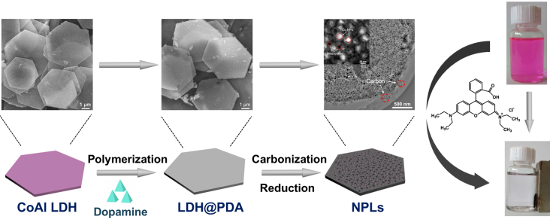
- in their framework has become a quite possible strategy for introduction of metal nanoparticles onto the support. The metal cations might migrate across the interlayer space during the thermal reduction process at high temperature due to the weak van der Waals forces between the interlayer of the LDH


Computational exploration of two-dimensional silicon diarsenide and germanium arsenide for photovoltaic applications
Beilstein J. Nanotechnol. 2018, 9, 1247–1253, doi:10.3762/bjnano.9.116
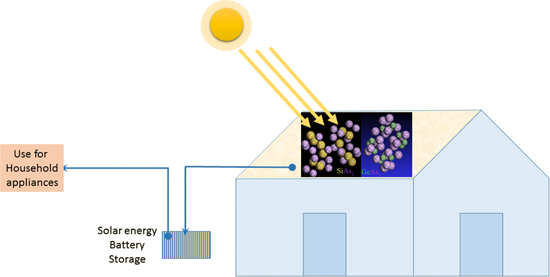
- atomic layers interacting with neighboring layers through weak van der Waals forces. Detailed structural parameters for bulk and monolayers of SiAs2 and GeAs2 are listed in Table 1. The calculated lattice constants for the bulk materials are in good agreement with previous experimental values [4]. The


Review on nanoparticles and nanostructured materials: history, sources, toxicity and regulations
Beilstein J. Nanotechnol. 2018, 9, 1050–1074, doi:10.3762/bjnano.9.98



Single-step process to improve the mechanical properties of carbon nanotube yarn
Beilstein J. Nanotechnol. 2018, 9, 545–554, doi:10.3762/bjnano.9.52
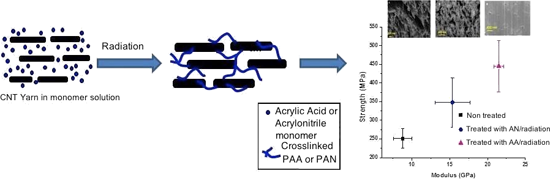
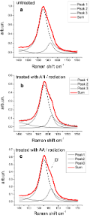
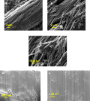
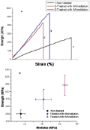
- between the aligned MWCNTs. The main force that keeps them together is van der Waals forces, which is a weak force. On the other hand, the FIB image of the PAN sample (Figure 5d,e) shows a higher density than untreated yarn (Figure 4c,d), which may be attributed to simultaneous grafting and crosslinking




Engineering of oriented carbon nanotubes in composite materials
Beilstein J. Nanotechnol. 2018, 9, 415–435, doi:10.3762/bjnano.9.41
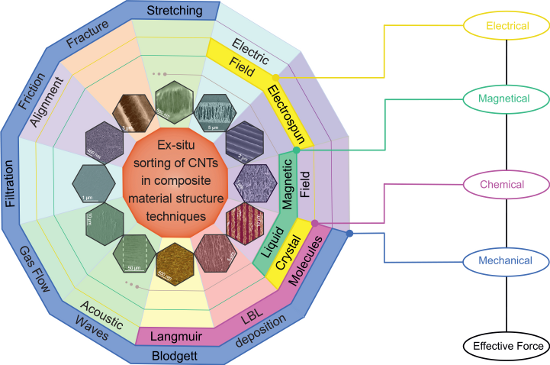
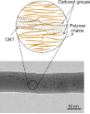
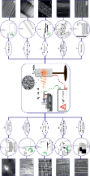
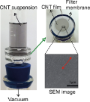
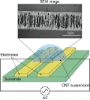
- bonds and hydrophobic interactions and the positively charged PDDA bonds with the PSS/MWCNT layer via electrostatic and van der Waals forces. This scheme is illustrated in Figure 12. Inert gas flow In this method, the CNTs are arranged by flowing a gas along the substrate. The CNT suspension is








Gas-sensing behaviour of ZnO/diamond nanostructures
Beilstein J. Nanotechnol. 2018, 9, 22–29, doi:10.3762/bjnano.9.4
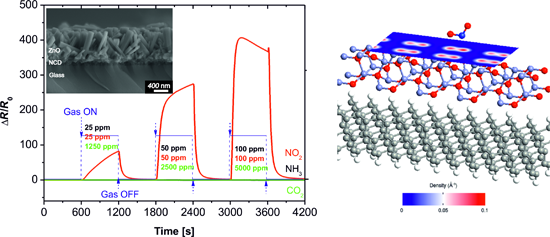
- of X- and Z-axis and the electrostatic stability of the ZnO surface. Moreover, it should be pointed out that the structure was simulated without molecular mechanical calculations. It was found that the NO2 molecule is non-covalently bonded to the metal oxide surface atoms and van der Waals forces





