Search results
Search for "vibration" in Full Text gives 337 result(s) in Beilstein Journal of Nanotechnology. Showing first 200.
Assessing phytotoxicity and tolerance levels of ZnO nanoparticles on Raphanus sativus: implications for widespread adoptions
Beilstein J. Nanotechnol. 2024, 15, 115–125, doi:10.3762/bjnano.15.11
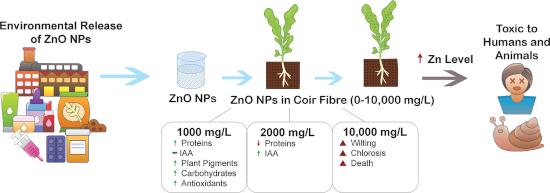
- the synthetic materials [26]. The bonding of Zn–O is in the range of 400–1090 cm−1 [27][28][29]. Therefore, the distinctive bands in the FTIR spectrum at 545–1040 cm−1 could be attributed to the stretching vibration of the metal oxide, which belongs to the ZnO metal group [27][28][29][30]. The peak at


Berberine-loaded polylactic acid nanofiber scaffold as a drug delivery system: The relationship between chemical characteristics, drug-release behavior, and antibacterial efficiency
Beilstein J. Nanotechnol. 2024, 15, 71–82, doi:10.3762/bjnano.15.7
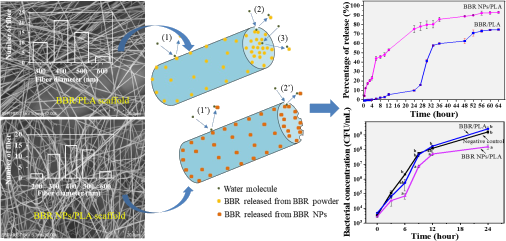
- nanofiber scaffold. This was due to the O–H stretching vibration of the glycerol component in BBR NPs (Figure 2). Peculiarly, the absorption bands at 1646 cm−1 and 1506 cm−1, characteristic of the C=N+ double bond and the furyl group in the molecular structure of BBR, respectively, were only displayed in
- PLA nanofiber scaffold were found at 887, 1046, 1129, 1305, 1458, 1766, and 2948 cm−1 corresponding to the vibration of υC–COO stretching, υCα–Cβ stretching, rCH3 rocking, δCH bending, δCH3 asymmetric deformation, υC=O stretching, and υCH3 stretching modes [35][36]. In the case of BBR drug-loaded PLA


Curcumin-loaded albumin submicron particles with potential as a cancer therapy: an in vitro study
Beilstein J. Nanotechnol. 2023, 14, 1127–1140, doi:10.3762/bjnano.14.93
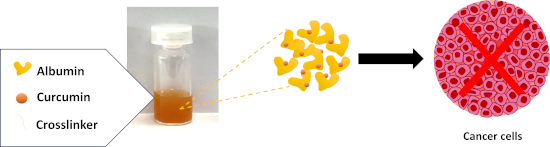
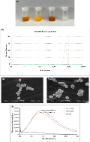
- from CUR within CUR-HSA-MPs. FTIR analyses were used to confirm the chemical binding of CUR to HSA (Figure 3A). The FTIR spectrum of CUR (blue line spectrum) demonstrated bands at 3501 cm−1 (broad, phenolic O–H stretching vibration), 1667 cm−1 (stretching vibrations of the benzene ring of CUR), 1513 cm
- −1 (C=O and C=C vibrations), and 1435 cm−1 (olefinic C–H bending vibration). The 1309 cm−1 band corresponds to the aromatic C–O stretching vibrations, while the C–O–C stretching vibrations were represented at 1020/951 cm−1 [35]. The characteristic adsorption bands of pure HSA (pink line spectrum) at
- 1644 and 1546 cm−1 indicated the vibration adsorption of amide I (C=O stretching) and amide II (C–N stretching and N–H bending vibrations), respectively. These are the main vibrational bands in the albumin backbone that formed the secondary structure of the protein. It is also seen that the absorption




Dual-heterodyne Kelvin probe force microscopy
Beilstein J. Nanotechnol. 2023, 14, 1068–1084, doi:10.3762/bjnano.14.88
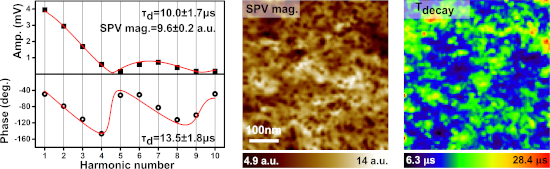
- ), driven by a Mimea scanning probe microscope (SPM) controller (SPECS-Nanonis). Topographic imaging is performed in FM mode (FM-AFM) in the attractive regime, with negative frequency shifts of a few Hz and vibration amplitudes of a few tens of nm. All experiments were performed with Pt/Ir coated silicon




Isolation of cubic Si3P4 in the form of nanocrystals
Beilstein J. Nanotechnol. 2023, 14, 971–979, doi:10.3762/bjnano.14.80
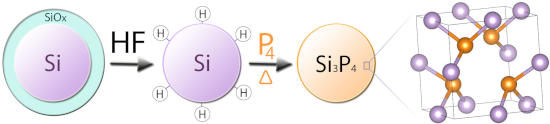
- discernible shoulder at ca. 350 cm−1, a weak band centered at 170 cm−1, as well as a broad band centered at 475 cm−1 with a shoulder at ca. 525 cm−1. The band at a wavenumber of 525 cm−1 can plausibly be designated to the highest-frequency Si–P vibration as the Γ-point optical phonon of Si is positioned at
- parameters were reasonably close to that of [11] with a lattice parameter of 5.054 Å and bond length of 2.27 Å. The fully symmetric A1 vibration frequency was precisely determined in our calculations, while the others were off by up to ca. 34 cm−1 with respect to the experimental values. This discrepancy was
- annealed samples revealed a pronounced absorption band with a maximum at 490–494 cm−1 and a shoulder at ca. 525 cm−1, which is consistent with the earlier assignment of the IR-active T2 mode to the highest-frequency vibration (Figure 4). The synthesized Si3P4 NPs were oxidized on the surface during


Upscaling the urea method synthesis of CoAl layered double hydroxides
Beilstein J. Nanotechnol. 2023, 14, 927–938, doi:10.3762/bjnano.14.76
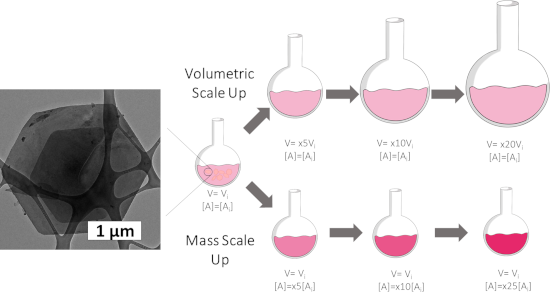
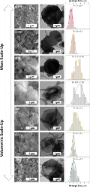
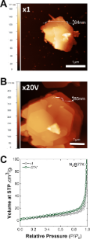
- as interlayer anion is confirmed by the vibration bands centered at 1350 and 775 cm−1. Finally, peaks below 750 cm−1 are related to the Co/Al–O vibrational bands [13][46][47]. Overall, a CoAl-LDH containing carbonate as interlayer anion is observed. Interestingly, in the case of sample x25M, a shift


Industrial perspectives for personalized microneedles
Beilstein J. Nanotechnol. 2023, 14, 857–864, doi:10.3762/bjnano.14.70
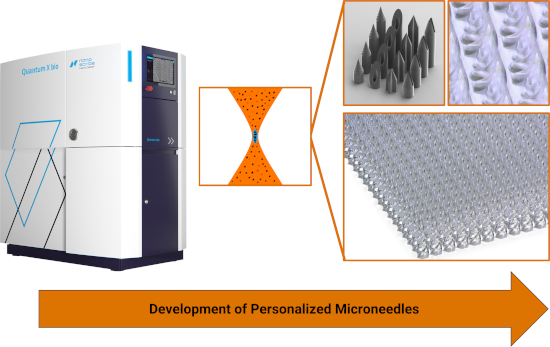
- ) can add up to 50,000+ USD, and this price does not include the femtosecond laser or anti-vibration systems. Custom-built 2PP systems also require extensive optical expertise for the initial installation and are typically a major milestone for several doctoral students. In general, custom-built 2PP


A wearable nanoscale heart sound sensor based on P(VDF-TrFE)/ZnO/GR and its application in cardiac disease detection
Beilstein J. Nanotechnol. 2023, 14, 819–833, doi:10.3762/bjnano.14.67
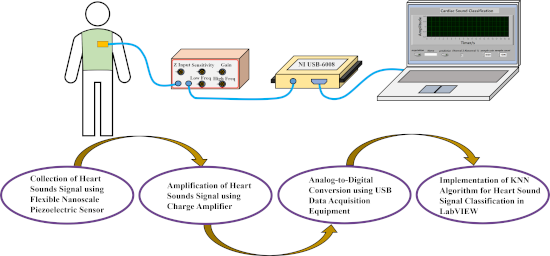
- mechanical vibration signals into voltage signals, have become one of the primary materials for creating heart sound sensors [9]. Piezoelectric materials are essential components in heart sound auscultation equipment. When pressure is applied to piezoelectric materials, they generate a voltage, a phenomenon


Nanostructured lipid carriers containing benznidazole: physicochemical, biopharmaceutical and cellular in vitro studies
Beilstein J. Nanotechnol. 2023, 14, 804–818, doi:10.3762/bjnano.14.66
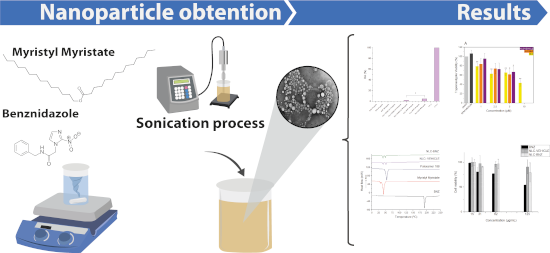
- –H flexion in the amide (1500–1400 cm−1 is also the absorption range of the C=C in the benzyl group), 1357 cm−1 to the symmetric vibration of R–NO2, and 1141 cm−1 to C–N in the imidazole ring [26]. Myristyl myristate displayed peaks at 2913 and 2848 cm−1 corresponding to C–H of alkane, 1731–1184 cm−1


Silver nanoparticles loaded on lactose/alginate: in situ synthesis, catalytic degradation, and pH-dependent antibacterial activity
Beilstein J. Nanotechnol. 2023, 14, 781–792, doi:10.3762/bjnano.14.64
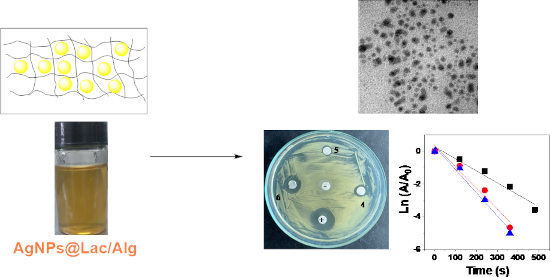
- vibrations of COO− groups, respectively [41]. Additionally, the peaks at 1034 and 826 cm−1 are attributed to the stretching vibration of C–OH groups and the bending vibration of –CH groups [42]. Based on these data, it can be inferred that the primary components of the nanocomposites are polysaccharides. To


In situ magnesiothermic reduction synthesis of a Ge@C composite for high-performance lithium-ion batterie anodes
Beilstein J. Nanotechnol. 2023, 14, 751–761, doi:10.3762/bjnano.14.62
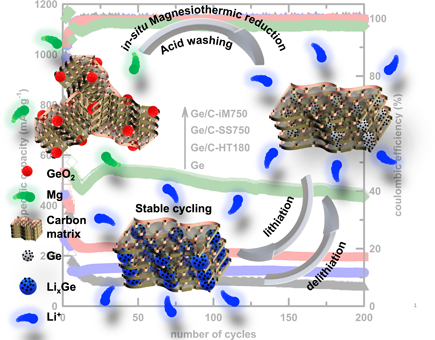
- [37] from the oxidized outer layer of the Ge nanoparticles. The FTIR spectrum of BC-800 exhibits absorption bands at ca. 3500, 1400–1600, and 1000–1300 cm−1. The band in the high-wavenumber region is ascribed to the vibration of hydroxy O–H bonds [38]. The medium-wavenumber signals are assigned to the


Transferability of interatomic potentials for silicene
Beilstein J. Nanotechnol. 2023, 14, 574–585, doi:10.3762/bjnano.14.48
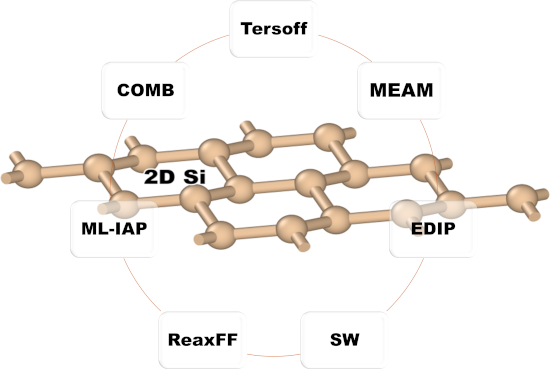
- dampen the out-of-plane vibration mode, and flat silicene may be produced [3]. Hence, it was decided to include also this phase in the molecular calculations. Performance of interatomic potentials Computations were carried out using molecular statics and the fourteen interatomic potentials for silicon
![[Graphic 3]](/bjnano/content/inline/2190-4286-14-48-i7.svg?max-width=637&scale=1.18182)

Conjugated photothermal materials and structure design for solar steam generation
Beilstein J. Nanotechnol. 2023, 14, 454–466, doi:10.3762/bjnano.14.36
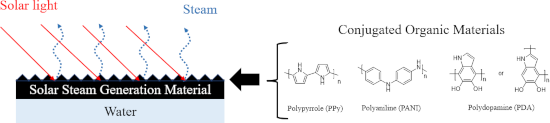
- nonradiative relaxation of excited electrons to the ground state. Depending on the interaction mechanism, photothermal phenomena are classified into three categories, namely plasmonic local heating of metals, nonradiative relaxation of semiconductors, and thermal vibration relaxation of conjugated molecules


Plasmonic nanotechnology for photothermal applications – an evaluation
Beilstein J. Nanotechnol. 2023, 14, 380–419, doi:10.3762/bjnano.14.33
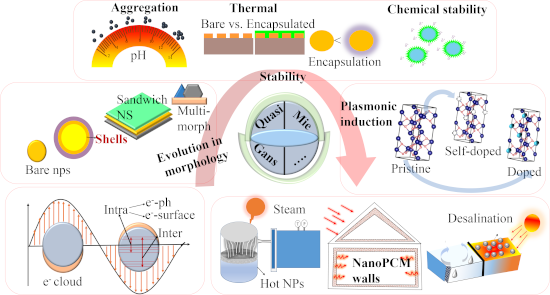
- electronic, translation, vibration, and rotational transitions. The interaction time period of electromagnetic radiation with electrons is around 10−14 to 10−15 s. SPR falls within the regime of electronic transitions and, generally, electronic transitions can be interband as well as intraband transitions
- conductivity relaxation time with temperatures T larger than the Debye temperature Θ. The Debye temperature is the temperature of a crystal’s highest mode of vibration. The decay of the excited electrons (plasmons) is through either radiative relaxation (i.e., photon emission) or non-radiative relaxation. Non
- states [81]. Figure 13 illustrates the relaxation process of the phonon vibration for a better understanding of phonon dynamics. The electron–phonon coupling constant, which describes the potential of a material for undergoing lattice heating, is calculated by transient reflectivity studies, for example




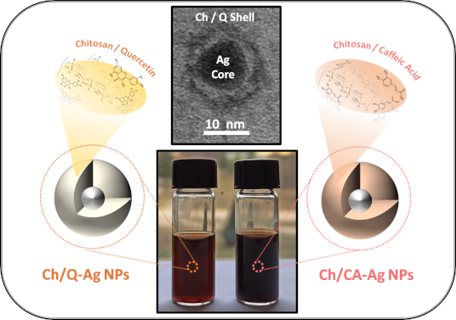
Quercetin- and caffeic acid-functionalized chitosan-capped colloidal silver nanoparticles: one-pot synthesis, characterization, and anticancer and antibacterial activities
Beilstein J. Nanotechnol. 2023, 14, 362–376, doi:10.3762/bjnano.14.31
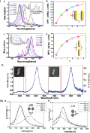
- stretching. The very strong band at 1640 cm−1 corresponds to a conjugated C=O stretching vibration. The characteristic bands at 1600, 1523, and 1447 cm−1 were assigned to both aromatic and olefinic C=C stretching modes. The strong band at 1273 cm−1 is due to the in-plane bending of C–H bonds. The FTIR


A novel approach to pulsed laser deposition of platinum catalyst on carbon particles for use in polymer electrolyte membrane fuel cells
Beilstein J. Nanotechnol. 2023, 14, 190–204, doi:10.3762/bjnano.14.19
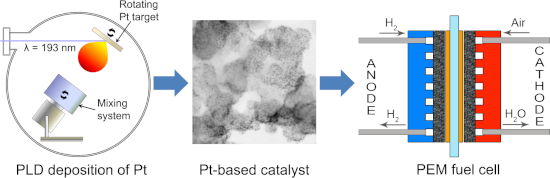
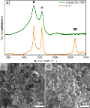
- vibration with an experimentally selected frequency and amplitude. Structure, morphology, and chemical composition The carbon material quality was evaluated based on Raman spectra. Raman measurements were performed using a commercial Renishaw InVia Reflex Raman microscope equipped with an EMCCD (1600 × 200



High–low Kelvin probe force spectroscopy for measuring the interface state density
Beilstein J. Nanotechnol. 2023, 14, 175–189, doi:10.3762/bjnano.14.18
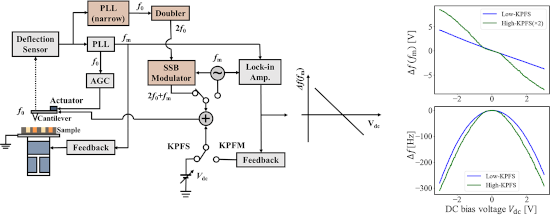
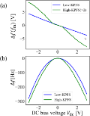
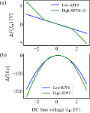
- vibration cos 2πf0t, f0 ± fm components of the electrostatic force Fele,L(f0 ± fm) appear: When the electrostatic force is detected by the FM method, the electrostatic force Fele,L(f0 ± fm) is demodulated into the fm component of the frequency shift ΔfL(fm), which is expressed as where k is the spring
- consider the case in which the frequency of the AC bias voltage is higher than the cutoff frequency fc of the carrier transport between the interface and bulk states. We assume that the heterodyne FM method [21] is used and that an AC bias voltage with a high frequency near twice the vibration frequency of
- vibration cos2πf0t, the f0 + fm component of the electrostatic force Fele,H(f0 + fm) appears: In the depletion region, In the accumulation and inversion regions, In the FM method, the electrostatic force Fele,H(f0 + fm) is demodulated into the fm component of the frequency shift ΔfH(fm). The resulting fm



Two-step single-reactor synthesis of oleic acid- or undecylenic acid-stabilized magnetic nanoparticles by thermal decomposition
Beilstein J. Nanotechnol. 2023, 14, 11–22, doi:10.3762/bjnano.14.2
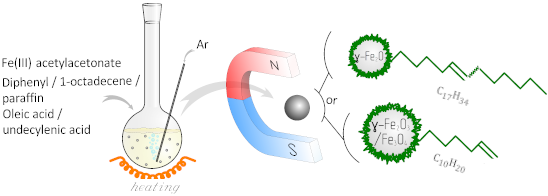
- , oleic acid, and undecylenic acid pure substances agree with those described in the literature [28][29]. At the beginning of the first stage (S0 Stage1 for each of the acids), one can observe peaks of iron(III) acetylacetonate in the spectra. The vibration bands of the carboxylate group νa (COO–) are


Photoelectrochemical water oxidation over TiO2 nanotubes modified with MoS2 and g-C3N4
Beilstein J. Nanotechnol. 2022, 13, 1541–1550, doi:10.3762/bjnano.13.127
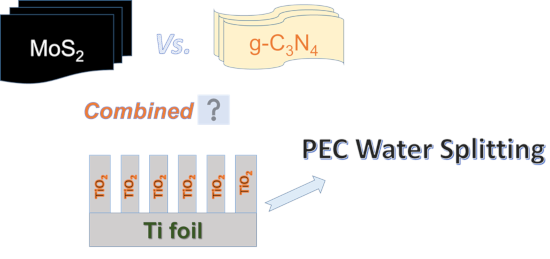
- determined by using FTIR spectroscopy, as shown in Figure 3b. The formation of TiO2 on the Ti foil is indicated by the vibrations of the Ti–O bond in the wavenumber region from 450 to 750 cm−1 [47]. The bonding characteristics in the MoS2 material are presented by Mo–S vibration peaks between 1620 and 420 cm


A TiO2@MWCNTs nanocomposite photoanode for solar-driven water splitting
Beilstein J. Nanotechnol. 2022, 13, 1520–1530, doi:10.3762/bjnano.13.125
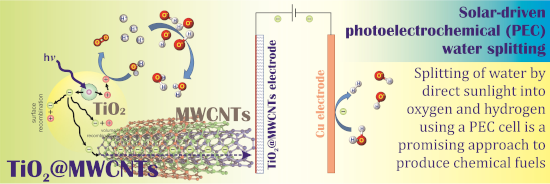
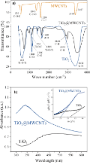
- MWCNTs, a typical peak at 1559 cm−1 is attributed to the vibration of C=C groups, whereas the peaks at 536, 1343, and 3394 cm−1 correspond to the C–O–C, C–C–O, and OH groups, respectively, on the MWCNTs [23]. For TiO2, a broad peak at 3404 cm−1 is attributed to the OH stretching, and another broad peak
- at 621 cm−1 is assigned to the Ti–O and Ti–O–Ti stretching of TiO2 [24]. In addition, the spectrum of TiO2@MWCNTs shows the characteristic peak at 972 cm−1 of the vibration of Ti–O–C groups, indicating the formation of a covalent bond between TiO2 and MWCNTs [24]. The UV–vis diffuse reflectance



In search of cytotoxic selectivity on cancer cells with biogenically synthesized Ag/AgCl nanoparticles
Beilstein J. Nanotechnol. 2022, 13, 1505–1519, doi:10.3762/bjnano.13.124
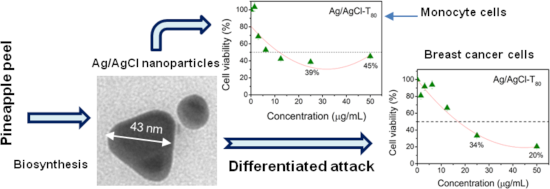
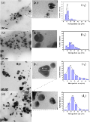
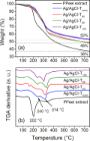
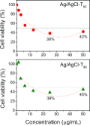
- flavonoids, terpenes, tannins, and gallic acid; 1230 cm−1 corresponds to the tension of tertiary alcohols and flavonoids; 1026 cm−1 is related to C–O vibration in tannins and flavonoids; and 918 cm−1, 865 cm−1, and 705 cm−1 correspond to out-of-plane C–H vibration in gallic acid and catechin. According to





Studies of probe tip materials by atomic force microscopy: a review
Beilstein J. Nanotechnol. 2022, 13, 1256–1267, doi:10.3762/bjnano.13.104
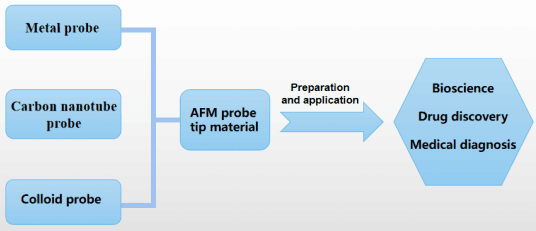
- (shell) covered nanotubes to produce reinforced carbon–carbon composite nanotools; combining amorphous carbon with the extreme mechanical properties of CNTs can facilitate the production of nanotools with high aspect ratios. Inappropriate properties such as vibration and flexibility can be controlled
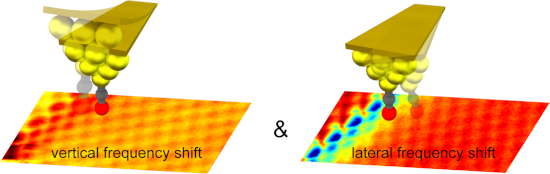
A cantilever-based, ultrahigh-vacuum, low-temperature scanning probe instrument for multidimensional scanning force microscopy
Beilstein J. Nanotechnol. 2022, 13, 1120–1140, doi:10.3762/bjnano.13.95
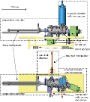
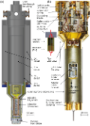
- suspension springs that reach through cylindrical tubes running through the LHe tank and are mounted on top of the tank. Together with the Eddy current damping system mounted at the bottom of the cryostat, this provides excellent vibration isolation such that a tip–sample gap stability better than 1 pm can





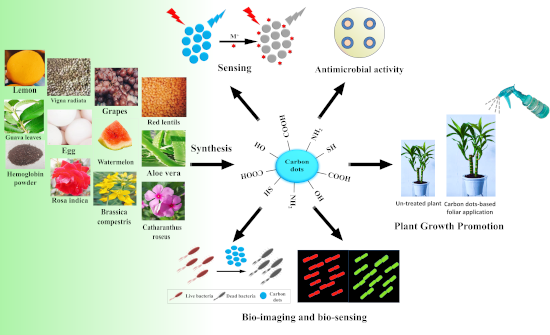
Recent advances in green carbon dots (2015–2022): synthesis, metal ion sensing, and biological applications
Beilstein J. Nanotechnol. 2022, 13, 1068–1107, doi:10.3762/bjnano.13.93




Temperature and chemical effects on the interfacial energy between a Ga–In–Sn eutectic liquid alloy and nanoscopic asperities
Beilstein J. Nanotechnol. 2022, 13, 817–827, doi:10.3762/bjnano.13.72
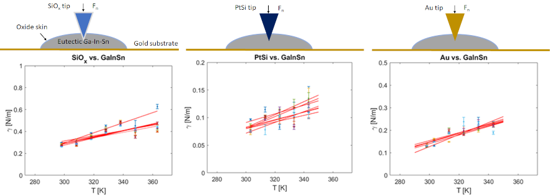
- force–distance curve with each cantilever on a quartz glass sample (manufactured by Goodfellow, United Kingdom) and extracting its slope in the range of repulsive forces. Subsequently, we determined the bending stiffness Cn of each cantilever by analyzing its thermal noise vibration [18]. After