


Search results
Search for "zinc" in Full Text gives 265 result(s) in Beilstein Journal of Nanotechnology. Showing first 200.
Assessing phytotoxicity and tolerance levels of ZnO nanoparticles on Raphanus sativus: implications for widespread adoptions
Beilstein J. Nanotechnol. 2024, 15, 115–125, doi:10.3762/bjnano.15.11

- Lanka 10.3762/bjnano.15.11 Abstract The escalating release of zinc oxide nanoparticles (ZnO NPs) into the environment poses a substantial threat, potentially leading to increased concentrations of zinc (Zn) in the soil and subsequent phytotoxic effects. This study aimed to assess the effects of ZnO NPs
- (p < 0.05) in soluble protein content by 23.1%, accompanied by a notable increase in IAA by 31.1%, indicating potential toxicity. The use of atomic absorption spectroscopy confirmed the internalization of zinc in seedlings, with a statistically significant increase (p < 0.05). In control plants
- -tolerant species. Keywords: phytotoxicity; Raphanus sativus; ZnO nanoparticles; Zn tolerance; Zn toxicity; Introduction Despite zinc (Zn) being recognized as an important micronutrient for all living organisms, exceeding the permissible levels of Zn concentration due to anthropogenic sources can be


Nanotechnological approaches in the treatment of schistosomiasis: an overview
Beilstein J. Nanotechnol. 2024, 15, 13–25, doi:10.3762/bjnano.15.2

- ) are derived from metals or silica [25]. The most common metal used in the production of IN found in this work was gold, even though it was also possible to observe a great amount of works using silver and zinc (Figure 5). While silica-derived nanoparticles are used in the treatment against


A visible-light photodetector based on heterojunctions between CuO nanoparticles and ZnO nanorods
Beilstein J. Nanotechnol. 2023, 14, 1018–1027, doi:10.3762/bjnano.14.84
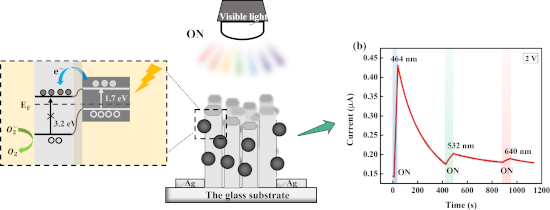
- ][18]. Semiconductors are the heart of photodetectors as their bandgap allows for the absorption of photons in the desired wavelength range [19]. There are many semiconductor materials developed for this application. Among them, zinc oxide (ZnO) has been studied extensively over the last decades
- studied and optimized to achieve higher performance and to reduce response and decay times in the future. Experimental Materials The chemical materials used in this report were zinc oxide nanoparticles (ZnO NPs, 99%, Sigma-Aldrich Chemistry), hexamethylenetetramine (HTMA, 99%, C6H12N4, Xilong Scientific
- ), zinc nitrate hexahydrate (Zn(NO3)2·6H2O, 99%, Xilong Scientific), copper(II) nitrate pentahydrate (Cu(NO3)2·5H2O, 99%, Xilong Scientific), sodium hydroxide (NaOH, 99%, Sigma-Aldrich Chemistry), ethanol (C2H5OH, 99.5%, Chemsol), and acetone (CH3OCH3, 99.7%, Chemsol). Synthesis process The synthesis


Fragmentation of metal(II) bis(acetylacetonate) complexes induced by slow electrons
Beilstein J. Nanotechnol. 2023, 14, 980–987, doi:10.3762/bjnano.14.81
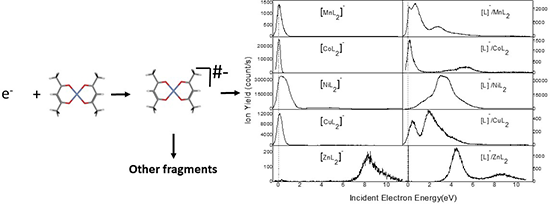
- the ligands, that is, (L-C3H3), is observed for CoL2 (Figure 2), NiL2 (Figure 3), and CuL2 (Figure 4), as [ML(L-C3H3)]− anion (Table 1). We can notice that the Mn (Figure 5) and Cu (Figure 4) complexes produce fewer fragments than those containing cobalt, nickel, and zinc. Furthermore, the


Isolation of cubic Si3P4 in the form of nanocrystals
Beilstein J. Nanotechnol. 2023, 14, 971–979, doi:10.3762/bjnano.14.80
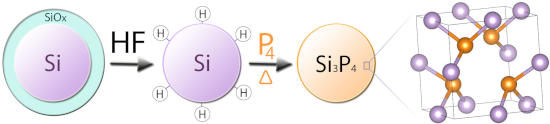
- nanoparticles with a defective zinc blende structure under mild conditions through thermal annealing of hydrogenated silicon nanoparticles with red phosphorus. The synthesized Si3P4 nanoparticles were analyzed using FTIR, XRD, electron diffraction, EDX, TEM, Raman spectroscopy, X-ray fluorescence spectrometry
- precursor for diffusion doping of wafers and as anode material for Li-ion batteries. A similar method with a hydrogenation step offers the possibility to obtain other compounds, such as silicon selenides, arsenides, and sulfides. Keywords: ampoule annealing; defective zinc blende structure; DFT
- respect to the zinc blende structure. The expansion problem, however, is likely to be mitigated by the presence of interparticular voids, making the synthesized cubic Si3P4 nanocrystallites a prospective material for Li-ion batteries. Additionally, NPs may prove promising in the preparation of


Ni, Co, Zn, and Cu metal-organic framework-based nanomaterials for electrochemical reduction of CO2: A review
Beilstein J. Nanotechnol. 2023, 14, 904–911, doi:10.3762/bjnano.14.74

- architectures, pronounced porosity, abundant active sites, and well-distributed metallic nodes. This article commences by elucidating the mechanistic aspects of CO2 reduction, followed by a comprehensive exploration of diverse materials encompassing MOFs based on nickel, cobalt, zinc, and copper for efficient
- RHE). The authors attributed the active center for CO2 conversion to Co(I) species generated through the reduction of Co(II). Zn-based MOFs nanomaterials Zinc (Zn) metal-based electrocatalysts have been identified as outstanding candidates for CO2 conversion into CO because of their low cost, nontoxic


A wearable nanoscale heart sound sensor based on P(VDF-TrFE)/ZnO/GR and its application in cardiac disease detection
Beilstein J. Nanotechnol. 2023, 14, 819–833, doi:10.3762/bjnano.14.67
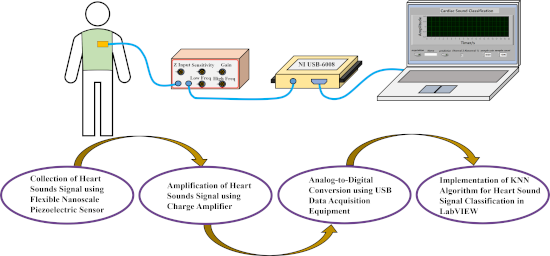
- flexible piezoelectric thin film heart sound sensor was developed, and a heart sound detection and classification system was built based on this sensor. Zinc oxide (ZnO) and graphene (GR) fillers were added to the P(VDF-TrFE) matrix, and P(VDF-TrFE)/ZnO/GR composite piezoelectric nanofilms were prepared


Metal-organic framework-based nanomaterials as opto-electrochemical sensors for the detection of antibiotics and hormones: A review
Beilstein J. Nanotechnol. 2023, 14, 631–673, doi:10.3762/bjnano.14.52

- antibiotics (such as metronidazole, ornidazole, nitrofurantoin, and ronidazole) in water, Fan et al. [53] synthesised a chemically stable zinc-based MOF that functions as a multi-responsive luminescent sensor. With the addition of the antibiotics, the MOF’s luminescence intensity decreased, with LOD values


ZnO-decorated SiC@C hybrids with strong electromagnetic absorption
Beilstein J. Nanotechnol. 2023, 14, 565–573, doi:10.3762/bjnano.14.47
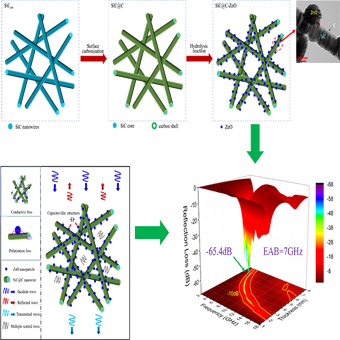
- materials due to their high content of surface functional groups. Among dielectric materials, zinc oxide possesses the outstanding characteristics of low cost, non-toxicity, excellent thermodynamic stability and photostability, and unique semiconducting properties. Hence, it is widely used in the fields of


Plasmonic nanotechnology for photothermal applications – an evaluation
Beilstein J. Nanotechnol. 2023, 14, 380–419, doi:10.3762/bjnano.14.33
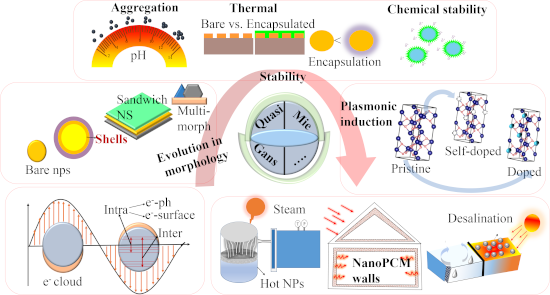
- elements, nanospheres of gold, silver, platinum, cobalt, zinc, nickel, titanium, copper, aluminium, molybdenum, vanadium, and palladium have been analysed [98]. Although there were assumptions of homogeneity, sphericity, and no interaction between particles, the Mie theory-based scattering cross sections




Quercetin- and caffeic acid-functionalized chitosan-capped colloidal silver nanoparticles: one-pot synthesis, characterization, and anticancer and antibacterial activities
Beilstein J. Nanotechnol. 2023, 14, 362–376, doi:10.3762/bjnano.14.31
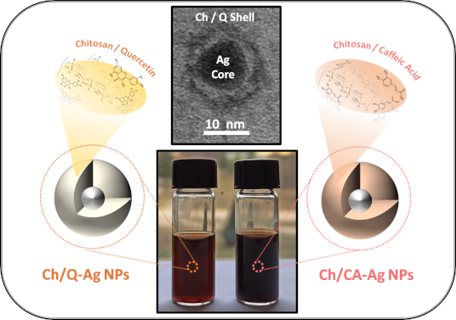
- , caffeic acid has also been reported to have antiviral, anticoagulant, anti-inflammatory, antibacterial, and anticancer activities [31][32][33][34]. Silver nanoparticles are an important example of different types of nanomaterials (copper, zinc, titanium, magnesium, gold, and alginate) that have been


Batch preparation of nanofibers containing nanoparticles by an electrospinning device with multiple air inlets
Beilstein J. Nanotechnol. 2023, 14, 141–150, doi:10.3762/bjnano.14.15
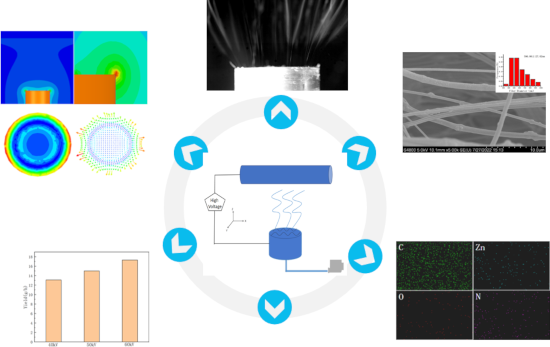
- addition, experiments and theoretical analysis were used to discuss the spinning mechanism of this new device for the batch preparation of nanofibers, and the optimal spinning parameters were determined. Materials and Methods Materials Polyacrylonitrile (PAN, average molecular weight 15000) and zinc oxide


Antimicrobial and mechanical properties of functionalized textile by nanoarchitectured photoinduced Ag@polymer coating
Beilstein J. Nanotechnol. 2023, 14, 95–109, doi:10.3762/bjnano.14.11
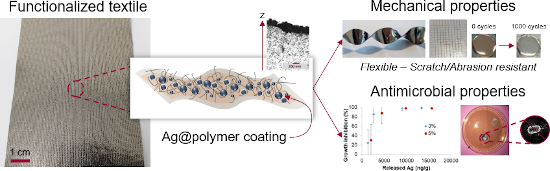
- [10]), gold [11][12], zinc oxide [13][14], and especially silver nanoparticles [15][16][17][18]. Silver is known to target peptidoglycane, a cellular membrane component of Gram-negative and -positive bacteria. If introduced directly in its ionic form, silver interacts with the electron-donor groups of


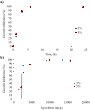

Hydroxyapatite–bioglass nanocomposites: Structural, mechanical, and biological aspects
Beilstein J. Nanotechnol. 2022, 13, 1490–1504, doi:10.3762/bjnano.13.123
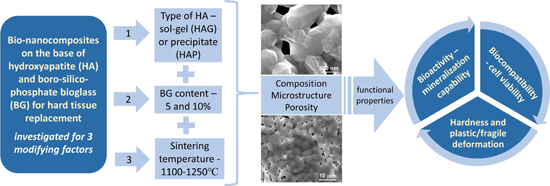
- by an unconventional wet route followed by melting [31][37][38]. As raw materials, the ultra-purity grade reagents boron oxide (B2O3), magnesium oxide (MgO,) potassium carbonate (K2CO3), phosphoric acid (H3PO4), silicon dioxide (SiO2), zinc oxide (ZnO), and cerium oxide (CeO2) have been used. The
Near-infrared photoactive Ag-Zn-Ga-S-Se quantum dots for high-performance quantum dot-sensitized solar cells
Beilstein J. Nanotechnol. 2022, 13, 1337–1344, doi:10.3762/bjnano.13.110
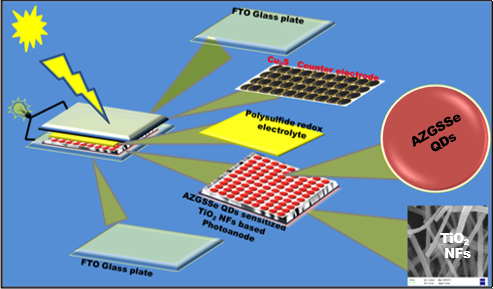
- al. doped Zn into AgInS2 and obtained Zn-Ag-In-S QDs. The QDSCs assembled by using these QDs exhibited a PCE of 4.50% [15]. The authors reported that the incorporation of zinc improved the optical properties and the PCE of AgInS2 QDs. Halder et al. reported the effect of doping Zn into a AgInSe2 host
- sensitizers to fabricate QDSCs. The QDSC constructed by using AZGSSe QD-sensitized TiO2 nanofibers (AZGSSe/TiO2) as the photoanode showed a PCE of 4.91%. Experimental Materials Silver(I) chloride (AgCl), selenium powder (Se), mercaptopropionic acid (MPA), zinc(II) chloride (ZnCl2), gallium(III) chloride


Green synthesis of zinc oxide nanoparticles toward highly efficient photocatalysis and antibacterial application
Beilstein J. Nanotechnol. 2022, 13, 1108–1119, doi:10.3762/bjnano.13.94
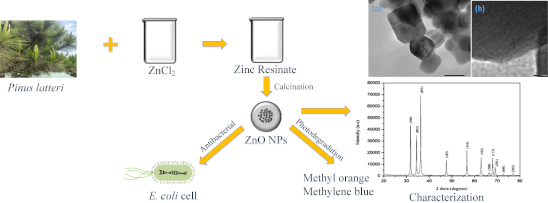
- , Vietnam 10.3762/bjnano.13.94 Abstract Zinc oxide nanoparticles (ZnO NPs) were successfully synthesized by a green method using rosin and zinc chloride as salt precursors. The phase structure, morphology, and particle size of ZnO were determined by X-ray powder diffraction, field emission scanning
- applications. Nava et al. [26] prepared ZnO NPs using Camellia sinensis extracts and applied ZnO NPs to degrade methylene blue (MB). Ambika et al. [12] synthesized ZnO by a green method using a precursor from the Vitex negundo plant extract and zinc nitrate, and antimicrobial properties of ZnO NPs were
- and zinc chloride salt. The antibacterial activity of the synthesized ZnO material against Escherichia coli (E. coli) was studied. In addition, the study also determined the ability of ZnO NPs to act as photocatalysts and to degrade dyes including MB and methyl orange (MO). Experimental Design





Biomimetic chitosan with biocomposite nanomaterials for bone tissue repair and regeneration
Beilstein J. Nanotechnol. 2022, 13, 1051–1067, doi:10.3762/bjnano.13.92
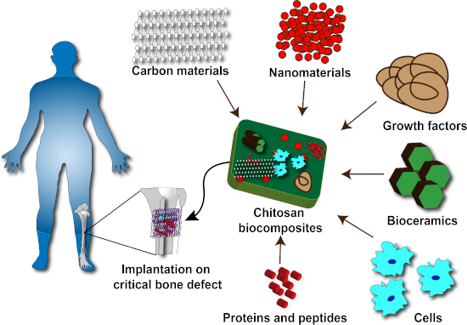
- , researchers have tried several ways to develop different materials using chitosan-based nanocomposites of silver, copper, gold, zinc oxide, titanium oxide, carbon nanotubes, graphene oxide, and biosilica. The combination of materials helps in the expression of ideal bone formation genes of alkaline
- oxide, zinc oxide, carbon nanotubes, graphene oxide, and biosilica was developed to improve bone scaffolds for better bone tissue repair and regeneration [11]. In tissue engineering applications, nanoscale topological characteristics influence cell adhesion, survival, proliferation, and differentiation
- and regeneration [14]. Nanomaterials such as silver [15], gold [16][17], titanium oxide [18], zinc oxide [19][20], carbon nanotubes [21][22], graphene [23] and biosilica have been studied in terms of their osteogenic potential in stem cell differentiation. Chitosan materials are often combined with
Self-assembly of C60 on a ZnTPP/Fe(001)–p(1 × 1)O substrate: observation of a quasi-freestanding C60 monolayer
Beilstein J. Nanotechnol. 2022, 13, 857–864, doi:10.3762/bjnano.13.76
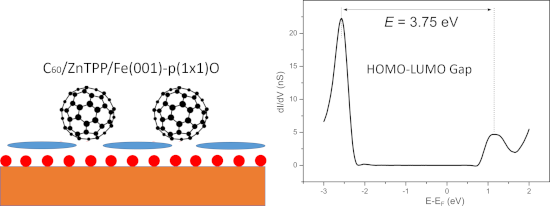
- Fullerene (C60) has been deposited in ultrahigh vacuum on top of a zinc tetraphenylporphyrin (ZnTPP) monolayer self-assembled on a Fe(001)–p(1 × 1)O substrate. The nanoscale morphology and the electronic properties of the C60/ZnTPP/Fe(001)–p(1 × 1)O heterostructure have been investigated by scanning


A nonenzymatic reduced graphene oxide-based nanosensor for parathion
Beilstein J. Nanotechnol. 2022, 13, 730–744, doi:10.3762/bjnano.13.65

- , hybrid carbon nanomaterials such as ferrocene-thiophene modified by carbon nanotubes, zinc(II) phthalocyanine-boron dipyrromethene attached single-walled carbon nanotubes were used for the direct detection of pesticides [12][13][14][15]. So far, only limited electrochemical nanosensors modified by


Nanoarchitectonics of the cathode to improve the reversibility of Li–O2 batteries
Beilstein J. Nanotechnol. 2022, 13, 689–698, doi:10.3762/bjnano.13.61
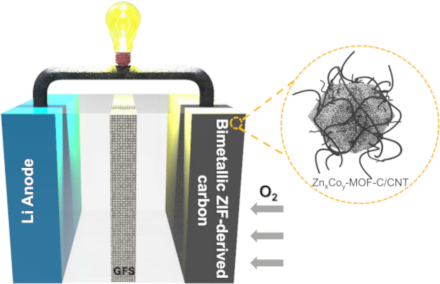
- metal ions are zinc and cobalt, respectively) have been extensively studied for various energy storage applications [35][36]. From a structural viewpoint, ZIF-8-derived carbon materials have a large specific surface area with a well-defined microporous structure and a high N content [37]. Meanwhile, ZIF
- 20%, 50%, and 80% of zinc ions in the metal precursors). Firstly, metal solutions were prepared by dissolving stoichiometric amounts of cobalt acetate tetrahydrate (Co(CH3COO)2⋅4H2O, Sigma-Aldrich, 98%) and zinc acetate dihydrate (Zn(CH3COO)2·2H2O, Sigma-Aldrich, 99%) in methanol (60 mL). Meanwhile



Zinc oxide nanostructures for fluorescence and Raman signal enhancement: a review
Beilstein J. Nanotechnol. 2022, 13, 472–490, doi:10.3762/bjnano.13.40
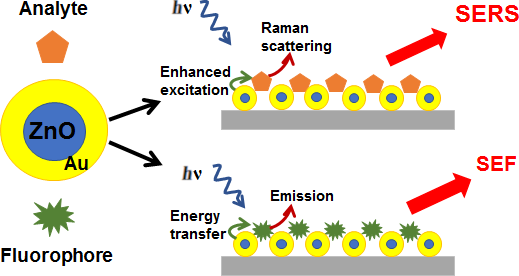
- applications [13]. This review article seeks to present the fabrication methods and applications of zinc oxide nanostructures enhancing the photoluminescence emission or the Raman signal of analyte molecules. First, we focus on a wide range of synthesis methods of ZnO nanostructures and nanocomposites based on
- a long time. It was assumed that zinc vacancies, oxygen vacancies, and other defects are candidates for recombination centres involved in the visible luminescence [78]. Studies concerning the green luminescence of ZnO in the past few years assumed that the oxygen vacancies are the most likely
- candidates for recombination centres involved in the visible luminescence of ZnO [77][79]. Thus, the electrical and luminescence characteristics of zinc oxide could be changed by the number of oxygen vacancies or other point defects (vacancies, atom substitutions, and interstitial atoms). Moreover




A chemiresistive sensor array based on polyaniline nanocomposites and machine learning classification
Beilstein J. Nanotechnol. 2022, 13, 411–423, doi:10.3762/bjnano.13.34

- mg additives (zinc oxide, two forms of tungsten oxide, indium oxide, fullerene, NCD, and barium titanate) in 2 mL xylene. Table 3 shows properties of the used additives. The prepared solutions were mixed in a shaker for 30 min and subsequently ultrasonicated for 30 min. Finally, the obtained




Selected properties of AlxZnyO thin films prepared by reactive pulsed magnetron sputtering using a two-element Zn/Al target
Beilstein J. Nanotechnol. 2022, 13, 344–354, doi:10.3762/bjnano.13.29
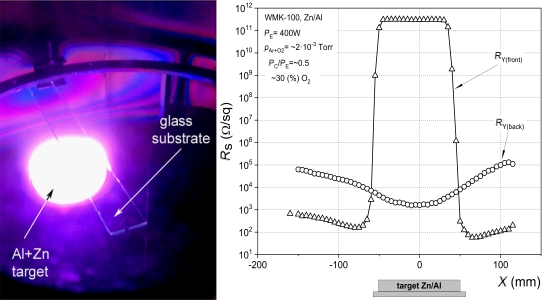
- : aluminium zinc oxide; magnetron sputtering; thin film; transparent conducting oxide; transparent electronics; Introduction Aluminium-doped zinc oxide (AZO) is a potential alternative to indium tin oxide (ITO) for transparent conducting oxide (TCO) electrodes in transparent electronic and photovoltaic
- many preliminary experiments to find optimum conditions for the deposition of thin films with desired properties. For the deposition of AZO thin films by magnetron sputtering, the most commonly used targets are made of sintered zinc oxide powders and aluminum oxide (ZnO/Al2O3). The optimal percentage



Interfacial nanoarchitectonics for ZIF-8 membranes with enhanced gas separation
Beilstein J. Nanotechnol. 2022, 13, 313–324, doi:10.3762/bjnano.13.26
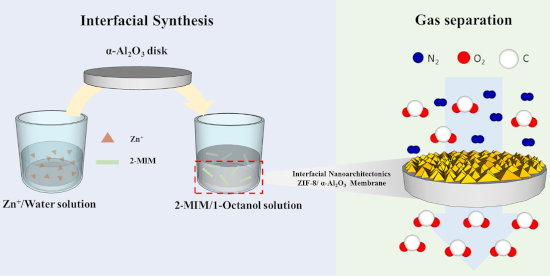
- imidazoles (organic linkers) and zinc or cobalt ions (metal ions). They are considered as promising nanostructured materials in technologies related to energy and environmental science [2][28][29][30]. ZIFs are of particular interest for gas separation due to their additional framework flexibility imposed by
- films were synthesized via an interfacial method, while an interfacial method and a counter-diffusion method were adopted to synthesize α-Al2O3-supported ZIF-8 membranes for CO2/N2 gas separation. Materials and Methods Chemicals Zinc nitrate hexahydrate, 2-methylimidazole (2-MIM), sodium formate of
- reagent grade, methanol and 1-octanol of analysis grade were purchased from Sigma-Aldrich. Deionized water produced with a Merck Millipore system was used. The α-Al2O3 disks (30 mm in diameter and 1 mm in thickness) were purchased from Fraunhofer IKTS. Synthesis of ZIF-8 free-standing films Zinc nitrate


Engineered titania nanomaterials in advanced clinical applications
Beilstein J. Nanotechnol. 2022, 13, 201–218, doi:10.3762/bjnano.13.15
- cervical tumors by incorporating zinc phthalocyanine (ZnPc) as photosensitizer into TiO2 nps. The result showed a higher cellular uptake of ZnPc-TiO2 and an increased PDT efficiency compared ot Zn alone [114]. Since photocatalytic absorption generally occurs at the surface, surface modification acts as the





